
SALE 20%
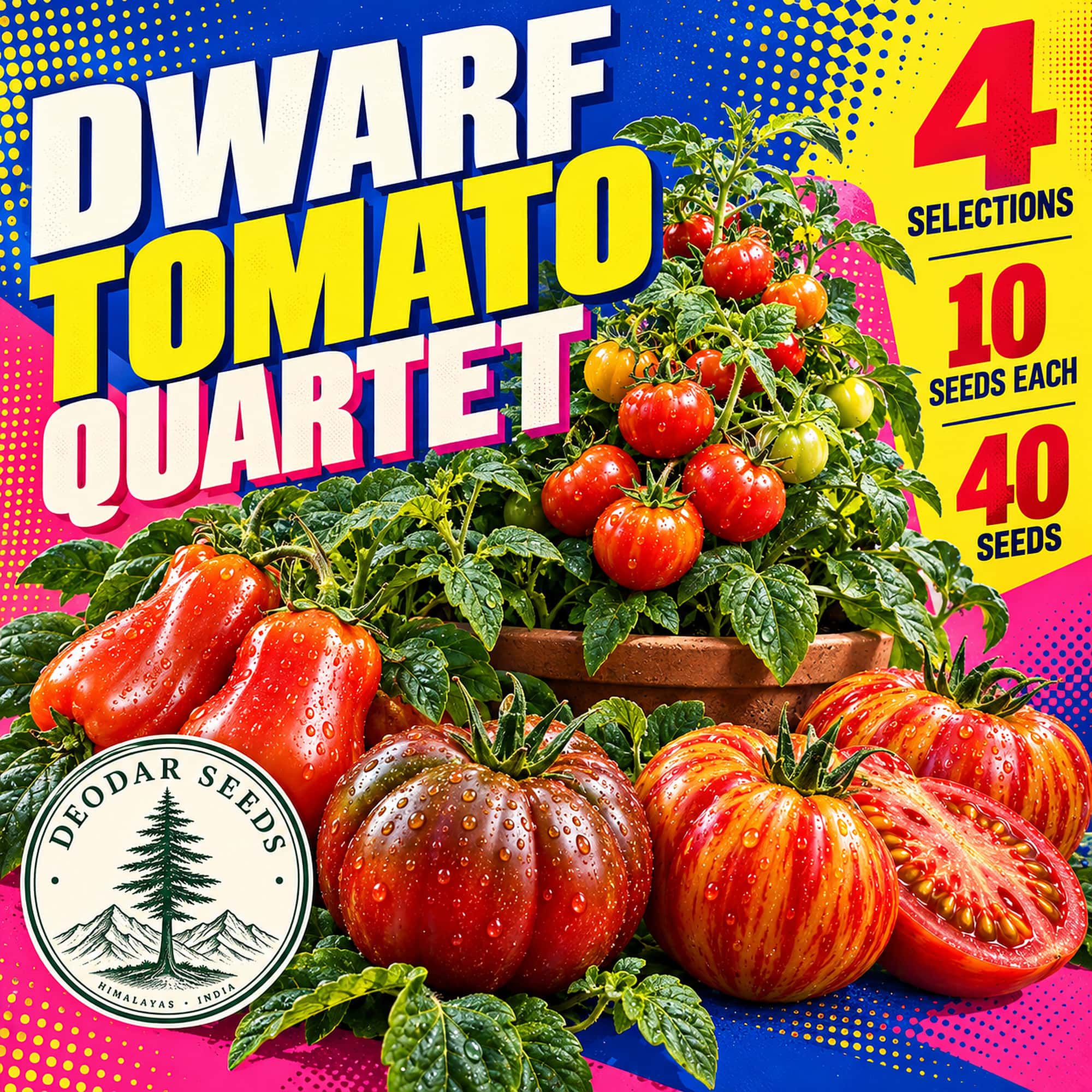
Dwarf Tomato Quartet — 4 Seed Selections
4 selections, 40 seeds total. Four dwarf tomato catalogue selections.
from $12.99 $10.40
Tomato seed growing guide
Choose tomato seeds by plant habit, fruit type, breeding status, and available garden space, then match sowing and support to the selected variety.
105 seed listings with current packet options and USD prices. Page 1 of 3.
4 selections, 40 seeds total. Four dwarf tomato catalogue selections.
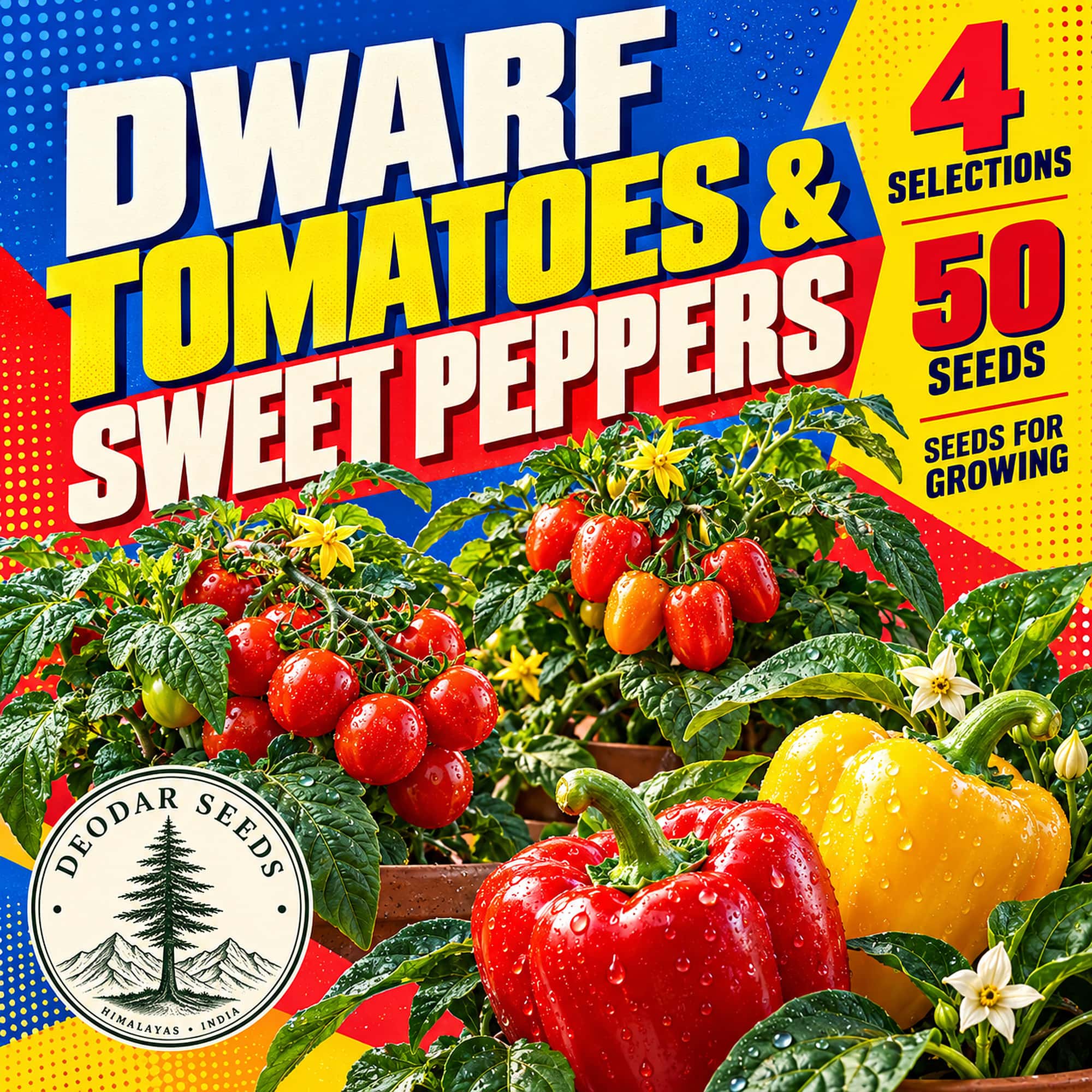
4 selections, 50 seeds total. Mongolian Dwarf and Maritime Bells tomatoes, red and yellow sweet peppers.
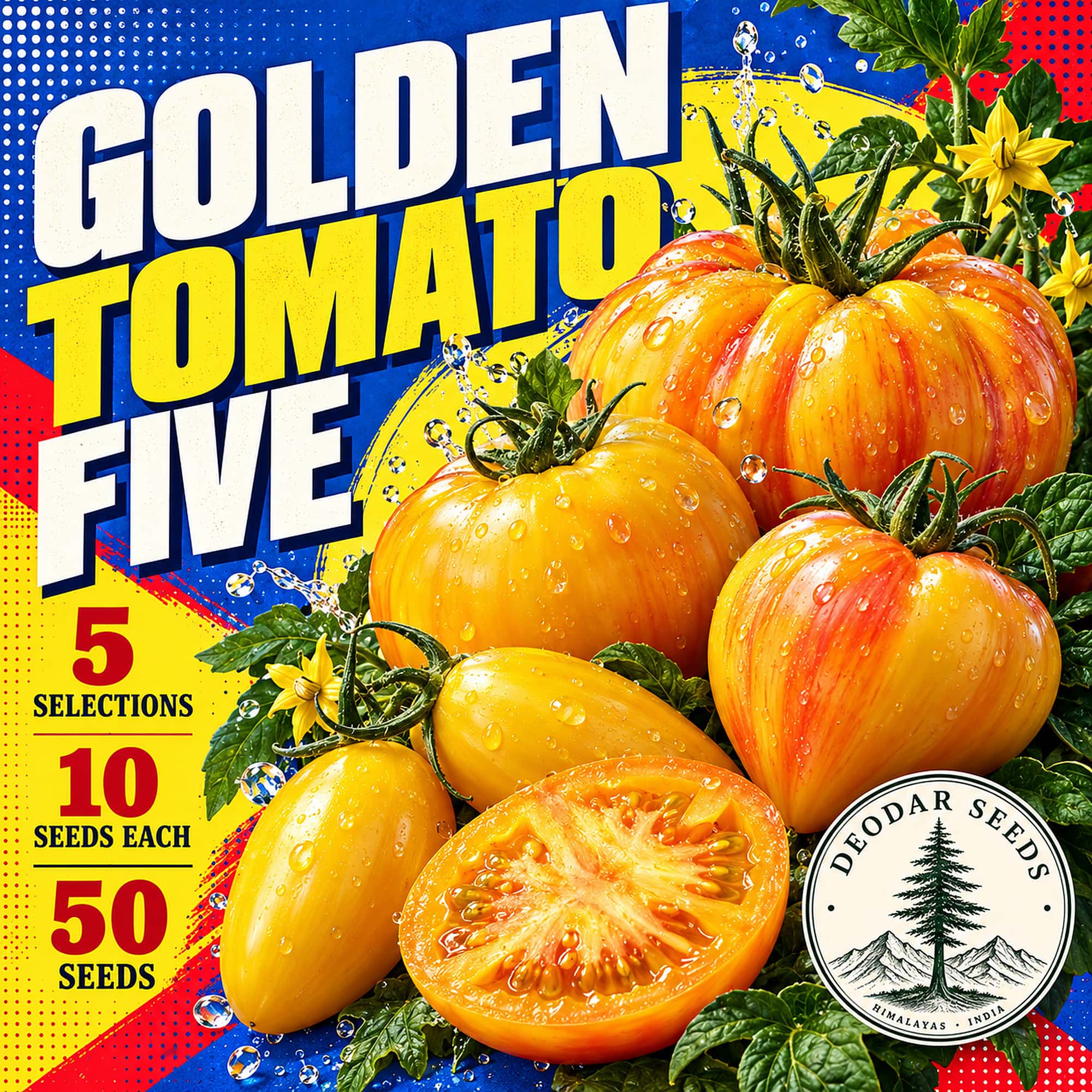
5 selections, 50 seeds total. Golden tomato selections including Banana Legs and Amish Gold.
4 selections, 30 seeds total. Golden tomatoes with Yellow Monster and Cayenne Gold peppers.
4 selections, 40 seeds total. Costoluto Genovese and Banana Legs tomatoes, Ramiro and jalapeno peppers.
4 selections, 30 seeds total. Gargamel and Amethyst Jewel tomatoes, red and purple habaneros.
5 selections, 50 seeds total. Kozula 184, 83, 60 yellow slicer, 228 and 72 tomatoes.
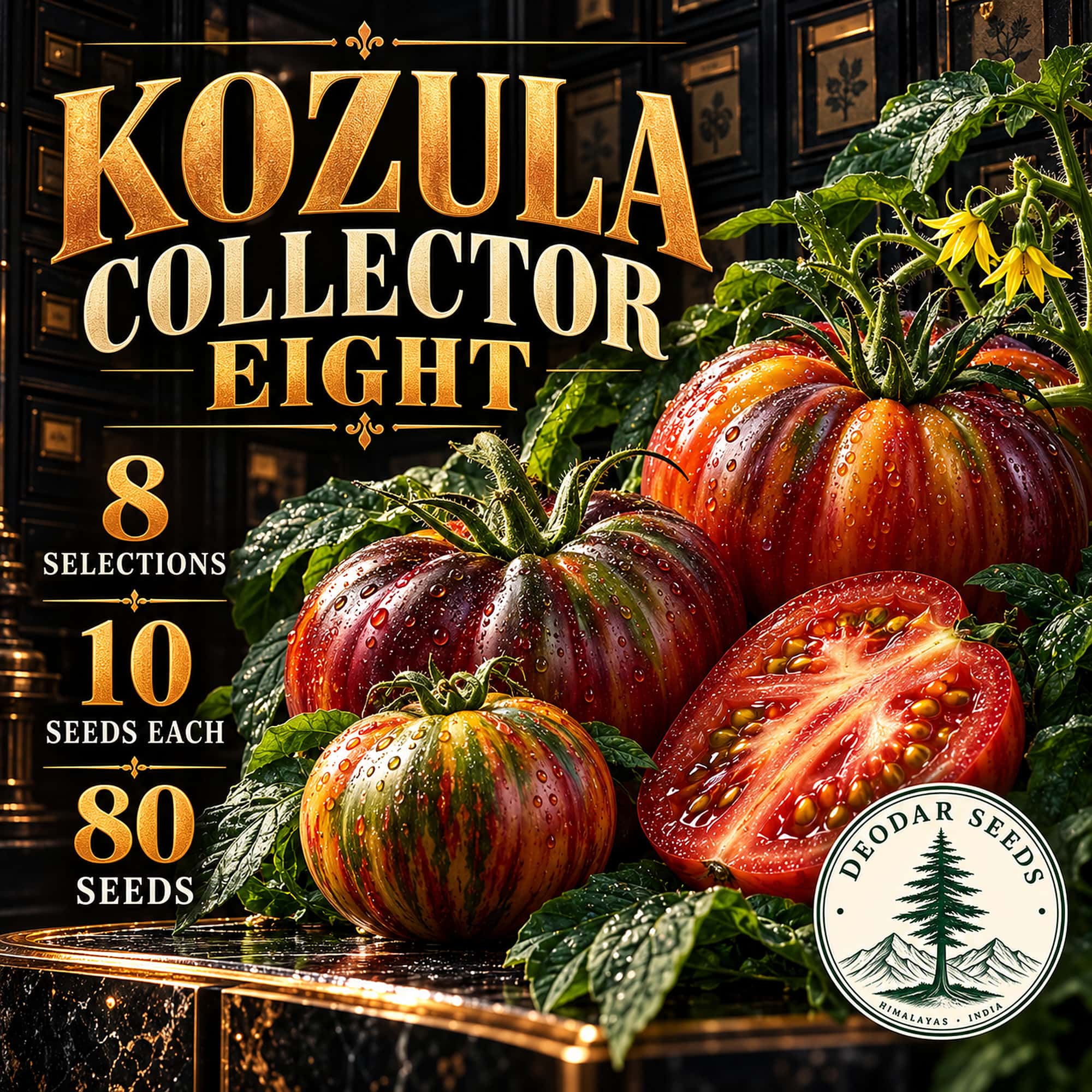
8 selections, 80 seeds total. Eight numbered Kozula tomato selections.
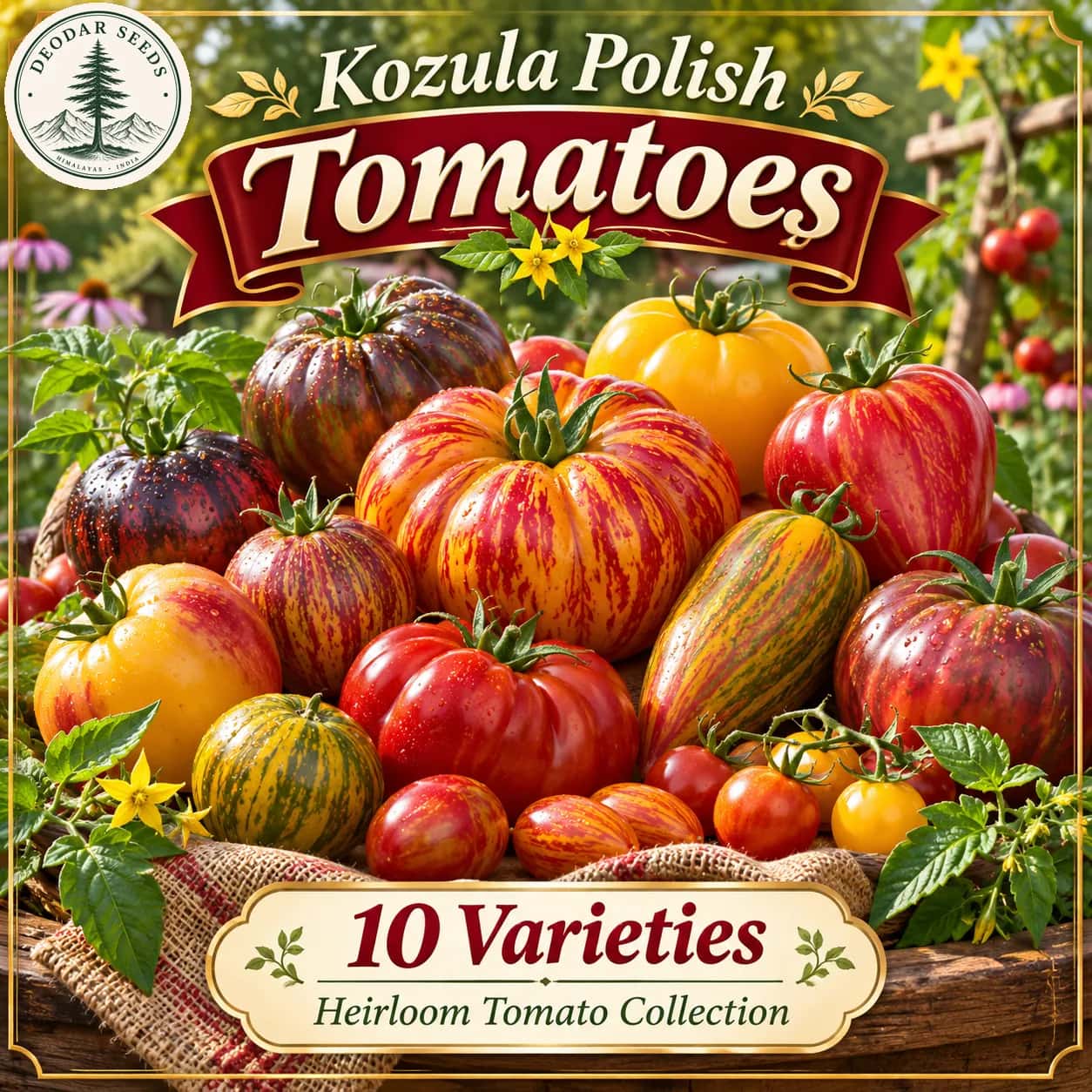 AI-generated kit illustration
Kozula Polish Tomatoes: 10 seed selections, 100 seeds in total. Includes Tomato Kozula 184, Tomato Kozula 83, Tomato Kozula 60 yellow slicer, Tomato Kozula 228, Tomato Kozula 72, Tomato Kozula-132, Tomato kozula 136, Tomato kozula 209, Tomato kozula 148, Tomato kozula 174.
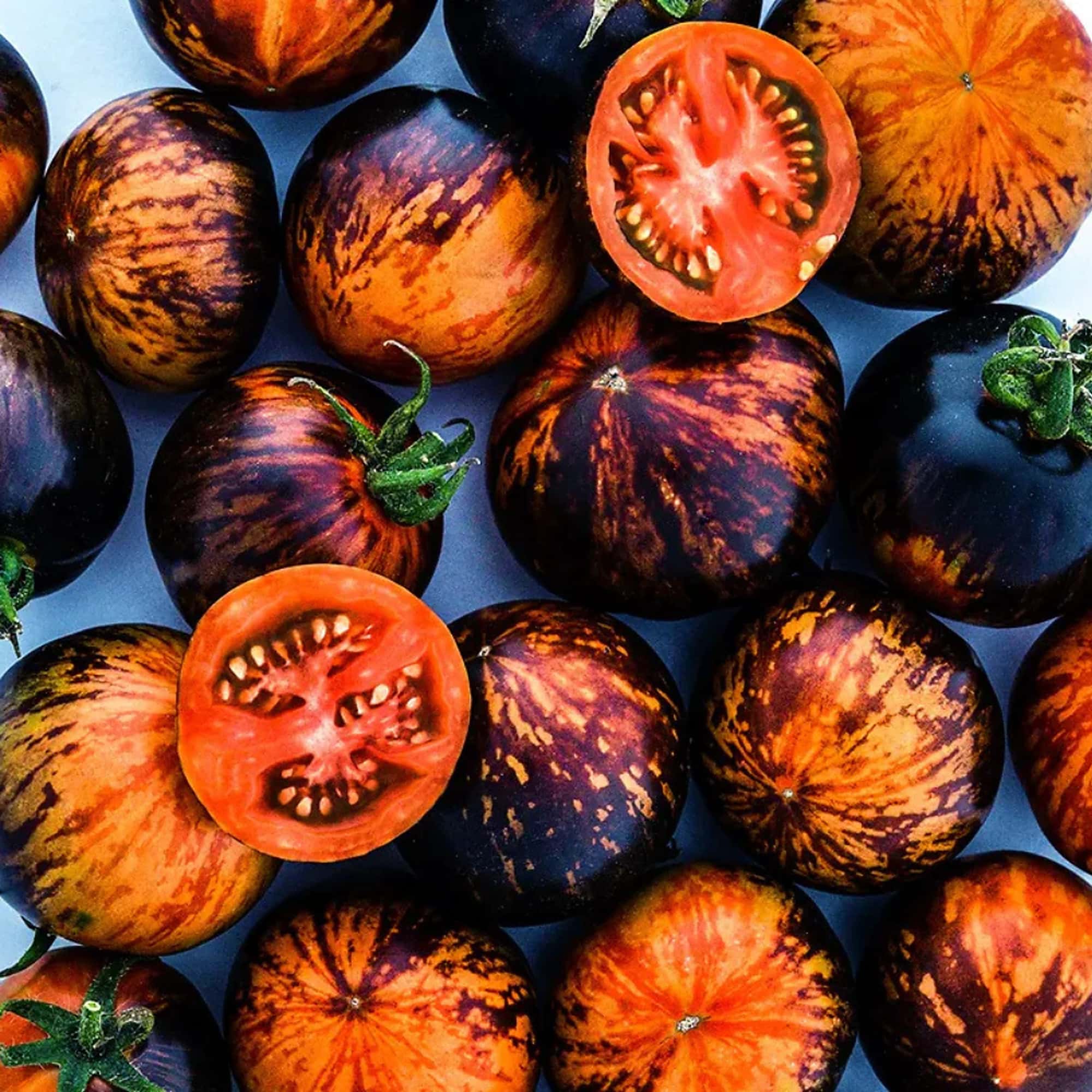
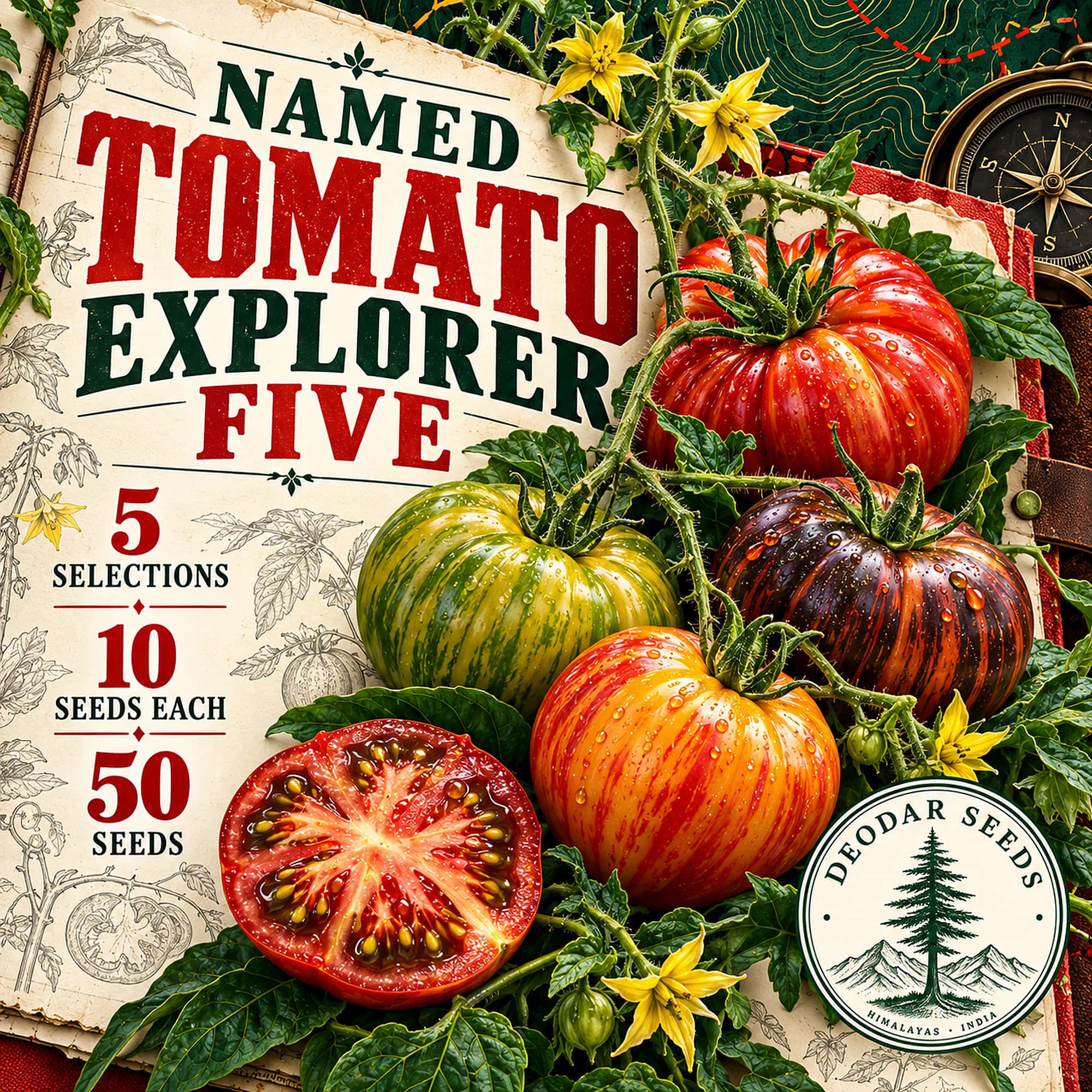
5 selections, 50 seeds total. Tomatoes including Chameleon, Quapaw Green and Hillbilly.
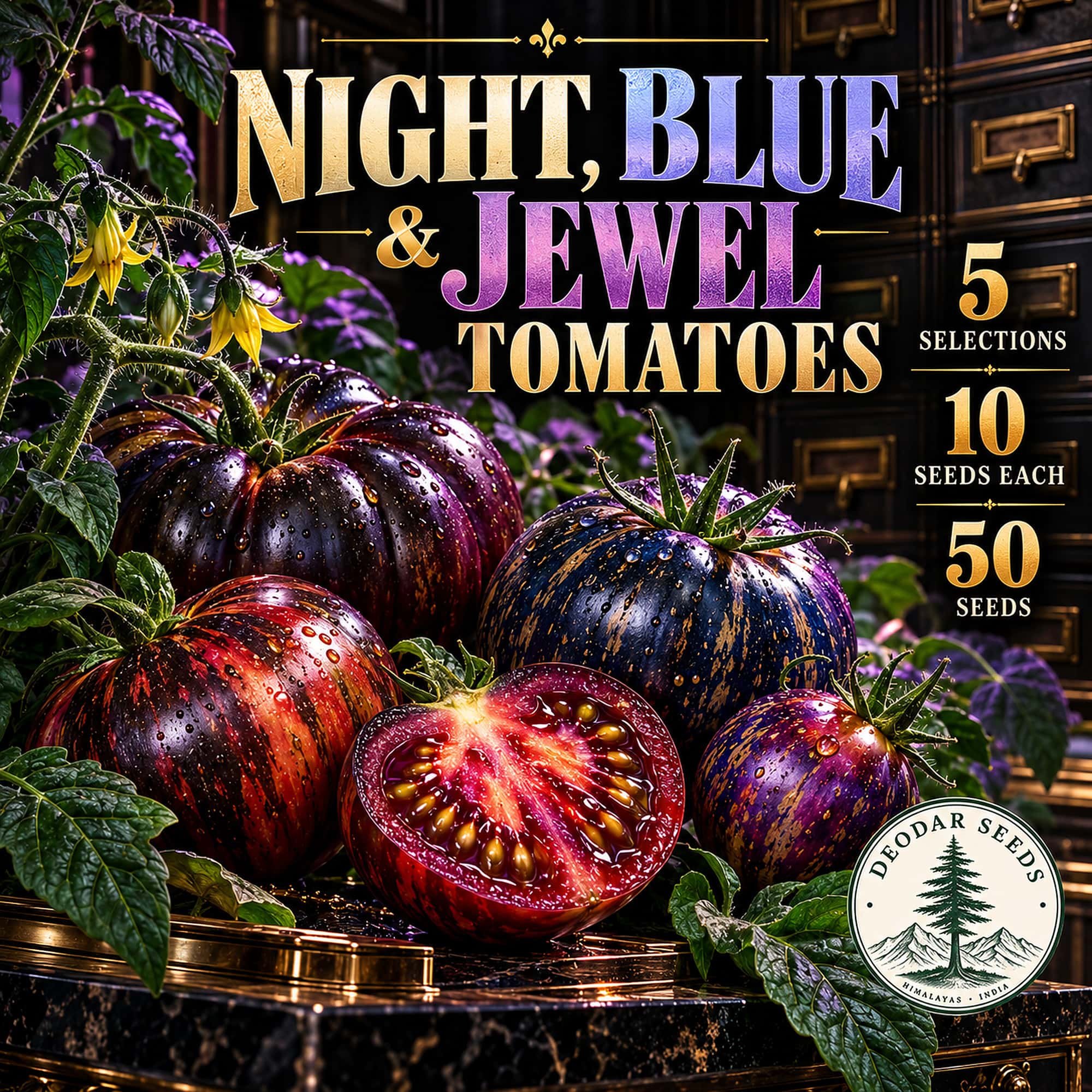
5 selections, 50 seeds total. Tomatoes including Queen of the Night, Amethyst Jewel and Alice’s Dream.
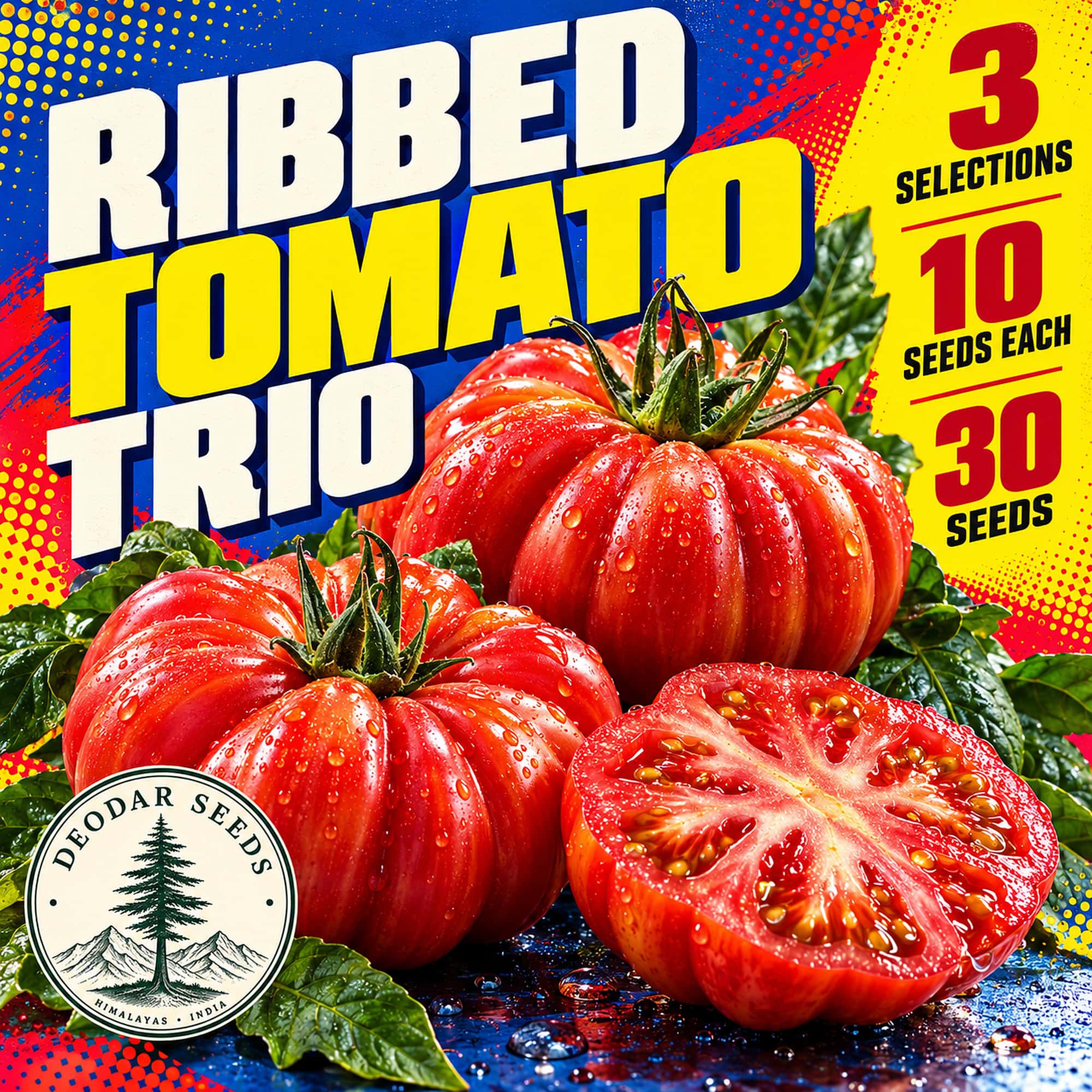
3 selections, 30 seeds total. Costoluto Genovese, Ismail’s Ribbed and Beauty Lottringa tomatoes.
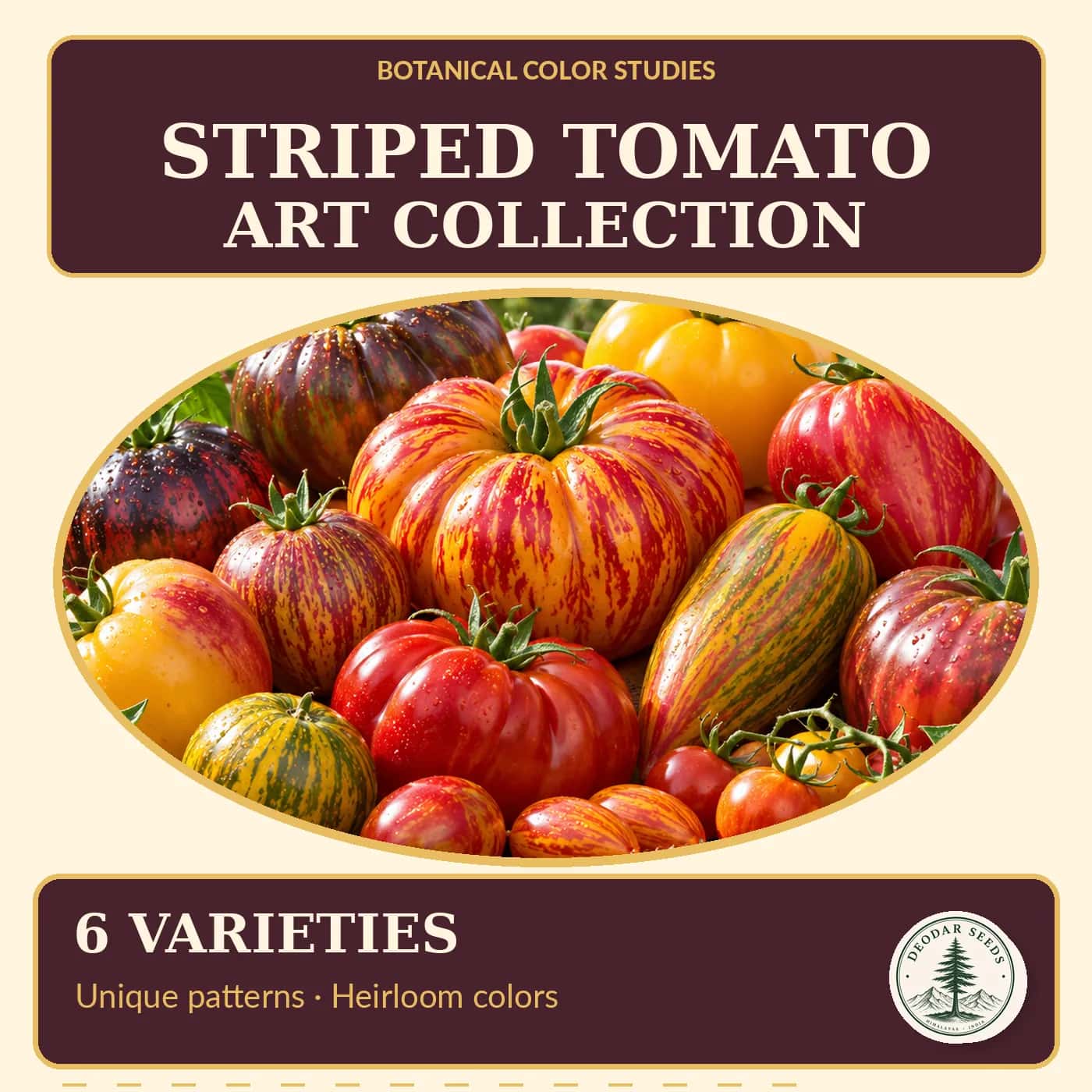 AI-generated kit illustration
Striped Tomato Art Collection: 6 seed selections, 60 seeds in total. Includes Tomato Siegel's dark stripes, Tomato Berkeley Tie Dye Heart, Tomato Striped Stuffer, Tomato Ussuri Tiger, Tomato Black stripped Zebra, Tomato Strawberry tiger, Tigerella.
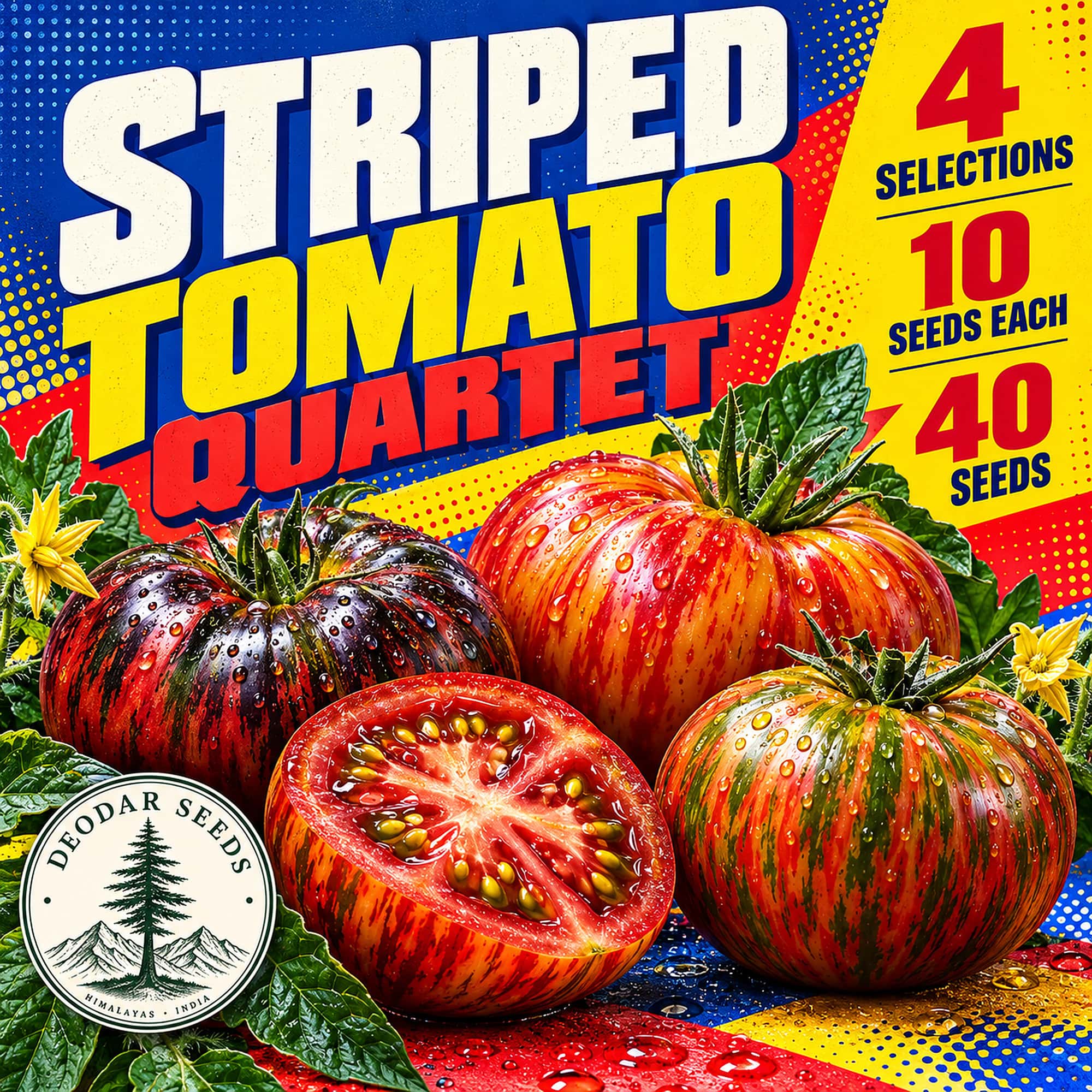
4 selections, 40 seeds total. Striped tomatoes including Gargamel and Ussuri Tiger.
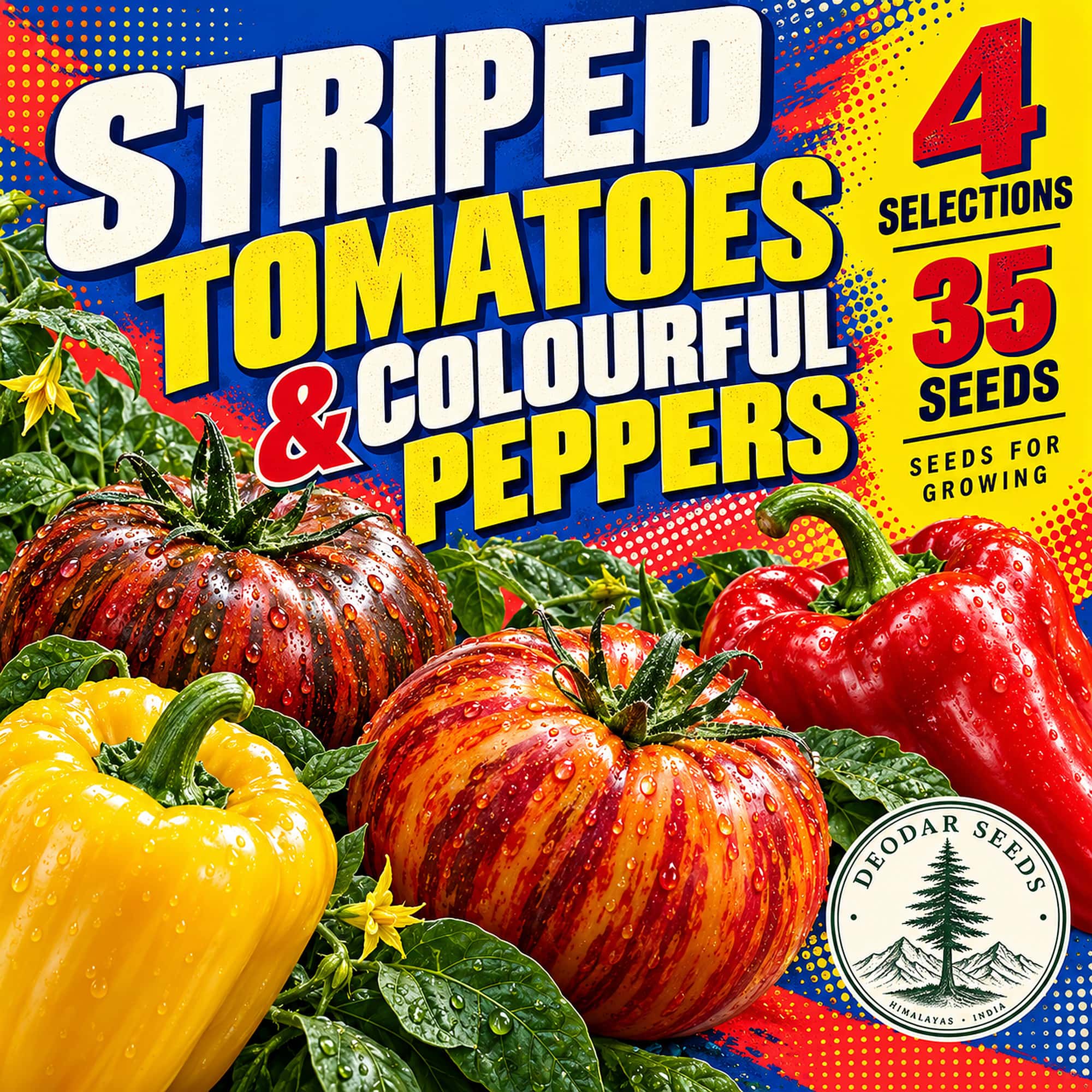
4 selections, 35 seeds total. Striped tomatoes with Iko-Iko and yellow sweet peppers.
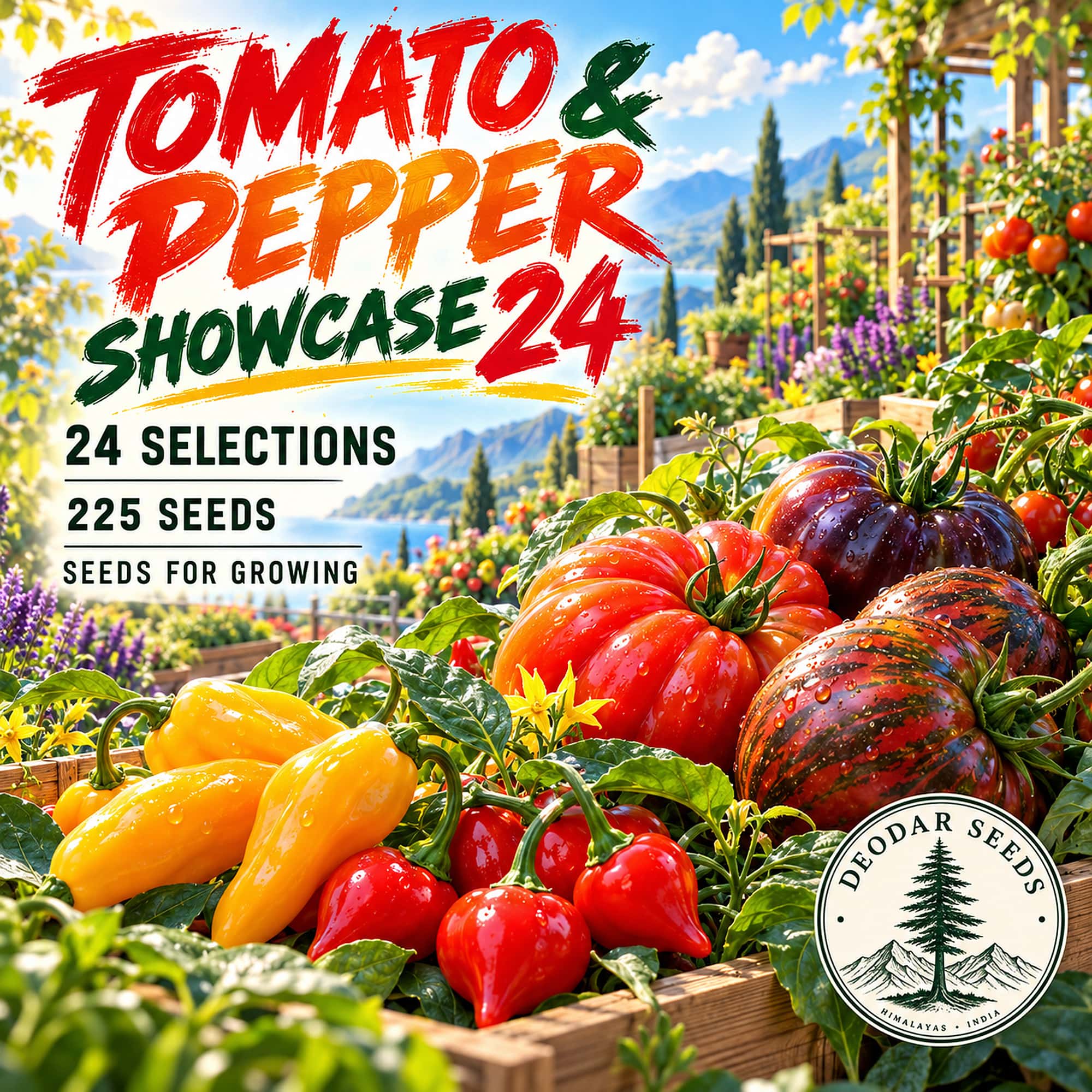
24 selections, 225 seeds total. Twelve tomato and twelve pepper selections.
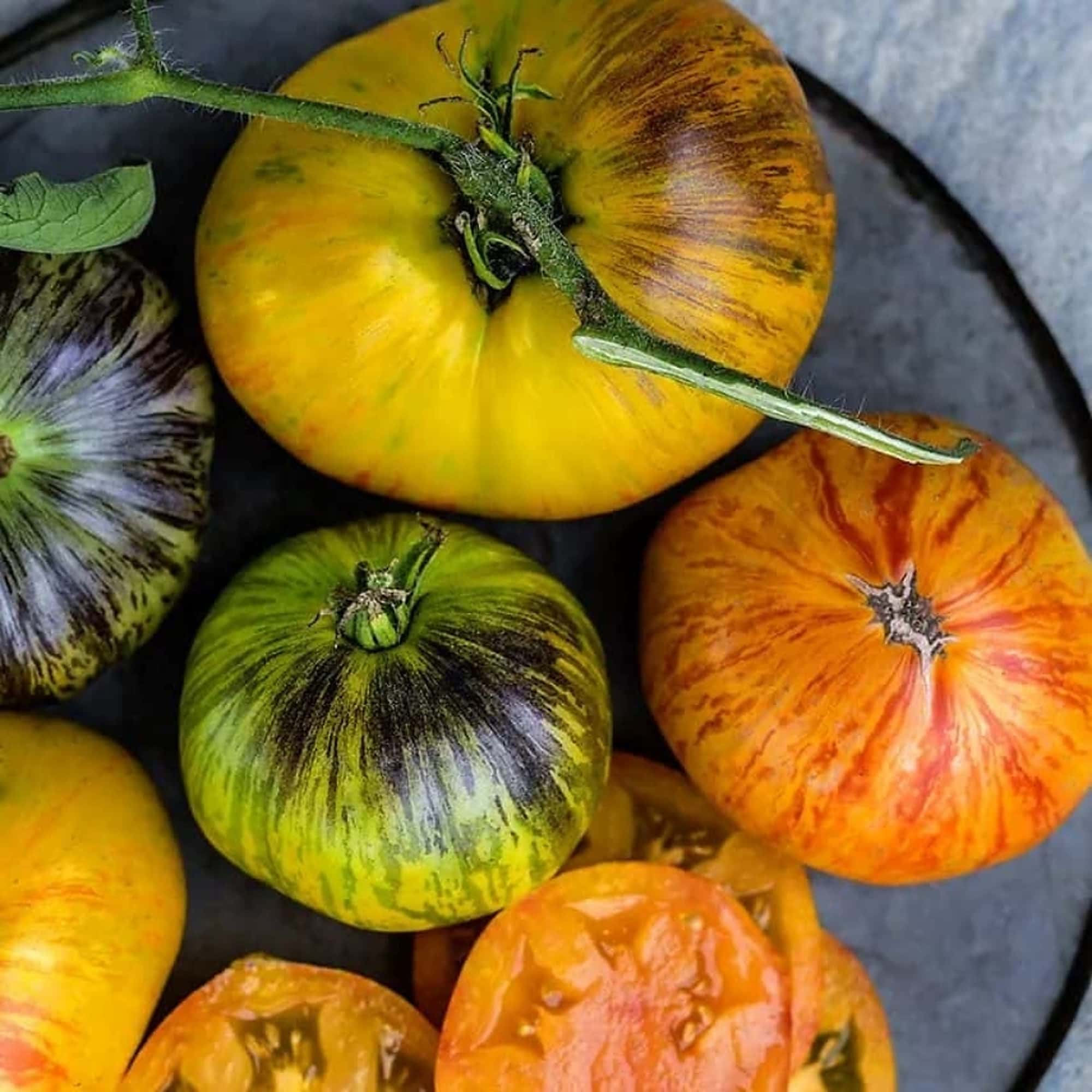
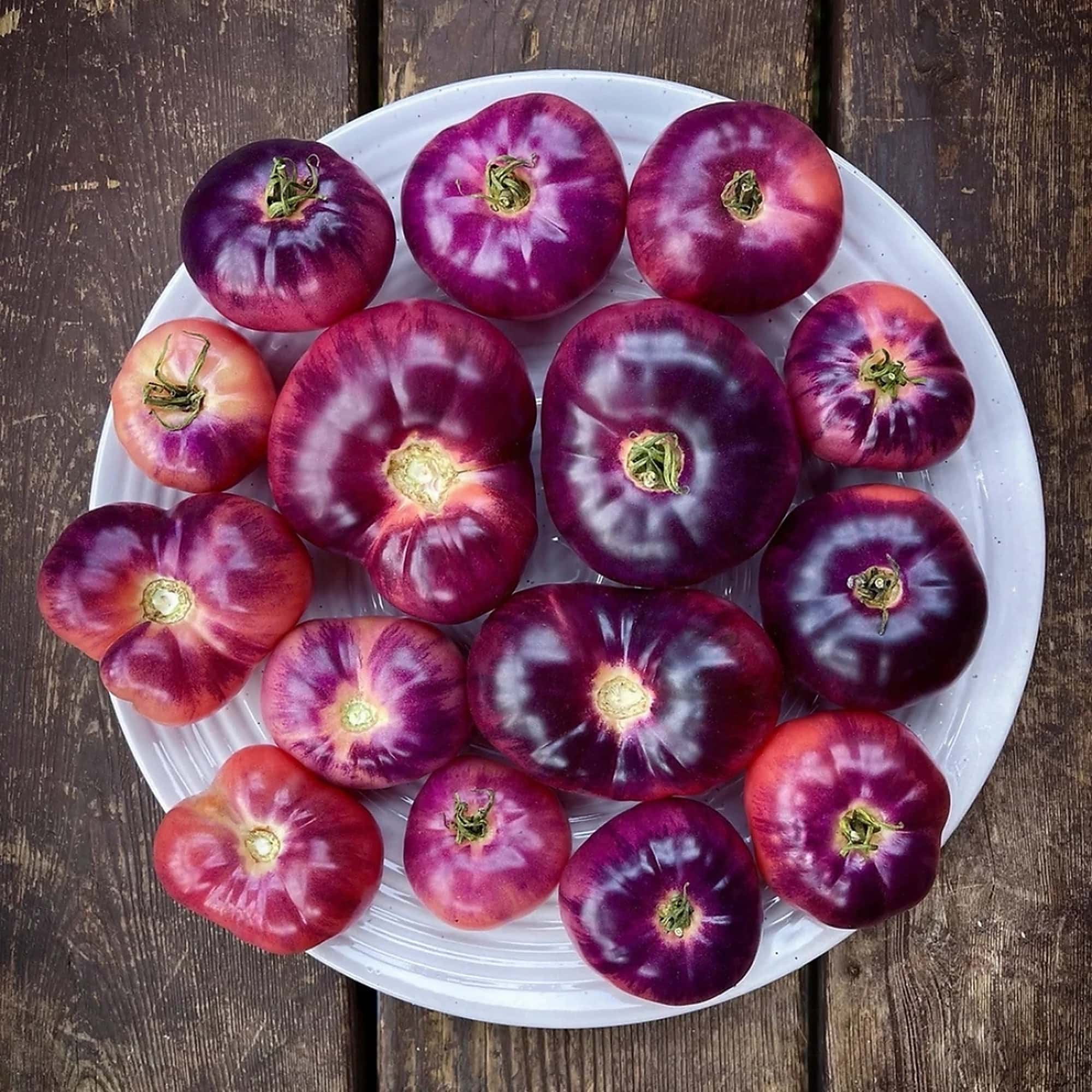
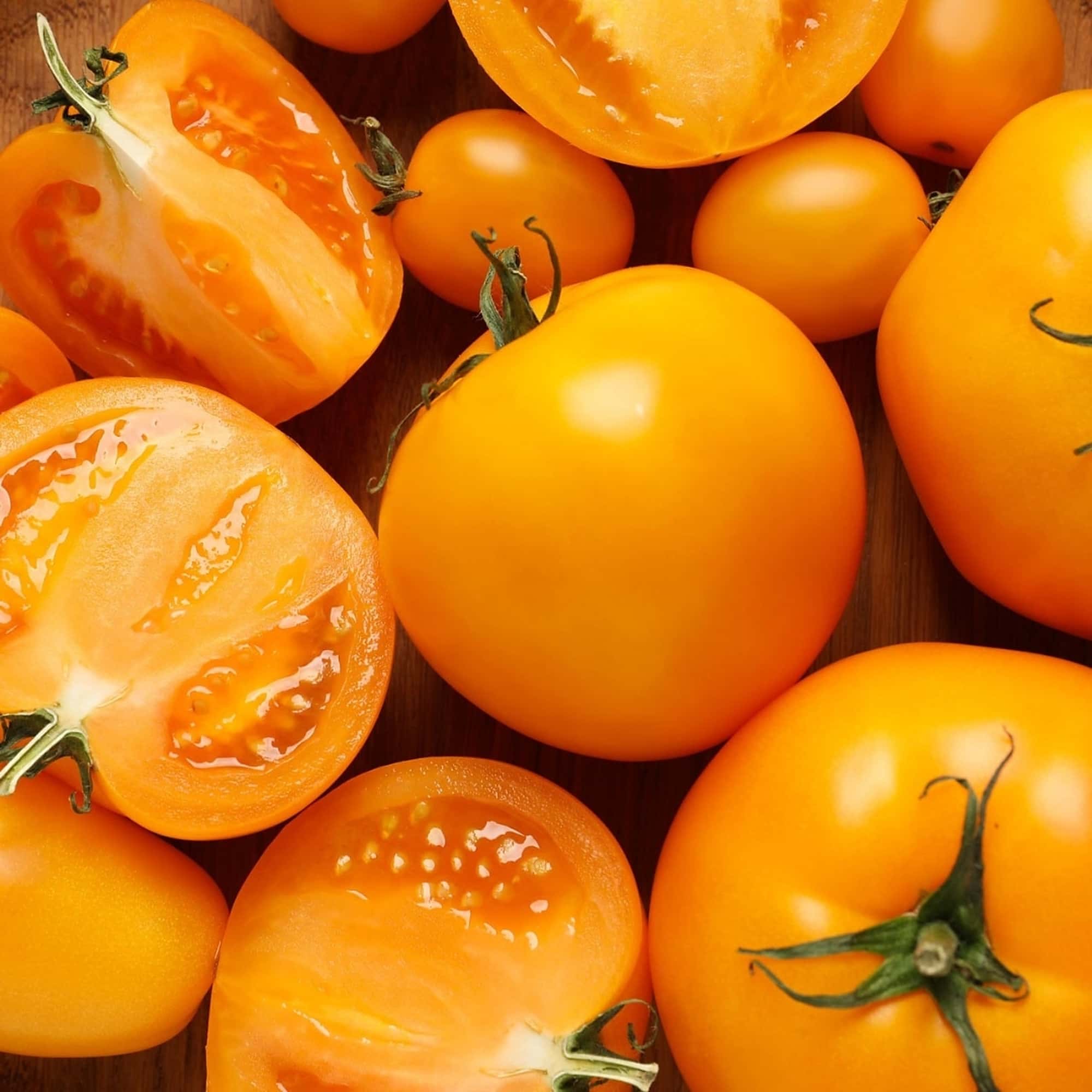
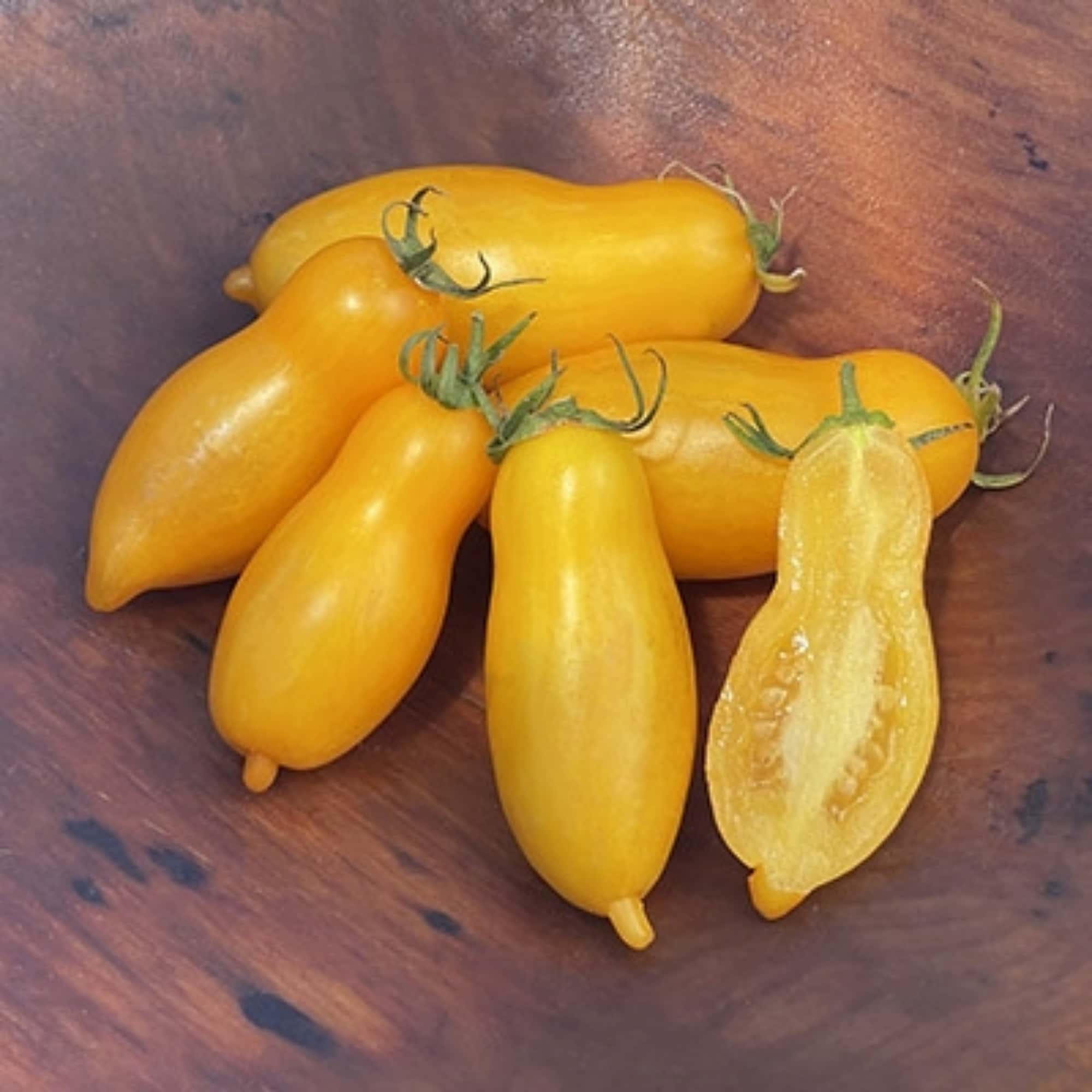
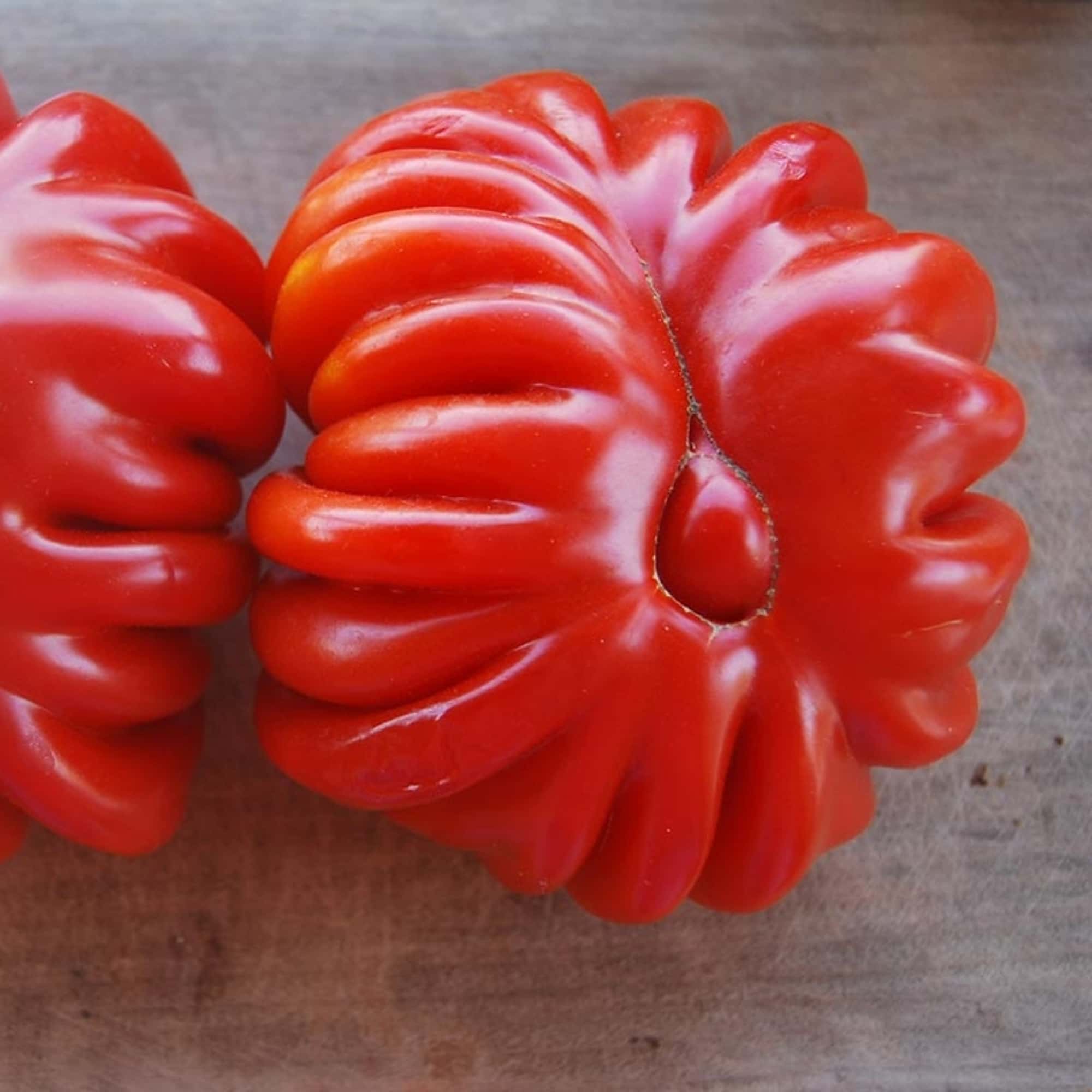
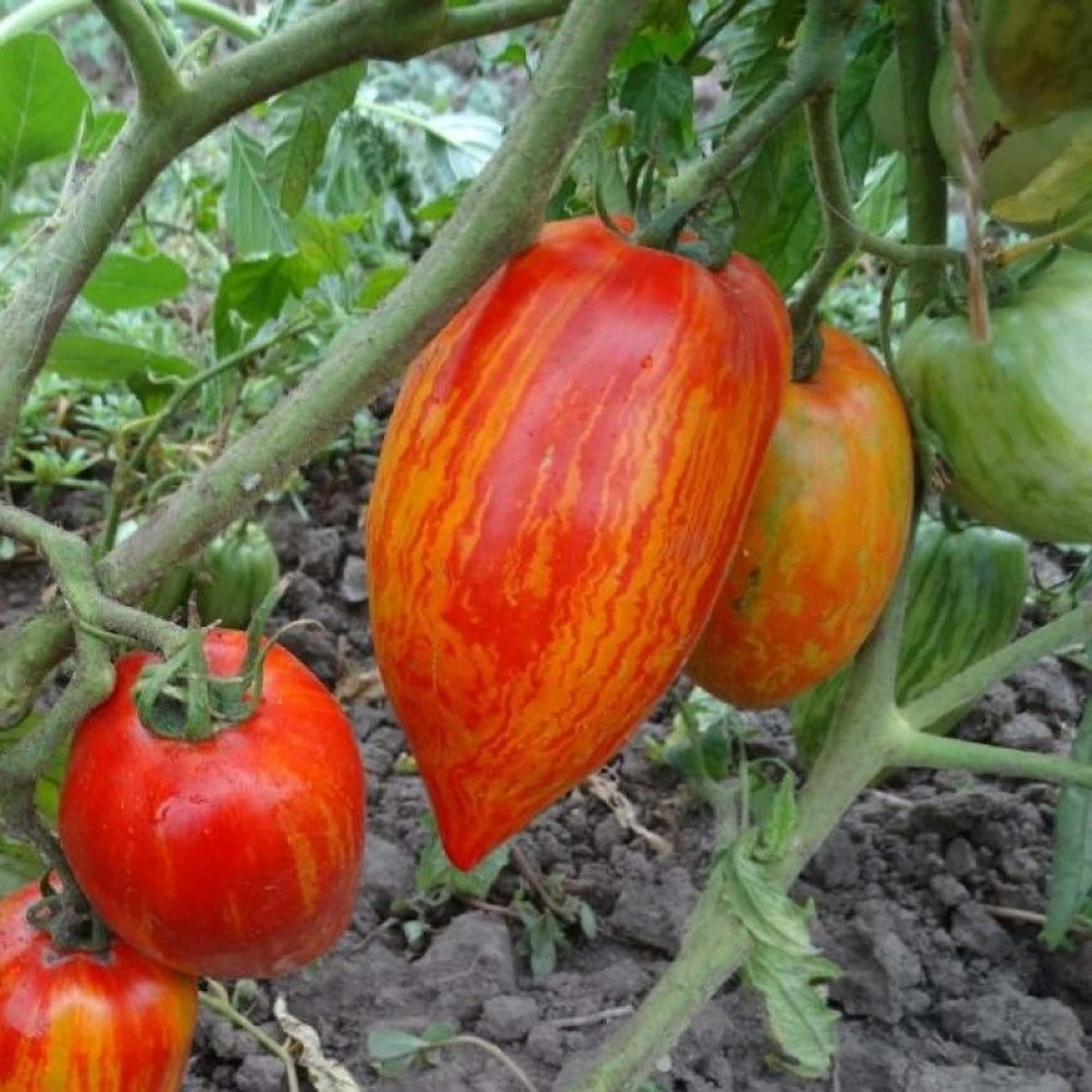
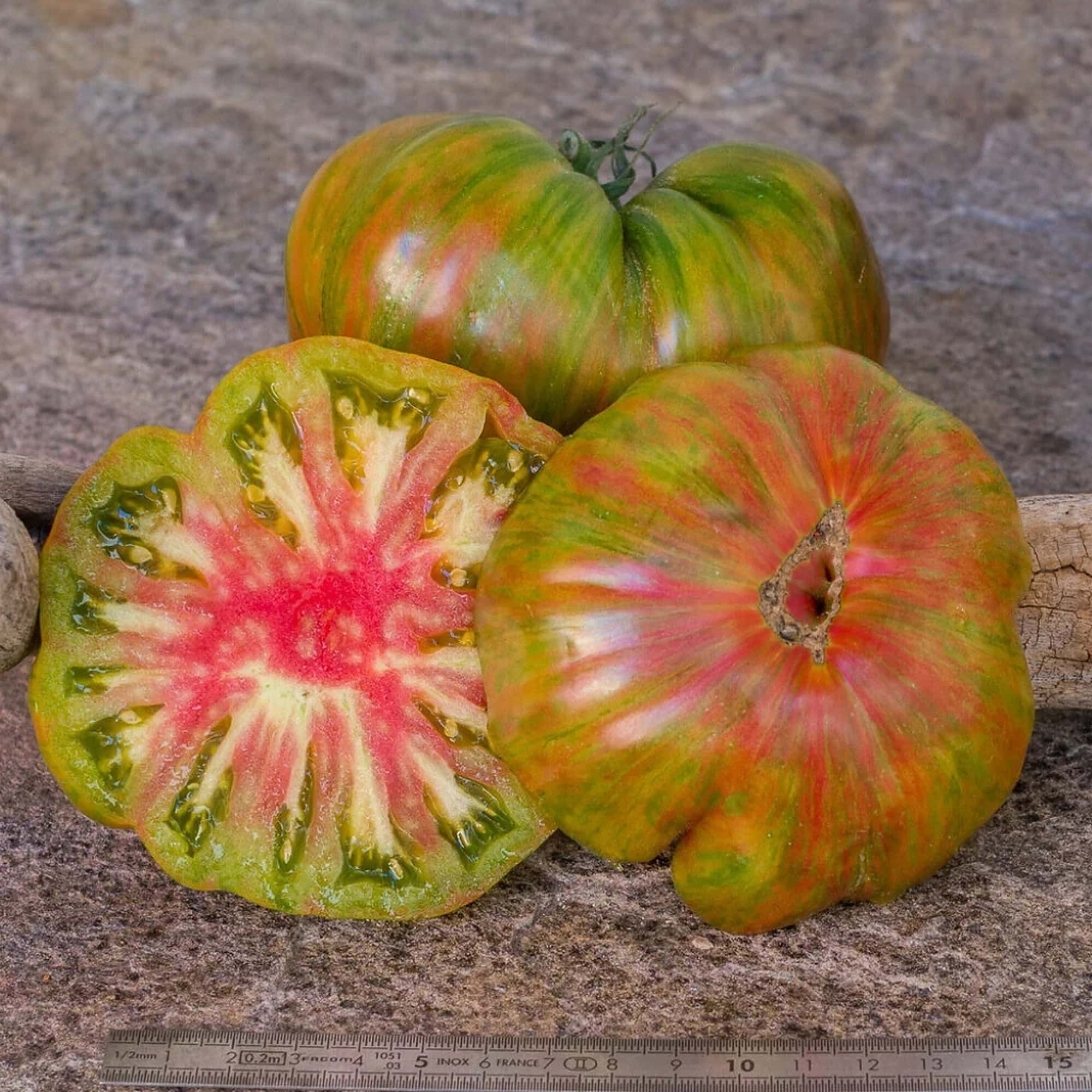
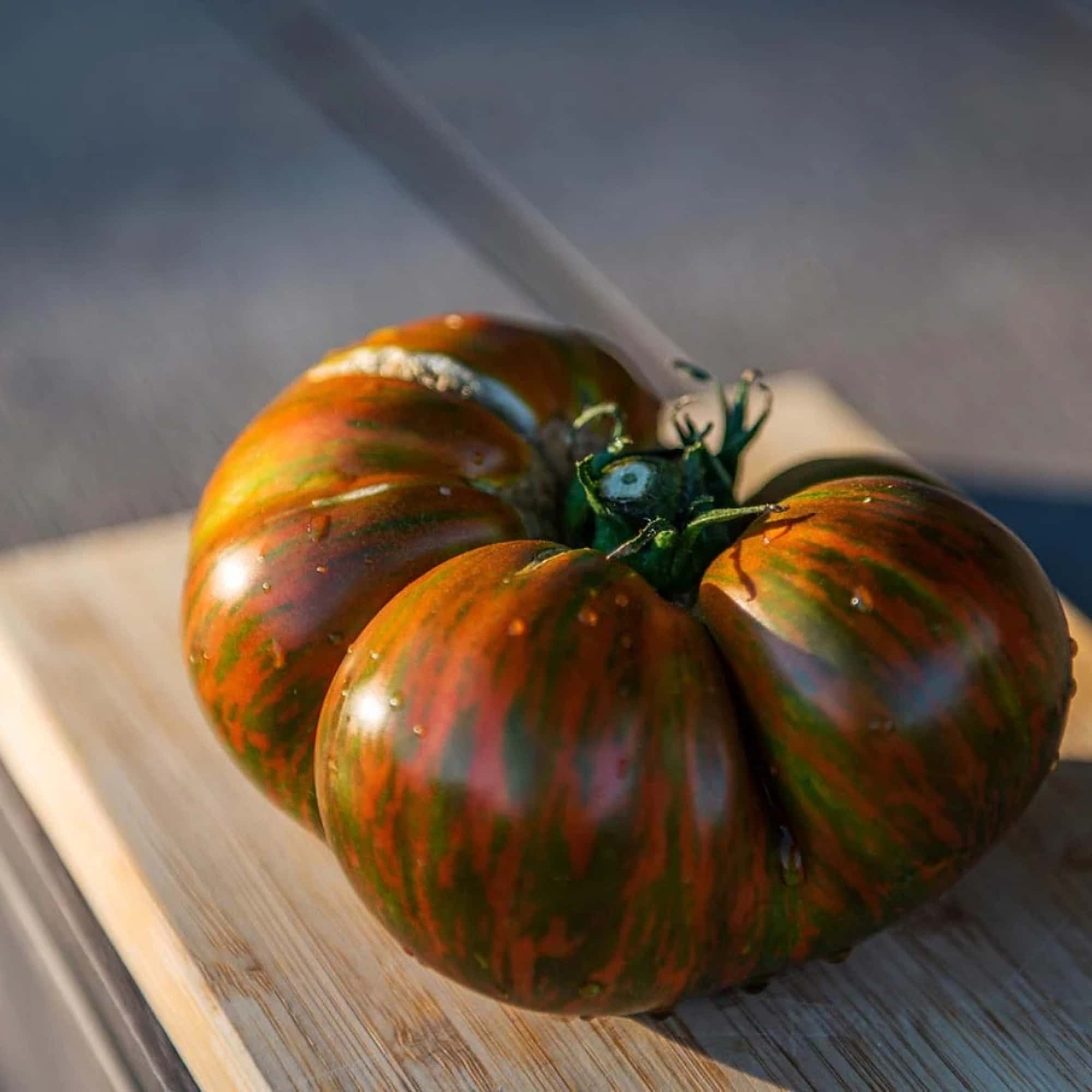
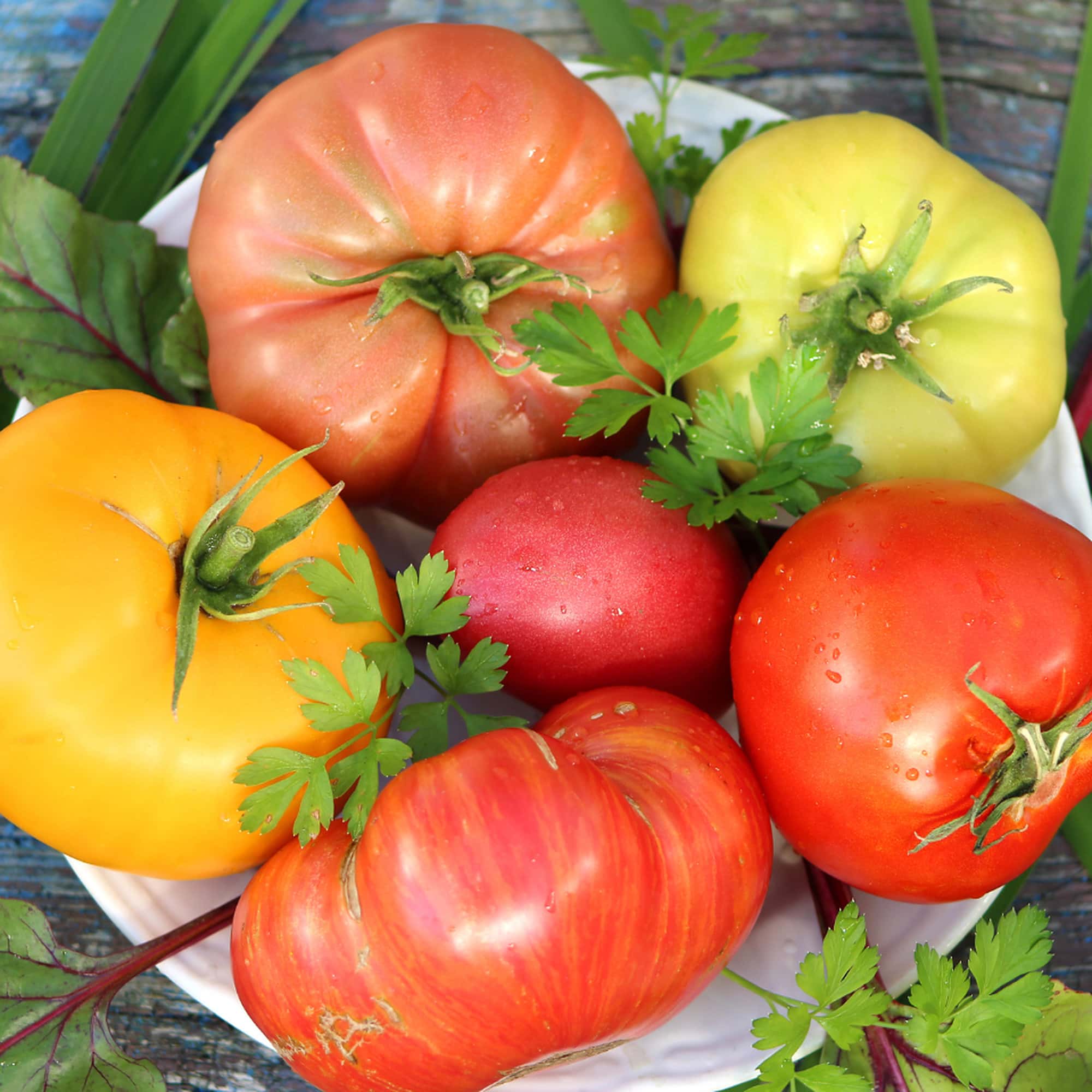
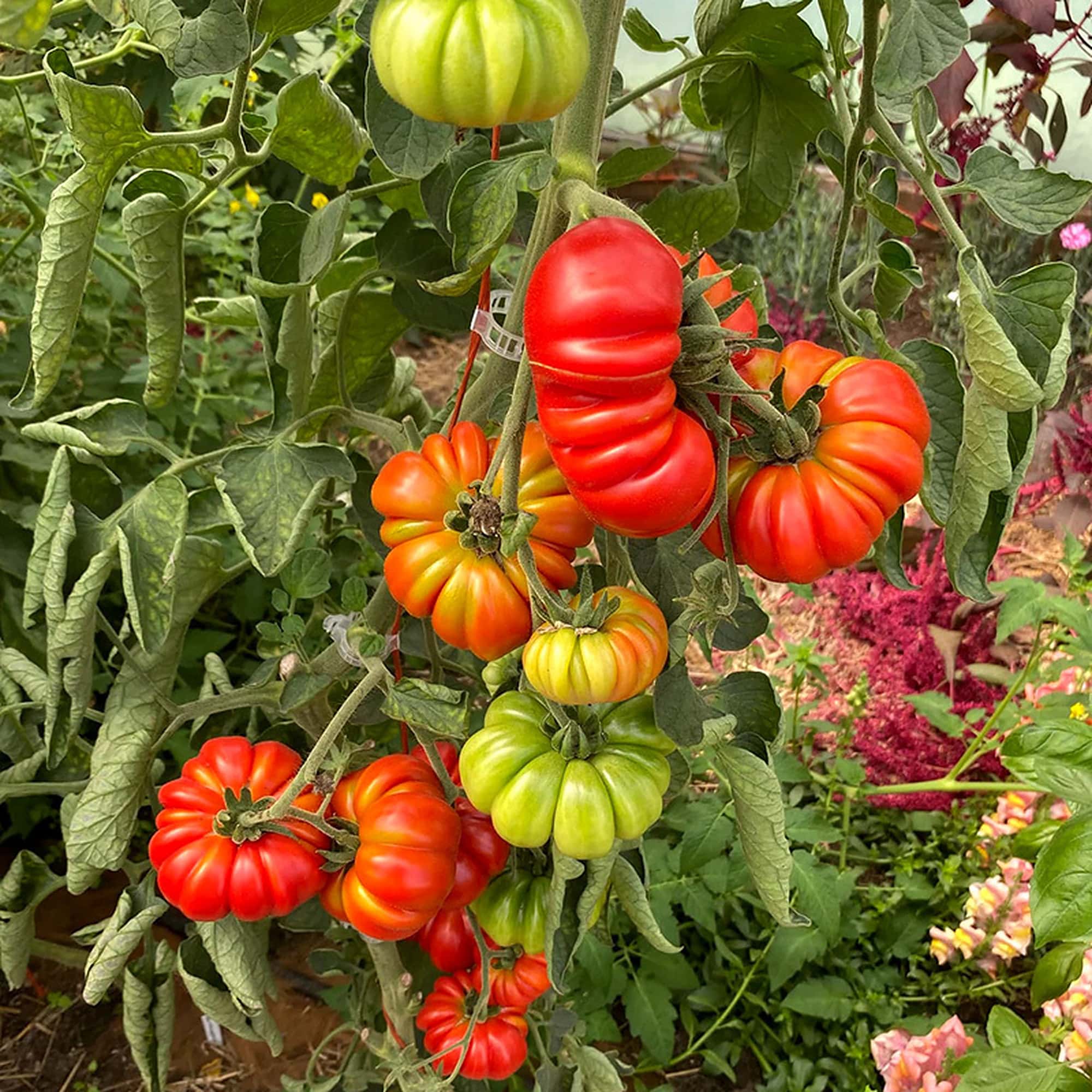
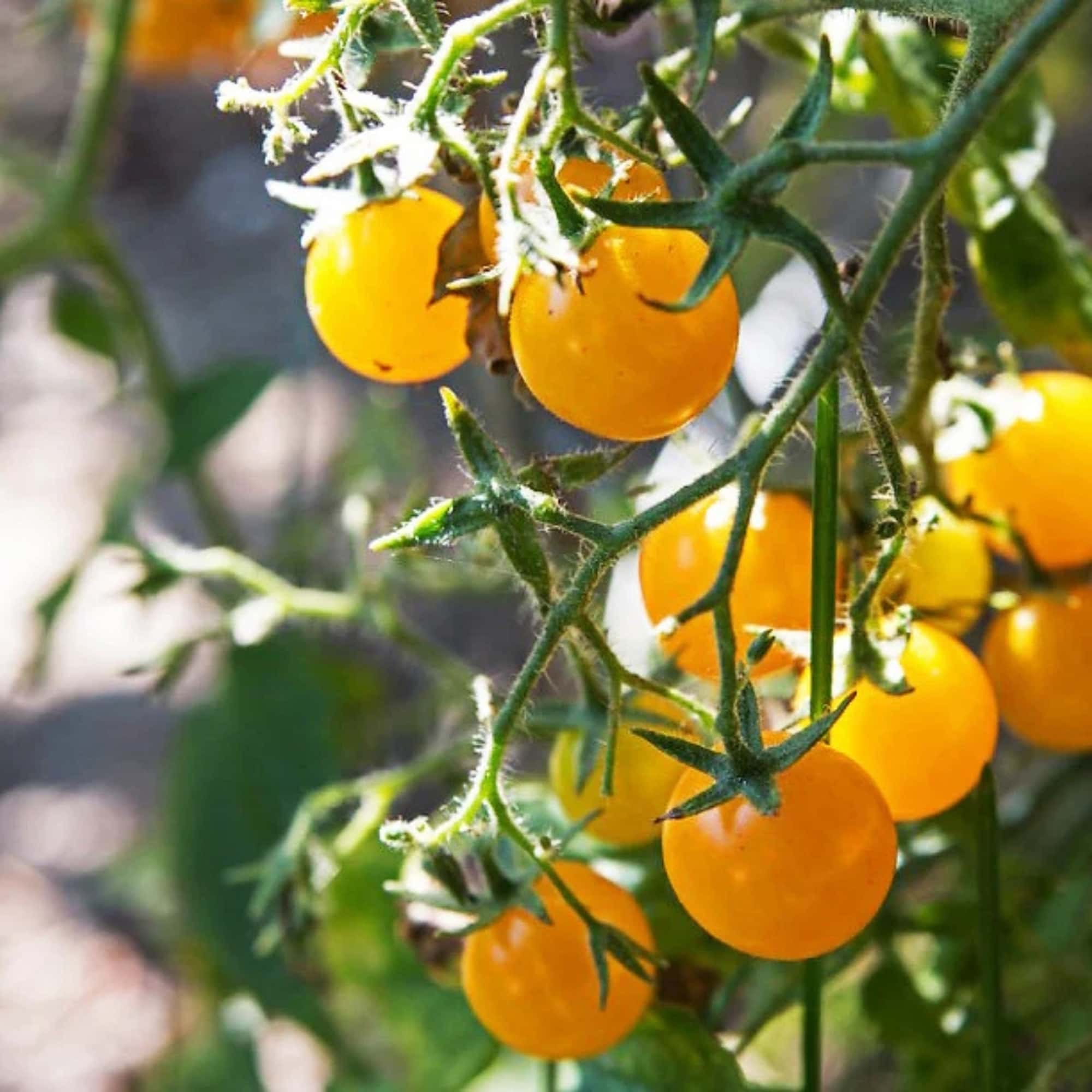
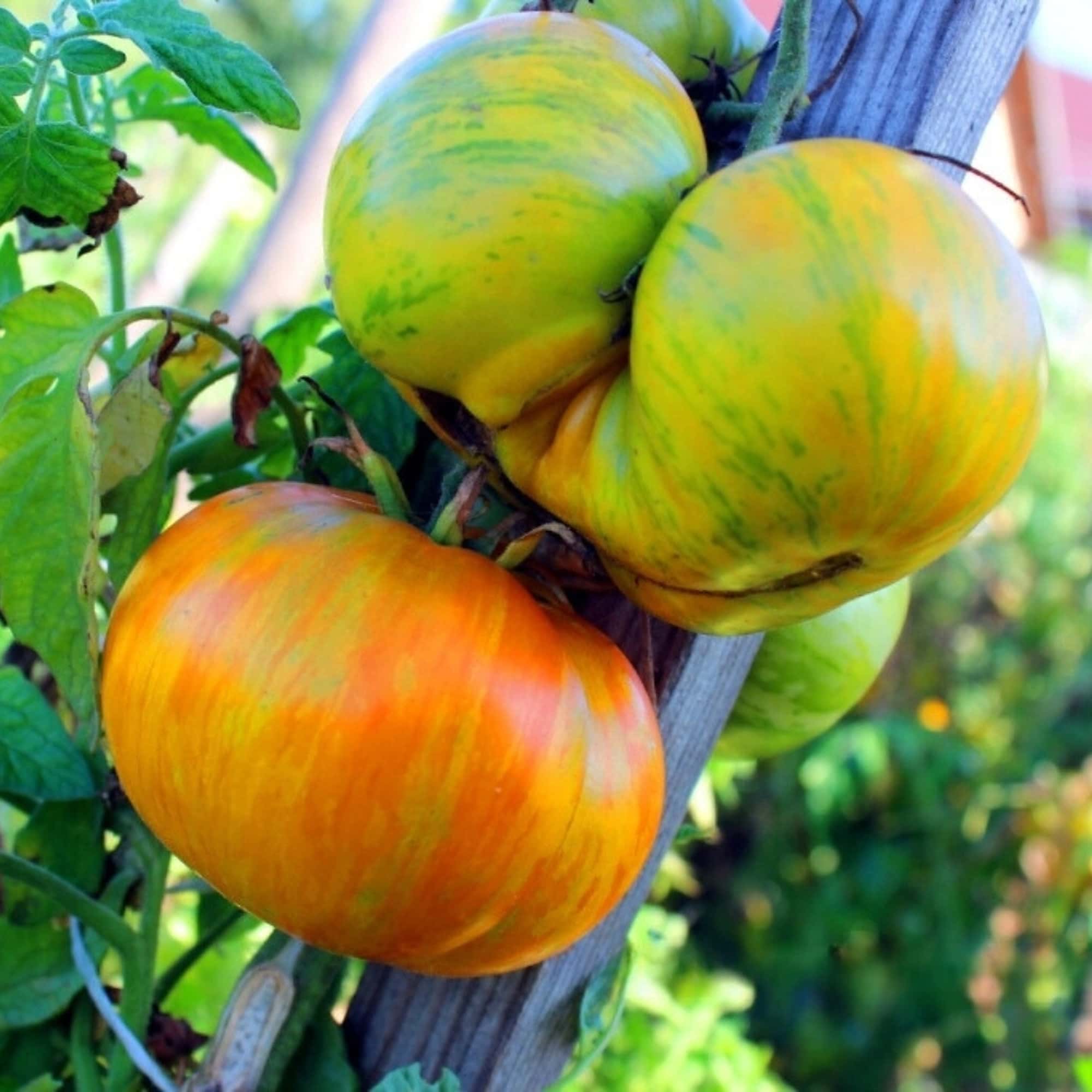
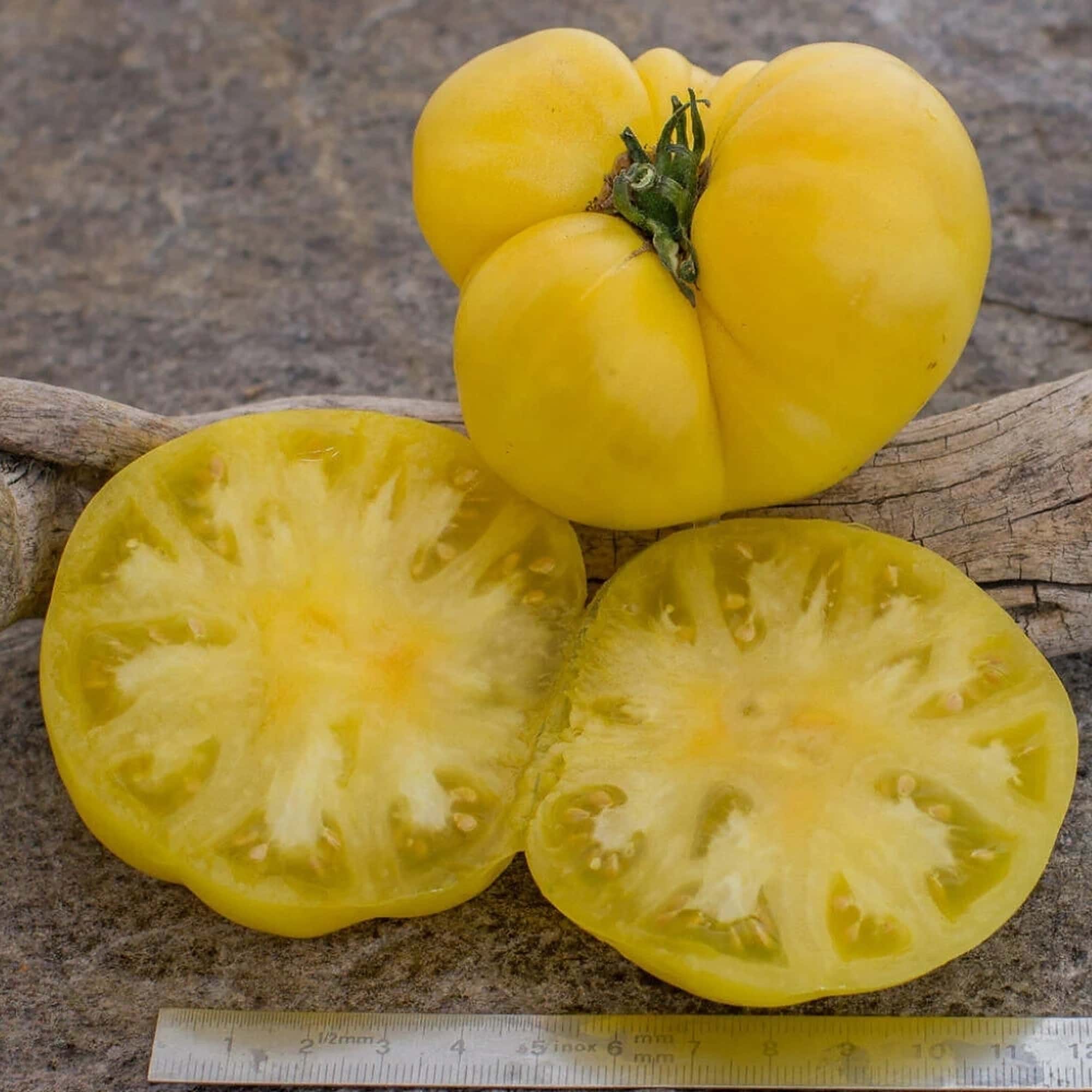
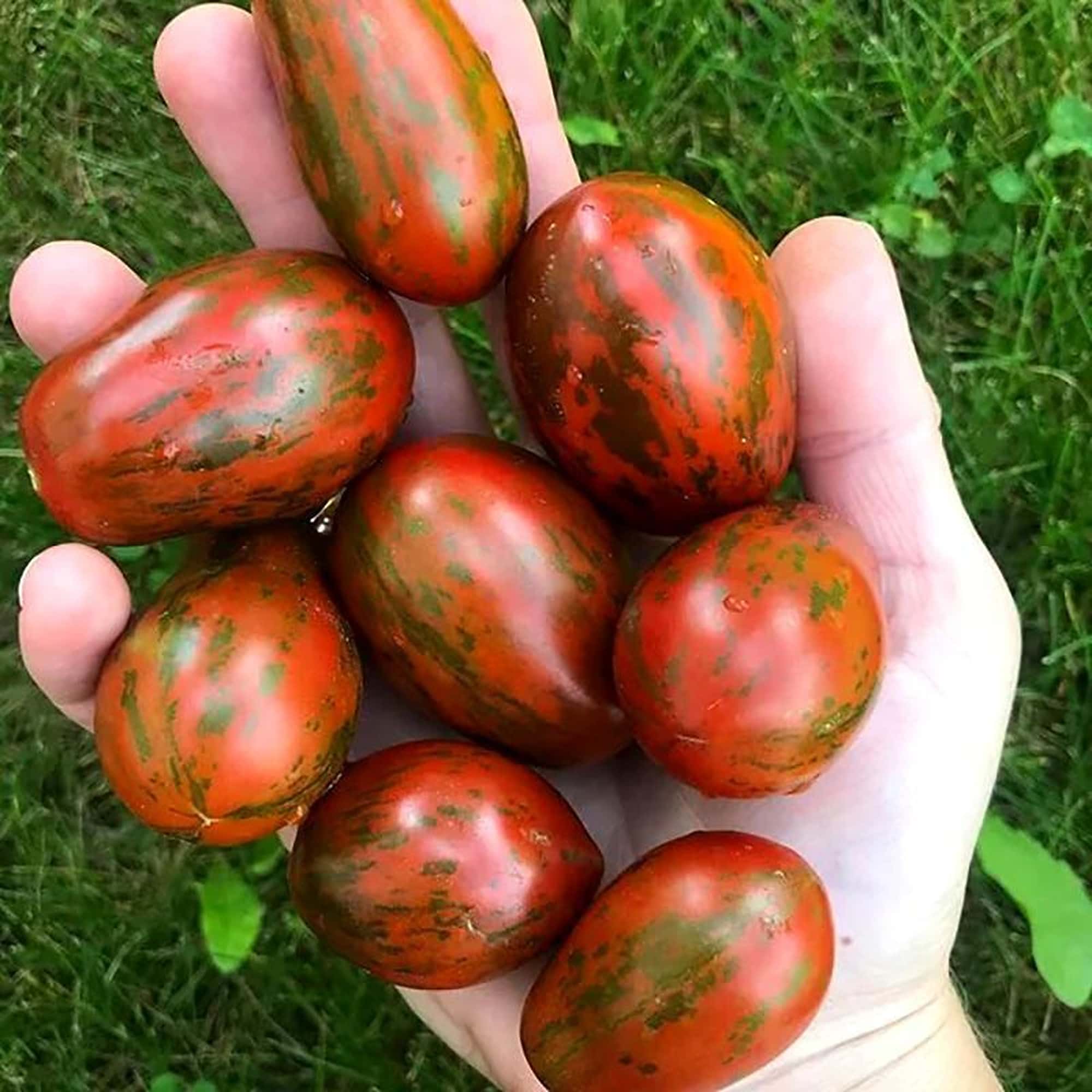
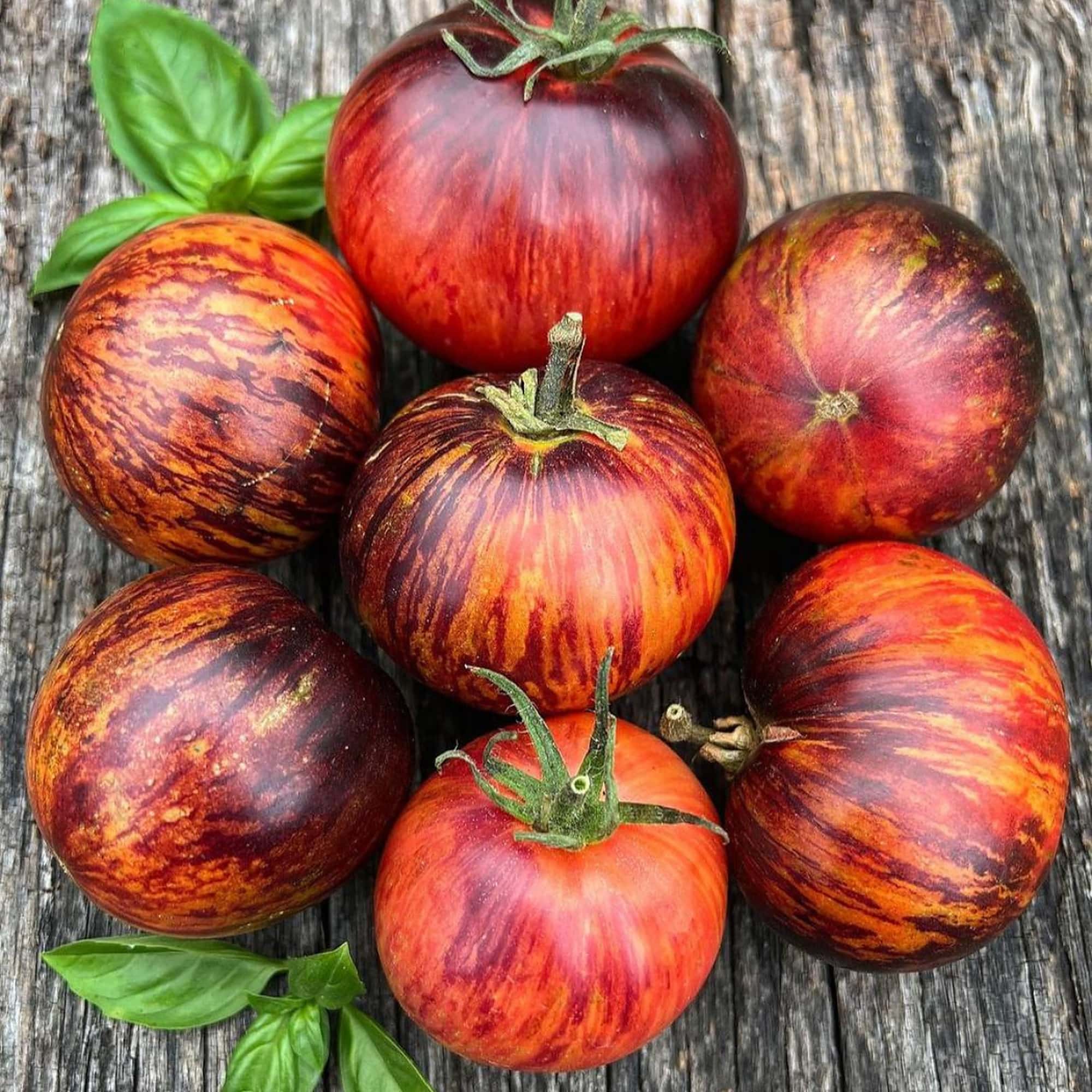
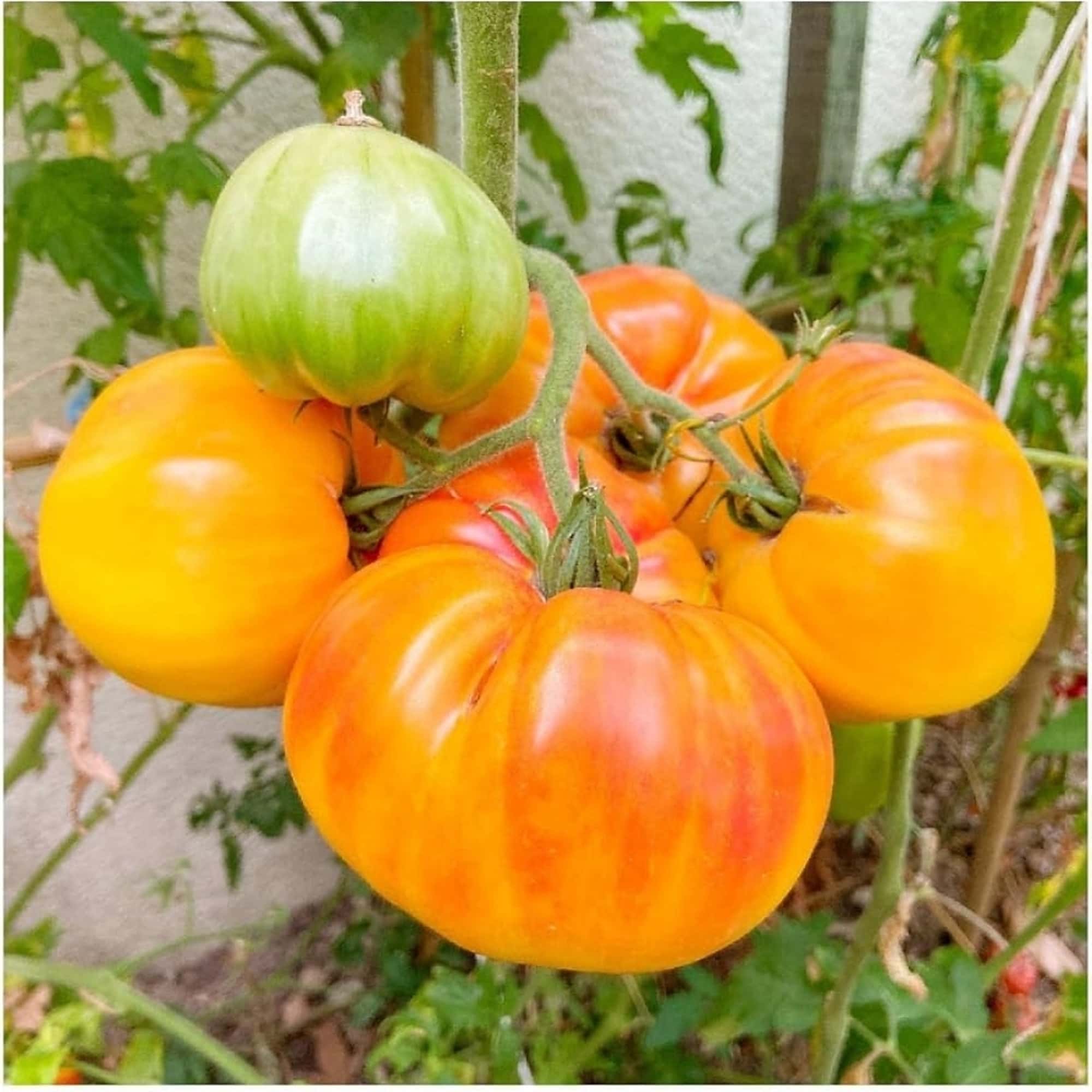
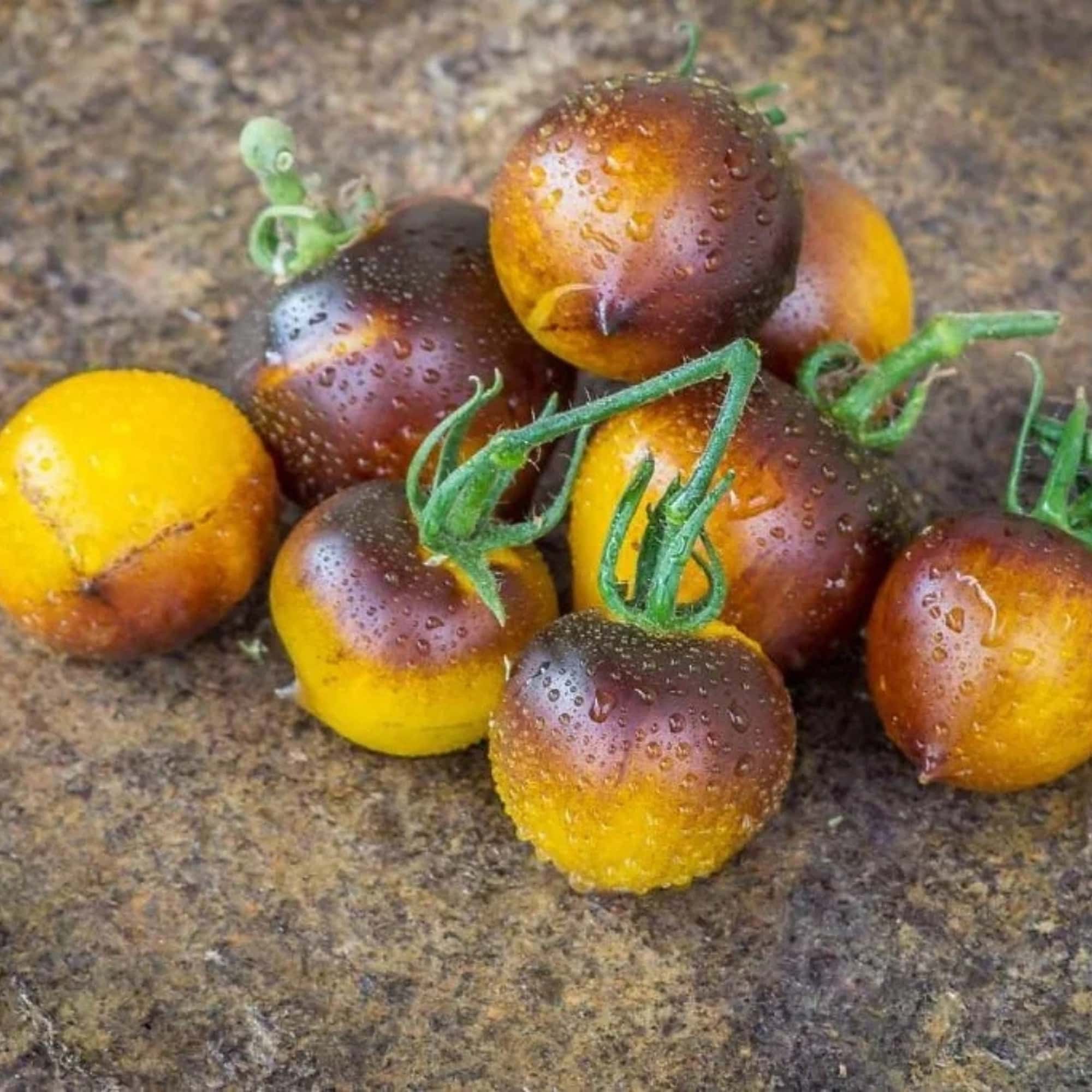
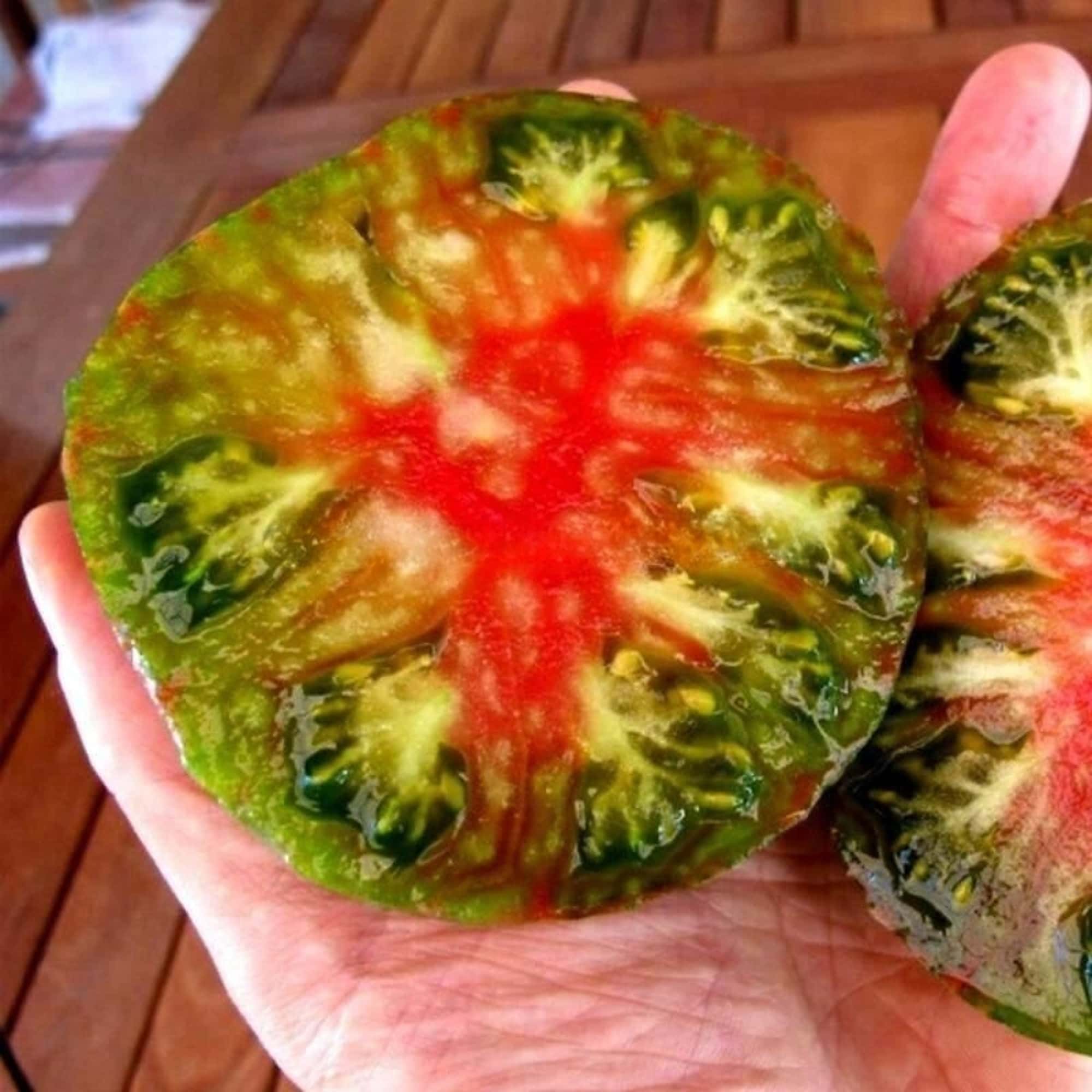
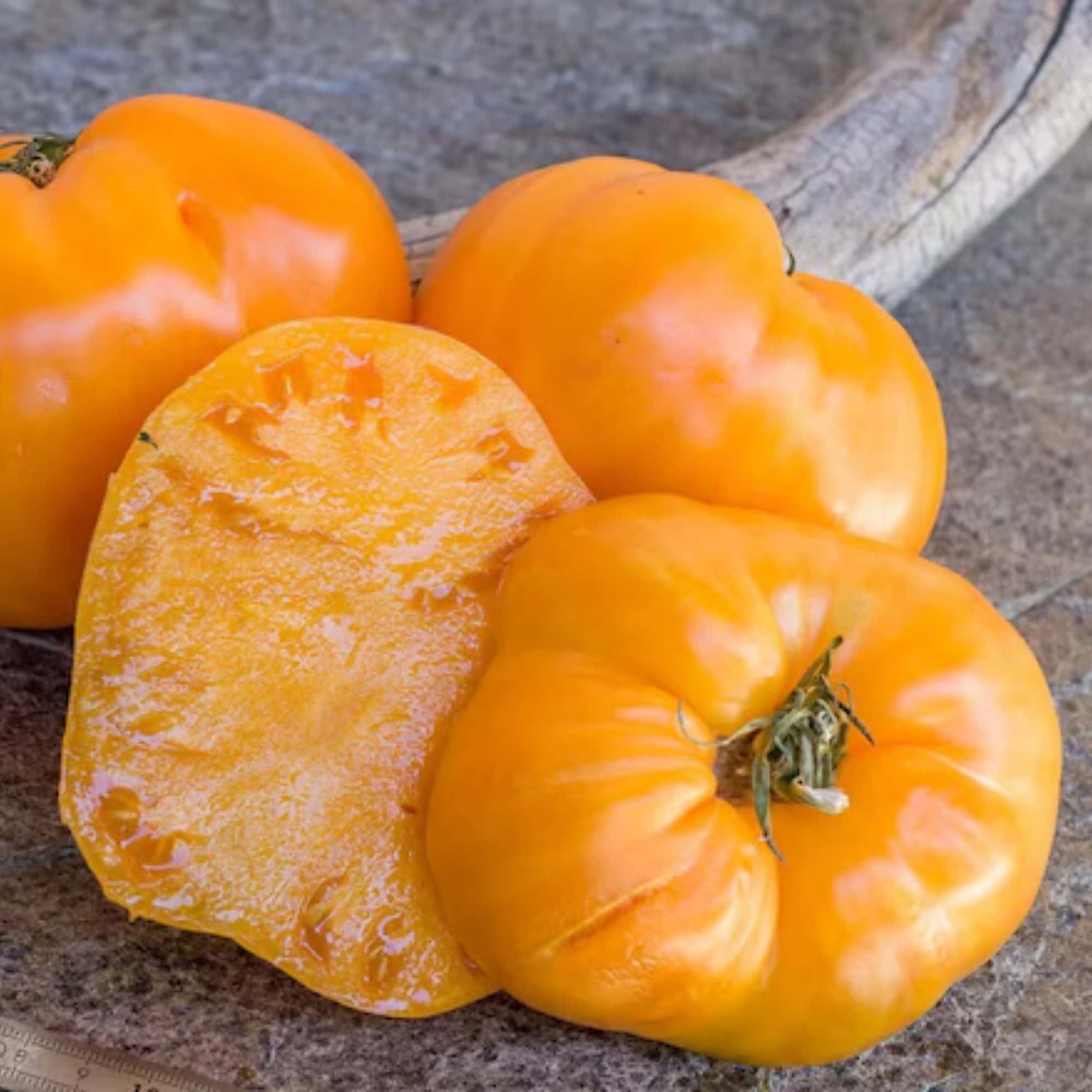
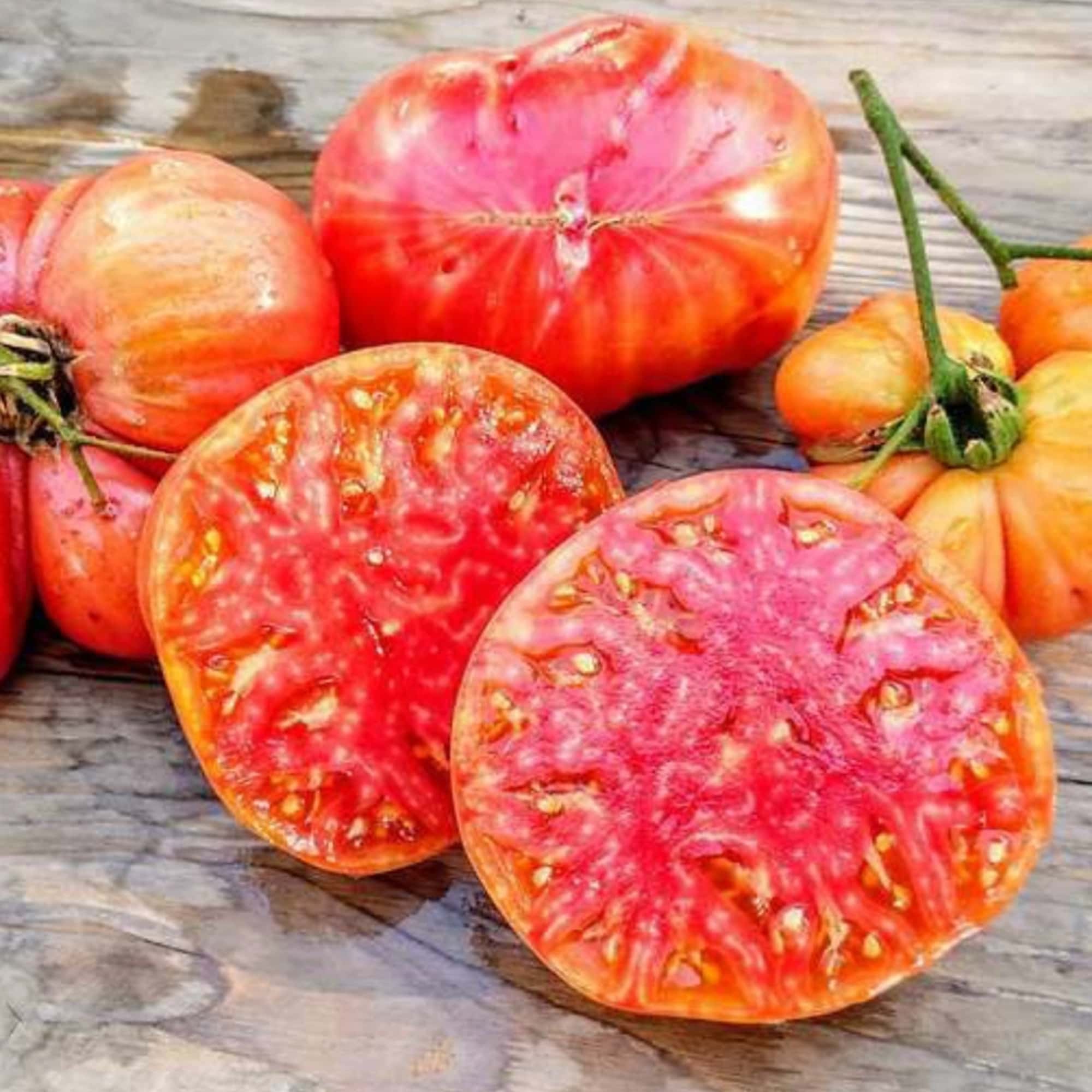
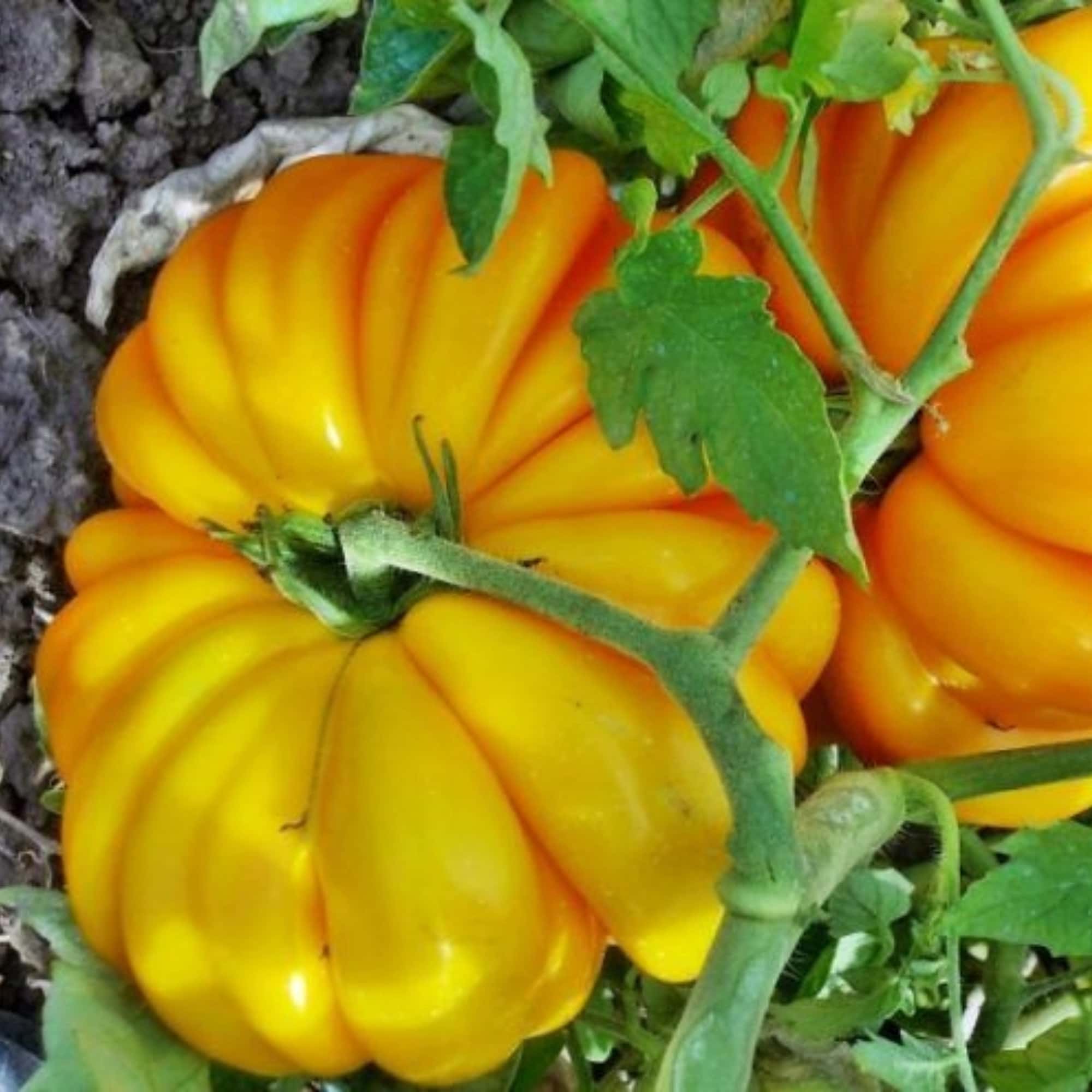
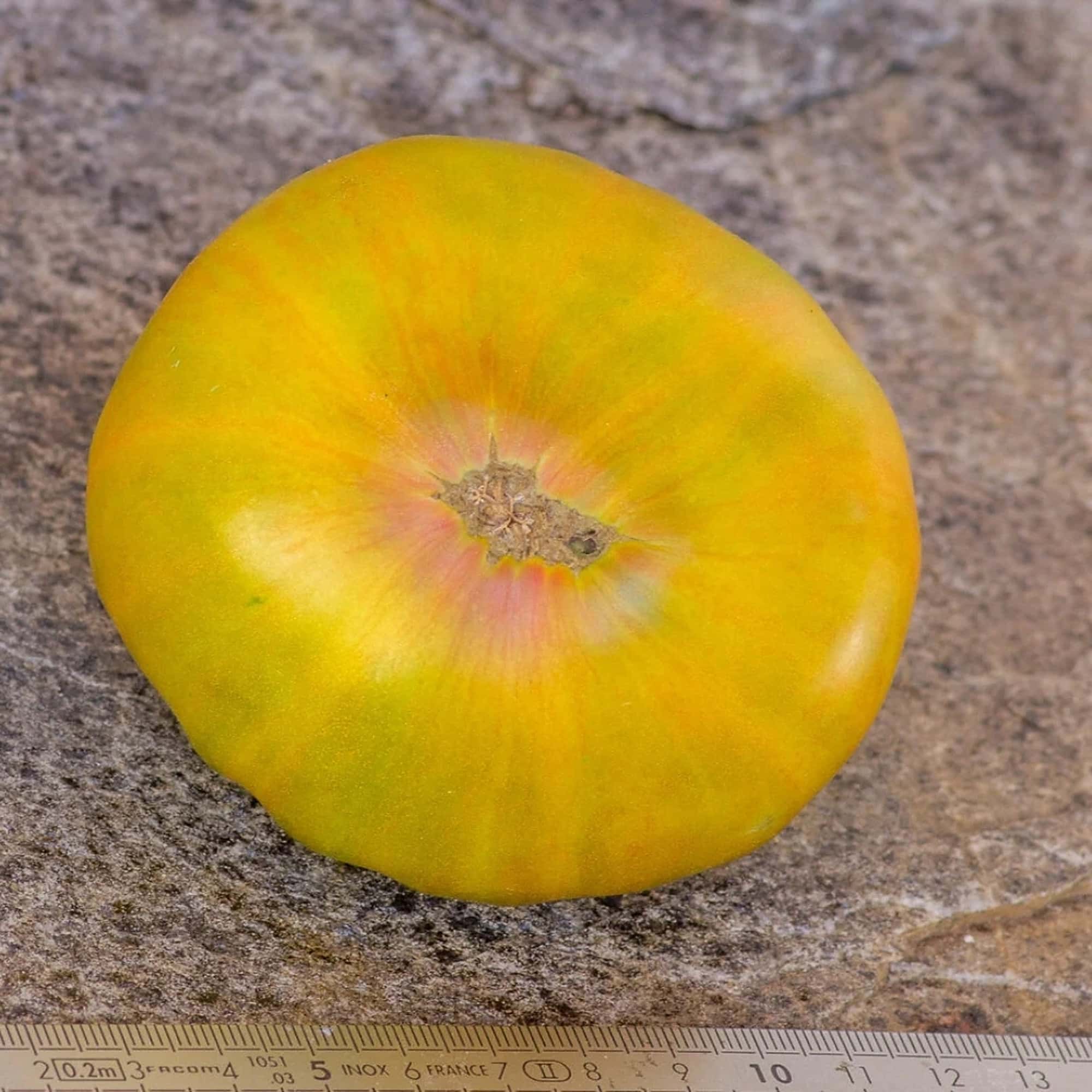
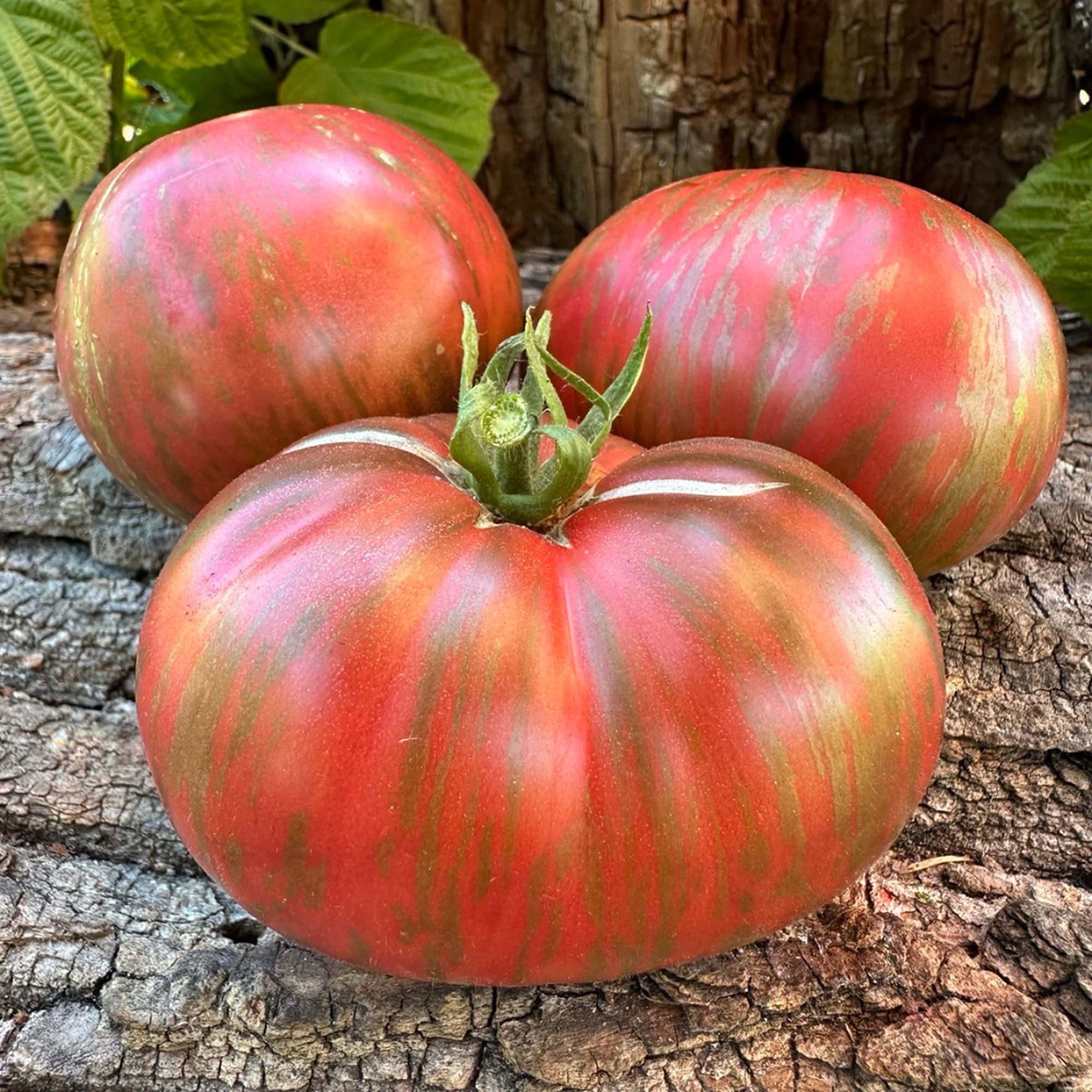
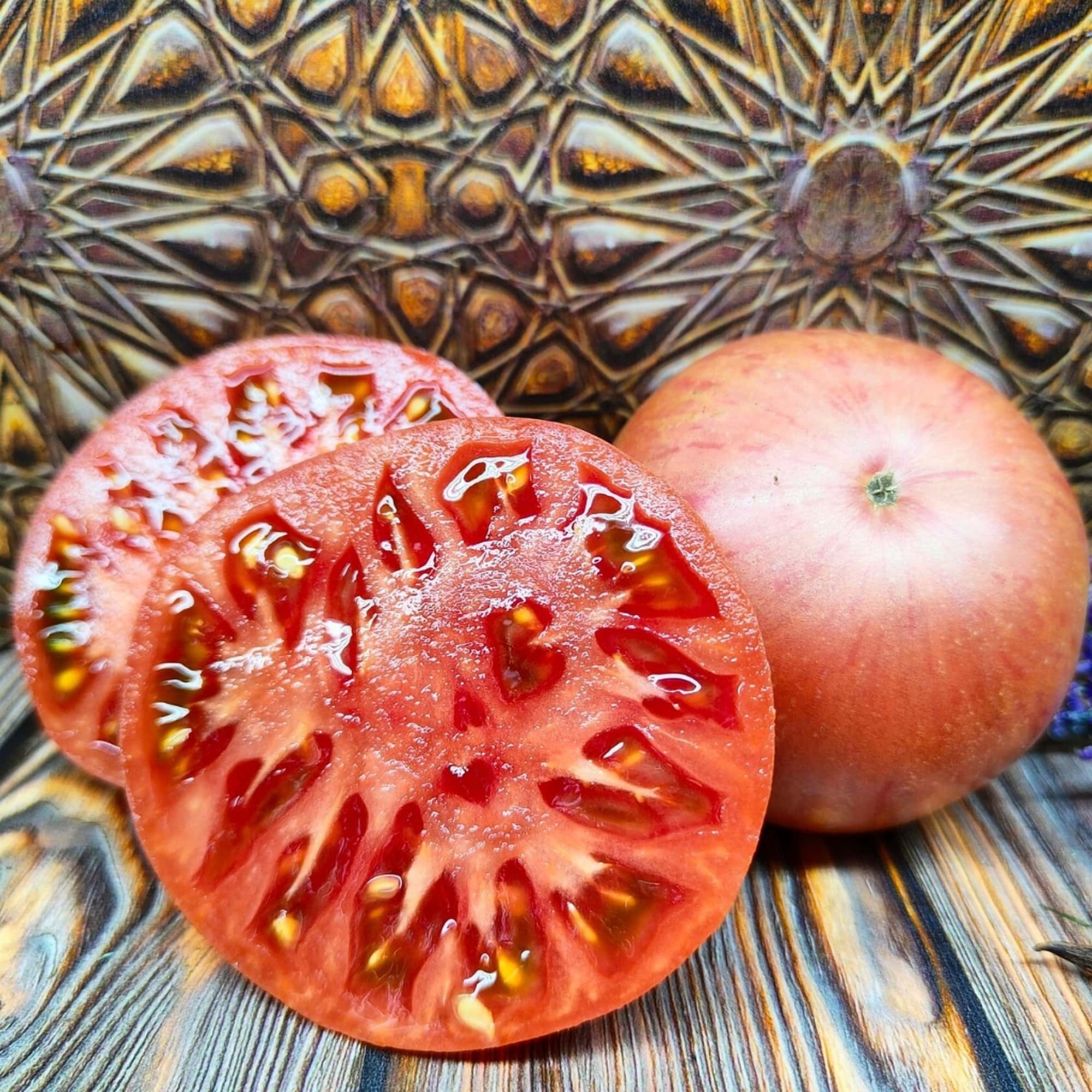
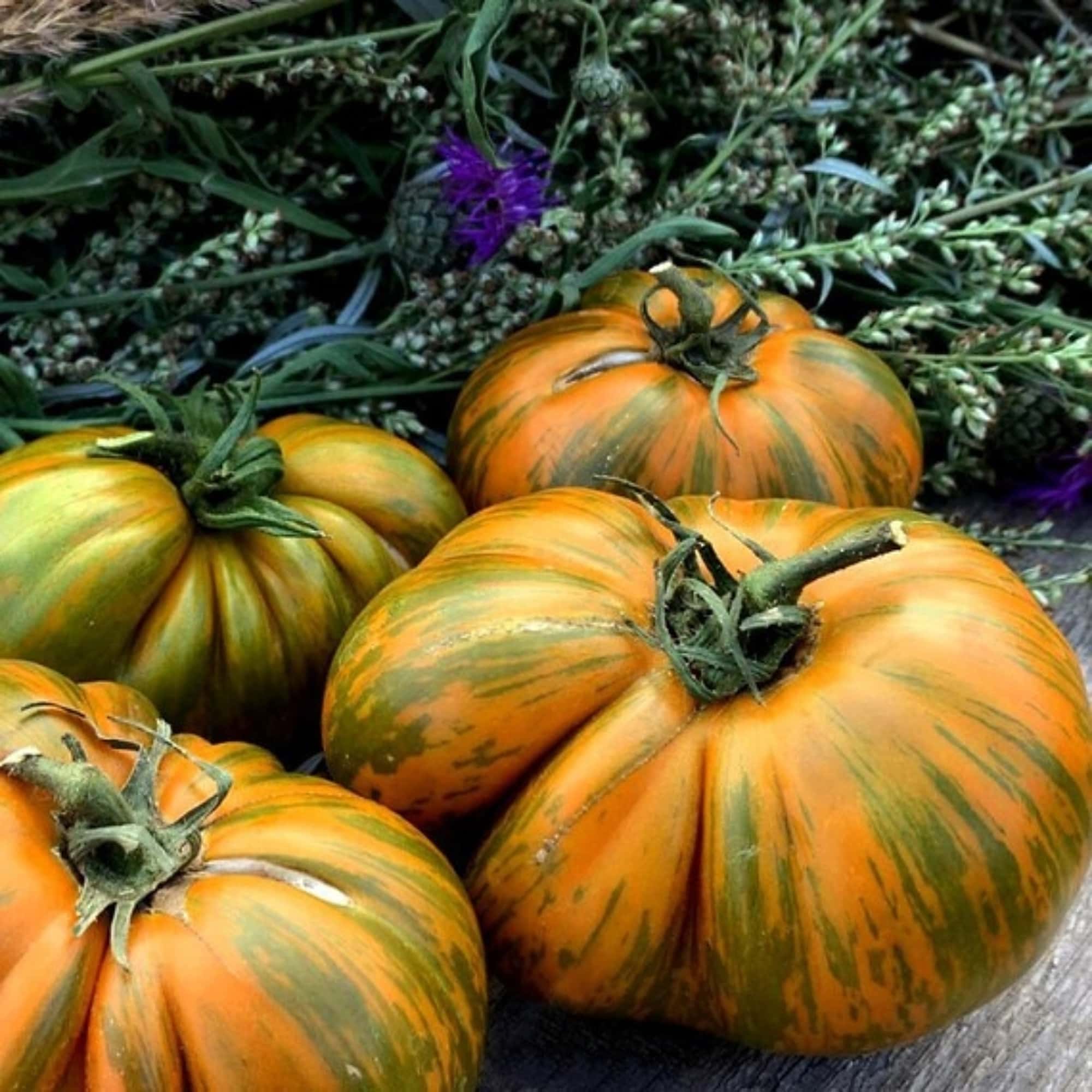
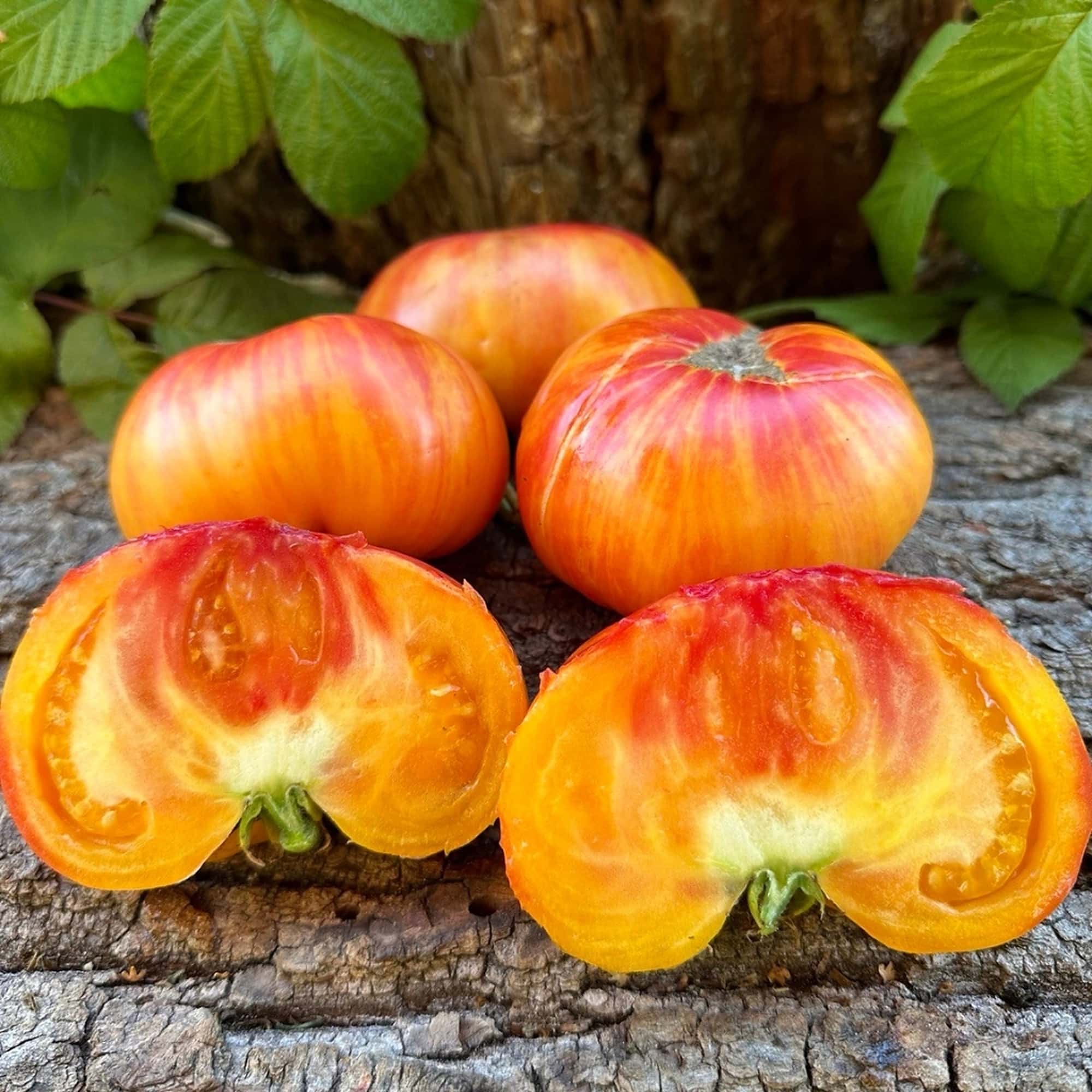
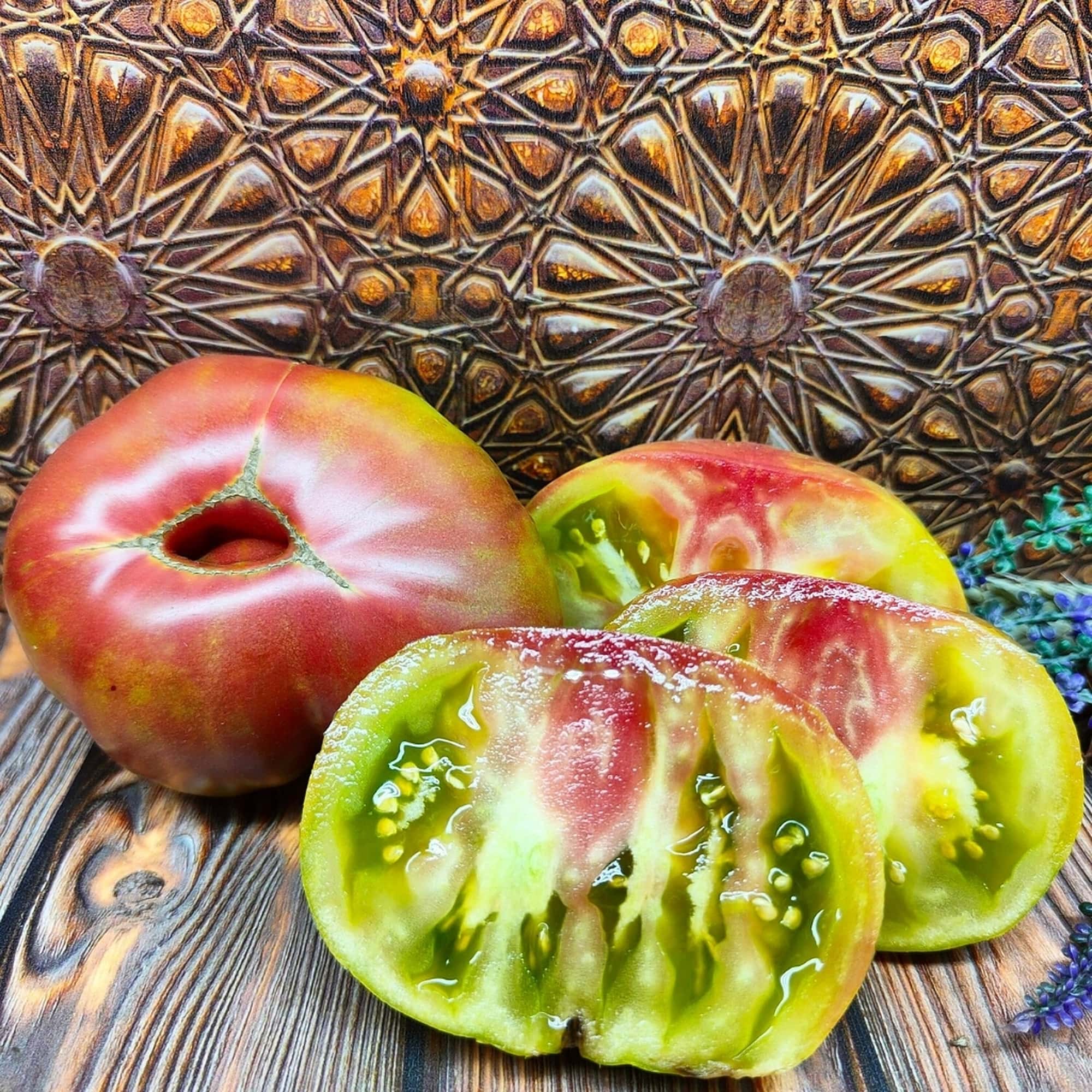
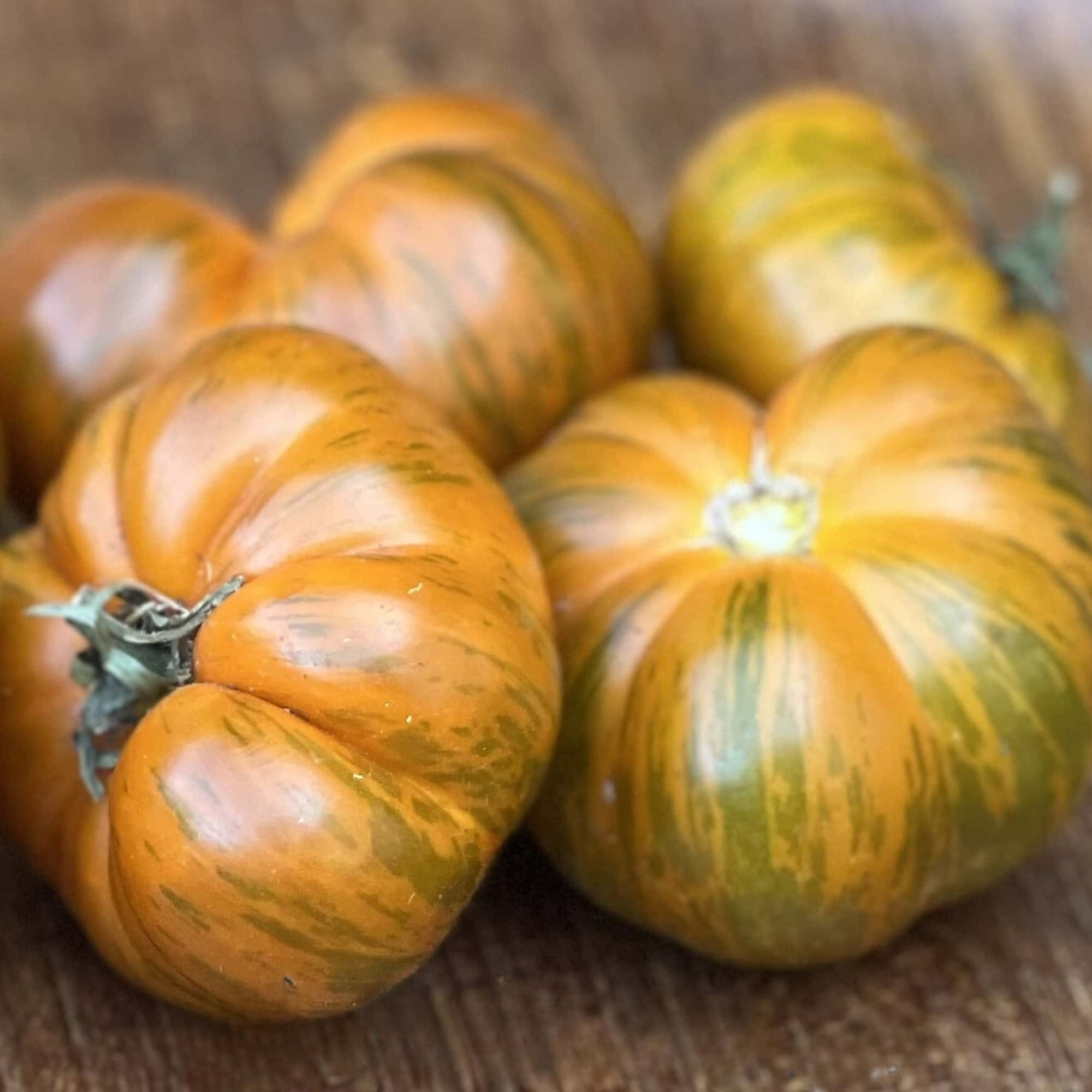
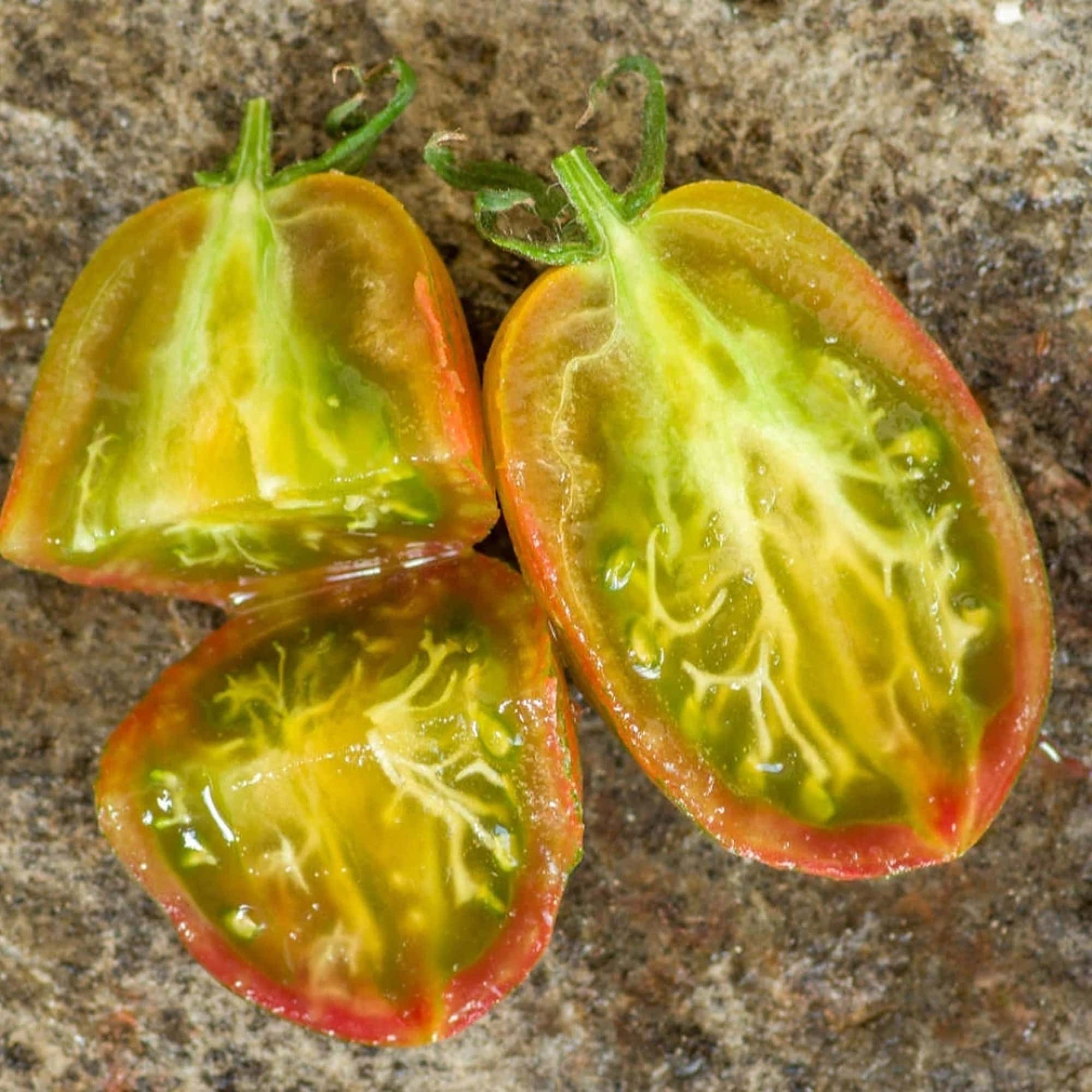
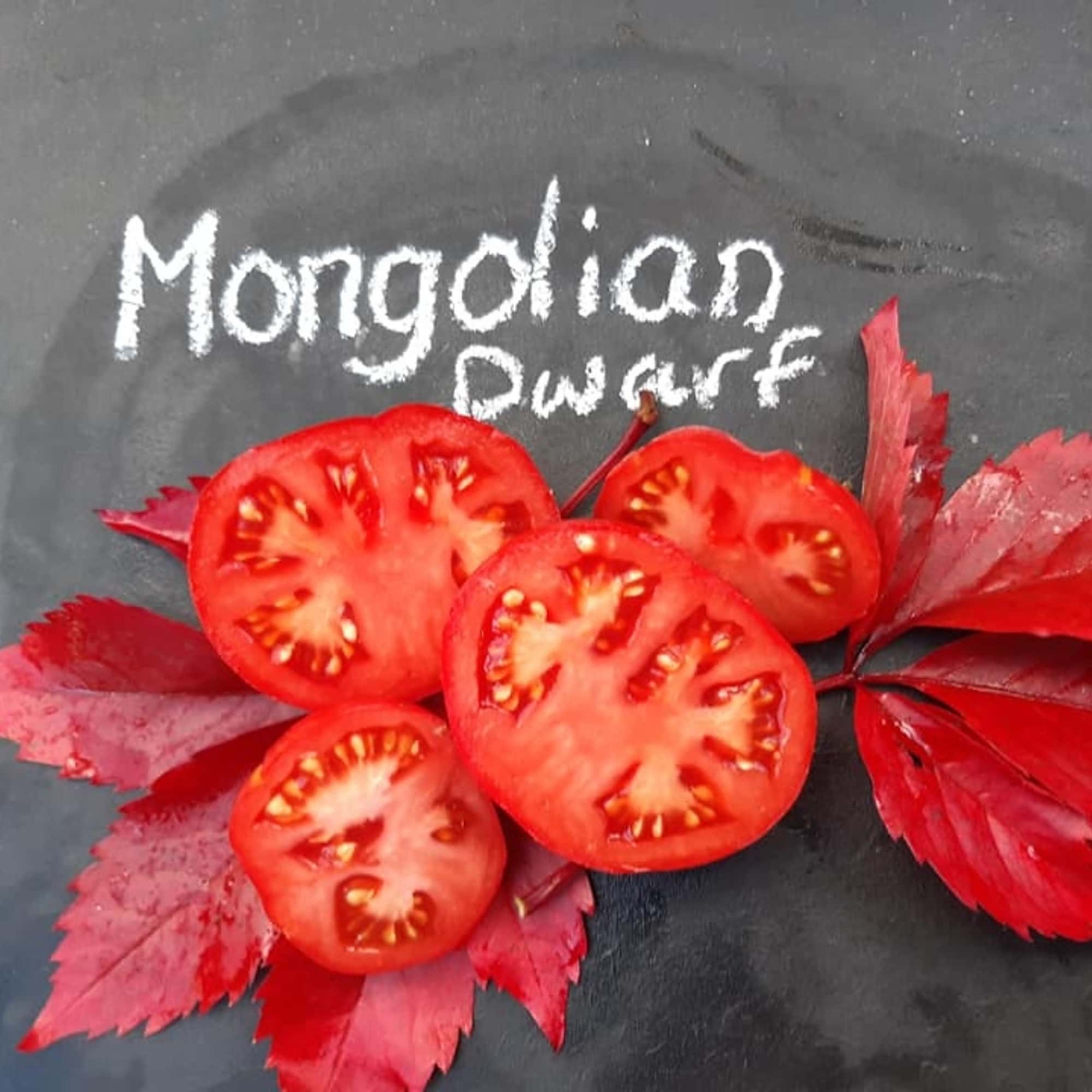
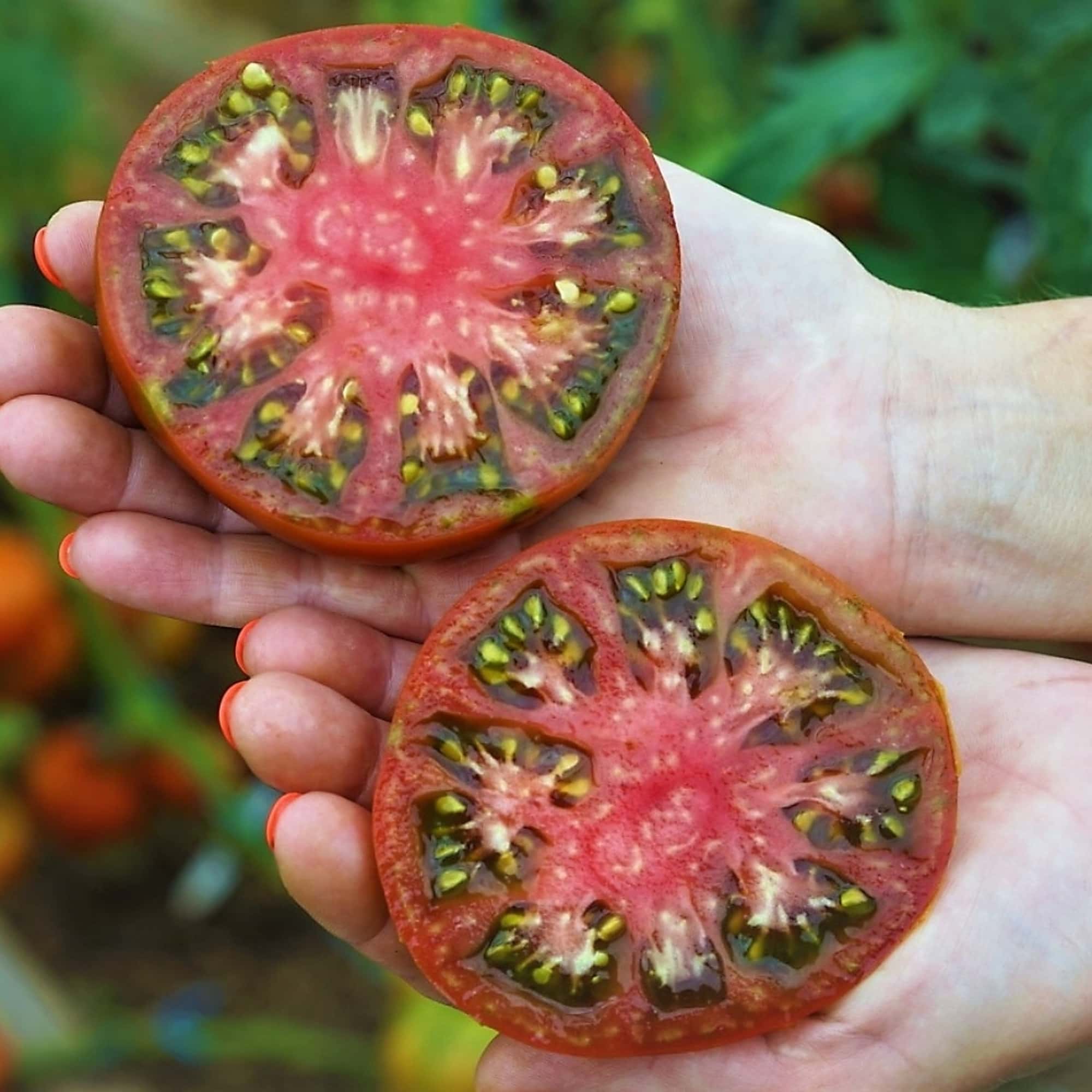
Tomato cultivars vary in mature plant size, support needs, harvest pattern, fruit form, disease-resistance claims, and whether saved seed is likely to reproduce the parent. Decide how the plant must fit the garden before choosing by appearance or name.
Kew accepts Solanum lycopersicum as the cultivated tomato. The archived Deodar names are cultivar and breeder labels within that crop, not separate botanical species.
Illinois Extension describes tomato as a tender warm-season perennial commonly grown as an annual where frost limits the season.
A terminal flower cluster limits further stem extension, creating a more bounded plant and a more concentrated harvest pattern.
Plants continue producing lateral flower clusters and growing until conditions stop them, so they need more space and taller support.
A useful seed listing should state habit, fruit type, days-to-maturity basis, disease-resistance codes, open-pollinated or hybrid status, and the current seed lot.
Look for documented dwarf or determinate habit and a container recommendation that includes mature size and support.
Indeterminate plants can continue growing and fruiting through the season, but need substantial staking, caging, or trellising.
Determinate types tend to concentrate fruit over a shorter window, which may suit processing if the cultivar's fruit qualities also fit.
Open-pollinated cultivars can reproduce more predictably when isolation and selection are managed; hybrid offspring do not reliably come true to the named parent.
Cherry, slicer, paste, heart, pear, ribbed, and other fruit forms do not by themselves tell you whether the plant is determinate, dwarf, or indeterminate.
Useful for snacking and frequent picking, but confirm plant habit: a small fruit can grow on a very large indeterminate vine.
Choose by fruit size, texture, climate fit, and support needs, not by an unsupported flavour superlative.
Look for documented flesh, juice, harvest pattern, and processing qualities; a plum shape alone is incomplete evidence.
Colour can help describe a cultivar, but photographs and names should match a documented lot. Seed-grown results depend on genetic stability and isolation.
Use local frost dates and the current packet rather than a universal calendar. Tomatoes need a warm establishment period, strong light, gradual hardening, and enough airflow and support for the chosen habit.
USDA NRCS guidance gives a common planning window of six to eight weeks before transplanting; local climate and facilities determine the actual date.
Provide strong light and avoid starting so early that plants become root-bound or leggy before outdoor conditions are safe.
Penn State recommends acclimating transplants over about a week with increasing exposure to sun and wind.
Cages, stakes, and trellises should match the documented habit. Penn State gives shorter support for determinate plants and taller support for indeterminate plants.
Water the root zone and maintain consistent moisture while preserving drainage and airflow; adapt disease management to local extension advice.
Compare the live product cards by plant habit, fruit type, genetic class, packet quantity, price, and current availability.
Determinate plants stop extending after terminal flower clusters form and tend to concentrate harvest; indeterminate plants continue growing and setting lateral flower clusters until conditions stop them.
No. Cherry describes fruit size, not plant habit. Many cherry cultivars are vigorous indeterminate vines.
Not reliably. Illinois Extension notes that hybrids do not come true from seed, while open-pollinated heirlooms can when seed saving and isolation are managed.
A common planning window is six to eight weeks before transplanting, but use local frost dates, light, temperature, container capacity, and packet guidance.
No. Support height and strength should match documented habit and mature size; indeterminate types generally need taller, stronger systems.
Yes. Current tomato seed listings are shown on this page with their available packet options and prices.