

Tree seed collection
Compare cashew, walnut, pecan, and almond seed by climate, dormancy, and long-term growing purpose.
The active collection is not one interchangeable group. Cashew, Anacardium occidentale, is a seasonally dry tropical tree. Persian walnut, Juglans regia, pecan, Carya illinoinensis, and almond are temperate tree projects. Match the species to your climate, space, and propagation plan before deciding how to prepare the seed.
5 active seed listings with current packet options and USD prices.
Use the live product cards for current quantities, prices, and availability. The notes below explain the main decision behind each active listing.
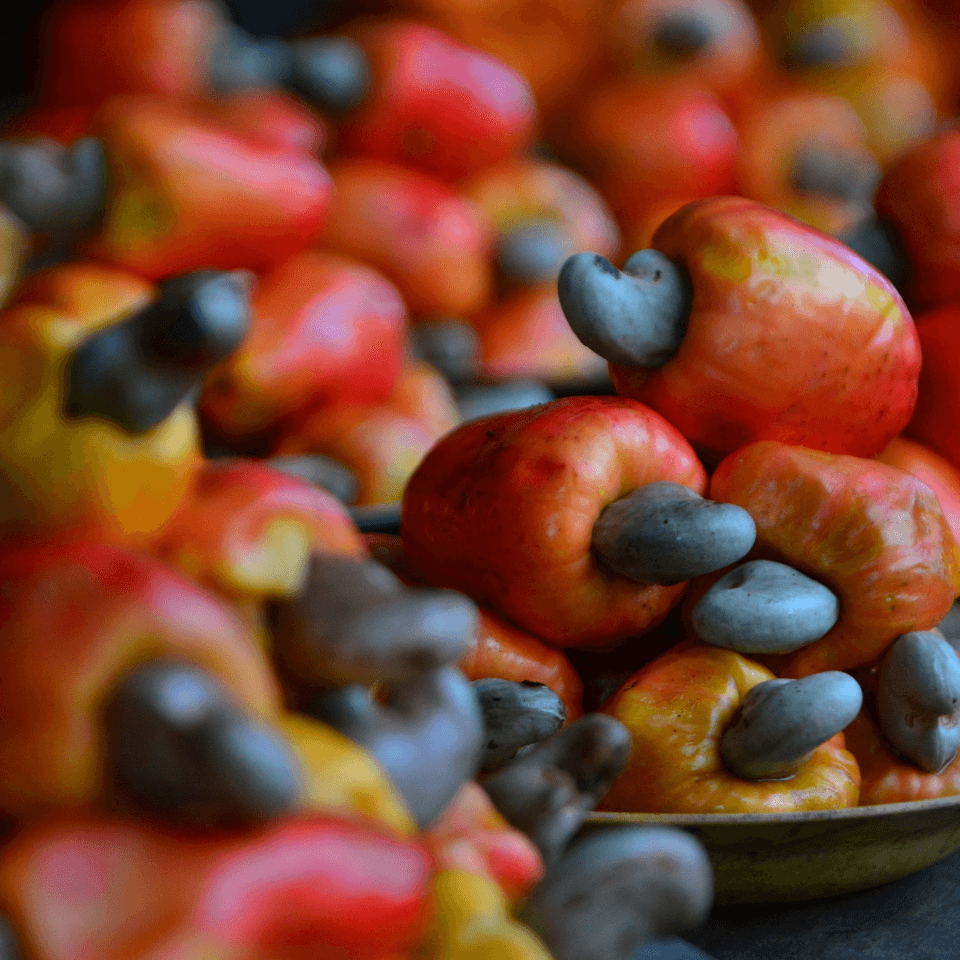
A warm-climate choice. Kew records cashew as a tree of the seasonally dry tropical biome, and University of Florida guidance emphasizes viable seed and warm soil conditions for seed propagation. This is not the same cold-treatment project as the temperate species below.
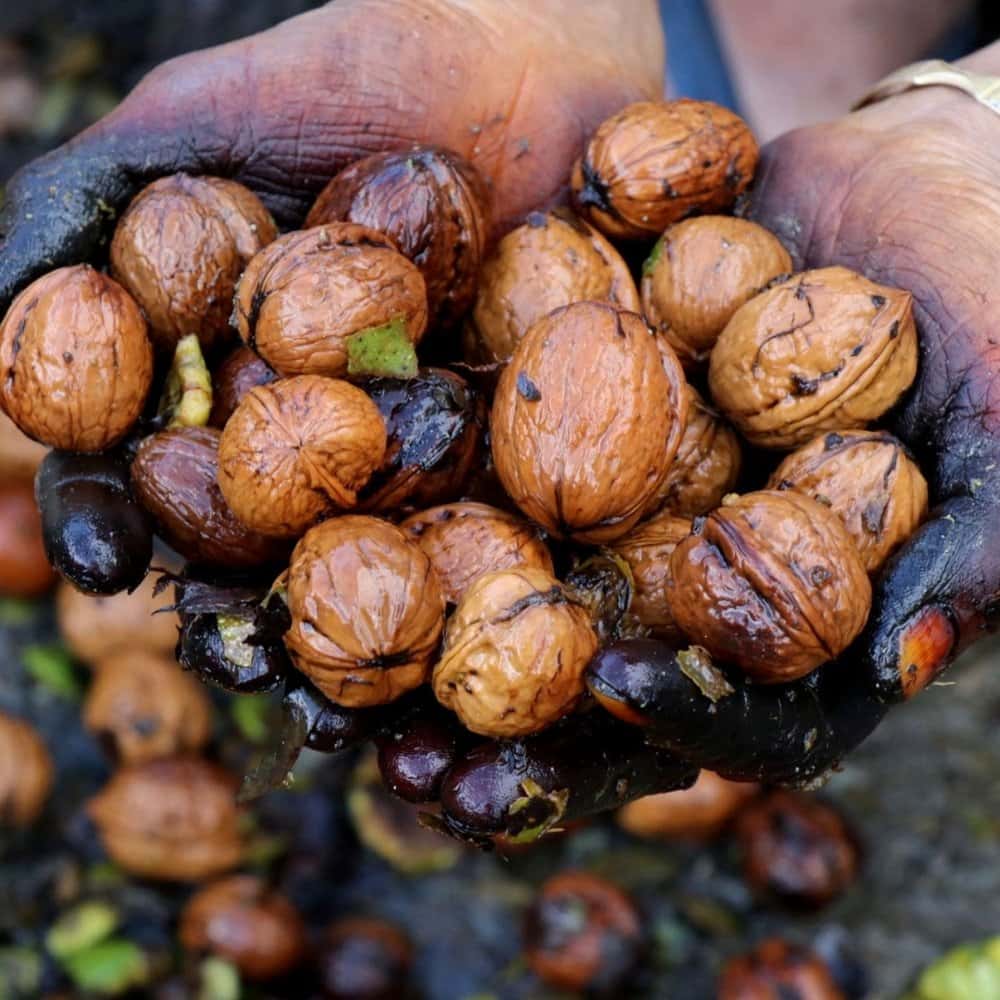
A temperate walnut native from parts of western Asia to the western Himalaya. Choose it as a long-term seed-grown tree or rootstock project, not as a promise of a named orchard cultivar.
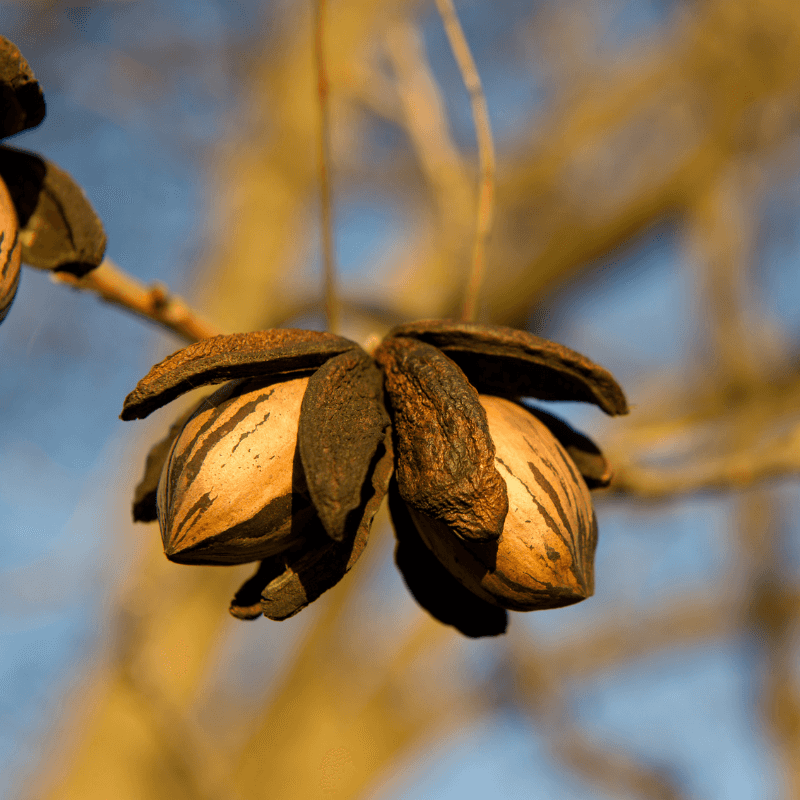
A temperate North American tree. Oklahoma State University recommends moist chilling for more uniform seedling emergence and explains that seed-grown pecans are normally grafted when a particular cultivar is required.
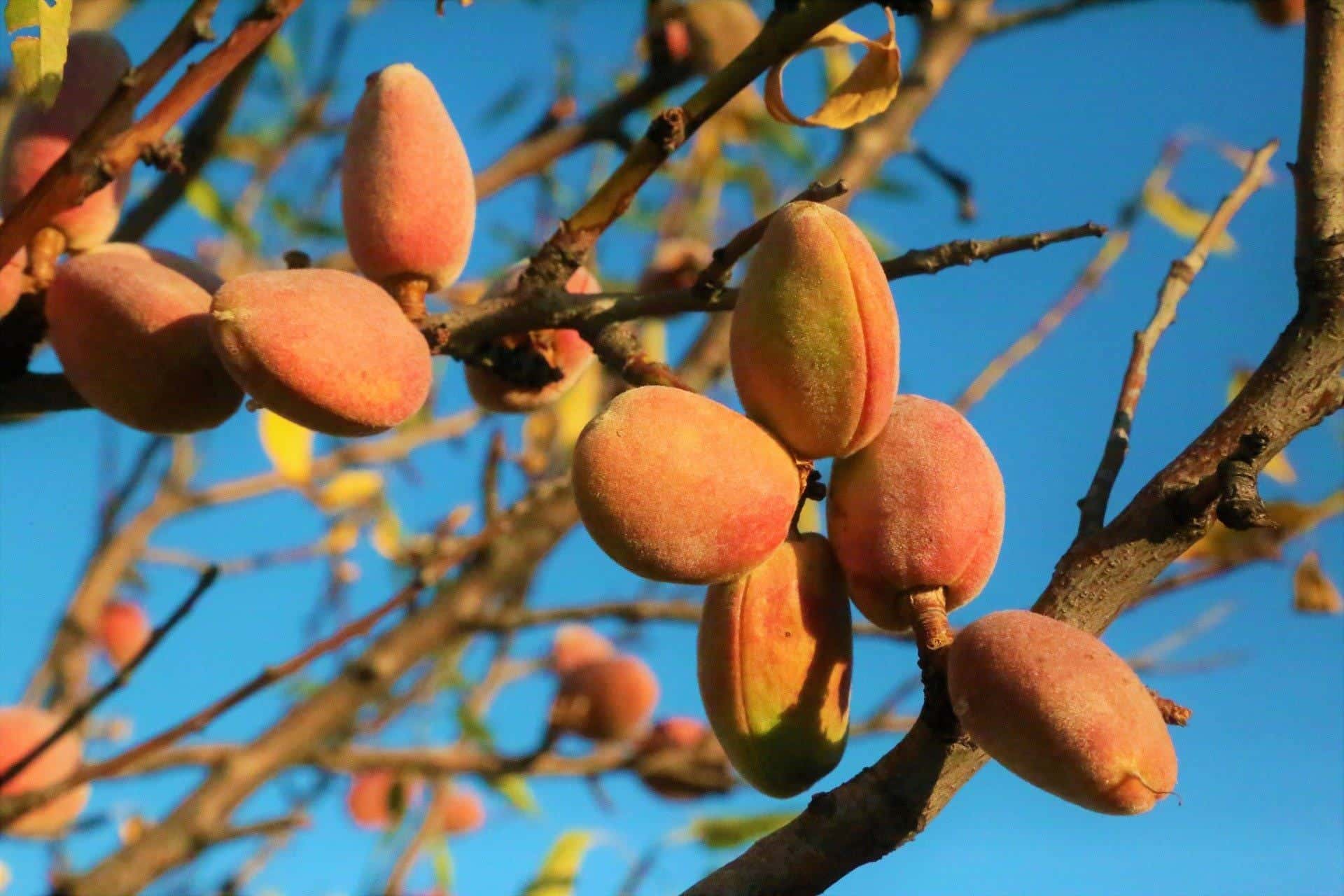
A temperate almond project. The product uses the widely recognized name Prunus dulcis; Kew currently treats that name as a synonym of the accepted Prunus amygdalus. No cultivar identity or true-to-parent result is claimed for this seed lot.
The useful first split is tropical versus temperate. After that, follow the exact listing and species guidance rather than applying one fixed soak or chilling schedule to every nut.
Cashew needs a genuinely warm establishment plan. University of Florida notes that viable cashew seed can be planted after a water check and that seed propagation succeeds best during the warmest soil period. Handle unshelled cashew nuts carefully because the shell is associated with irritating compounds.
Walnut, pecan, and almond are commonly handled with moist cold stratification or suitable autumn sowing. Exact duration varies by species, seed origin, storage history, and lot, so keep the medium moist and aerated and use the product-specific instructions.
Seed propagation produces a seedling, not a guaranteed copy of a selected parent. Washington State University warns that woody plants of selected stock can differ from the parent; Oklahoma State makes the same point specifically for pecan and uses grafting when a desired cultivar is required.
Inspect the received seed first, label every species separately, and test a small part of the lot when conditions or storage history are uncertain. Tree seeds are long-term projects and batch condition matters.
Keep the product label with the seed and reject visibly cracked, moldy, or badly damaged material. Do not shell cashew seed for sowing; use gloves when handling the shell and follow the current product instructions.
Start cashew under warm conditions. For the temperate species, use moist cold stratification or a protected autumn-sowing route when appropriate. The medium should remain moist but aerated, and stored seed should be checked for mold or premature roots.
Sow when the species-specific treatment is complete and handle a visible radicle carefully. Move seedlings gradually into stronger light and outdoor conditions, and protect large seeds from rodents where that is a local risk.
Confirm mature space, climate suitability, pollination needs, and local planting or import rules before committing the full lot. A seedling can be botanically valuable even when it is not suitable for a production orchard.
Review live packet quantities, current availability, and the exact product instructions, then choose the species that fits your climate and seedling goal.
No. Cashew is a tropical tree started under warm conditions, while walnut, pecan, and almond are temperate projects commonly associated with moist cold stratification or protected autumn sowing. Follow the exact product and species instructions.
Do not assume it will. Seedlings can differ from their parents. Oklahoma State University specifically notes that pecans grown from seed are grafted when a desired variety is required, and the current Deodar listings do not promise named-cultivar identity.
Prunus dulcis is the name used in the current product listing and remains widely recognized. Kew Plants of the World Online currently treats it as a synonym of the accepted name Prunus amygdalus; both names are shown here so the listing is transparent.
Yes. Oklahoma State University recommends moist cold stratification to shorten and even out germination, while noting that exact handling depends on the seed and intended planting schedule.
Do not shell it for sowing. University of Florida guidance warns that the nut shell is associated with toxic or irritating compounds and recommends gloves when separating or handling the nut. Keep the seed intact and follow the product instructions.
No. This Draft is grounded only in the four active storefront products: cashew, Persian walnut, pecan, and almond. Archived products are not presented as currently available.