
Culinary, aromatic and botanical seed collection
Compare 44 culinary, spice, medicinal-tradition, ornamental, forage, and naturalising seed listings without treating product names as health claims.
This collection spans annual spices, leafy crops, perennial aromatics, flowers, grasses, legumes, and potentially toxic plants. Confirm the exact species, intended harvest, local legal status, and a reliable growing source before sowing or consuming any resulting plant.
66 active seed listings with current packet options and USD prices.








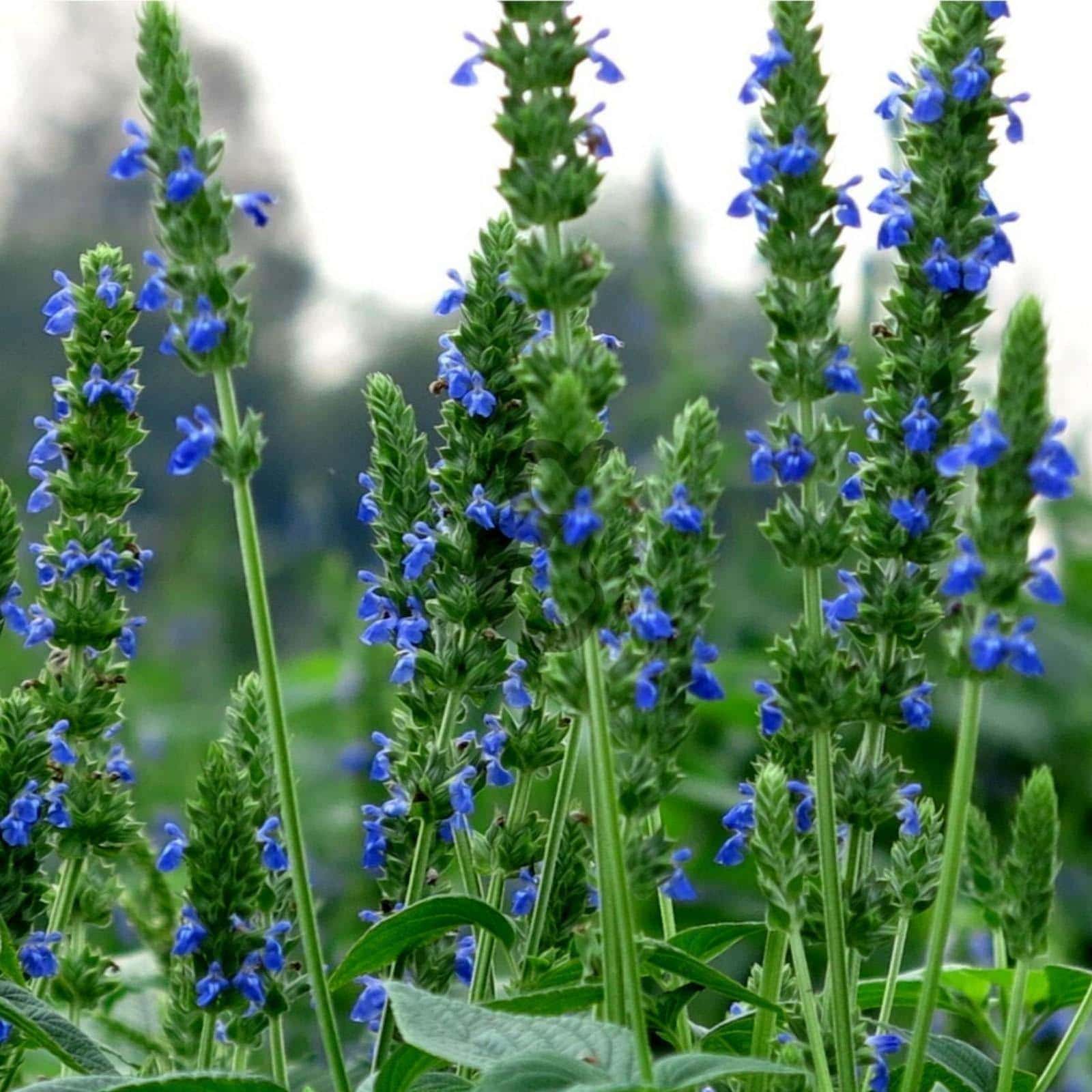

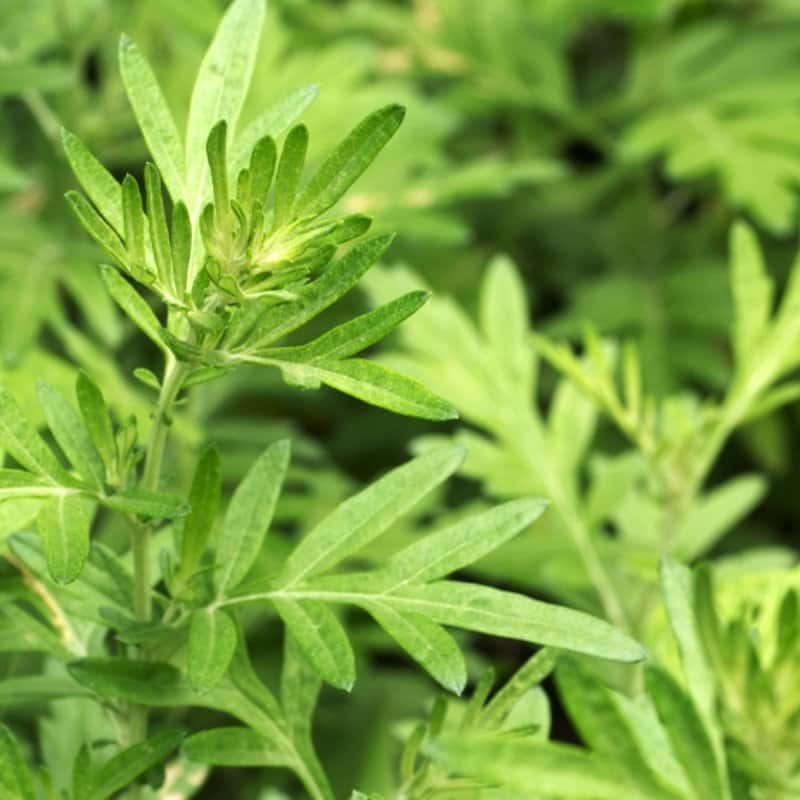
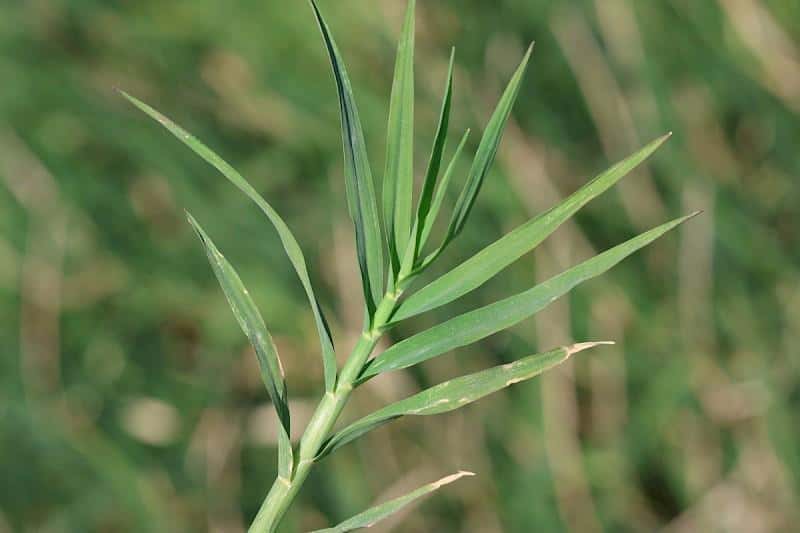
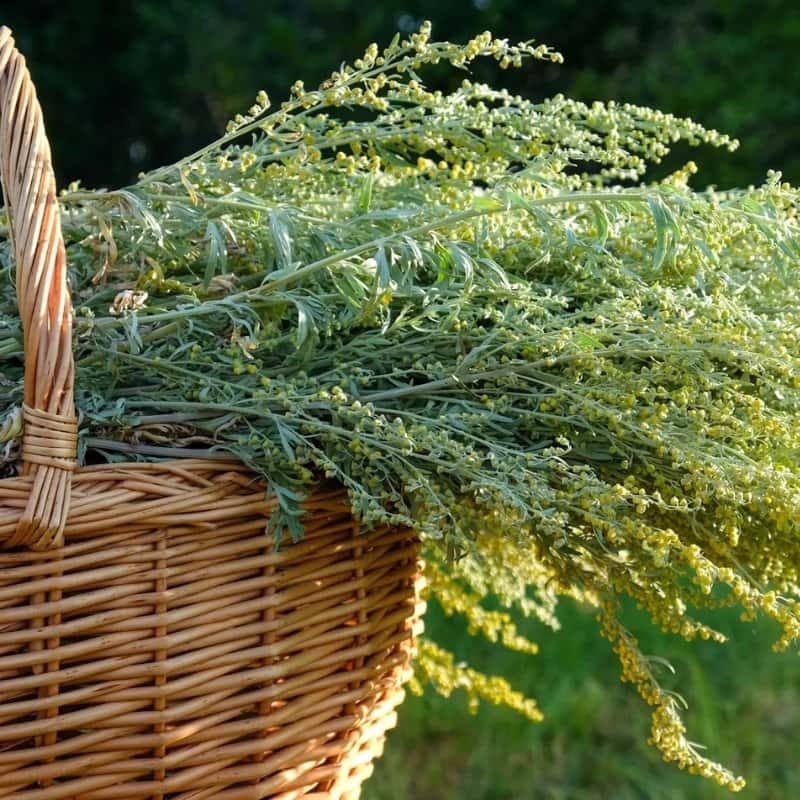
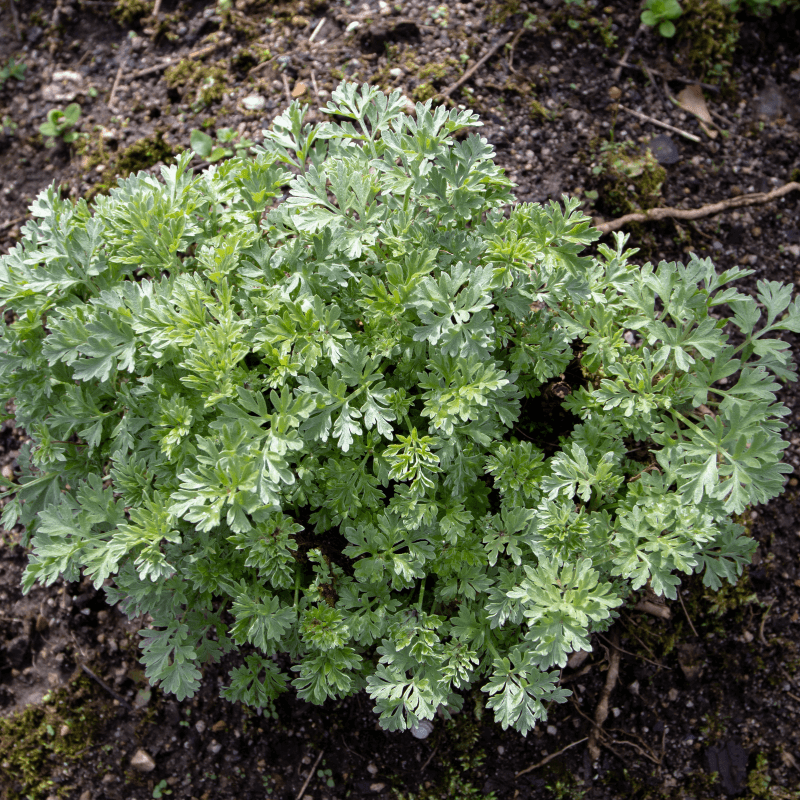
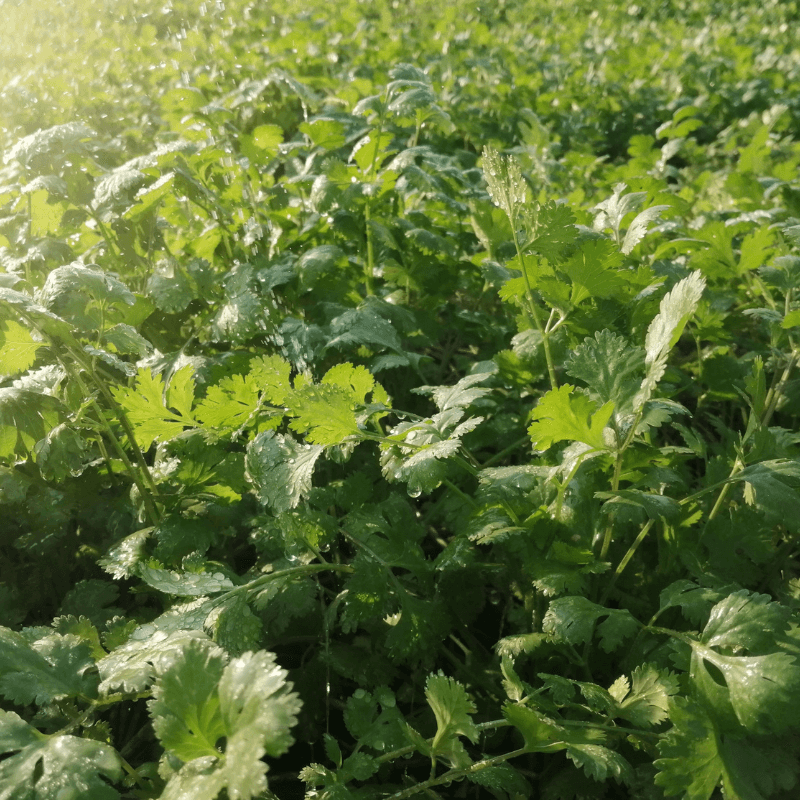
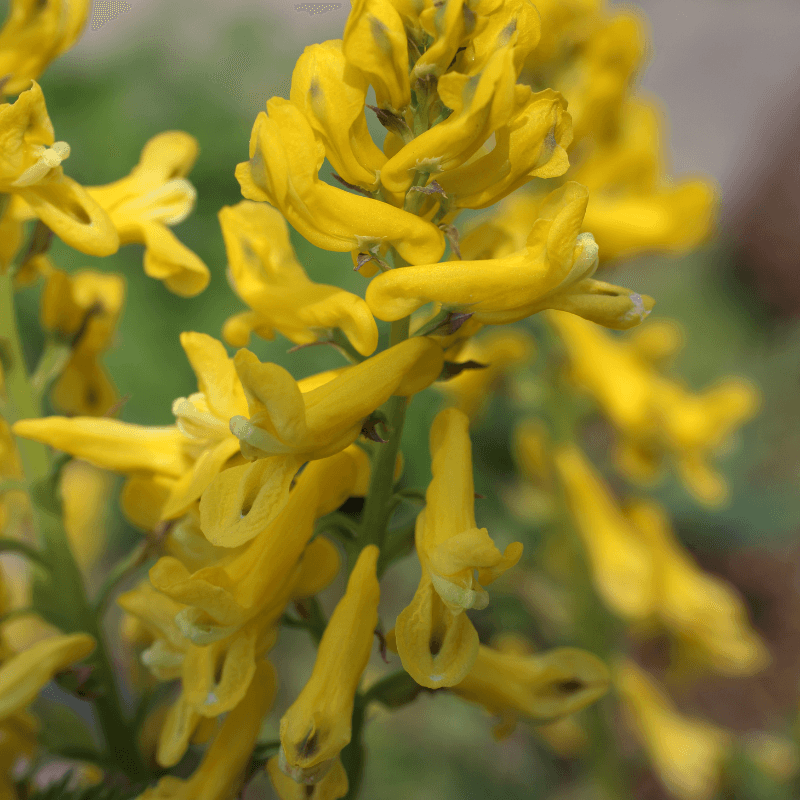
Use live product cards for packet quantities, prices, and availability. The groups below are planning aids, not endorsements of legacy health, flavour, germination, or cultivar-performance claims.
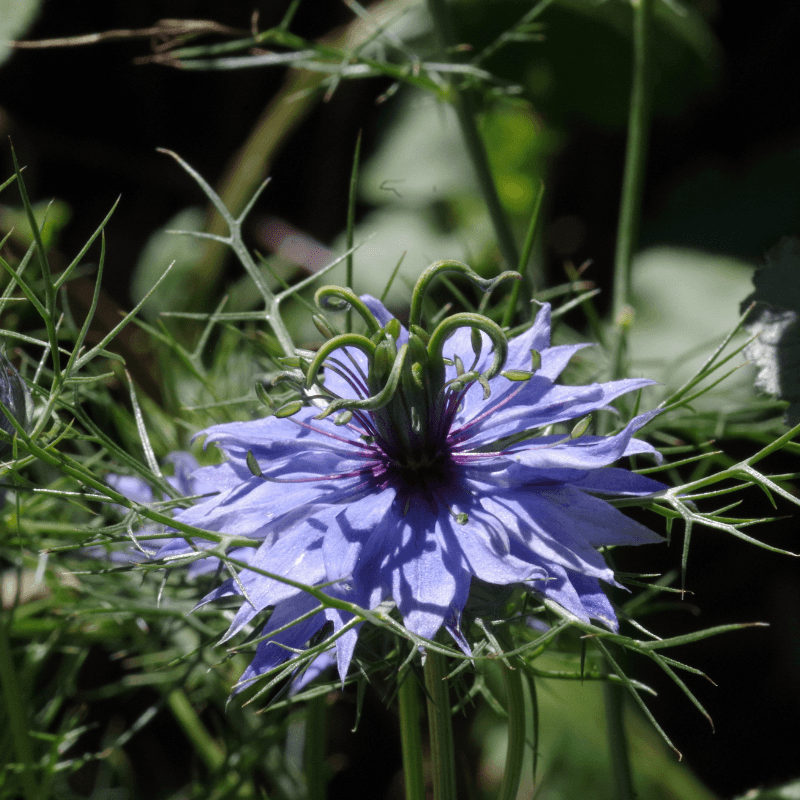
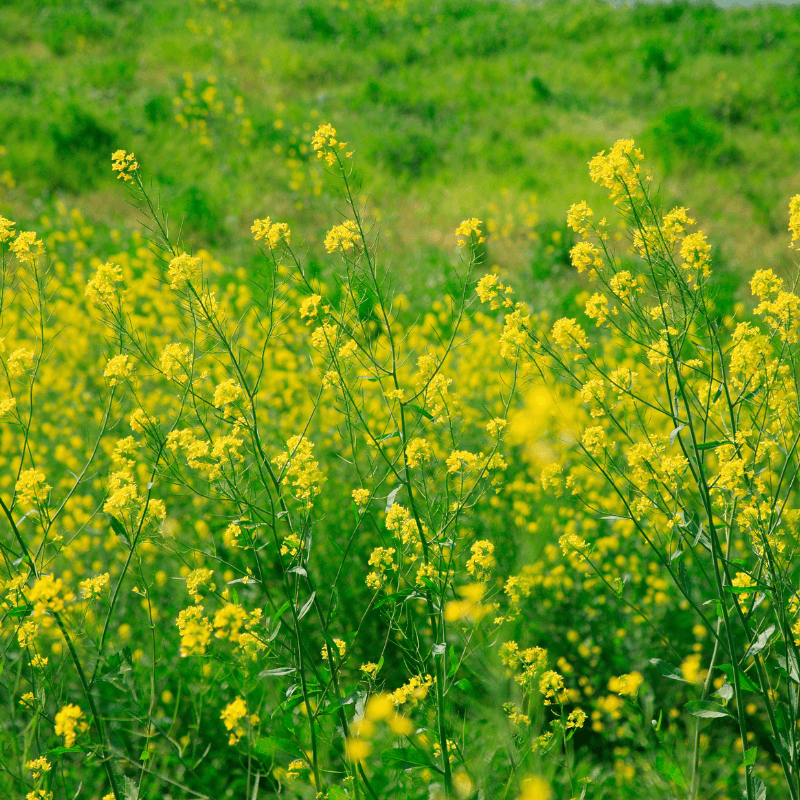
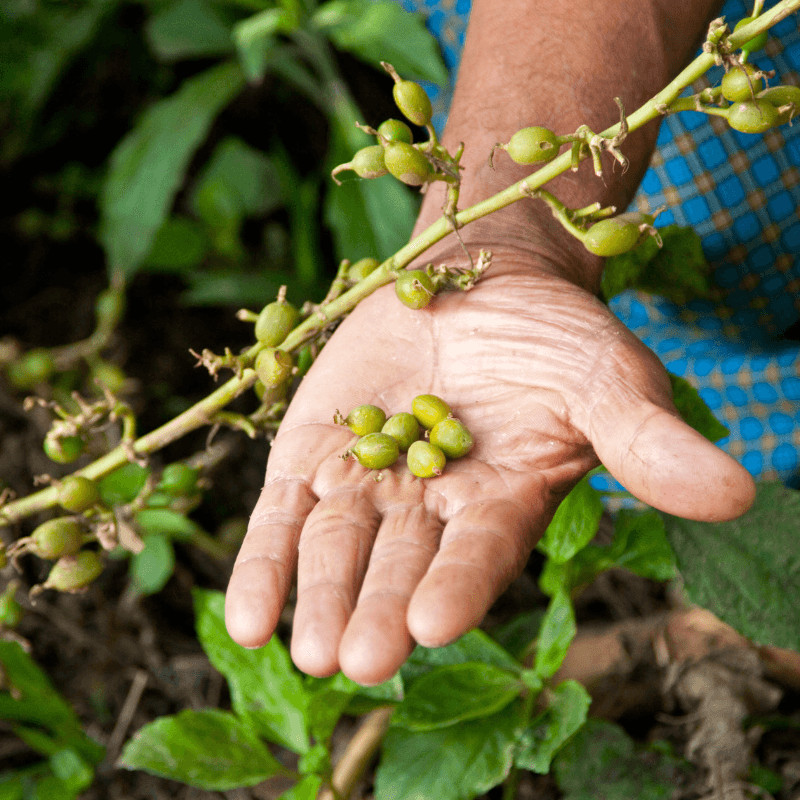
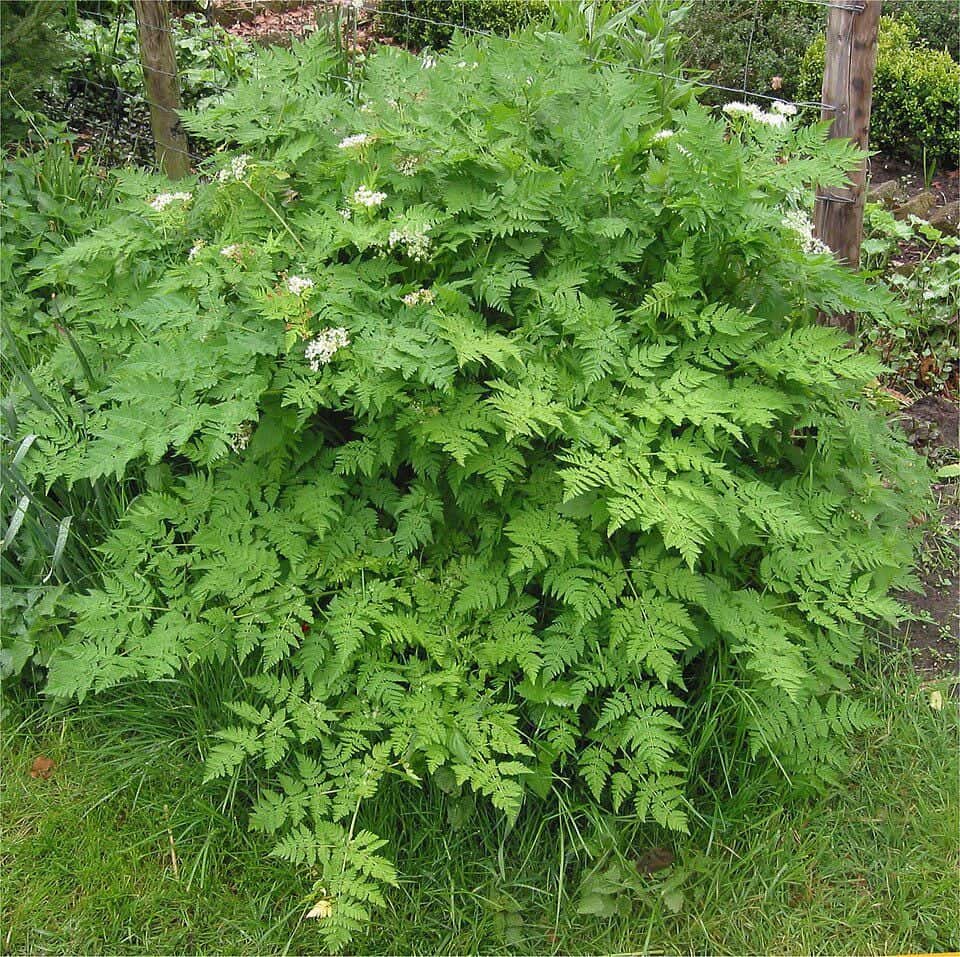
Anise, black cumin, mustard, cardamom, chervil, coriander, cumin, fenugreek, garden cress, garlic chives, lemon balm, and white-flowered scallion labels belong in a food-garden shortlist only after exact identity and edible use are verified.
Green and red amaranth, chia, strawberry spinach, Plantago major, and selected Allium labels have different harvested parts and seasons. Genus-only records cannot guarantee a culinary species or cultivar.
Ashwagandha, Andrographis, dandelion, Artemisia, elecampane, goldenrod, great burnet, yarrow, and related plants are sold here as seed. Traditional naming does not establish efficacy, dosage, safety, or suitability with medicines.
Bladder campion, borage, Corydalis, globe thistle, panicled aster, ornamental Allium, Chinese buttercup, and other flowering records need species-specific landscape and handling checks.
Rescuegrass, shrubby stylo, black-jack, Mimosa pudica, fiddle dock, mugworts, and several vigorous perennials may spread or be regulated locally. Check regional lists before outdoor sowing.
Amaranth colour labels, genus-only chamomile and Allium, empty scientific fields for chervil and Plantago, and stock-specific names require stronger evidence before precise claims are added.
A single herb-bed recipe is not appropriate for all 44 listings. Separate plants by life cycle, climate, moisture, mature spread, and the plant part you intend to grow.
Many spice, mustard, cress, coriander, cumin, amaranth, and fenugreek labels can be planned as annual seed or leaf crops, but sowing temperature and heat response vary by species.
Lemon balm, Artemisia, yarrow, elecampane, goldenrod, great burnet, and some flowering herbs may occupy a bed for multiple seasons and can spread beyond the original planting.
Cardamom, Andrographis, Mimosa pudica, some amaranths, and other tropical or subtropical plants should not inherit a generic temperate-herb calendar.
Globe thistle, aster, ornamental Allium, borage, bladder campion, and Corydalis may be selected for flowers or collection value rather than a food harvest.
Use pots or a monitored small plot for uncertain, spreading, potentially restricted, or identity-limited seed until the plant can be confirmed and local ecological fit is known.
Start with the exact taxon and intended use, then consult a species-level source. Label every tray and keep a record of sowing date, conditions, and seed lot.
Separate frost-tender annuals, cool-season annuals, hardy perennials, tropical perennials, and grasses before deciding whether to direct sow or start under protection.
Avoid a single heavy or waterlogged mix for every species. Adjust seed coverage and temperature to the verified protocol rather than seed size guesses alone.
Prevent crowded, weak seedlings by supplying adequate light and thinning or potting on at an appropriate stage. Harden transplants gradually before outdoor exposure.
Leaves, flowers, roots, and seeds can have different uses and safety profiles. Do not taste a plant merely because its packet sits in the Herbs category.
For vigorous or locally questionable plants, use containers, deadhead before seed set, and monitor escapes. Follow local disposal and noxious-weed requirements.
Seeds are supplied for planting, not direct consumption. “Natural” and “traditional” do not establish safety, and a common name alone is not enough for ingestion or medicinal use.
Ashwagandha, mugwort, wormwood, Andrographis, chamomile, fenugreek, dandelion, and other traditional herbs may have cautions or medicine interactions. Consult an appropriate health professional before health use.
Chinese buttercup is Ranunculus cantoniensis. Extension references for Ranunculus describe poisonous and irritating compounds in the genus; do not ingest and avoid sap exposure.
Confirm a plant's identity before culinary or medicinal use. When uncertain, wait for flowering and seek expert identification.
Planting seed may have different handling, treatment, or quality controls from food-grade spice. Store packets away from food, children, pets, and livestock.
Review the live identity notes and packet details, then shortlist plants that fit your climate, intended harvest, safety requirements, and ability to prevent unwanted spread.
No. The collection includes spice crops, leafy vegetables, medicinal-tradition plants, ornamentals, grasses, forage species, and potentially toxic or spreading botanicals.
No assumption should be made. They are planting seeds, not food-grade spices or supplements. Keep them out of food storage and follow only verified product and safety information.
No. HER105 is labeled Trigonella foenum-graecum. HER21 uses Trigonella corniculata, a name Kew currently treats as a synonym of Trigonella balansae.
Yes, it is a current accepted treatment linked to older names including Brassica nigra and Sinapis nigra.
This page does not support that use. The record is Ranunculus cantoniensis, and Ranunculus plants can contain irritating and poisonous compounds. Treat it as non-food planting material.
No. A plant name or history of use does not prove efficacy, dosage, or safety. Herbal products may interact with medicines, and health use needs qualified guidance.