
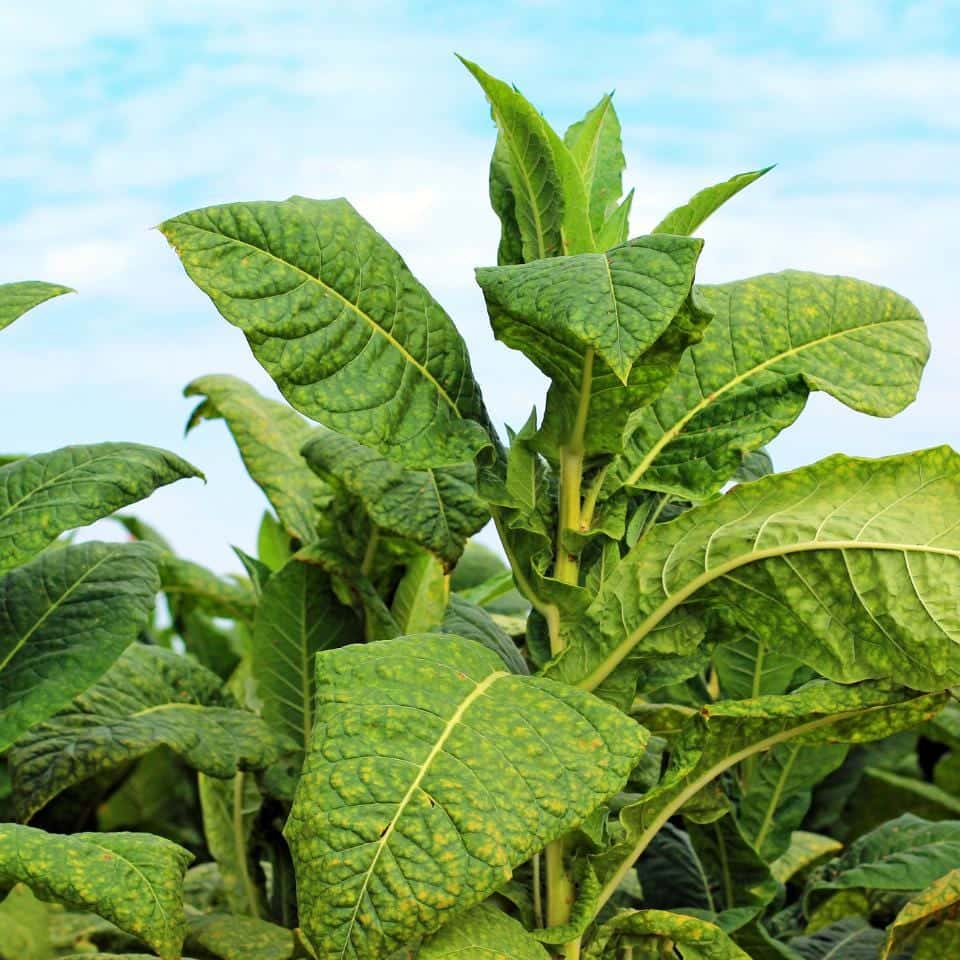
Botanical seed collection
Compare six Nicotiana listings by documented species and variety for botanical cultivation, without health or end-use claims.
The current collection contains traditional variety names associated mainly with Nicotiana tabacum plus one listing identified as Nicotiana rustica. Two active product records do not yet state a species, so their variety labels are retained without assigning them to a taxon. Review the exact product record before sowing.
6 active seed listings with current packet options and USD prices.
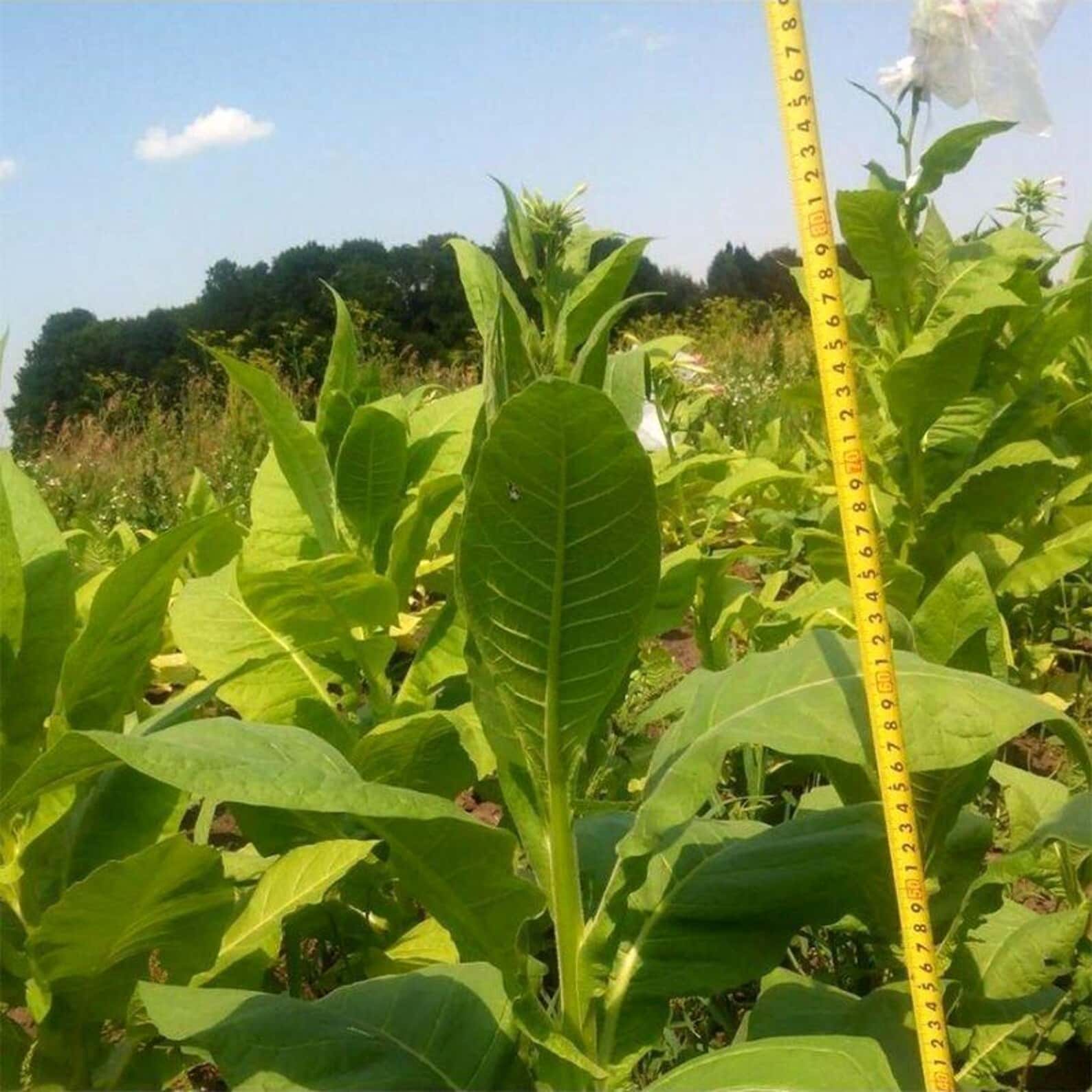
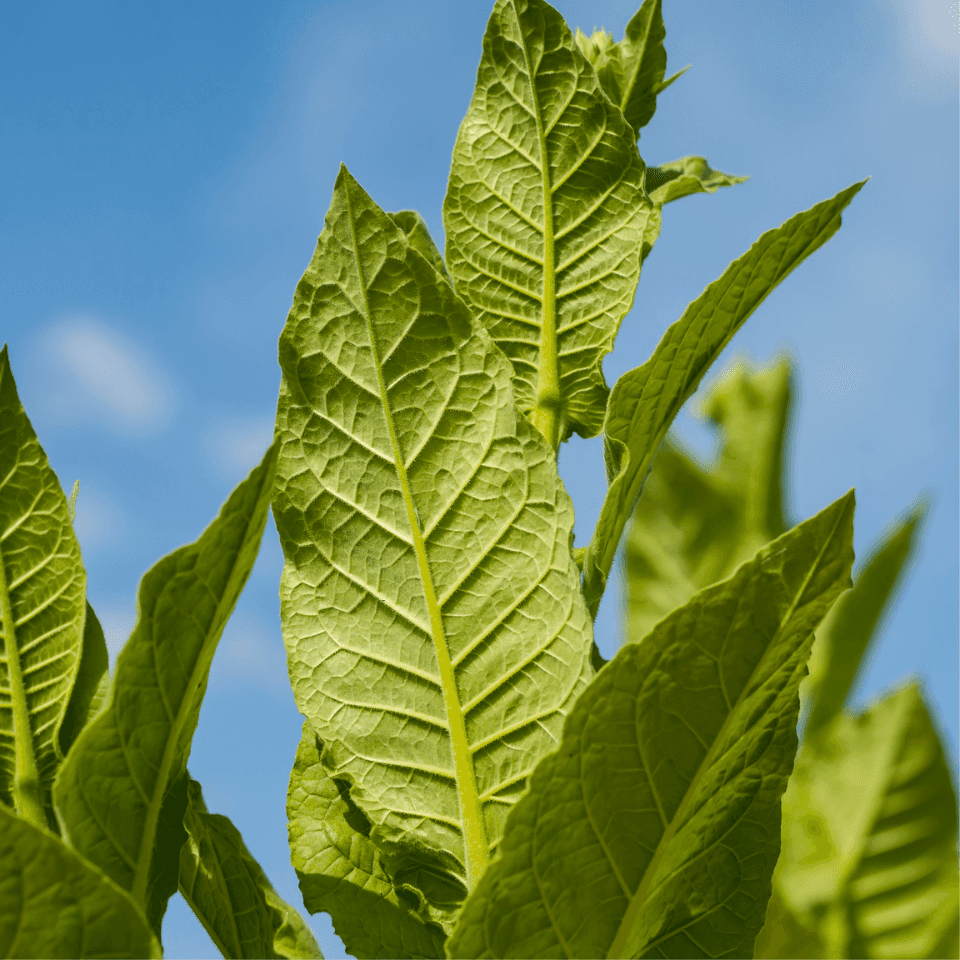
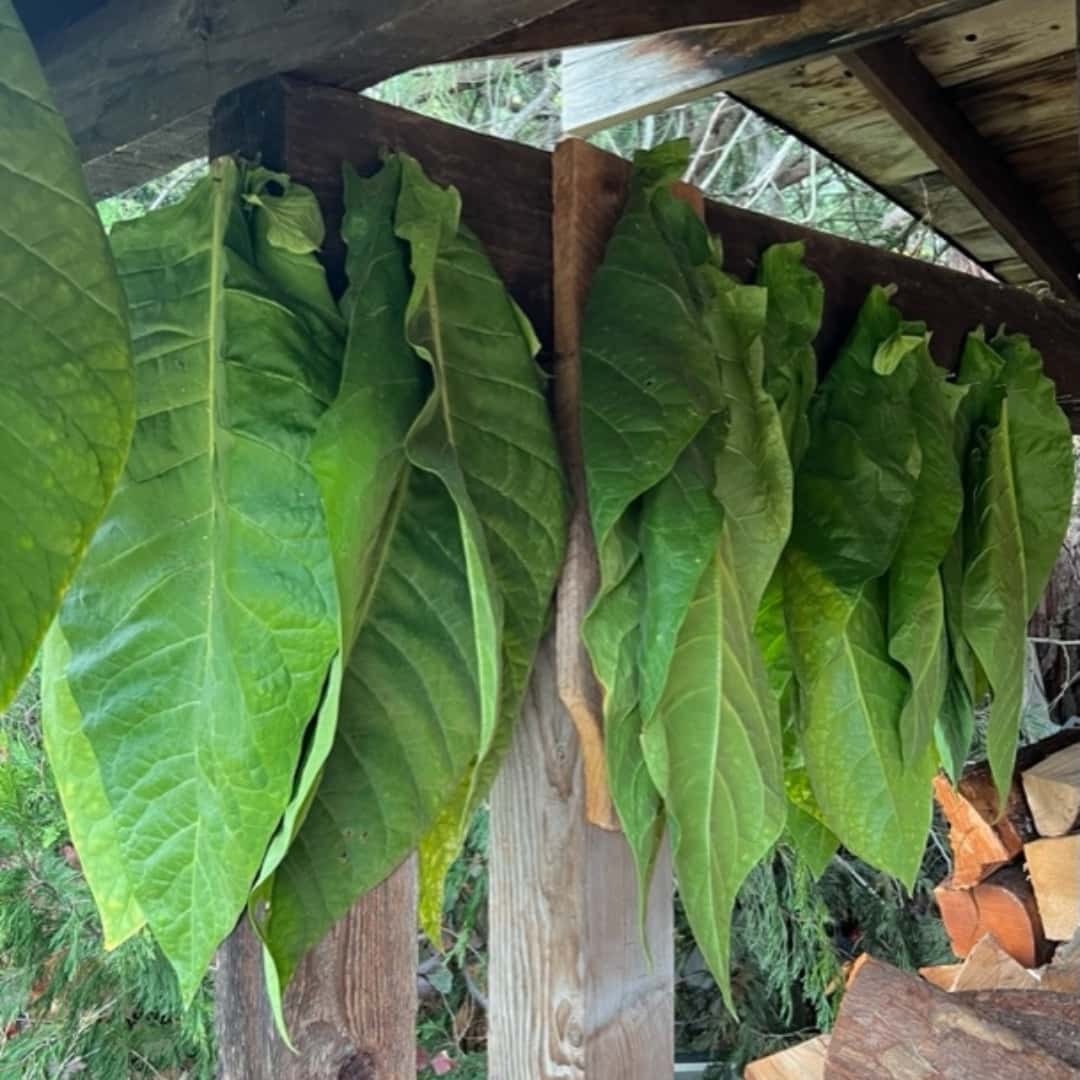
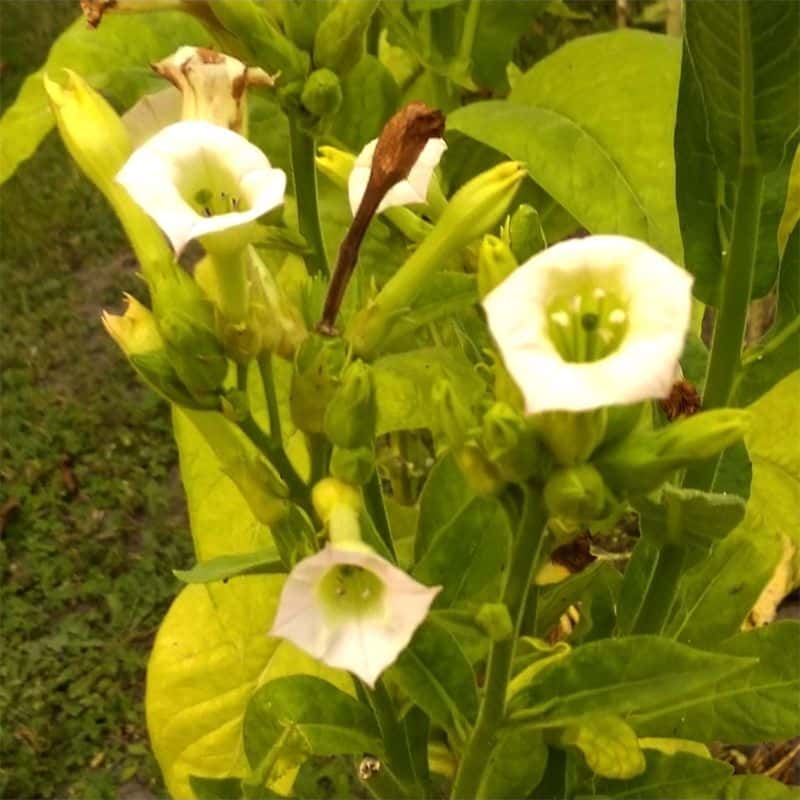
The live product cards show current packet quantities and availability. Archived catalog history is not presented as available stock.
Turkish, Virginia Gold Poland, and Connecticut Broadleaf are identified in their current product records as Nicotiana tabacum. Kew accepts N. tabacum as an annual or short-lived perennial species with many cultivated forms.
Shag Russkaya is identified in its current record as Nicotiana rustica. Kew treats N. rustica as a separate accepted annual species, so it should not be merged with N. tabacum in labeling or seed handling records.
Yellow Leaf 36 and Havana are active variety labels, but their current product descriptions do not state a scientific species. This page does not infer one from the trade name alone.
A variety name helps distinguish packets, but it does not replace a documented species, provenance, or verified cultivar record.
Use the scientific name stated on the product record. N. tabacum and N. rustica are distinct accepted species in Kew Plants of the World Online.
Names such as Turkish, Virginia Gold Poland, Connecticut Broadleaf, Yellow Leaf 36, Russkaya, and Havana are retained as catalog labels. The page does not add unsupported claims about curing type, chemistry, origin, or performance.
Only six active products are linked here. The category also contains archived historical records, but those are not described as purchasable.
Nicotiana seed is very small. Use clean equipment, a fine medium, controlled moisture, and good records. Product-specific instructions take priority over this category-level framework.
Use a clean seed-starting medium and sow evenly. The current product instructions call for surface sowing or only a very light covering rather than deep burial.
Do not allow the surface to dry during germination, but avoid waterlogging. North Carolina State production guidance notes that overly wet media can impair tobacco seedling establishment.
Keep the tray warm and bright according to the exact listing. North Carolina State guidance describes tobacco germination as temperature-sensitive and notes that performance can vary among varieties and seed lots.
Handle small seedlings gently, increase airflow as they develop, and move them only after they are established. Keep every tray labeled so N. tabacum, N. rustica, and unidentified variety records remain separate.
Compare the live packet details and current product instructions, confirm that cultivation and import are permitted where you live, and keep botanical identities separate.
No. Kew Plants of the World Online accepts them as separate species. The active Shag Russkaya record is labeled N. rustica, while Turkish, Virginia Gold Poland, and Connecticut Broadleaf are labeled N. tabacum.
Their current active product descriptions do not state a scientific species. This Draft deliberately leaves that unresolved instead of inferring identity from a variety or trade name.
No. The current product guidance says to surface sow or cover only very lightly in a fine seed-starting medium, then maintain even moisture, warmth, and light.
No. It is limited to botanical identity, current catalog availability, and seed-starting context. It does not make health, safety, consumption, chemistry, or finished-product claims.
No. The category has 236 assigned records, but only six are active and linked in this Draft; 230 are archived historical catalog records.
Yes. Import, cultivation, age, and product rules vary by destination and can change. Check the current rules that apply to your location before ordering or planting.