
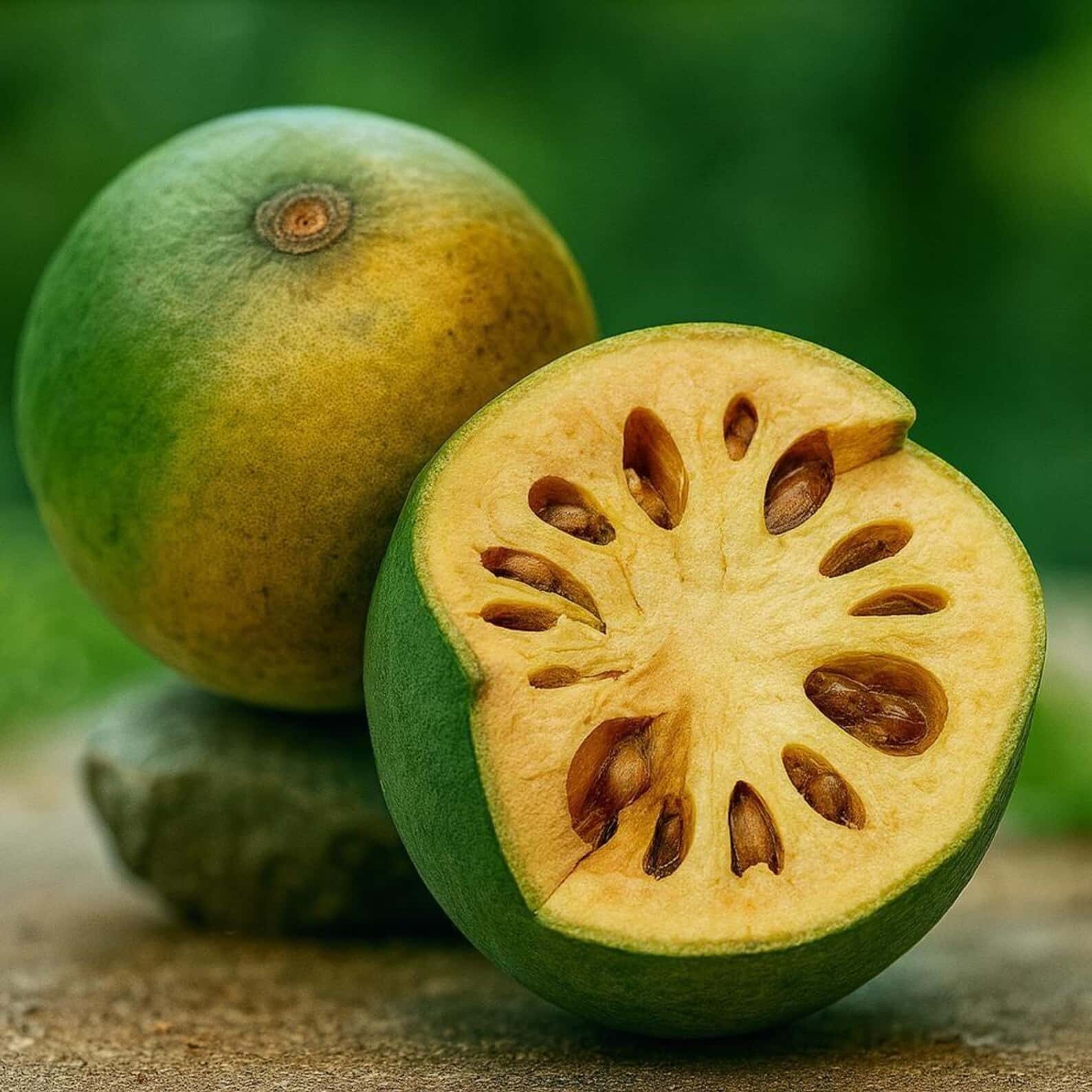
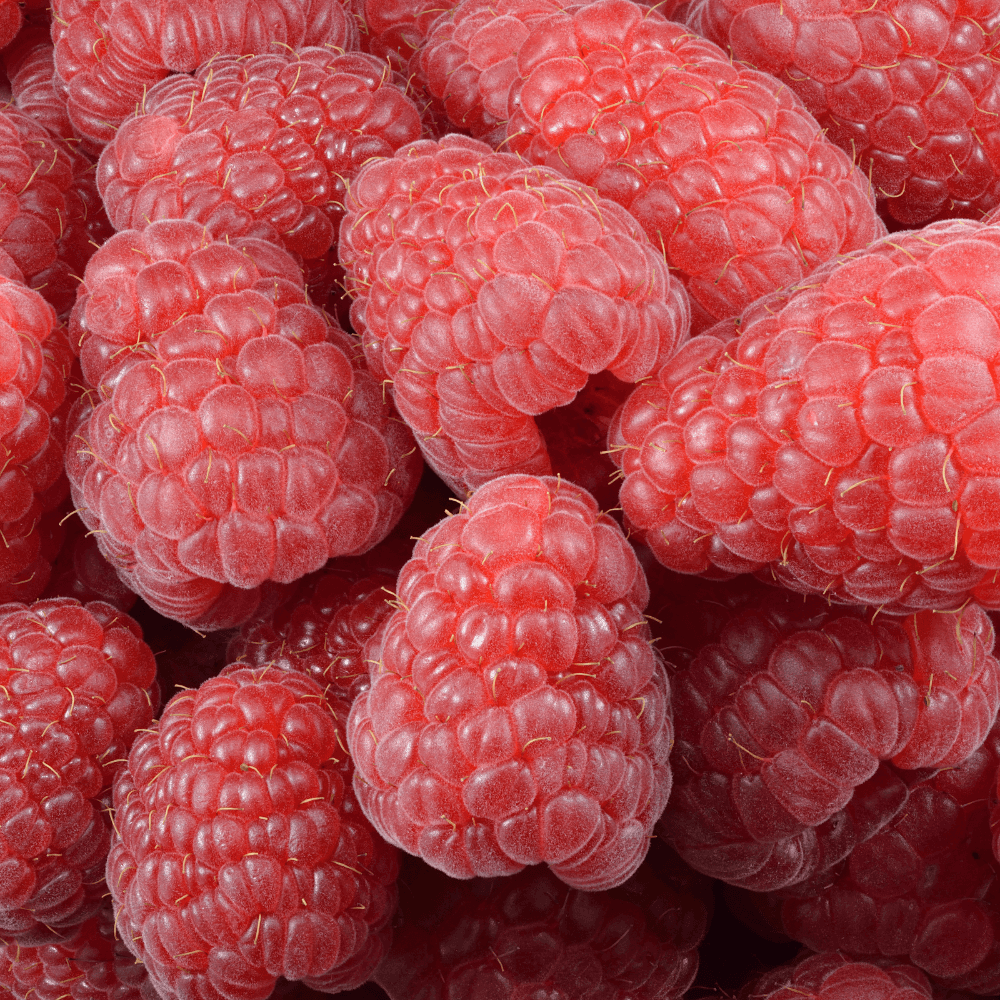
Fruit, berry, and botanical seed collection
Compare orchard trees, berry shrubs, groundcover, and ornamental cherry by plant form, climate, and seedling purpose.
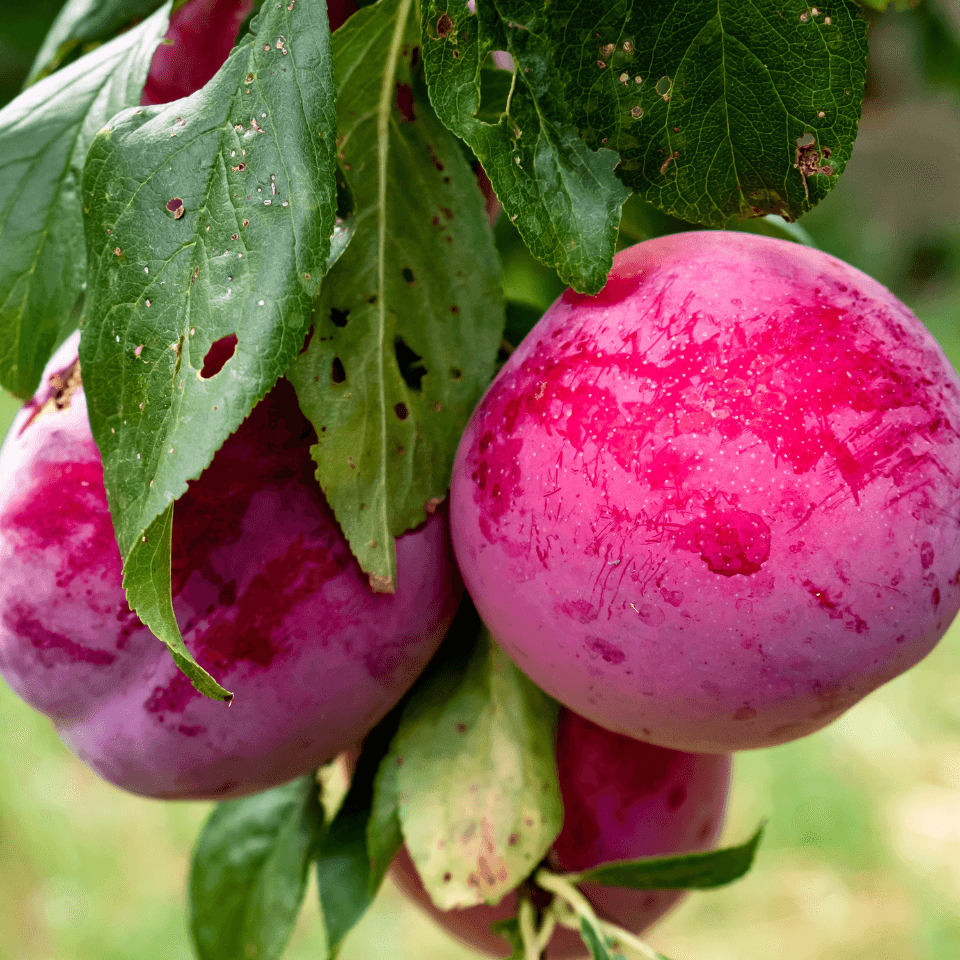
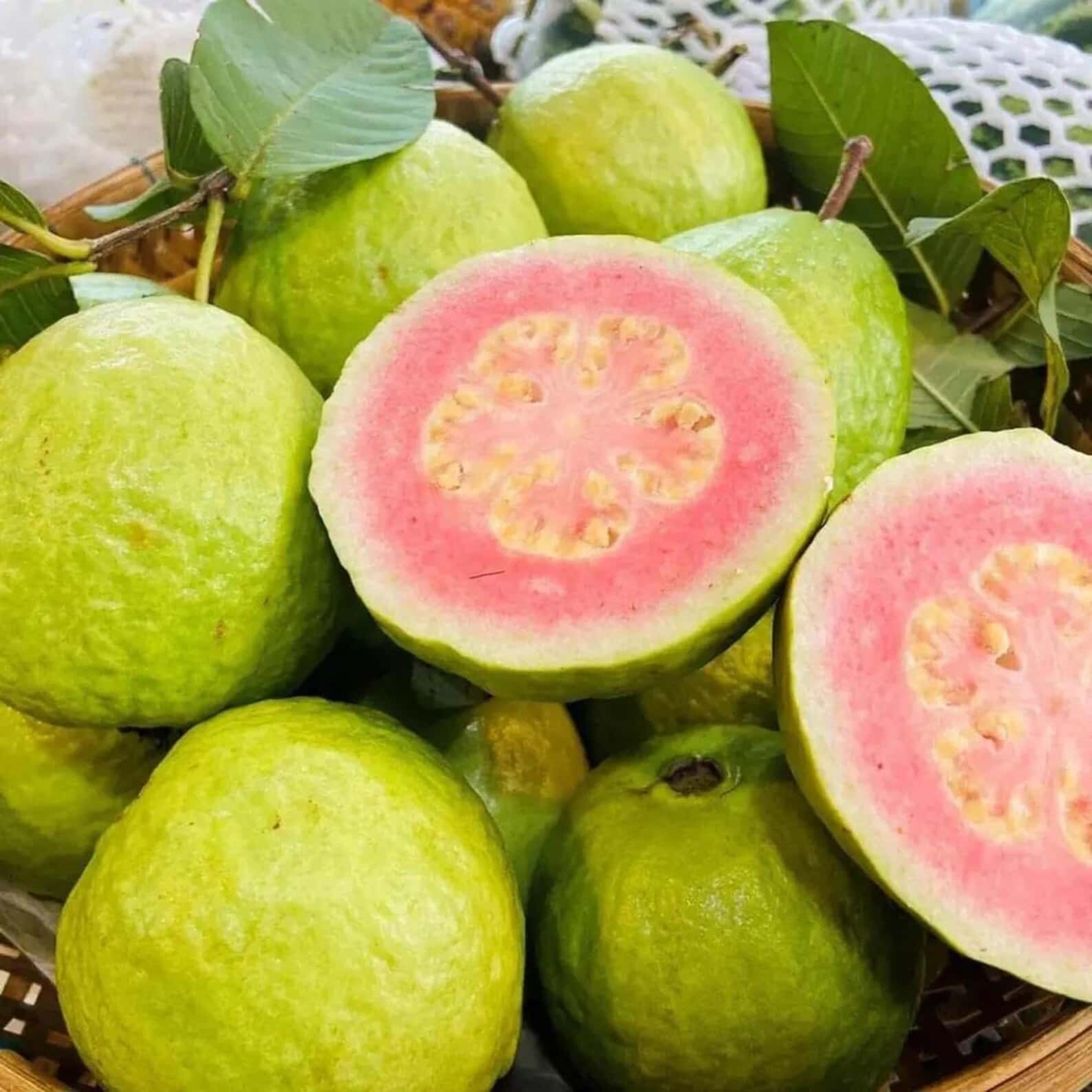
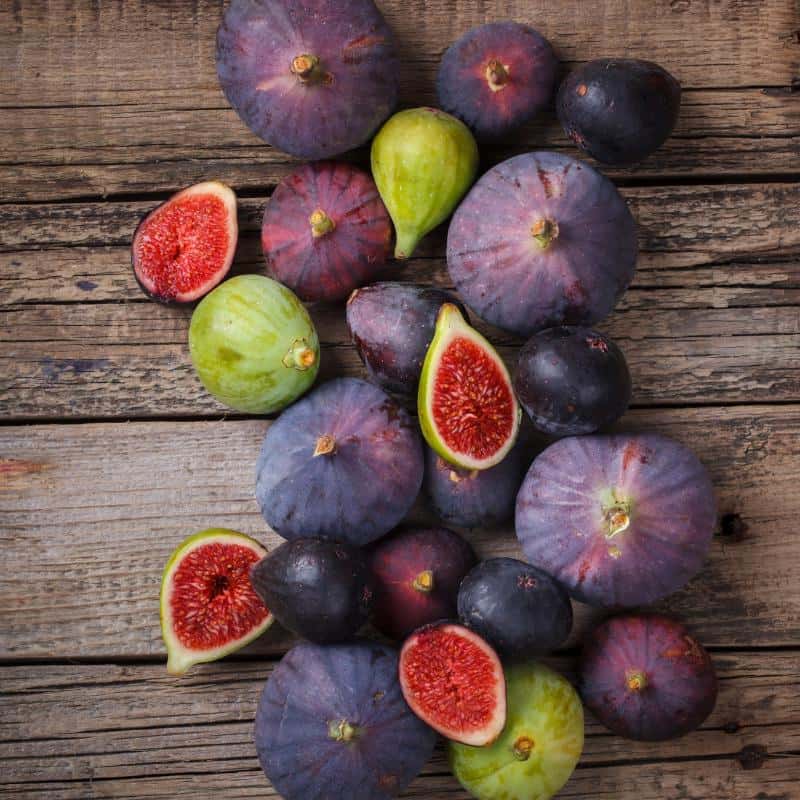
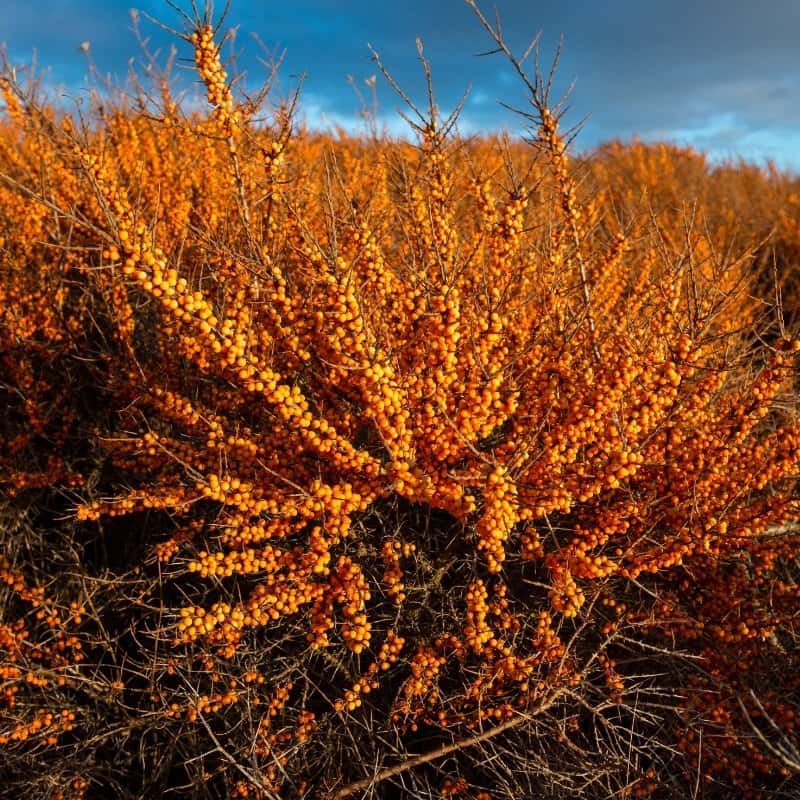
The live collection ranges from plum, sweet cherry, orange, and black mulberry trees to cranberry, raspberry, blackberry, sea buckthorn, mock strawberry, multiflora rose, and ornamental Japanese cherry. Their dormancy, mature size, fruit expectations, and local planting risks are not interchangeable.
28 active seed listings with current packet options and USD prices.
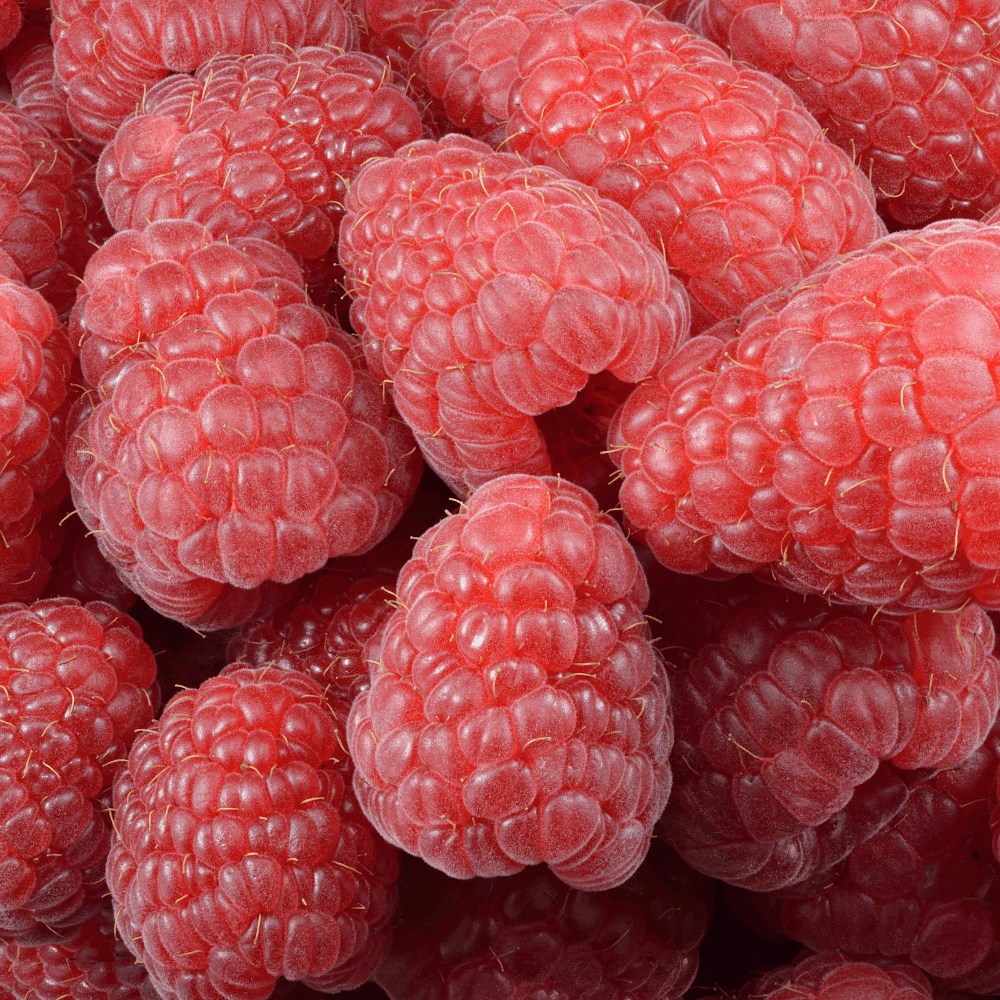
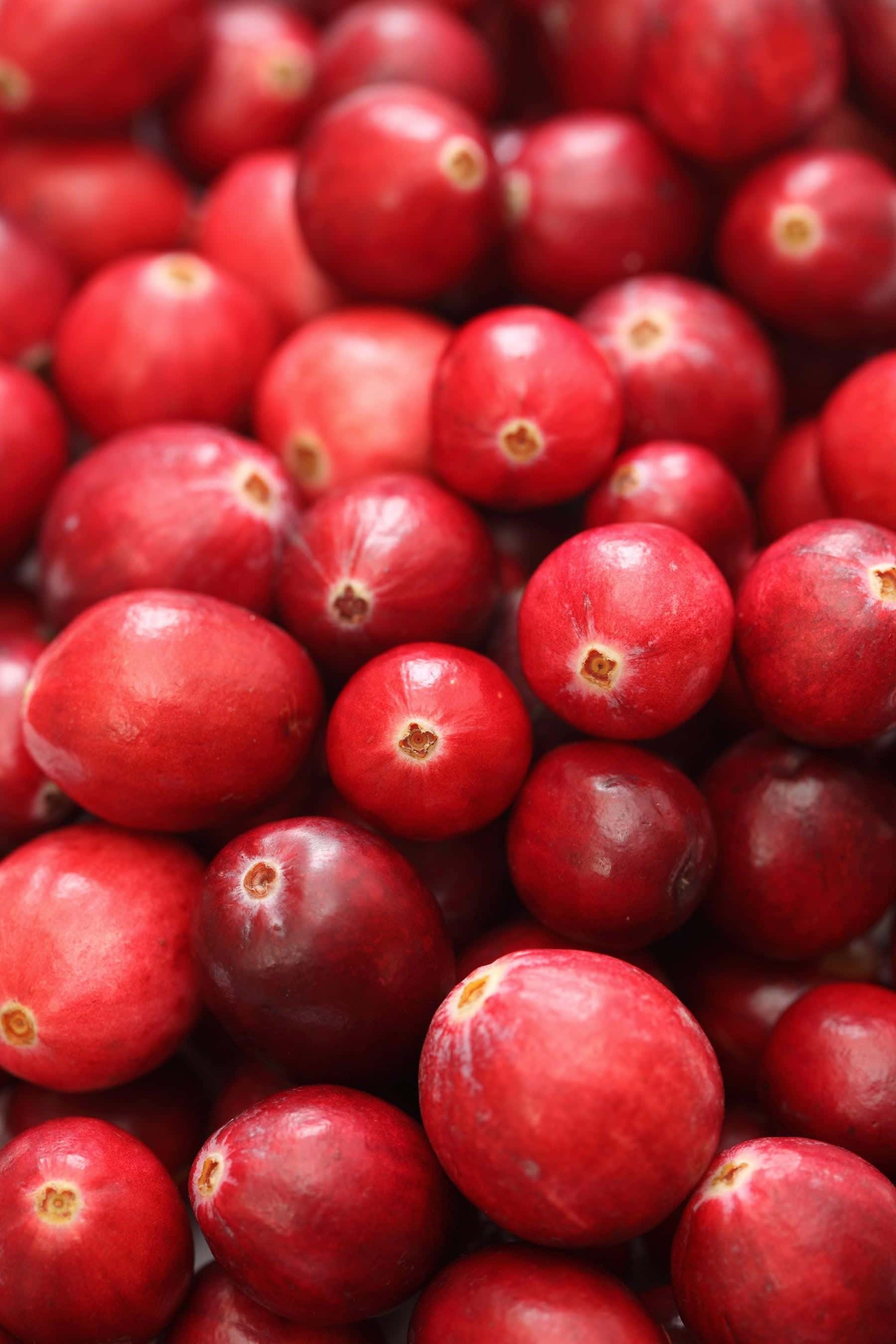
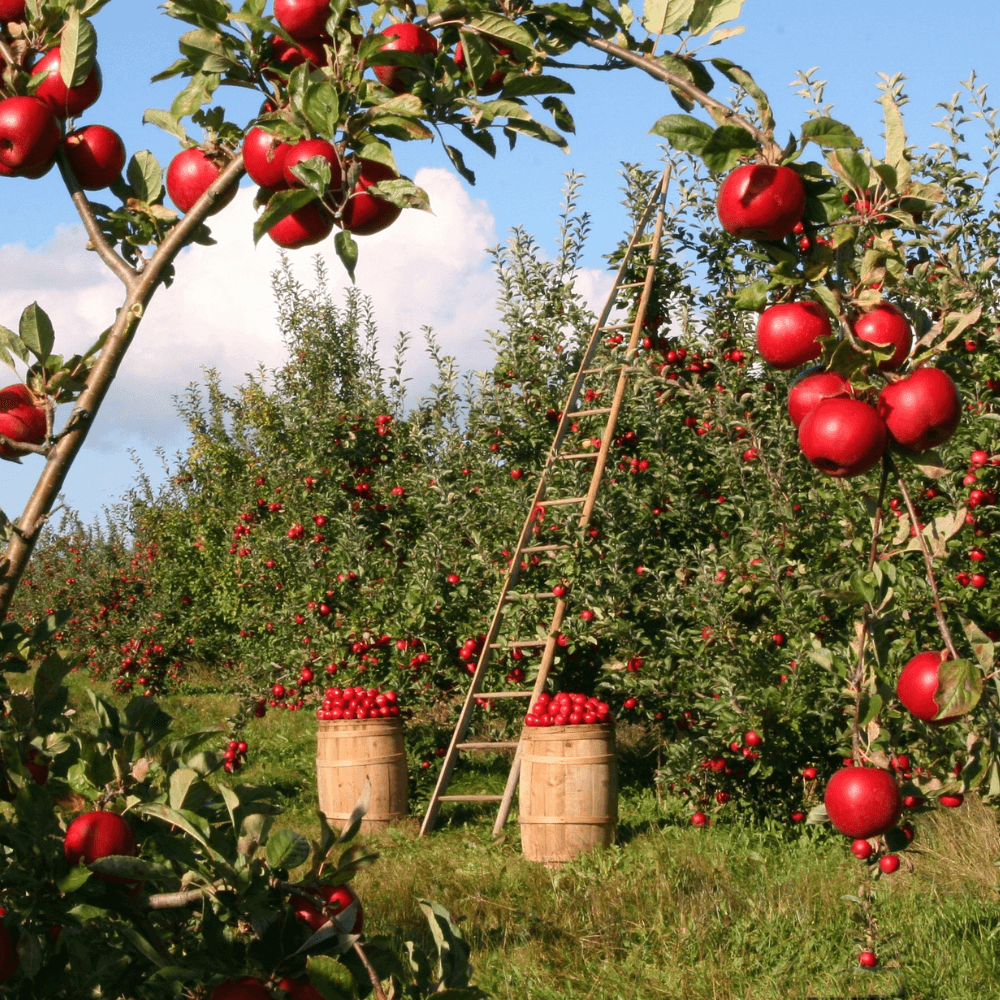


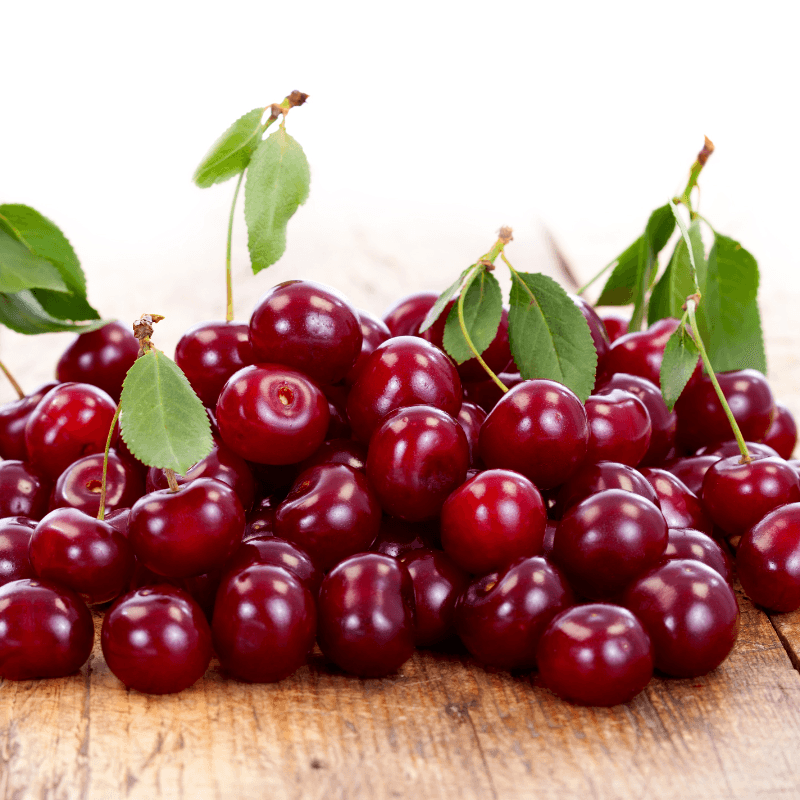
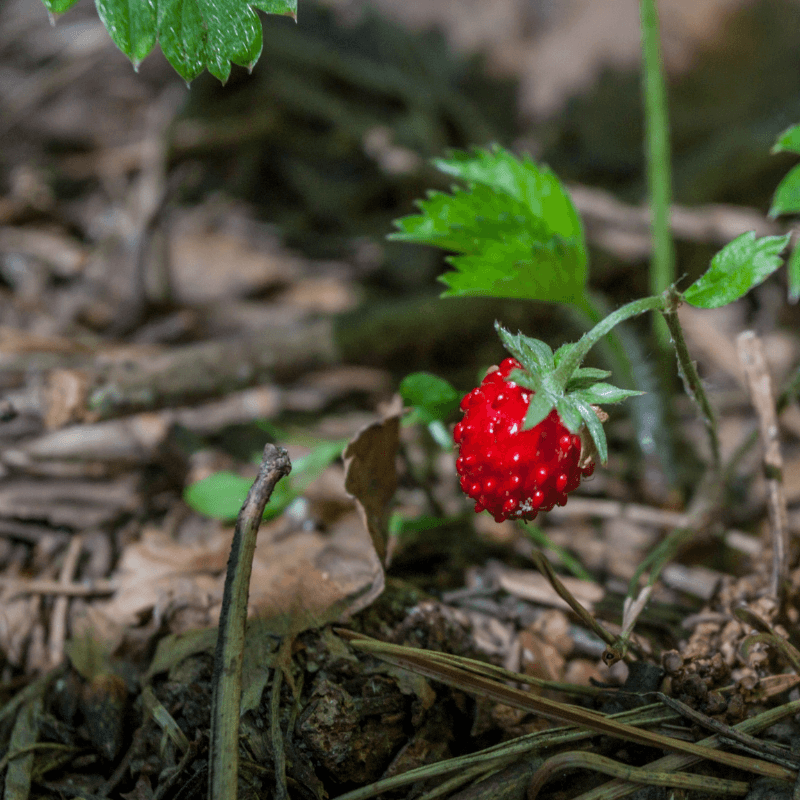


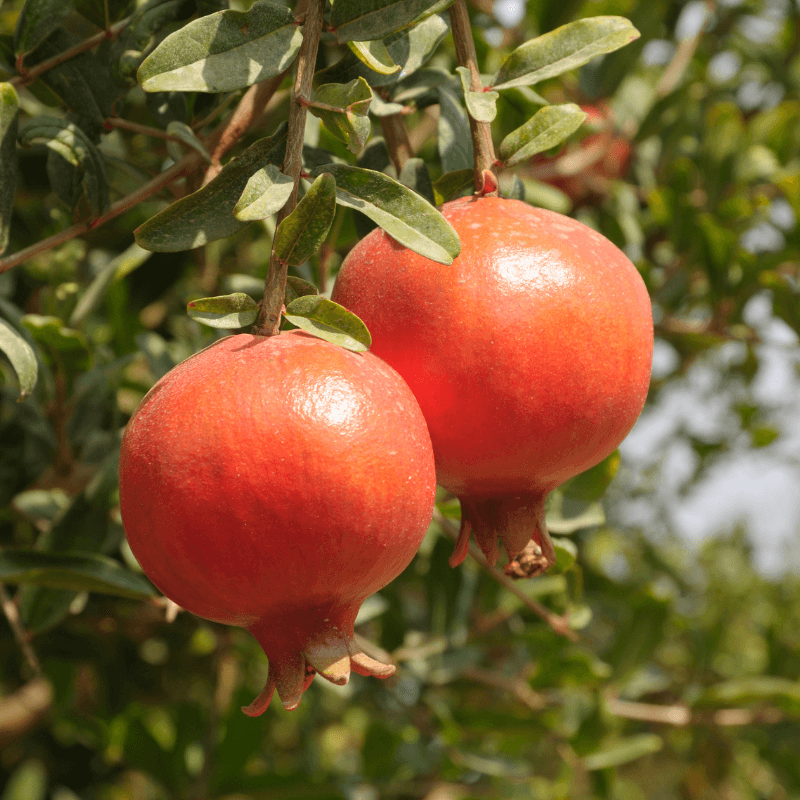
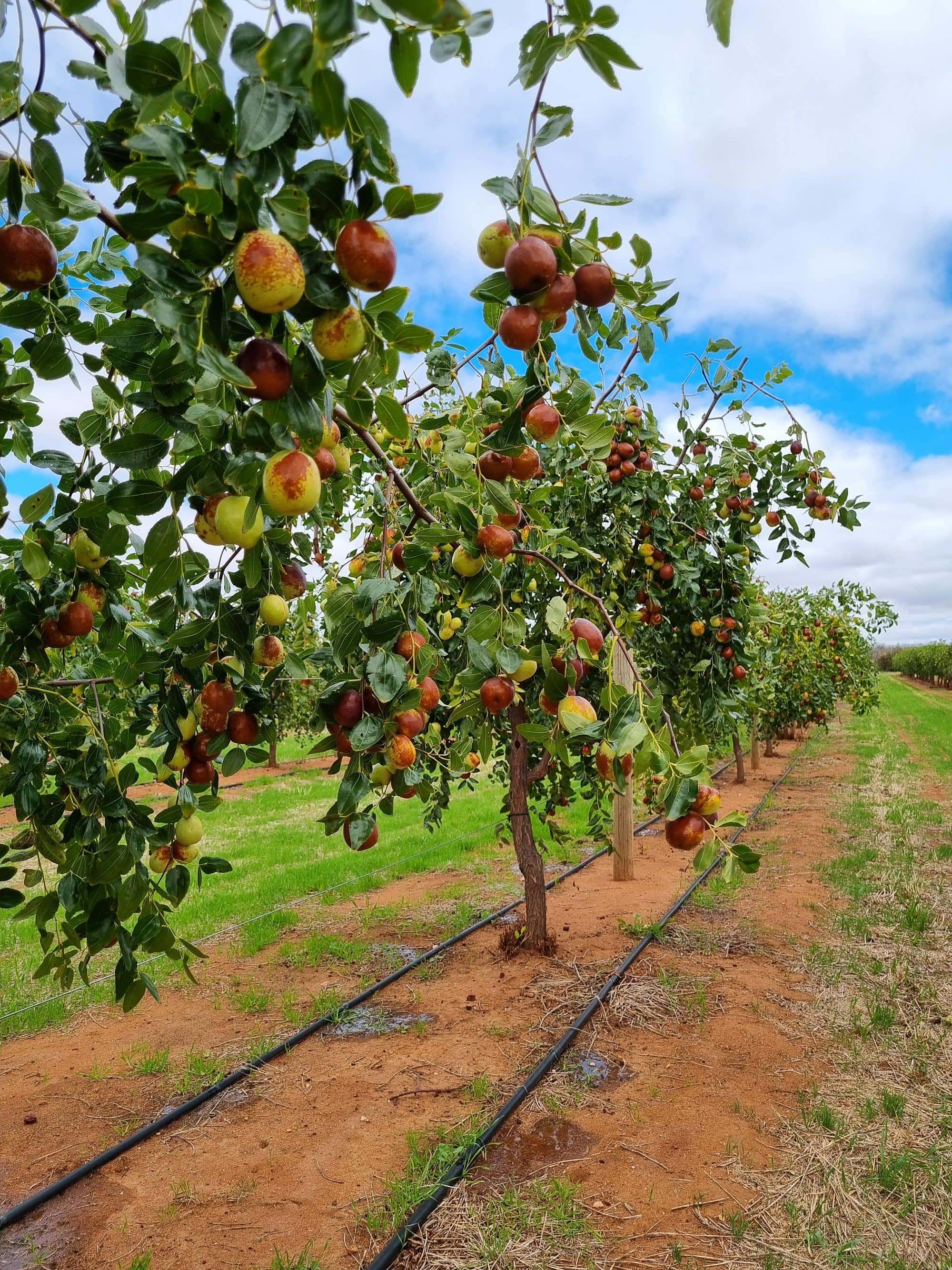
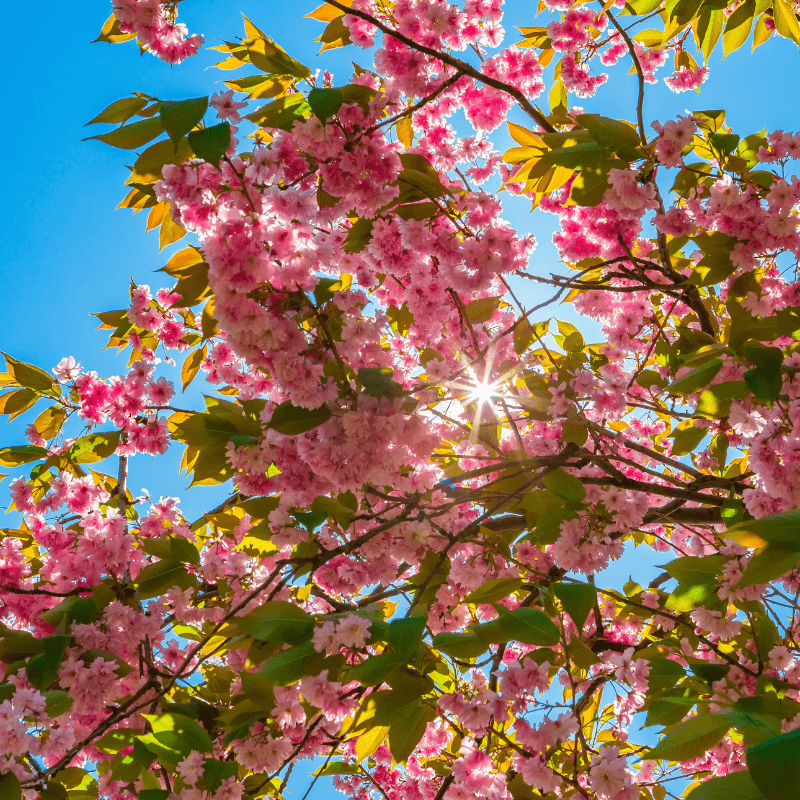

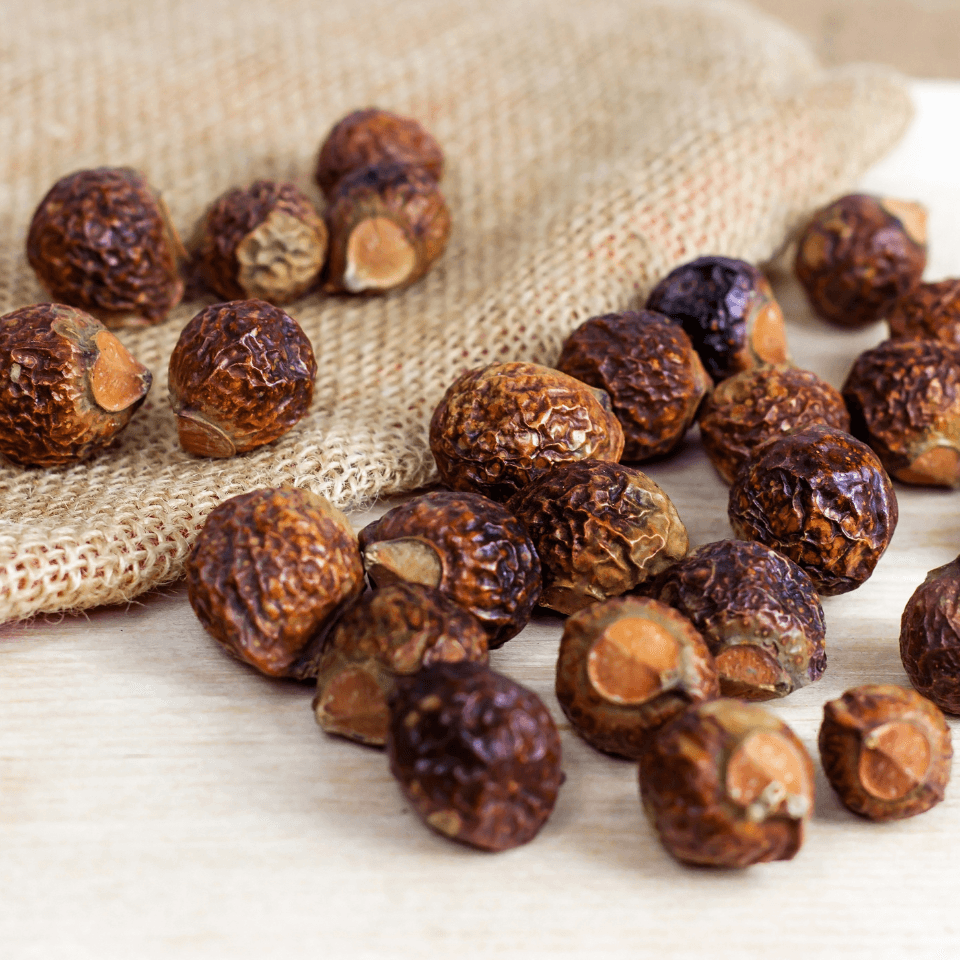

Use the live cards for current packet sizes, prices, and availability. The groups below describe plant form and the purpose supported by each product record.
European plum, sweet cherry, sweet orange, and black mulberry are long-term tree projects. Sakura, Prunus serrulata, is also a tree but is presented as an ornamental botanical project rather than an edible-fruit promise.
Sea buckthorn, American cranberry, Rubus vestitus blackberry, and Rubus idaeus raspberry differ in soil, moisture, growth habit, and pollination needs. Select the exact species before choosing a propagation method.
Indian mock strawberry is Potentilla indica, a temperate perennial. Rosa multiflora is a scrambling shrub or liana and can be invasive or restricted outside its native range, so local checks come before planting.
A seed carries a new genetic combination. Species identity can be documented while fruit size, flavour, flower form, and cultivar traits remain uncertain unless the lot has stronger provenance evidence.
Choose seed when the goal is a botanical seedling, breeding material, a rootstock trial, or genetic diversity. Kew records support the taxon and broad growth form, not the performance of this stored batch.
Penn State Extension explains that seed-grown fruit trees do not reproduce the exact fruit of the parent and that named fruit types are normally maintained vegetatively. The Maroseika label therefore does not guarantee a clonal Maroseika raspberry from seed.
Potentilla indica is the accepted name for the plant formerly called Duchesnea indica. Kew currently treats Citrus × sinensis as a synonym under Citrus × aurantium f. aurantium; the familiar sweet-orange name remains visible for product recognition.
Check the product identity and seed condition first, then choose the treatment documented for that species and lot. Test a small sample when storage history or provenance is uncertain.
Many Prunus and other temperate woody seeds use a moist chilling phase before germination. Penn State documents after-ripening for common tree fruits, but the exact duration varies by taxon and batch; do not apply one fixed schedule to all eleven products.
Vaccinium macrocarpon is a temperate subshrub, not a generic orchard tree. Match its medium and moisture plan to the species rather than copying the plum or cherry workflow.
Treat sweet orange as a separate citrus seedling project without cold-stratifying it merely because neighbouring products are temperate. A seedling is not a guarantee of the parent fruit type.
Label every packet and tray with species, stock name, and sowing date. Keep germination observations separate so uncertain provenance is not converted into an unsupported cultivar claim later.
Suitability includes more than germination. Mature space, pollination, local climate, and legal or ecological restrictions can determine whether a species belongs in a site.
The U.S. National Invasive Species Information Center reports that multiflora rose can form dense thickets and crowd out native species. Check the exact destination rules and do not introduce it where restricted or invasive.
Japanese cherry is included because it is an active catalog record, but this page does not market it as a fruit crop. Mock strawberry is likewise identified by its exact species rather than presented as a substitute for garden strawberry.
Review the exact species, packet details, and product instructions, then choose a seedling project that fits your climate, available space, and local planting rules.
Not necessarily. Seedlings are genetically variable. Penn State Extension explains that fruit cultivars are normally maintained by grafting, budding, or other vegetative propagation when an exact fruit type is required.
No clonal guarantee is supported. The stock name is retained, but a seedling is a new genetic individual and may not reproduce the named cultivar's traits.
No. The active Sakura listing is Prunus serrulata and is presented here as an ornamental and botanical tree-seed project. No fruit-quality or named-flower-cultivar claim is made.
It is Potentilla indica, formerly widely listed as Duchesnea indica. It is not a Fragaria garden strawberry, and this page keeps that distinction explicit.
No. It is invasive or regulated in some destinations. Check current local rules before ordering or planting, and do not introduce it into natural areas.
No. Many temperate woody species may need moist chilling, but treatment varies by species and lot; sweet orange and other products need their own propagation path.