
Aquatic and marginal seed collection
Compare sacred lotus and Thalia geniculata, two rhizomatous water plants requiring different seed preparation and establishment.
2 active seed listings with current packet options and USD prices.
The current collection covers an open-water lotus project and a tall wet-margin plant. The live product cards show current packet options and availability.
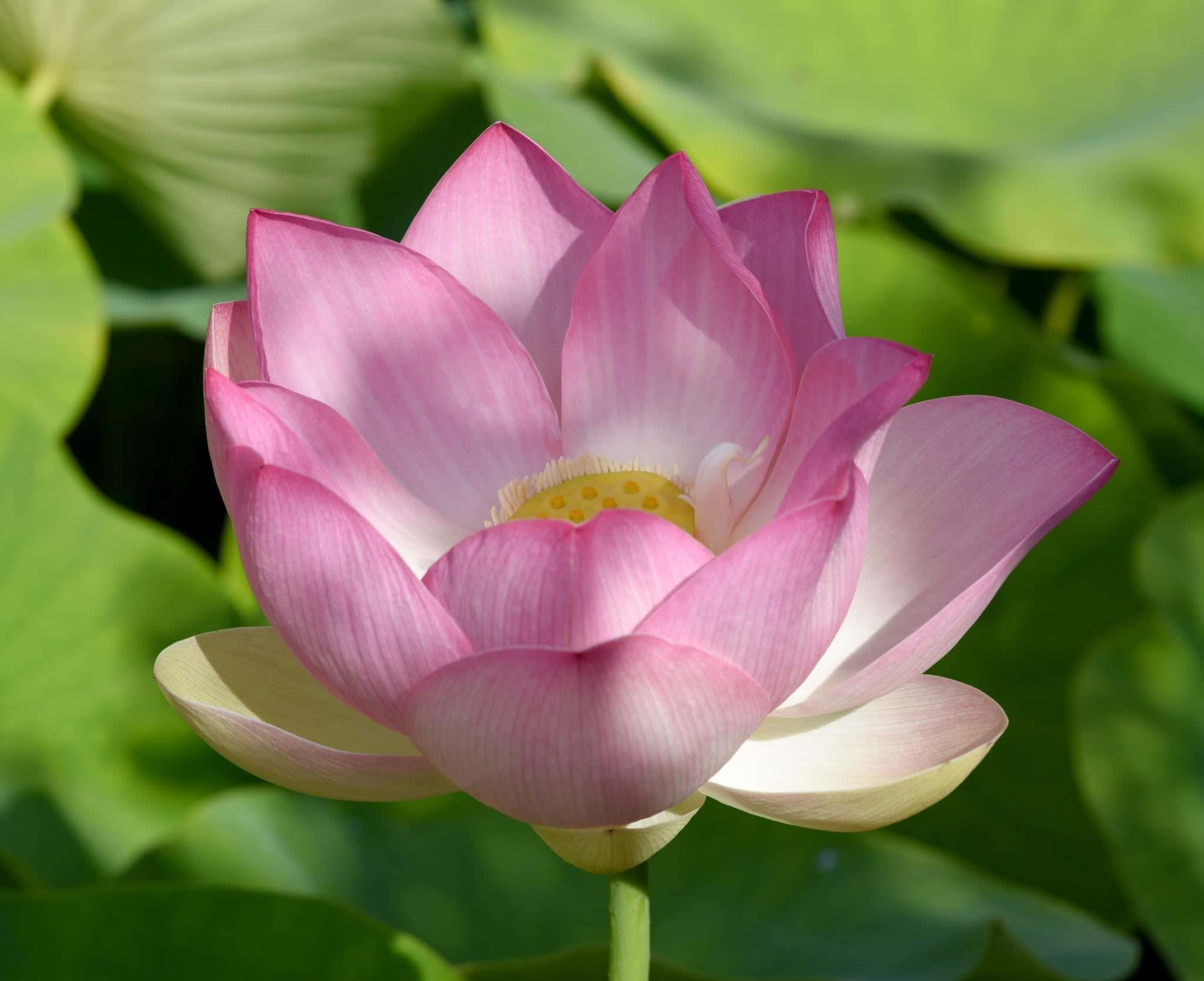
Choose lotus for a substantial aquatic perennial rooted in mud beneath shallow water. Kew notes that seed propagation requires opening part of the very hard coat and maintaining warm conditions during germination.
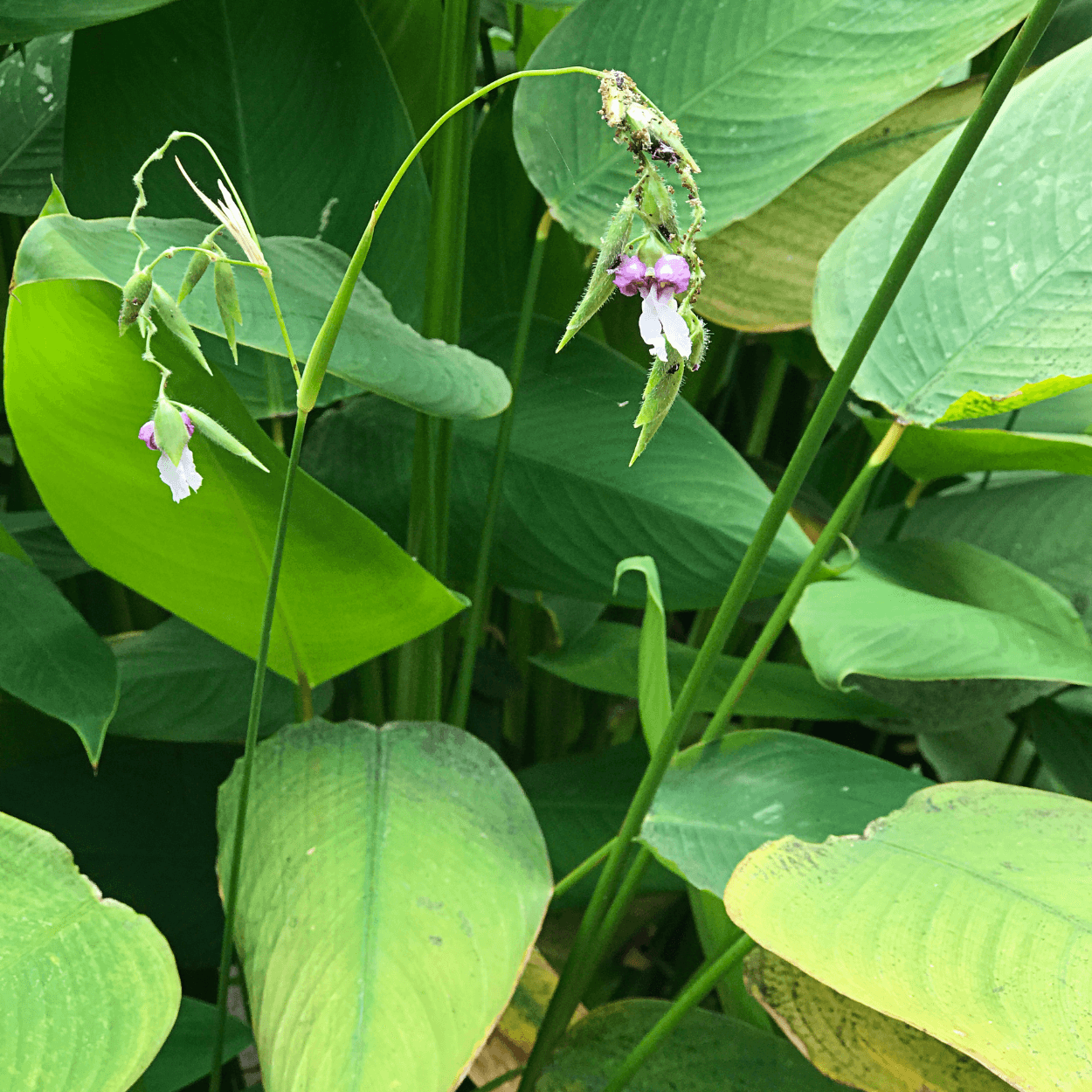
Choose Thalia for a rhizomatous wet-tropical plant associated with wet places and pond margins. Do not transfer the lotus scarification method to Thalia seed without lot-specific instructions.
Confirm the seed identity first, use clean containers and water, and move seedlings only when their roots and leaves are established enough for the next aquatic or marginal stage.
Kew advises filing away one end of the extremely hard seed coat to expose the endosperm, then placing the seed at 25-30°C. High light after emergence helps the seedling build a tuber for later survival.
Treat Thalia as a wet-tropical marginal project and follow the current product instructions for seed preparation. Keep the distinction clear: a method documented for lotus is not automatically valid for a member of the Marantaceae family.
Before moving either plant into an outdoor water body, check local planting rules and use a contained system when spread or winter survival is uncertain. Aquatic plants can behave differently outside their native range.
Review current seed quantities, prices, availability, and exact product instructions before choosing lotus or Thalia for your setup.
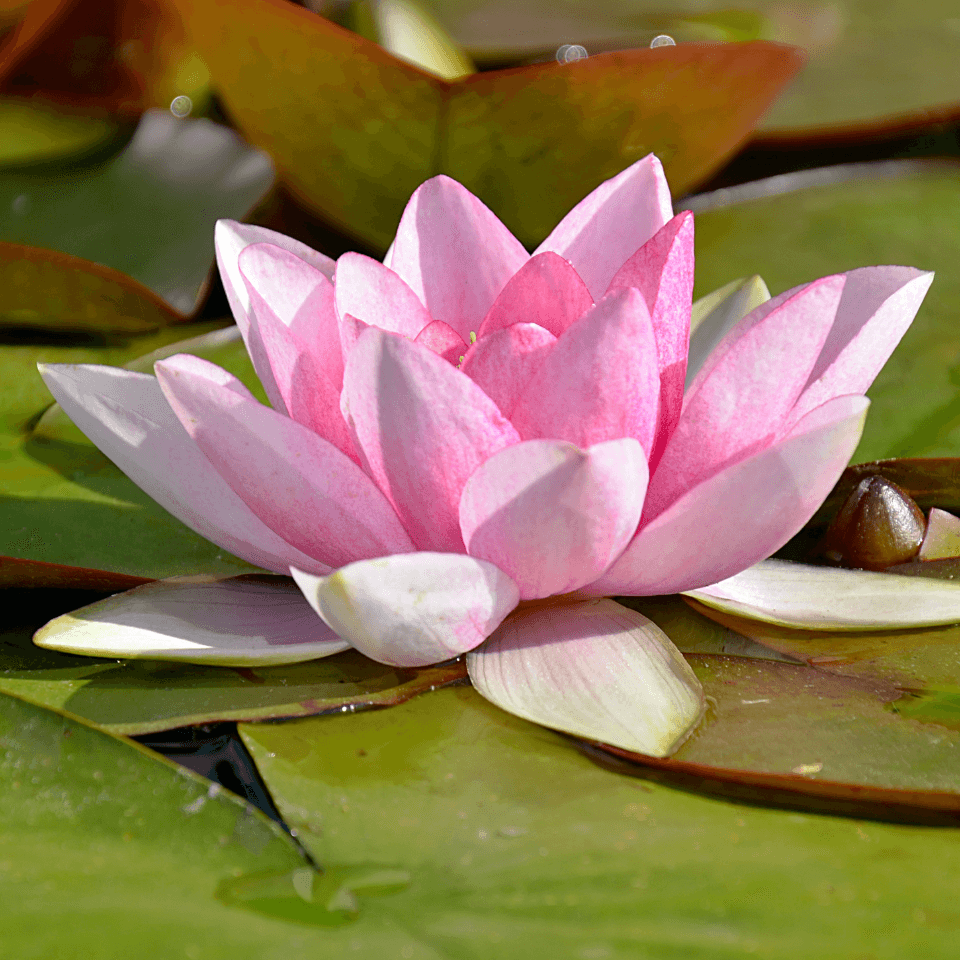
No. The current live products are sacred lotus, Nelumbo nucifera, and Thalia geniculata. Lotus is not a water lily; the Missouri Botanical Garden highlights the central lotus seed head as one visible distinction.
Yes. Kew states that one end of the extremely hard coat should be filed away to expose the endosperm before germination, taking care not to damage the embryo.
Do not assume so. Thalia geniculata belongs to Marantaceae and Kew describes it as a wet-tropical rhizomatous geophyte; follow the Thalia product instructions instead of transferring a Nelumbo-specific scarification step.
Kew reports placing prepared Nelumbo nucifera seed at 25-30°C and notes that the seedling can begin to emerge after about 24 hours. That is species guidance, not a guarantee for every stored seed lot.