SALE 20%
Botanical craft-material reference
Review archived pine cones, fir essential oil, and apricot kernel oil with clear provenance and safety limits.
8 active seed listings with current packet options and USD prices.
The four archived records are not one interchangeable seed collection: two describe pine cones, one Siberian fir essential oil, and one Himalayan apricot oil. Any future listing needs its own identity, material form, intended use, safety label, quantity, and provenance.
A dried cone and a concentrated plant oil create different evidence and handling requirements. 'Natural' is not a complete safety or use instruction.
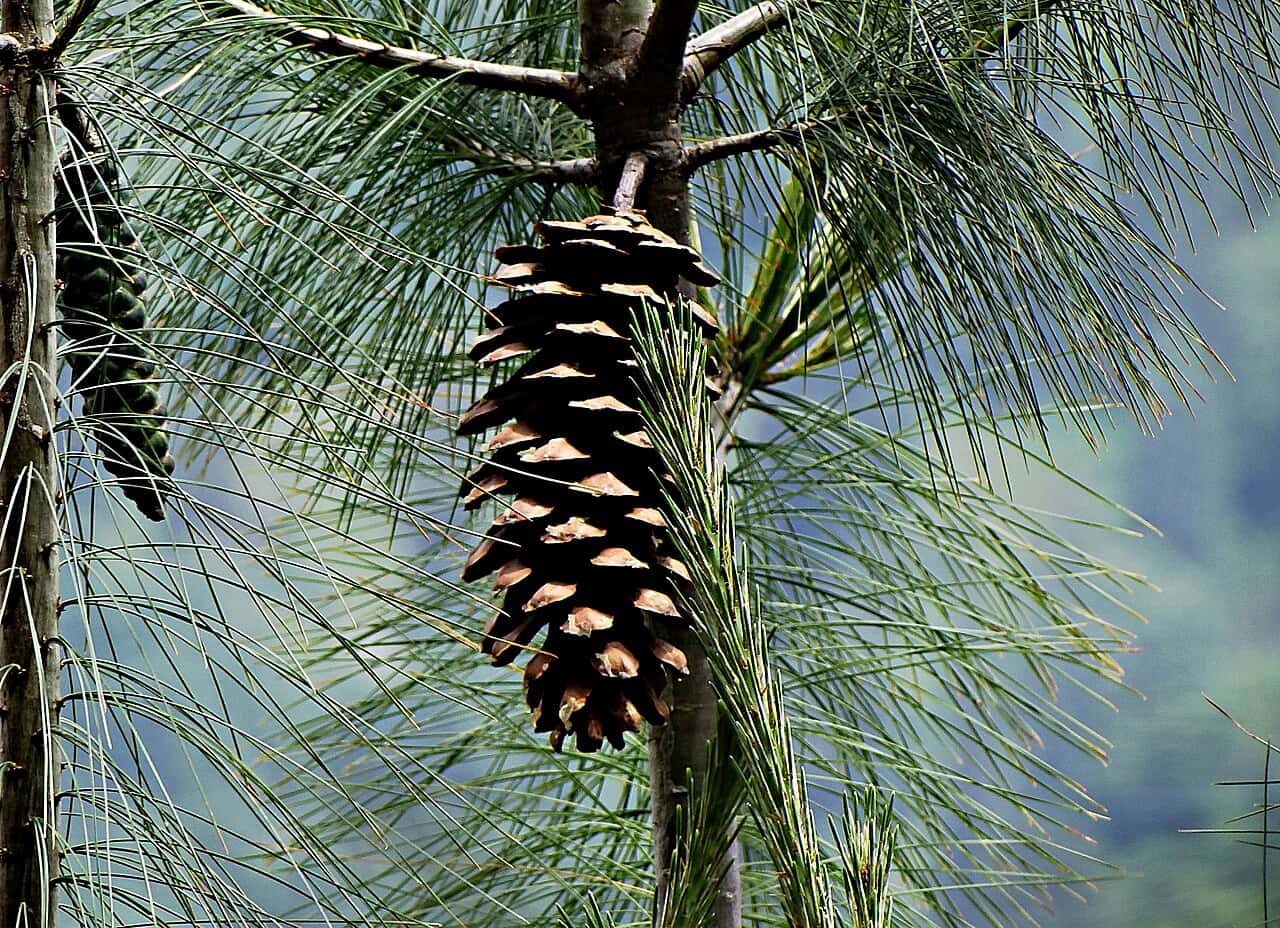
Archived cone labels reference Pinus roxburghii and an older 'Pinus excelsa' name associated with Himalayan white pine. A future craft listing should identify species, dimensions, cleanliness, treatment, and whether seeds are present.
FDA explains that intended-use claims determine whether an aromatherapy product is treated as a cosmetic, drug, or another product type. Plant origin alone does not establish safety.
A future listing must distinguish cosmetic, food, fragrance, or craft use and supply ingredients, processing, batch, storage, and label directions. No therapeutic claim is supported here.
Choose a botanical material by documented identity and intended use rather than an attractive source story alone.
Confirm botanical species where relevant and whether the item is a cone, seed-bearing cone, essential oil, fixed oil, fragrance ingredient, or another processed material.
Cones need count and size range; oils need net volume, concentration or composition information, container, and batch details.
Ask how the material was collected, cleaned, dried, distilled, pressed, filtered, and stored, with lawful source documentation where required.
Follow the product label. Do not ingest, apply to skin, or use around children or pets unless that exact use is supported by the product's safety information.
FDA notes that natural or organic wording does not automatically mean safe and that some plant-derived fragrance ingredients can irritate or cause allergic reactions.
Claims to treat or prevent disease can make a product a drug under US law; this page makes no therapeutic claim.
Poison Control advises following label directions and keeping essential oils secured away from children and pets.
A future product needs a clear ingredient and use statement; '100% natural' does not identify concentration, contaminants, allergens, or safe route of use.
Review the live product cards for material form, specifications, provenance, intended use, safety information, price, and current availability.
They are labeled as large pine cones, but the archive does not establish whether viable seed is present. A future listing must state material form explicitly.
No. FDA states that plant origin does not automatically make a fragrance ingredient safe. Follow the exact label and do not assume an unlisted route of use.
No. FDA explains that claims to treat or prevent disease are drug claims. This category Draft makes no medical claim.
Exact material identity, ingredients, processing method, net volume, batch, storage, intended use, warnings, and truthful labeling.
Yes. Current botanical craft materials are shown on this page with their available options and prices.