
Warm-season vine seed collection
Compare nine pumpkin, squash, gourd, melon, watermelon, luffa, and tinda listings while keeping overlapping common names clear.
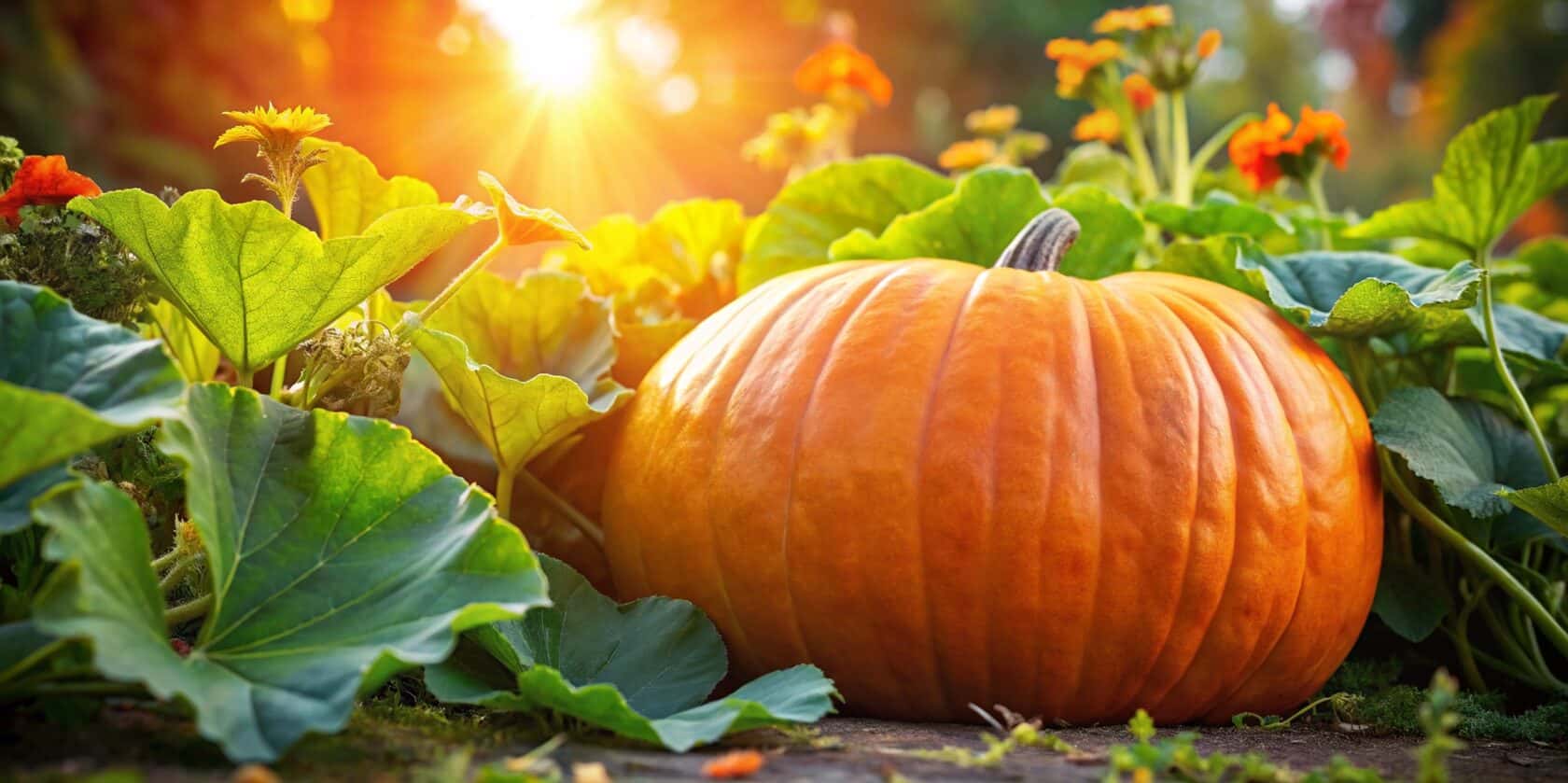
Pumpkin, squash, gourd, melon, and watermelon are useful shopping terms, but they are not interchangeable scientific identities. Plant habit, support, pollination, fruit maturity, and seed-saving decisions should follow the exact crop rather than the category name alone.
19 active seed listings with current packet options and USD prices.
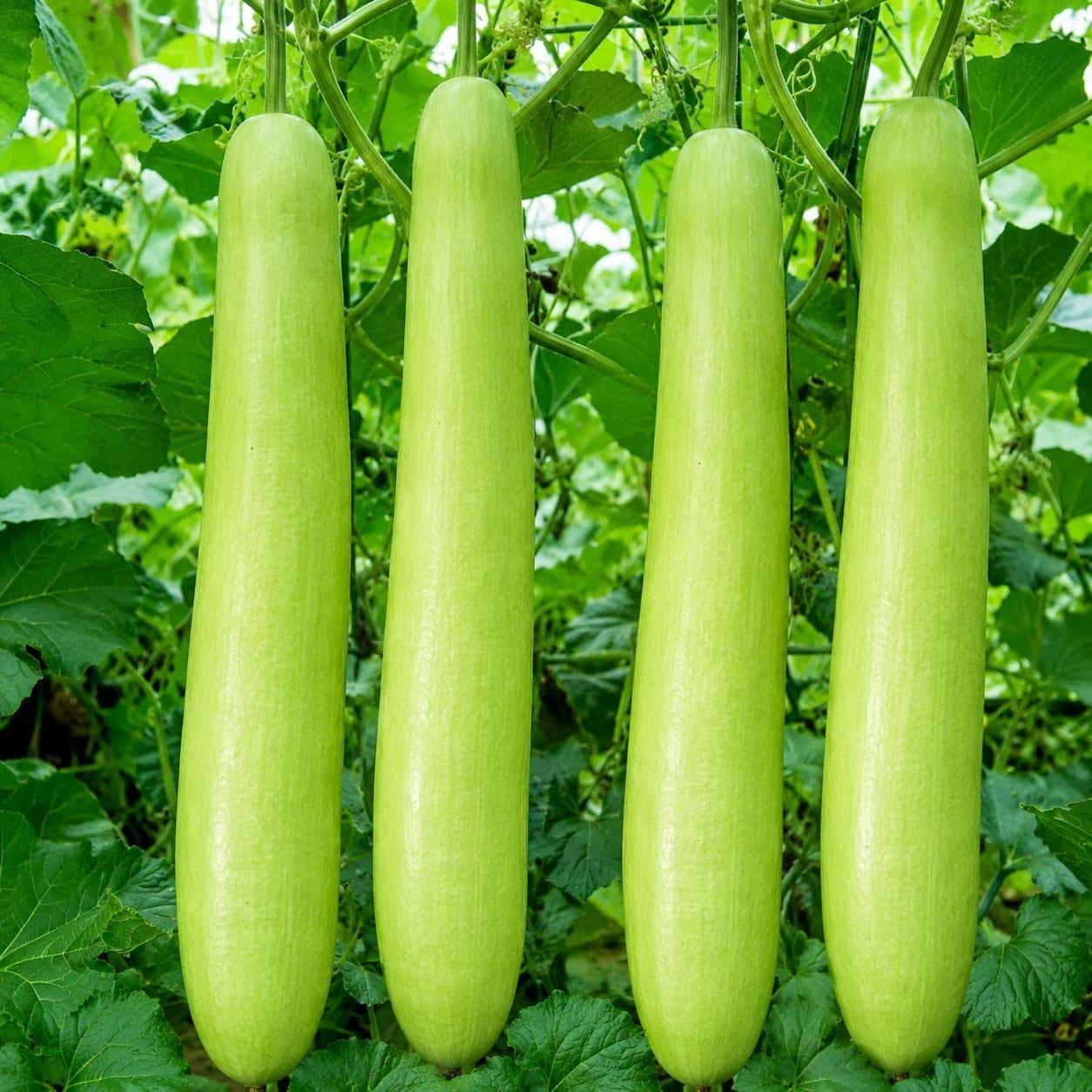
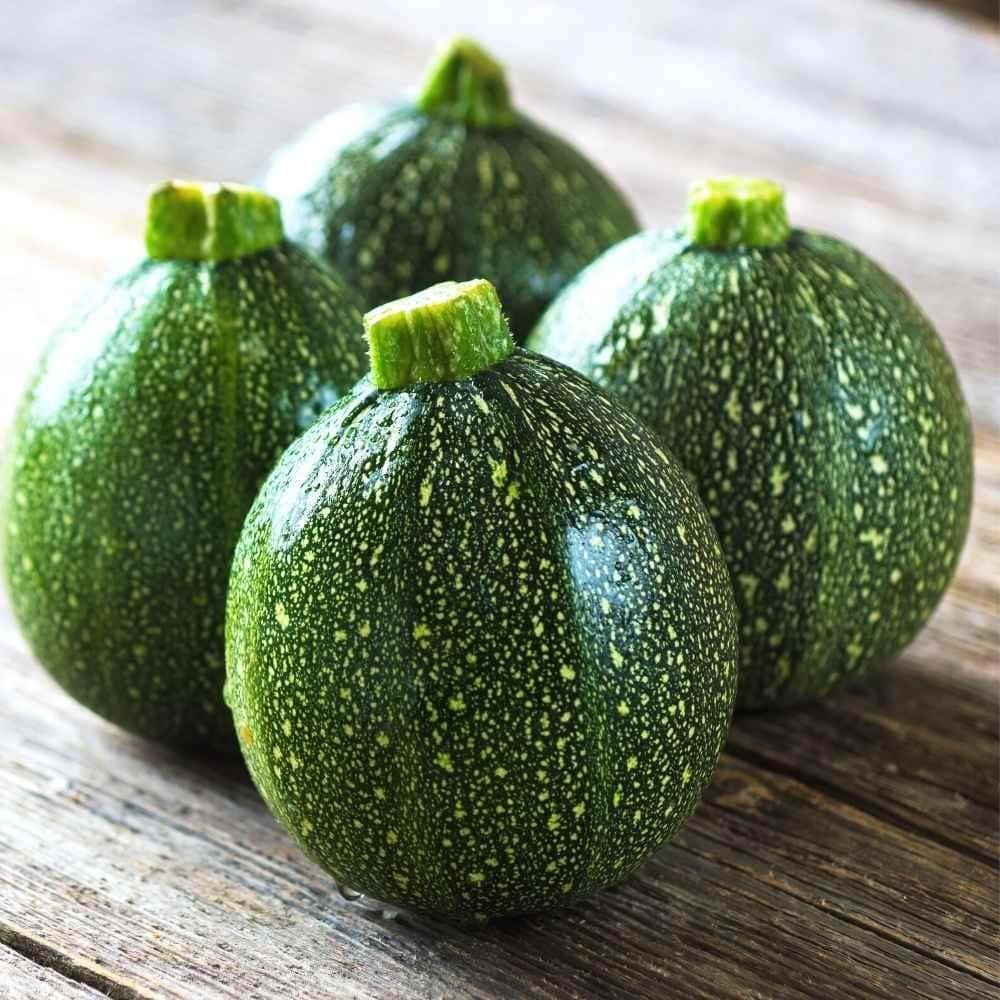

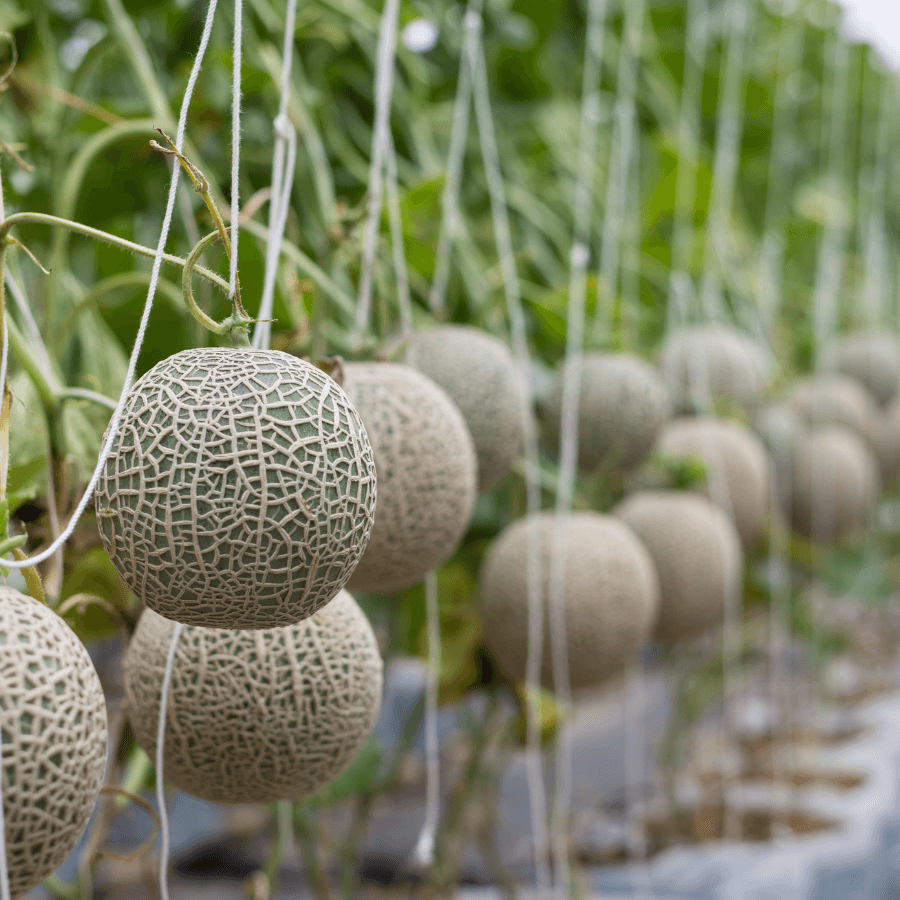
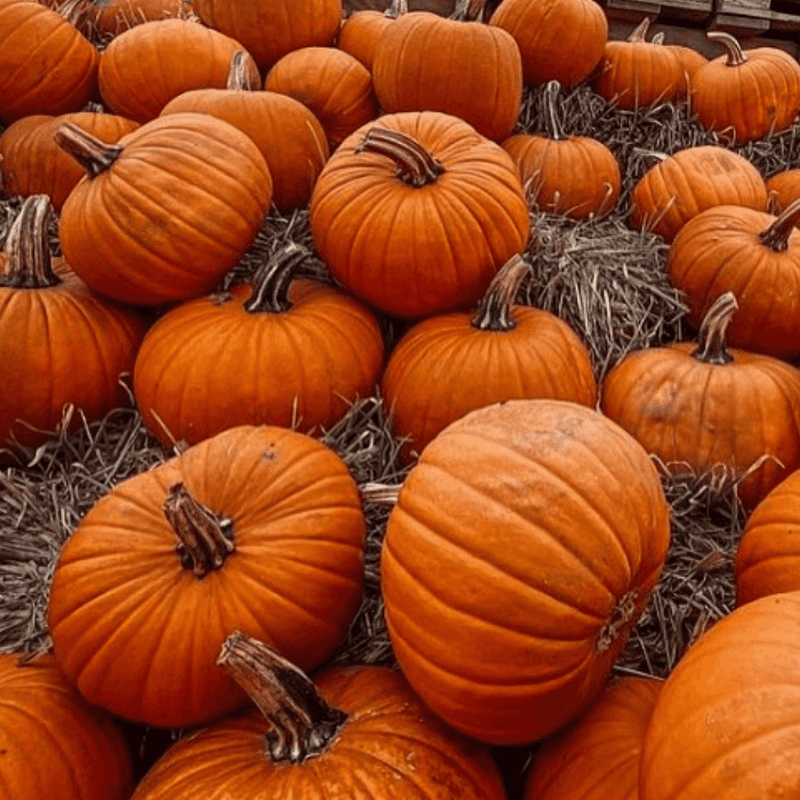

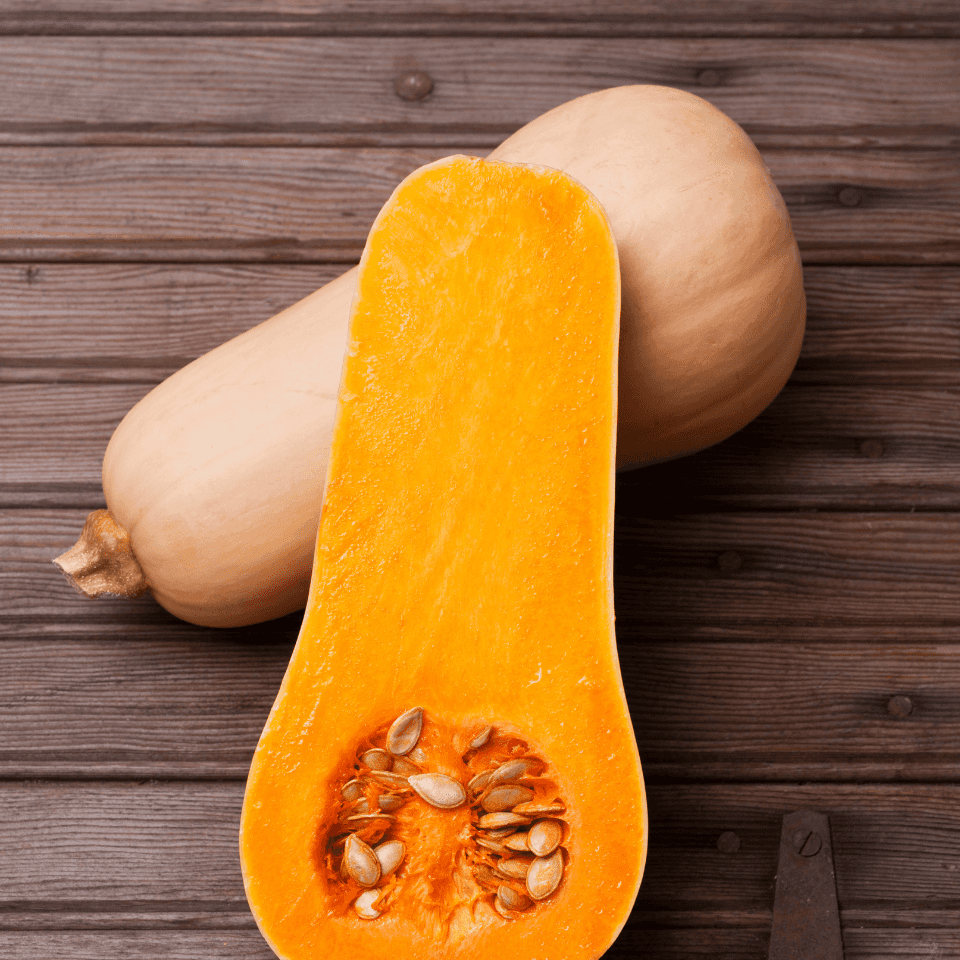
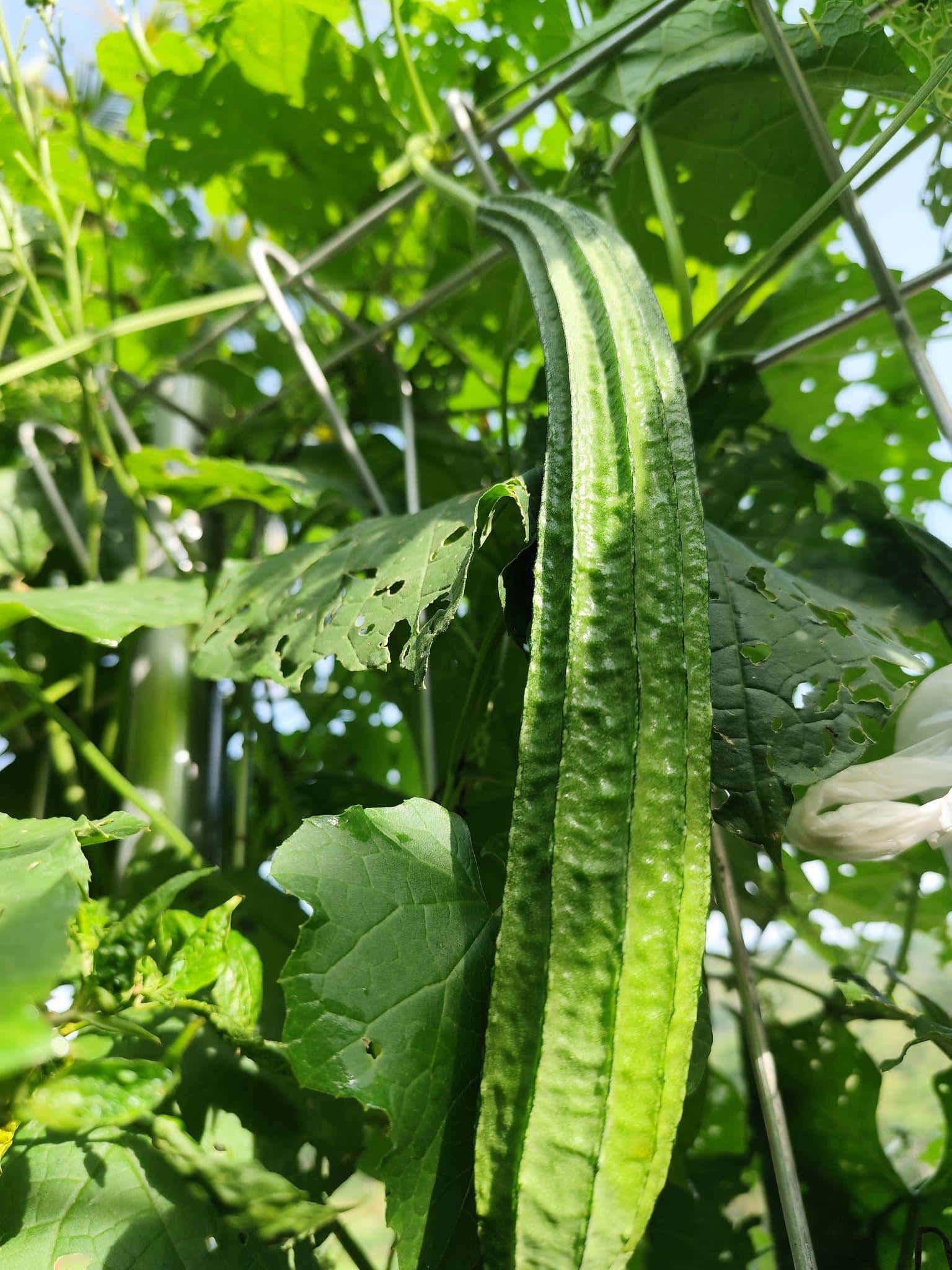
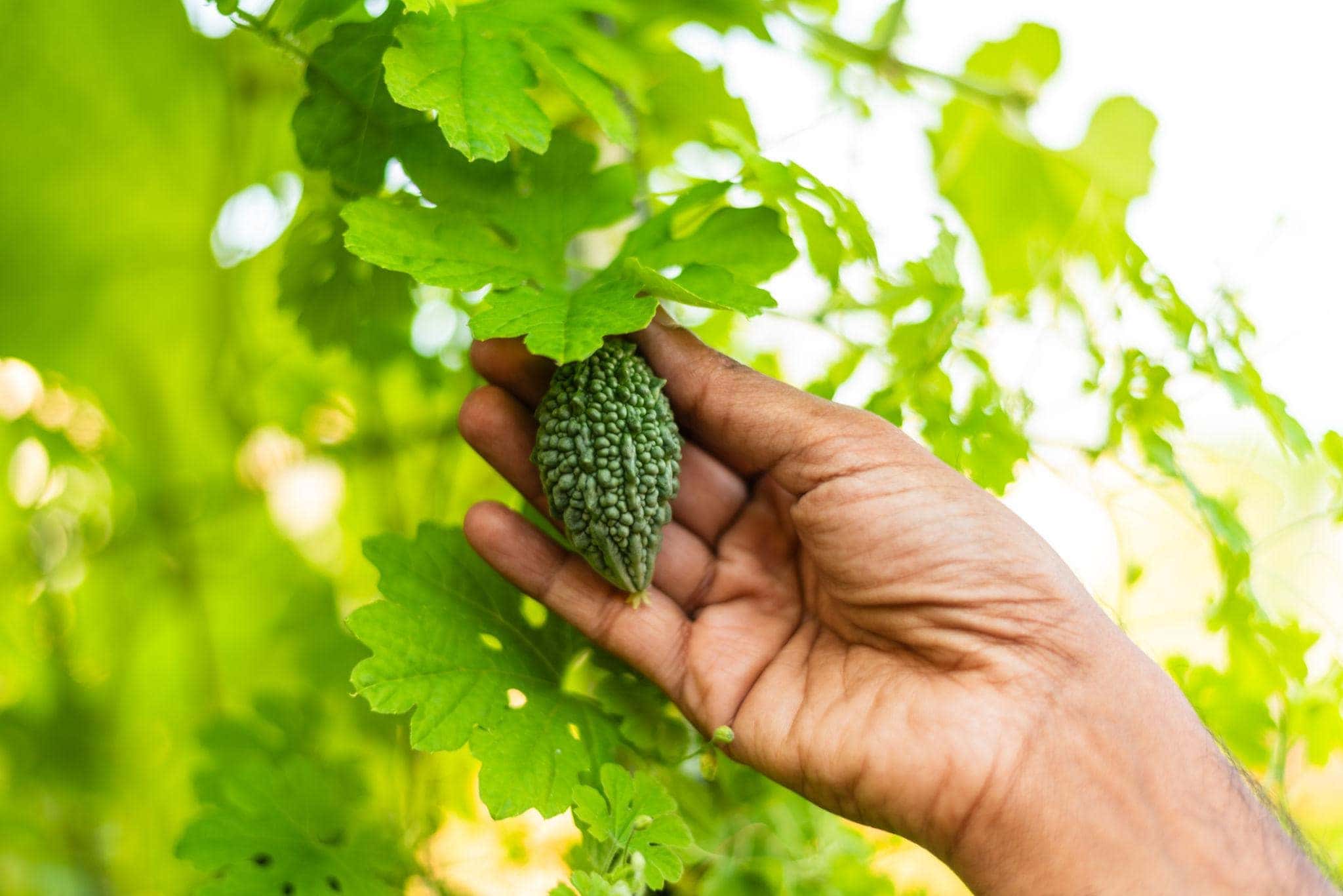
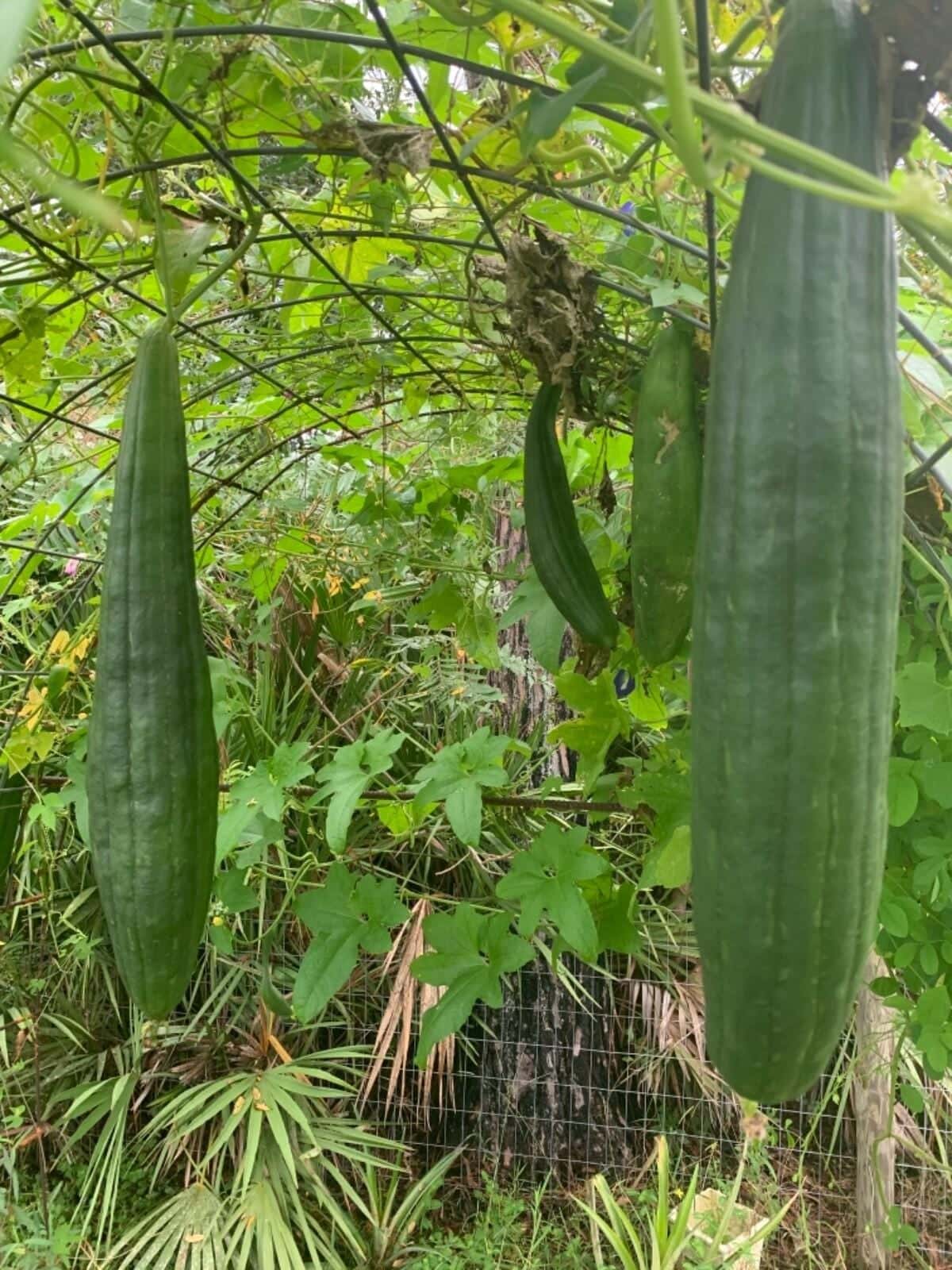
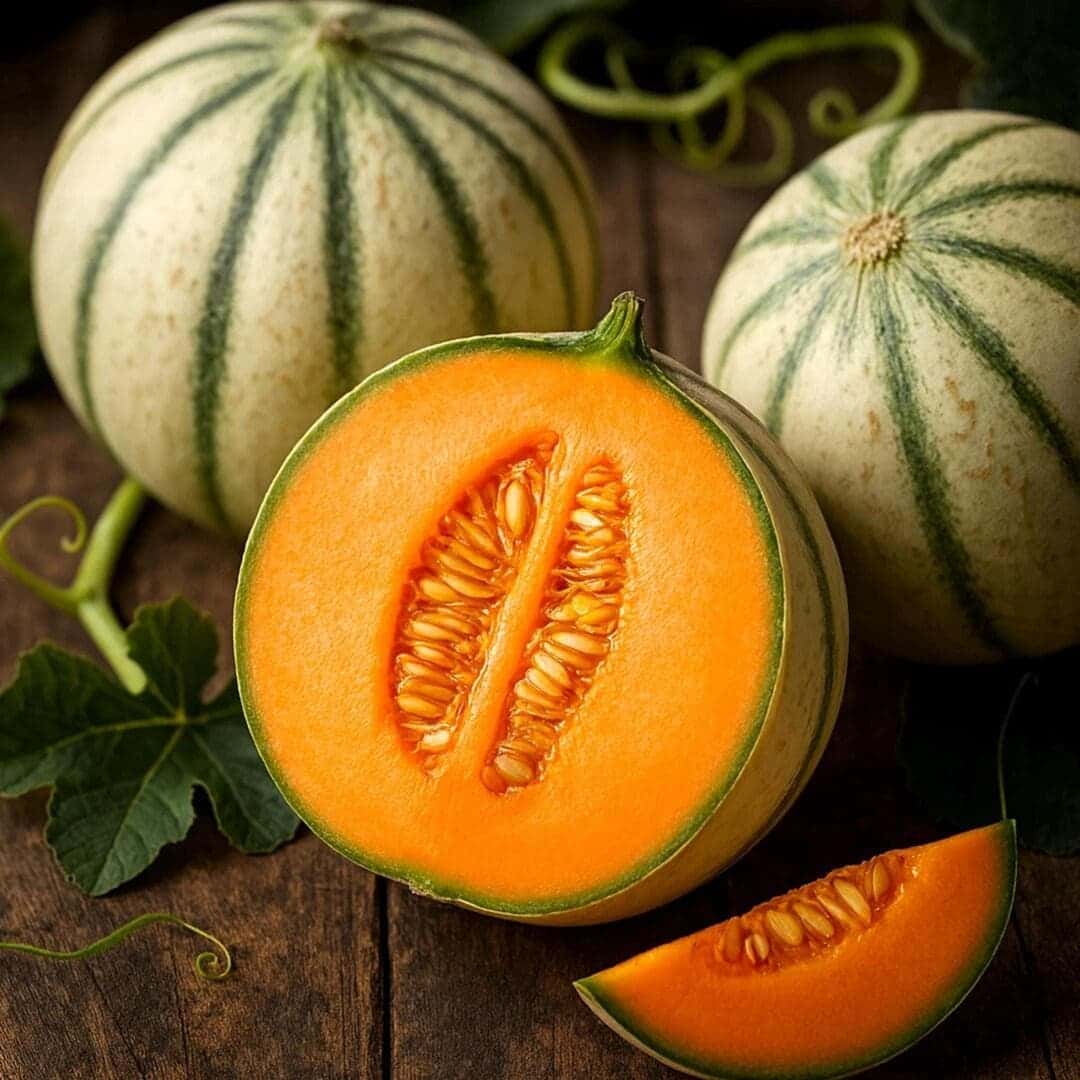
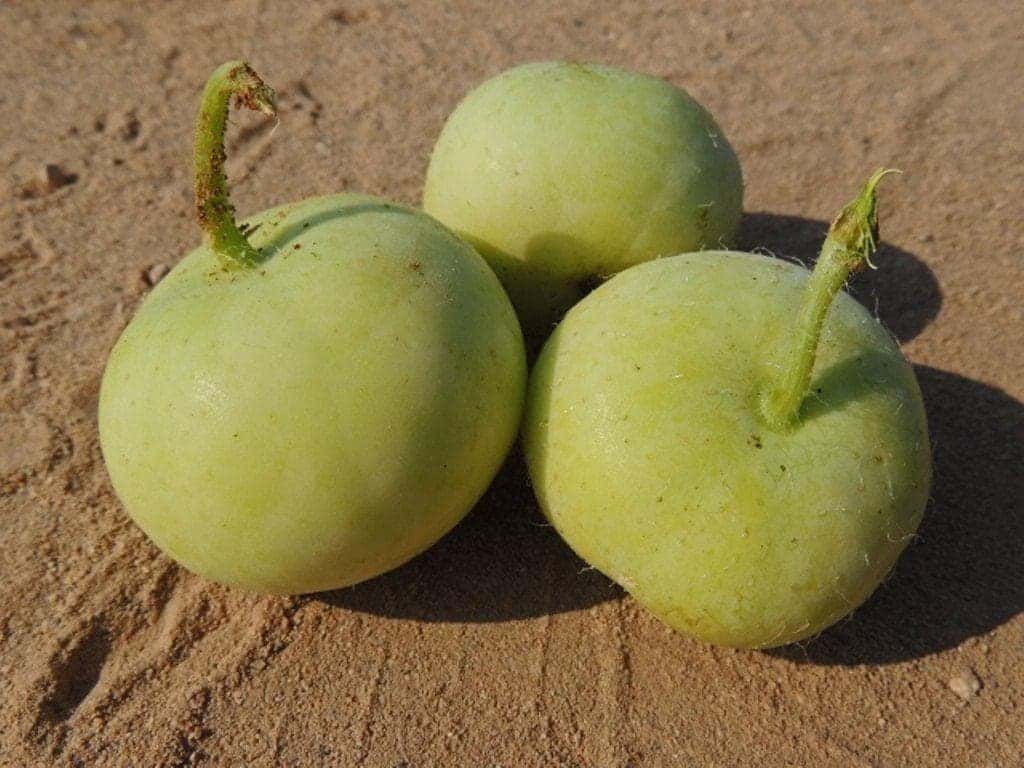
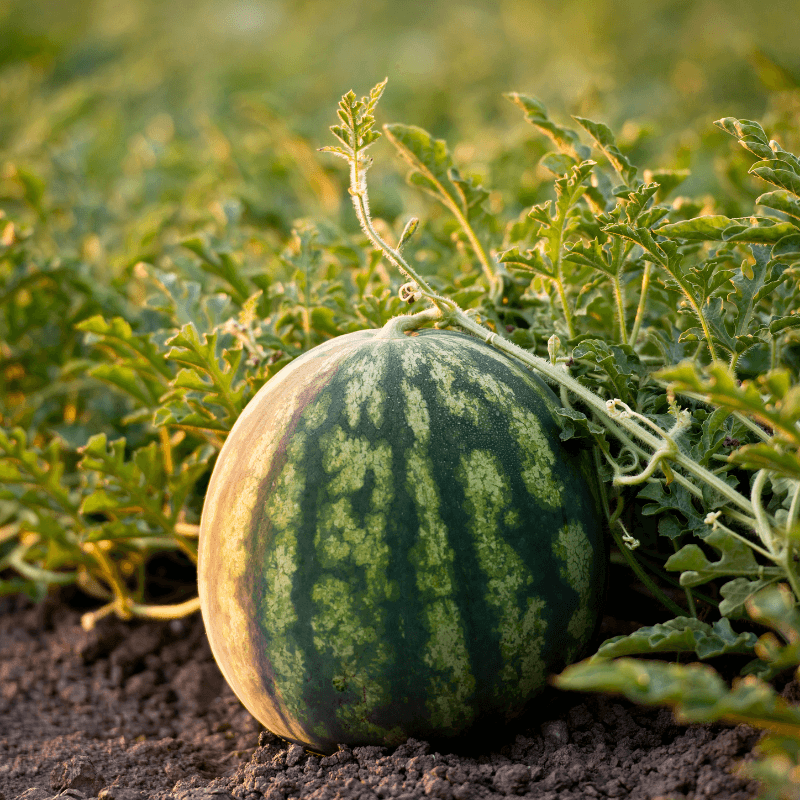
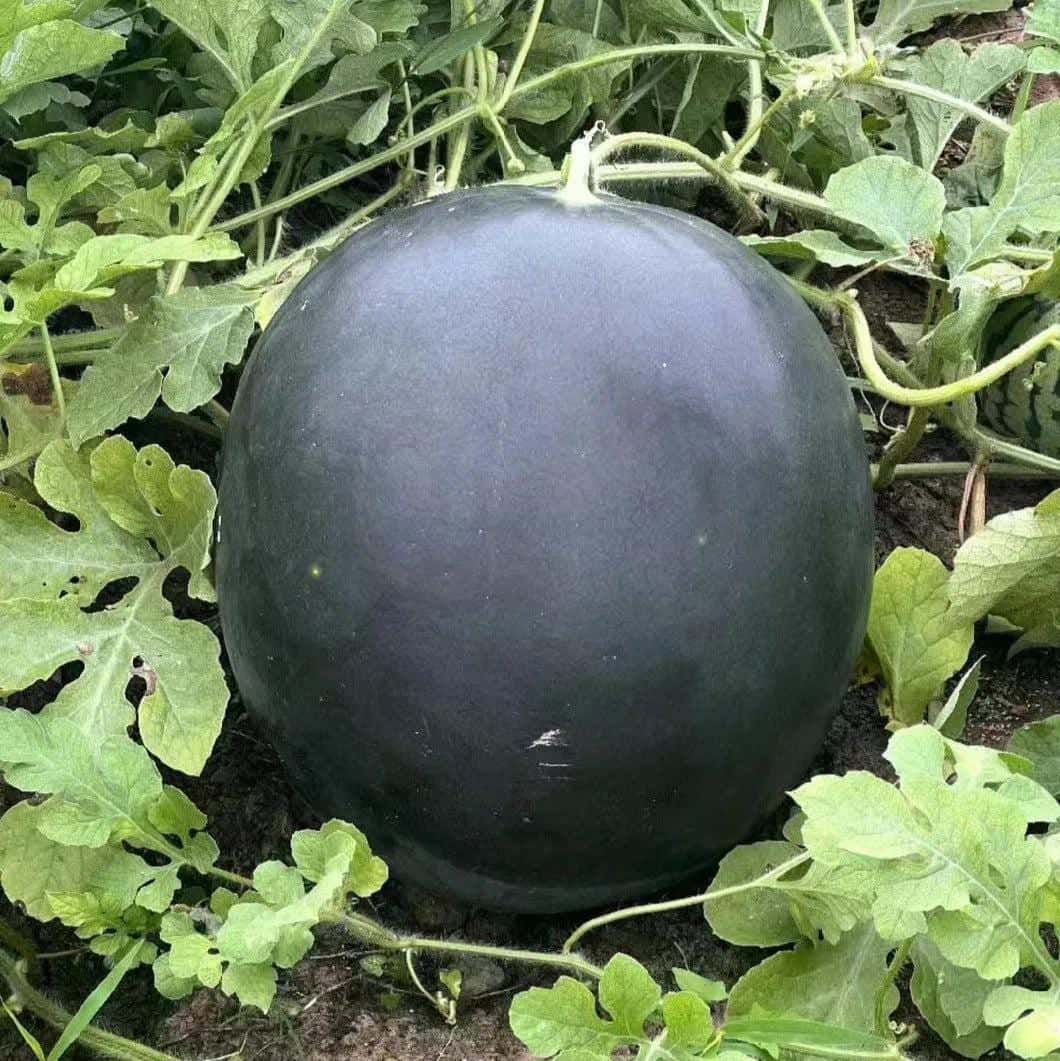
Use the live product cards to compare packet quantities, prices, availability, crop groups, growing space, and intended harvest.
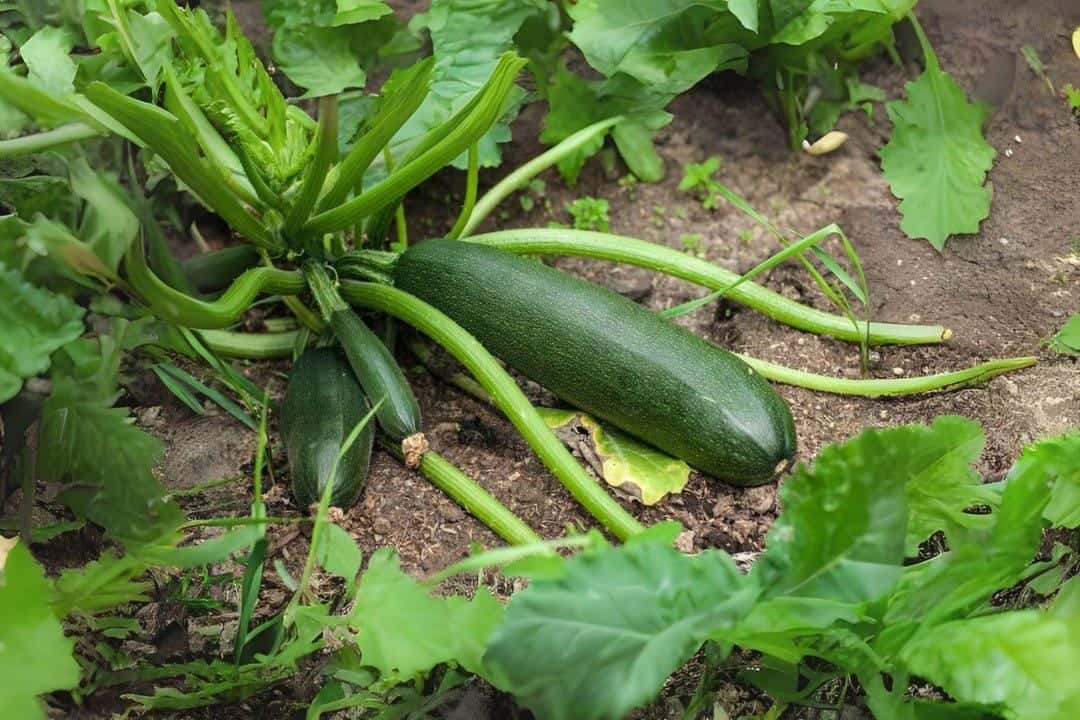
Dark Green zucchini and Chappan Kaddu belong in the practical squash group. Chappan Kaddu is documented as Cucurbita pepo; the zucchini record has no description, so its species remains unconfirmed on this page.
Crimson Sweet and Round Black are watermelon stock labels. Watermelon is Citrullus lanatus, not Cucurbita or “Flavo pepo”; both product records need their scientific fields corrected.
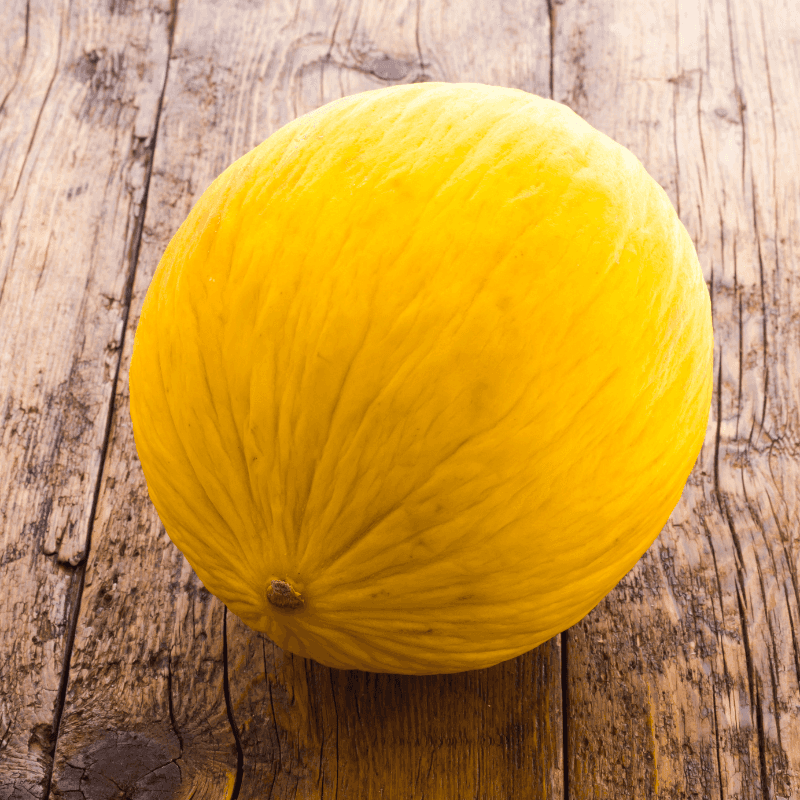
Durgesh Komal belongs to the warm-season Cucumis melo group. Give the vine warmth, room, and steady moisture while it establishes.
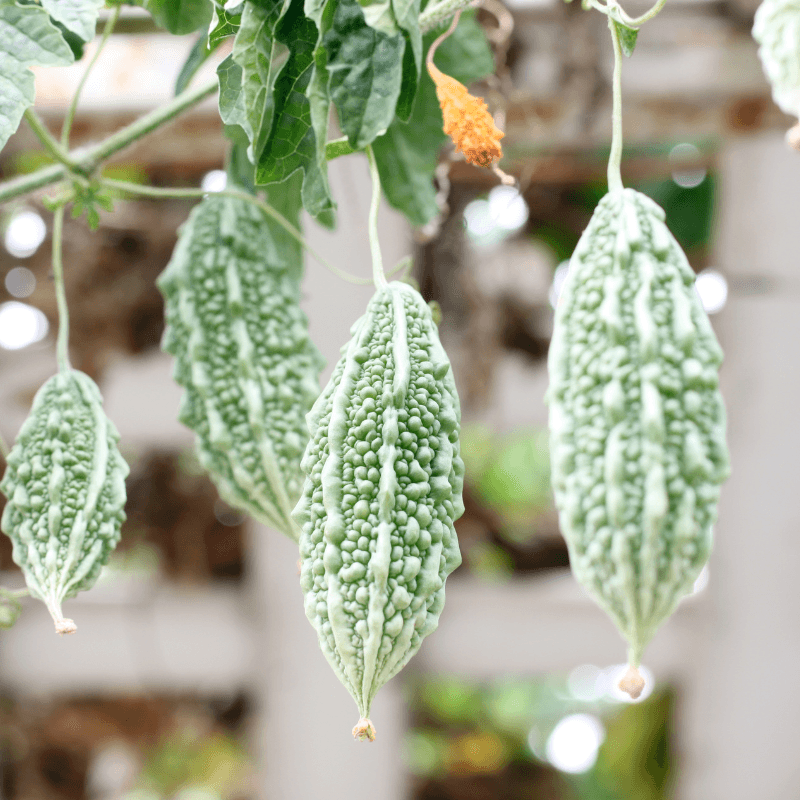
Long Green ridge gourd points to the angled-luffa group, while Dark Green sponge gourd is labeled only as Luffa in its description. Their present Cucurbita SEO wording should not be used as botanical guidance.
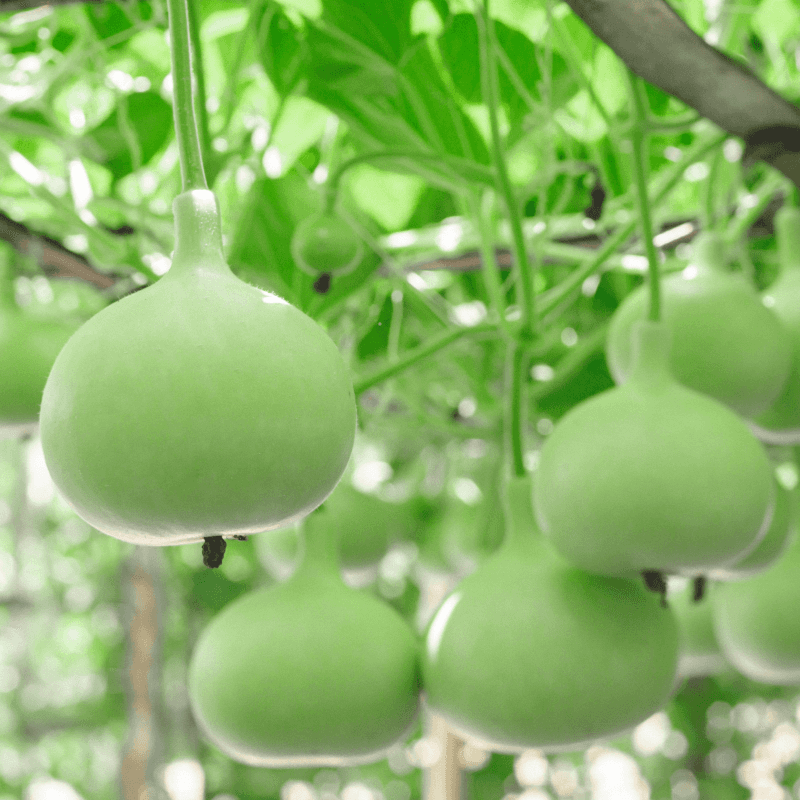
Durgesh Gutka is sold as a bottle-gourd label, but its product record mixes incompatible names. Tinda is listed under the familiar Praecitrullus fistulosus name; Kew currently treats that name as a synonym of Benincasa fistulosa.
These crops share a preference for warm growing conditions, but vine length, fruit support, and harvest purpose differ. Check the exact packet before planning beds or containers.
Zucchini and Chappan Kaddu labels may suit a more compact squash layout than long trailing vines, but final spacing must come from the verified product or cultivar instructions.
Allow room for vines and keep developing fruit away from persistent wet soil. Trellising is possible only when the structure and fruit support are appropriate for the chosen crop.
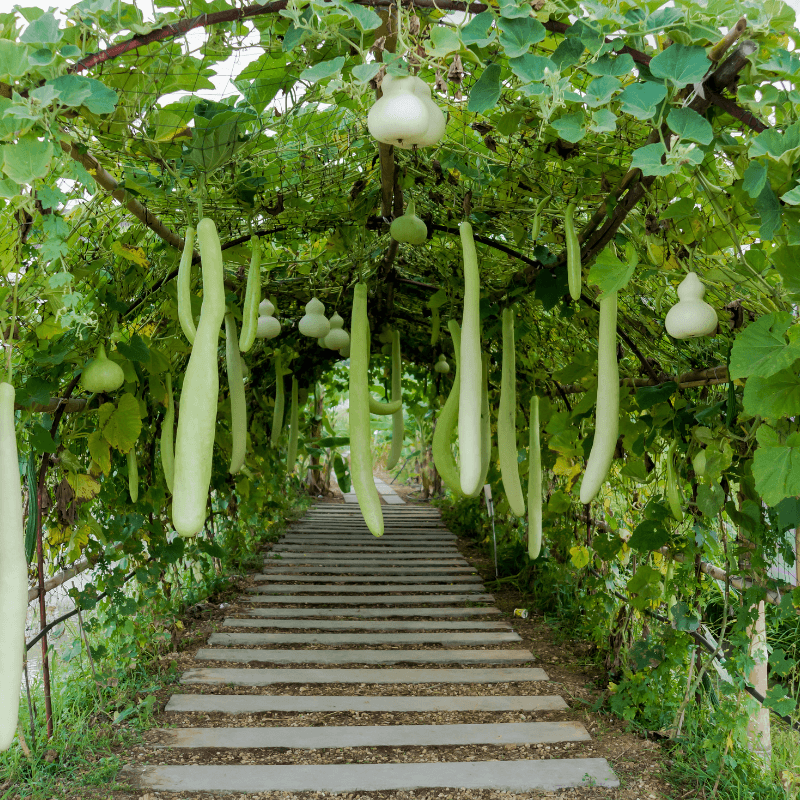
Ridge and sponge gourds are vigorous climbers in suitable warmth. Plan a strong support and accessible harvest area rather than letting vines overwhelm neighbouring plants.
Both need warm-season planning, yet they are separate botanical groups. Do not transfer identity, fruit-size, or maturity claims from one listing to the other.
Use clean starting material, label each sowing, and adjust timing to local frost and soil conditions. A single fixed calendar is not reliable across climates or across all six crop groups.
Cucurbit seedlings are frost-tender. Sow or transplant according to local conditions after cold-soil and frost risks have passed, avoiding prolonged root restriction in containers.
Set bed space or trellises before vigorous growth begins. Support heavy fruit independently when growing a suitable vine vertically.
Maintain even moisture without leaving roots waterlogged. Water at the soil surface where practical and keep airflow through crowded vines.
Cucurbit fruit set depends on successful flower pollination. Avoid unnecessary insecticide exposure during bloom and encourage pollinator activity around open flowers.
Tender zucchini and luffa, mature storage squash, melons, and seed-saving fruit are harvested at different stages. Follow the verified crop-specific signs rather than one universal day count.
Open-pollinated does not mean every seed will reproduce true when compatible varieties flower nearby. Save only from correctly identified, healthy plants and research isolation requirements for that species.
Different cucurbit genera do not all cross with one another, while varieties within a compatible species may cross readily. Do not use the broad family name as an isolation rule.
Seed-saving maturity may be later than eating maturity, especially for tender-harvest crops. Follow a crop-specific seed-saving protocol before collecting seed.
A trade name alone does not confirm an open-pollinated line, hybrid status, or genetic purity. Keep packet and lot information with every saved sample.
Review the live packet details, identity notes, and current availability, then choose a crop suited to your warm season, support system, and available growing space.
No. Watermelon is Citrullus lanatus, while familiar pumpkins and many squashes belong to Cucurbita.
No. This collection includes Luffa and a bottle-gourd label associated with Lagenaria, as well as Cucurbita squash. Common names overlap across different genera.
The product uses the familiar name Praecitrullus fistulosus. Kew treats that name as a synonym of the accepted Benincasa fistulosa.
Not automatically. Many are climbing or trailing vines, but plant habit, trellis strength, and fruit support vary. Confirm the exact product and provide separate support for heavy fruit.
Poor pollination is one common cause. Weather, limited pollinator activity, plant stress, and the timing of male and female flowers can also affect fruit set.
Not necessarily. Compatible varieties can cross, hybrid or stock status may be unknown, and seed must mature fully. Verify species, variety type, isolation, and seed-saving maturity first.