 SALE 20%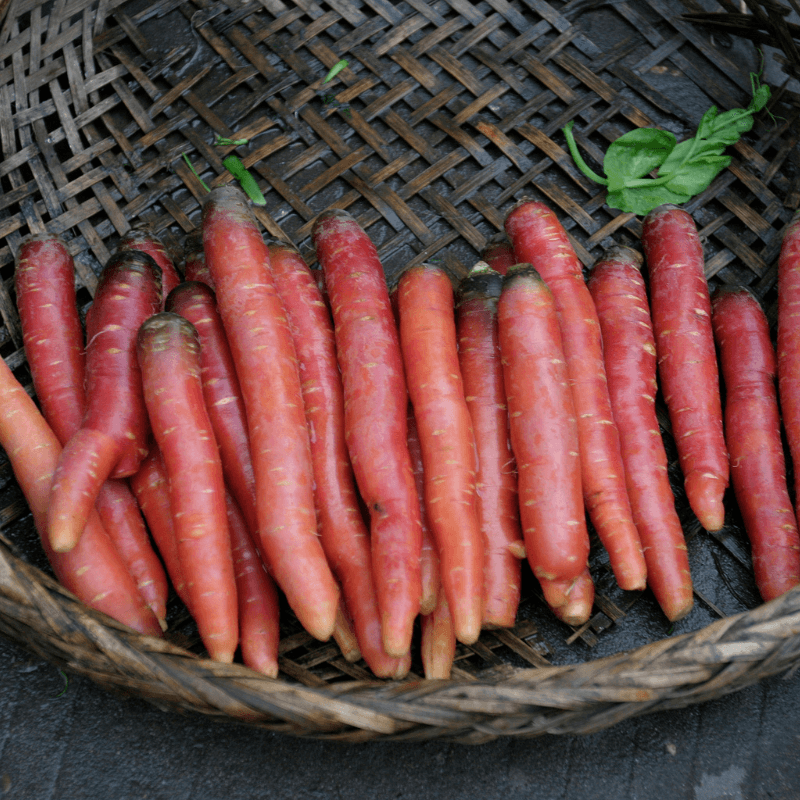
Vegetable seed collection
Compare Deodar's current carrot colours and forms, red beetroot, and yam bean (jicama) seed. Choose by crop type, growing season, and the exact information shown on each live product card.
The current collection brings together carrots, beetroot, and yam bean because the harvested crop develops below ground. They are not interchangeable plants: carrots and beetroot are commonly treated as cool-season root vegetables, while yam bean, also called jicama, is a warm-season climbing legume grown for its storage root. Use the live product cards for the exact seed lot, packet quantity, price, and availability.
10 active seed listings with current packet options and USD prices.
Start with the crop you want to grow, then compare only the documented variety or colour information on each product page. A colour name does not by itself prove a cultivar, maturity time, root shape, or flavour.
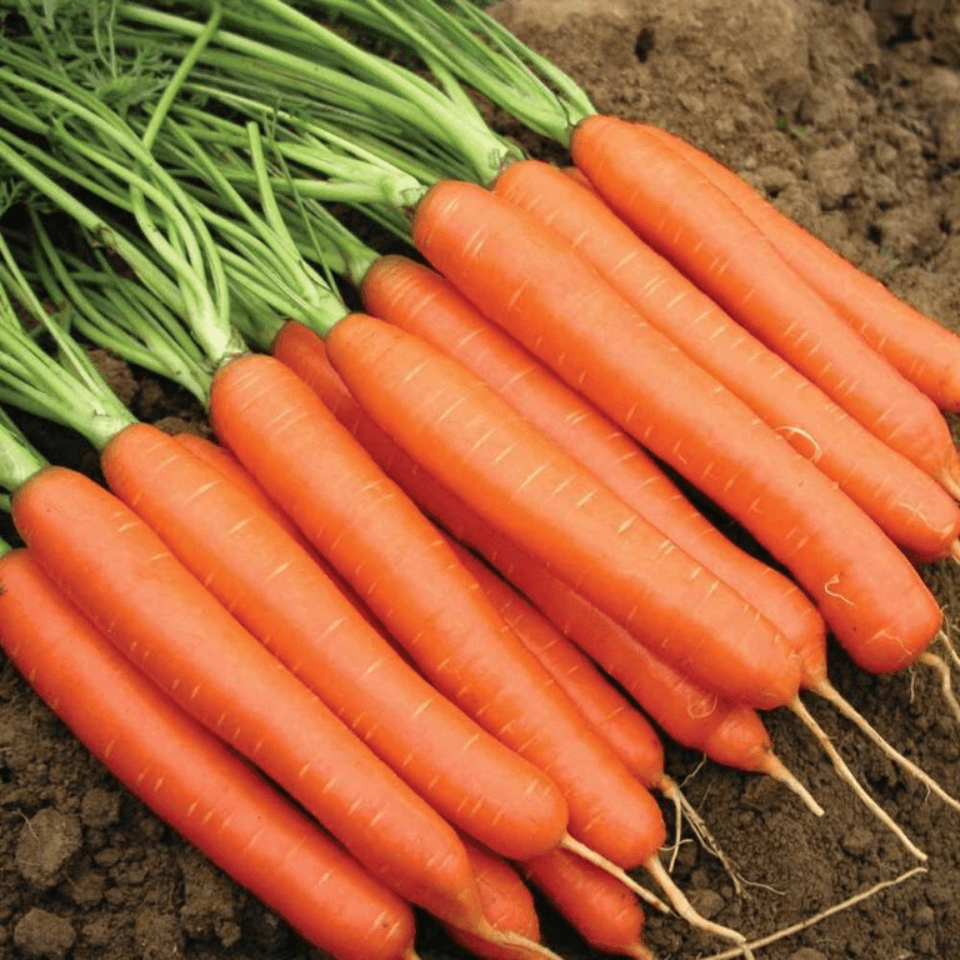
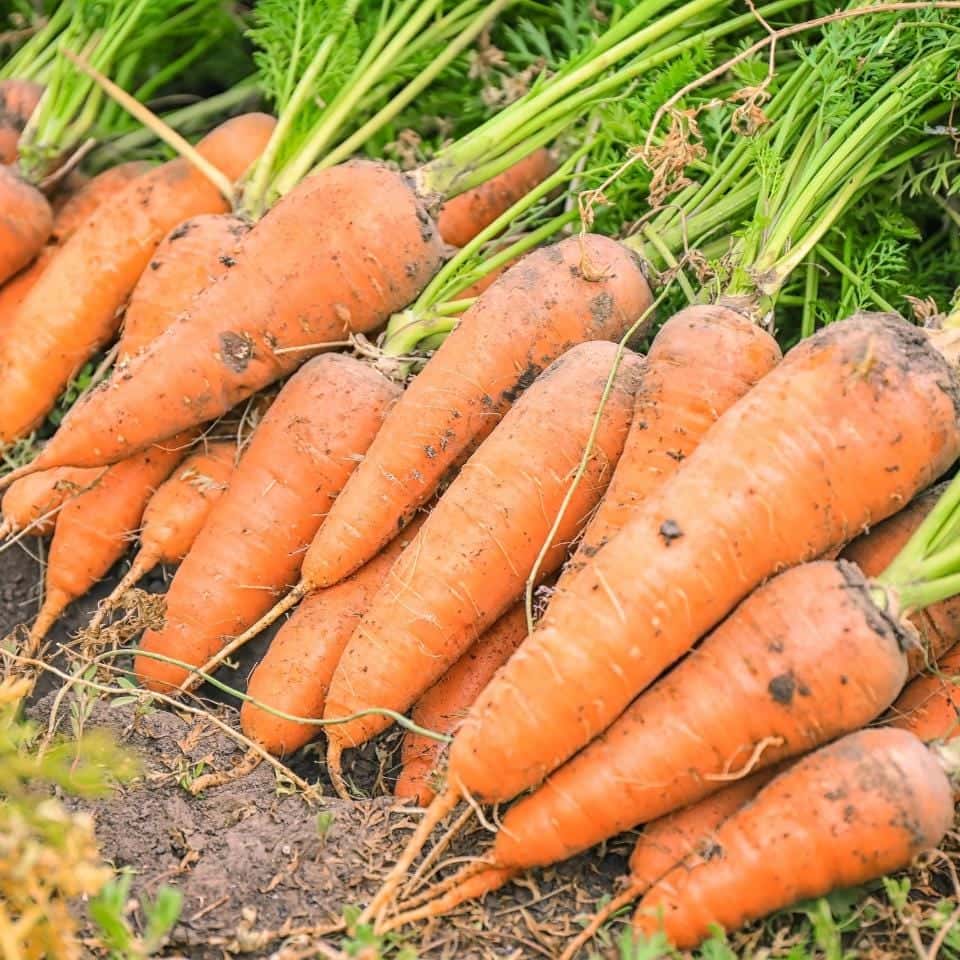
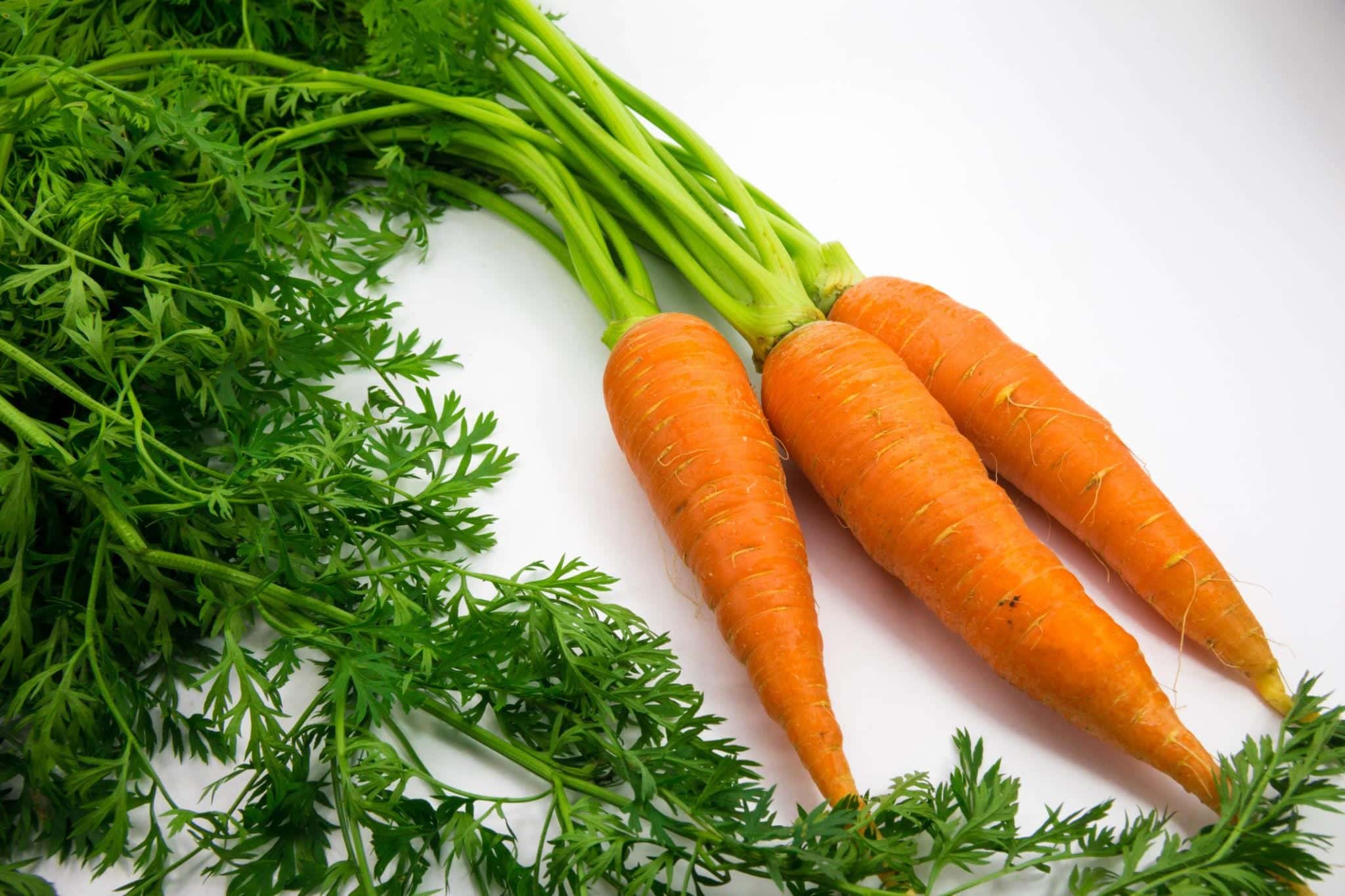
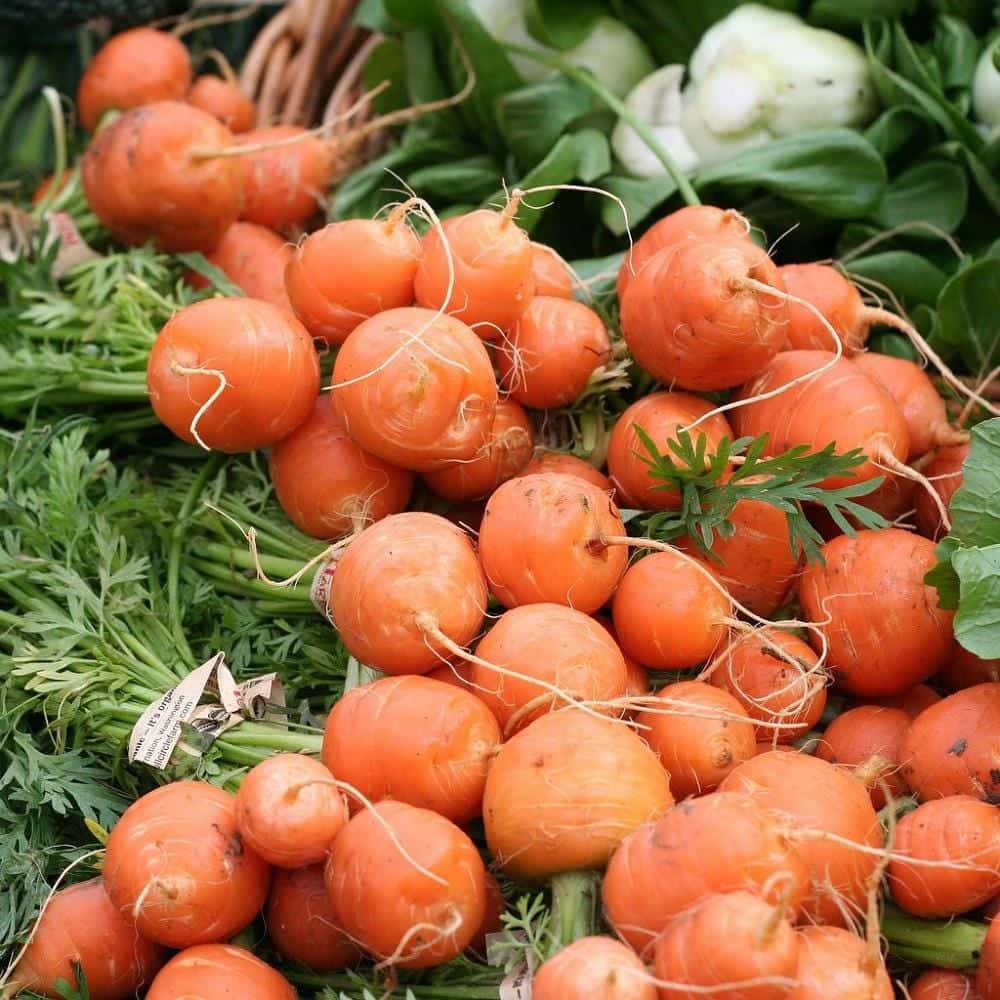
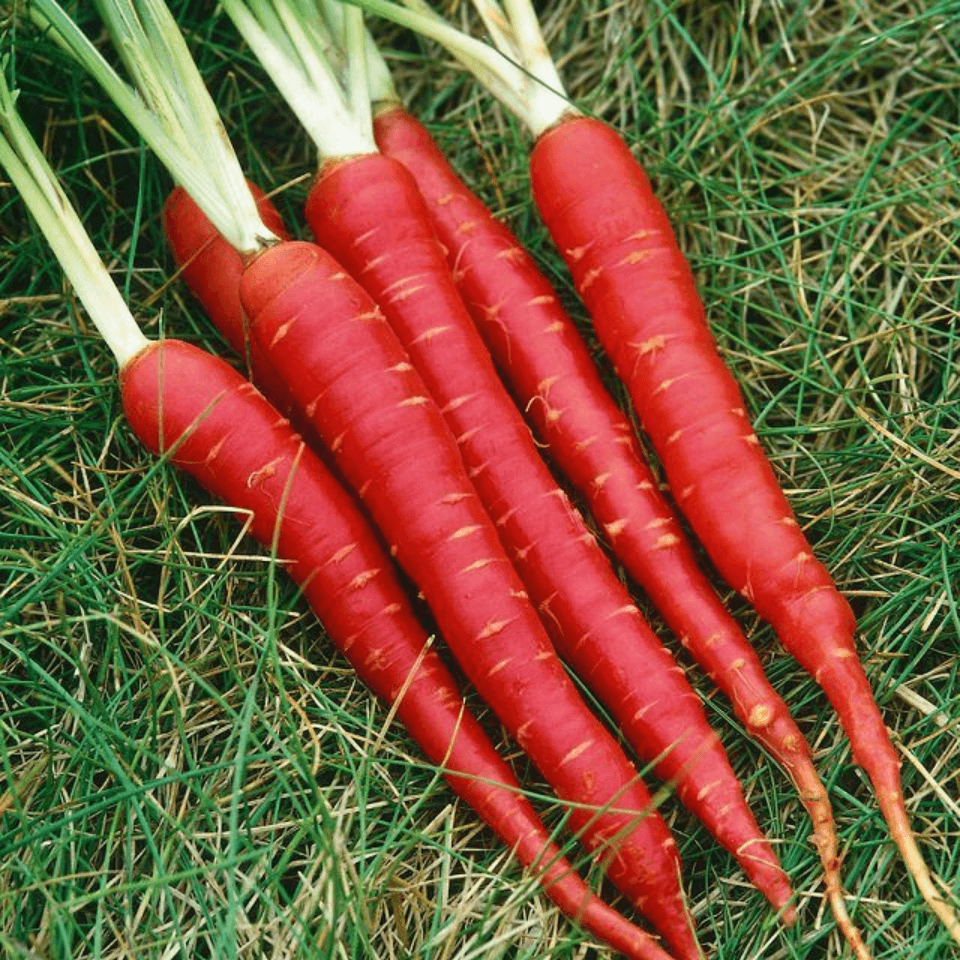
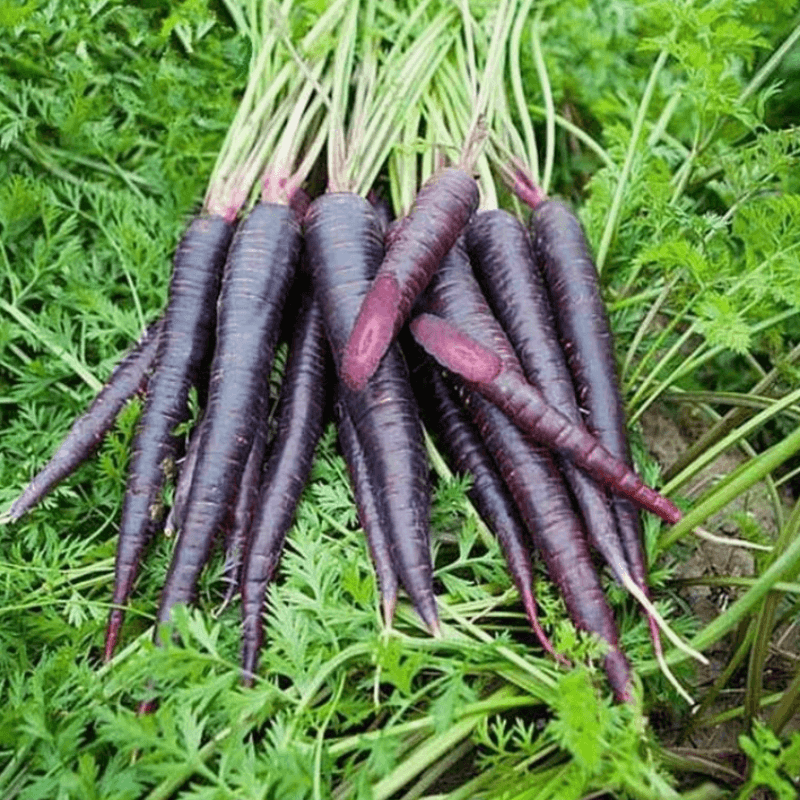
Choose among the current orange, red, dark-coloured, round, and named carrot listings. Check the individual page for documented cultivar identity; where it is not established, no fixed root shape or harvest date should be assumed.
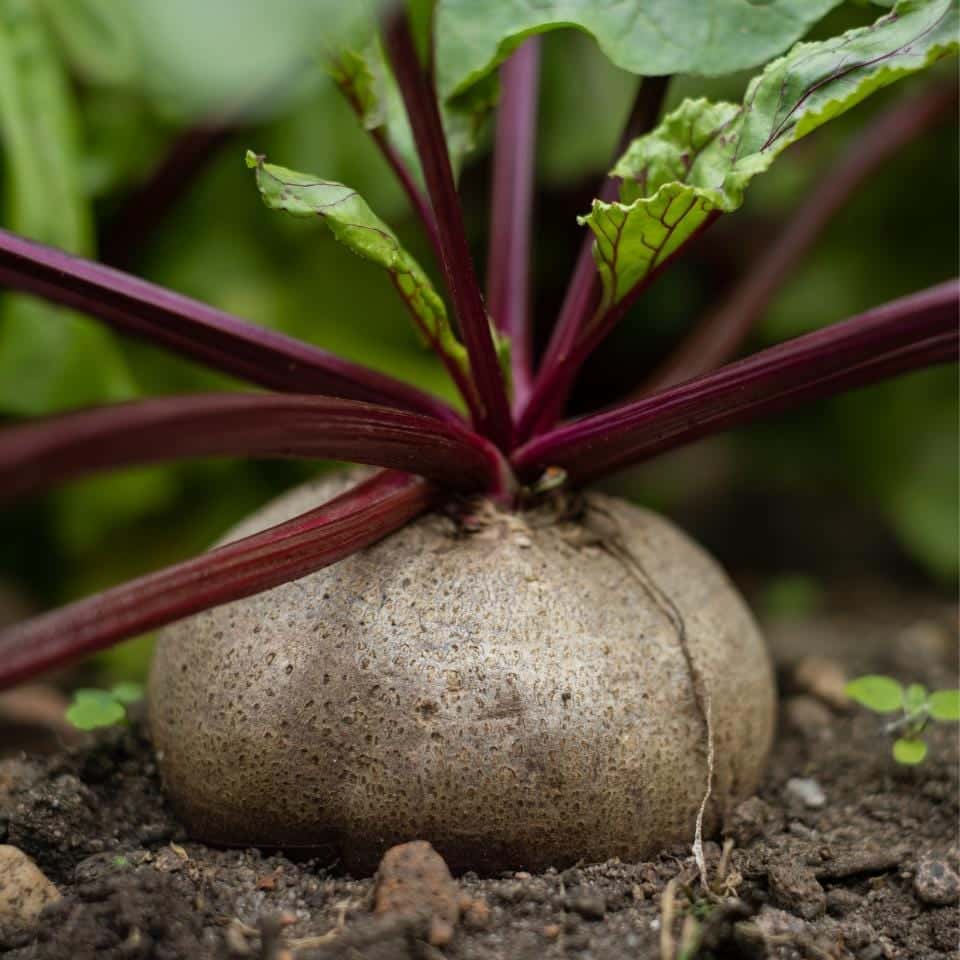
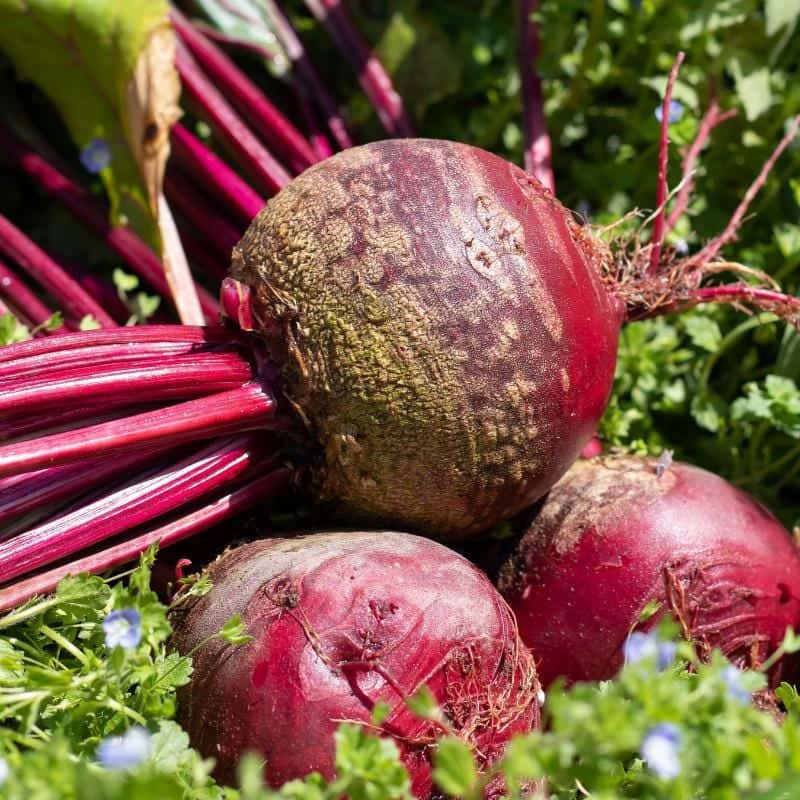
Choose beetroot when a red table beet is the intended crop. Beet seed units can produce crowded seedlings, so the exact product guidance and later thinning plan matter when larger roots are the goal.
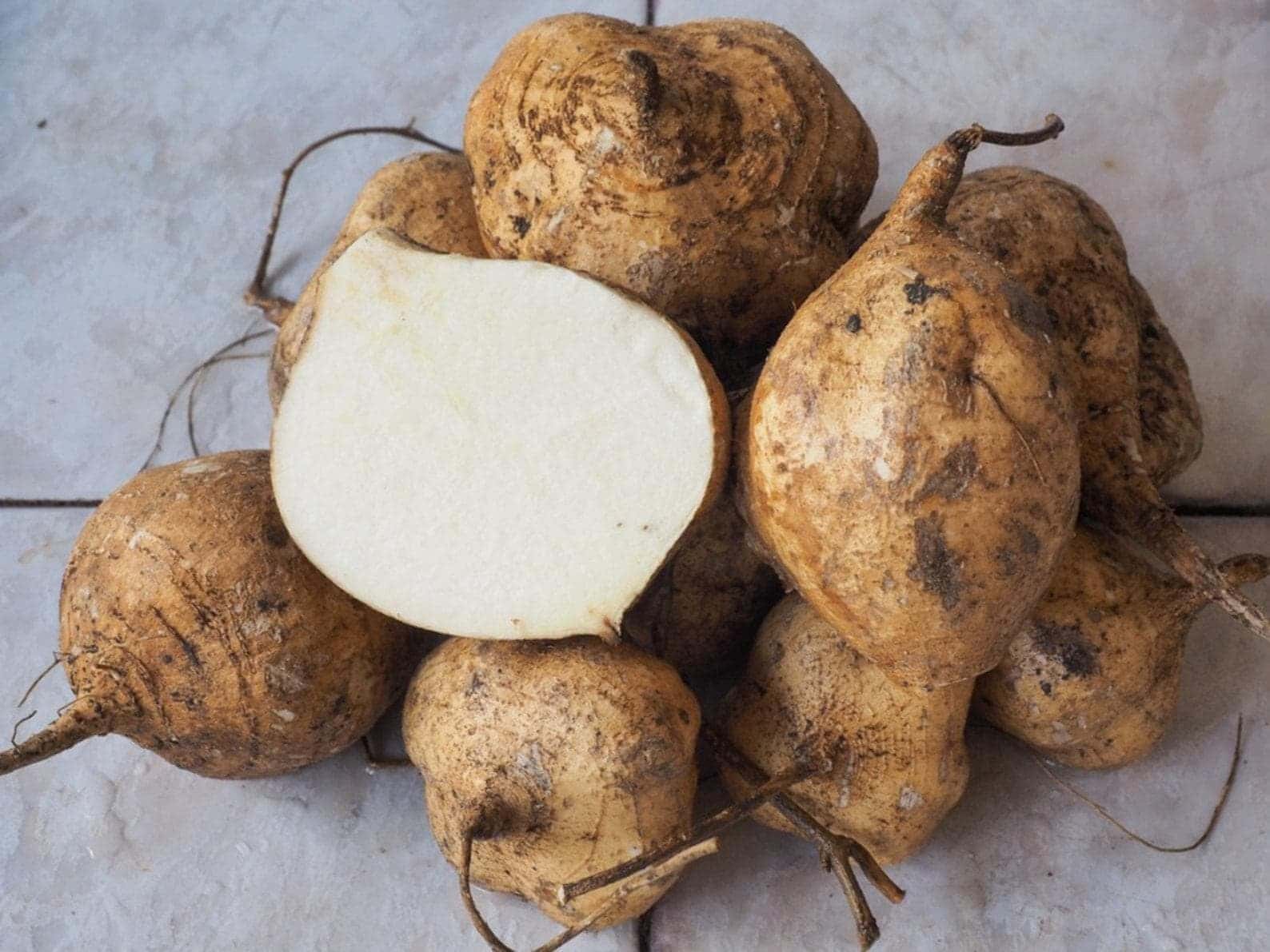
Jicama is a warm-season climbing legume rather than a carrot or beet. UF/IFAS notes that seed-grown plants need a long warm period to form useful roots. Only the harvested root is eaten; the seeds and other above-ground parts are poisonous.
Local climate, soil, and the exact seed lot affect timing. Use the product page together with local horticultural guidance rather than treating one calendar date as universal.
Cornell notes that small carrot and beet seeds struggle through cloddy soil. Break up compacted soil, remove stones and large clods, and provide drainage so developing roots are not forced around obstacles or left waterlogged.
Small-seeded root crops are generally sown shallowly. Water gently after sowing and keep the seedbed evenly moist during emergence without washing seed away or saturating the soil.
Spacing gives developing roots room and improves air movement around foliage. Thin according to the exact crop and product guidance instead of applying one spacing rule to every seed lot.
Utah State University describes many familiar root vegetables as cool-season crops. Jicama is different: UF/IFAS describes it as a long, warm-season vine, so it needs a separate climate and space plan.
Review the exact product name, botanical identity, packet quantity, image evidence, and growing notes before choosing. Prices and availability remain live on the product cards.
The current category contains carrot, red beetroot, and yam bean (jicama) listings. The live cards below are authoritative for the products presently available.
No. They are grouped here by the below-ground crop a gardener intends to harvest, not because they belong to one botanical family. Jicama is a climbing legume and needs a different growing plan from carrots and beetroot.
A fine, well-prepared seedbed helps small seed emerge evenly, while loose, drained soil gives developing roots room and avoids the problems associated with compaction and waterlogging.
Crowded seedlings may need thinning so roots have adequate space. Follow the exact crop and product guidance because suitable spacing differs between carrots, beetroot, and other root crops.
No. UF/IFAS states that only the harvested root is eaten and that the seeds and other above-ground parts are poisonous. The packet is planting seed, not food.