

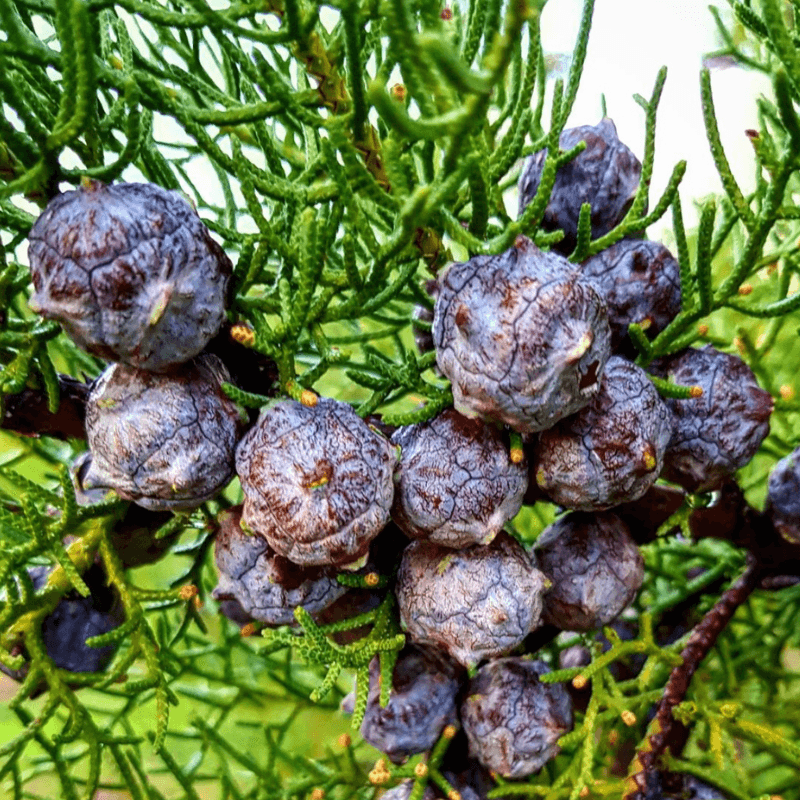
Conifer seed collection
Mountain juniper seed with accepted taxonomy and realistic expectations for the slow, variable germination of common juniper.
Juniperus communis var. saxatilis is an accepted variety in the cypress family. Kew describes it as a subshrub or shrub of subarctic and subalpine regions across North America and Eurasia, while VASCAN records mountain juniper as an accepted English name.
9 active seed listings with current packet options and USD prices.
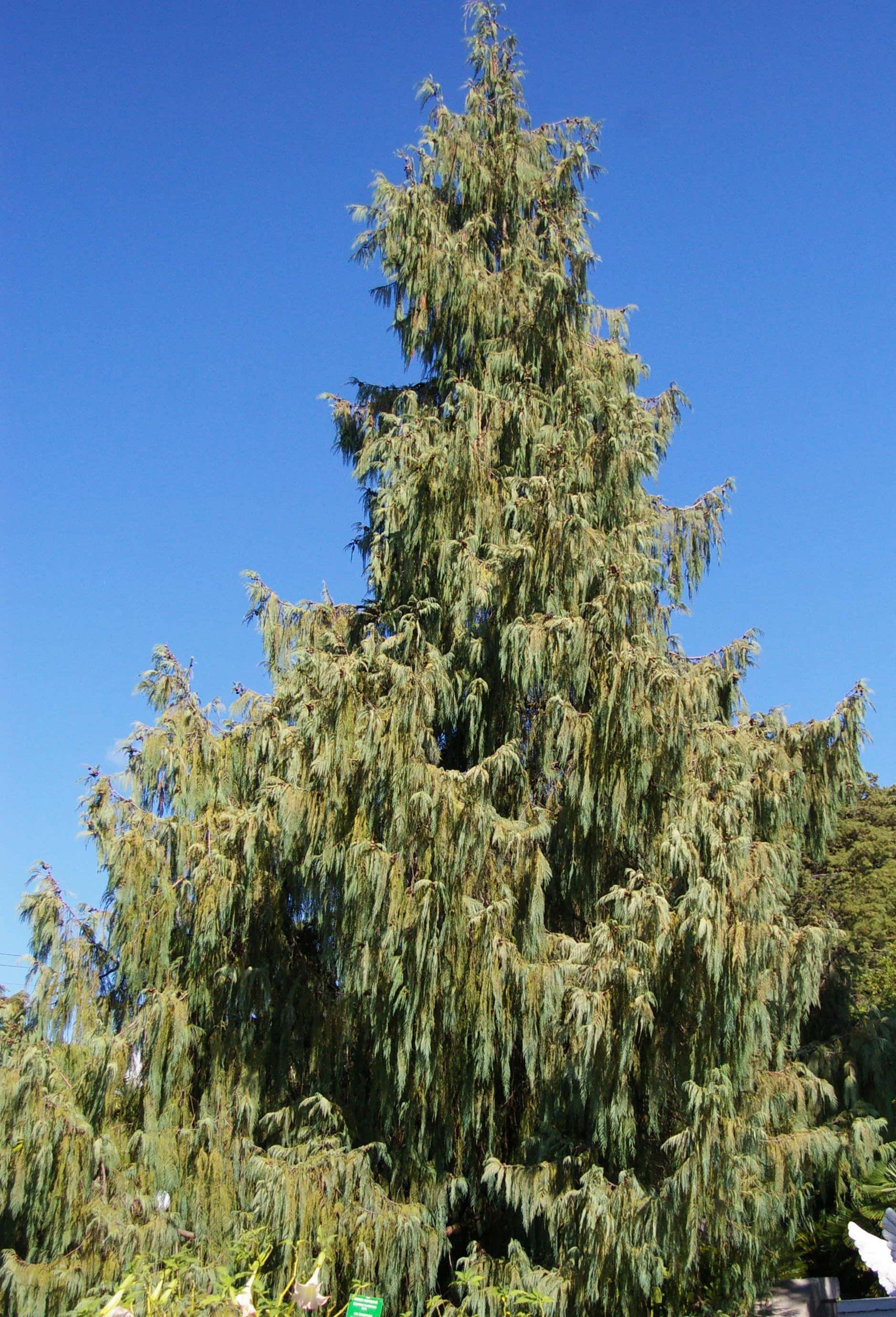
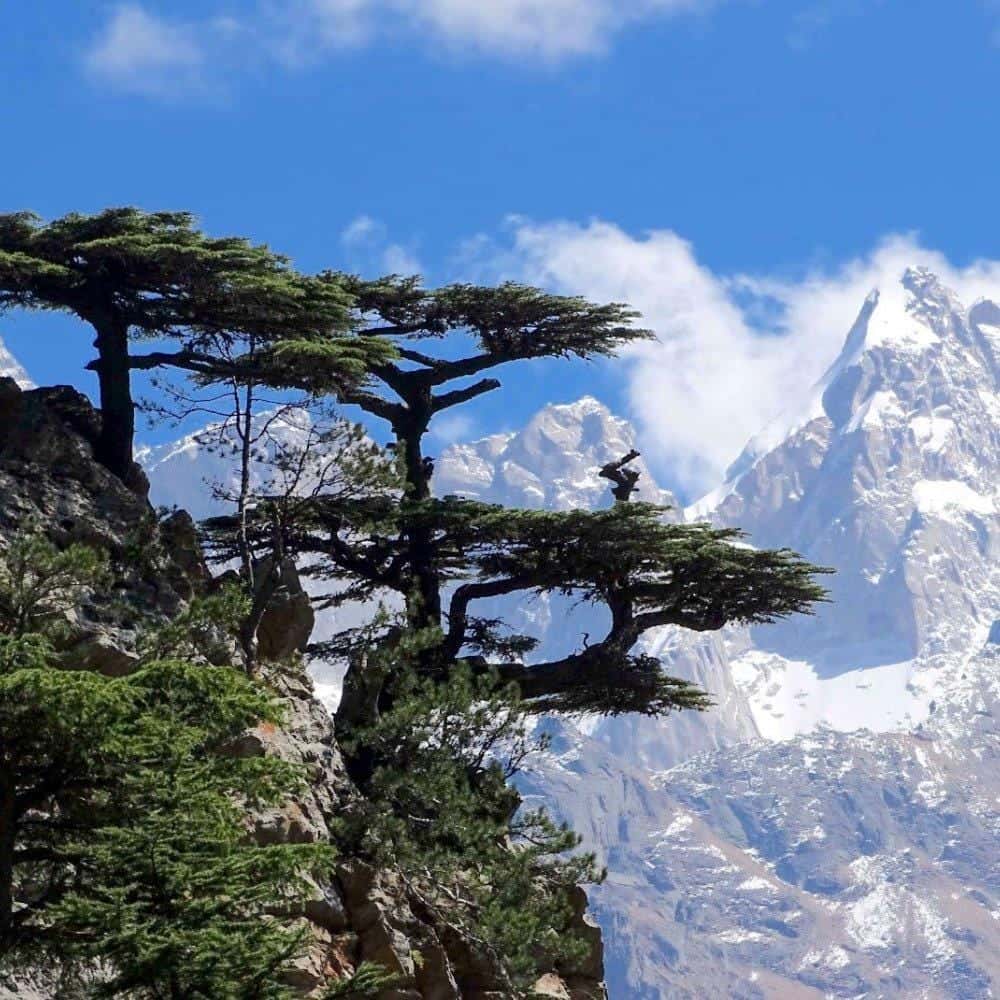

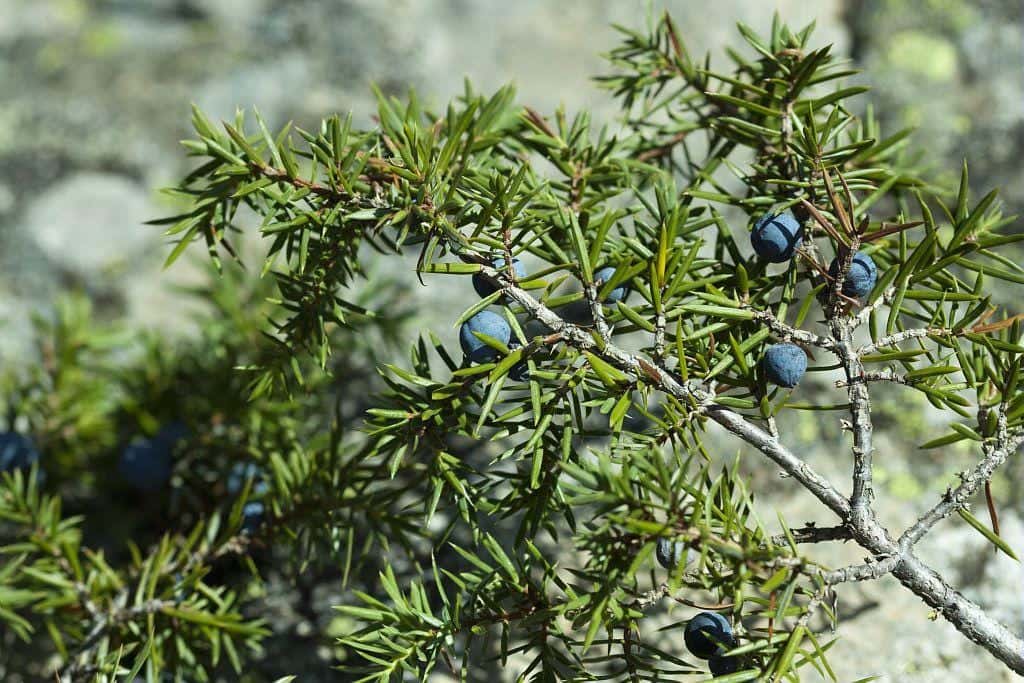
Juniperus communis var. saxatilis
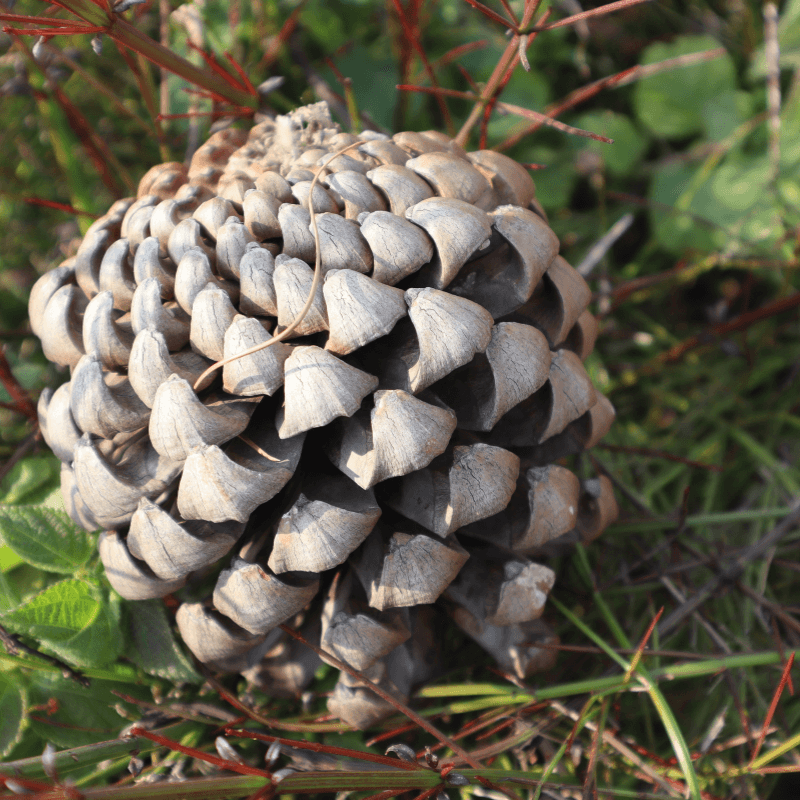


This is a specialist seed choice for growers who value botanical identity and are prepared for a long dormancy-breaking process rather than quick, uniform emergence.
Choose it for a low conifer with a shrub or subshrub habit, not as a substitute for a fast-growing timber tree. Mature form still depends on provenance and growing conditions.
Species-level USDA guidance places common juniper on open, often rocky sites and reports better growth on well-aerated sandy-loam or loam than on dense clay. Match the plant to a bright, free-draining position.
Common juniper seed has a dormant embryo and a thick, partly permeable seed coat. This is a project for growers able to manage sequential warm and cold conditioning and tolerate variable results.
The following is species-level guidance for Juniperus communis. Treat the product instructions and the response of your own seed lot as the final reference.
The USDA Forest Service describes common juniper germination and establishment as difficult, with outcomes varying by seed source and treatment. A quick result is not a reliable expectation for this crop.
USDA species guidance calls for warm conditions followed by cold conditions, with the combined dormancy-breaking period reported at about seven months. Do not replace this sequence with seed-coat removal alone.
Keep the conditioning and sowing medium moist while maintaining oxygen around the seed. Waterlogging conflicts with the well-aerated conditions associated with successful establishment.
Use the live product card for the current berry and seed estimate, price, availability, and product-specific instructions before ordering.
The current live collection is centered on mountain juniper, Juniperus communis var. saxatilis. Use the product grid for the latest packet format and availability because commercial details can change.
Kew describes this accepted variety as a subshrub or shrub, and VASCAN records its habit as shrub. It should not be chosen on the assumption that it will form a conventional tall conifer tree.
Species-level USDA guidance describes a warm period followed by a cold period, with the dormancy-breaking process taking about seven months. Results vary with seed source and treatment, so the sequence is more useful than a promise of a fixed germination date.
No. The USDA review reports that removing the seed coat alone had little influence on germination. The warm-then-cold sequence and a moist, aerated medium remain the more relevant starting points.