
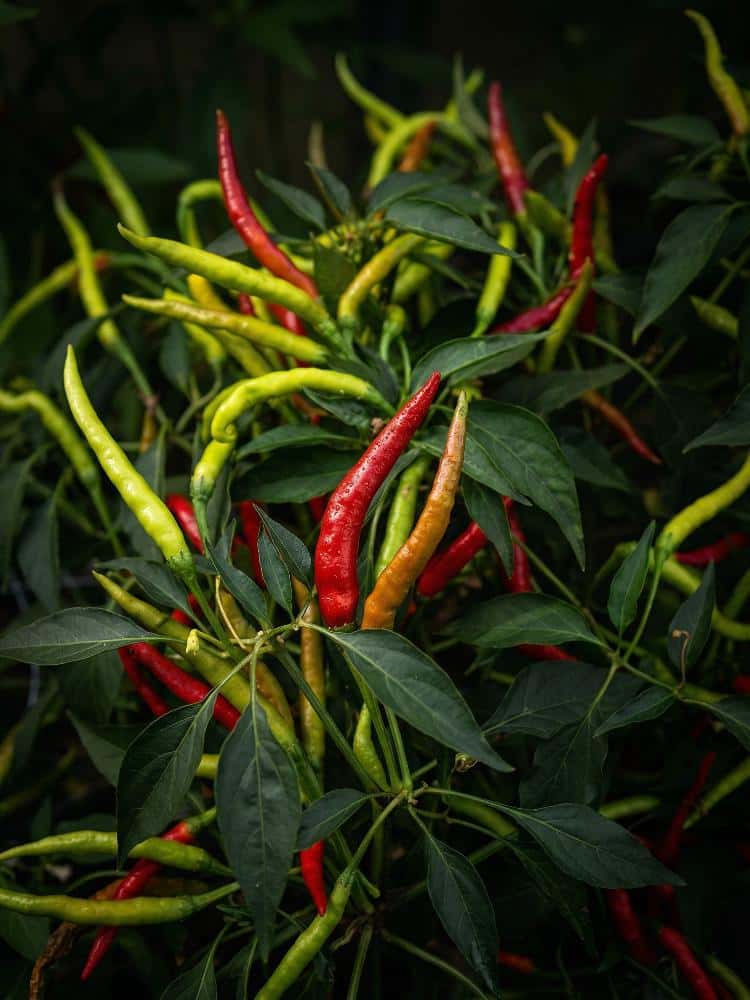
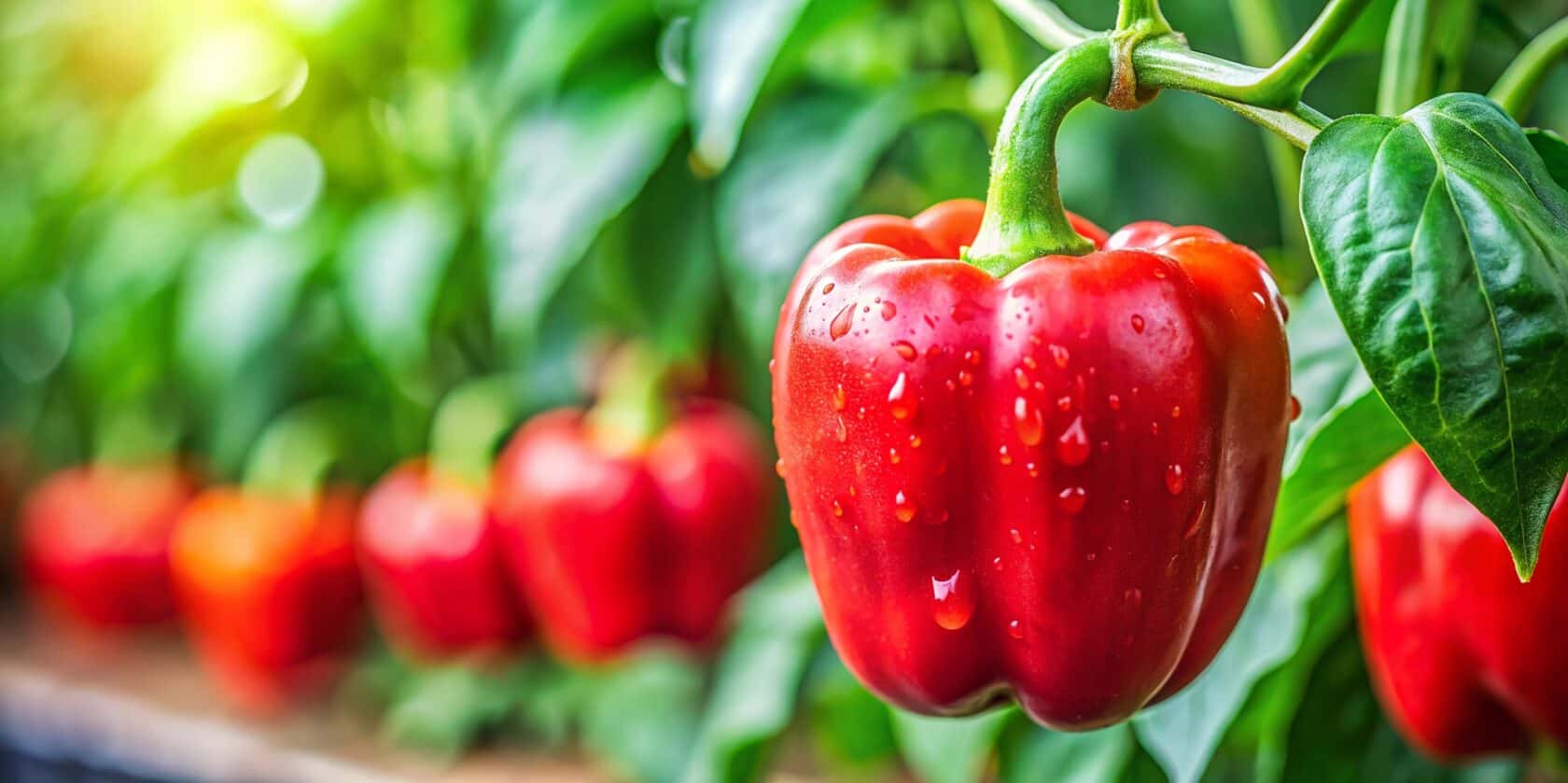
Vegetable seed collection
Compare five sweet and hot pepper listings by documented variety, fruit type, climate, and growing plan.
Kew notes that Capsicum annuum includes both sweet bell peppers and chilli peppers. Four current listings are explicitly sweet or hot by their catalog labels; three product records state C. annuum, while two do not yet state a scientific species. This page preserves those limits rather than guessing.
7 active seed listings with current packet options and USD prices.
Use the live cards for packet quantities, prices, and availability. Heat, colour, and identity claims below come only from current names and descriptions.
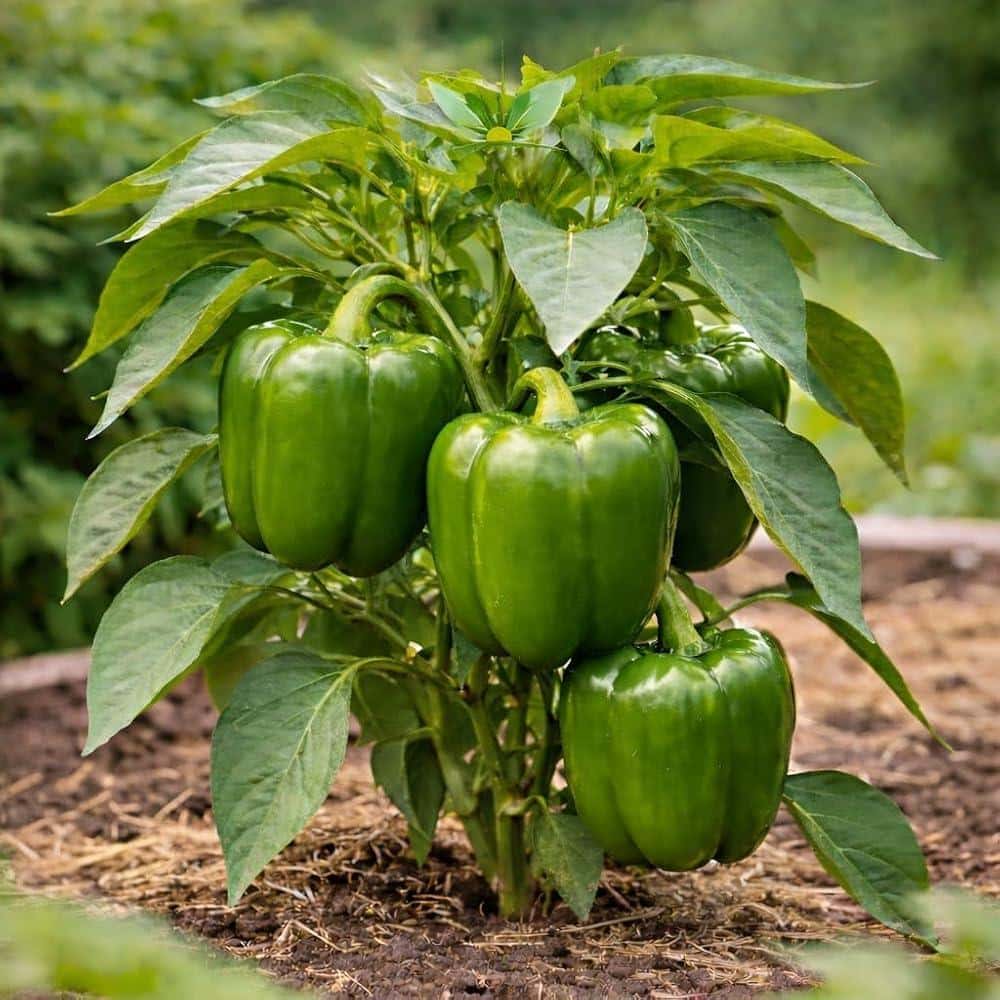
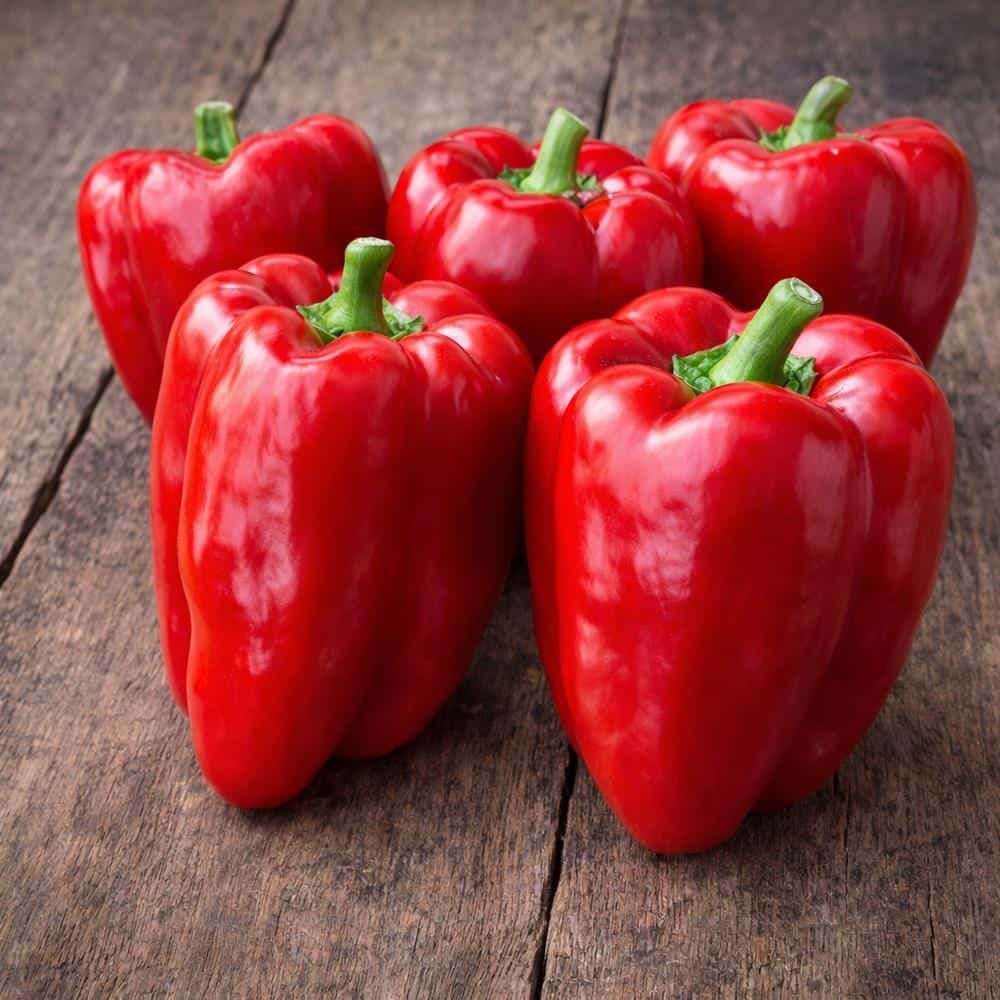
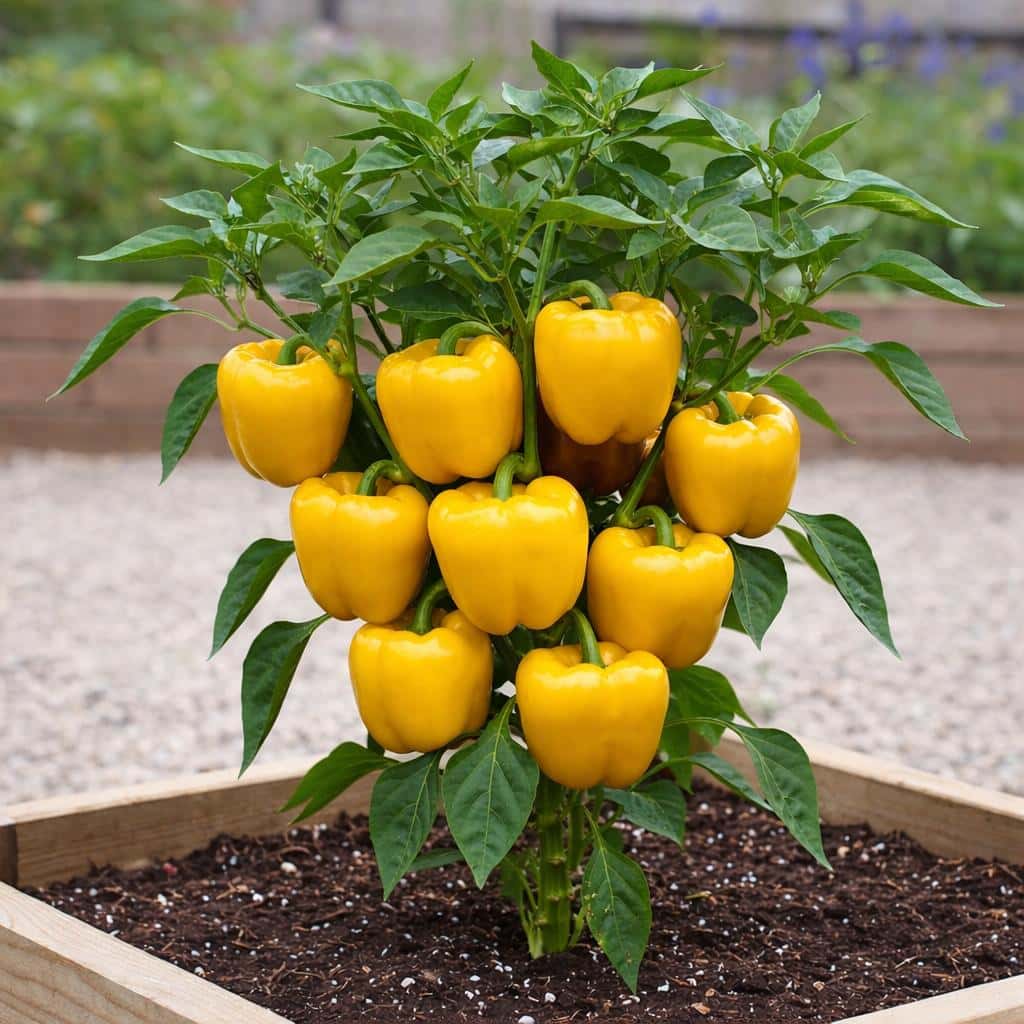
Sweet red and sweet yellow are documented as Capsicum annuum. Sweet green is labeled as a sweet bell pepper but its current description does not state a species.
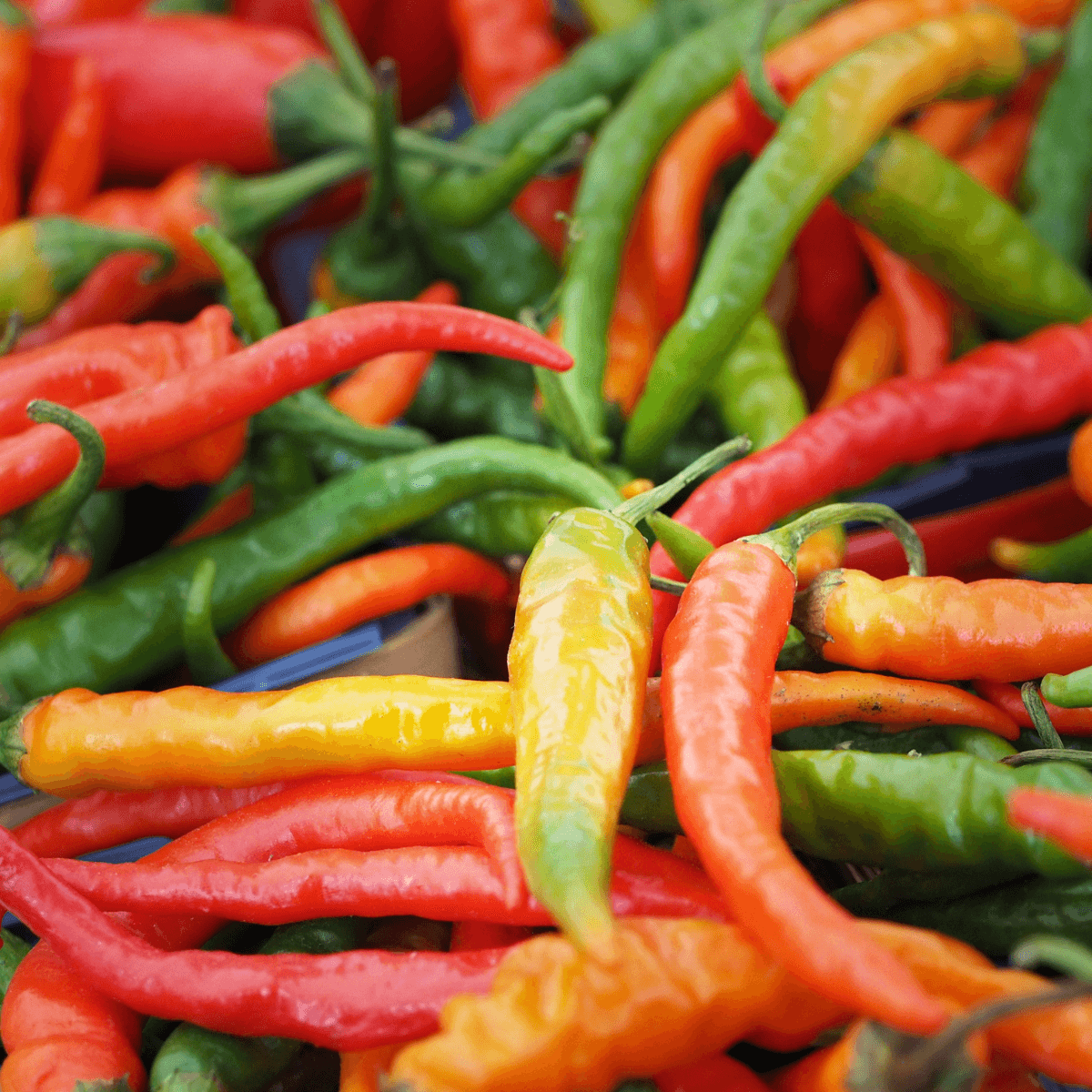
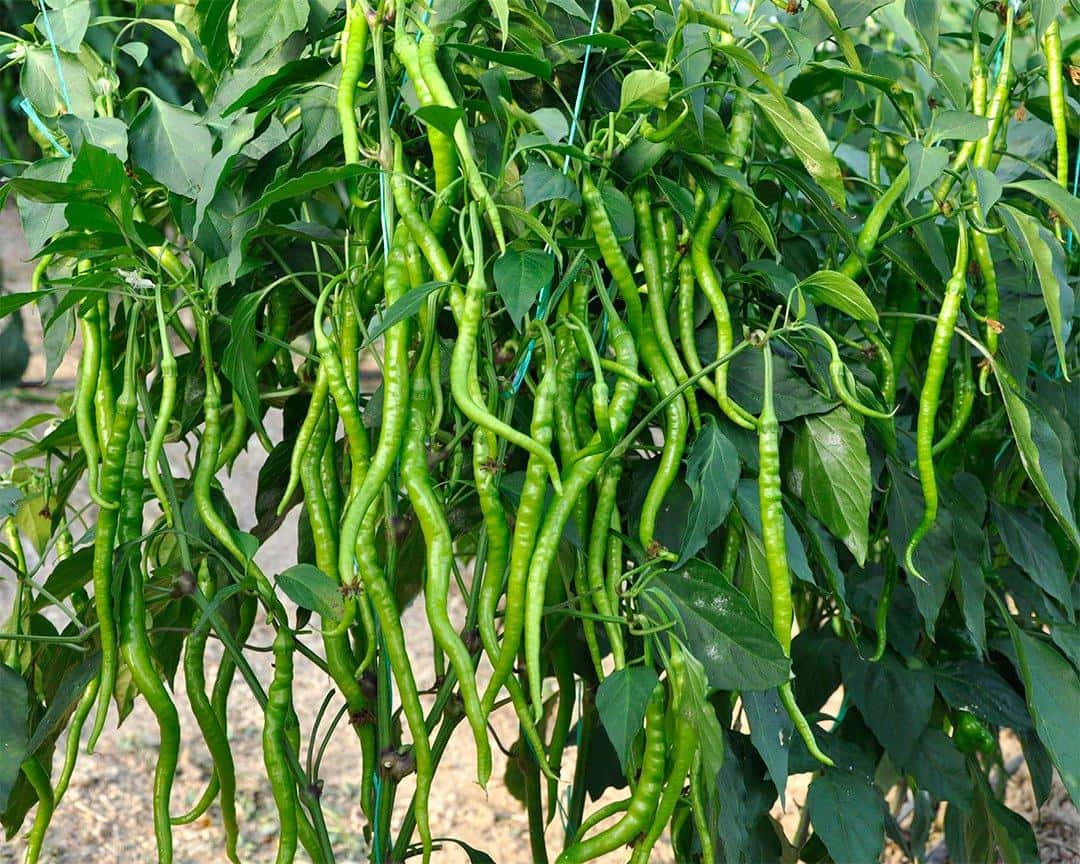
The active Tsitsak record identifies it as a hot Capsicum annuum pepper. Choose it when that named hot-pepper type is the goal.
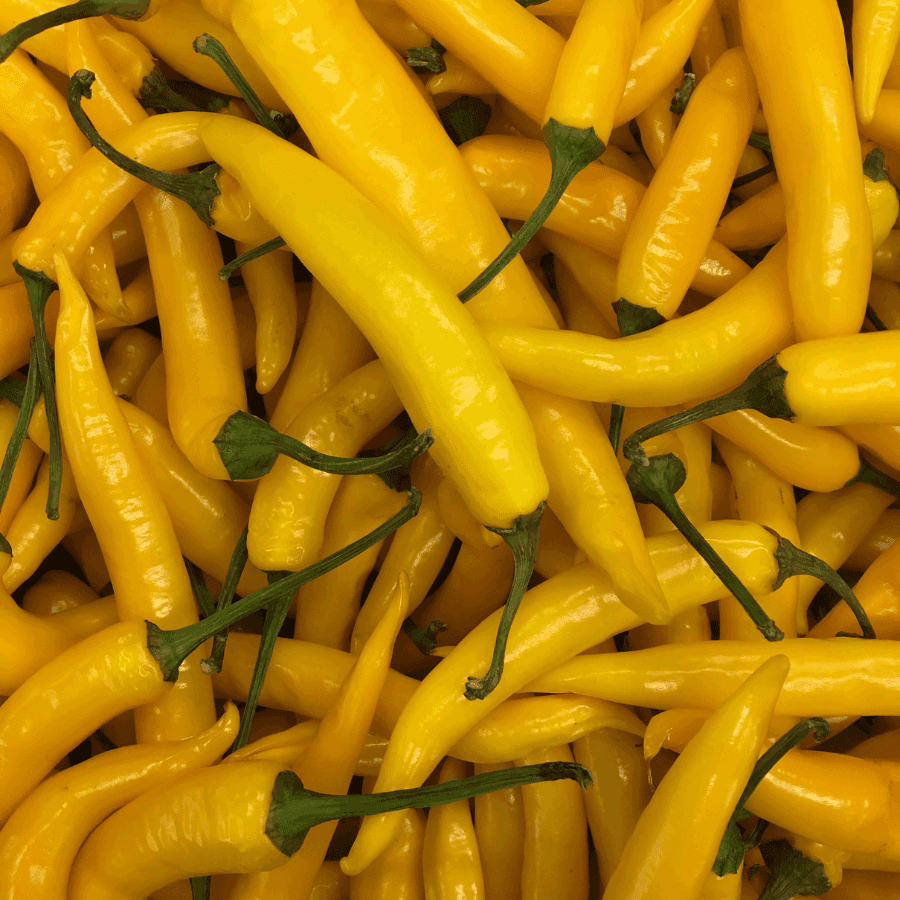
Surajmukhi is labeled as a chilli pepper, but its current product description does not state a scientific species. No species or heat rating is inferred here.
Fruit colour, pungency, cultivar identity, and species are separate attributes. A category page should not turn a simple product name into an unsupported performance promise.
Kew confirms that C. annuum encompasses sweet and chilli forms. Use each exact product label; do not assume every Capsicum annuum packet has the same heat.
University of Maryland Extension notes that many pepper fruits change colour as they mature. A colour label may describe the selected type or harvest stage, so follow the listing rather than treating colour alone as a species test.
Saved seed is most predictable from documented open-pollinated material and controlled pollination. The current category does not promise that these lots are isolated or will reproduce every parent trait exactly.
Peppers are warm-season plants commonly started as transplants. Adjust timing to your climate and the exact variety.
University of Maryland Extension recommends starting pepper seed indoors well before outdoor planting. Use a clean medium, steady warmth, and even moisture.
Move emerged seedlings into strong light and maintain airflow so growth stays compact. Pot on carefully if roots fill the starting cell.
Set transplants out only after frost risk has passed and the soil has warmed. Harden seedlings gradually instead of moving them directly from protected conditions.
If saving seed, keep variety records and account for possible crossing. Oregon State Extension recommends open-pollinated material when preserving variety traits is the goal.
Review current quantities and exact product instructions, then choose by documented sweet or hot type, colour label, and your growing season.
Not necessarily. Kew states that Capsicum annuum includes both sweet bell peppers and chilli peppers, so pungency alone does not establish species.
Yes. The current active Tsitsak product description identifies it as Capsicum annuum and labels it as a hot pepper.
Their current product descriptions do not state a scientific species. This Draft leaves that unresolved instead of inferring identity from the common name.
After frost danger has passed, the soil has warmed, and the seedlings have been hardened gradually. Local timing matters more than a universal calendar date.
Not always. Results depend on whether the parent was open-pollinated or hybrid and whether crossing occurred. No isolation or true-to-type guarantee is claimed for the current lots.