 SALE 20%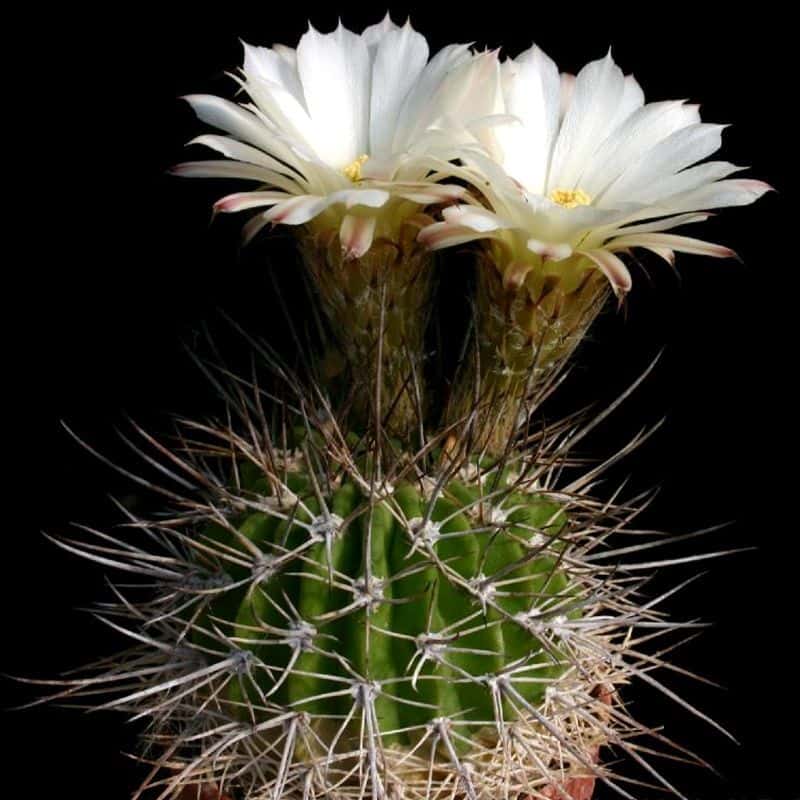
Cactus and succulent seeds
Compare cacti and other succulents before choosing seeds and a sowing method. Browse the available packets below, then follow the guidance for your selected species.
3 active seed listings with current packet options and USD prices.
Cacti and other succulents span several plant families, including true cacti, Lithops and other Aizoaceae, Euphorbia, Aloe, Gasteria, Dorstenia, and Sempervivum. Shared water-storing form does not make their taxonomy, climate, seed size, or germination needs interchangeable.
Start with an accepted botanical name. Generic labels such as 'cactus mix' or 'Lithops mix' do not support species-level claims or exact adult appearance.
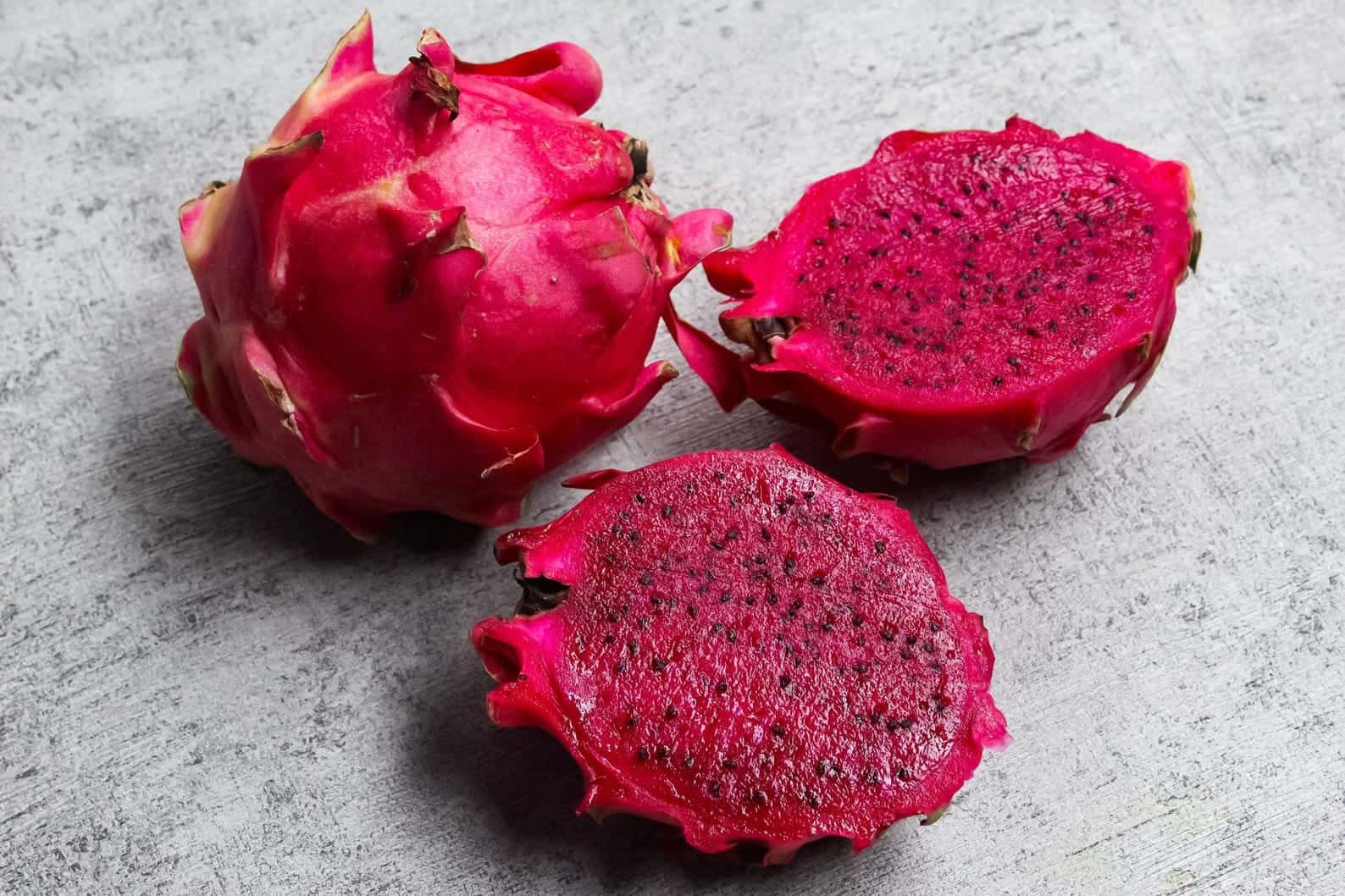
Cactaceae includes Astrophytum, Echinocereus, Echinopsis, Gymnocalycium, Mammillaria, Parodia, Rebutia, Turbinicarpus, and dragon-fruit cacti. Rainforest and desert cacti do not share identical adult care. Check the current product list for the seeds available to order.
Lithops, Dinteranthus, Titanopsis, Pleiospilos, Faucaria, and Aloinopsis belong to Aizoaceae. Kew describes Lithops among the stone plants formed from a pair of succulent leaves.
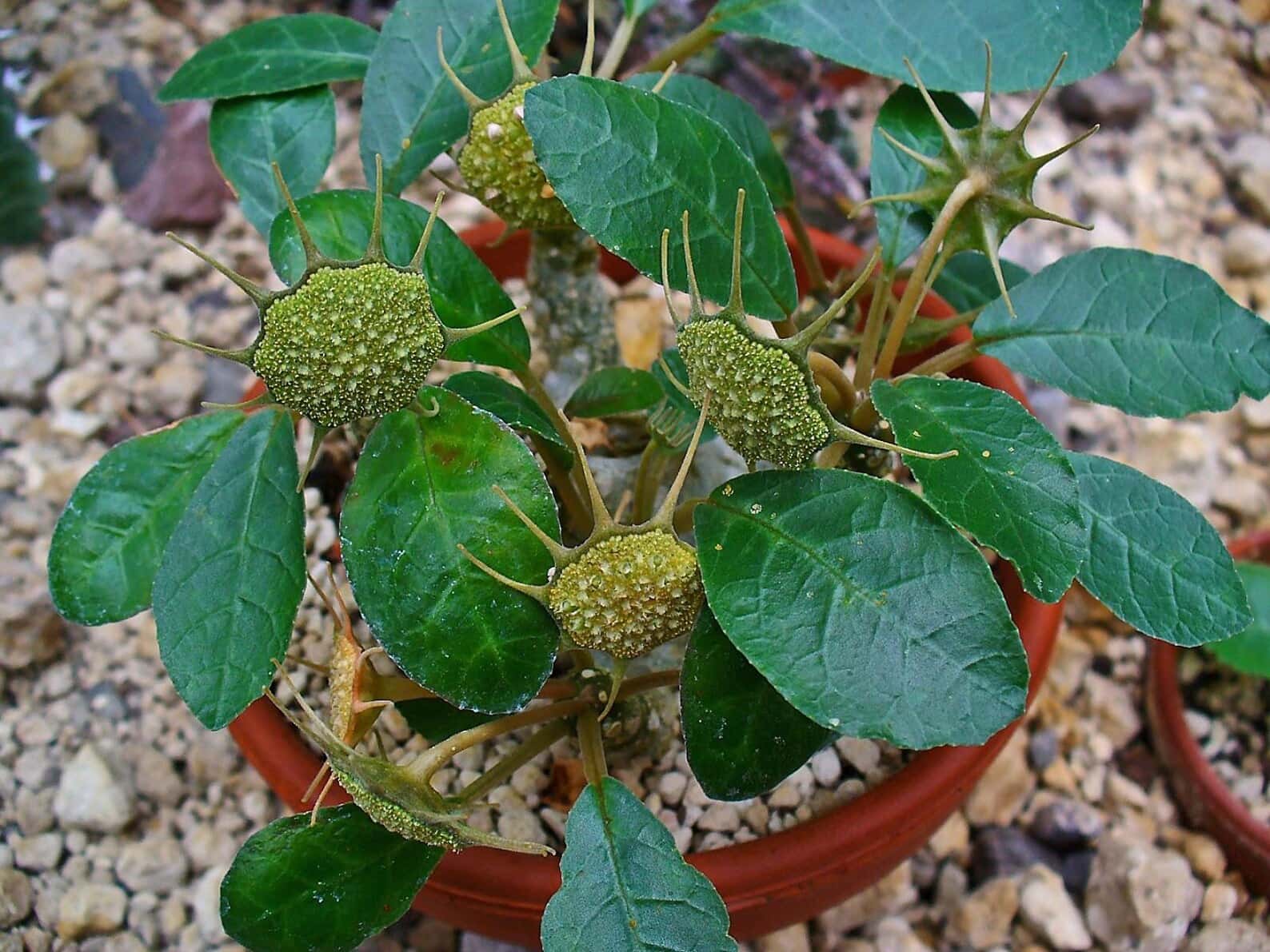
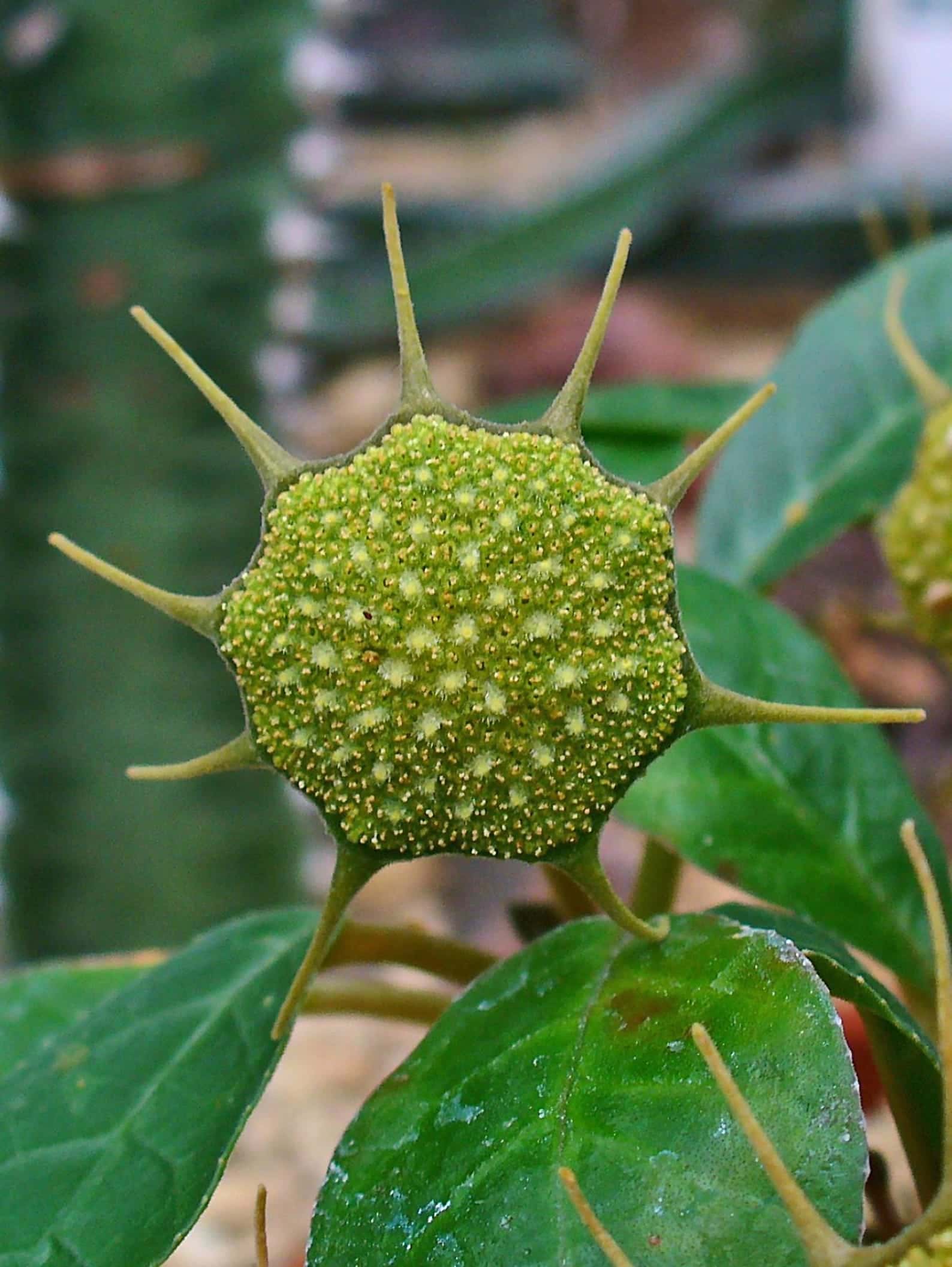
Euphorbia caducifolia is a succulent shrub in Euphorbiaceae, while Aloe and Gasteria belong elsewhere again. Treat latex-bearing Euphorbia and spiny cacti as different handling categories.
Sempervivum can be hardy, while dragon fruit and some epiphytic cacti come from warmer or more humid settings. 'Succulent' alone does not define winter temperature or watering.
RHS provides a general seed framework for many cacti and succulents, but the exact packet should override it where species evidence differs.
RHS recommends a peat-free seed compost with grit or sharp sand. Cover larger seeds with grit but leave very small seed uncovered.
Use a fine mist or fine rose, cover to maintain humidity, and ventilate daily. Keep the medium moist, not saturated.
RHS gives 21°C and a bright position out of direct sun for its general seed method. Confirm whether the exact species needs a different regime.
Pot on only when seedlings are large enough to handle. Many are slow, and early adult-style drought treatment can kill small seedlings.
Rare-plant seed needs more than an attractive adult photograph. Verify identity, lawful provenance, current seed lot, and whether the image matches the exact species or mix.
A species packet should use an accepted name; a genus mix should say that species composition and adult appearance may vary.
Ask whether seed is cultivated and legally sourced. CITES documentation and destination requirements can depend on taxon and trade context.
Look for collection or packing date, storage, packet count, and a lot-specific germination note rather than a universal guarantee.
Do not treat an unverified adult-plant image as proof of the seed packet's identity or eventual colour and form.
Browse the available seed packets above. Open each product page to compare its botanical identity, packet sizes, price, images, and species-specific growing instructions before ordering.
No. Cacti belong to Cactaceae. Other succulent groups include Aizoaceae, Euphorbia, Aloe, Gasteria, Dorstenia, and Sempervivum.
No. RHS offers a useful general framework, but rainforest cacti, desert cacti, living stones, and other succulents can differ. Follow exact-species evidence.
RHS advises leaving small cactus and succulent seed uncovered while larger seed can be covered with grit. Confirm the exact packet instructions.
Moist but not overly wet. Covering can retain humidity, but daily ventilation and clean handling help reduce rot and contamination.
No. A mix needs documented composition, and seed-grown offspring vary. An unverified collage or adult photo cannot guarantee packet contents.
The product list on this page shows the current selection. Open a product to see its available packet options and price. The wider plant guide also discusses groups that may not be available to order.