
Cool-season and specialty vegetable collection
Compare cabbage crops, Asian greens, turnips, radishes, carrots, spinach, and artichoke by plant group and growing needs.
Brassica oleracea, Brassica rapa, and radish belong to Brassicaceae. Carrot belongs to Apiaceae, spinach to Amaranthaceae, and artichoke to Asteraceae. Use the live product identity and local season rather than applying one crucifer schedule to every packet.
32 active seed listings with current packet options and USD prices.
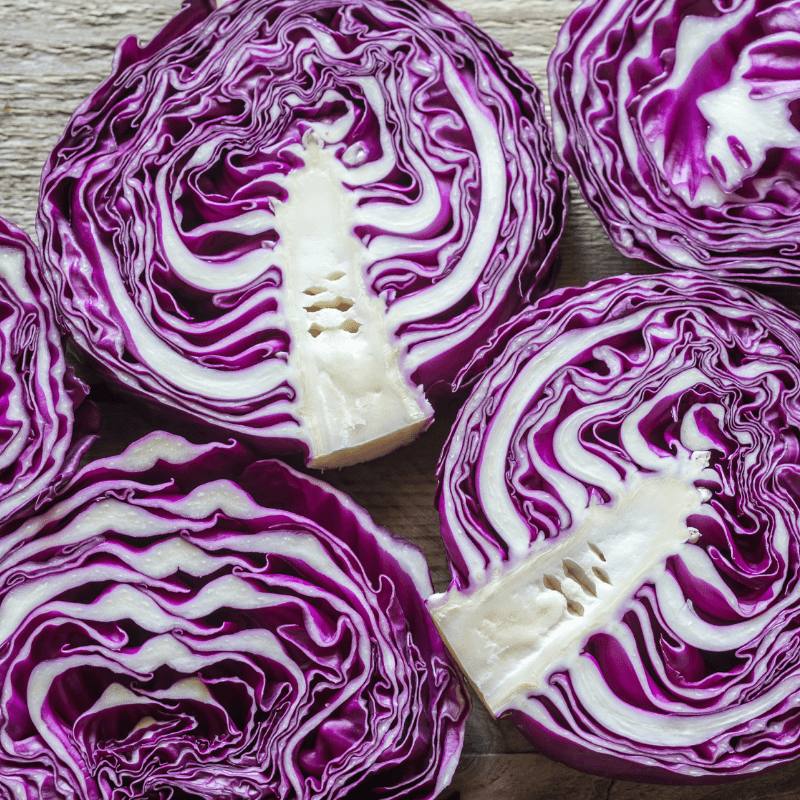
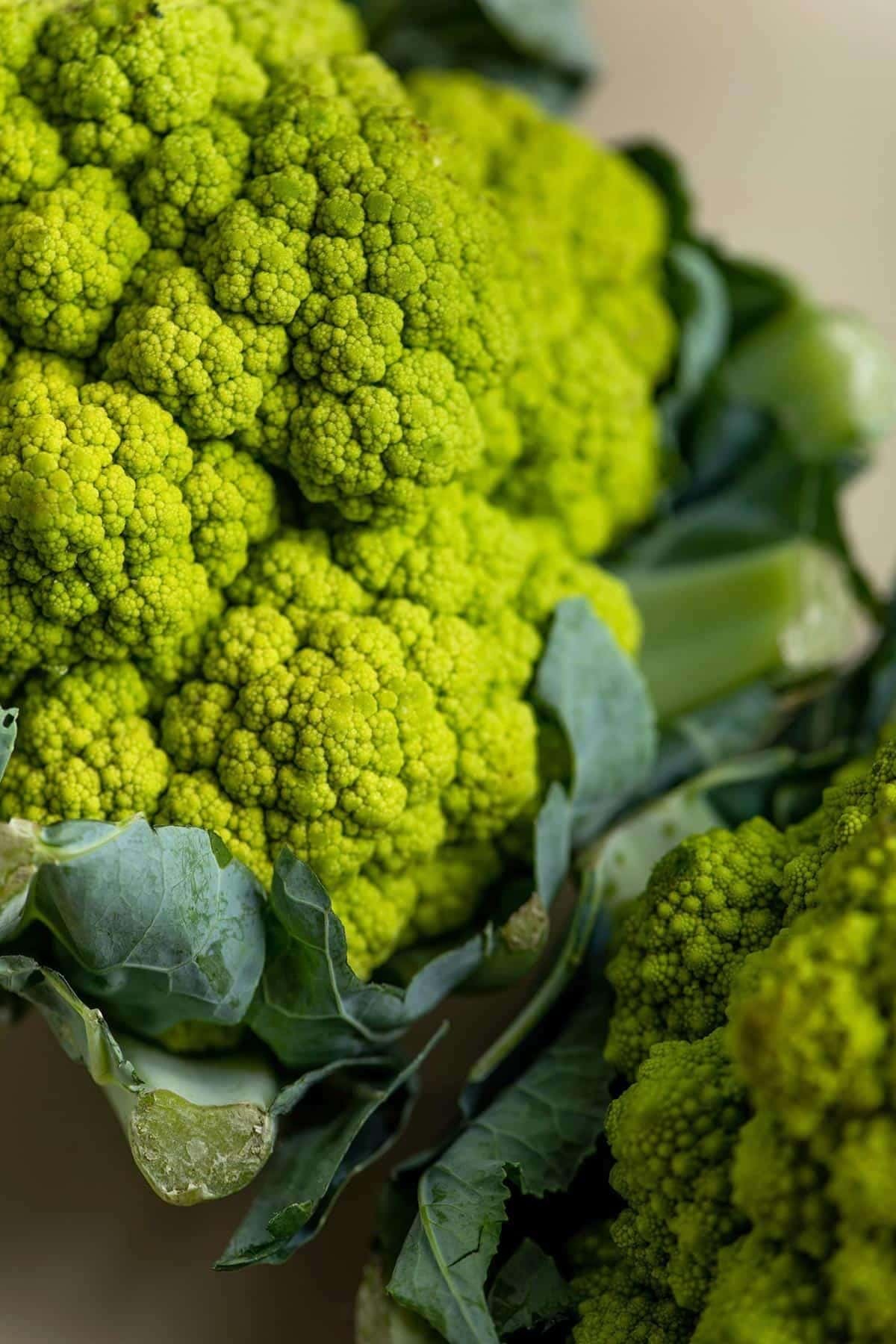
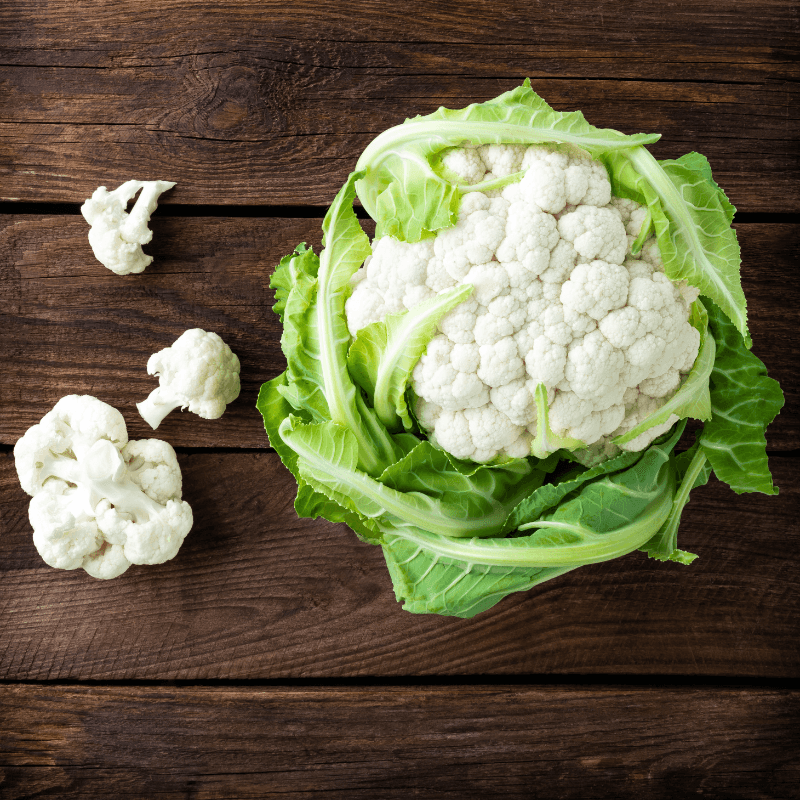
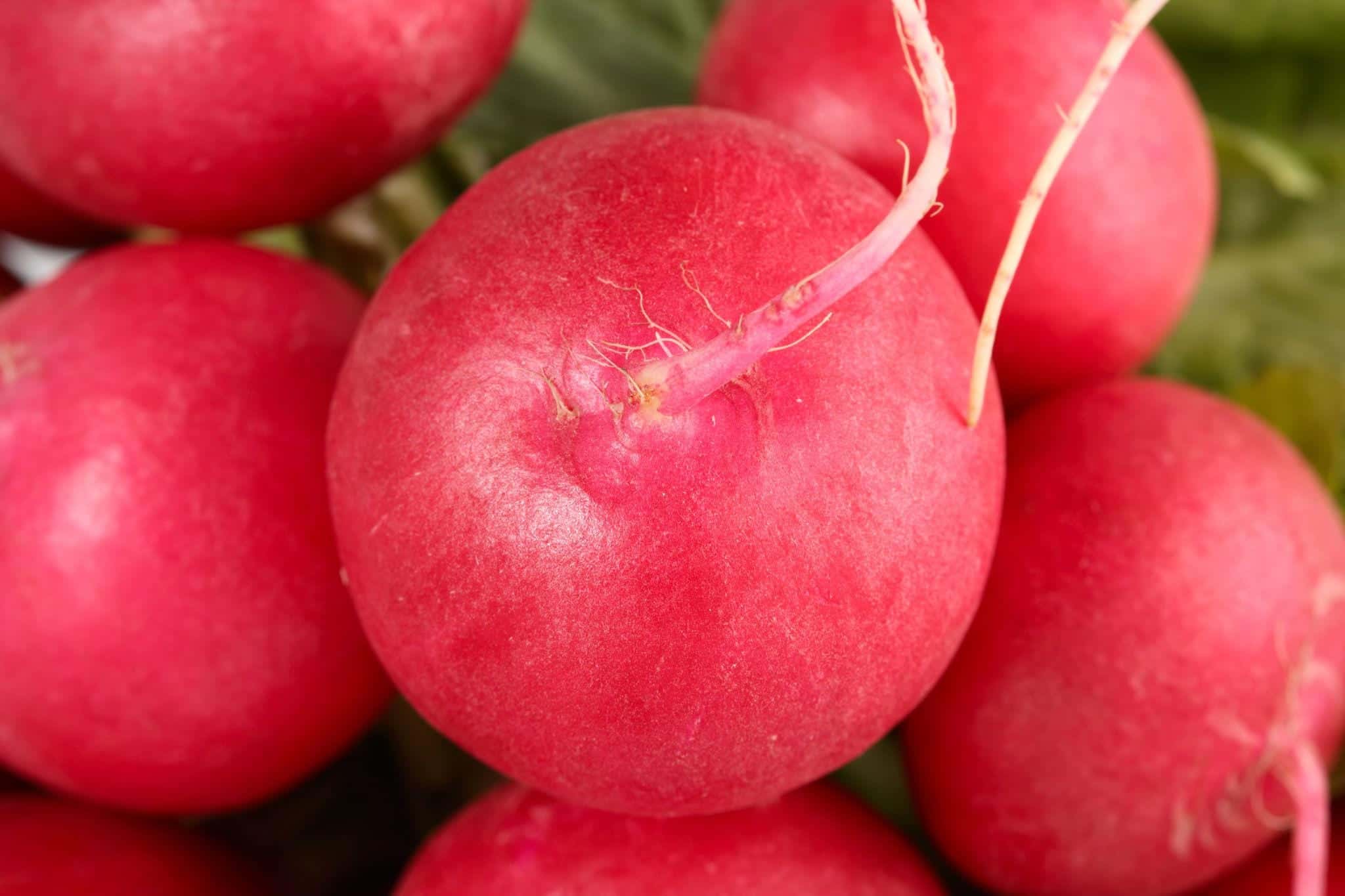
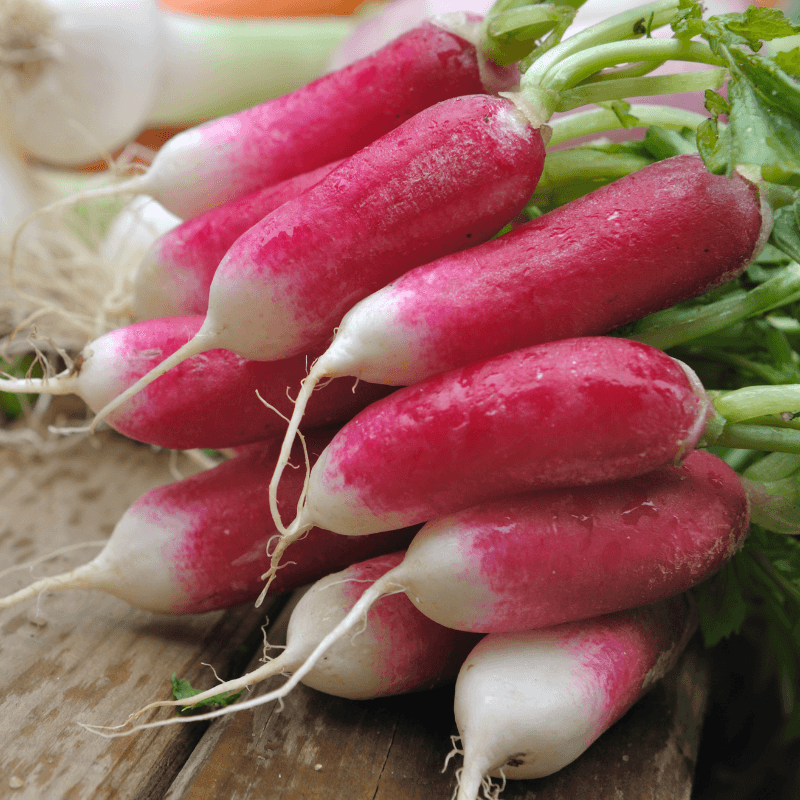
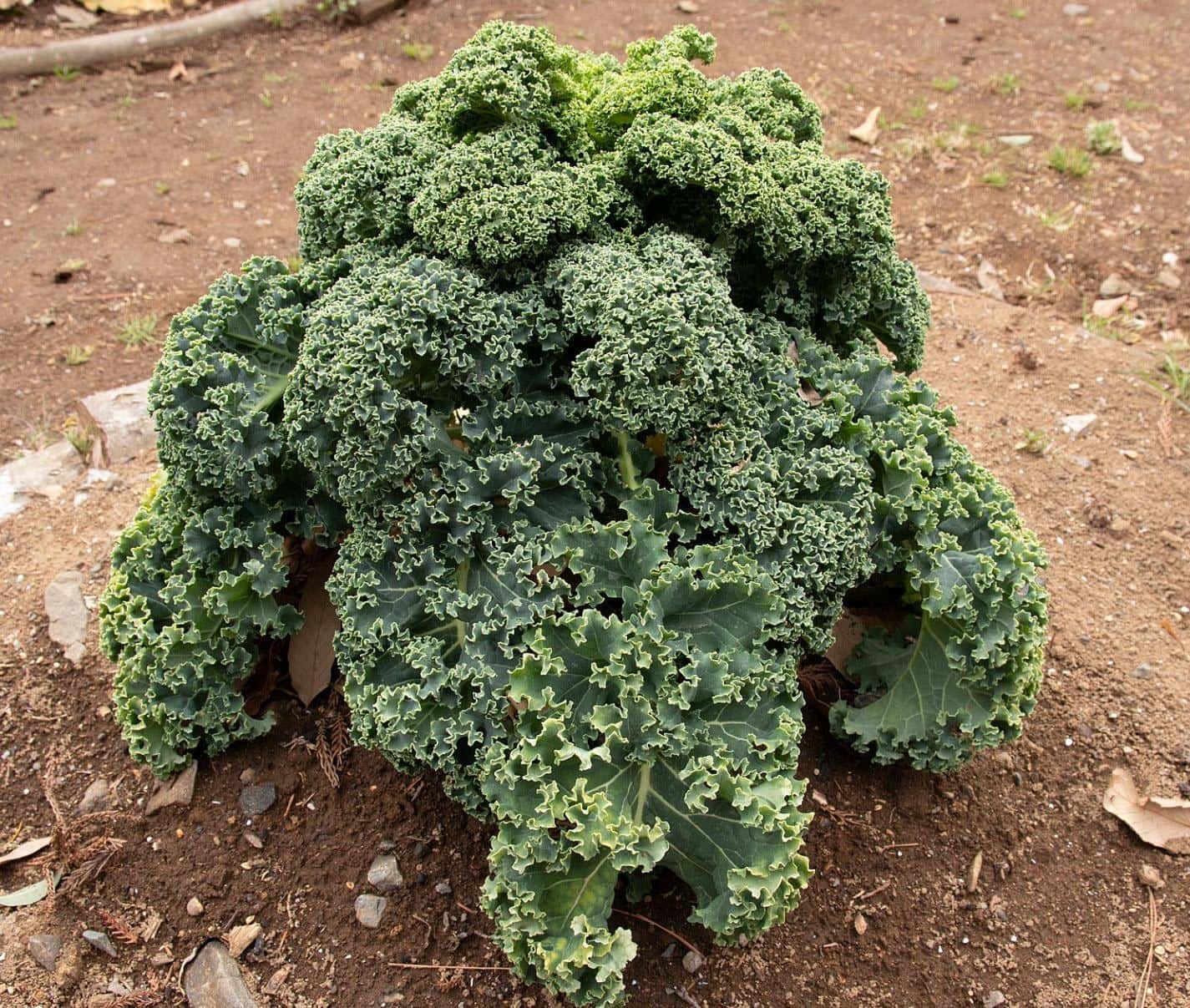
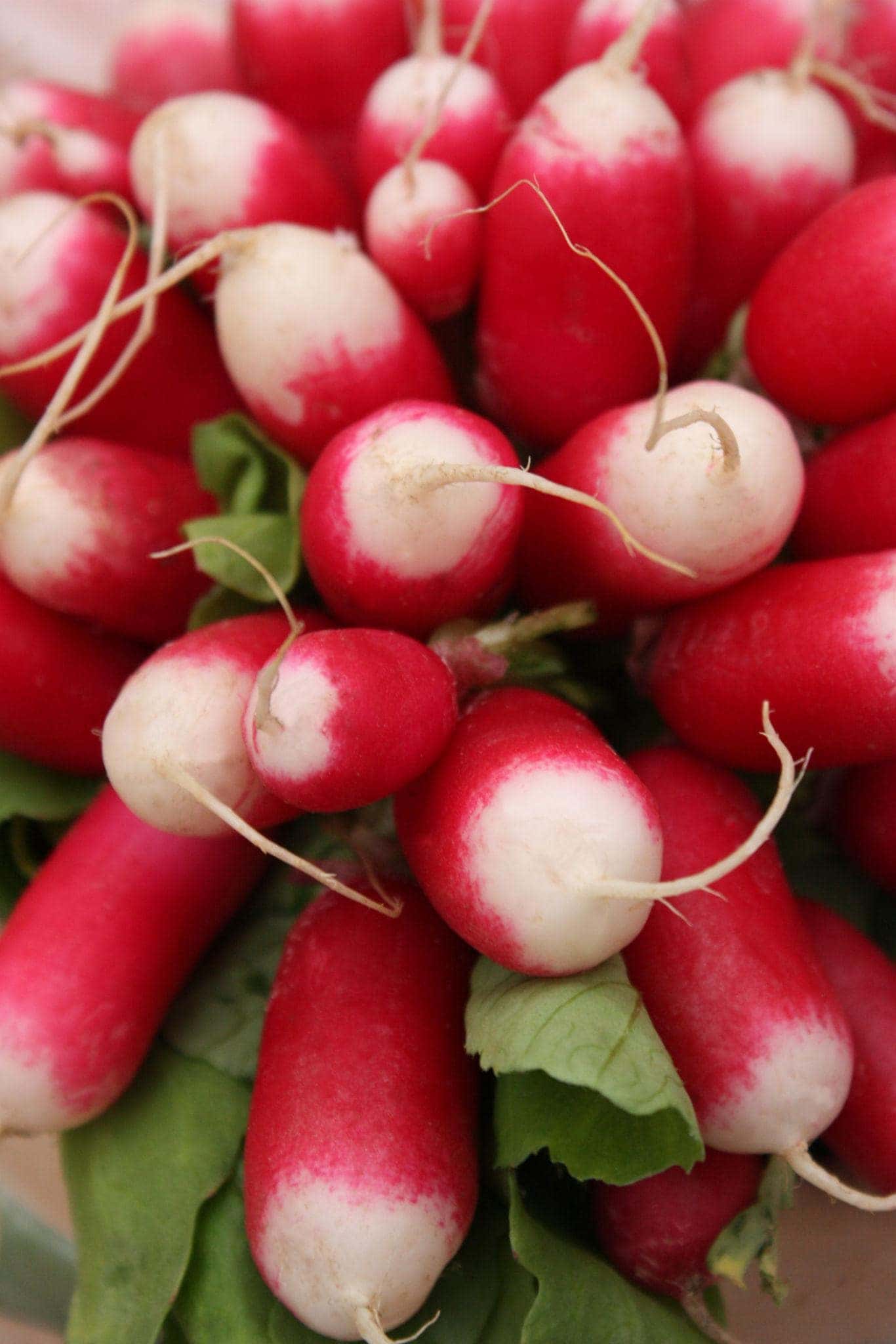
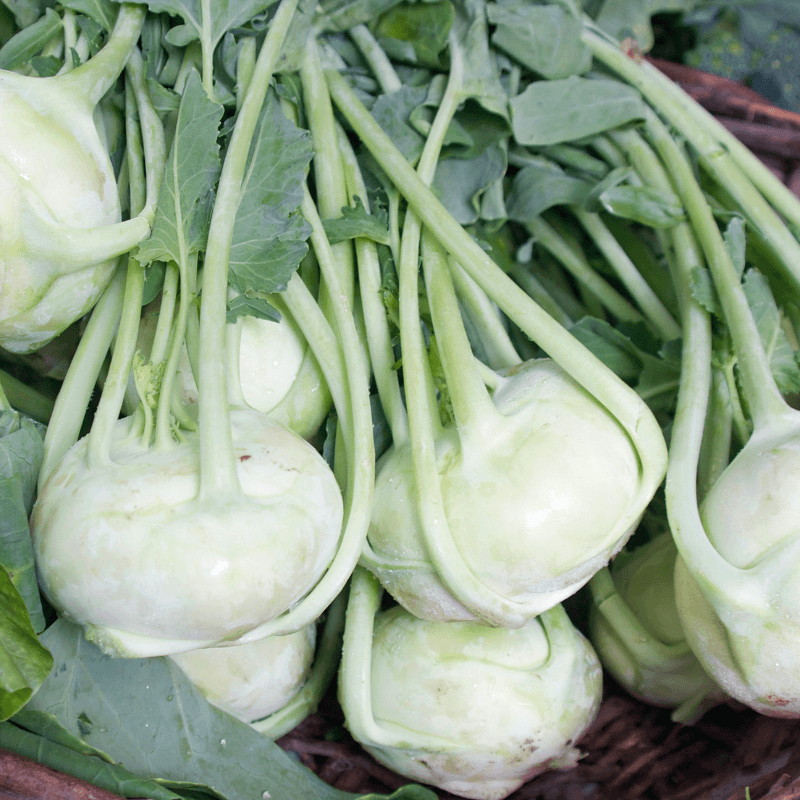
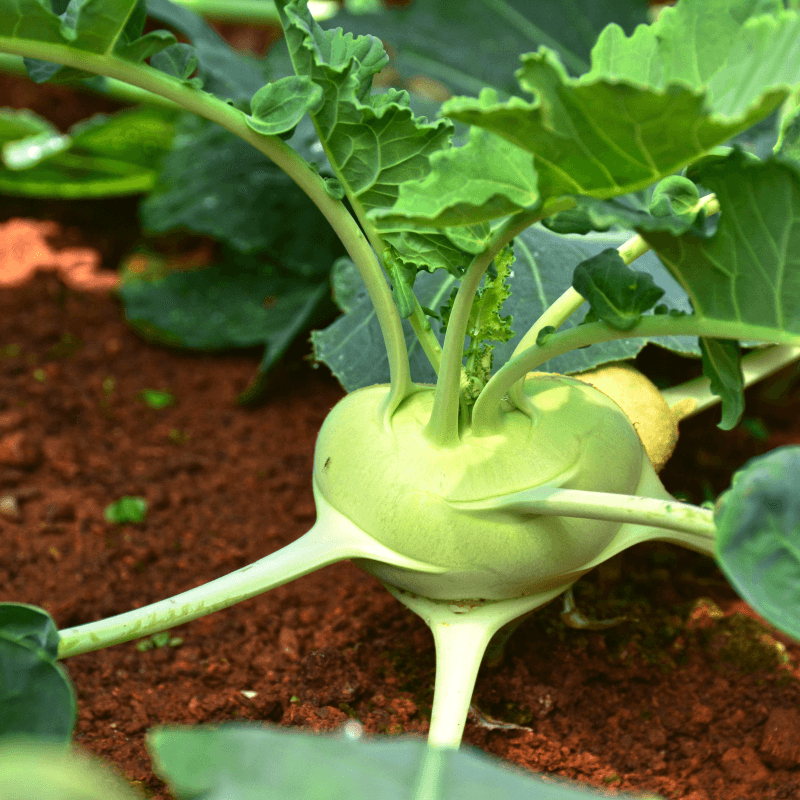


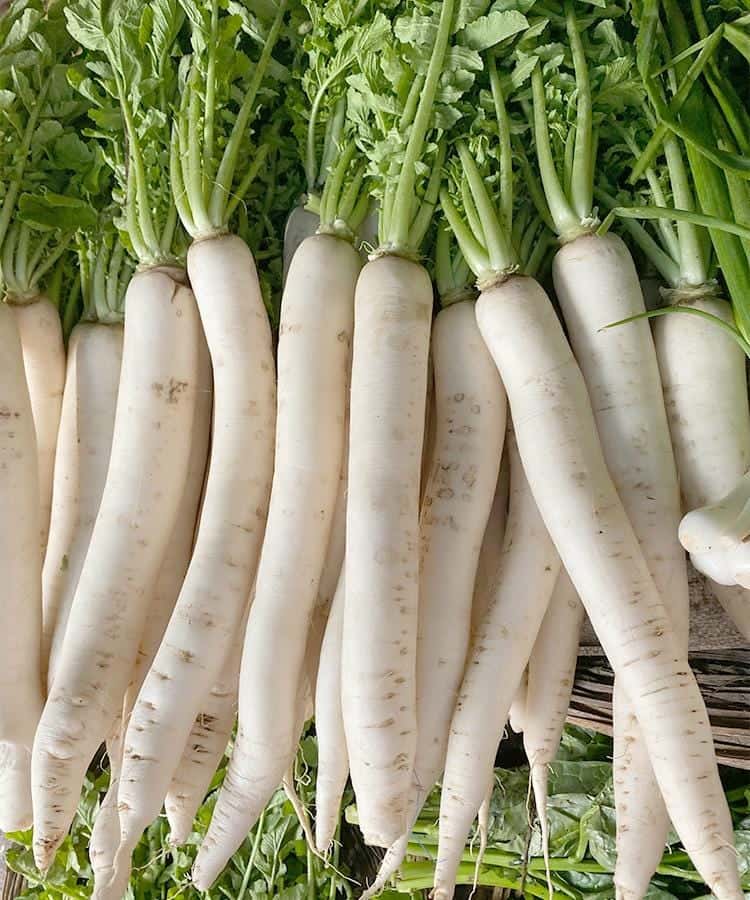
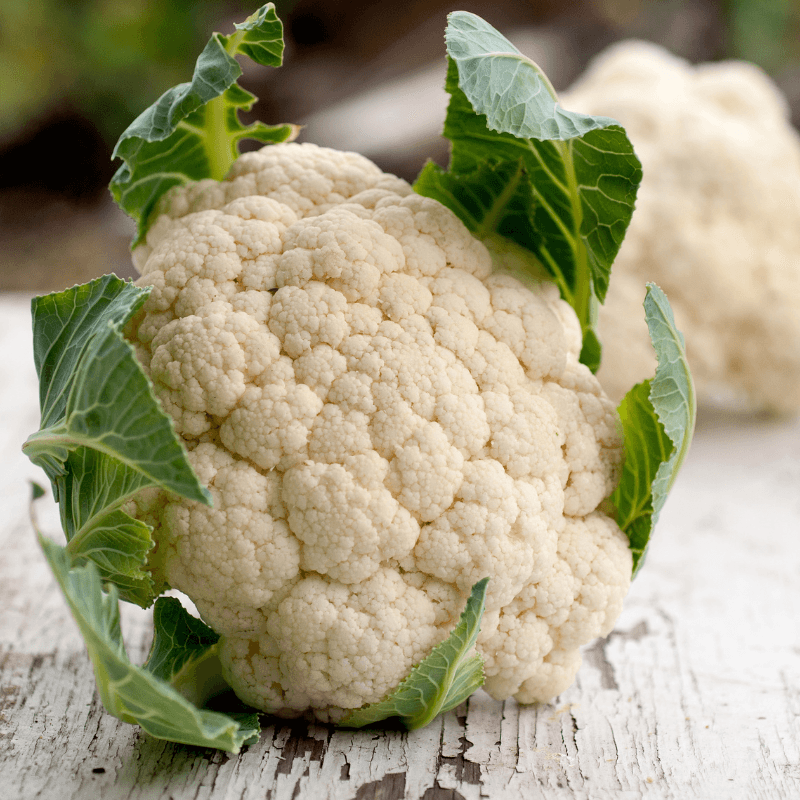

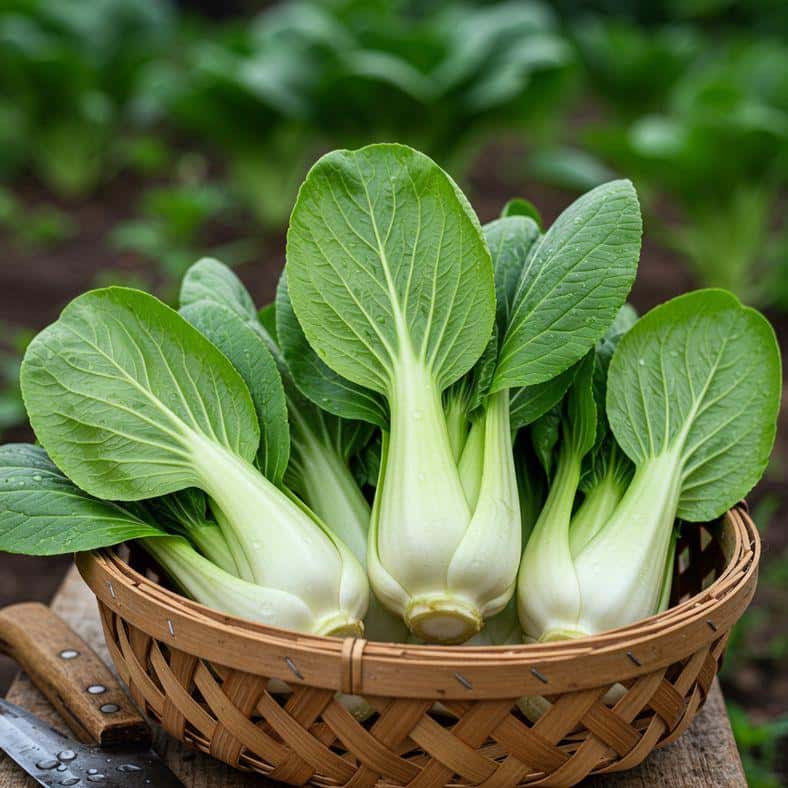
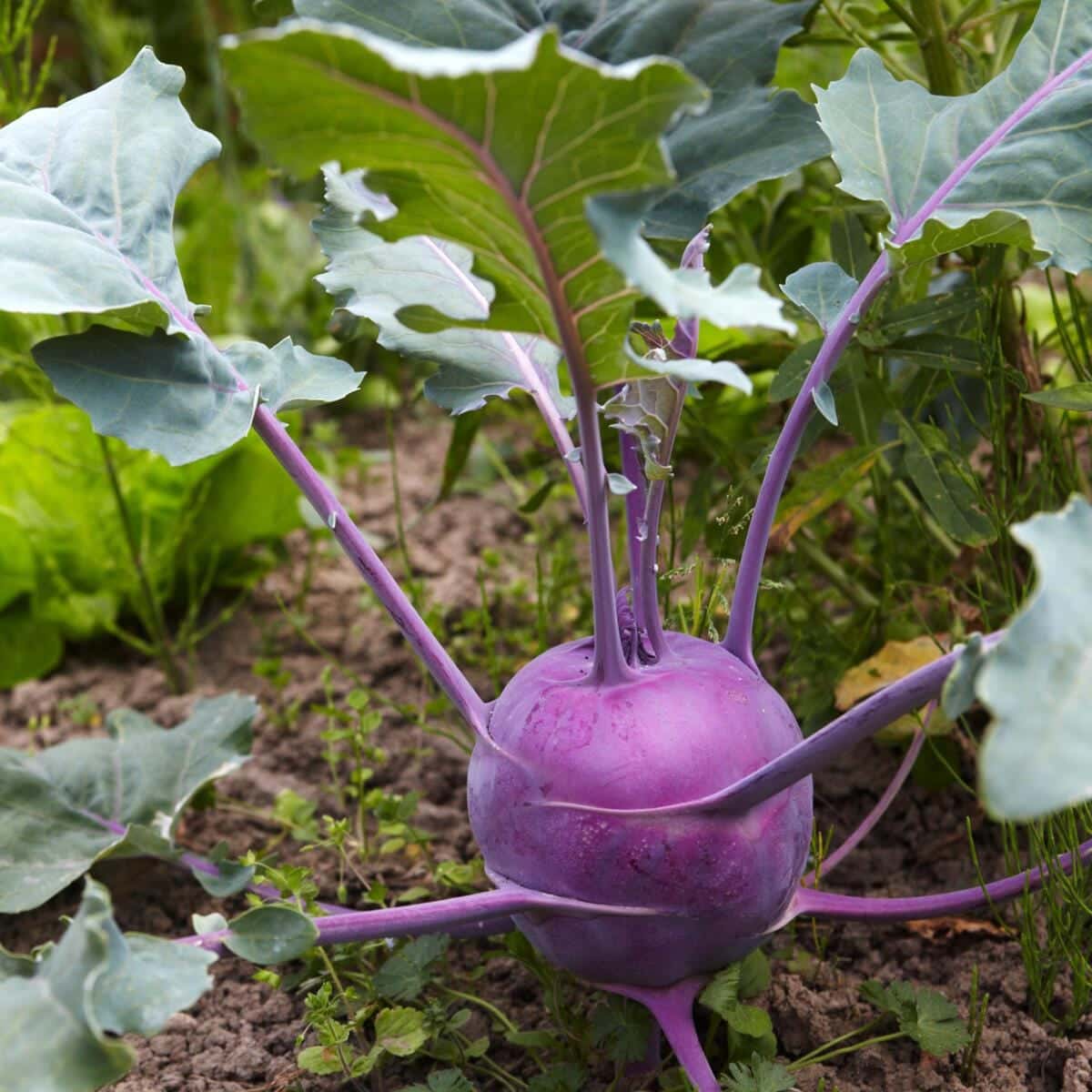
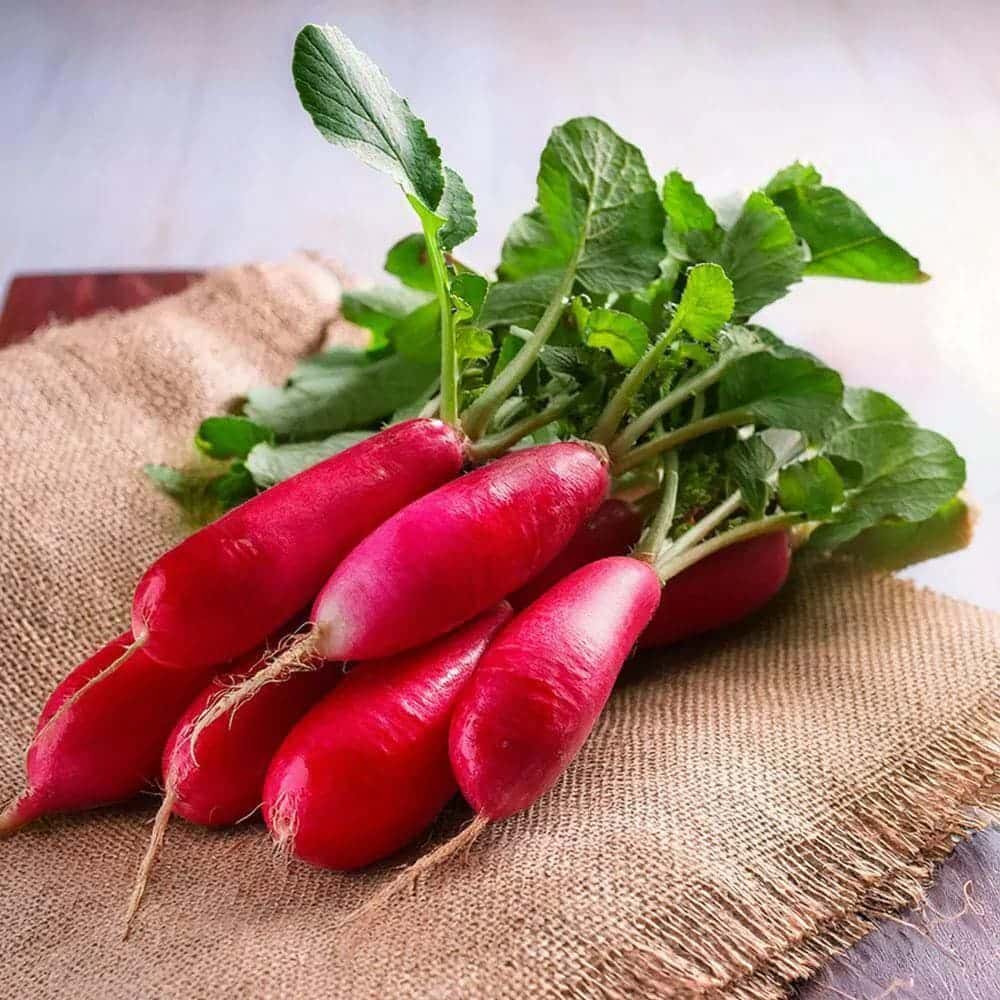
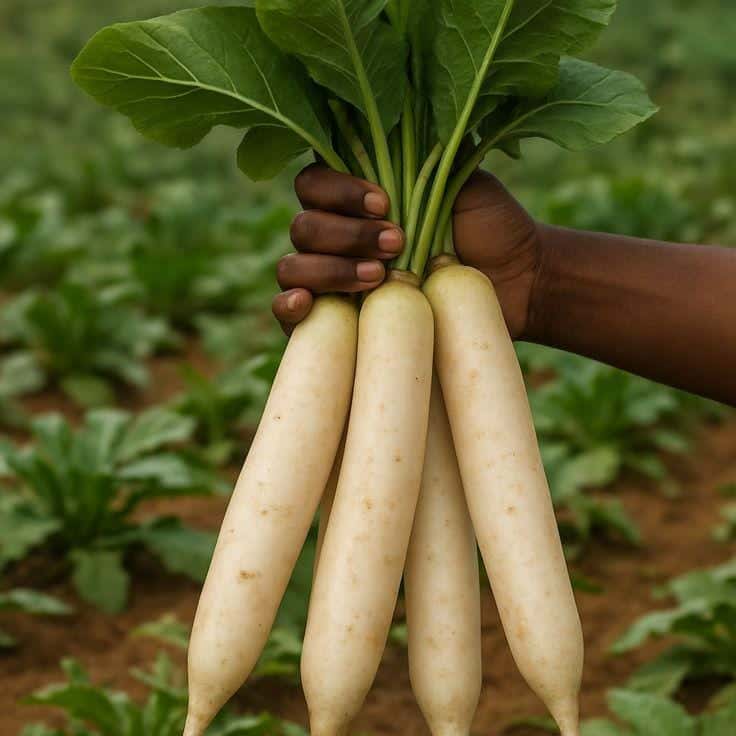
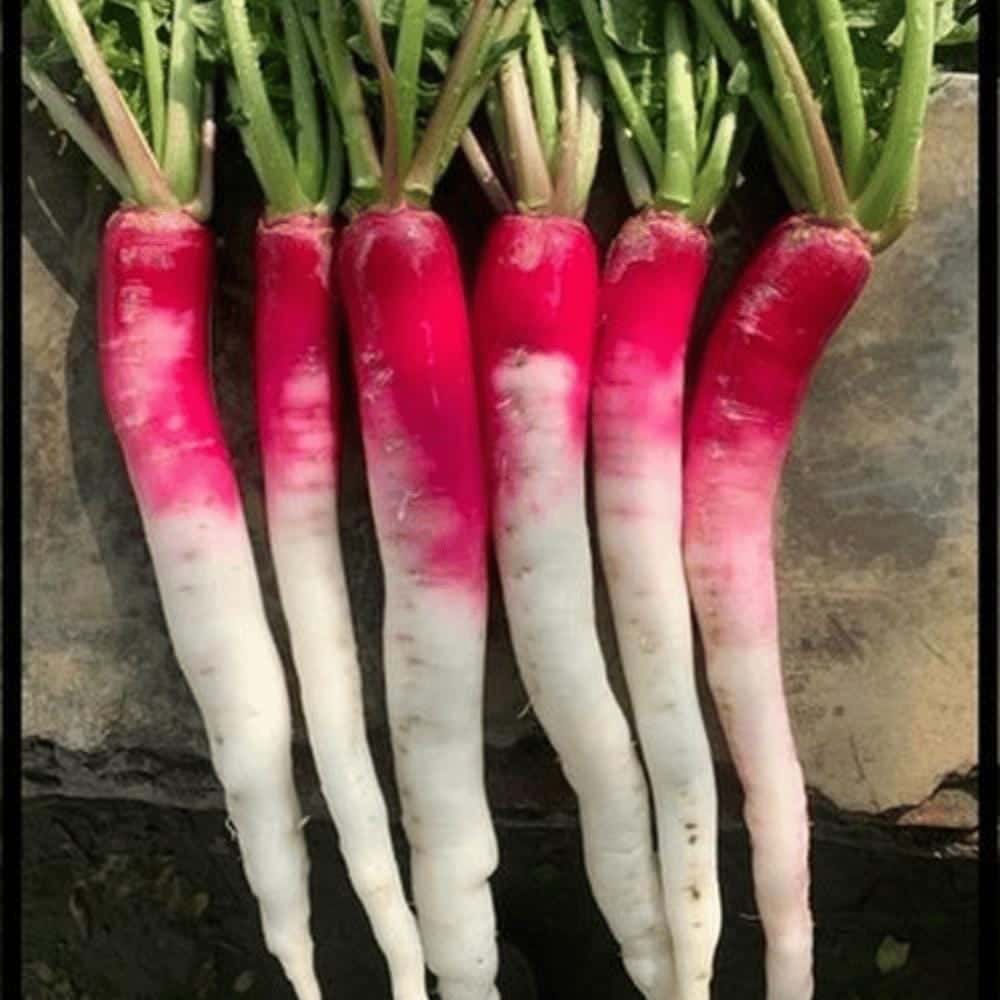


Current product cards provide packet quantities, prices, and availability. Group labels below are broader than cultivar claims and do not promise a particular yield, taste, maturity date, or growing method.
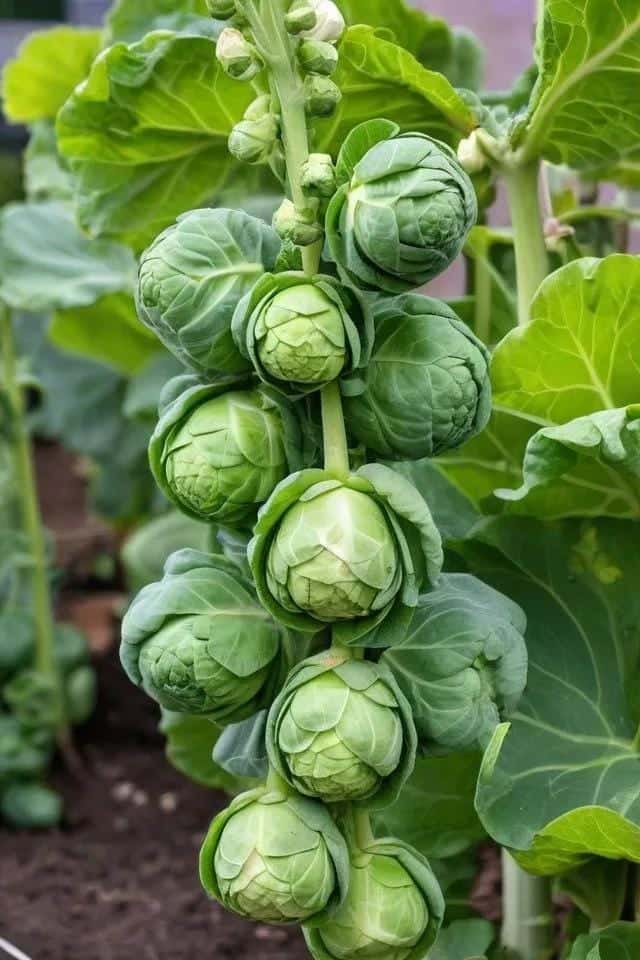
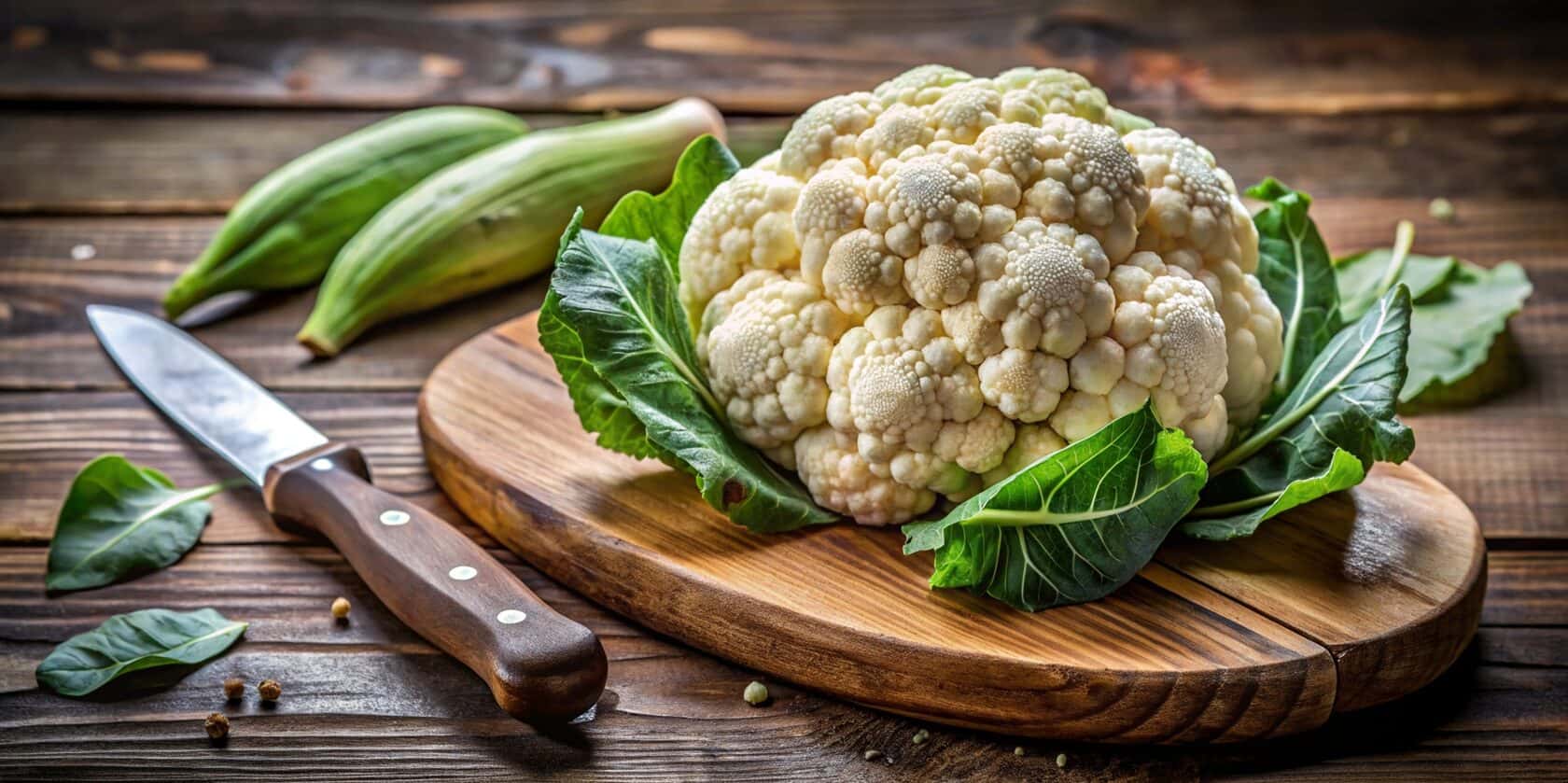
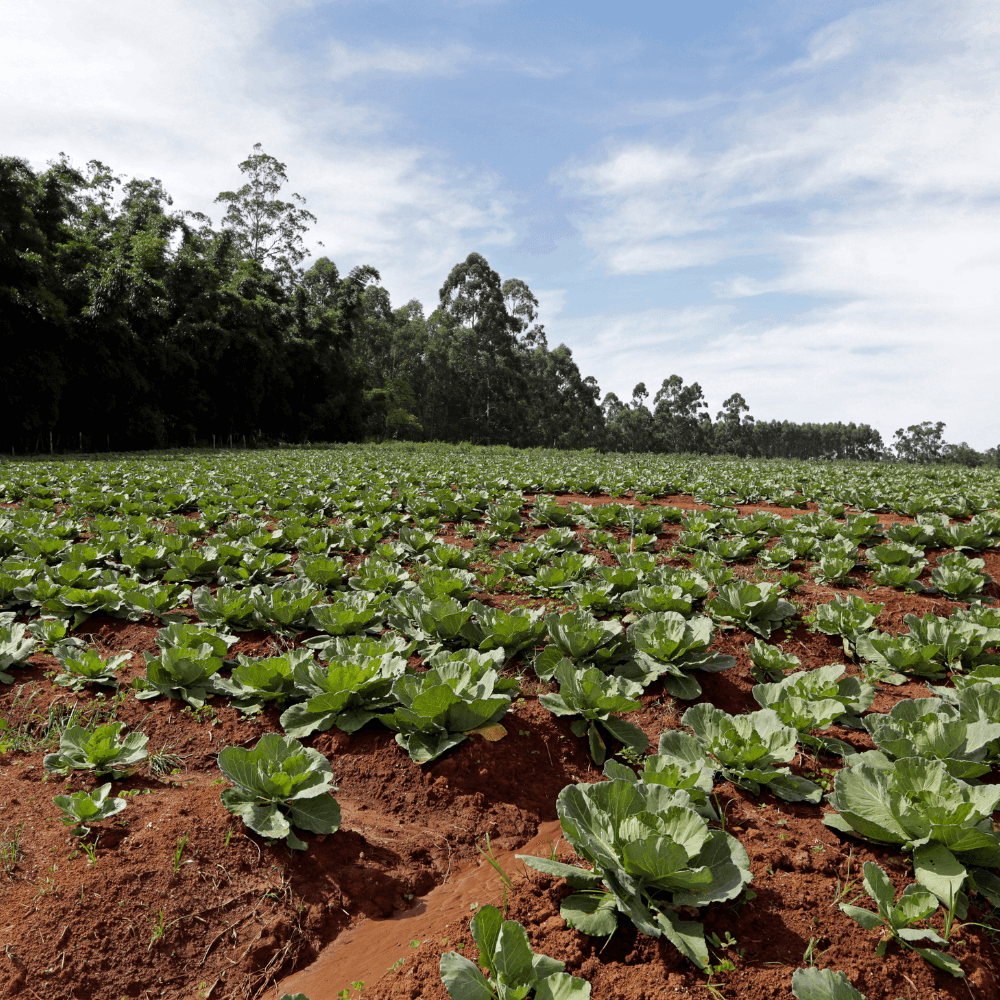
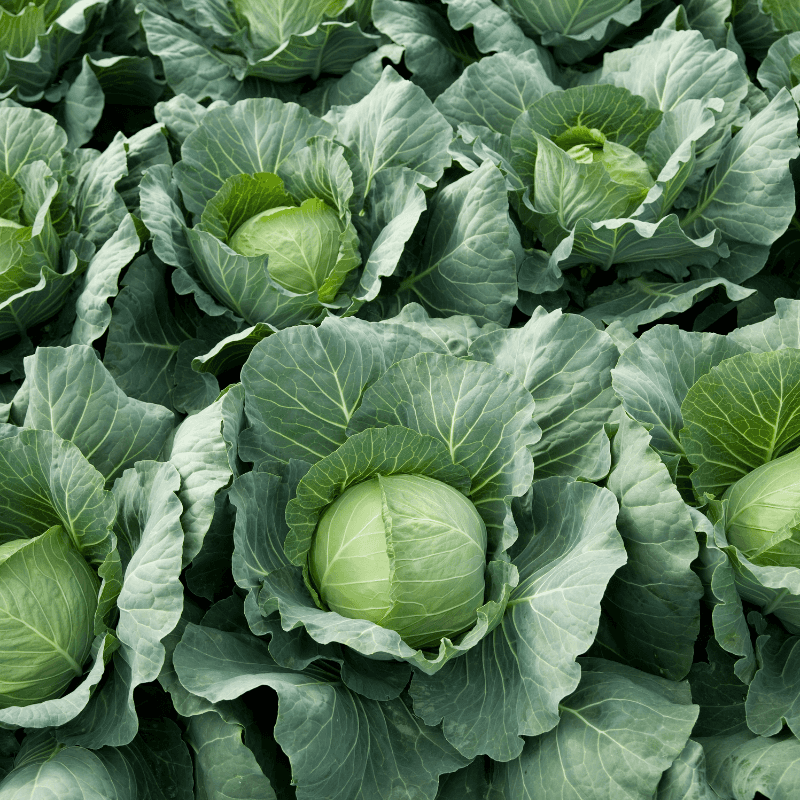
Brussels sprout, green cauliflower or broccoli, kohlrabi, Mughlai cauliflower, and Romanesco labels represent different cultivated forms within the broad B. oleracea crop complex.
Pakchoi, tatsoi, Purple Top White Globe, Russian Golden Turnip Petr, and Golden Ball belong in the B. rapa shopping group. Pakchoi and tatsoi records currently lack a scientific name and carry mismatched legacy route text.
China Rose, Full Red Mooli, Purple Sango, and Singra Mongra are radish labels. Singra is offered for edible pods rather than a conventional enlarged root, so harvest purpose matters.
Black, Early Nantes Tip Top, Red Beauty, Vitamin, and Russian Red are cultivated carrot selections within Daucus carota. Compare colour, form, and packet details.
Palak All Green is listed as Spinacia oleracea. It is a leafy crop outside Brassicaceae and should have its own sowing, rotation, and pest plan.
Green Globe artichoke belongs to the Cynara cardunculus complex and needs more space and a longer establishment period than compact brassica crops.
Most listings fit cool-season vegetable planning, but they differ in establishment method, spacing, and time in the bed. Local climate and the verified variety remain decisive.
Broccoli or cauliflower types, Romanesco, Brussels sprouts, and kohlrabi need more bed space than baby greens or small radishes. Many growers start these crops as transplants, but the exact schedule is climate-specific.
Pakchoi, tatsoi, and spinach can be harvested as leaves at different stages. Heat can accelerate bolting, so use a locally suitable sowing window and avoid a universal calendar.
Carrots, turnips, and conventional radishes benefit from loose seedbeds, steady moisture, and timely thinning. Root shape and colour must come from the exact stock identity, not the category group.
Singra Mongra is selected for radish pods. Do not harvest or space it as though the enlarged root were the main crop.
Artichoke can behave differently from the annual vegetables here and may require a longer, climate-dependent establishment plan.
Label each sowing and group crops by family, harvested part, and local season. Exact depth, spacing, temperature, and maturity should come from a verified crop or cultivar source rather than legacy marketing copy.
Keep Brassicaceae rotation records separate from carrot, spinach, and artichoke. This reduces the risk of treating unrelated crops as hosts for the same family-specific problems.
Use a loose, stone-free seedbed for carrots, radishes, and turnips. Keep the surface evenly moist during establishment and thin seedlings before crowding limits root development.
Plan wider spacing for Brussels sprouts, cauliflower or broccoli forms, Romanesco, and kohlrabi than for small leafy greens. Maintain airflow and inspect young plants regularly.
Short-season radish and leafy crops may support repeat sowings in a suitable cool window. Do not transfer that strategy automatically to Brussels sprouts, artichoke, or an unidentified stock.
Cool-season quality can fall in excessive heat, while drought stress can make roots tough or woody. Match sowing dates to local conditions and water the root zone consistently without waterlogging.
Broccoli, cauliflower, Brussels sprouts, kohlrabi, pakchoi, tatsoi, turnips, and radishes can share Brassicaceae disease and pest concerns. Carrot, spinach, and artichoke need separate rotation histories.
Record Brassica and radish crops together when planning a family-based rotation, including brassica cover crops that may carry the same problems.
Do not count carrot, spinach, or artichoke as a break crop until their own family and local disease history are considered.
Resolve uncertain product identities before saving seed, making rotation promises, or diagnosing a family-specific issue.
Review the live packet details, crop-group notes, and current availability, then choose a listing suited to your season, bed space, and intended harvest.
No. Carrot, spinach, and artichoke are outside Brassicaceae. The category retains its existing catalog name while this guide separates the actual plant groups.
They are cultivated forms associated with the broad Brassica oleracea crop complex, but their harvested parts, spacing, and crop timing differ.
No. Artichoke belongs to Cynara in Asteraceae. The CRU4 product description conflicts with its title and scientific field and should be corrected separately.
They are different families, but a useful rotation plan also considers local pests, diseases, cover crops, and recent bed history. Family identity is the starting point, not the entire plan.