
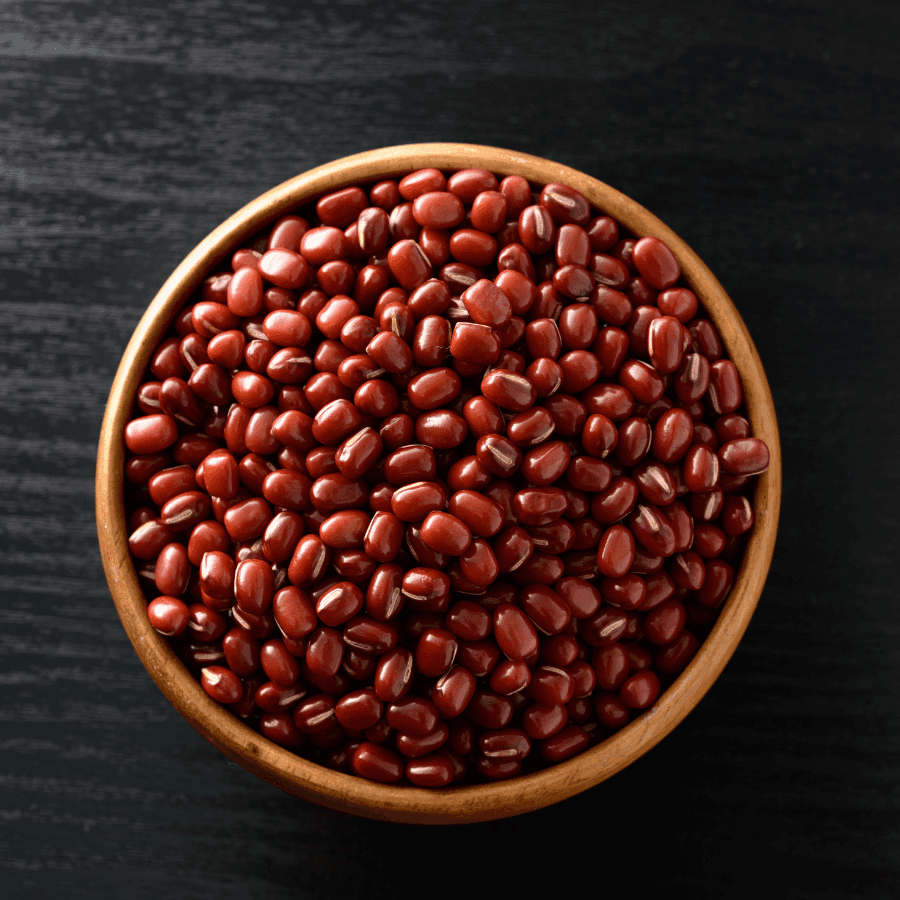
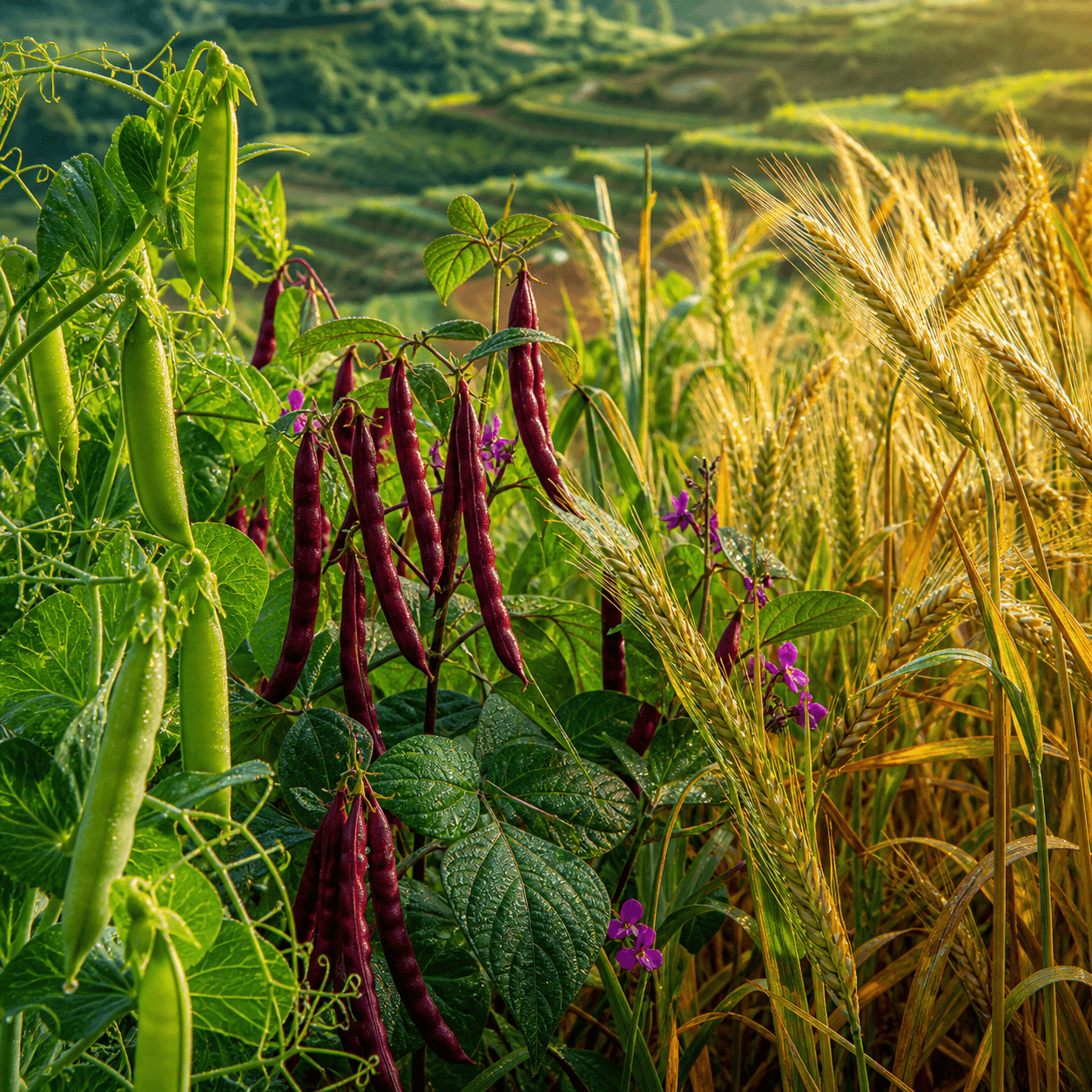
Bean, pulse, grain and field-crop collection
Compare 44 beans, pulses, millets, rice, sorghum, quinoa, buckwheat, flax, sesame, and peanut listings by planting identity.
This shelf combines legumes, true grasses, pseudocereals, and oilseed crops. They differ in temperature, moisture, support, pollination, harvest, and food-safety requirements. Confirm that the packet contains viable planting material and that its species matches the title before sowing.
62 active seed listings with current packet options and USD prices.
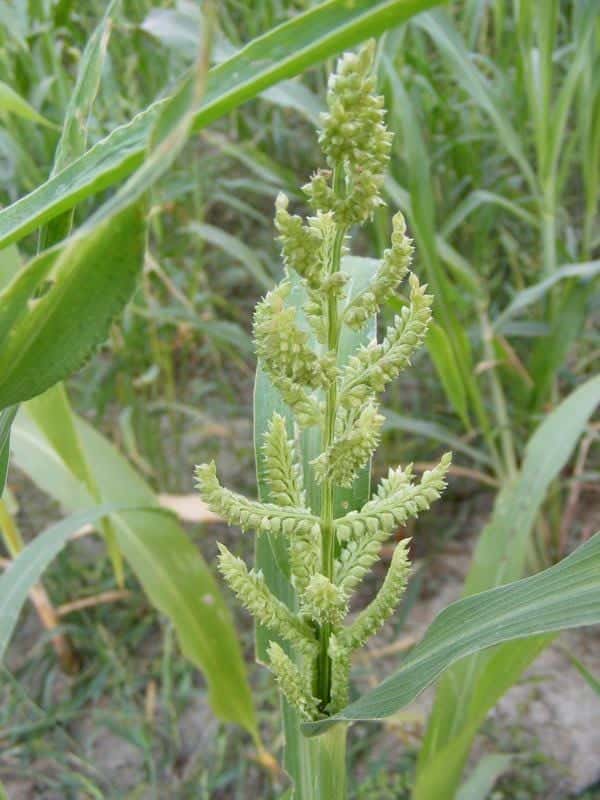
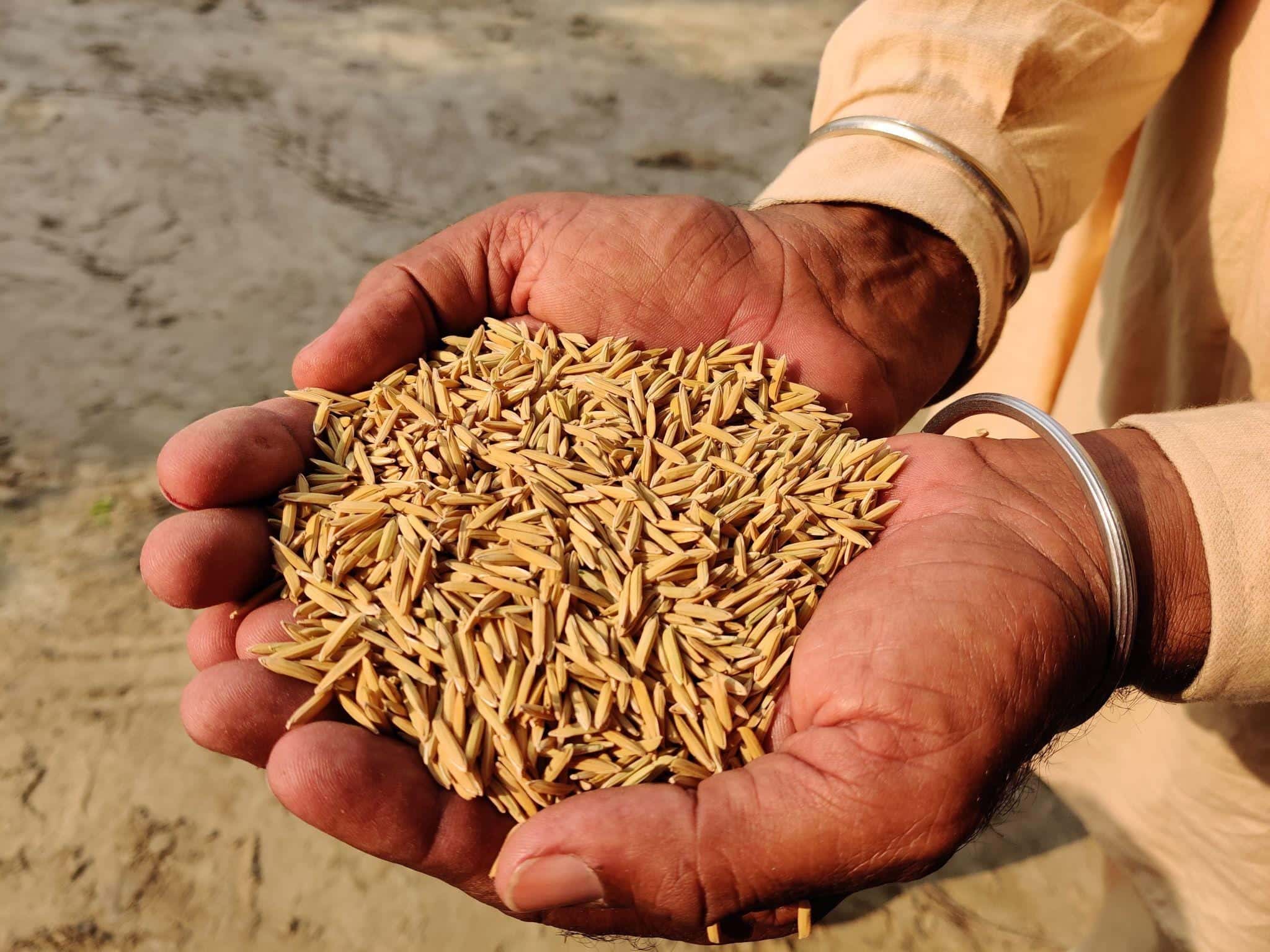
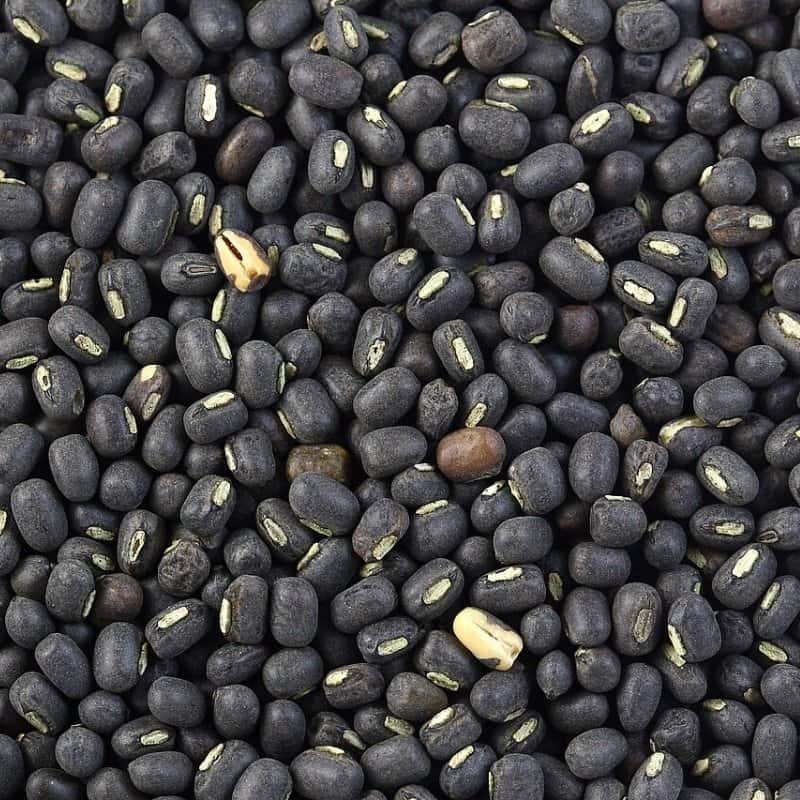
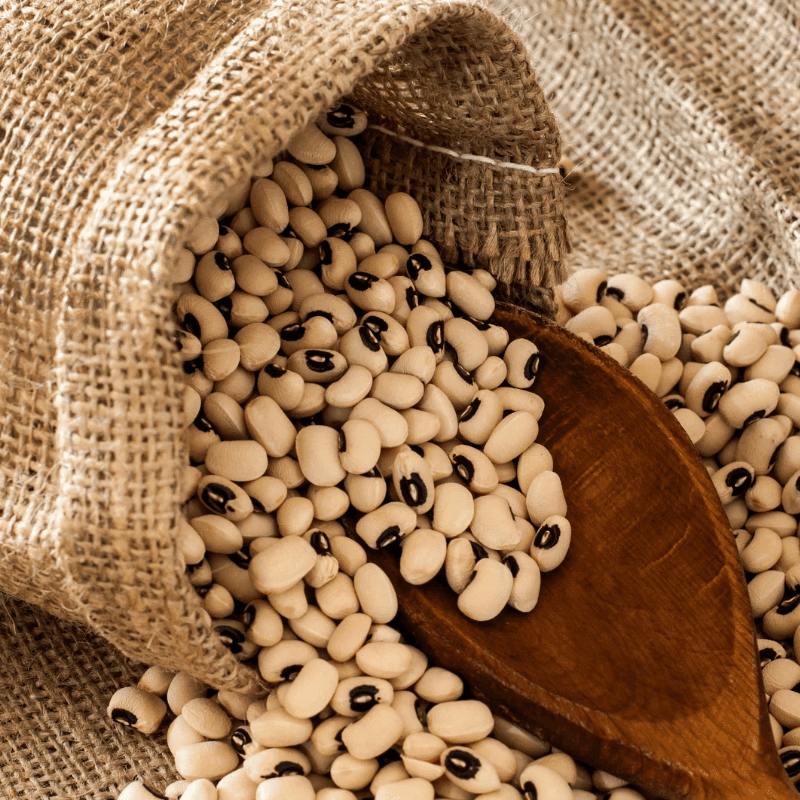
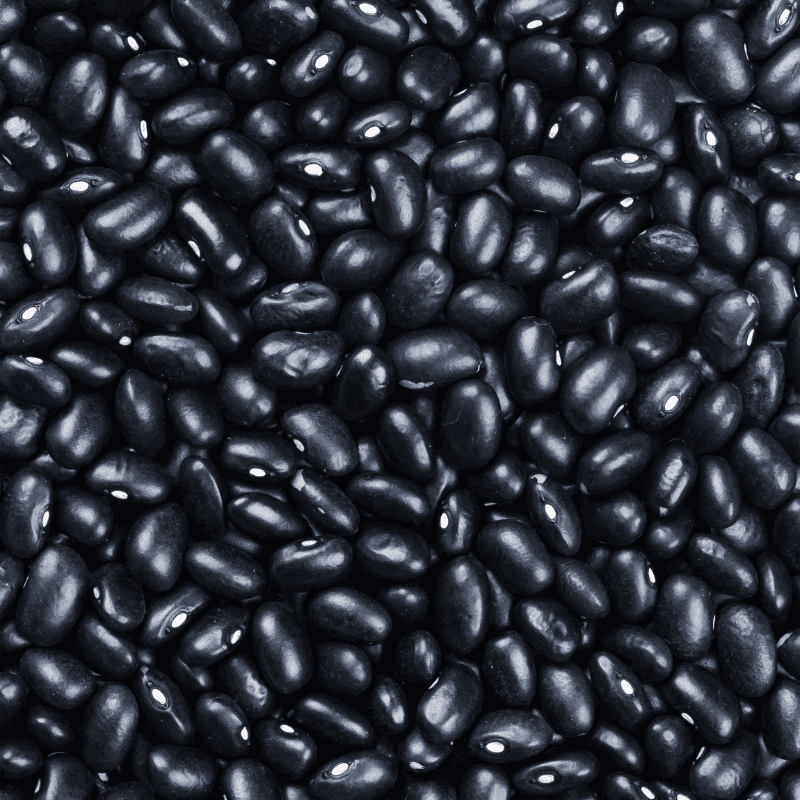
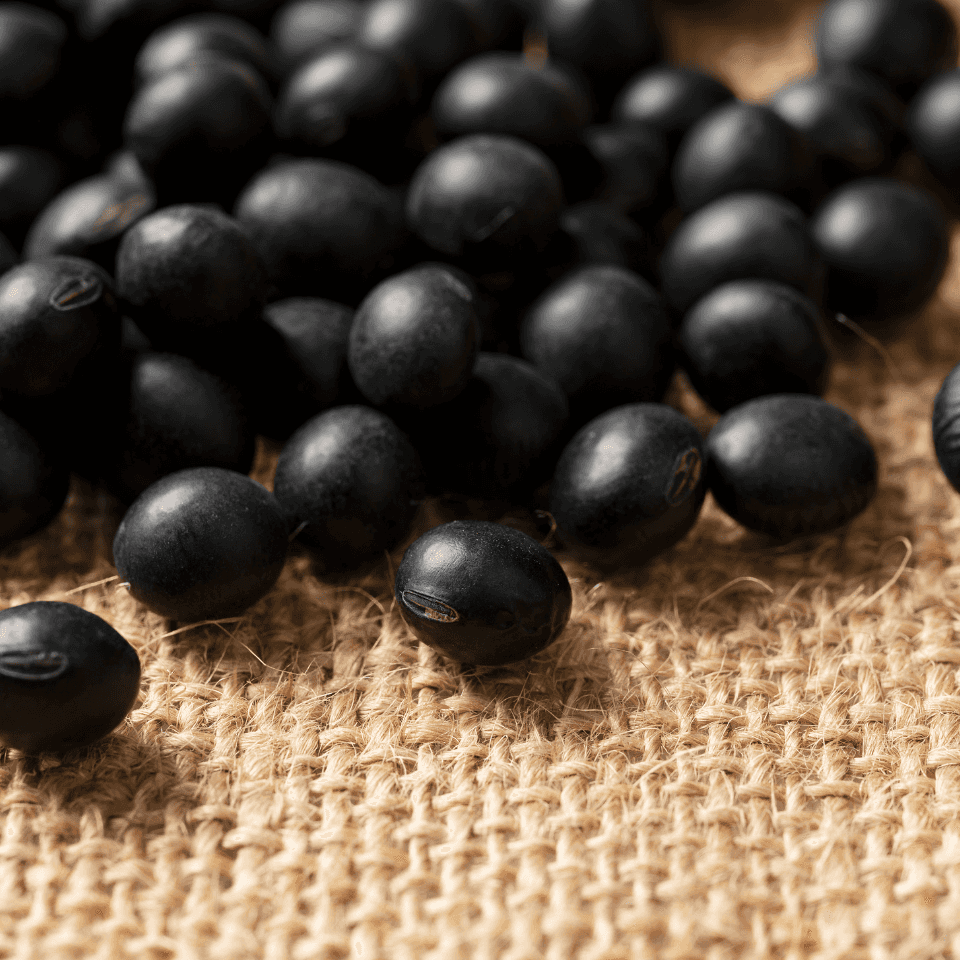
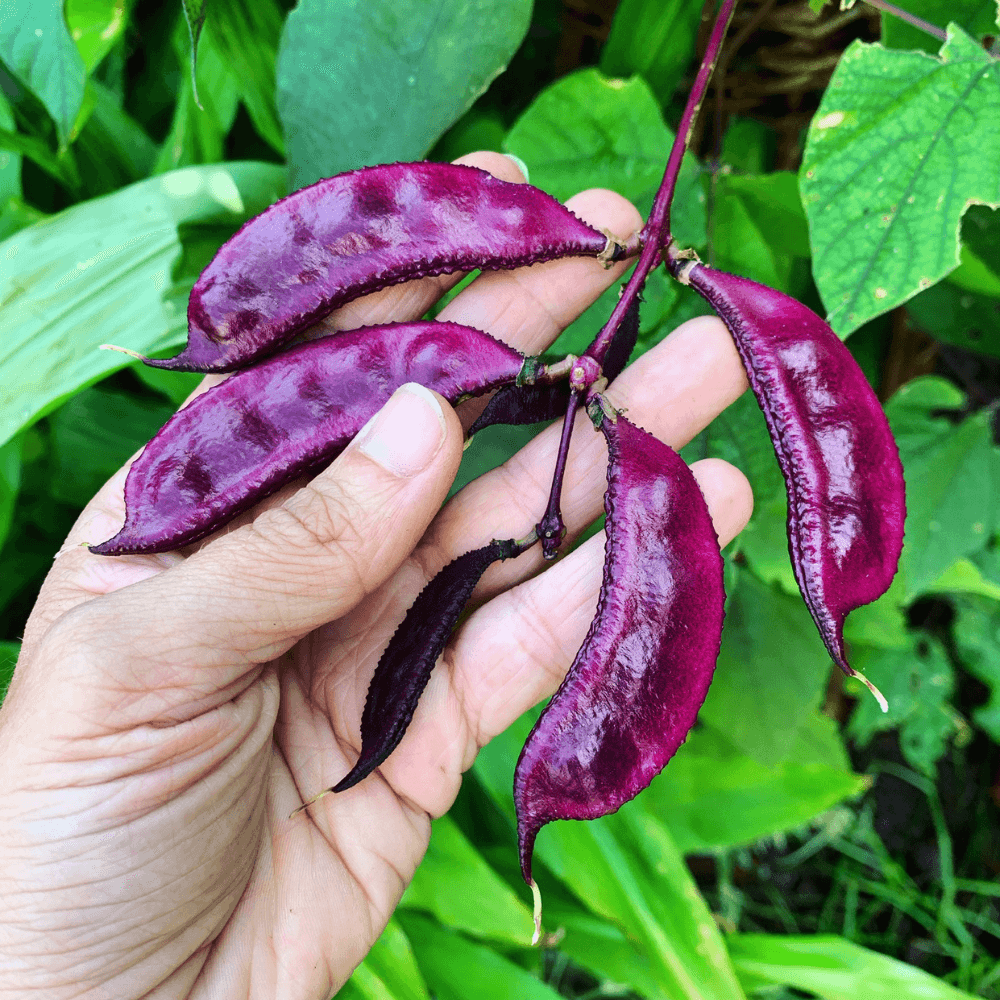
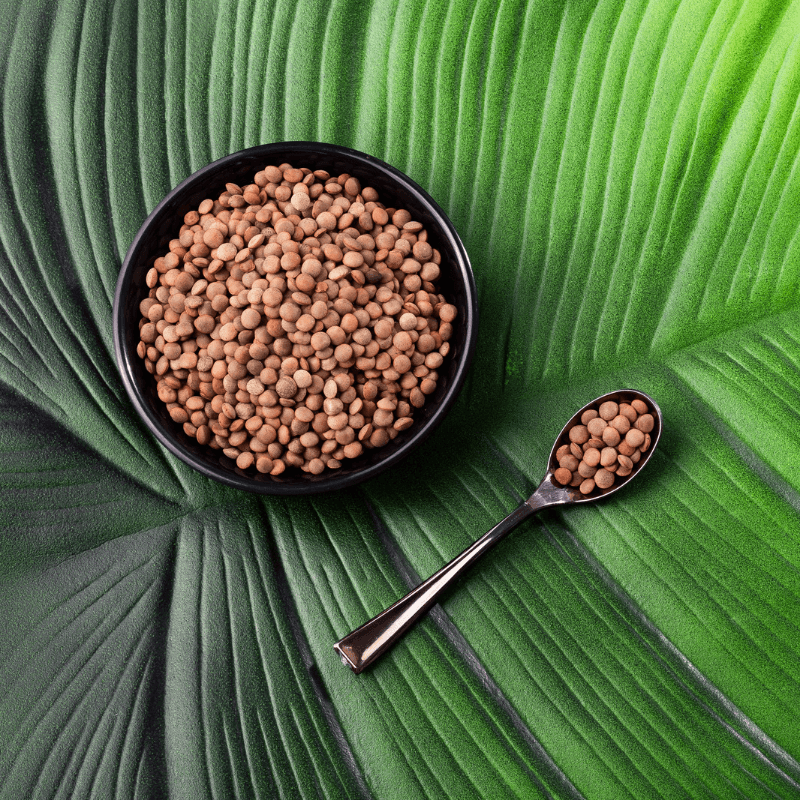
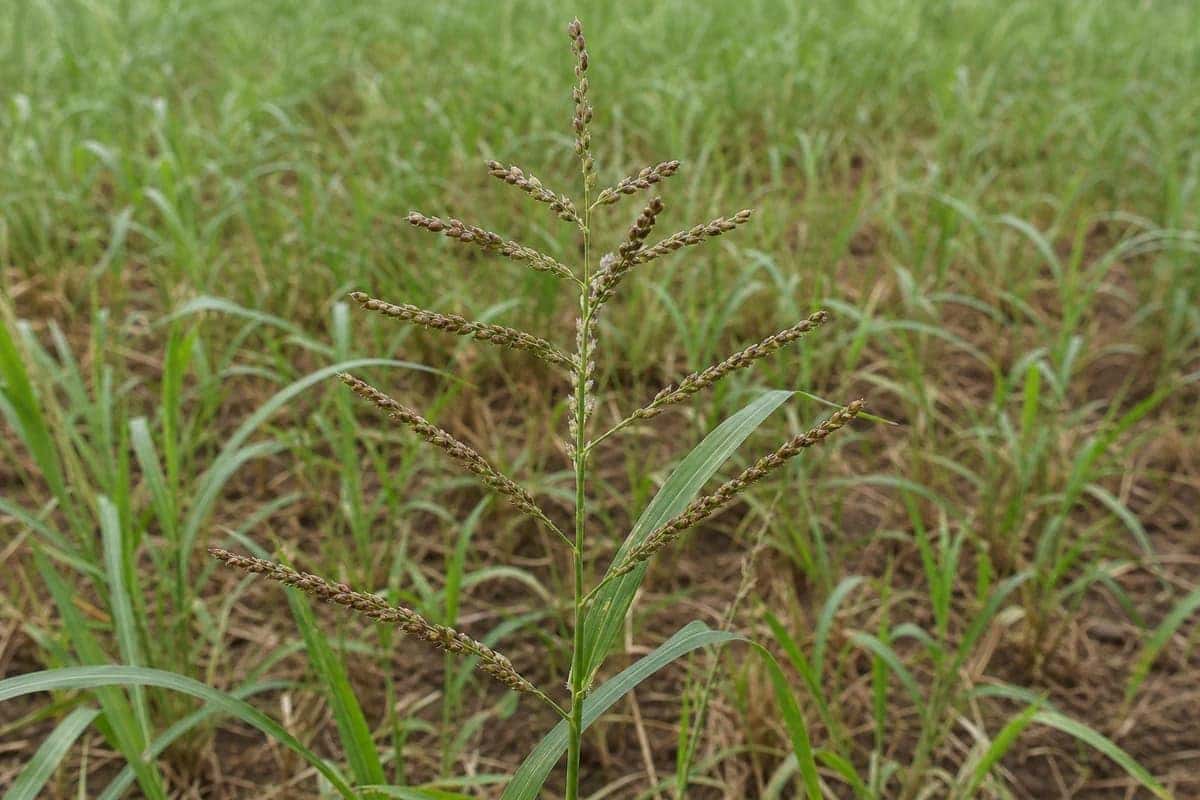

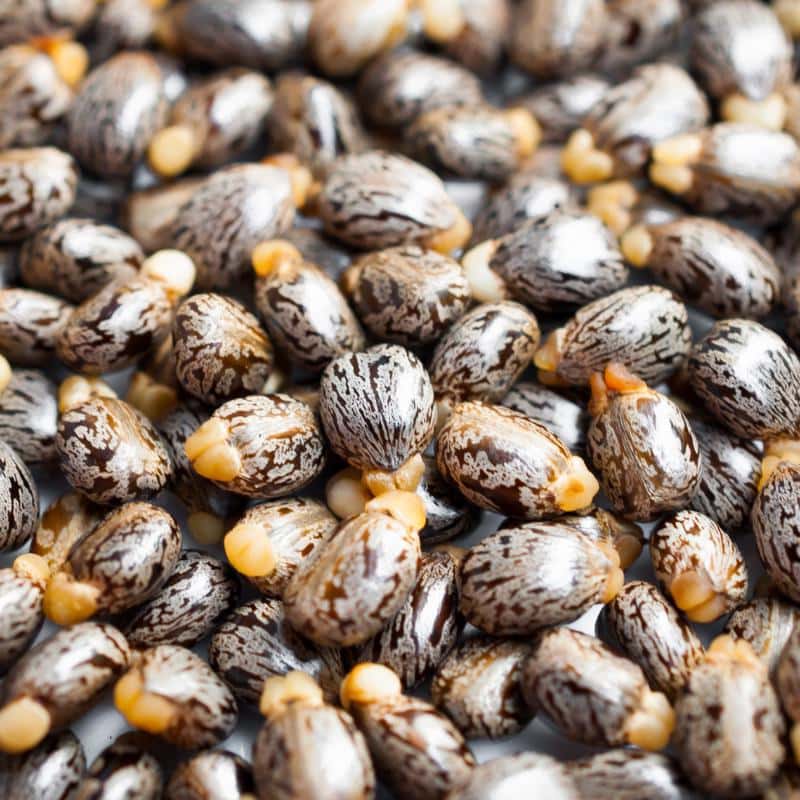
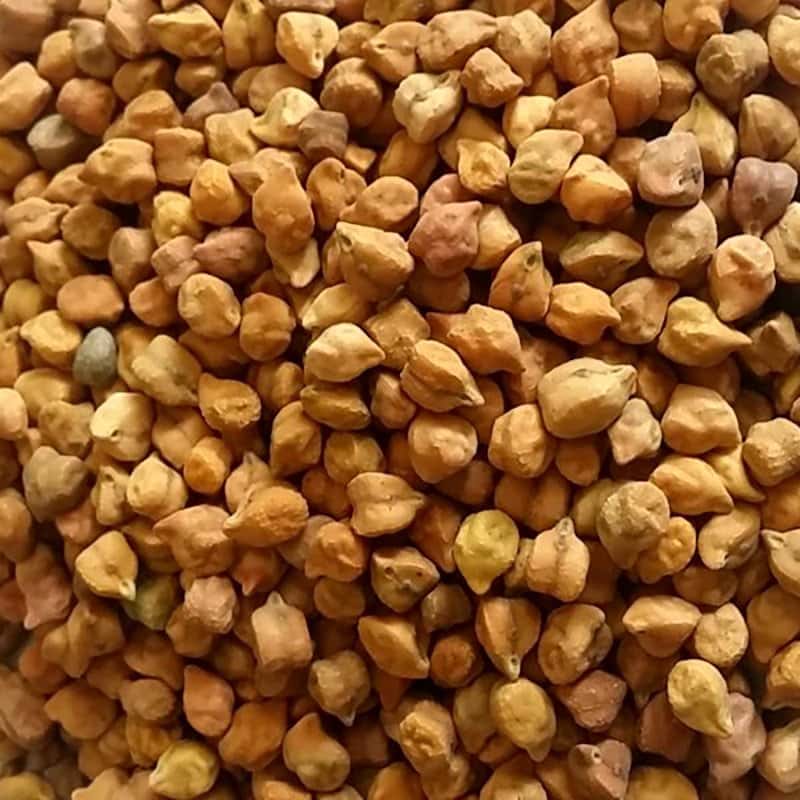
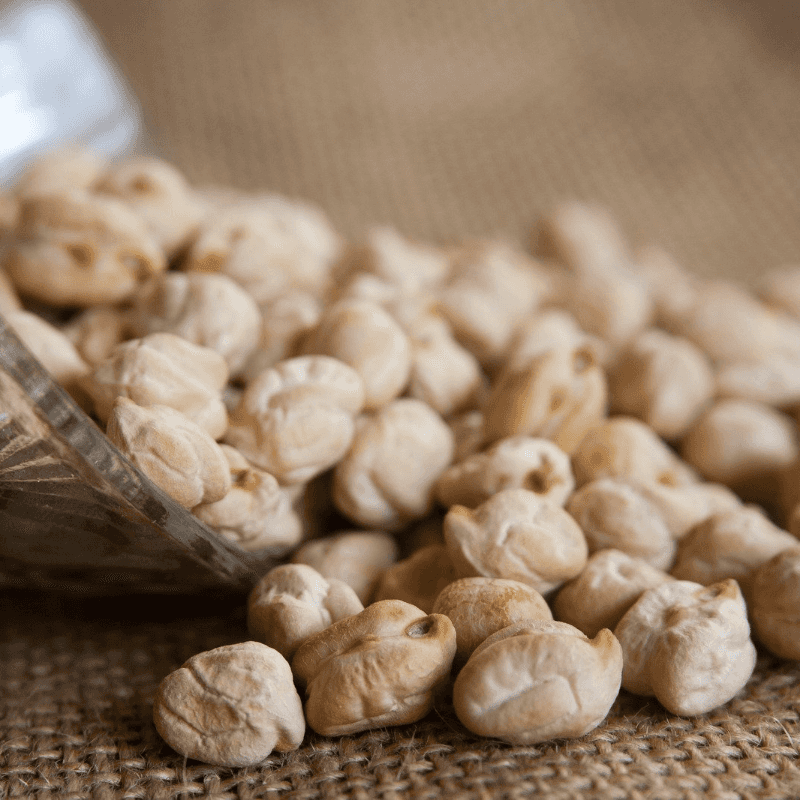

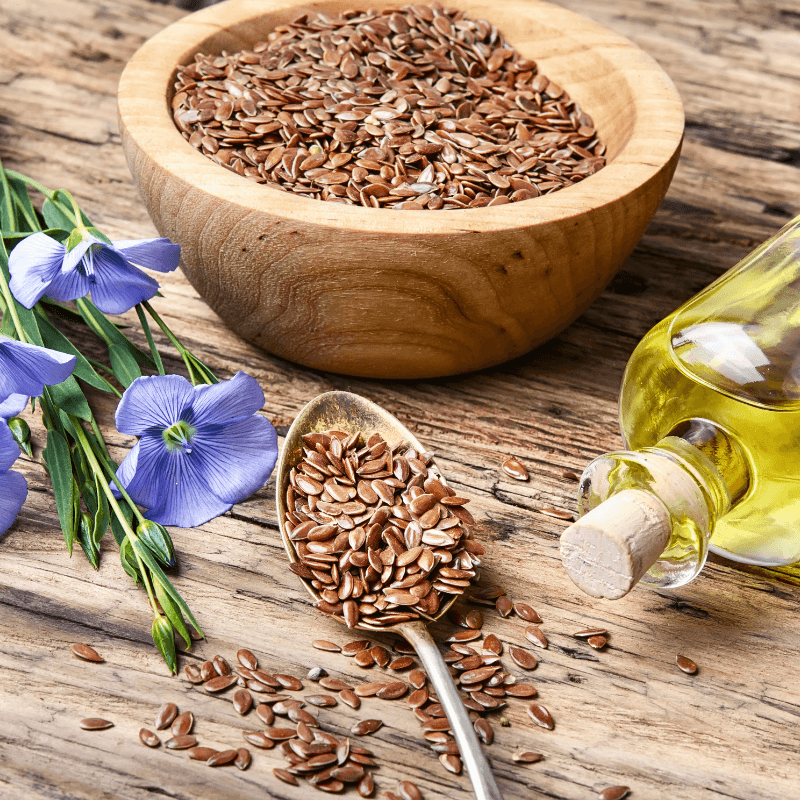
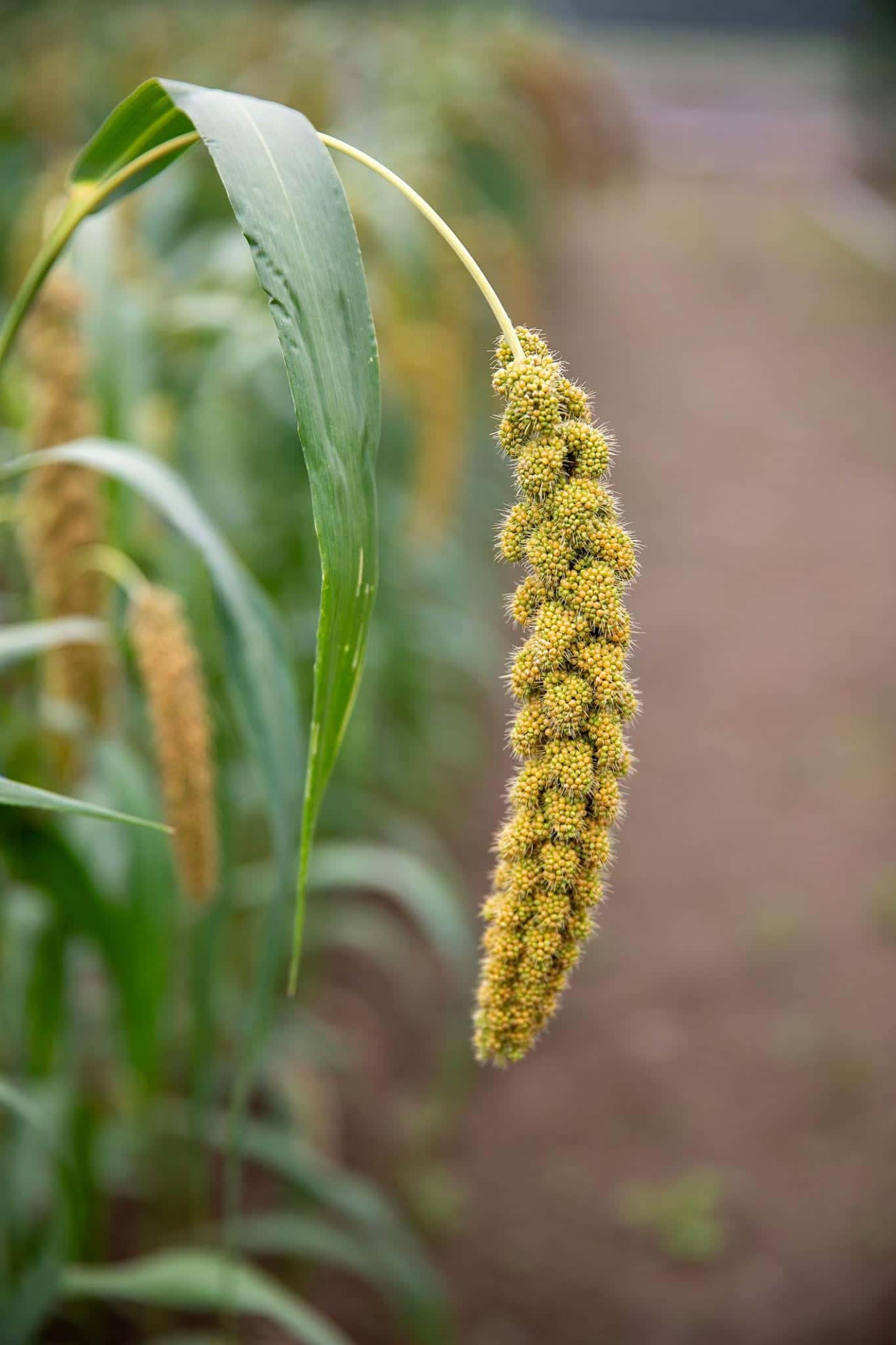
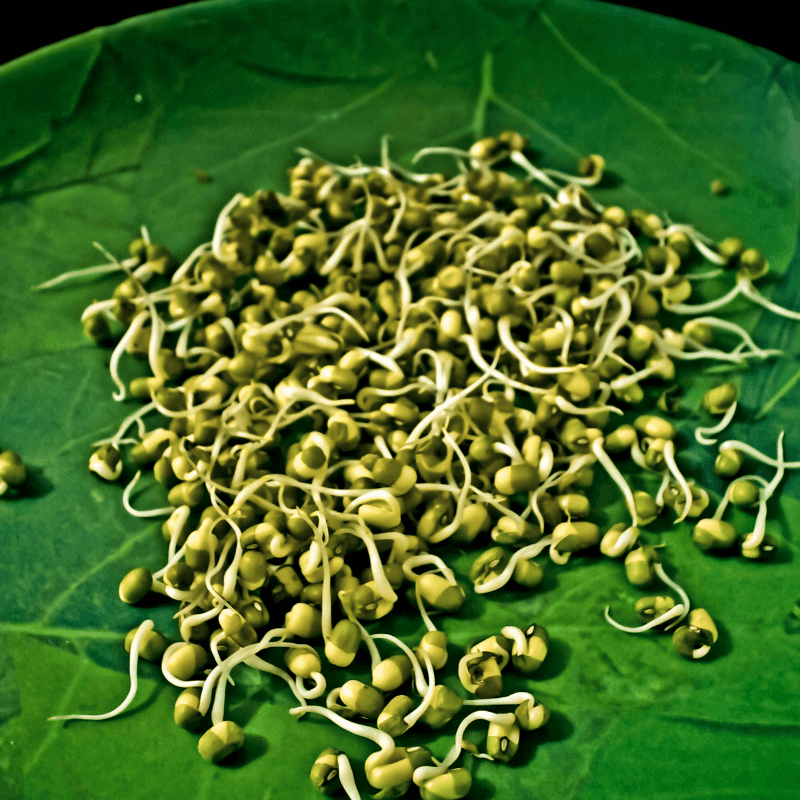
Use the live cards to compare packet quantities, prices, availability, crop groups, and the space each selection needs.
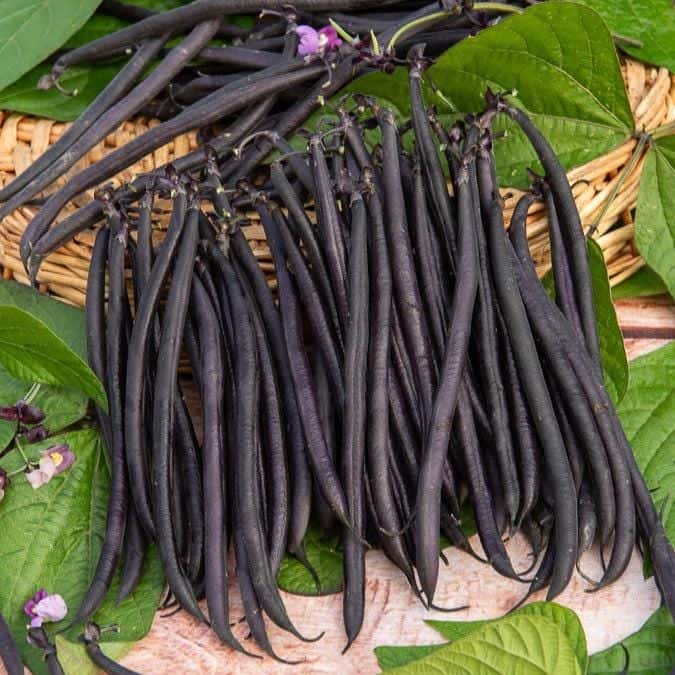
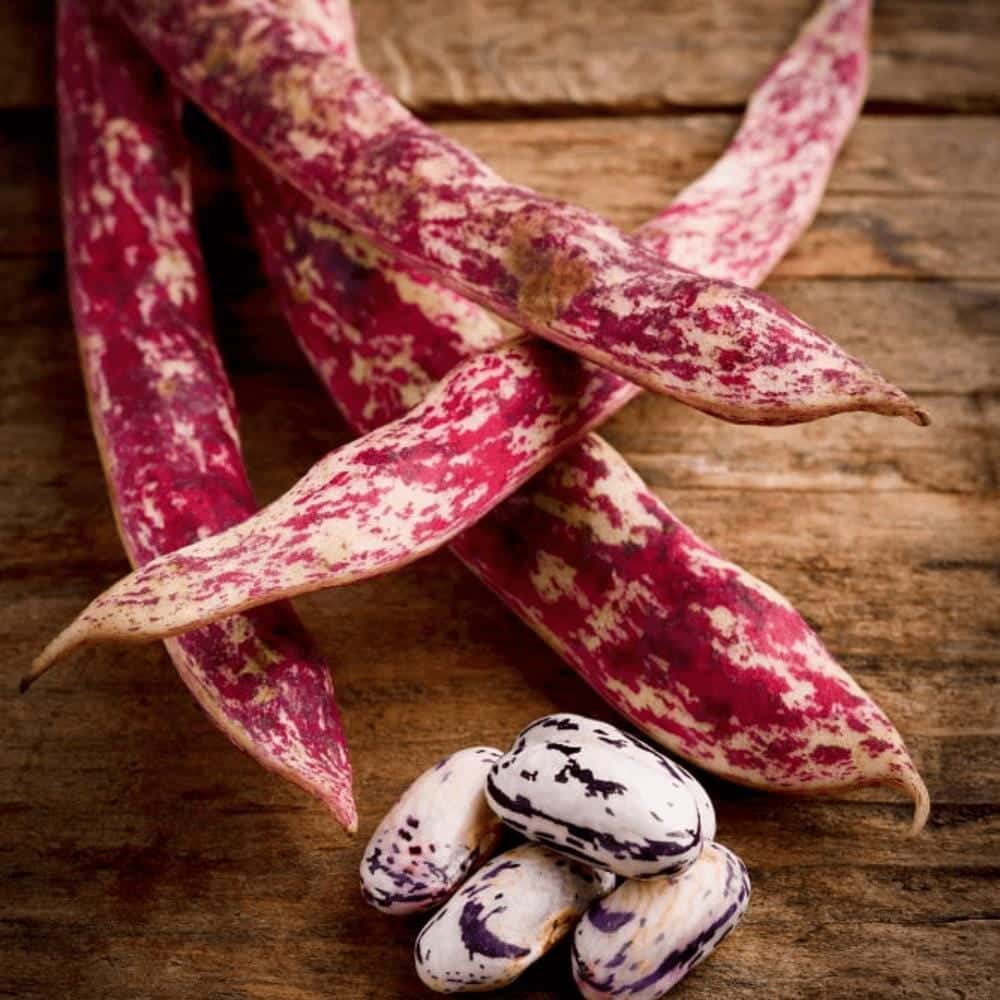
Anupama black, black rajma, Kashmiri yellow rajma, Munsyari, purple pod, Chitra, Jammu, red double, red rajma, Roshni, navy, and white rajma are labeled Phaseolus vulgaris, with one Joshimathi record still carrying an invalid identity.
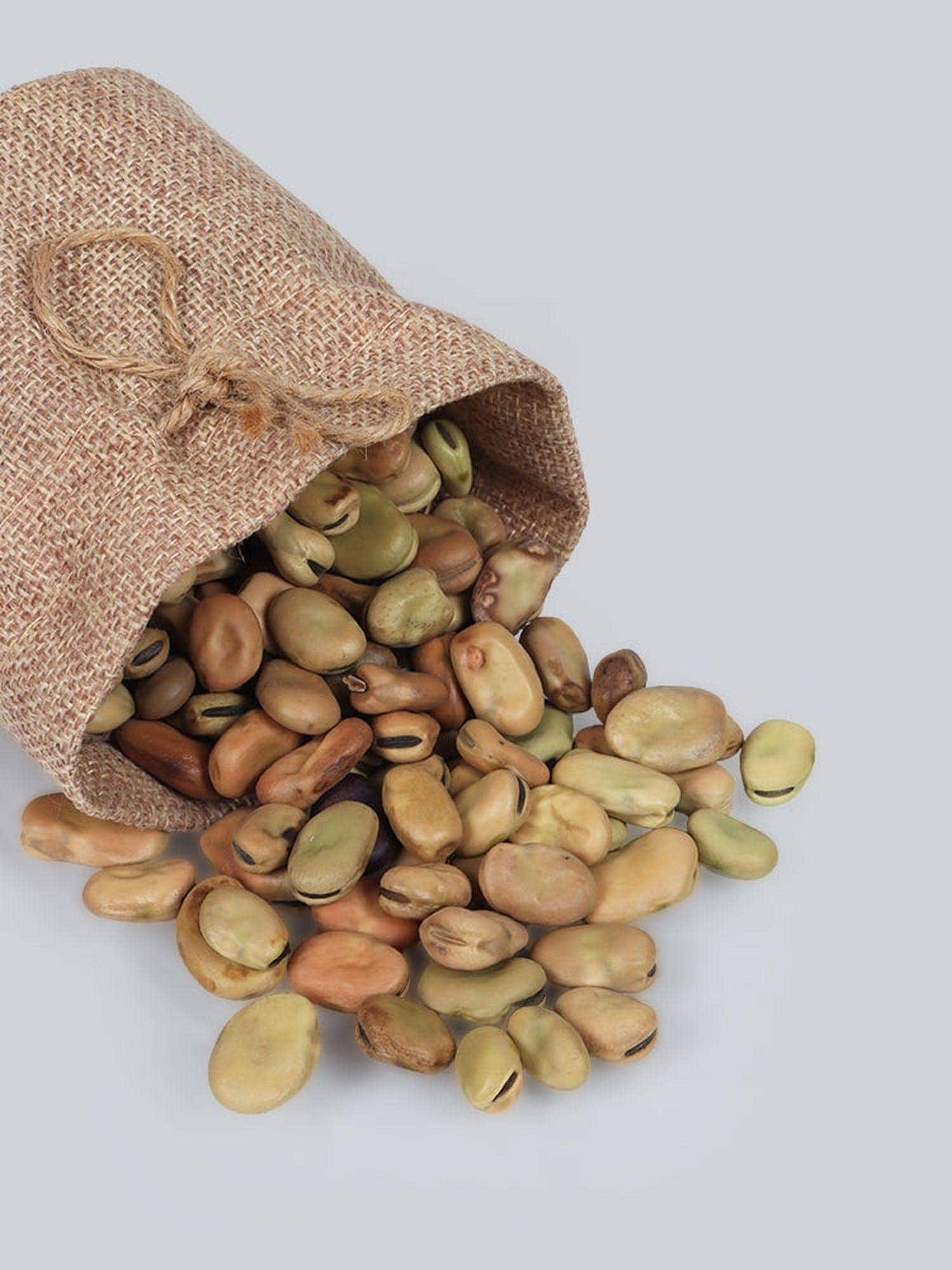
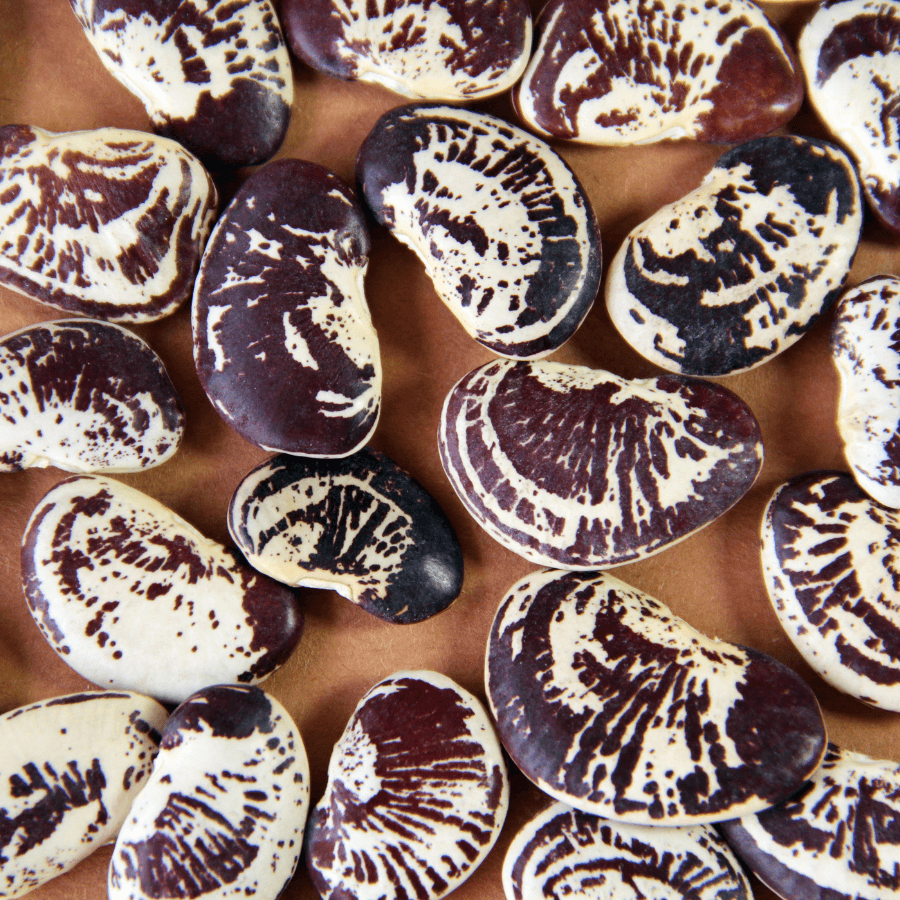
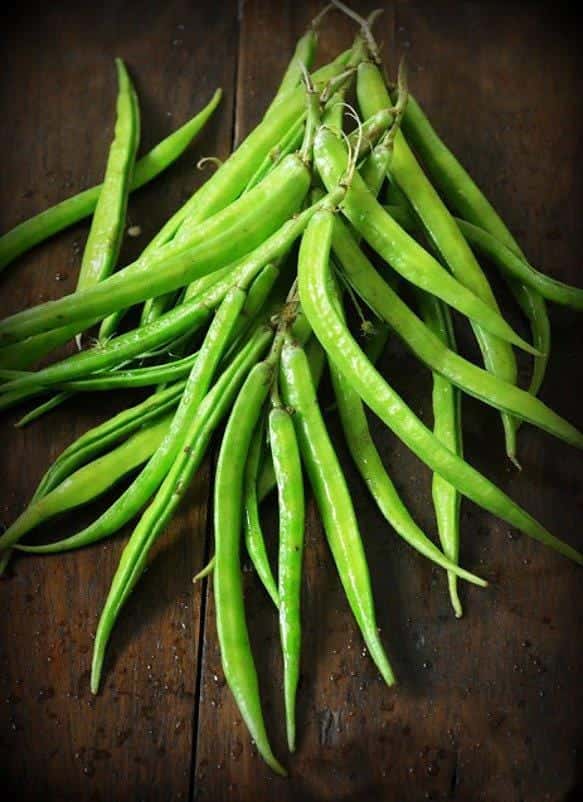
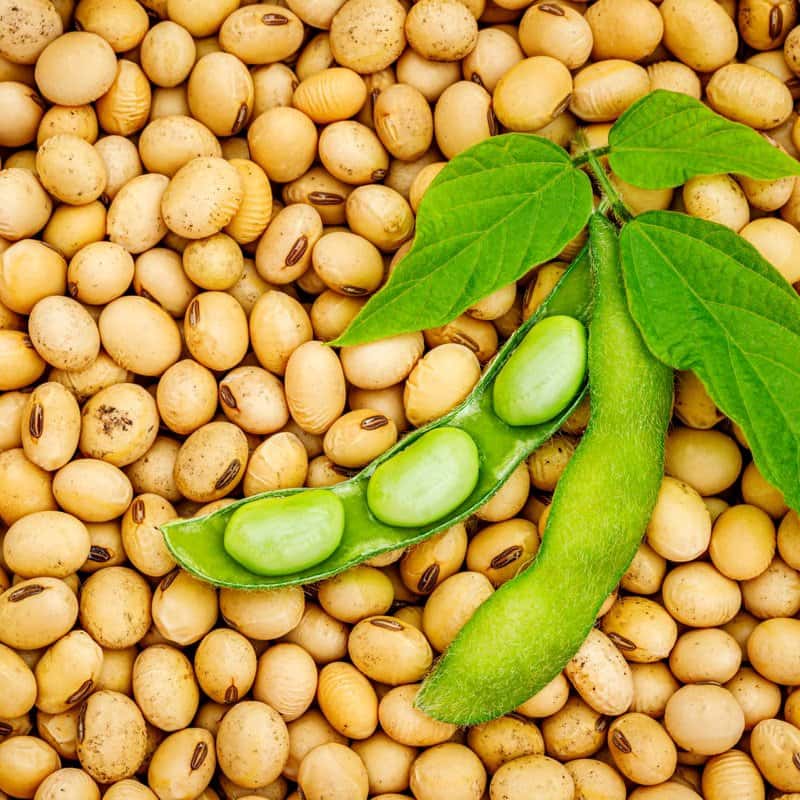
Christmas lima, big white lima, and small lima belong in the Phaseolus lunatus group. Chickpea, lentil, mung, moth bean, horse gram, soybean, fava, cluster bean, and peanut each need their own species and season.
Pearl millet has a species-level Cenchrus americanus record. Barnyard, browntop, foxtail, and kodo millet are still blank at species level; Basmati is only Oryza; Riceberry is Oryza sativa; and sorghum-sudangrass lacks a scientific field.
Black and white quinoa are Chenopodium quinoa. Buckwheat lacks a scientific field, while flax and white sesame are labeled Linum usitatissimum and Sesamum indicum. These are not all cereals botanically.
A bean trellis, a rice trial, and a millet or quinoa plot are different projects. Use local extension guidance for the confirmed crop rather than a single field-crop calendar.
Phaseolus stock labels do not always state growth habit. Confirm whether support is needed before setting row spacing or assigning a container.
Soybean, mung, moth bean, cluster bean, lima bean, peanut, and many common beans are sensitive to cold conditions, but their heat, moisture, and day-length responses are not identical.
Chickpea and lentil often follow a different seasonal path from tropical pulses. Regional sowing windows and disease pressure should guide the decision.
Millet, sorghum, and rice differ in water use, mature height, lodging risk, and harvest equipment. Do not infer paddy culture for every rice project or grain use for an unidentified forage line.
These broadleaf crops are not interchangeable with cereals. Confirm species, local adaptation, isolation needs, and harvest purpose separately.
Keep packet and lot information, test a small number of intact seeds, and document emergence before committing a bed or field. Use crop-specific soil tests and local advice for fertility and water management.
Reject split, polished, cooked, mouldy, or otherwise processed material as a planting assumption. Resolve conflicting species and label every trial.
Separate warm-season beans, millets, sesame, and sorghum from cooler-season pulses and climate-sensitive grain projects. Use local soil temperature and frost conditions.
Confirm bush, climbing, twining, or tall grass habit. Leave room for airflow, inspection, harvest, and any trellis before vigorous growth begins.
Legumes rely on compatible rhizobia for biological nitrogen fixation. If inoculation is appropriate, select a product matched to the exact legume rather than assuming one inoculant fits every bean and pulse.
Track planting lot, field observations, harvest identity, and any post-harvest processing. A successful plant does not by itself establish culinary safety or variety purity.
Do not eat seed from planting packets. After harvest, use a verified species and an established food-safety method; allergies and naturally occurring toxins still apply.
FDA notes that raw or undercooked beans can contain high levels of phytohaemagglutinin, especially kidney beans. Planting material must never be tasted as a germination test.
Kew's Phaseolus lunatus profile notes cyanogenic compounds in lima beans. Do not eat raw beans; planting seed is not food, and harvested beans require proper preparation.
Peanut, soybean, sesame, and other crops can be important allergens. Keep packets and harvested lots clearly separated and labeled.
Sorghum-sudangrass and other field crops require livestock-specific harvest and stress guidance. Do not feed a crop merely because a seed packet is filed under cereals.
Review the live packet details and identity notes, then shortlist only intact, confirmed planting seed suited to your season, available space, and intended crop use.
No. The collection also includes quinoa and buckwheat pseudocereals plus flax, sesame, and peanut oilseed crops. Botanical and field-use groups overlap but are not identical.
A split or dehulled pulse is not intact seed and should not be assumed viable. LEG65 explicitly says split chickpeas, so planting suitability must be verified before sale claims or sowing guidance.
Big White and Small Lima are labeled Phaseolus lunatus. Christmas Lima uses the legacy Phaseolus limensis wording; current guidance anchors the broad lima group to P. lunatus without promising identical growth habit.
No. FDA warns that raw or undercooked beans can contain harmful phytohaemagglutinin. Planting seed should never be eaten, and harvested food needs a verified identity and proper preparation.