

About this variety
Pakchoi seed for leafy-brassica gardens
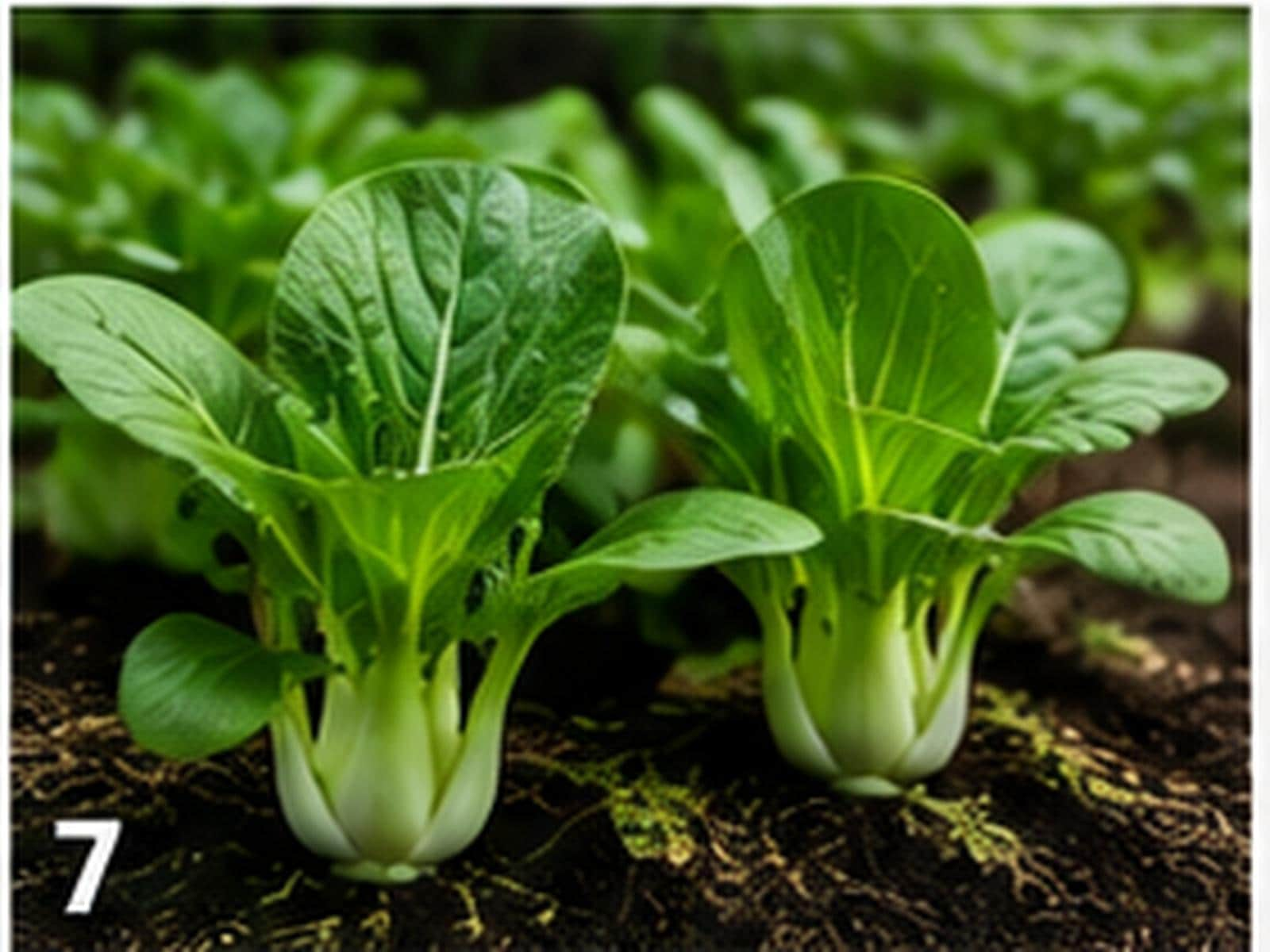
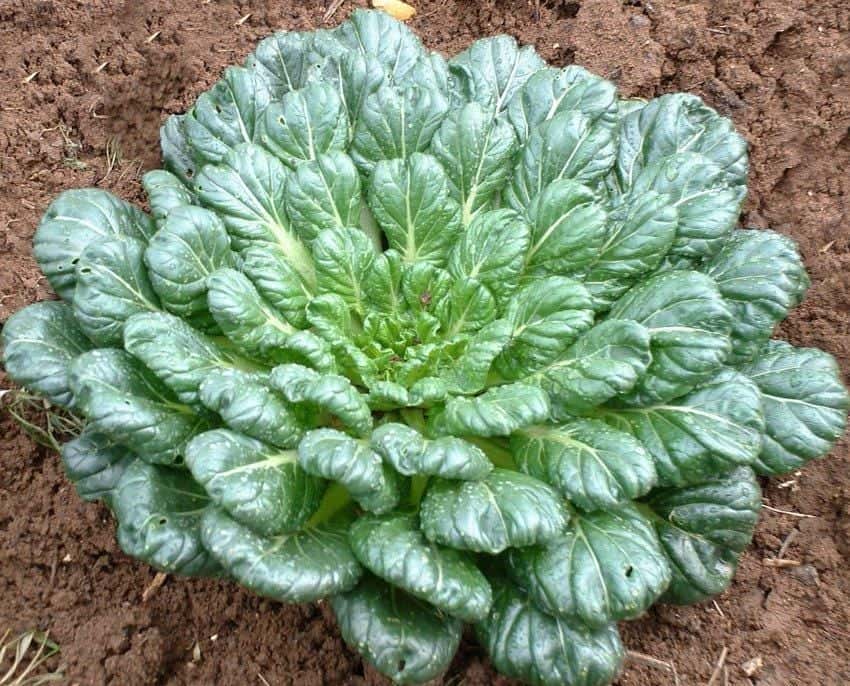
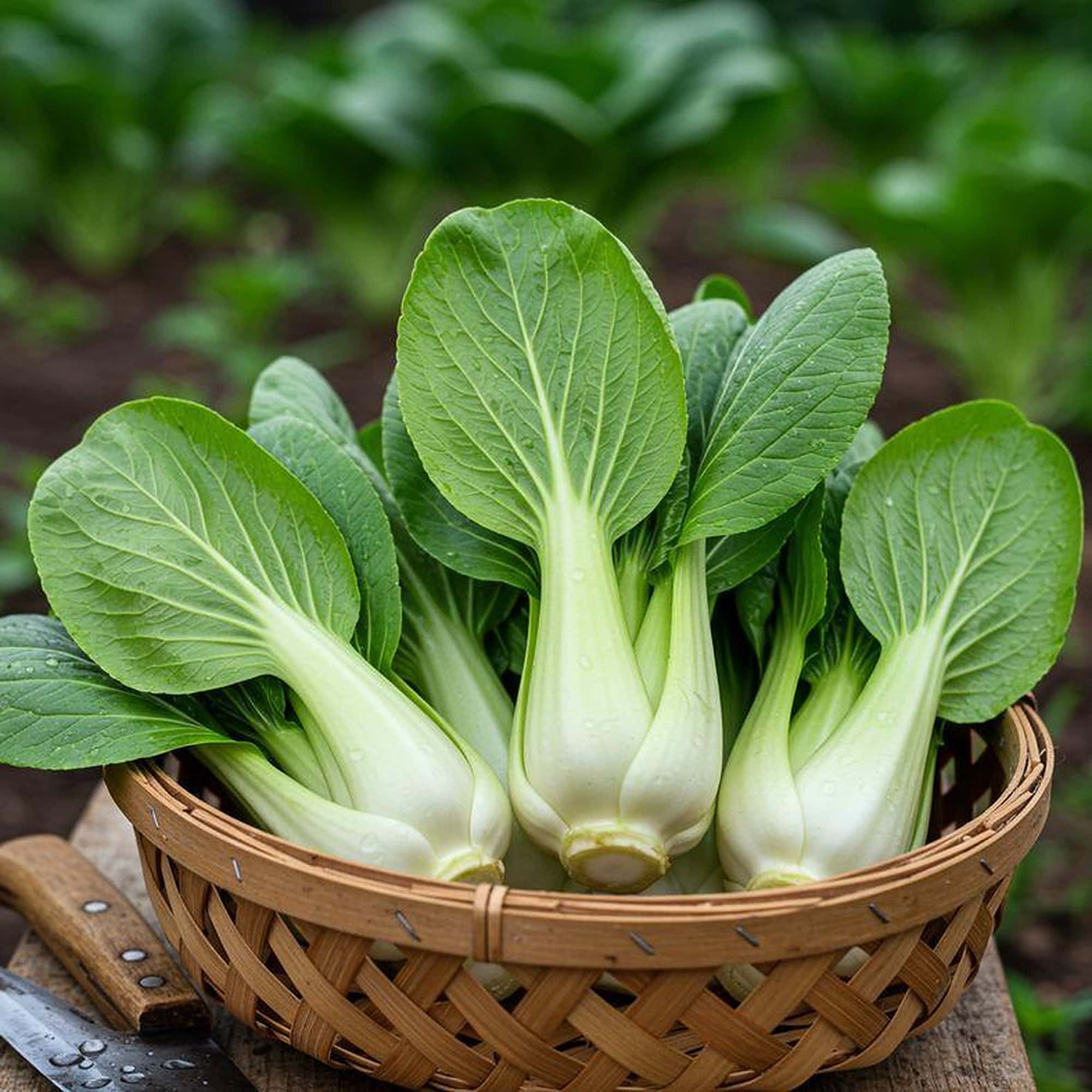
Pakchoi is a leafy Asian brassica grown for a cluster of leaf blades and fleshy leaf stalks. This seed lot is sold simply as Pakchoi. Brassica rapa subsp. chinensis is treated as a synonym of the accepted species Brassica rapa, so the accepted species is used for the Scientific Name. The listing does not assign a named cultivar, white- or green-stem form, certification or guaranteed maturity date.
Preparing to sow
Use a fine, clean and freely draining medium for trays, or prepare a level outdoor seedbed. Sow shallowly, water without washing the seed away and maintain even moisture during emergence. Direct-sown seedlings should be thinned before they become crowded. Final spacing depends on whether the crop is intended for baby leaves or larger plants and on local growing conditions.
Growing conditions
Pakchoi is normally managed with other cool-season brassicas. Choose a sowing window using local frost dates and expected heat rather than a universal calendar. Provide bright light, regular moisture and airflow, but avoid persistently waterlogged soil. Indoor-raised seedlings should be acclimated gradually before moving to an exposed garden bed.
Water and nutrition
Maintain reasonably even soil moisture as leaves and stalks develop. Containers may dry faster than an open bed, so assess the medium rather than watering only by calendar. Base fertilizer and pH decisions on a soil or growing-medium test where possible. Excess fertilizer is not a substitute for good light, spacing and root aeration, and concentrated products should not contact young roots.
Routine observation
Check plants for chewing damage, sap-feeding insects and discoloured leaves, including the sheltered inner growth. Use sanitation, crop rotation and locally approved integrated-pest guidance instead of assuming a universal treatment. No resistance to a particular pest or disease is claimed. Record any intervention when comparing plant performance, because treatment differences can otherwise be mistaken for varietal differences.
Observation and harvest
Monitor leaf colour, pest pressure and moisture as plants develop. Leaves may be harvested at different stages according to the grower’s purpose. Temperature, spacing and day length influence growth, so no fixed harvest interval or plant size is promised. Record the sowing date and growing conditions when comparing this packet with another pakchoi selection.
What the identity does not claim
The accepted species Brassica rapa covers several cultivated vegetable forms. The product name Pakchoi identifies the marketed crop, but it does not establish a registered cultivar or a particular stem colour.
Storage
Keep remaining seed dry and protected from heat and humidity. Close the packet after use. Germination and crop performance depend on storage, handling and local conditions.
Local names
Feliki guissi angatanana malandi, Bargeman's Cabbage, Bird's Rape, Birdsrape Mustard, Colbaga, Field Mustard, Rape Mustard, Turnip, Turnip Rape, Tyfon, Wild Mustard, Wild Rutabaga.
Common names of Brassica rapa
All 46 names, languages and regions
Local names
| Mayotte | |
|---|---|
| Feliki guissi angatanana malandi | |
| United States | |
| English | Bargeman's Cabbage, Bird's Rape, Birdsrape Mustard, Colbaga, Field Mustard, Rape Mustard, Turnip, Turnip Rape, Tyfon, Wild Mustard, Wild Rutabaga, Wild Turnip, White Turnip |
| Other places | |
| Latin | Brassica chinensis, Brassica rapa subsp. chinensis |
| English | Bok choy, Braze, Horuhoru, Keha, Korau, Kotami, Mustard Spinach, Pohata, Pora, Powhata, Rape, Rearea, Ruruhau, Rutabaga, Tah Tsai, Tairua, Taumairangi, Wild Rape, bird rape, common mustard |
| Spanish | Alpiste |
| Pak choi, Bok choy, Bok choi, Chinese white cabbage, Chinese chard, Bai cai, field mustard, huachelai, man jing, شلغم-تورپ (Shalgham-turp), 순무 (Sunmu) | |