

About this variety
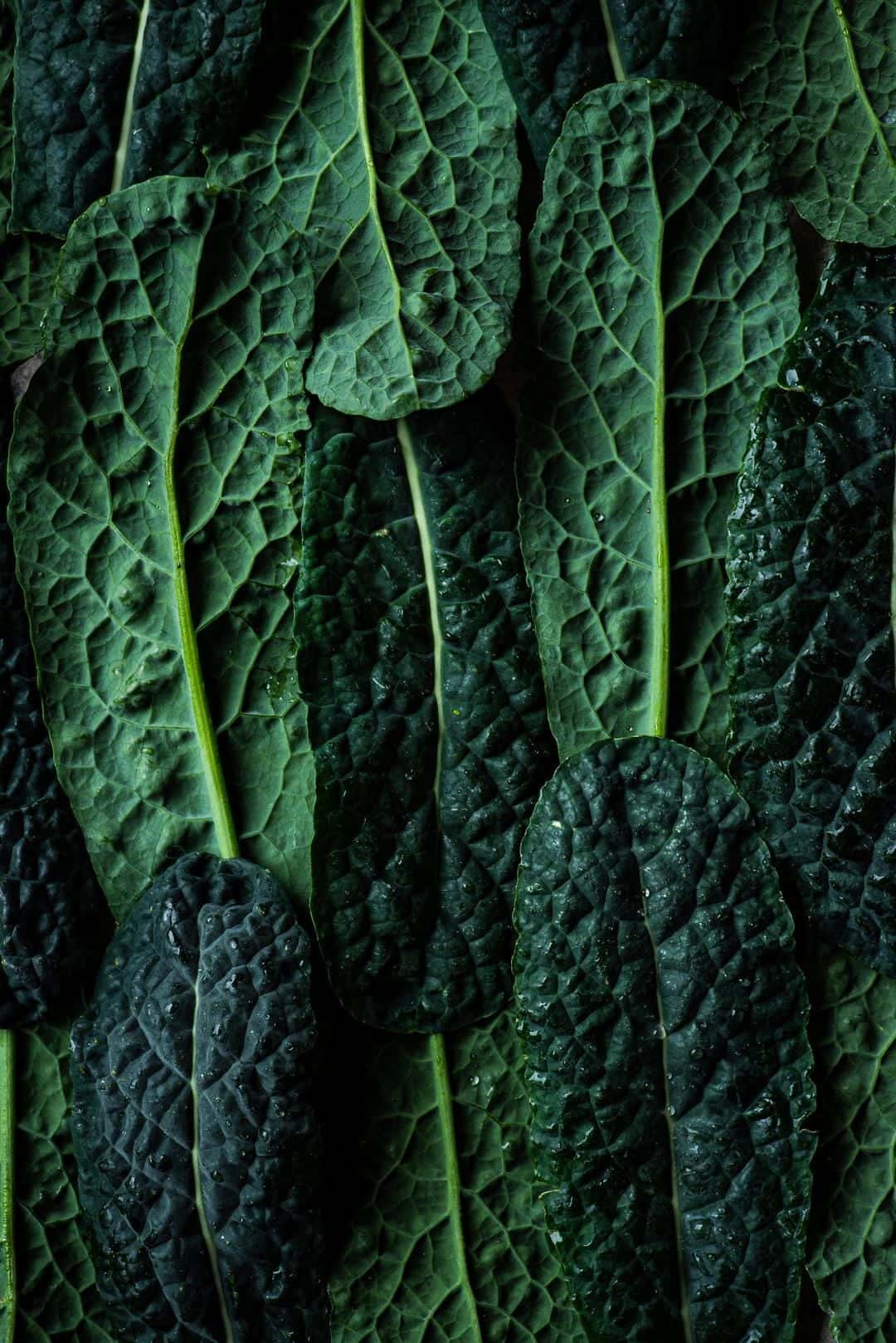
Grow Lacinato black kale from this packet of 100 seeds. Lacinato is a leafy form of Brassica oleracea in the mustard family, Brassicaceae. It is also widely called Tuscan kale or dinosaur kale. The crop is valued for long, dark, strongly textured leaves that can be harvested over an extended period while the central growing point remains intact.
Product Overview: Lacinato kale is a cool-season leafy vegetable suitable for garden beds and sufficiently large containers. Royal Botanic Gardens, Kew accepts Brassica oleracea as the botanical species and places it in Brassicaceae. The packet identity supports the Lacinato name, but growing speed, final plant size, and harvest duration still depend on climate, spacing, soil, and care rather than a universal calendar.
- Botanical name: Brassica oleracea
- Family: Brassicaceae
- Product type: Lacinato black kale
- Crop use: Leaf vegetable
- Packet quantity: 100 seeds
- Current offer: US$2.49 per packet
Growing from Seed
When to sow: Kale is a cool-season vegetable. Illinois Extension recommends spring and autumn planting, but exact dates should follow local temperature and frost patterns. Seed may be sown directly or started in containers for transplanting. For an indoor start, use clean seed-starting mix, provide strong light after emergence, and harden seedlings gradually before moving them outdoors.
Sowing depth: Illinois Extension gives a seed depth range of about 1/4 to 3/4 inch (0.6 to 1.9 cm). Use the shallower end in a fine, reliably moist seedbed and adjust for soil texture and drying conditions. Firm the surface gently, water without washing seed from the row, and keep the medium evenly moist rather than saturated while seedlings establish.
Thinning and transplanting: Thin direct-sown seedlings after they have three or four leaves. If starting in trays, transplant with the root ball as intact as practical. Illinois Extension recommends approximately 12 to 18 inches (30 to 46 cm) between plants in rows about 24 inches (61 cm) apart for full-size garden kale. A closer arrangement can be used for young-leaf harvest, but plants intended to mature need room for light, airflow, and leaf expansion.
Site and Ongoing Care
Light and soil: Choose a sunny position with fertile, well-drained soil. Mix only well-decomposed compost into the bed and use a soil test to guide fertiliser decisions where possible. In containers, use a quality potting mix rather than dense garden soil, and make sure drainage holes remain open.
Water: Water uniformly so growth is not repeatedly interrupted by drought or waterlogging. Check container-grown plants more frequently because their root zone dries faster. A light organic mulch can help conserve moisture and reduce soil splash once seedlings are established, but keep heavy material away from small stems.
Weeding and observation: Control weeds while plants are small and cultivate shallowly to protect roots. Inspect both leaf surfaces regularly. Kale belongs to the cabbage family and may attract common brassica pests, so early observation is more useful than waiting until extensive feeding damage is visible. Choose locally appropriate physical, cultural, or labelled controls if action is needed.
Harvesting Lacinato Kale
Harvest individual outer leaves when they reach a useful size, leaving the centre of the plant to continue producing. Illinois Extension recommends taking the older leaves once they are full-sized. Use clean hands or a clean knife, avoid tearing the main stem, and remove damaged leaves from the bed. Young leaves can also be taken earlier when a smaller leaf is preferred.
Rinse harvested leaves under clean running water and remove the firm central rib when a recipe calls for softer leaf pieces. Lacinato kale can be used fresh or cooked in soups, sautés, braised dishes, and other vegetable preparations. These are ordinary culinary uses, not nutritional or medical claims.
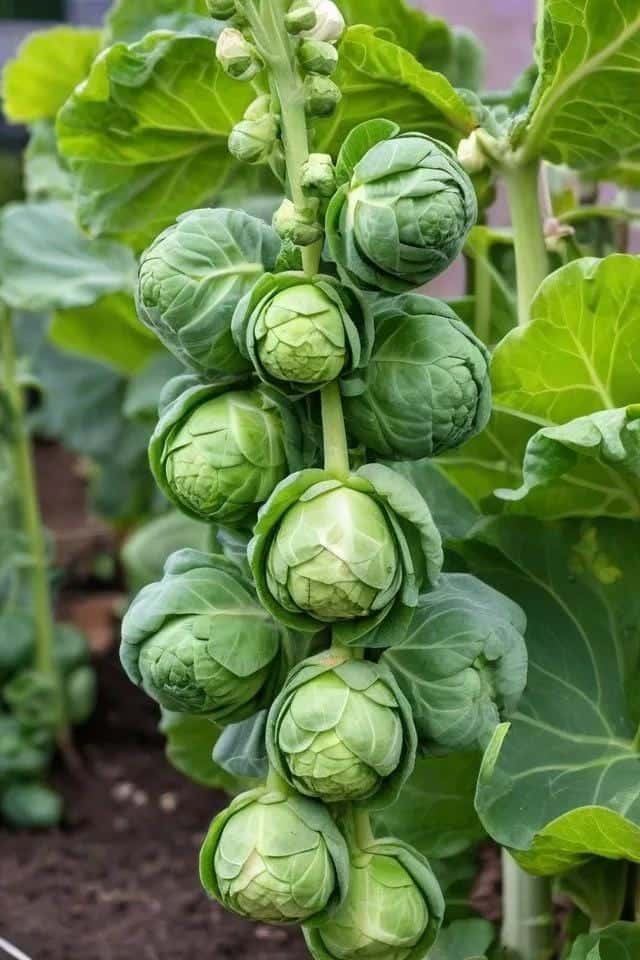
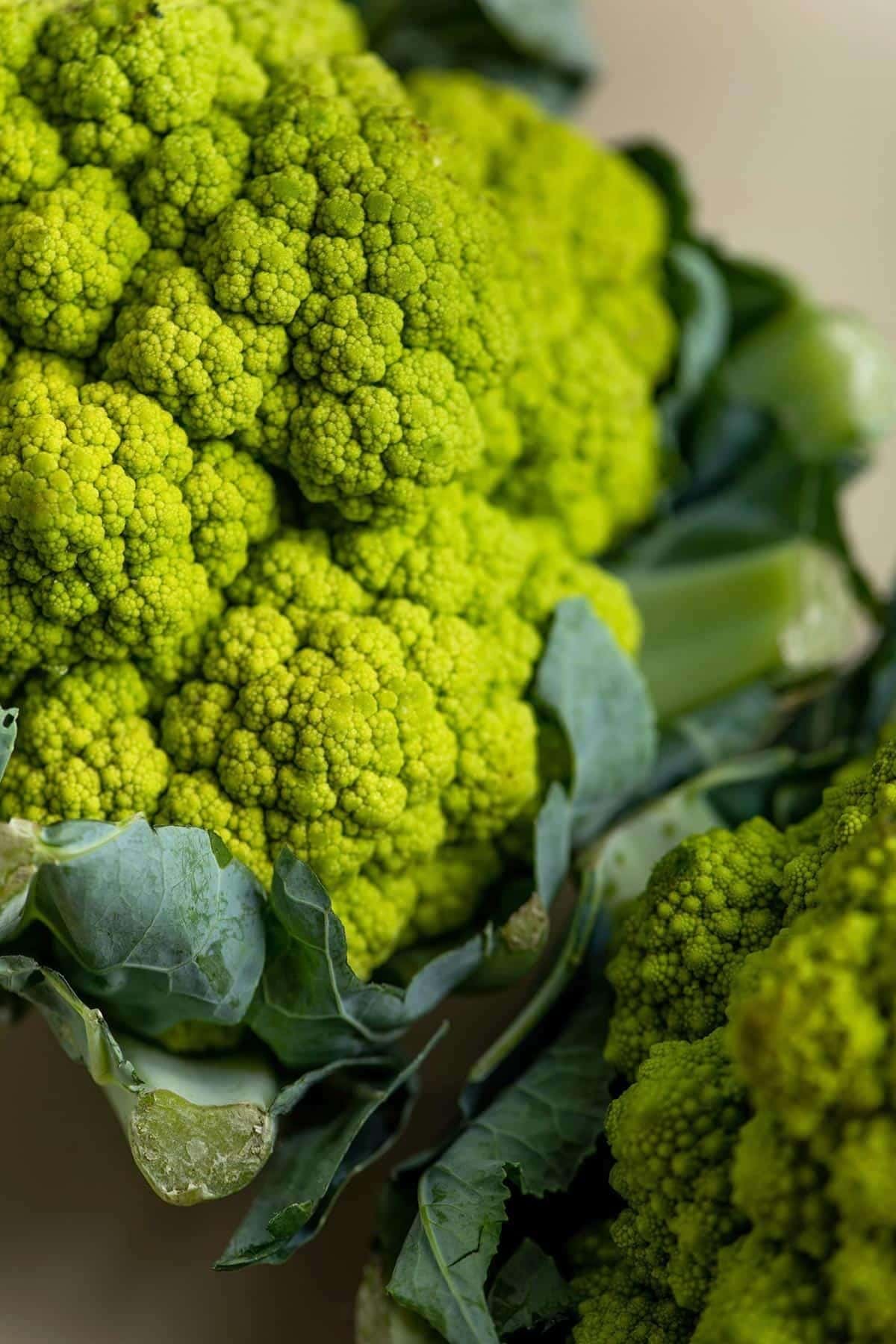
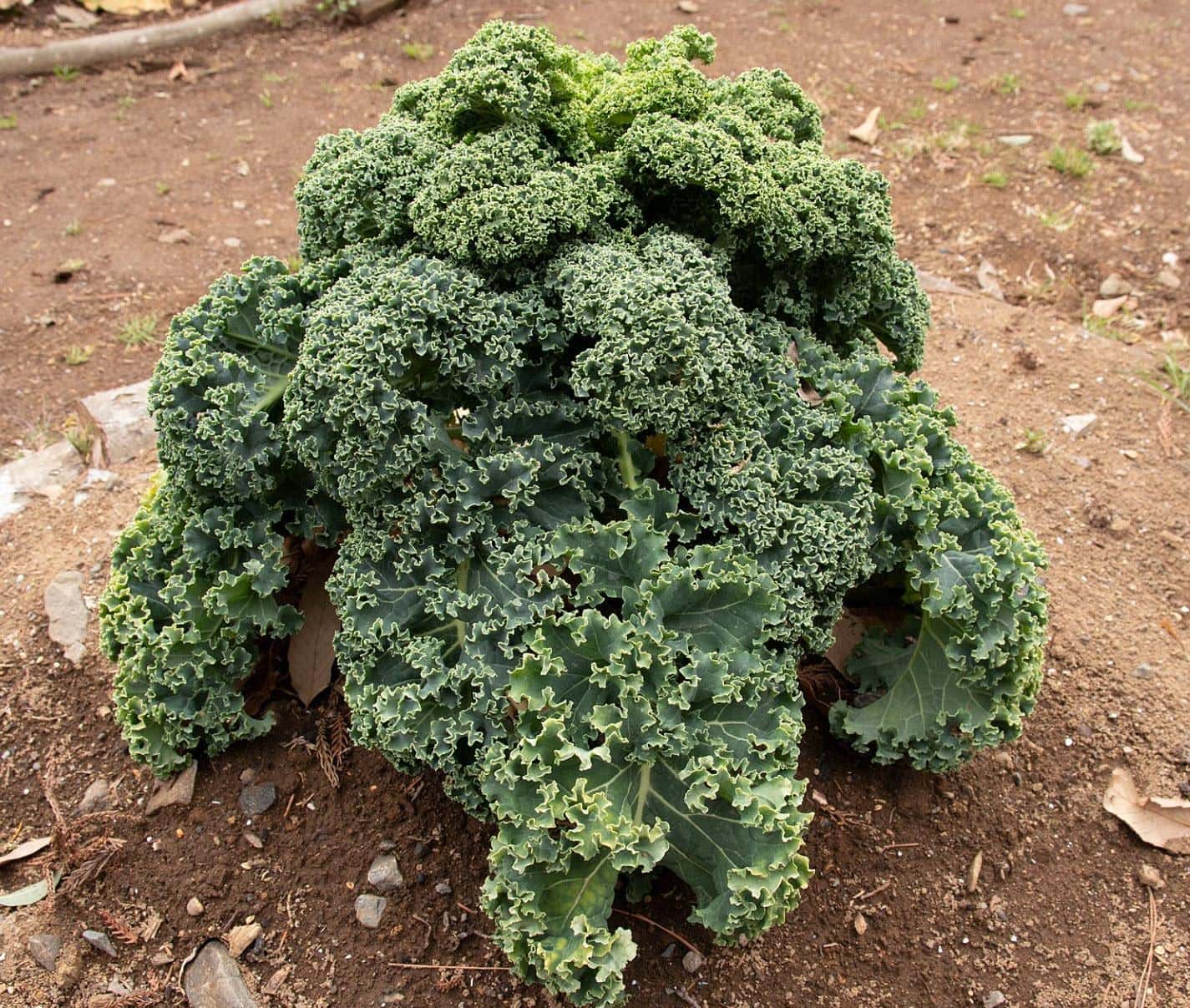
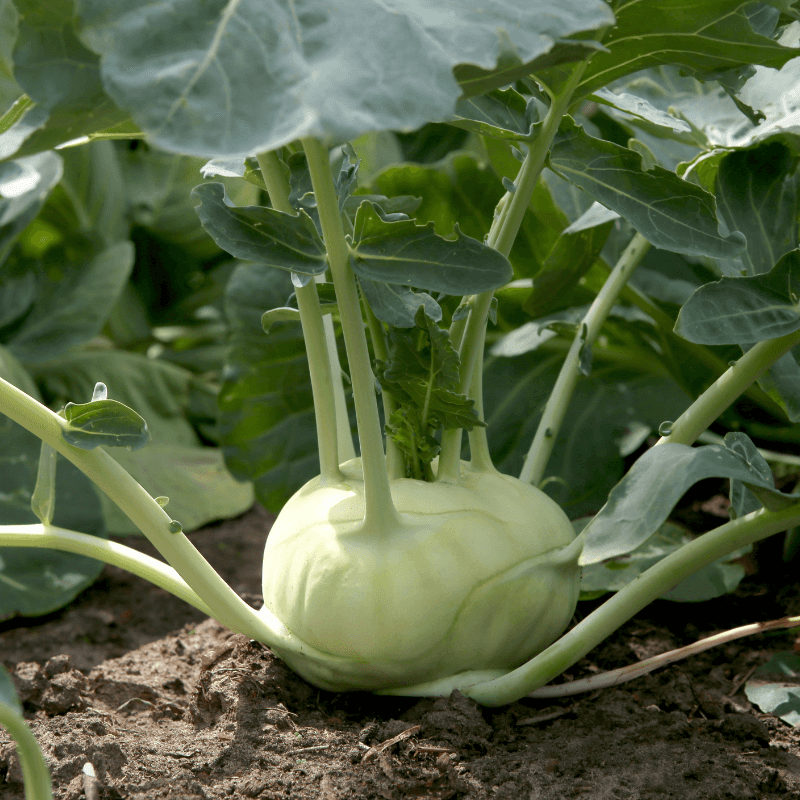
What You Receive: One packet containing 100 Lacinato Black Kale seeds, offered at US$2.49. The licensed gallery shows Lacinato kale identified by its source and provides representative leaf and whole-plant context. The photographs do not document this individual seed packet, seed lot, germination performance, or the crop that will grow in a buyer's conditions.
Frequently Asked Questions
Can Lacinato kale be direct-sown?
Yes. Illinois Extension states that kale can be grown from seed or transplants. Direct-sow at a locally suitable cool-season time, then thin after seedlings have three or four leaves.
How deep should I sow kale seed?
Sow approximately 1/4 to 3/4 inch (0.6 to 1.9 cm) deep. Adjust within that range for soil texture and surface drying, and keep the seedbed evenly moist during establishment.
How far apart should full-size plants be?
Illinois Extension recommends about 12 to 18 inches (30 to 46 cm) between plants, with rows about 24 inches (61 cm) apart. Young-leaf systems may use closer spacing, while full plants need more room.
How can I harvest without ending production?
Take mature outer leaves and leave the central growing point intact. Continue to monitor the plant and harvest sound leaves as they reach the size useful for your kitchen.