

About this variety
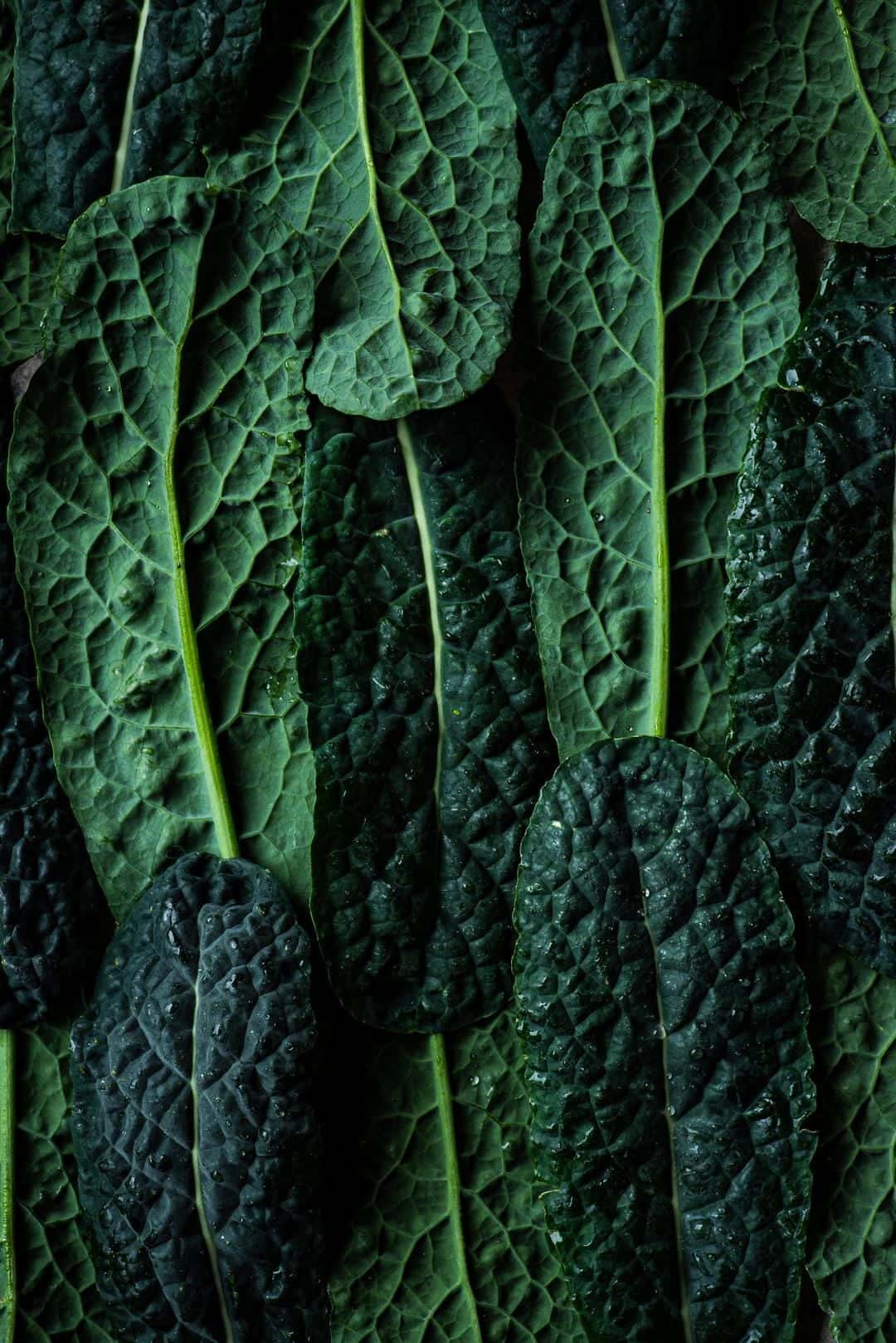
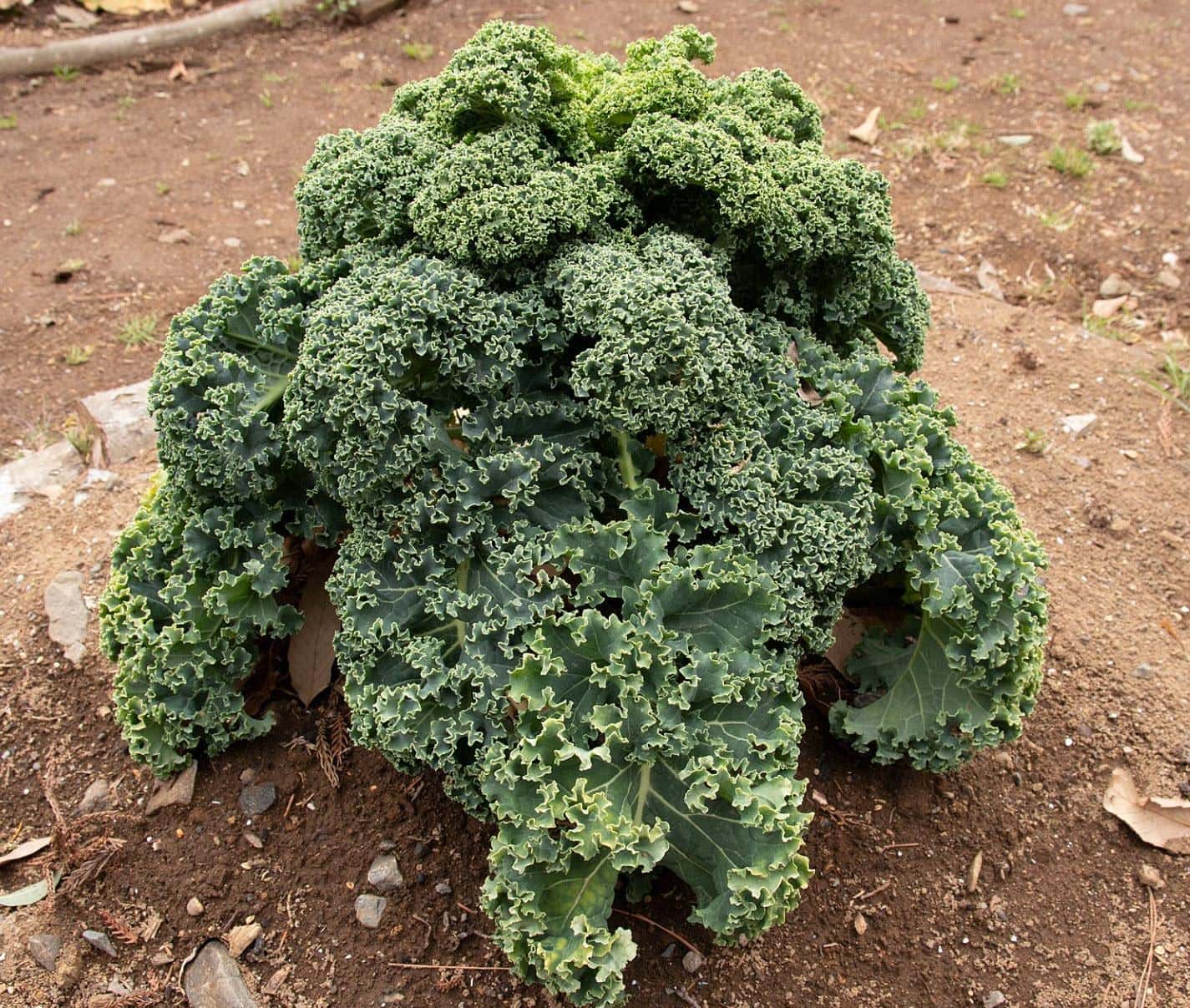
Grow green curly kale from this packet of 100 seeds. Kale belongs to the accepted species Brassica oleracea in the Brassicaceae family, with leafy kales often placed in the Acephala Group. The Royal Horticultural Society notes that kale with frilly or curly leaves is also called borecole. This product is an unnamed curly-leaf type, so the page does not assign Redbor, Scotch, Dwarf Green Curled, Lacinato, or another cultivar.
Product Overview: Curly kale produces rosettes of deeply ruffled leaves rather than a heading cabbage. It can be grown closely for young leaves or spaced more widely for mature plants. Leaf size, shade of green, plant height, cold response, and harvest timing vary among kale cultivars and growing conditions. This page therefore avoids a fixed maturity date, plant height, flavour rating, or frost-tolerance promise for the unidentified lot.
- Botanical identity: Brassica oleracea, Acephala Group
- Family: Brassicaceae
- Crop type: Leaf vegetable
- Leaf type: Green and curly or frilly
- Packet quantity: 100 seeds
Growing from Seed
Sowing method: Curly kale can be started in modules or sown outdoors in a prepared seedbed. RHS guidance allows curly varieties to be started in cell trays, which can help gardeners use the main bed efficiently while seedlings are small. Sow thinly in a fine, firm growing medium, keep it moist during emergence, and give indoor-raised seedlings strong light and ventilation so they remain compact.
Transplanting: Move young plants to their final position after they are established and acclimated to outdoor conditions. RHS recommends transplanting when plants are about 10–15 cm (4–6 inches) tall. Set them firmly and water well. Kale can become top-heavy, so firm soil and adequate planting depth help anchor the stem as the foliage expands.
Spacing: Decide first whether the crop is intended for young leaves or mature plants. For mature kale, RHS recommends about 30–60 cm (12–24 inches) between plants, depending on variety. For a baby-leaf crop, spacing can be much closer, around 7.5 cm (3 inches). Wider spacing gives mature plants more light and airflow; close spacing is for repeated young-leaf harvest rather than full-size plants.
Light and soil: Choose a sunny position with deep, fertile, free-draining soil. RHS advises soil that is not strongly acidic and emphasises firm planting. Where soil history is unknown, a soil test can guide pH and nutrient decisions. Avoid applying unsupported high fertiliser rates; prepare the bed with mature organic matter according to local recommendations.
Water and protection: Keep the root zone evenly moist, especially after transplanting and during dry periods. Container-grown kale needs particularly regular checks because pots dry faster than garden soil. Fine mesh can help protect young brassicas from birds and insect pests where local practice supports it. Check leaf undersides and the growing centre regularly so damage is noticed early.
Containers: Kale can be grown in containers. RHS recommends a large pot about 30 cm (12 inches) wide and deep for one mature compact plant. Because this lot has no documented mature size, choose a generous container or grow it as a closer-spaced baby-leaf crop. Use free-draining potting medium and keep the container in good light.
Harvest: For mature plants, pick two or three sound lower leaves at a time while leaving the central growing point intact. Regular outer-leaf picking allows the centre to continue producing. For baby leaves, harvest individual leaves once plants reach a useful size, or cut a rosette carefully so regrowth remains possible. Wash harvested leaves before kitchen use.
Kitchen use: Curly kale can be shredded for soups and sautés, added to mixed vegetable dishes, baked as kale chips, or used as young leaves in salads. Mature central ribs may be firmer than the leaf blade and can be removed when a recipe calls for tender pieces. Product performance and eating quality depend on the crop and harvest stage.
What You Receive: One packet containing 100 Curly Kale seeds. The licensed gallery shows representative green curly kale leaves and a harvested bunch at reference-taxon level. It does not photograph this seed lot or prove a named cultivar, exact maturity date, or final plant size.
Frequently Asked Questions
Can I grow this kale for baby leaves?
Yes. RHS recommends closer spacing of about 7.5 cm (3 inches) for baby-leaf production. Use wider spacing if you want mature plants.
Should kale be direct-sown or transplanted?
Both methods can work. Curly kale may be started in modules and transplanted after hardening off, or sown in an outdoor seedbed and moved while young.
How should mature leaves be harvested?
Pick a few lower leaves at a time and leave the central growing point intact. This supports continued leaf production instead of removing the whole plant at once.