

About this variety
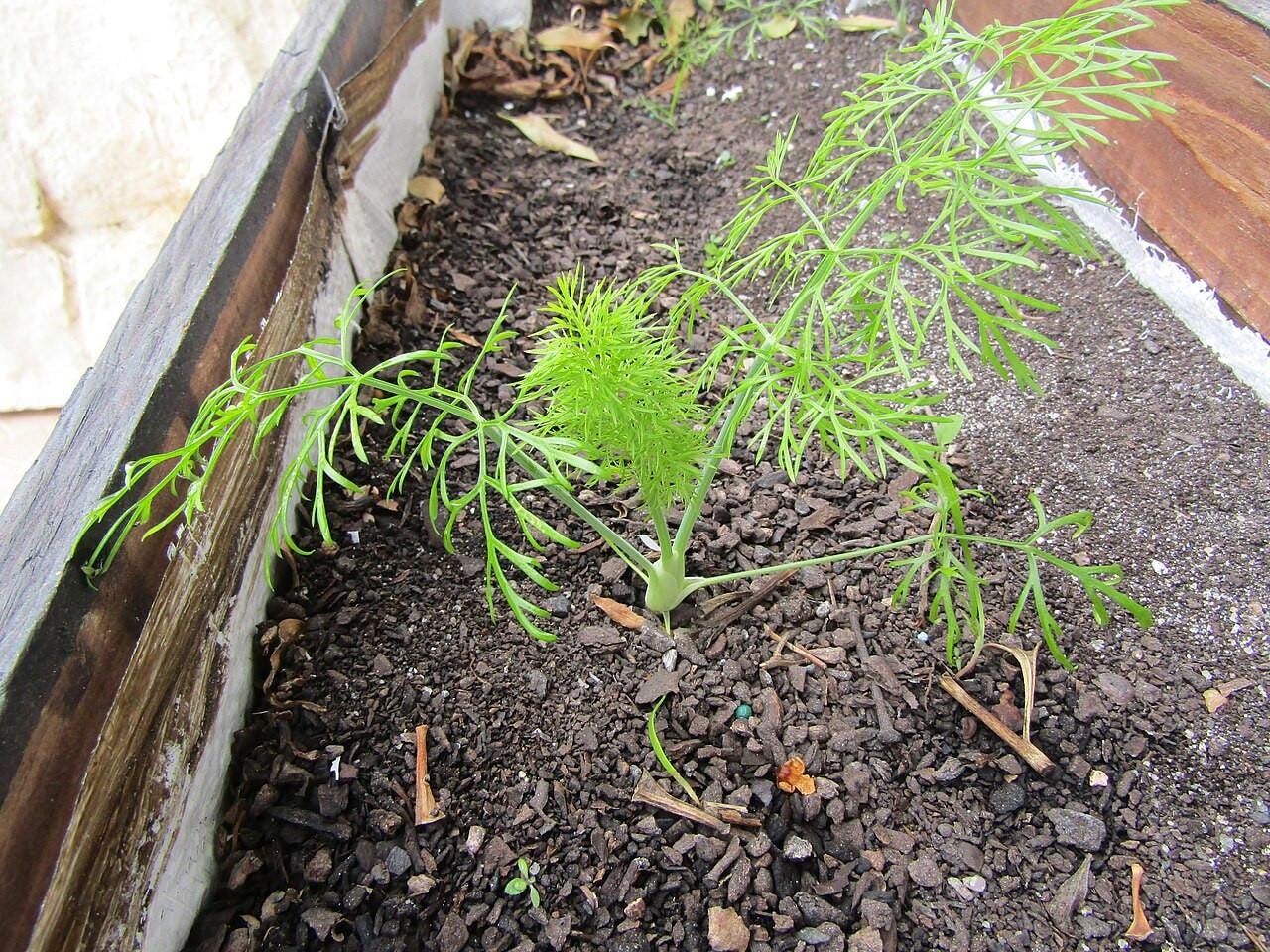
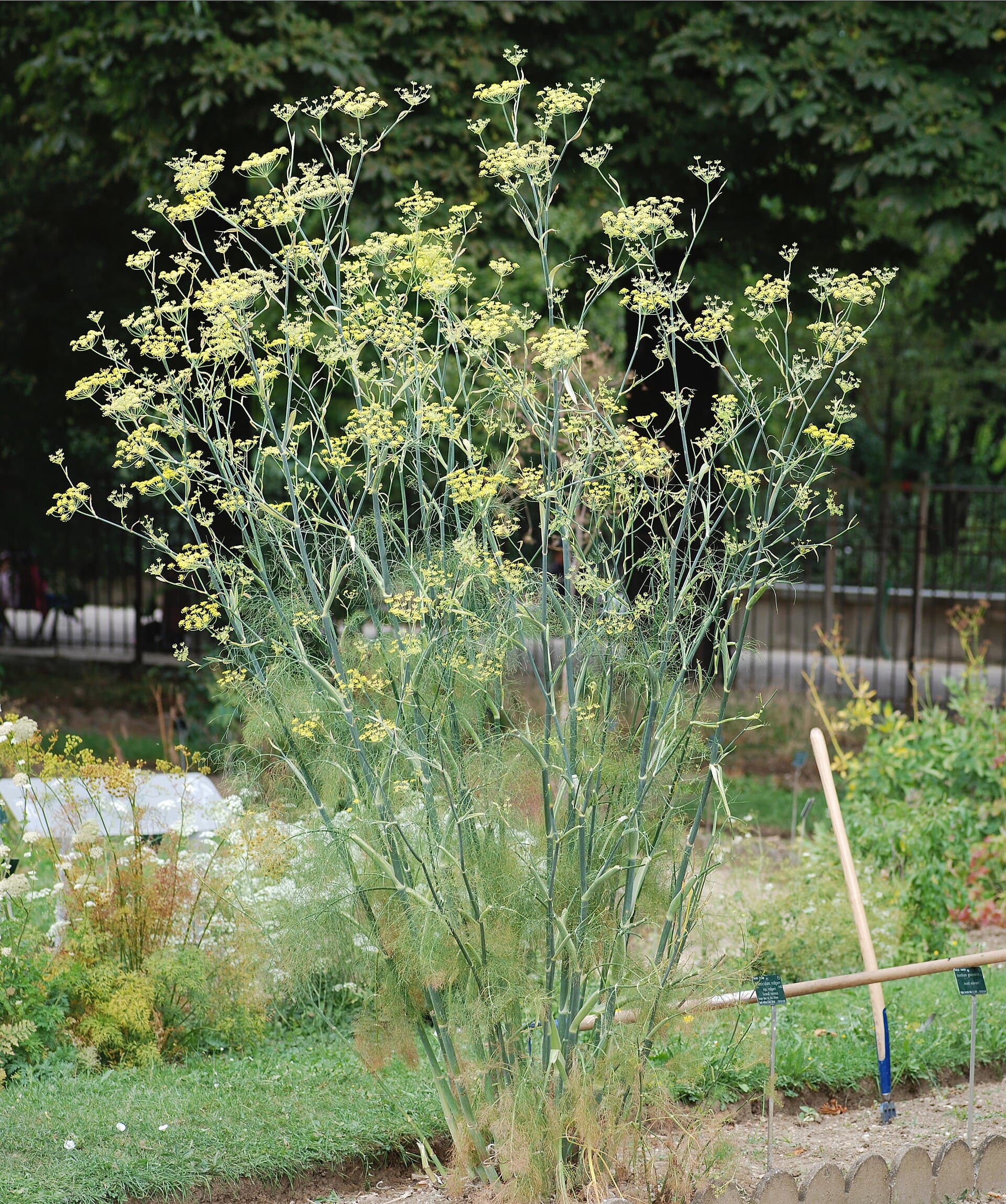
Mantovano fennel is grown here as Foeniculum vulgare, an aromatic plant with feathery foliage and yellow flower umbels that forms clumps up to 2 m (6½ ft) tall. Sow it straight into its final spot in full sun, about 1 cm (½ in) deep, because the taproot dislikes disturbance.
Also known as: Fennel, Saunf (Hindi), Variyali (Gujarati), Hinojo (Spanish), Fenouil (French), Fenchel (German), Finocchio (Italian), Funcho (Portuguese), Rezene (Turkish); scientific synonym Anethum foeniculum.
What to expect
Kew accepts Foeniculum vulgare as the species name. The Royal Horticultural Society separates common herb fennel from Florence (bulb) fennel. This lot is verified only to species, so a swollen bulb, a bulb size or a harvest date is not promised; Mantovano is kept as the recorded product name.
Sowing
- Sow outdoors from mid- to late spring, straight into the final position.
- Sow about 1 cm (½ in) deep, then thin to at least 30 cm (1 ft) apart.
- Typical species value: laboratory germination tests use alternating 20/30 °C, with a first count at 7 days and a final count at 14 (approximate, not a result for this lot).
- Starting indoors is possible in individual modules; move seedlings young with the root ball intact.
- Store unused seed cool and dry; fennel seed typically stays viable about 4 years (approximate).
Growing on
Choose full sun in a warm, sheltered spot with light, free-draining soil; waterlogged roots can rot. A container works if it is at least 30 cm (1 ft) wide and deep, and heavy enough not to tip as the plant grows tall. Weed while seedlings are small, and check for slugs and snails. Fennel self-seeds very readily, so remove unwanted flower heads before the seed drops.
Harvest
Take young leaf sprigs from early summer to autumn. Cut seed heads in late summer once ripe, and dry them for the seed.
FAQ
Should fennel be direct sown?
Yes, where possible. The long taproot means transplants can sulk, but modules work if the seedlings are moved young and handled gently.
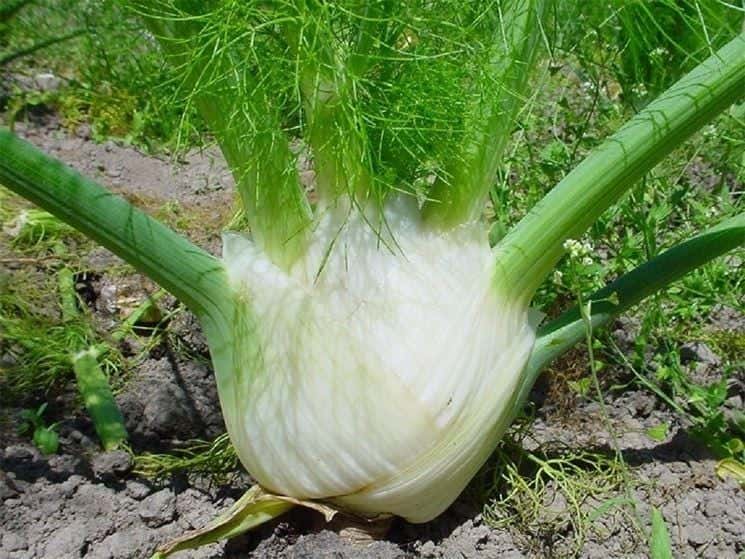
Does this fennel form a bulb?
Bulbs are a trait of Florence fennel (Foeniculum vulgare var. azoricum). This lot is verified only to species, so no bulb is promised.
Can fennel grow in a pot?
Yes, in a container at least 30 cm wide and deep with drainage holes, free-draining mix and full sun.
Local names
Fennikel, fenkoli, Fenouil commun, taretare, Echter Fenchel, finkel, Fenouil commun, Lani, Anis doux, Fenouil, fänkol, fänkål, Fennel, Sweet fennel, Saunf.
Common names of Foeniculum vulgare
All 42 names, languages and regions
Local names
| Denmark | |
|---|---|
| Danish | Fennikel |
| Finland | |
| Finnish | fenkoli |
| France | |
| French | Fenouil commun |
| French Polynesia | |
| taretare | |
| Germany | |
| German | Echter Fenchel |
| Norway | |
| Norwegian | fennikel |
| Norwegian Bokmål | finkel |
| Réunion | |
| French | Fenouil commun, Lani, Anis doux, Fenouil |
| Sweden | |
| Swedish | fänkol, fänkål |
| United Kingdom | |
| English | Fennel |
| United States | |
| English | Sweet fennel |
| Other places | |
| Latin | Anethum foeniculum |
| English | aniseed-weed, Venkel |
| Korean | 회향 (hoehyang) |
| Welsh | Ffanigl, Ffenigl |
| Italian | Finocchio comune, finocchio |
| Dutch | Venkel |
| Portuguese | erva-doce, funcho |
| Czech | fenikel oby, fenykl obecný |
| Spanish | hinojo |
| Chinese | hui xiang |
| Latvian | parast |
| Arabic | shamar |
| Japanese | ui-kyō |
| Catalan | Fonoll |
| Simplified Chinese | 茴香 (huíxiāng) |
| Asturian | fenoyu |
| Slovenian | navadni komarček |
| Indonesian | Adas |
| German | Fenchel |
| Fennel, Saunf, Variyali, Hinojo, Fenouil, Fenchel, Finocchio, Funcho, Rezene, Echter Fenchel (DE), Eneldo, Esmeldo (ES); Fennel (EN), hui xiang, ui-kyō | |