

About this variety
Panicled aster (Symphyotrichum lanceolatum) is a perennial that grows 60–150 cm tall from creeping rhizomes and carries sprays of white daisy flowers from late summer into autumn. Its seed needs light to germinate, so sow it on the soil surface and do not bury it.
Flowers and size
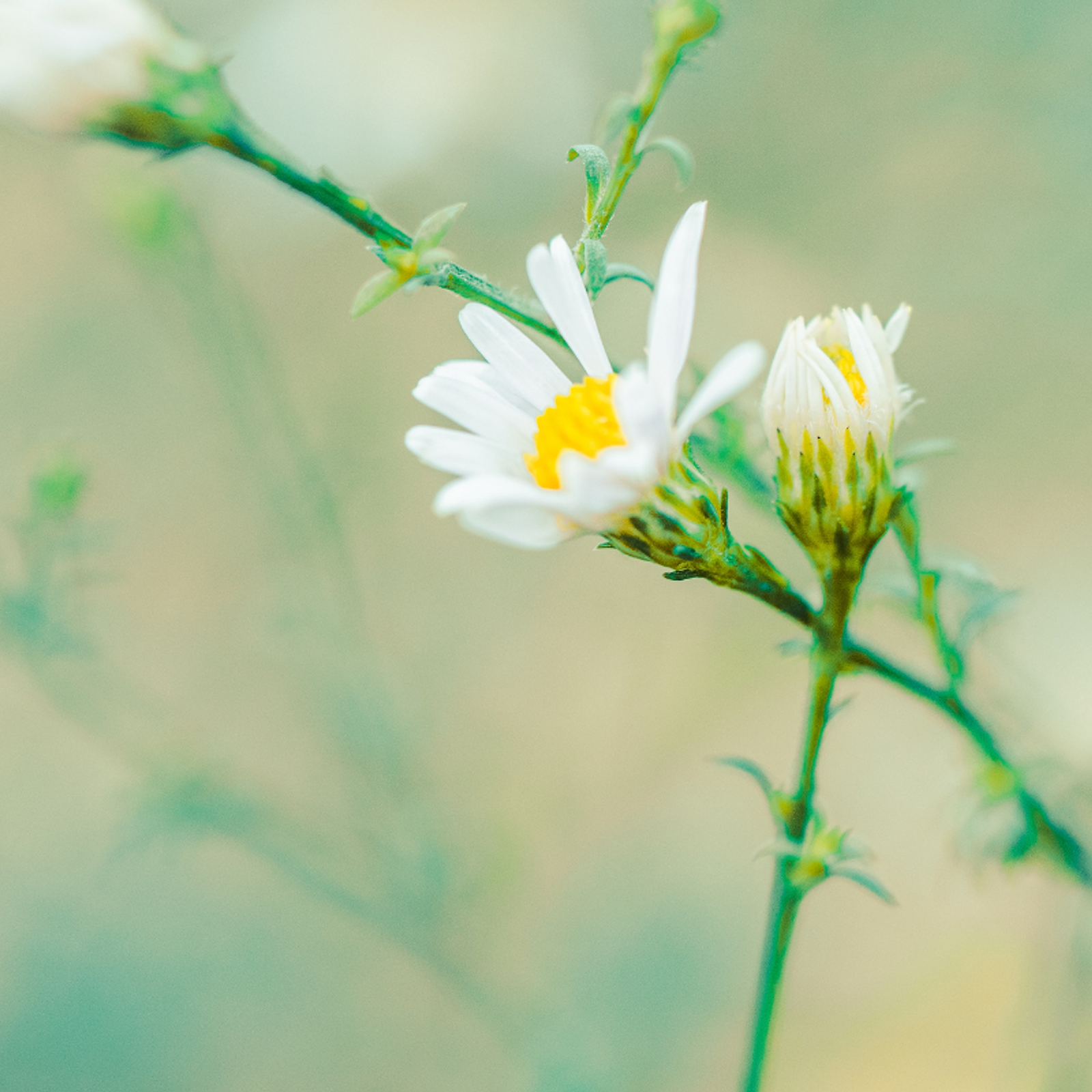
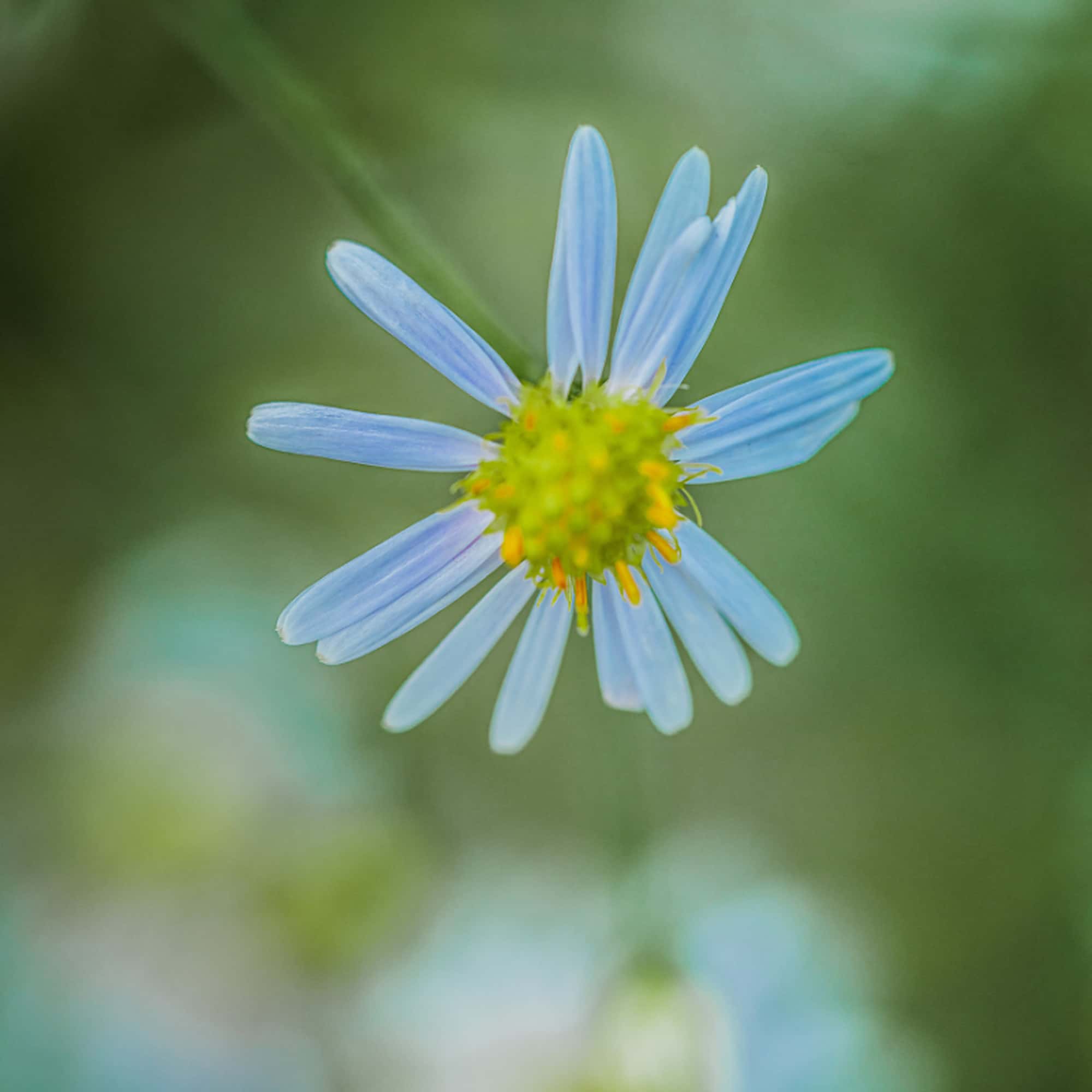
Each flower head has 16–50 white ray florets, sometimes tinged pink or purple, around a yellow centre that turns purple with age. Bloom runs from about August to October (July to October in some references). Height is usually 60–150 cm, and close to 2 m in the tallest plants. Bees, moths, wasps and butterflies visit the flowers.
Sowing: light and cold
- Light: required (approximate species value); press the seed onto the surface and do not cover it.
- Cold: a moist cold period of about 1–2 months (30–60 days) may improve germination; the source says only that it may help.
- Depth: none, because the seed needs light.
We have no sourced germination temperature or emergence time for this species and do not state one.
Site
Full sun to part shade, in moist to medium soil. It tolerates a wide range of soils, including clay, from acidic to neutral. In the wild it grows in moist prairies, meadows, stream banks, ditches and open woods.
Before you plant: it spreads
It is described as one of the most aggressive asters, forming colonies by rhizomes and by reseeding, and it is invasive in parts of Europe. Give it room, or grow it in a bed with a root barrier.
FAQ
Why did my aster seed not come up?
Check that it was not buried: the seed needs light. A moist cold period of 30–60 days before sowing may also help.
Will one plant set seed?
Cross-pollination is usually needed for viable seed, so a single clump may set little. Plant more than one plant, grown from separate seed.
Is Aster simplex the same plant?
Aster simplex and Aster lanceolatus are older names listed for Symphyotrichum lanceolatum.
Local names
säiläasteri, Aster lancéolé, Lanzett-Herbstaster, Lanzett-Herbstaster (Artengruppe), spiss haustasters, spiss høstasters, spissasters, lansettaster, smalaster, Narrow-leaved Michaelmas-daisy, Lance-leaf Aster, Michaelmas Daisy.
Common names of Symphyotrichum lanceolatum
All 44 names, languages and regions
Local names
| Finland | |
|---|---|
| Finnish | säiläasteri |
| France | |
| French | Aster lancéolé |
| Germany | |
| German | Lanzett-Herbstaster, Lanzett-Herbstaster (Artengruppe) |
| Norway | |
| Norwegian Nynorsk | spiss haustasters |
| Norwegian Bokmål | spiss høstasters |
| Norwegian | spissasters |
| Sweden | |
| Swedish | lansettaster, smalaster |
| United Kingdom | |
| English | Narrow-leaved Michaelmas-daisy |
| United States | |
| English | Lance-leaf Aster, Michaelmas Daisy, Narrow-leaf Michaelmas Daisy, White Panicle Aster |
| Other places | |
| Latin | Aster simplex, Aster paniculatus |
| English | Eastern Line Aster, Lance-leaved Or Panicled Or White Panicled Aster, Panicled Aster, Tall White Aster, lance-leaved aster, white panicled aster |
| Polish | Aster lancetowaty |
| Italian | Astro lanceolato |
| Lithuanian | Siauralapis astrūnas |
| Dutch | Smalle aster |
| Croatian | Suličasti zvjezdan |
| Slovak | astra kopijovitolistá, astra kopijovitá |
| Czech | astřička kopinatá |
| Hungarian | kisvirágú őszirózsa, lándzsás őszirózsa |
| Slovenian | suličastolistna nebina |
| Estonian | süstlehine aster, süstlehine sügisaster |
| Serbian | Гроњаста звездица (Gronjasta zvezdica) |
| Chinese | 白穗紫菀 (bái suì zǐ wǎn) |
| French | Aster à feuilles lancéolées |
| German | Lanzettblättrige Aster |
| Panicled aster, White panicled aster, Lance-leaved aster, White panicle aster, Tall white aster, White field aster, Narrow-leaf aster, Willow aster, synonyms Aster lanceolatus, Lance-leaved or panicled or white panicled aster, Narrow-leaved Michaelmas-daisy (EN); Lanzett-Herbstaster (DE) | |