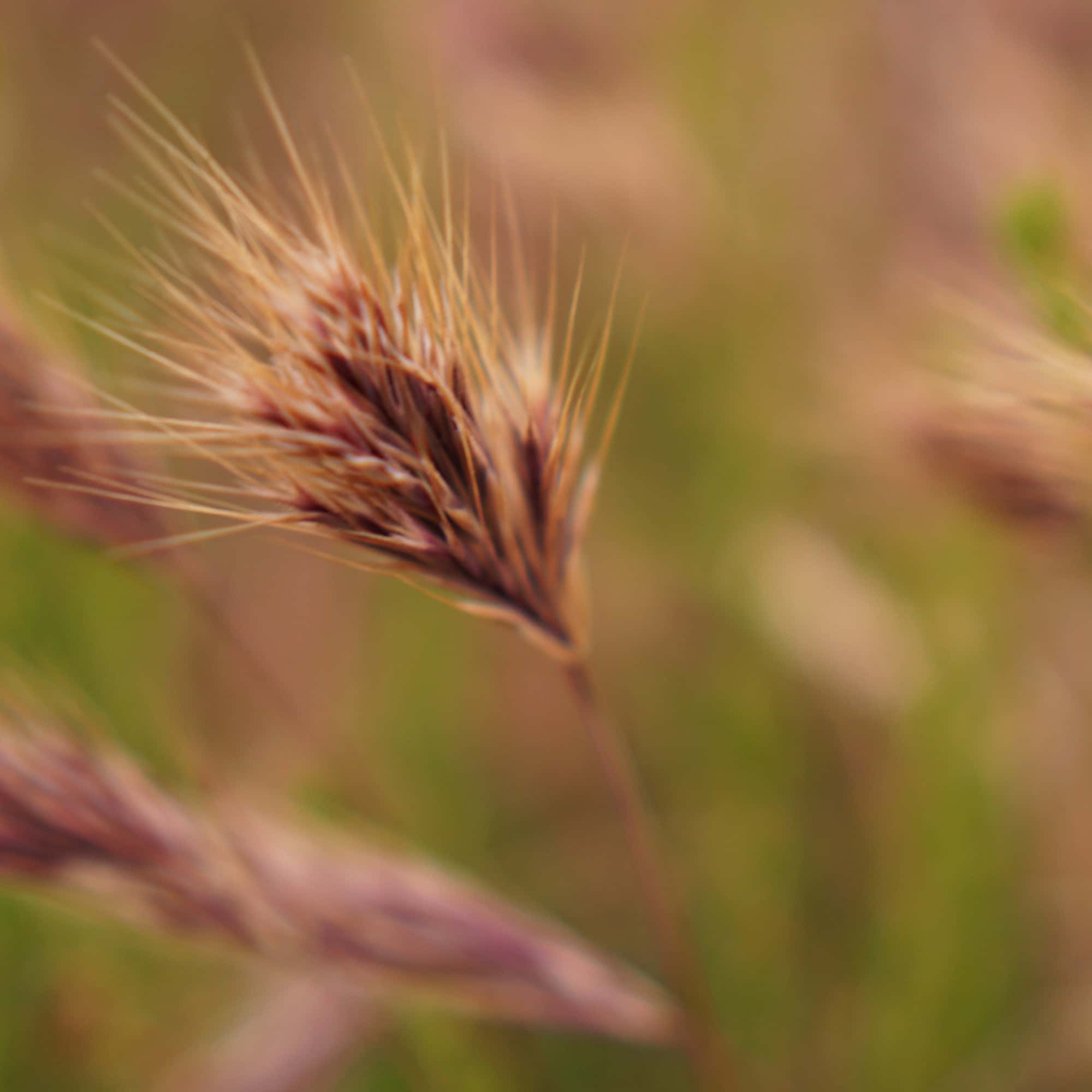


About this variety
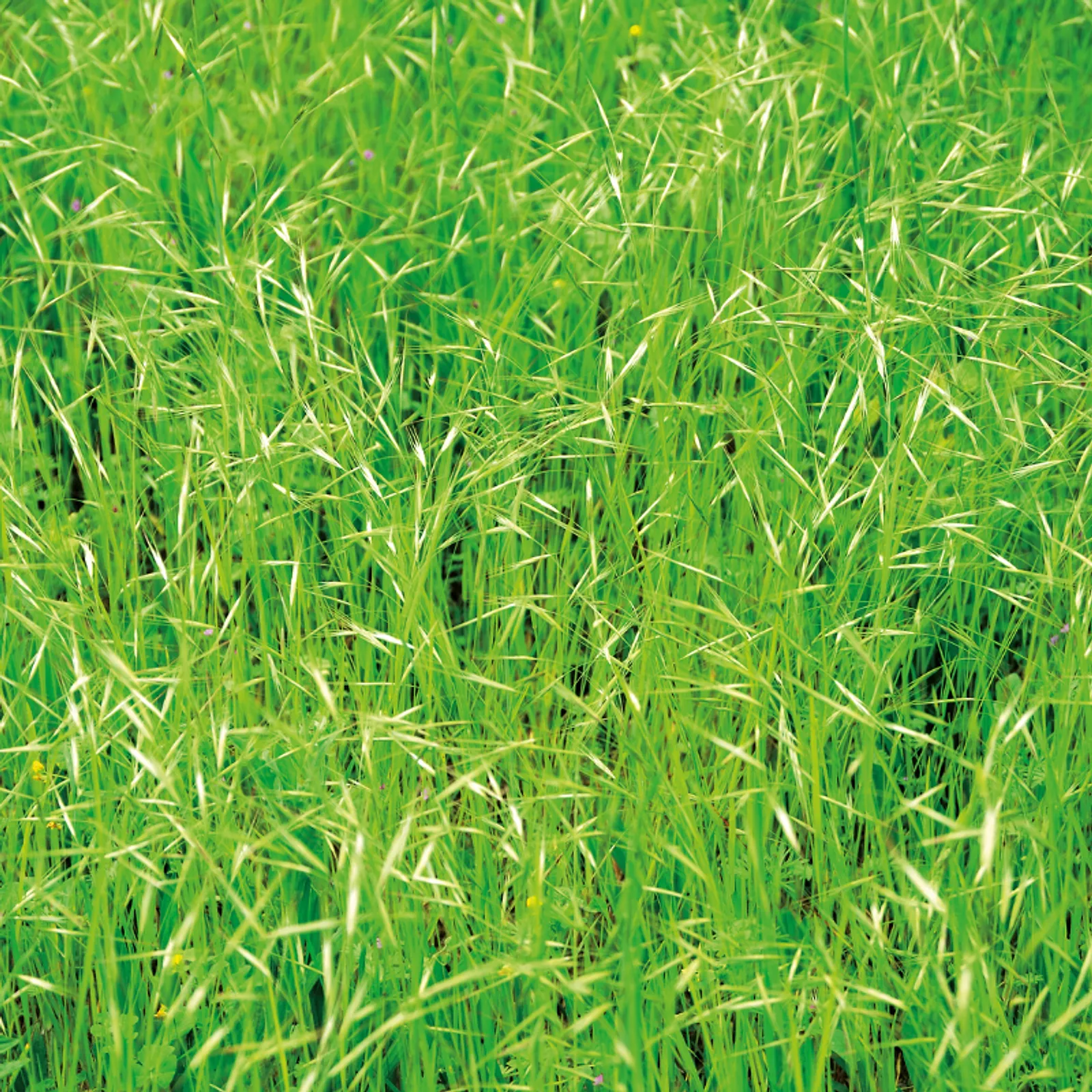
Rescuegrass (Bromus catharticus) is a cool-season grass, 45–91 cm tall, that grows from seed in winter and sets its own seed in early spring. In laboratory germination tests it needs light, so the seed belongs on the surface of the mix, not buried.
Also known as: Rescue grass, Prairie grass, Grazing brome, Cebadilla criolla (Spanish), Brome purgatif (French); synonyms Bromus unioloides, Bromus willdenowii, Bromus schraderi.
What it is grown for
Rescuegrass gives early forage and fair grazing for livestock and wildlife, and it can be managed as a cool-season pasture plant. It is a grass, not a culinary herb, so choose it for ground cover, pasture or a seed collection.
Germination conditions
- Light: required in the official laboratory test (approximate, species level).
- Temperature: 10–30 °C alternating, about 16 hours at the first figure and 8 hours at the second (approximate, lab method of the USDA seed regulations).
- Time: the official test counts seedlings for 28 days, so allow up to four weeks.
Growing steps
- Step 1Sow when the weather turns cool; the species grows through winter and finishes in early spring.
- Step 2Press the seed onto a firm, moist surface and cover it only lightly, if at all.
- Step 3Keep the surface evenly damp and cool until seedlings are up.
- Step 4Thin or leave to fill in, depending on whether you want turf-like cover or a few stands for seed.
Local names
Allku mikuna, Allku mikuna milin, Brome faux Uniola, Rescuegrass, Rescue grass, Prairie grass, Grazing brome, Cebadilla criolla, Brome purgatif, synonyms Bromus unioloides, Bromus willdenowii, Bromus schraderi.
Common names of Bromus catharticus
All 43 names, languages and regions
Local names
| Ecuador | |
|---|---|
| Spanish | Allku mikuna, Allku mikuna milin |
| France | |
| French | Brome faux Uniola |
| United States | |
| English | Rescuegrass |
| Other places | |
| Spanish | Cebadilla criolla |
| French | Brome purgatif |
| Latin | Bromus willdenowii |
| English | Rescue Brome, Schrader's brome, prairie grass |
| Hebrew | Bromit gdola, ברומית גדולה (Bromit gedola) |
| Italian | Forasacco purgativo, Forasacco spuntato |
| German | Horntrespe, Pampas-Trespe |
| Dutch | Paardengras |
| Lithuanian | Paprastoji ragažolė |
| Afrikaans | Reddingsgras |
| Hungarian | Willdenow-rozsnok, Willdenow-rozsnok* |
| Danish | amerikansk hejre |
| Catalan | blat de formiga |
| Portuguese | bromo-de-schrader |
| Norwegian Bokmål | byfaks |
| Estonian | lapik andrik, lapik luste |
| Finnish | litteäkattara |
| Swedish | plattlosta |
| Slovak | stoklas prečisťujúci |
| Czech | sveřep americký |
| Japanese | イヌムギ (Inumugi) |
| Chinese | 大扁雀麥 (dàbiǎn quèmài) |
| Korean | 큰이삭풀 (keunisakpul) |
| Simplified Chinese | 扁穗雀麦 (biansui quemai) |
| Rescue grass, Prairie grass, Grazing brome, synonyms Bromus unioloides, Bromus schraderi, Lanko, cebadilla, rescue brome, rescuegras, triguillo, 큰이삭풀 (keunisakpul) | |
FAQ
Why did my buried seed not come up?
The laboratory method for rescuegrass requires light, so deep burial works against it. Surface sowing with a light cover is the safer choice.
How long should I wait for seedlings?
The standard test runs 28 days. Cool, damp conditions slow the count, so do not discard the tray early.