

About this variety
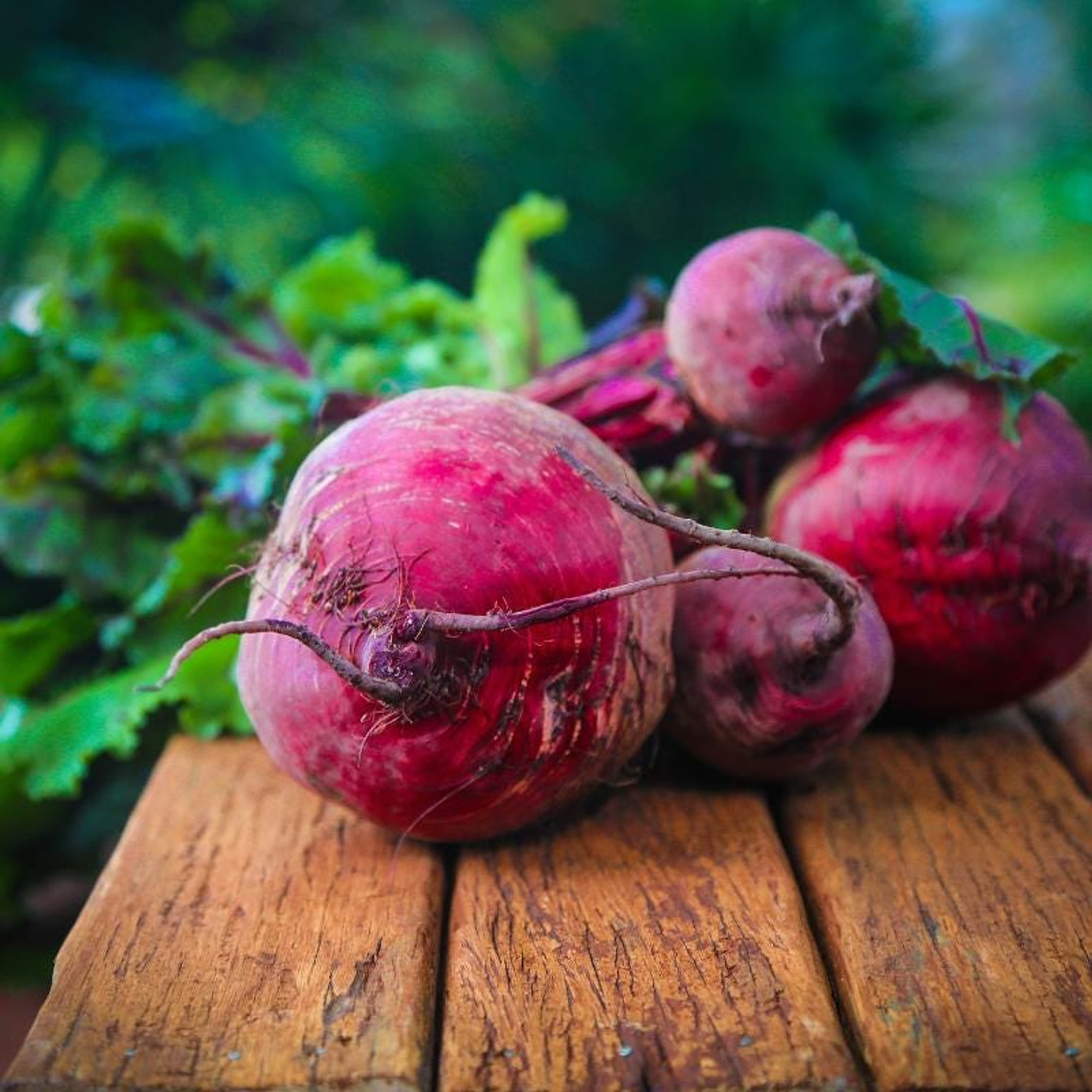
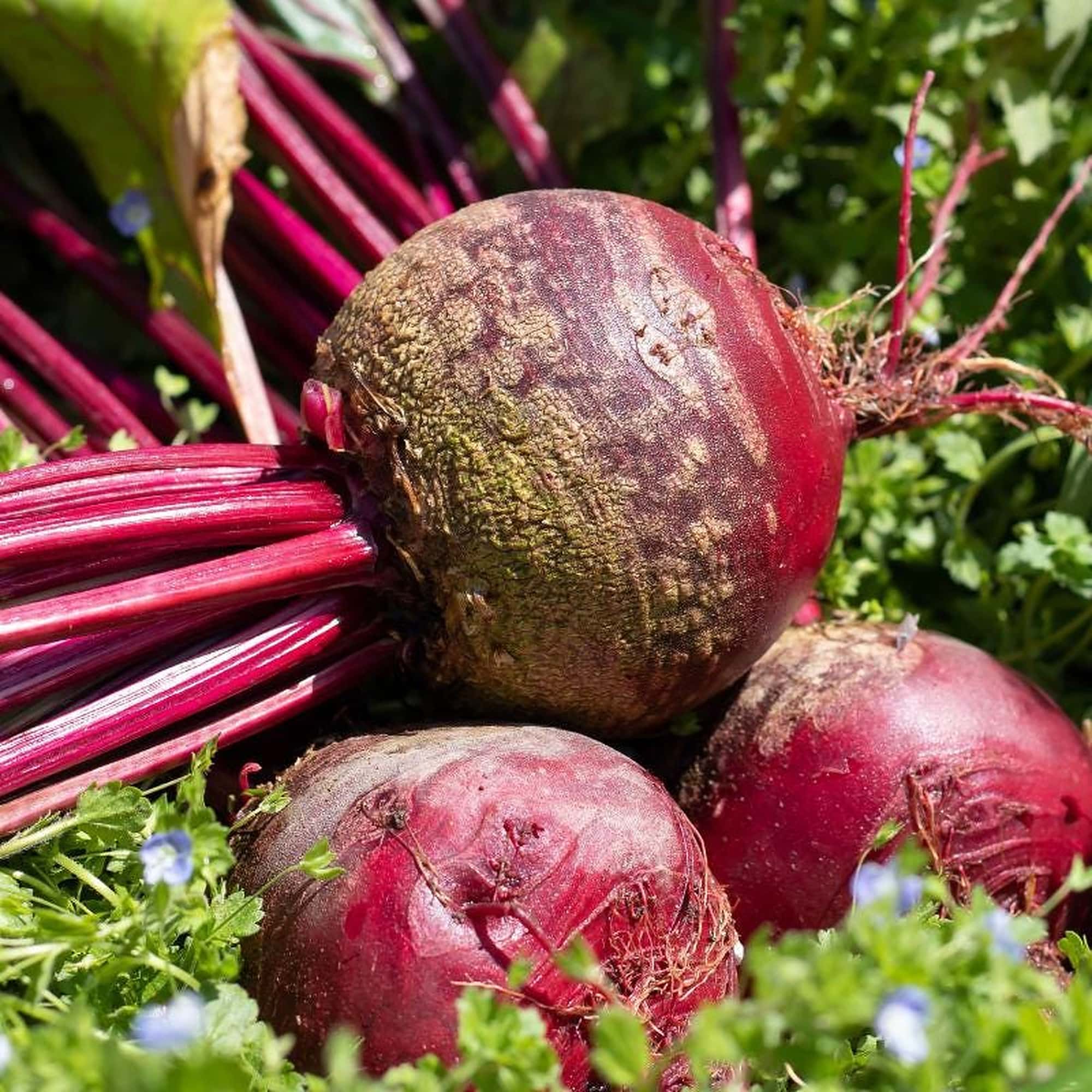
Product Overview: Grow Ruby Red Beetroot. This red table-beet type of Beta vulgaris produces edible roots and leaves for home-garden harvests. Root shape, colour intensity, and growth rate can vary with the seed lot and growing conditions.
- Botanical name: Beta vulgaris L.
- Family: Amaranthaceae
- Crop type: Red table beet / beetroot
- Harvest: Roots and young leaves
- Packet quantity: 100 seeds
Growing from Seed
Sowing: Sow directly into prepared soil about 2.5 cm deep. Beetroot seed units are often clusters that can produce more than one seedling. Keep the seedbed evenly moist while germination and early growth take place.
Position: Choose a sunny site with fertile soil that drains well and does not become waterlogged. Remove weeds and loosen compacted soil so roots have room to develop.
Spacing: Sow individual seed units approximately 10 cm apart in rows about 30 cm apart. Thin crowded seedlings if larger roots are wanted; closer clusters may be retained for smaller roots.
Containers: Beetroot can be grown in a sunny container. A container about 40 cm wide and deep provides useful root space; use free-draining compost and water regularly.
Harvest and Uses: Lift roots when they reach the size and texture you prefer. Beetroot can be roasted, steamed, boiled, pickled, grated into salads, or used in soups. Young leaves can also be harvested carefully and used as greens.
What You Receive: One labelled packet containing 100 Ruby Red Beetroot seeds. This product contains seeds only, not seedlings or harvested roots.
Frequently Asked Questions
Can one beet seed produce several seedlings?
Yes. Many beetroot seed units are clusters rather than single botanical seeds, so more than one seedling may emerge. Thin them for larger roots or retain small groups for a cluster of smaller roots.
Can beetroot be grown in containers?
Yes. Use a sunny container with good drainage and sufficient depth for root development. Keep the compost evenly moist and avoid overcrowding.
When should beetroot be harvested?
Harvest according to the root size and texture you prefer. Roots usually have good flavour and texture when they are approximately 4–7 cm across, while exact timing varies with the seed lot, climate, and care.
Local names
Bede, Juurikas, bete, beta, Beetroot, Table beet, Chukandar, Remolacha, Betterave, Rote Bete, Barbabietola, Beterraba.
Common names of Beta vulgaris
All 47 names, languages and regions
Local names
| Denmark | |
|---|---|
| Danish | Bede |
| Finland | |
| Finnish | Juurikas |
| Norway | |
| Norwegian Bokmål | bete |
| Sweden | |
| Swedish | beta |
| United States | |
| English | Beetroot |
| Other places | |
| Latin | Beta vulgaris var. conditiva |
| English | Beet, Chard, Common Beet, Fodder Beet, Mangels, Silver Beet, Spinach Beet, Sugar Beet, Swiss Chard |
| Portuguese | Acelga |
| Italian | Barbabietola |
| German | Beta-Rübe |
| Spanish | Betabel |
| French | Bette commune |
| Welsh | Betys |
| Dutch | Biet |
| Croatian | Blitva |
| Polish | Burak zwyczajny |
| Turkish | Kırmızı Pancar |
| Irish | Laíon na trá |
| Lithuanian | Paprastasis runkelis |
| Norwegian Nynorsk | Raudbete |
| Galician | Remolacha |
| Catalan | Remolatxa |
| Luxembourgish | Rout Rommel |
| Norwegian | Rødbete |
| Table beet, Chukandar, Remolacha, Betterave, Rote Bete, Barbabietola, Beterraba, Svekla, Pancar, Assikchìlpa hòmma, Mangel-wurzel, Mangold (DE), Root Beet (EN), Runkelrübe, Rööw, beet, chak-mots, 근대 (geunde) | |