

About this variety
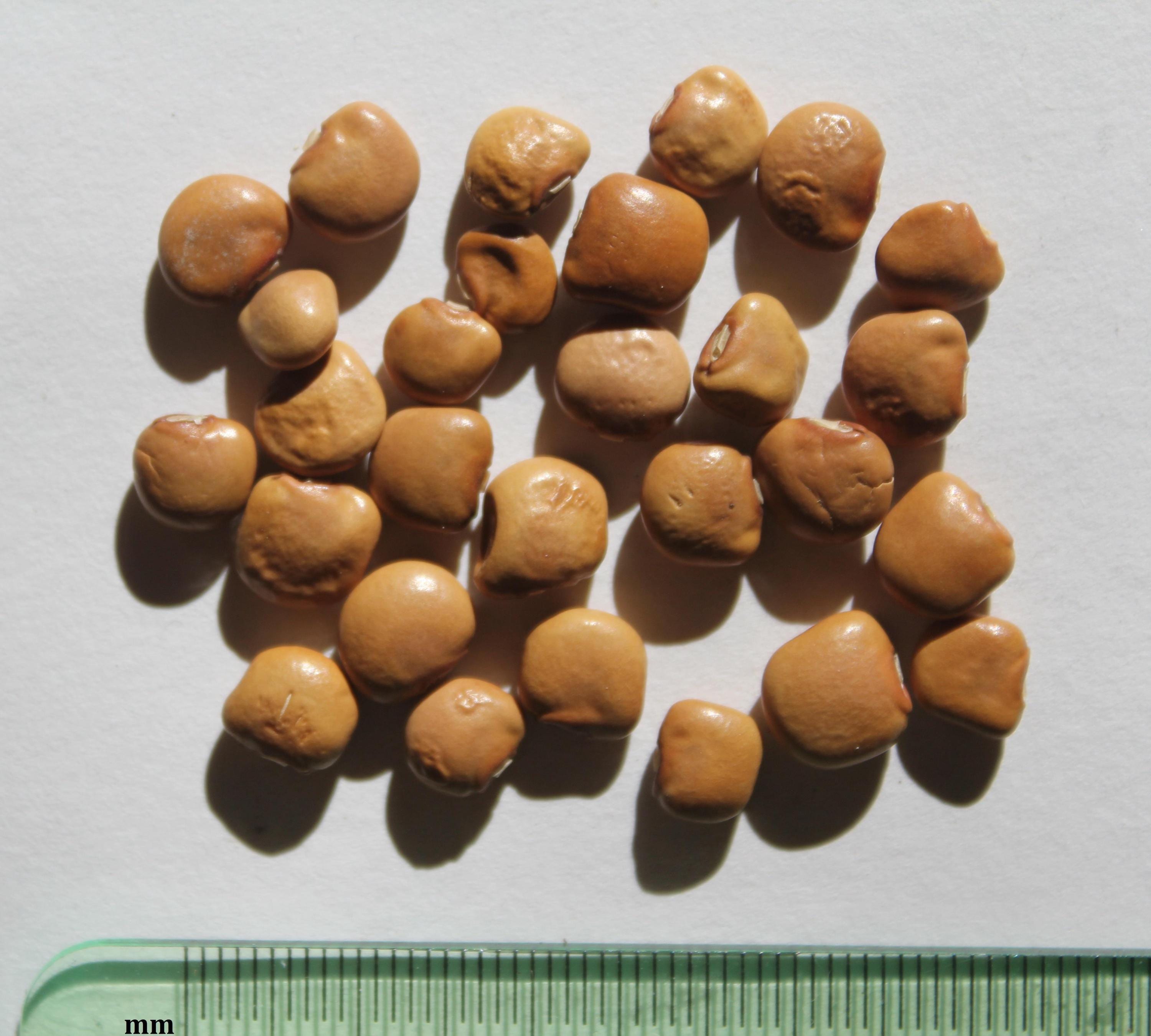
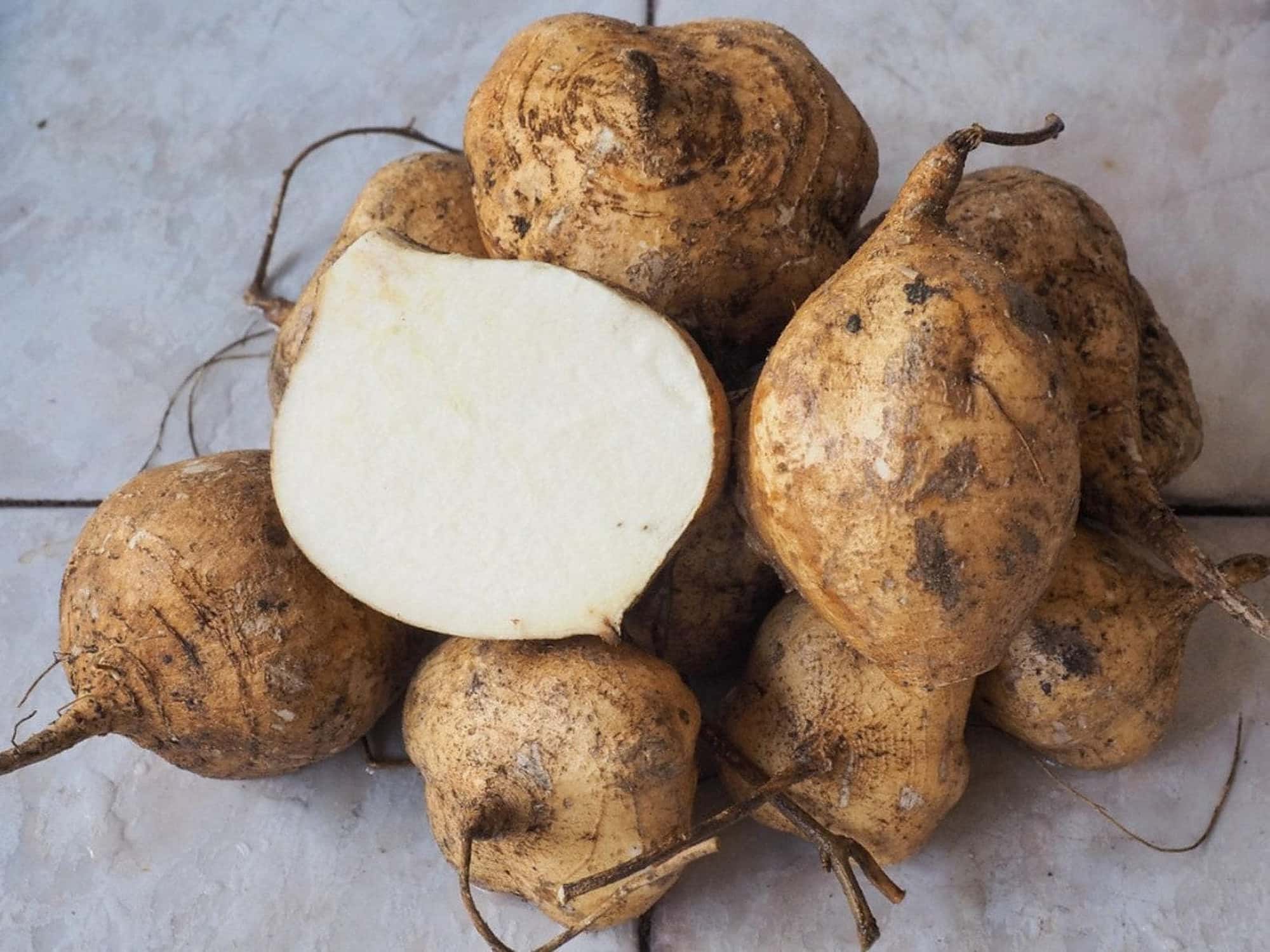
Grow Yam Bean, also called Jicama. Pachyrhizus erosus is a warm-climate climbing member of the bean family cultivated for its edible storage root.
Product Overview: Yam Bean forms a vigorous vine above ground and a swollen storage root below ground. The accepted species is also known as Jicama, Mexican Turnip, Potato Bean and Mishrikand.
- Botanical name: Pachyrhizus erosus (L.) Urb.
- Family: Fabaceae
- Growth habit: Climbing, tuber-forming plant
- Packet quantity: 10 seeds
Growing from Seed
Yam Bean is grown principally from seed. Sow when conditions are warm and frost risk has passed, and allow a long warm season for the storage roots to develop. Give the climbing vines generous room or support. In short or cool seasons, root development may be limited.
Root production: Indian crop guidance notes that removing flowers can improve storage-root yield and quality when the crop is being grown for roots rather than seed.
Safety: This packet contains planting seed and is not food. Do not eat the seeds, pods, leaves or stems; authoritative extension and peer-reviewed sources report that the seeds and above-ground parts are poisonous. Only the harvested storage root is used as food. Keep the packet away from children and animals.
What You Receive: One packet containing 10 Yam Bean seeds for planting.
Frequently Asked Questions
Is Yam Bean the same plant as Jicama?
Yes. In the cited Indian crop authority and Kew botanical record, Yam Bean refers to Pachyrhizus erosus, the species widely known as Jicama.
How long does Yam Bean need to grow?
Plan for a long, frost-free growing period. University of Florida guidance reports that seed-grown plants may need five to nine months of warm weather to produce useful roots, while Indian production timing can be shorter under suitable regional conditions.
Can the seeds or pods be eaten?
No. The seeds and above-ground parts are poisonous. This packet is supplied only for planting; do not use the seeds, pods, leaves or stems as food.
Local names
Pachyrhize rongé, Pois manioc, Manioc cochon, Pois cochon, Bangkuang, Jicama, Mexican-potato, Singkamas, Yam Bean, chicam, cobem, kuzu-imo, mehen-chikam, mishrikand, potato-bean.
Common names of Pachyrhizus erosus (L.) Urb.
All 41 names, languages and regions
Local names
| Réunion | |
|---|---|
| French | Pachyrhize rongé, Pois manioc, Manioc cochon, Pois cochon |
| Other places | |
| English | Jicama, Mexican-potato, Yam Bean, potato-bean |
| Spanish | Batata de burro, judía batata, jícama, jícama de agua |
| Indonesian | Bengkuang |
| Turkish | Jikama |
| French | Manioc cochon, Pachyrhize rongé, Pois cochon, Pois manioc, patate cochon |
| German | Yambohne |
| Dutch | Yamboon |
| Slovak | hrubokoreňovec ohryzený |
| Swedish | jamsbönrot |
| Japanese | kuzu-imo, クズイモ (kuzuimo) |
| Hindi | mishrikand |
| Finnish | pikkujamssipapu |
| Chinese | 凉薯 (liángshǔ), 凉薯子 (liángshǔ zǐ), 凉薯花 (liángshǔ huā), 厚膜藻 (hòumó zǎo), 地瓜子 (dìguā zǐ) |
| Thai | มันแกว (man kaew) |
| Simplified Chinese | 豆薯 (dòushǔ), 沙葛 (shāgě), 地瓜 (digua) |
| Latin American Spanish | síncama |
| Bangkuang, Singkamas, chicam, cobem, jicama, kuzu-imo, mehen-chikam, mishrikand, xá-ta-te, yam-bean | |