


About this variety
Grow an orange-rooted garden carrot from this packet of 100 seeds. Carrot belongs to Daucus carota in the family Apiaceae. Royal Botanic Gardens, Kew accepts Daucus carota and lists the cultivated carrot within Daucus carota subsp. sativus. This seed lot is recorded simply as an orange carrot: it is not identified as Danvers, Nantes, Chantenay, Imperator, or another named cultivar.
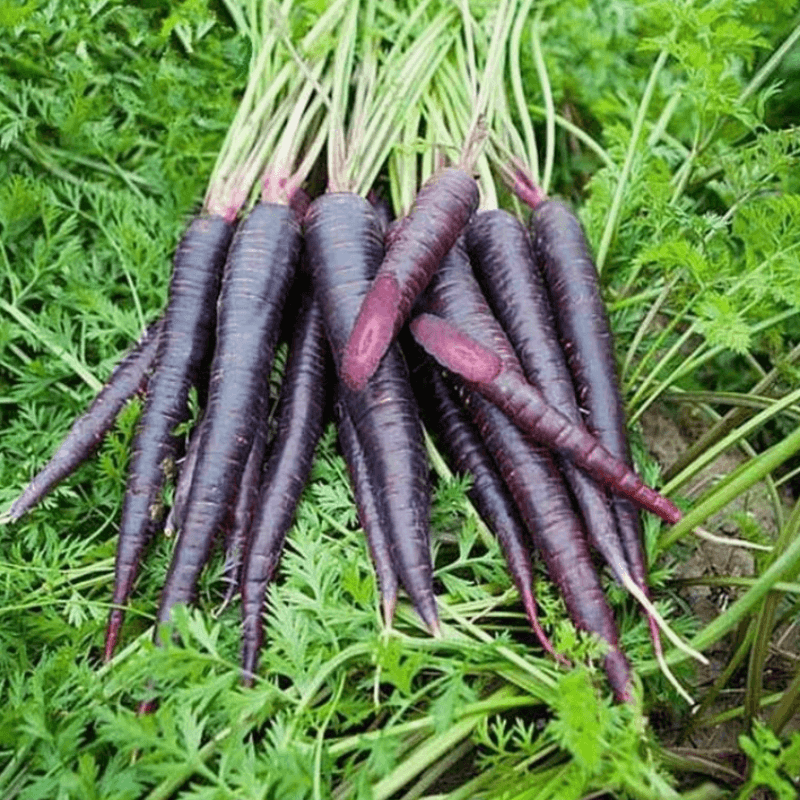
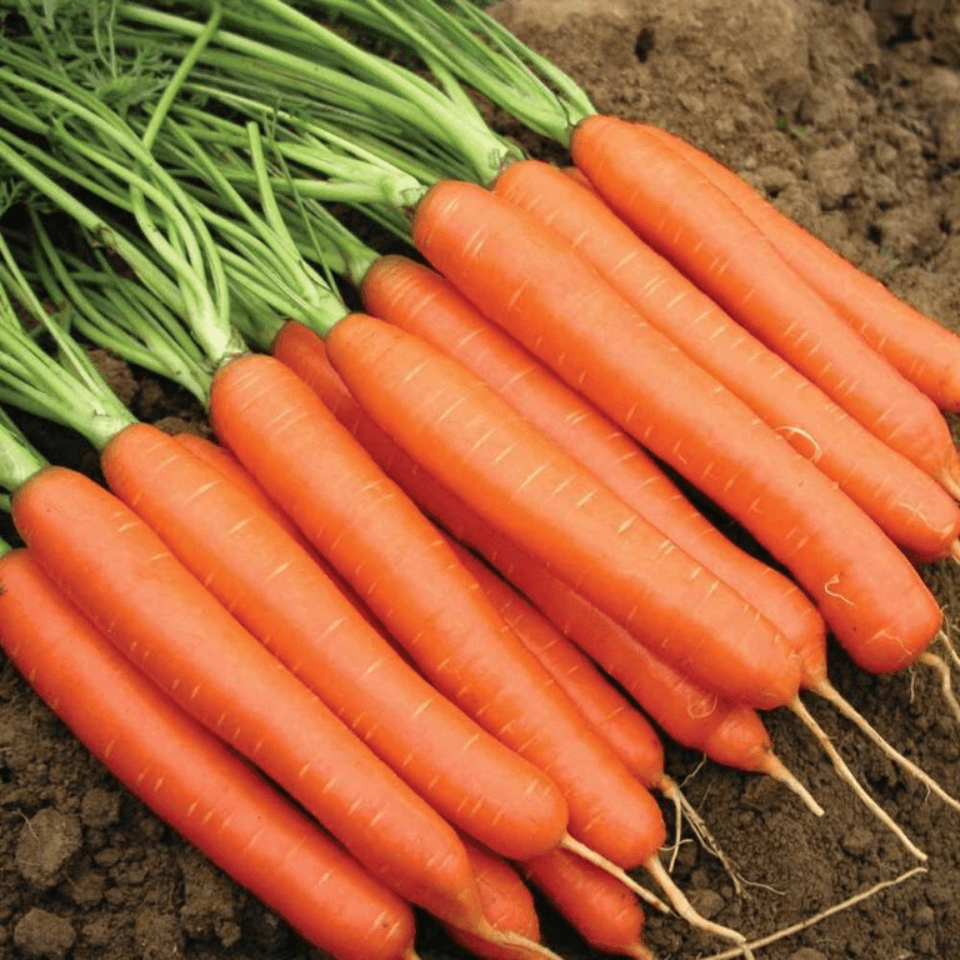
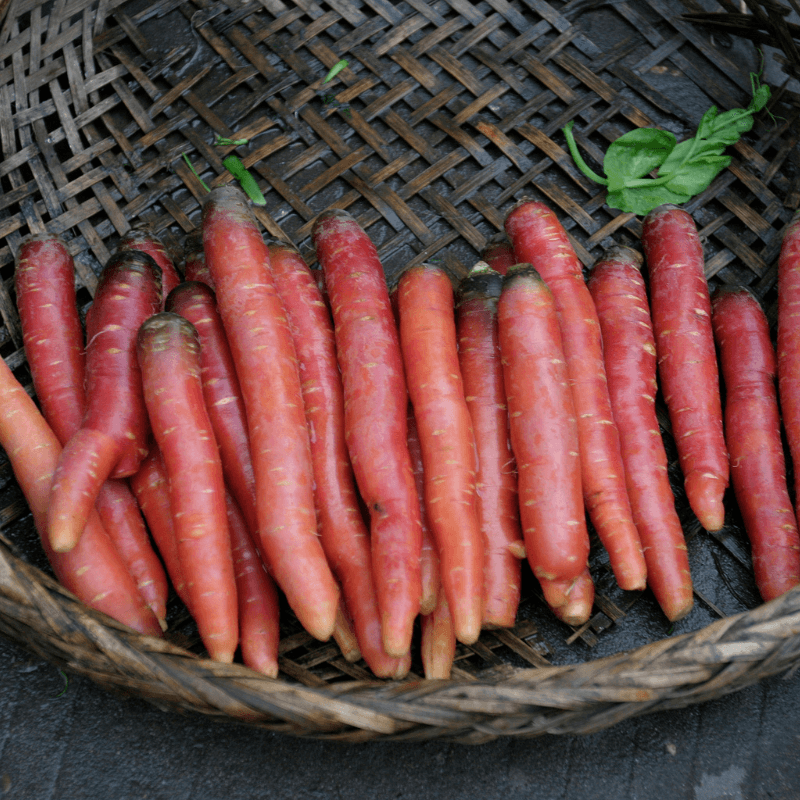
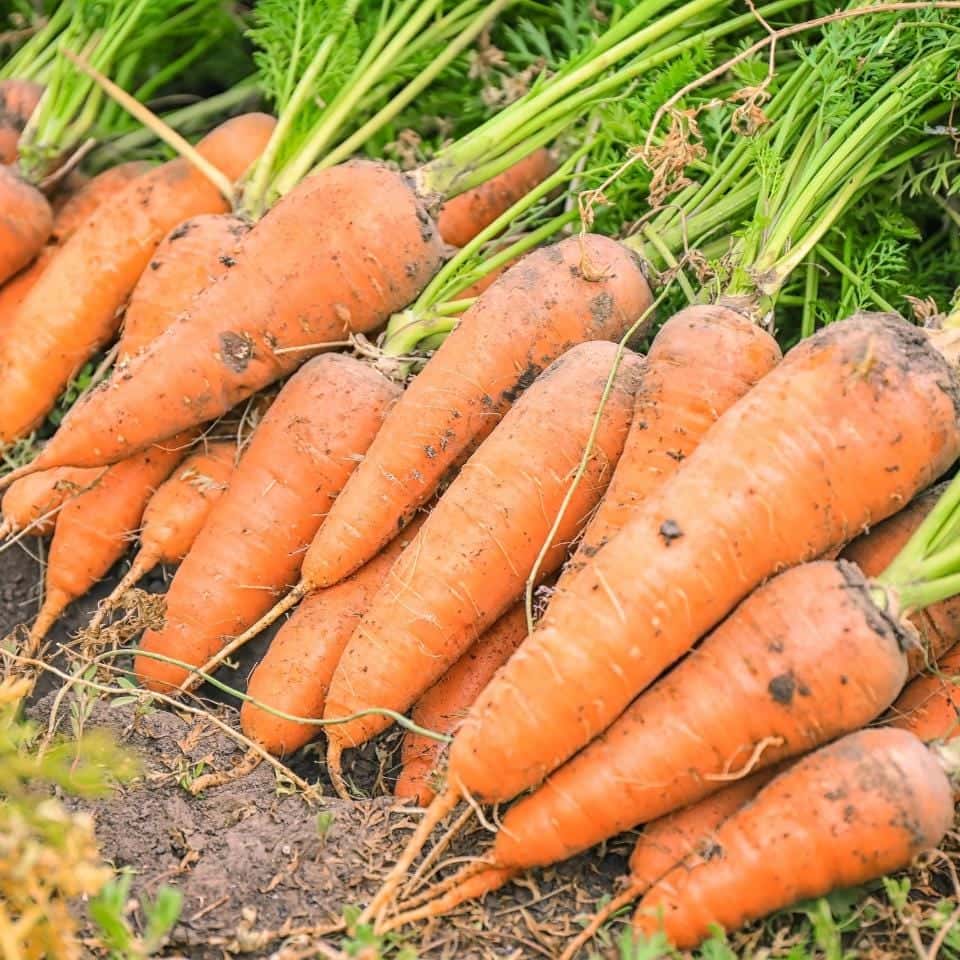
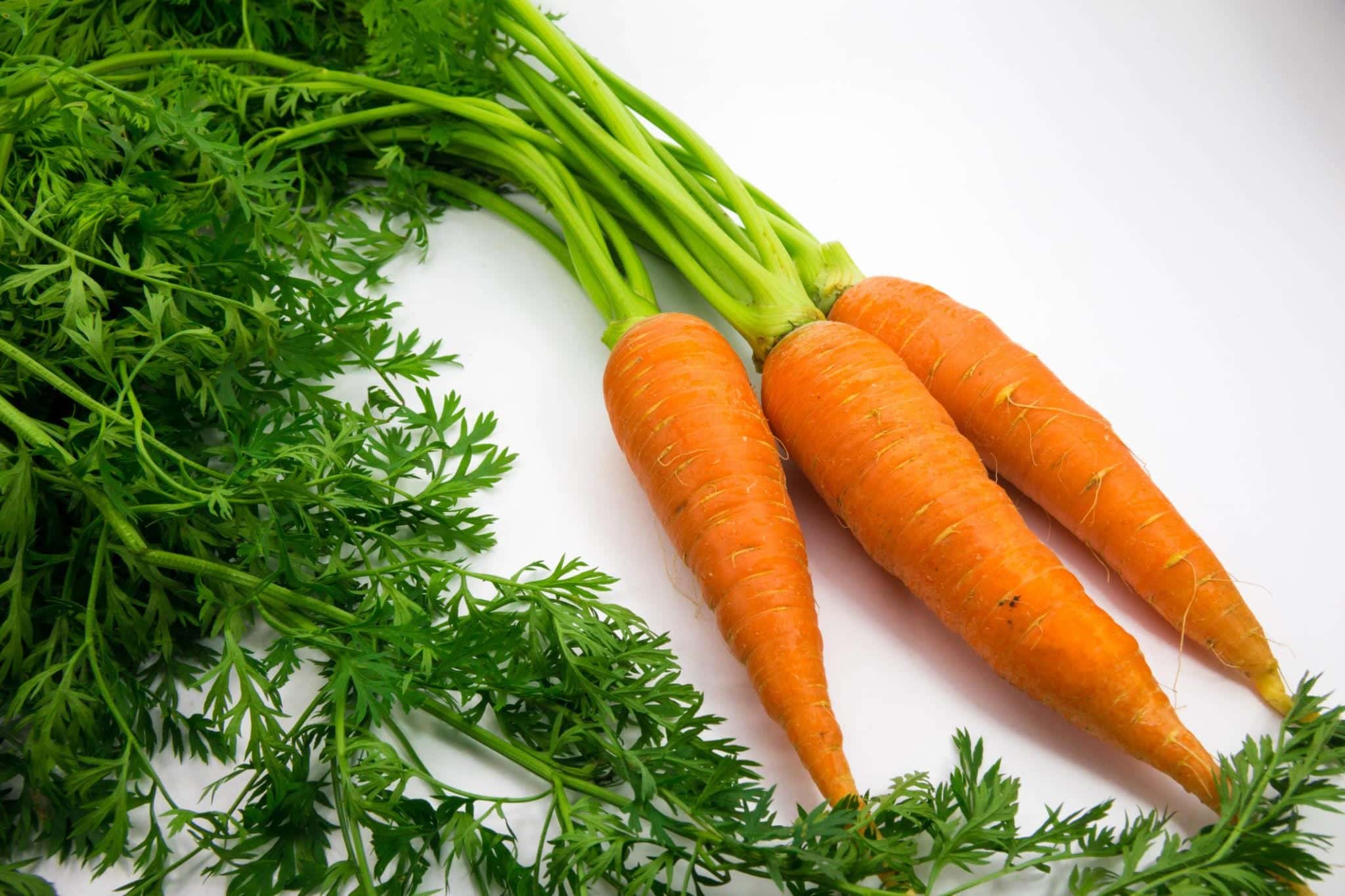
Product Overview: The orange colour is the supported market descriptor for this packet. Because cultivar identity is undocumented, this page does not promise a particular root length, shoulder shape, sweetness, core size, or fixed number of days to harvest. Those traits vary with genetics as well as soil, temperature, spacing, and water. The licensed gallery therefore serves as representative carrot context, not as evidence of the exact seed lot or a named variety.
- Botanical identity: Daucus carota
- Family: Apiaceae
- Crop type: Cool-season root vegetable
- Recorded descriptor: Unnamed orange-rooted garden carrot
- Packet quantity: 100 seeds
- Current offer: US$2.49 per packet
Preparing the Growing Site
Choose a sunny garden position with deep, loose, well-drained soil. Illinois Extension recommends preparing the soil about 8 to 9 inches (20 to 23 cm) deep and breaking up clumps and clods. Remove stones and coarse debris from the root zone before sowing. This preparation matters because a carrot's harvested root develops directly in the soil; compacted ground and obstacles can restrict or divert that growth.
Avoid working wet soil into hard clods. If the bed is heavy, improve its physical condition before planting according to local soil guidance rather than placing fresh, undecomposed organic matter in the seed row. A soil test is the best basis for fertiliser decisions. The goal is an even seedbed that can hold moisture near the surface while still draining freely below.
Sowing Carrot Seed
Carrots are cool-season vegetables and are normally direct-sown where they will grow. Illinois Extension recommends shallow sowing: about 1/4 to 1/2 inch (0.6 to 1.3 cm) deep for early planting, with somewhat deeper sowing possible as soils become warmer and drier. Use the shallower end in a fine, reliably moist seedbed and adjust to local soil texture and weather. Do not transplant the seedlings unless necessary, because disturbance can interfere with the developing taproot.
Carrot seed can take up to about two weeks to emerge according to Illinois Extension. Keep the upper soil layer consistently moist during this period without saturating it. A hard crust can make emergence difficult, while repeated drying can reduce establishment. Gentle watering and close observation are more useful than following a rigid calendar. Protect the seed row from washout after heavy rain or forceful irrigation.
Thinning and Ongoing Care
Once seedlings are established, thin crowded plants so the remaining roots have room to expand. Thin in stages if that makes it easier to preserve the strongest seedlings. Remove weeds while they are small and cultivate shallowly around the row; deep hoeing can damage roots. Keep moisture reasonably even during growth. Large swings between dry and saturated soil are best avoided.
Spacing and timing should be adapted to the garden, climate, and intended harvest size. Illinois Extension commonly places carrot rows 12 to 18 inches (30 to 46 cm) apart, but intensive beds may use a different layout when each plant still has adequate space and airflow. Follow local extension guidance for the season in your region. In hot climates, a locally appropriate cooler-season window may be more suitable than the hottest part of the year.
Harvest and Kitchen Handling
Begin checking roots when their shoulders become visible and pull a sample to judge usable size and colour. Harvest timing should be based on the actual crop rather than a maturity figure published for a different cultivar. Loosen firm soil carefully before pulling so the root is less likely to break. Rinse harvested carrots under clean running water, remove adhering soil, and handle them as fresh produce.
What You Receive: One packet containing 100 Orange Carrot seeds, offered at US$2.49. The primary photograph shows representative fresh orange carrots. The seed macro shows fruits or seeds identified by its source as Daucus carota. Neither image documents the contents of this packet, germination performance, or a named cultivar.
Frequently Asked Questions
Is this a named carrot cultivar?
No. The supported identity is an unnamed orange-rooted garden carrot. The listing deliberately does not assign Danvers, Nantes, or any other cultivar name.
Should carrot seed be started in trays?
Direct sowing is preferred because the harvested carrot is a taproot. Sowing in the final position avoids transplant disturbance and lets the root develop in prepared soil.
Why is careful soil preparation important?
Carrot roots develop below ground. Loose, deep, stone-free soil gives them a more even physical path, while clods, compaction, and debris can obstruct root development.
How should I keep the seedbed during germination?
Keep the surface consistently moist but not waterlogged. Carrot emergence can be slow, so continue gentle moisture management and prevent the top layer from crusting.