


About this variety
Vigna unguiculata (Black-Eyed Peas, Cowpeas, White Beans with Black Eye) Seeds
Also known as: Black-eyed bean, Southern pea, Lobia, Chawli, Rongi, Frijol carita, Niébé, Feijão-fradinho, Vigna sinensis and Dolichos unguiculatus.
Vigna unguiculata, commonly known as Black-Eyed Peas, Cowpeas, or White Beans with Black Eye, is a versatile, drought-resistant legume from the Fabaceae family. Renowned for its creamy texture, nutty flavor, and high nutritional value, this legume is a staple food across the globe. It is particularly popular in Indian, African, and Southern American cuisines.
Characteristics:
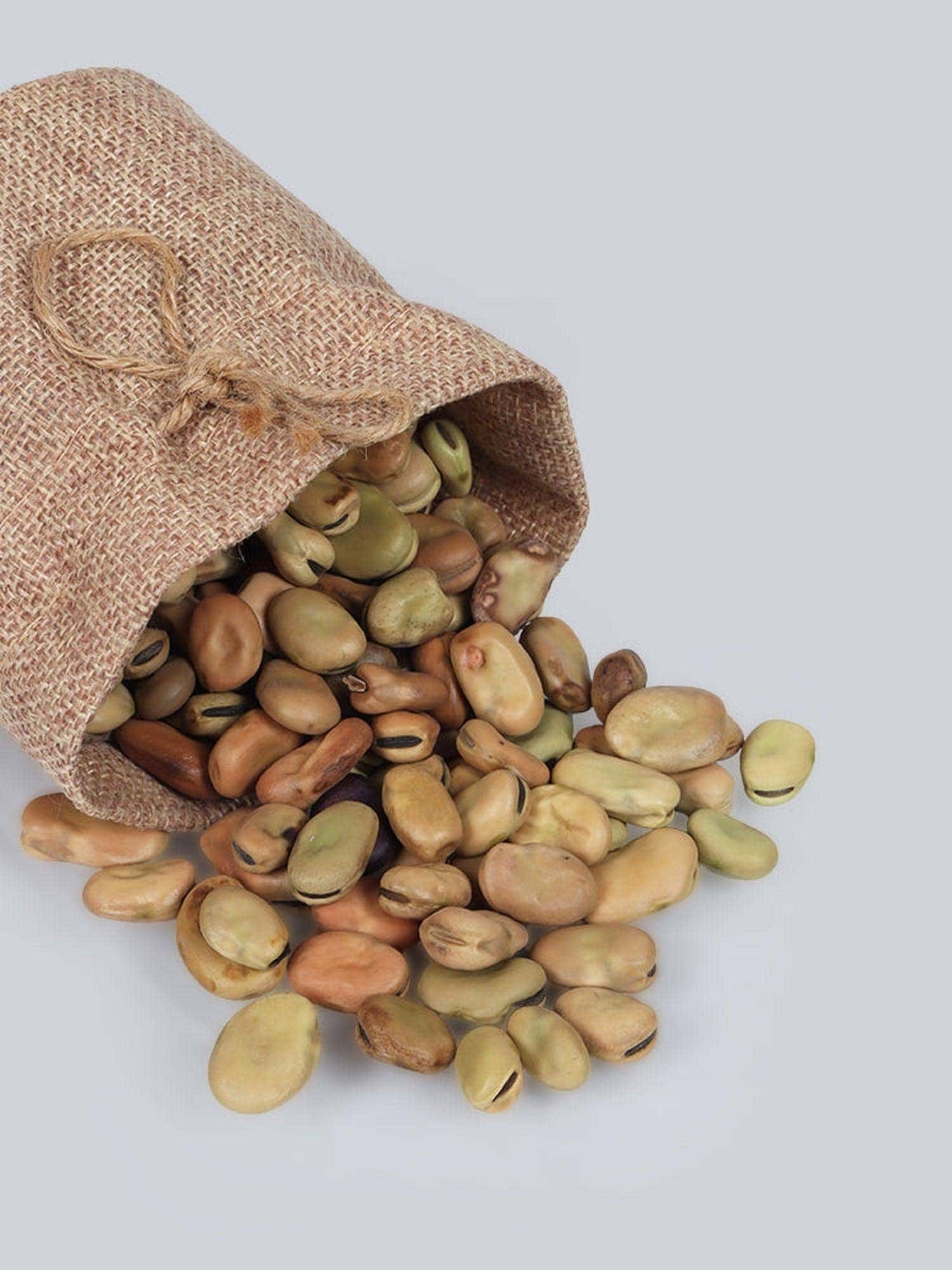
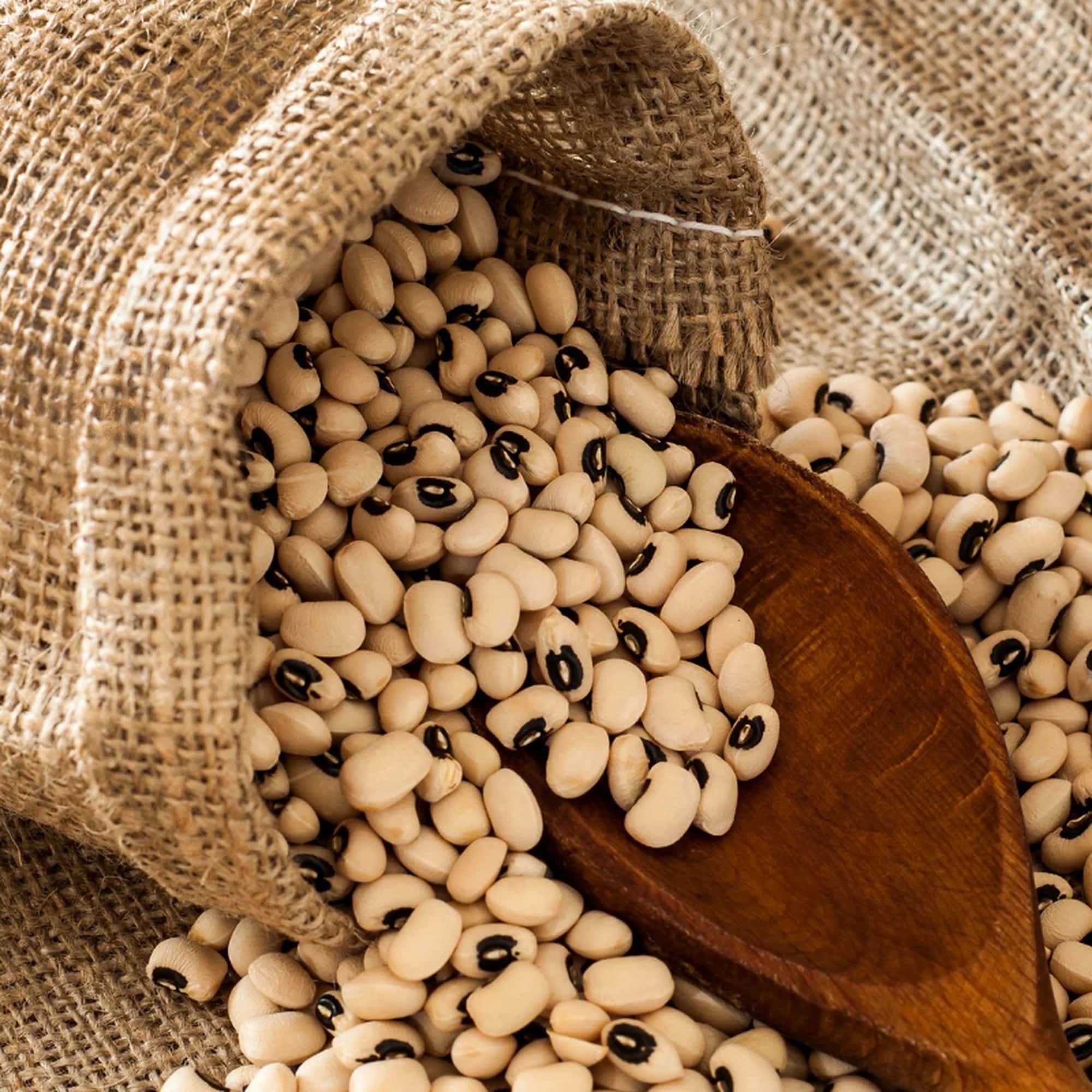
- Plant Description: Black-Eyed Peas are grown as annual bushy or climbing plants, reaching 40–80 cm in height. They produce trifoliate green leaves and small, white or light purple flowers. The pods are cylindrical and grow 10–20 cm long, containing oval-shaped, white seeds with a distinctive black “eye.”
- Flavor Profile: Black-Eyed Peas have a mildly nutty and earthy flavor with a creamy texture when cooked, making them a versatile ingredient in both savory and sweet dishes.
- Climate Adaptability: Thrives in tropical, subtropical, and temperate regions, particularly in arid and semi-arid areas due to its high drought tolerance.
Uses and Benefits:
- Culinary Applications:
- Staple Ingredient: Widely used in curries, stews, soups, and salads. Popular dishes include Southern American Hoppin’ John and Indian Lobia Masala.
- Nutritious Flour: Can be ground into flour and used to prepare flatbreads, fritters, or pancakes.
- Flavor and Texture: Its nutty flavor and smooth texture make it ideal for vegetarian dishes, side dishes, or as a meat substitute in recipes.
- Nutritional Value: High in protein, fiber, iron, magnesium, and essential vitamins, making it a superfood for energy and digestive health. It is also low in fat and cholesterol-free.
- Soil Improvement: As a nitrogen-fixing crop, it enriches soil fertility and is often used in crop rotation systems.
- Fodder: The plant’s foliage and pods serve as excellent fodder for livestock.
Cultivation:
- Sowing:
- Sow seeds directly in well-drained soil at a depth of 2–3 cm, spacing them 20–30 cm apart in rows 60–80 cm apart.
- Plant during warm seasons or early monsoons, as the seeds require warm soil for optimal germination.
- Germination: Seeds germinate within 5–7 days under suitable conditions.
- Growth Conditions:
- Prefers full sun and grows well in sandy, loamy, or slightly clay soils.
- Requires minimal irrigation and thrives in rainfed conditions but benefits from supplemental watering during prolonged dry spells.
- Harvesting:
- Pods mature within 60–90 days and should be harvested when they turn dry. Store dried seeds in a cool, dry place.
Unique Features:
- Drought Resilience: One of the most drought-tolerant legumes, ensuring productivity even in challenging climates.
- Culinary Versatility: Its nutty flavor complements a variety of cuisines and dietary needs.
- Eco-Friendly Farming: Improves soil health and supports sustainable agriculture.
Growing Tips:
- Pre-soak seeds in water for 6–8 hours before planting to speed up germination.
- Mulch around plants to retain soil moisture and control weeds.
- Rotate crops to maximize soil fertility and reduce pests.
Shipping:
Available for shipping within India and worldwide.