

About this variety
Christmas Lima Bean Seeds — Phaseolus lunatus
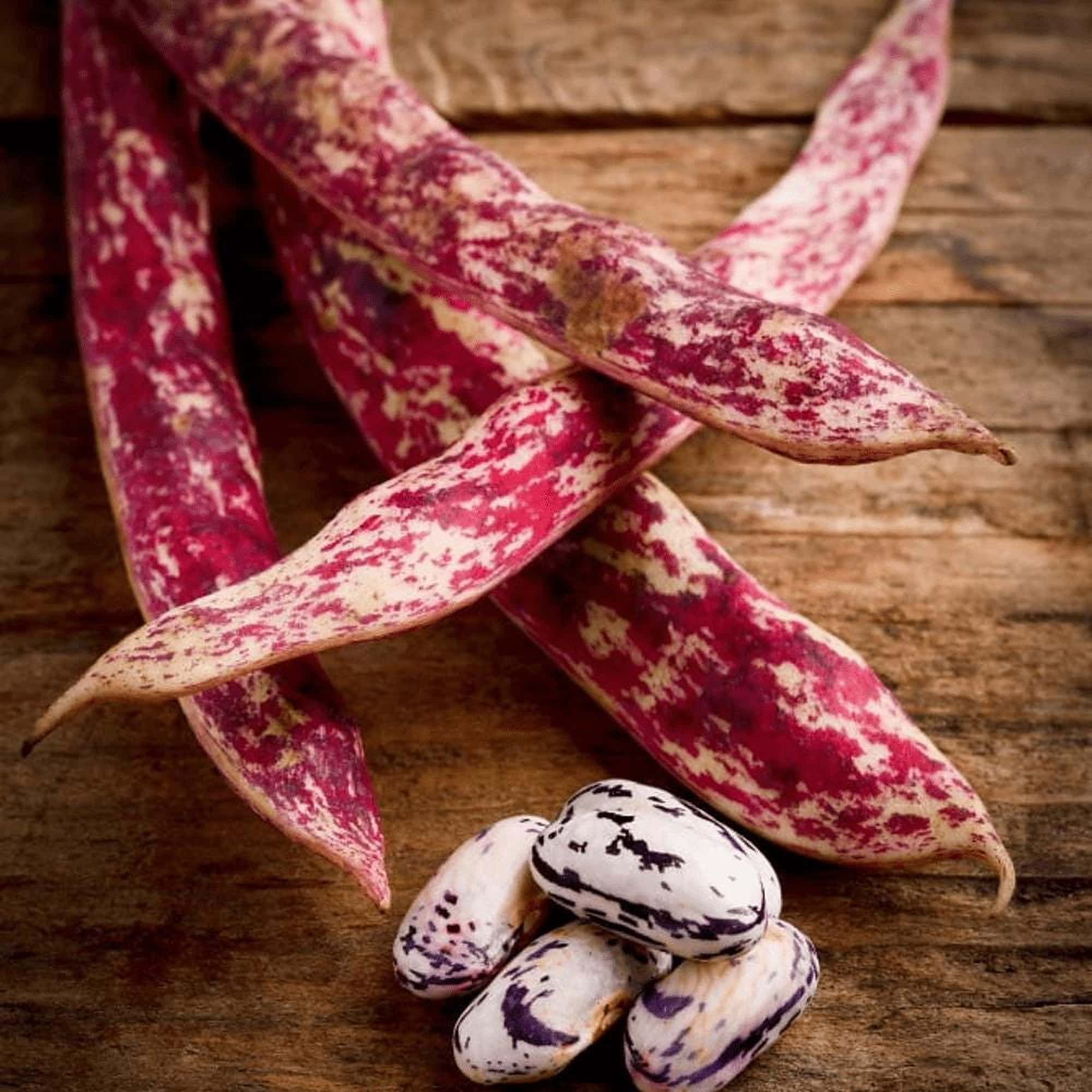
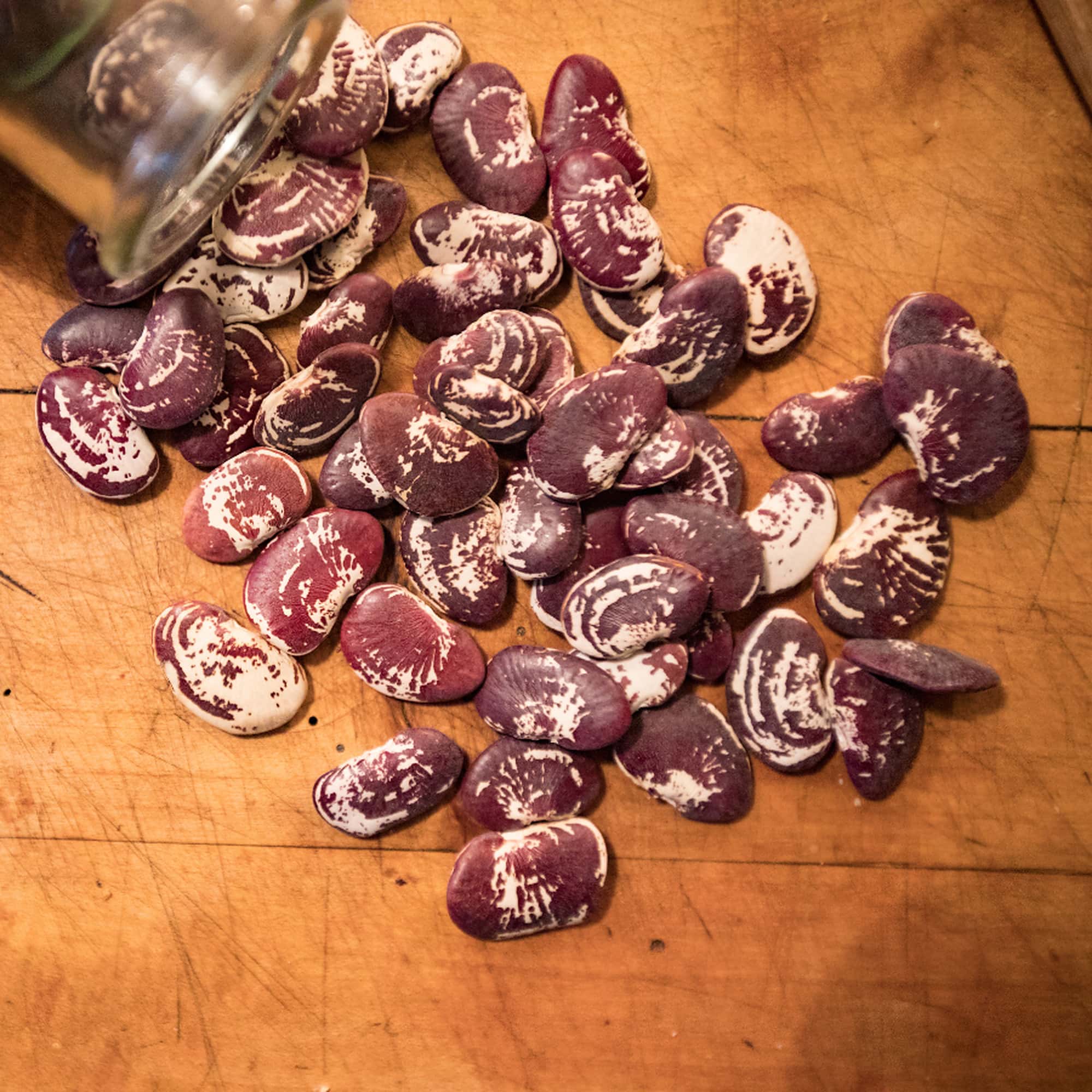
Christmas lima bean belongs to Phaseolus lunatus, the accepted botanical species for lima or butter beans. This climbing selection is known for its large, patterned seeds and vigorous vining habit. The plant is a warm-season legume and needs a sufficiently long, warm growing period to develop mature pods.
Sowing and growing
Wait until frost danger has passed and the soil has warmed above about 60°F (16°C). Choose a position in full sun with fertile, well-drained soil. Sow each seed approximately 1 inch (2.5 cm) deep, water gently, and keep the soil evenly moist while seedlings establish. Avoid leaving the bed saturated, especially in cool weather.
Provide a sturdy trellis, netting, or poles early so the vines can climb without being redirected later. Space plants so air and light can reach the foliage. Water regularly during flowering and pod development, directing water toward the soil where practical. A mulch can help retain moisture and reduce competition from weeds. Do not disturb the roots deeply once the plants are growing.
Climate, soil temperature, and day length can affect the time required for pod development. If your outdoor season is short, start seeds in individual deep pots shortly before conditions are suitable, then transplant carefully after acclimating the seedlings.
Storage
Keep unused seeds labelled in a tightly closed container in a cool, dry, dark place. Protect them from humidity and large temperature changes until planting time.
Local names
Mahinhiboulani malandi, Makadodrou bé mena, Fouiou matra, Gros pois, Pois amer, Pois d'Achery, Pois doux, Pois du Cap, Chestnut lima, Lima bean, Butter bean, Pallar, Frijol lima, Haricot de Lima, Limabohne, Feijão-fava, Phaseolus limensis, Phaseolus inamoenus.
Common names of Phaseolus lunatus
All 43 names, languages and regions
Local names
| Mayotte | |
|---|---|
| Mahinhiboulani malandi, Makadodrou bé mena, Fouiou matra | |
| Réunion | |
| French | Gros pois, Pois amer, Pois d'Achery, Pois doux, Pois du Cap |
| Other places | |
| Spanish | Frijol lima, Chilipuca Colorada |
| French | Haricot de Lima |
| Portuguese | Feijão-fava, Fava |
| Latin | Phaseolus limensis, Phaseolus inamoenus |
| English | Green Bean, Lima bean, Rat Weed, Sieva Bean, butter bean, sivvy bean, sugar bean |
| Polish | Fasola limeńska |
| Turkish | Lima fasulyesi |
| German | Limabohne |
| Filipino | Patani |
| Ojibwa | Wabeni'mîna |
| Japanese | aoi-mame |
| Korean | chaedu |
| Italian | fagiolo di Lima |
| Czech | fazol měsíční |
| Slovak | fazuľa mesiacovitá |
| Kinyarwanda | kisimbo |
| Swedish | limaböna |
| Finnish | limanpapu |
| Slovenian | limski fižol |
| Chinese | main dou |
| Catalan | mongeta de Lima |
| Chestnut lima, Lima bean, Butter bean, Pallar, Limabohne, aoi-mame, chaedu, fava-Belém, ib, karakusu, kishomasheke, main dou, mambambi, mangongo, medesu, mukunde, pulavazsakiling | |