

About this variety
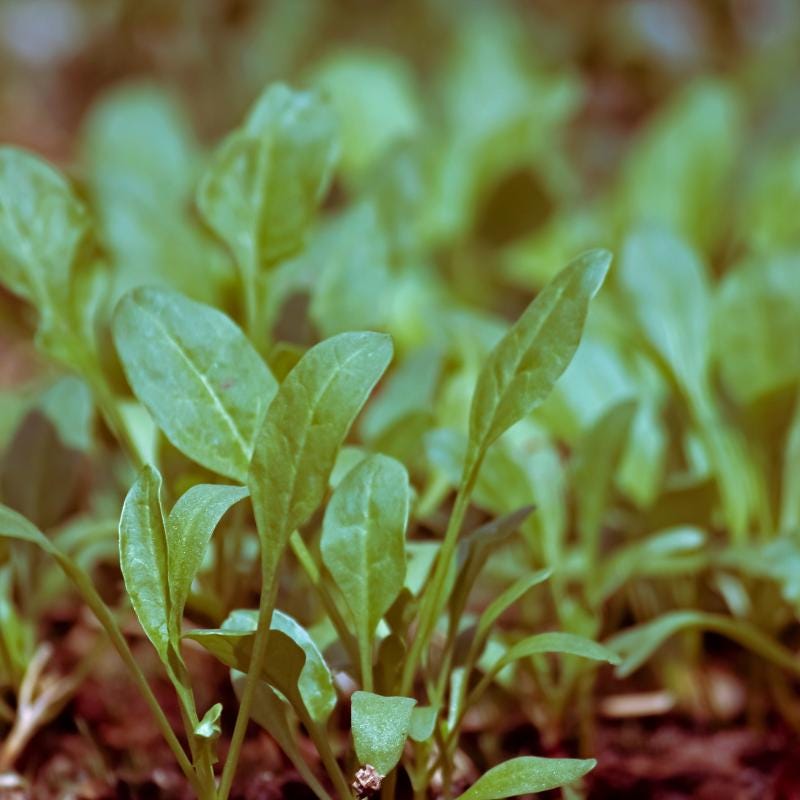
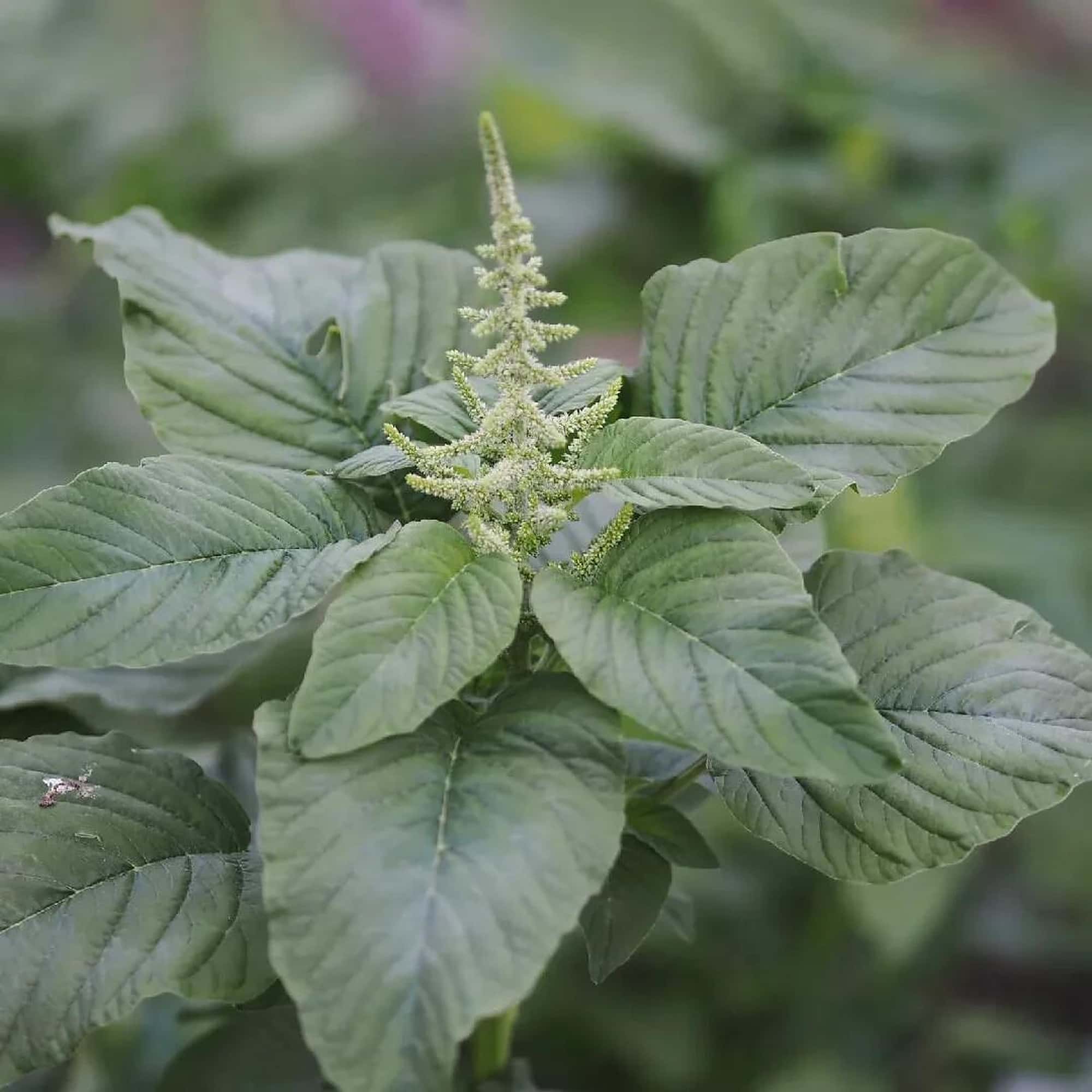
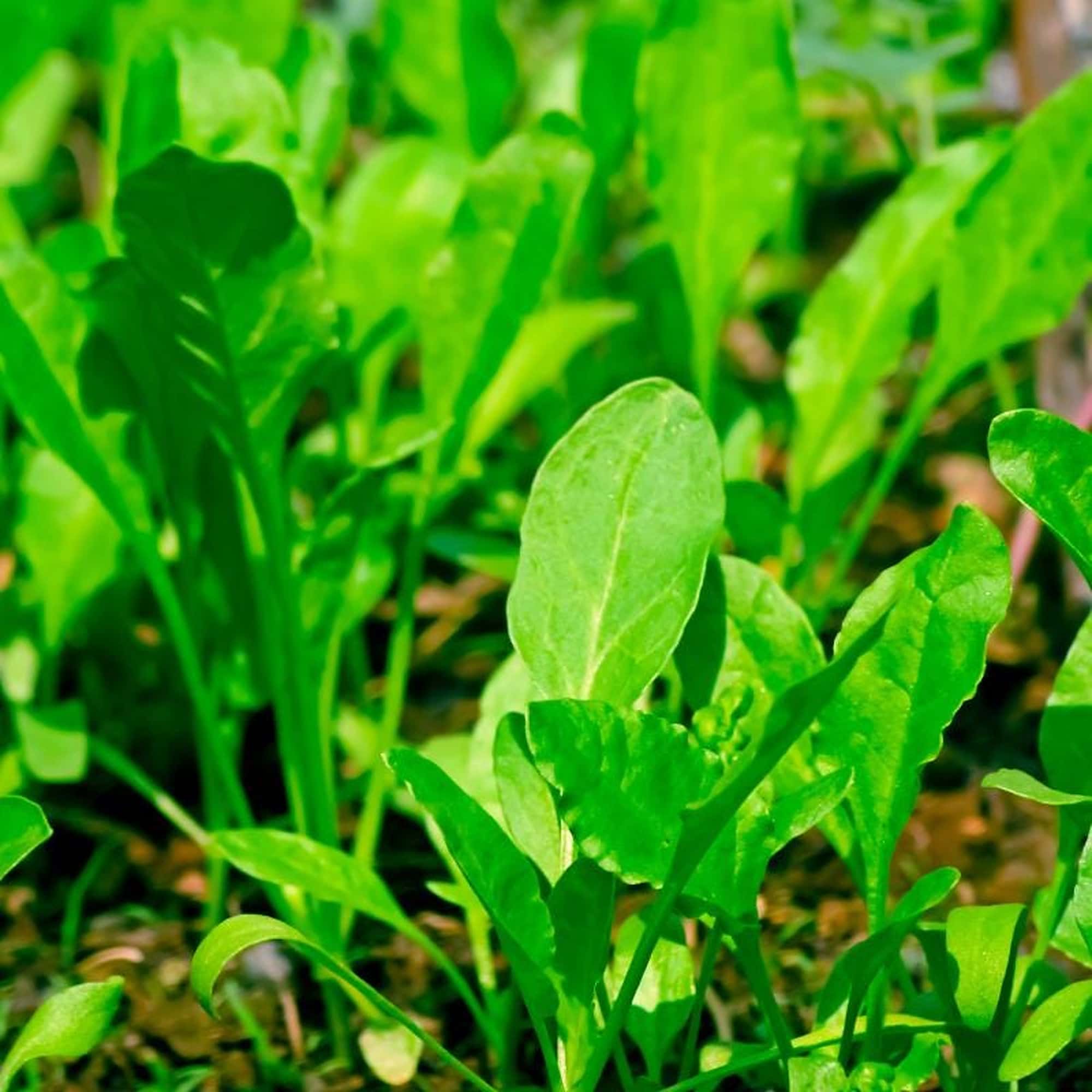
All Green palak is an Indian cultivar of leaf beet (Beta vulgaris), grown for uniformly green, tender leaves that are cut repeatedly. It is not true spinach (Spinacia oleracea): the two crops are related but botanically distinct.
Also known as: Palak (Hindi), Palong shak (Bengali), Palakura (Telugu), Spinach beet, Leaf beet, Perpetual spinach; scientific names Beta vulgaris var. bengalensis and Beta bengalensis.
What sets All Green apart
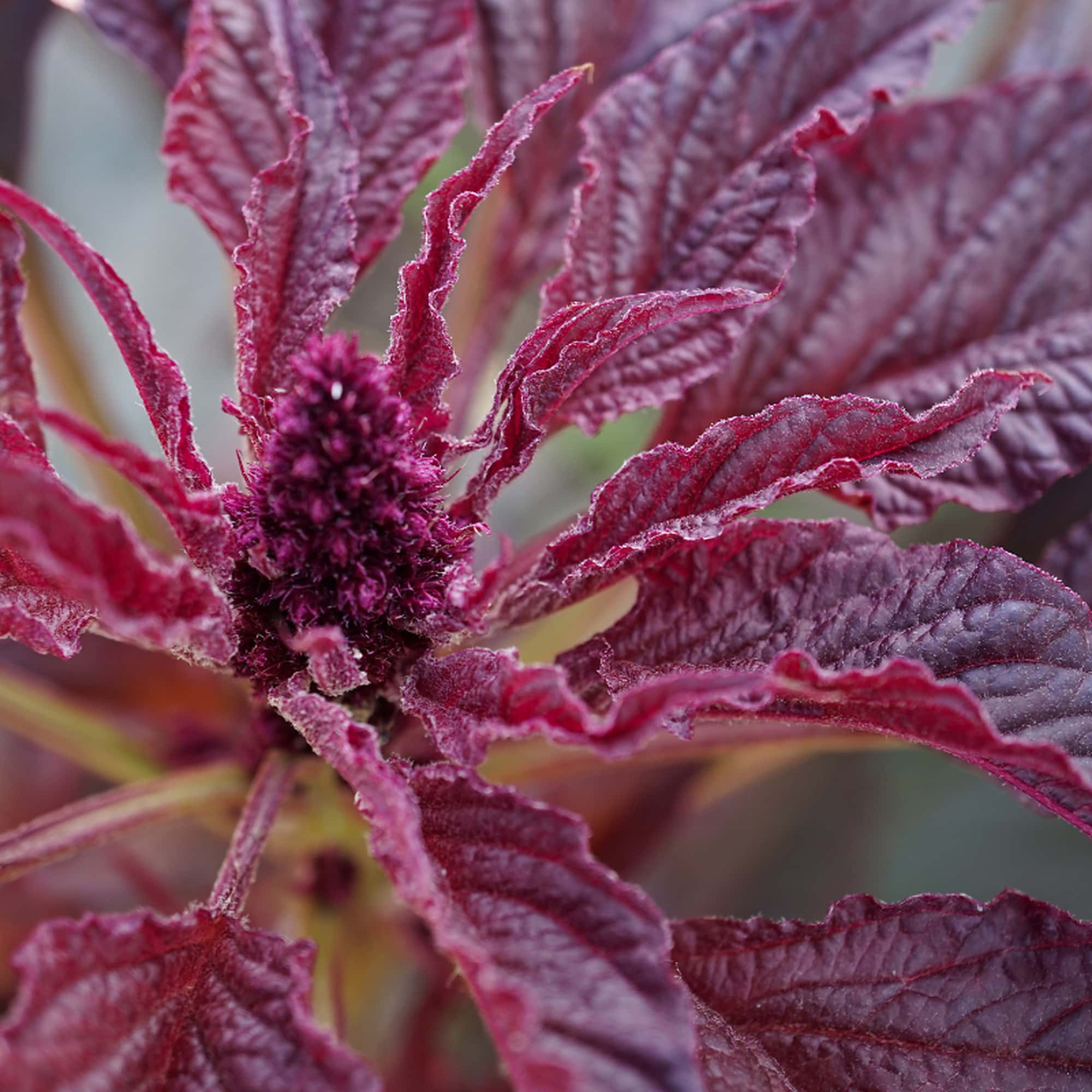
- Foliage uniformly green and tender, without pigmentation; the main stem and flower stalk are purple.
- Matures in about 40 days; about 6–7 cuttings at 15–18 day intervals are reported for All Green.
- ICAR-IARI describes Pusa All Green as suitable for multiple harvesting.
Seed and sowing
Beet-family seed is a cluster, so one seed can give several seedlings and thinning is needed. Soil in the 10–29 °C range suits germination, and seedlings appear in about 5 days at 25 °C when sown 1.3 cm deep (approximate species values).
- Sow directly into fertile, well-drained soil in a sunny position, about 1.3 cm (½ in) deep; some sources use up to 2.5 cm.
- Keep the seedbed evenly moist and thin after true leaves appear.
- Allow about 15 cm (6 in) between plants and 30 cm (12 in) between rows for full-sized plants; closer for smaller leaves.
- Follow the cool or mild season for your region; sowing in India runs from the second week of September to December.
Harvest
Pick outer leaves while they are tender and leave the central growing point intact, so established plants keep producing leaves.
FAQ
Is All Green palak the same species as true spinach?
No. Indian plant-variety authorities document All Green under palak, Beta vulgaris var. bengalensis. True spinach is Spinacia oleracea.
Can the leaves be harvested more than once?
Yes. Take outer leaves and keep the central growing point so the plant can continue producing foliage.
Why do several seedlings come up from one seed?
Beet-family seed is a cluster of fruits, each able to sprout. Thin to the spacing above once true leaves develop.
Local names
Bede, Juurikas, bete, beta, Beetroot, Palak, Palong shak, Palakura, Spinach beet, Leaf beet, Perpetual spinach, Beta bengalensis.
Common names of Beta vulgaris L.
All 45 names, languages and regions
Local names
| Denmark | |
|---|---|
| Danish | Bede |
| Finland | |
| Finnish | Juurikas |
| Norway | |
| Norwegian Bokmål | bete |
| Sweden | |
| Swedish | beta |
| United States | |
| English | Beetroot |
| Other places | |
| Latin | Beta bengalensis |
| English | Beet, Chard, Common Beet, Fodder Beet, Mangels, Silver Beet, Spinach Beet, Sugar Beet, Swiss Chard |
| Portuguese | Acelga |
| Italian | Barbabietola |
| German | Beta-Rübe |
| Spanish | Betabel |
| French | Bette commune |
| Welsh | Betys |
| Dutch | Biet |
| Croatian | Blitva |
| Polish | Burak zwyczajny |
| Turkish | Kırmızı Pancar |
| Irish | Laíon na trá |
| Lithuanian | Paprastasis runkelis |
| Norwegian Nynorsk | Raudbete |
| Galician | Remolacha |
| Catalan | Remolatxa |
| Luxembourgish | Rout Rommel |
| Norwegian | Rødbete |
| Palak, Palong shak, Palakura, Spinach beet, Leaf beet, Perpetual spinach, Assikchìlpa hòmma, Mangel-wurzel, Mangold (DE), Root Beet (EN), Runkelrübe, Rööw, beet, chak-mots, 근대 (geunde) | |