

About this variety
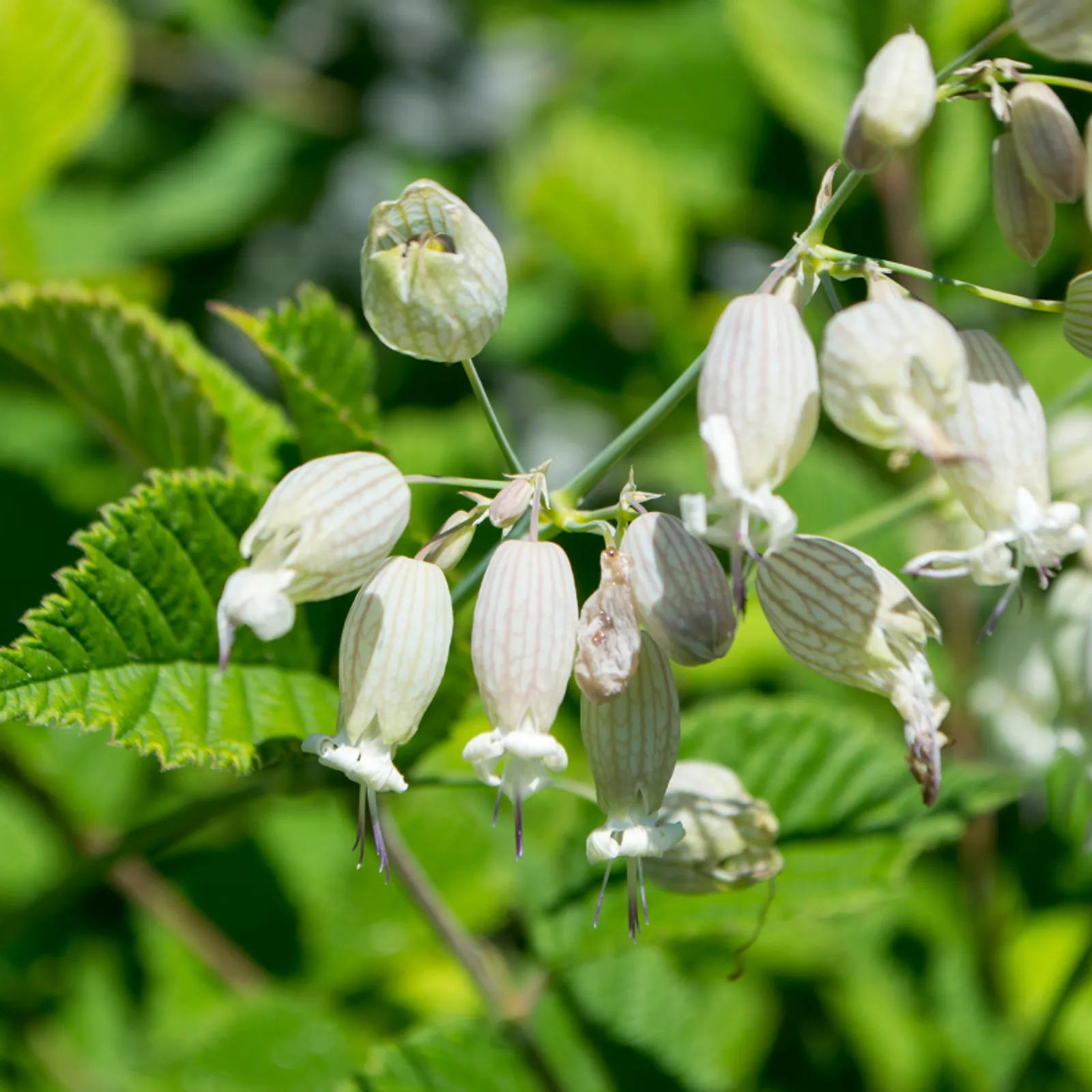
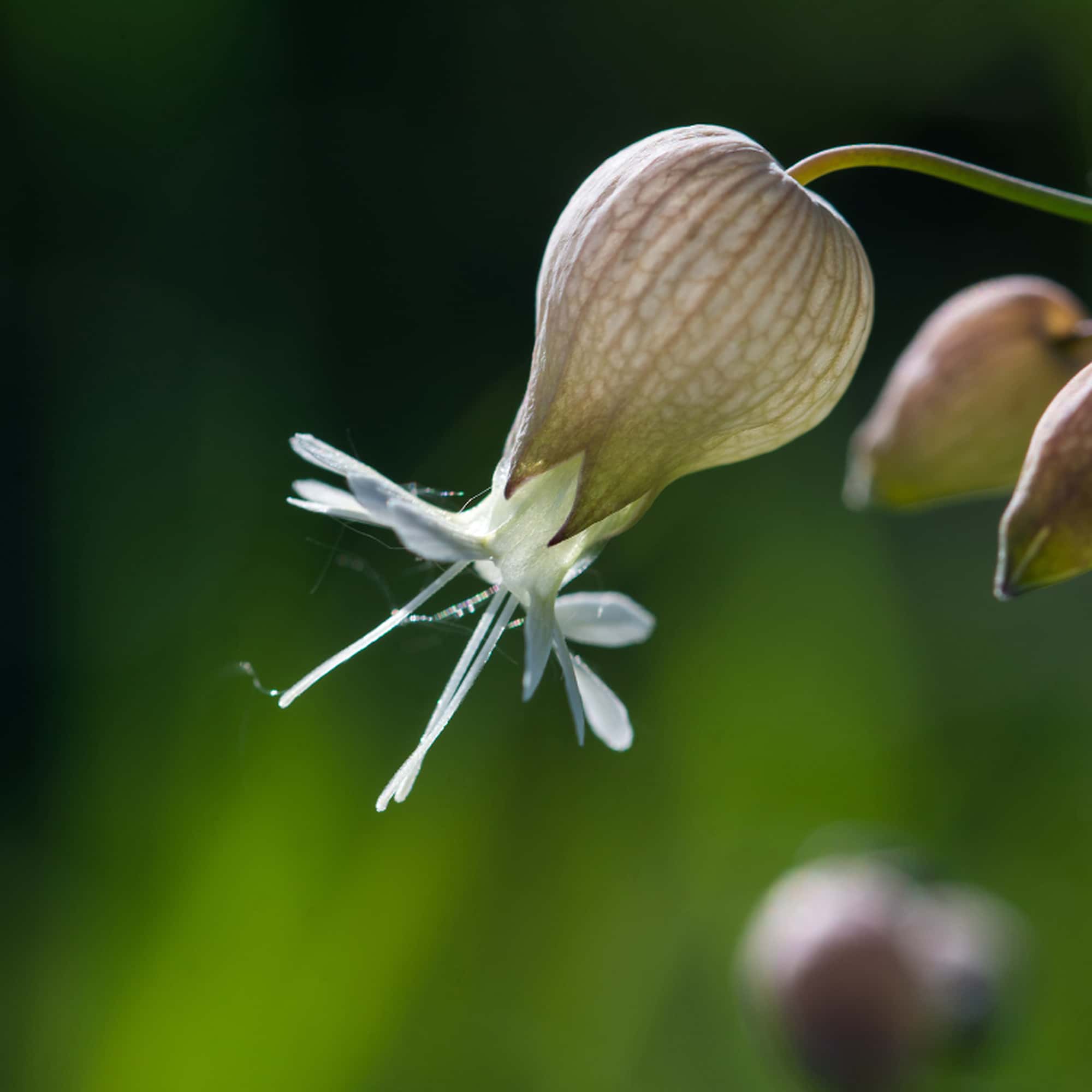
Bladder campion (Silene vulgaris) is a hardy perennial, 0.5–1 m tall, with white flowers hanging from inflated, bladder-like green calyces. It self-sows and spreads by creeping roots, so it suits a meadow or a dry bank better than a tidy border.
Also known as: Maidenstears, Bird's eggs, Bull rattle, Cowbell, Kiss-me-quick, White bottle, White behen, Collejas (La Mancha, Spain), Stridolo (Italian), Strigoli, Silène enflé (French), Taubenkropf-Leimkraut (German); synonyms Silene cucubalus and Silene inflata.
Where it grows well
Full sun or partial shade, in well-drained chalk or loam that is neutral to alkaline. The RHS rates it H6, hardy to about –20 °C, and notes that it grows naturally in dry, chalky grassland, so avoid wet ground. Slugs, snails and powdery mildew in dry soil are the listed problems.
Sowing
- Timing: sow in containers in a cold frame in autumn, or under cover in spring; sow outdoors only after the last frost.
- Depth: sow thinly and cover with a light sprinkle of soil.
- Warmth and wait: a seed supplier gives about 20 °C with even moisture; seedlings appear in 1–3 weeks, and slower, uneven emergence is normal.
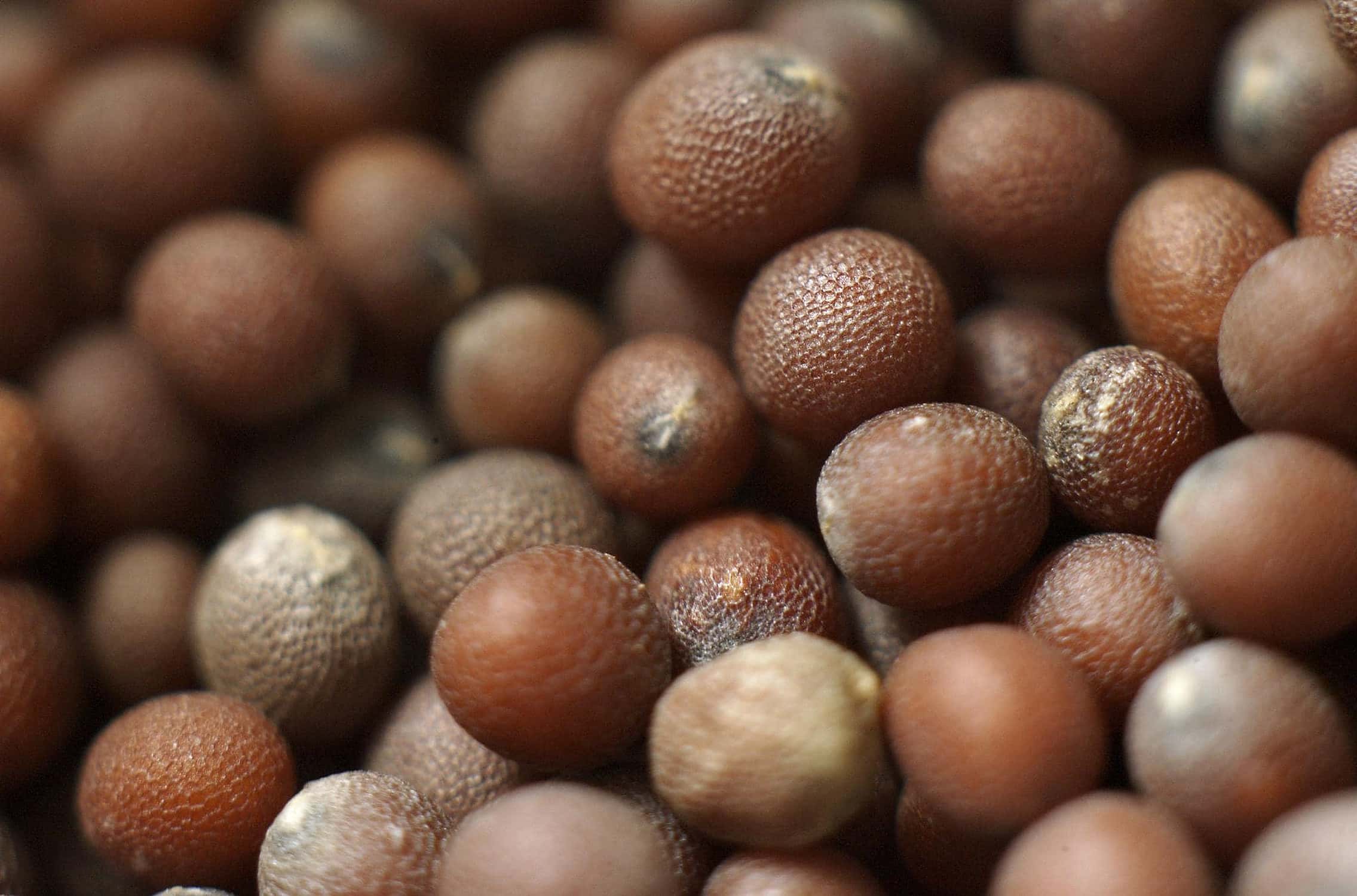
- Seed size: about 1,450 seeds per gram (supplier figure, approximate).
Eating the young shoots
Tender leaves and shoots are eaten before the plant flowers, raw in salads. Older leaves are usually cooked: sautéed with garlic, in omelettes and in risotto in Italy, browned in olive oil in Crete, and in gazpacho viudo in La Mancha. We make no health claims.
Before you plant: it spreads
South Australia lists bladder campion as a declared pest plant: it forms dense patches from creeping roots and from seed scattered by wind and carried in mud, and it is difficult to remove. Plant it where spread is welcome and check local rules first.
FAQ
Does bladder campion come back every year?
Yes. The RHS lists it as a semi-evergreen herbaceous perennial, and it also self-sows.
Is Silene inflata the same plant?
Silene inflata is an obsolete scientific name for Silene vulgaris, so both names refer to this species.
Can I sow it in spring?
Yes, under cover in spring, or outdoors after the last frost. The RHS method is an autumn sowing in a cold frame.
Local names
Blaassilene, Blæresmælde, engsmelle, Collejas, Bladder Silene, Cowbell, Rattleweed, Common Bladder Campion, Maidenstears, Bird's eggs, Bull rattle, Kiss-me-quick.
Common names of Silene vulgaris
All 50 names, languages and regions
Local names
| Belgium | |
|---|---|
| Dutch | Blaassilene |
| Denmark | |
| Danish | Blæresmælde |
| Norway | |
| Norwegian Bokmål | engsmelle |
| Spain | |
| La Mancha | Collejas |
| United States | |
| English | Bladder Silene, Cowbell, Rattleweed, Common Bladder Campion |
| Other places | |
| Italian | Stridolo, Bubbolini |
| French | Silène enflé, Silene enfle |
| German | Taubenkropf-Leimkraut, Aufgeblasenes Leimkraut |
| Latin | Silene inflata |
| English | Bladder Campion, Maiden's Tears, Sculpit, Stridolo |
| Aragonese | Acoleta |
| Spanish | Alcadicea |
| Portuguese | Assobios |
| Welsh | Codrwth |
| Irish | Coireán na gcuach |
| Catalan | Colitx |
| Basque | Garikota |
| Romanian | Gușa porumbelului |
| Arabic | Hamrat erras |
| Norwegian | Hermans-kaal |
| Hungarian | Hólyagos habszegfű |
| Polish | Lepnica rozdęta |
| Croatian | Napuhnuta pušina |
| Lithuanian | Paprastoji naktižiedė |
| Latvian | Parastā plaukšķene |
| Occitan | crasinèu |
| Maidenstears, Bird's eggs, Bull rattle, Cowbell, Kiss-me-quick, White bottle, White behen, Strigoli, synonyms Silene cucubalus, Carleti, Cojèt, Navadna pokalica, Restalhon, Zawadskii's campion, bladder campion, erva-traqueira, restallón, Esplotaculos | |