

About this variety
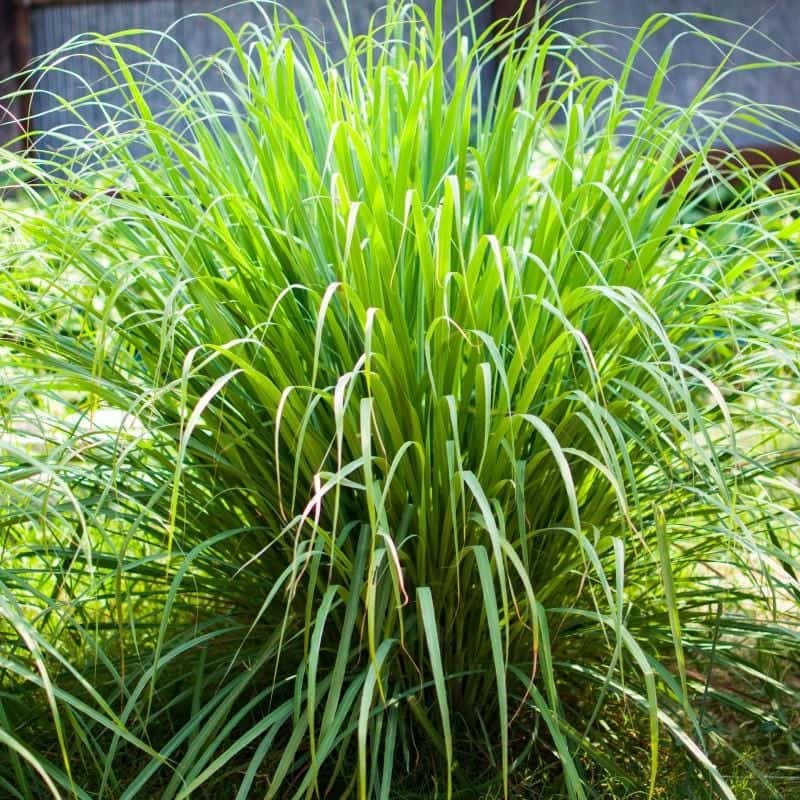
Product Overview: West Indian lemongrass is Cymbopogon citratus, an aromatic, clump-forming grass in the Poaceae family. Kew accepts this botanical name and describes the species as a perennial of the wet tropics. This packet contains 100 seeds for growing in a garden bed, raised bed, greenhouse, or container.
- Botanical name: Cymbopogon citratus (DC.) Stapf
- Common name: West Indian lemongrass
- Family: Poaceae
- Growth habit: Tender, clump-forming perennial grass; often grown as an annual where winters are cold
- Packet quantity: 100 seeds
- Supplied as: Seeds only; no live plant, pot, or growing medium is included
About West Indian Lemongrass
Cymbopogon citratus develops a dense tuft of long, narrow leaves and thickened stem bases. Wisconsin Horticulture distinguishes it from East Indian lemongrass (C. flexuosus) and notes that West Indian lemongrass is the type more typically used for cooking. It is also different from citronella grass (C. nardus). Mature size, aroma, colour, and growth rate vary with temperature, light, water, fertility, spacing, and the length of the warm season.
Growing from Seed
When to sow: Start seed in warm conditions after danger of frost has passed, or begin indoors before the local warm season. Lemongrass is tropical and grows most actively with warmth, bright light, and adequate moisture. In frost-prone climates, treat it as an annual or move container plants to protected conditions before cold weather.
Sowing: Use a clean, fine-textured, well-drained seed-starting mix. Sow the small seeds on the surface or cover only very lightly, then water gently so they remain in place. Keep the medium evenly moist but not waterlogged. Warmth and consistent surface moisture are important while seedlings establish. Germination speed and percentage are influenced by seed condition and local growing conditions, so no fixed result or timetable is guaranteed.
Transplanting and spacing: Move seedlings after they are sturdy and outdoor conditions are reliably warm. Acclimate indoor-grown seedlings gradually to stronger sun and wind. Choose a sunny location and allow room for the grass to widen into a clump. For containers, use a pot with drainage holes and enough volume for continuing root growth; divide or repot when the clump becomes crowded.
Light, soil, and water: Provide full sun or the brightest practical position. Use fertile, well-drained soil and water regularly during active growth. The root zone should stay consistently moist without standing water. Container plants may need more frequent watering than plants in the ground. Remove dry leaves and keep the planting area open enough for airflow.
Harvest and Use
Once plants are established and have produced substantial growth, individual outer leaves or mature stems can be cut as needed while leaving the centre of the clump to continue developing. The lower stem bases and leaves are widely used as an aromatic culinary ingredient. Wash harvested material thoroughly before kitchen use and follow a recipe appropriate to the plant part being prepared.
What You Receive: One labelled packet containing 100 West Indian Lemongrass seeds. This product contains seeds only, not a live plant, harvested leaves, soil, or a container.
Frequently Asked Questions
Is this citronella grass?
No. This listing is for Cymbopogon citratus, West Indian lemongrass. Citronella grass is a related but different species, Cymbopogon nardus.
Can it be grown in a container?
Yes. Use a sunny position, free-draining mix, and a container with drainage holes. Increase pot size as the clump develops and protect it from frost where necessary.
Is lemongrass perennial?
It is a tropical perennial, but it is tender to cold. Gardeners in cool climates commonly grow it for one warm season or overwinter protected container plants.