
Out of stock
Cactus and succulent seeds
Compare cacti and other succulents before choosing seeds and a sowing method. Browse the available packets below, then follow the guidance for your selected species.
79 seed listings with current packet options and USD prices. Page 2 of 2.
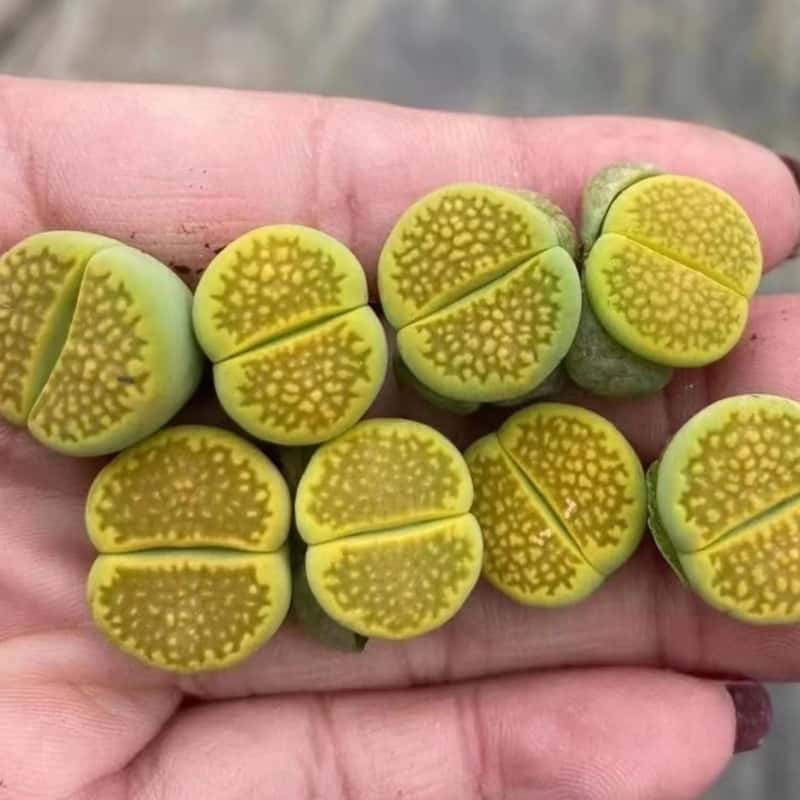
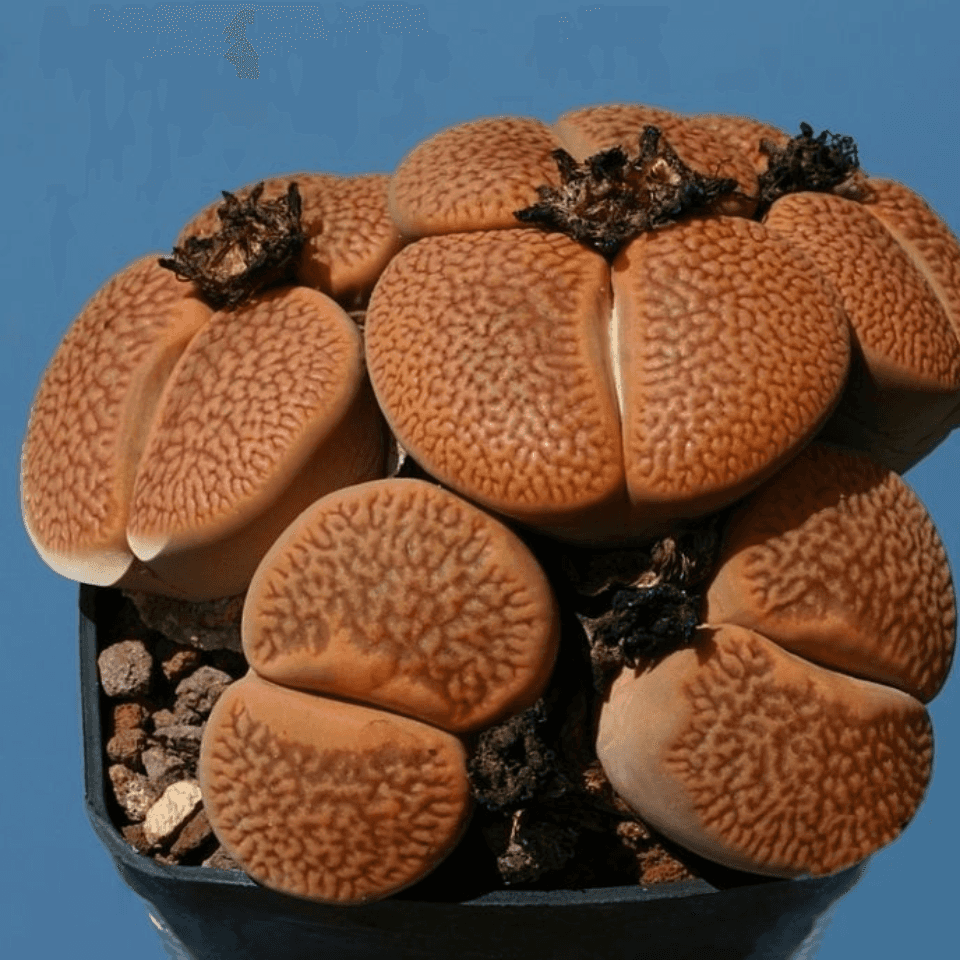
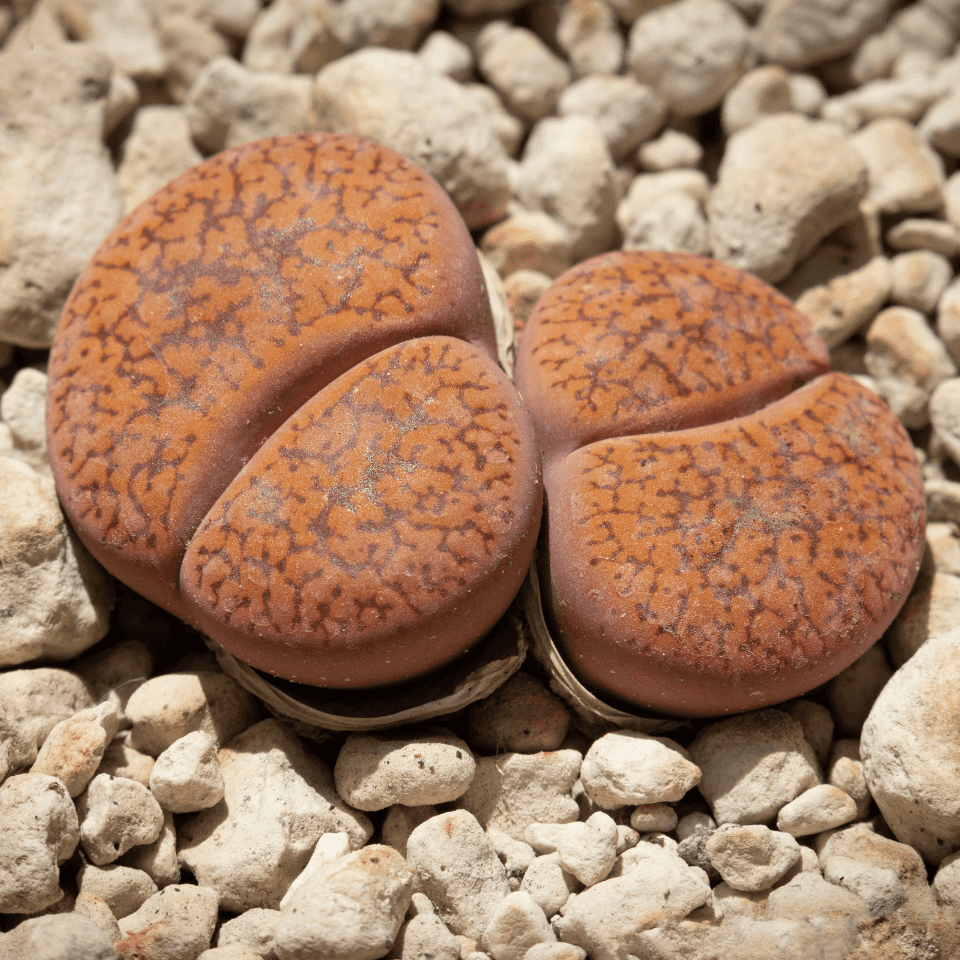
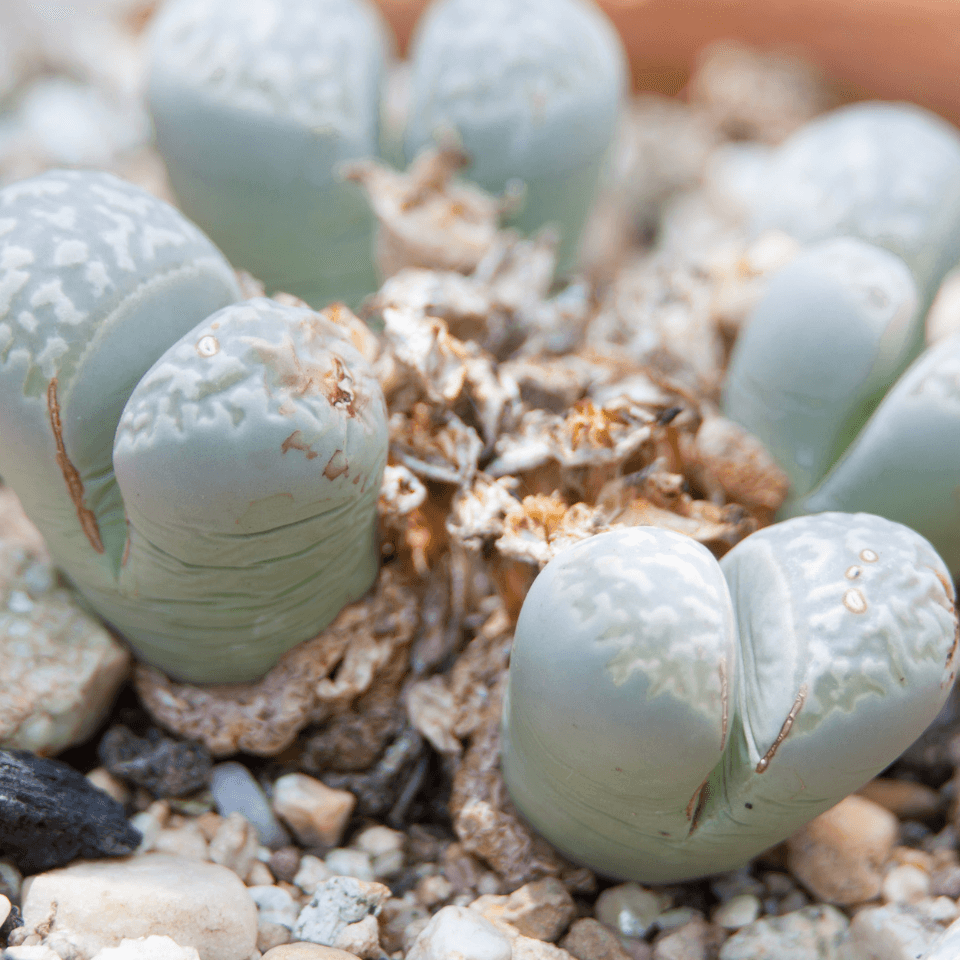
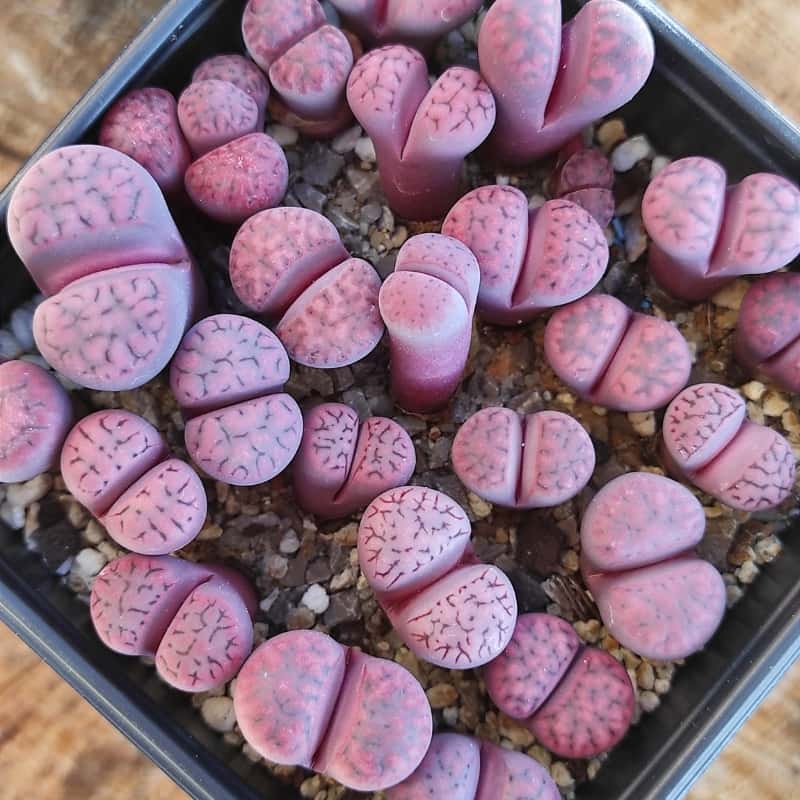
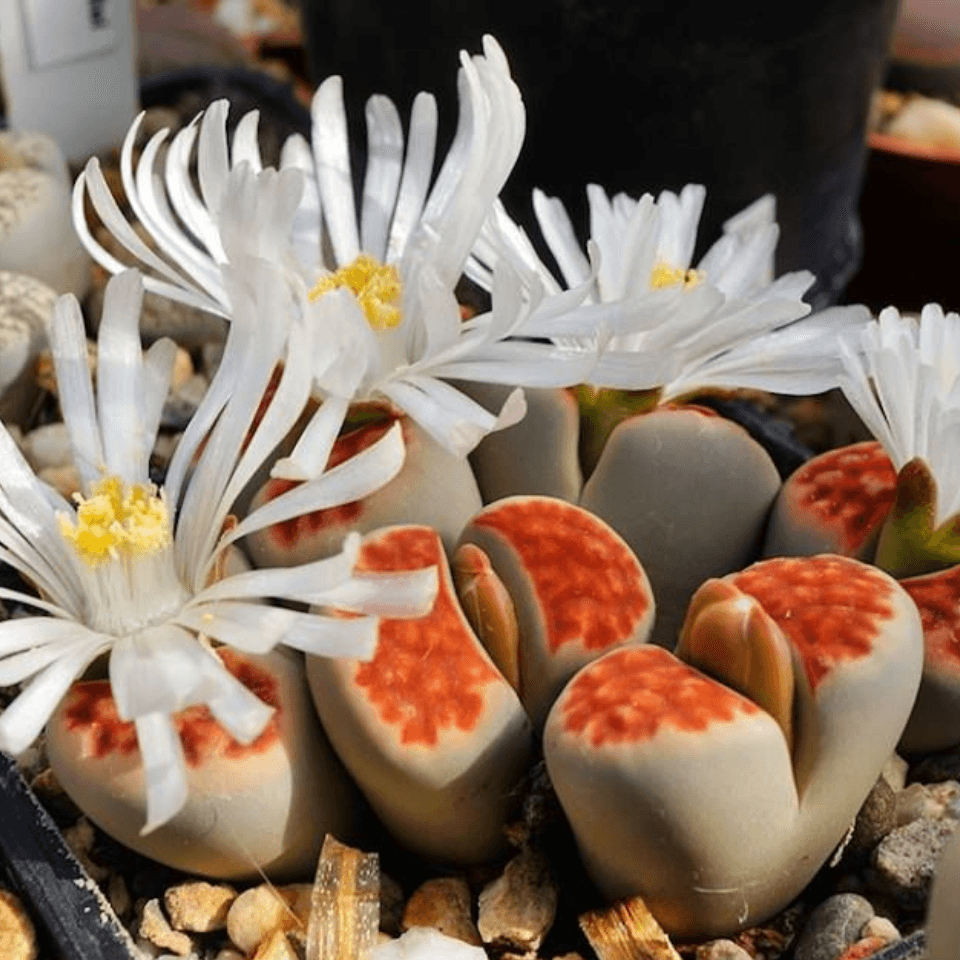
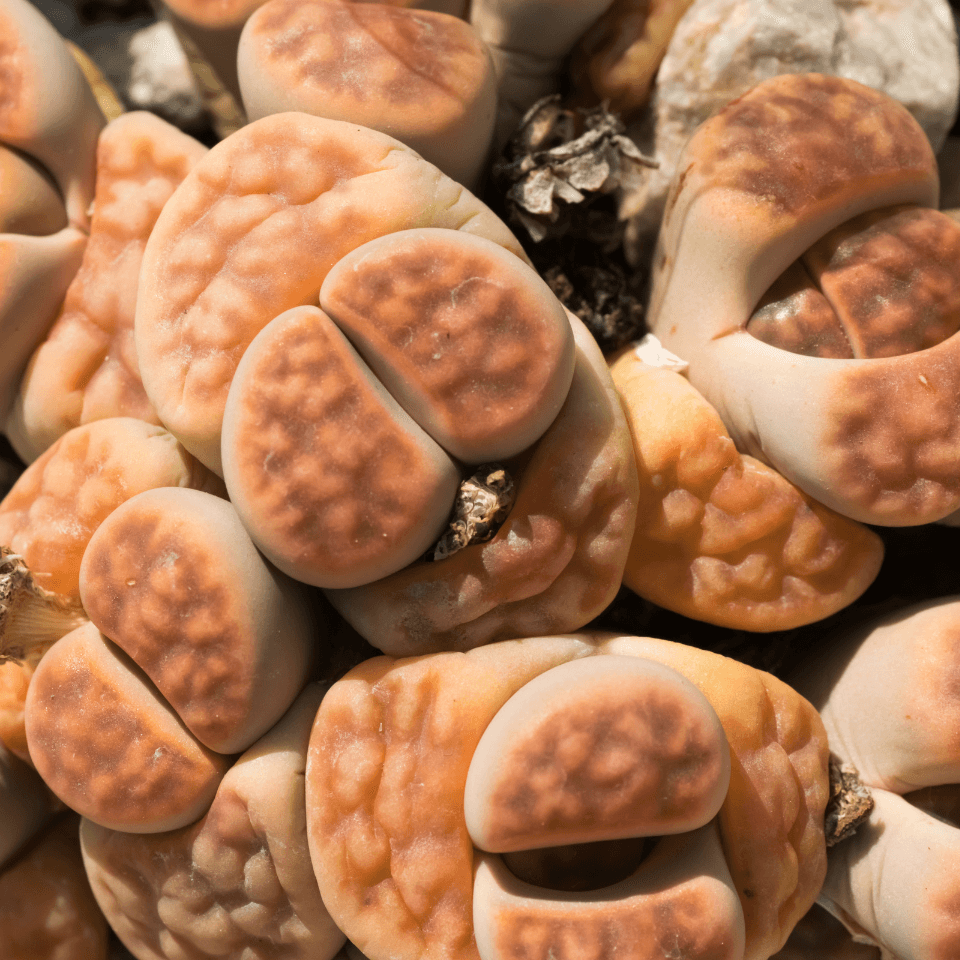
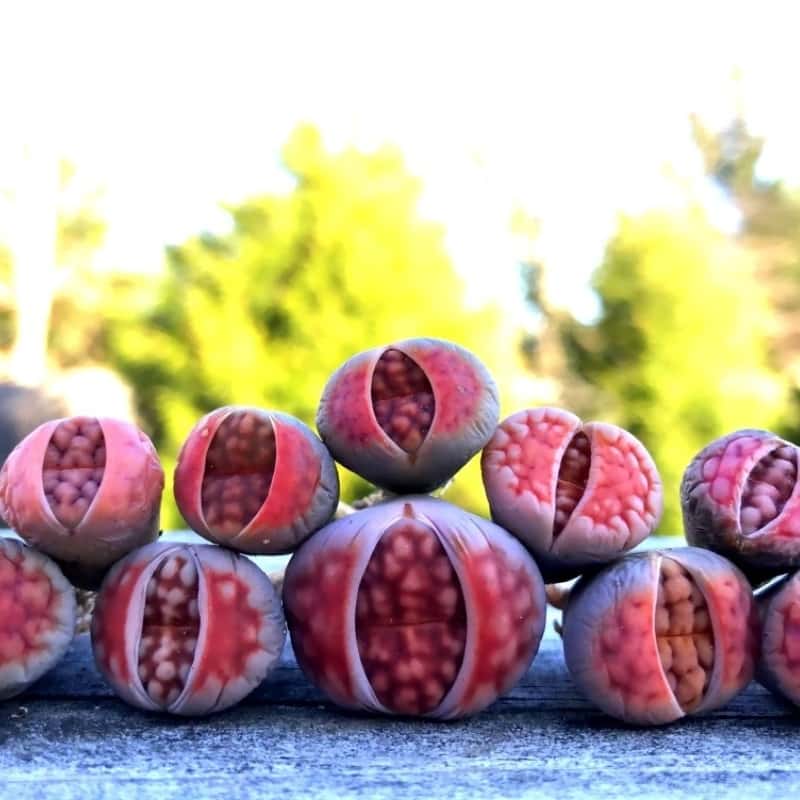
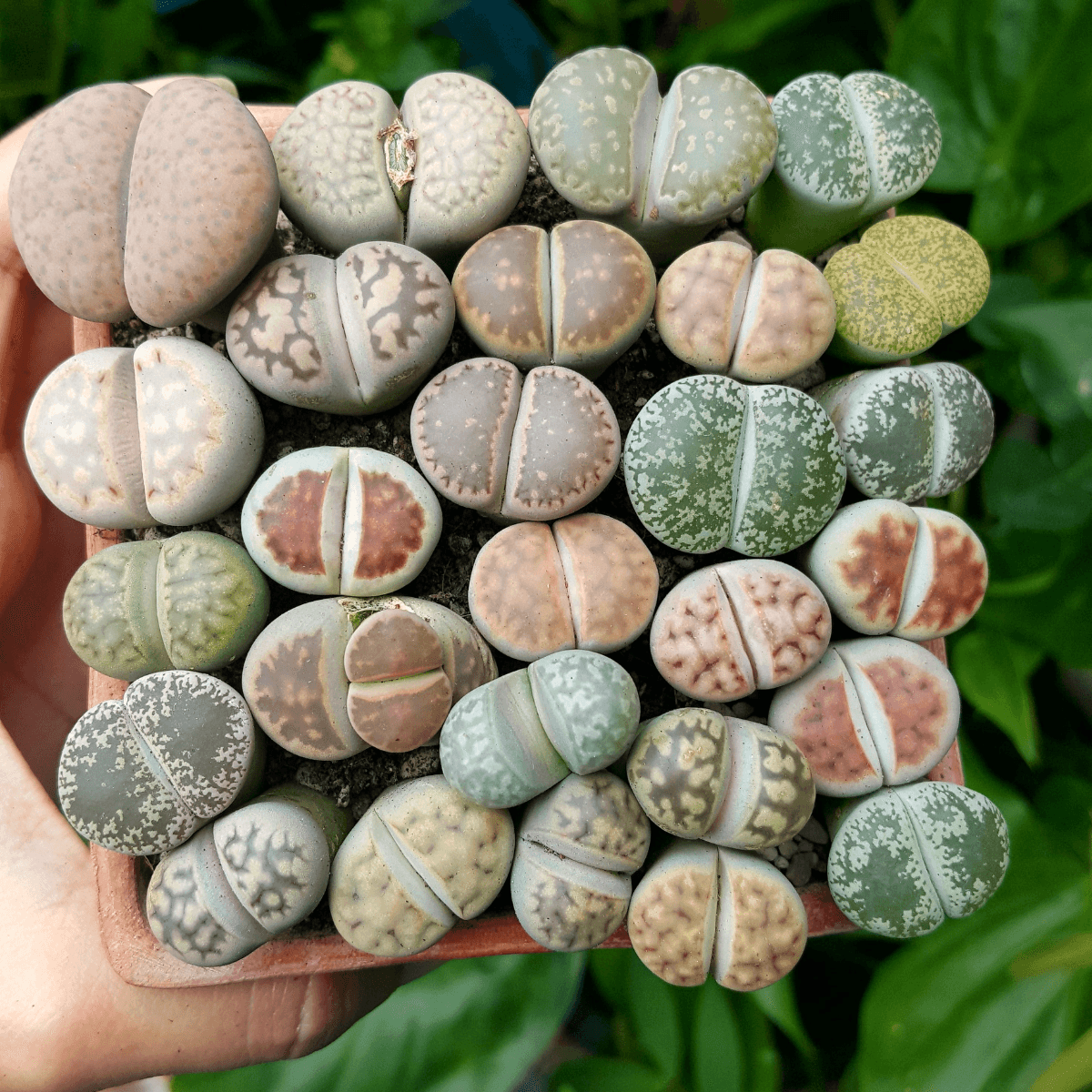
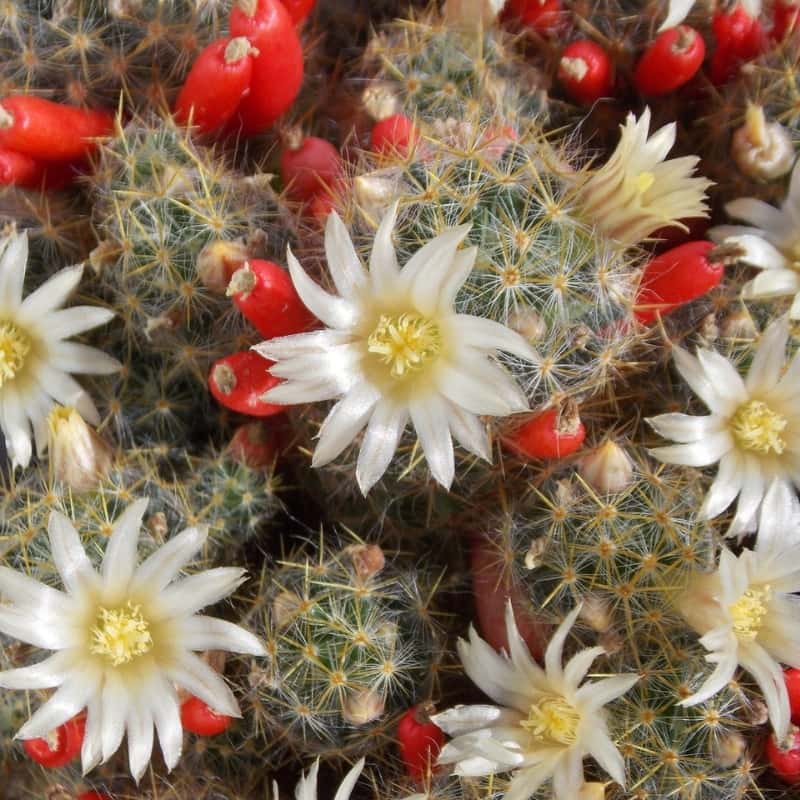
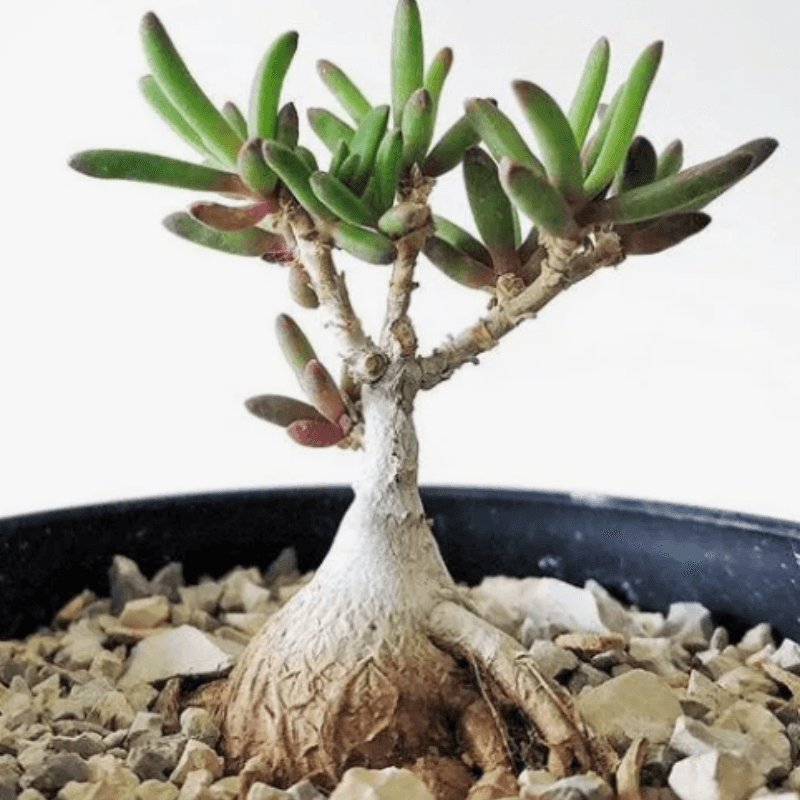
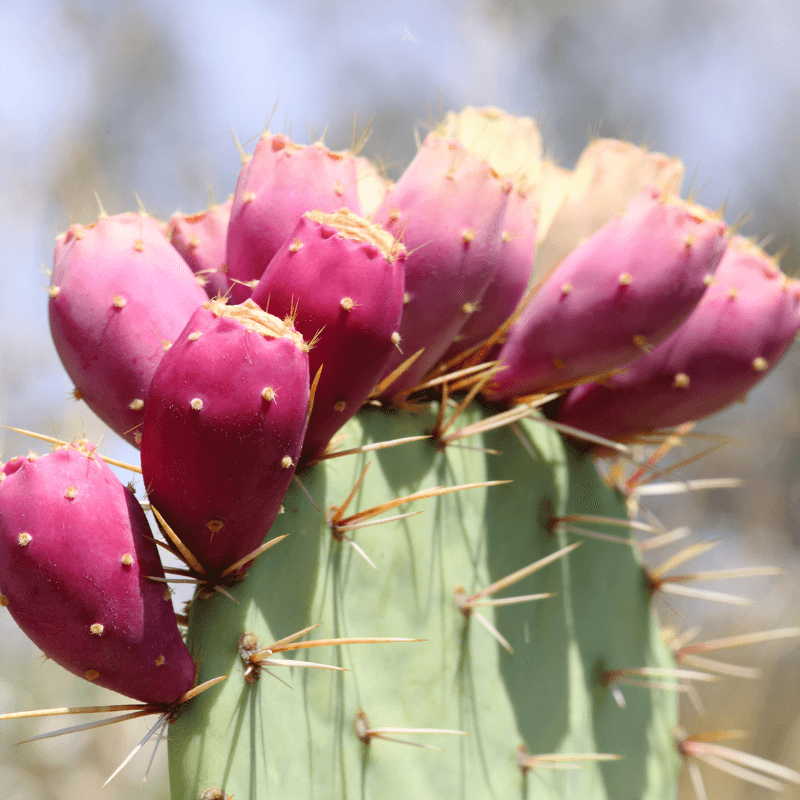
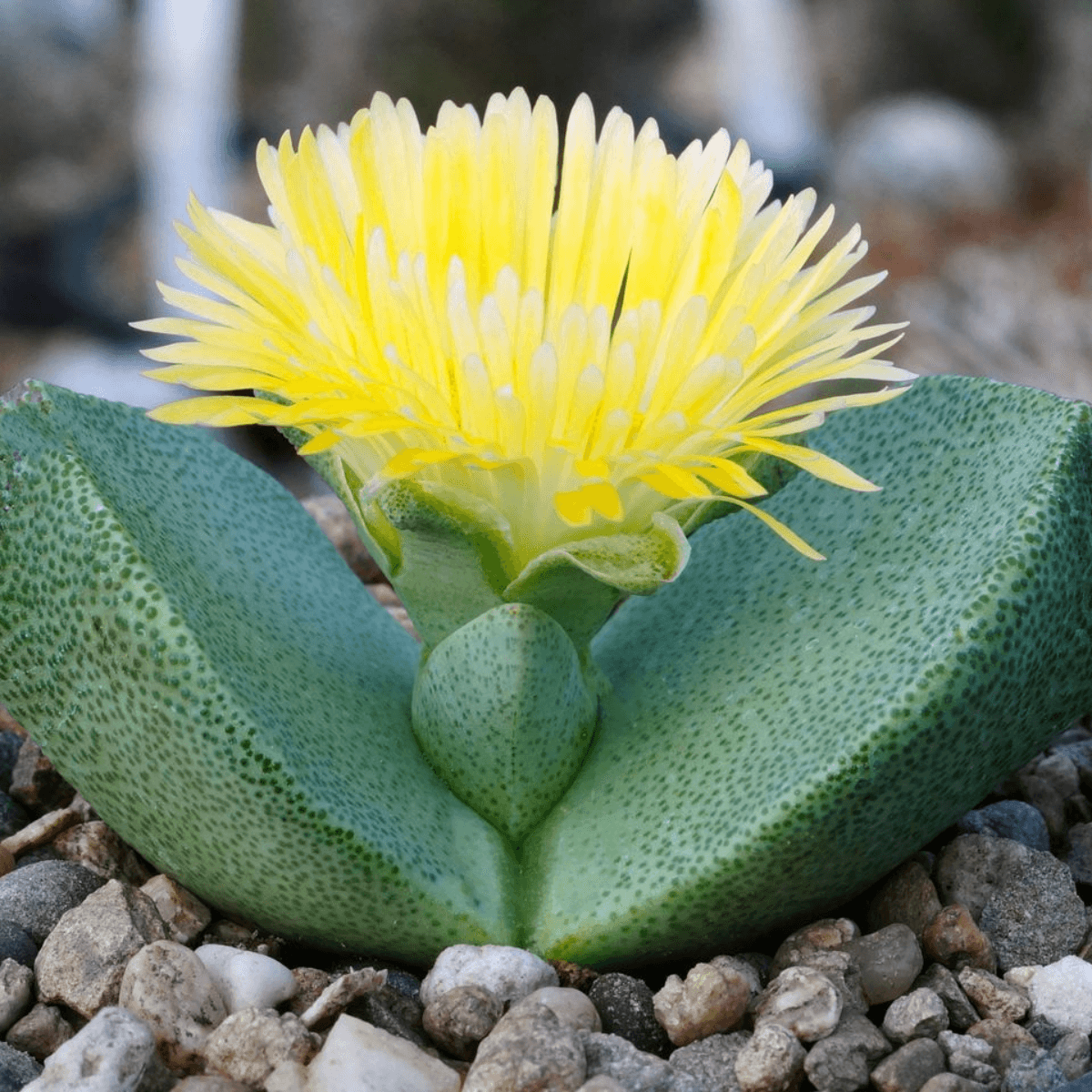
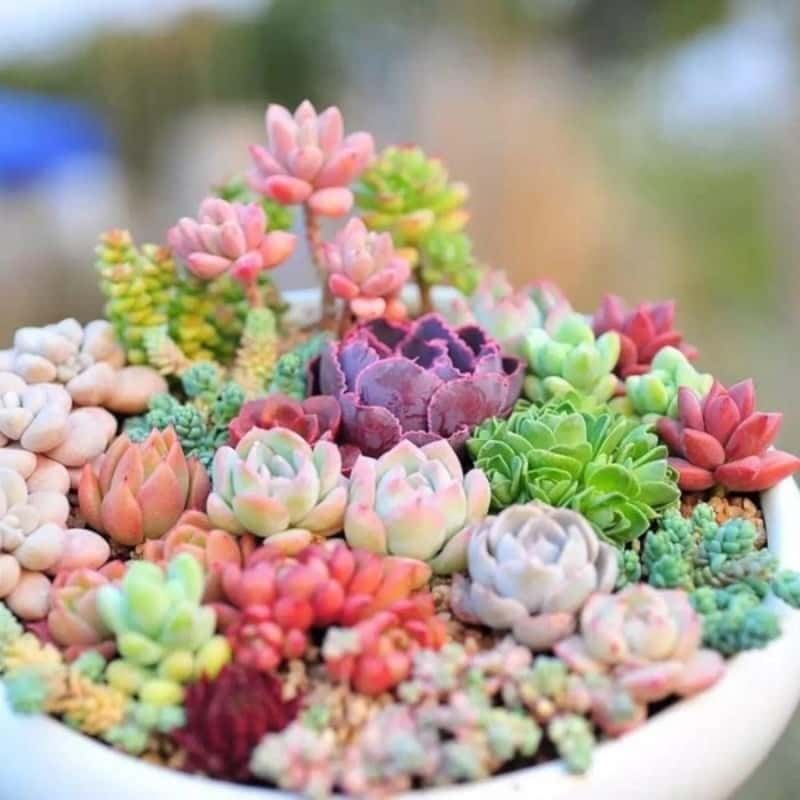
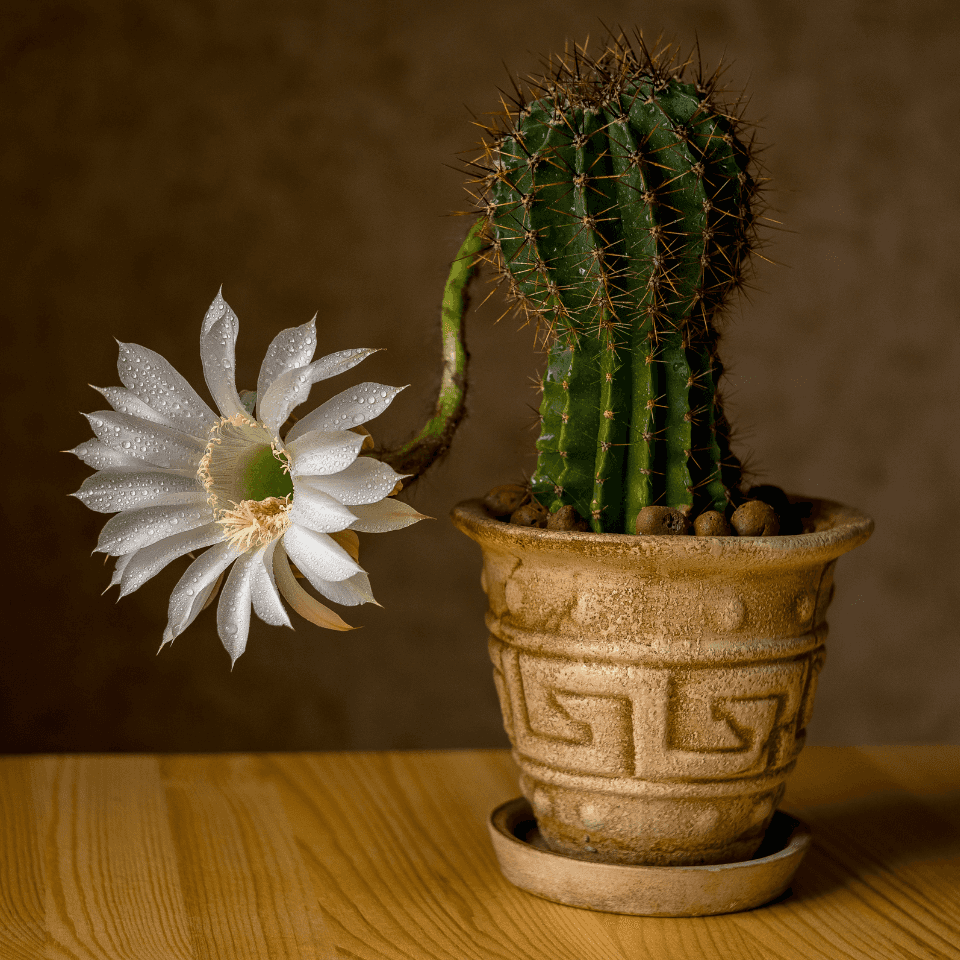
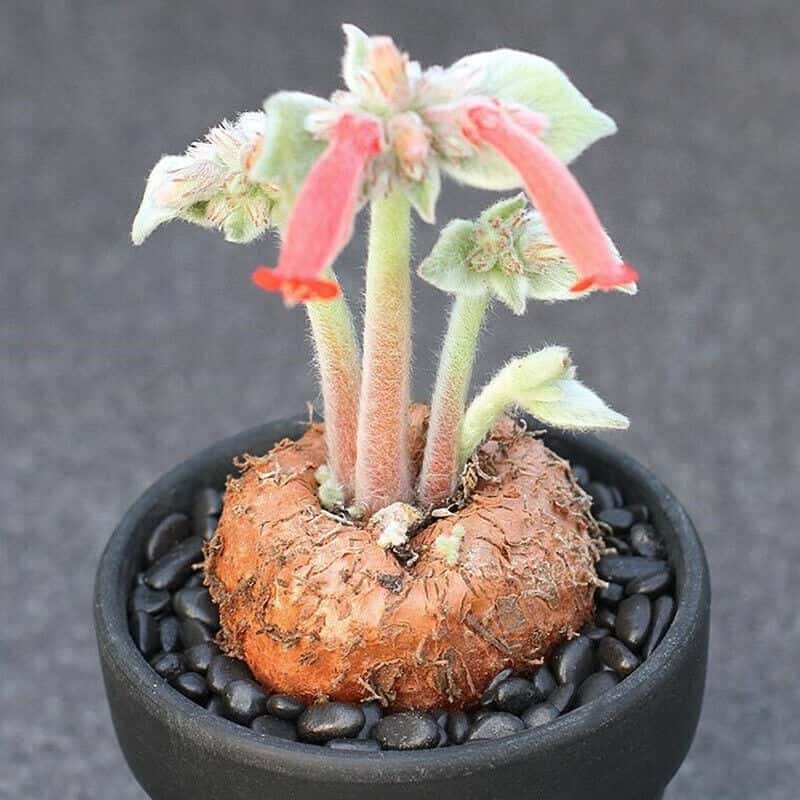
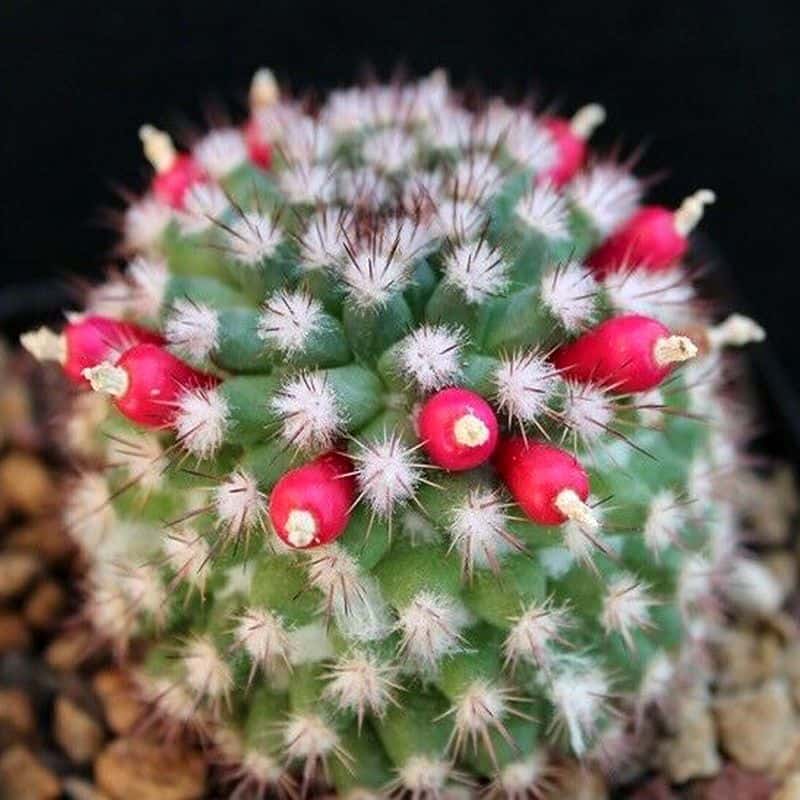
Mammillaria mammillaris
Cacti and other succulents span several plant families, including true cacti, Lithops and other Aizoaceae, Euphorbia, Aloe, Gasteria, Dorstenia, and Sempervivum. Shared water-storing form does not make their taxonomy, climate, seed size, or germination needs interchangeable.
The examples below cover a climbing cactus and two Dorstenia that store water in a swollen base. They differ in plant family, adult size and what you grow them for, but all three are sown on the surface, not buried.
Selenicereus undatus is a true cactus (Cactaceae), sold in packs of 50 or 100 seeds. Sow on the surface at 20–30 °C: in a lab study at 25 °C, germination was 75% in light and 46% in darkness. The adult is a heavy vine that needs a strong post. Seedlings can take up to about 7 years to fruit, and fruit set needs two or three genetically different plants.
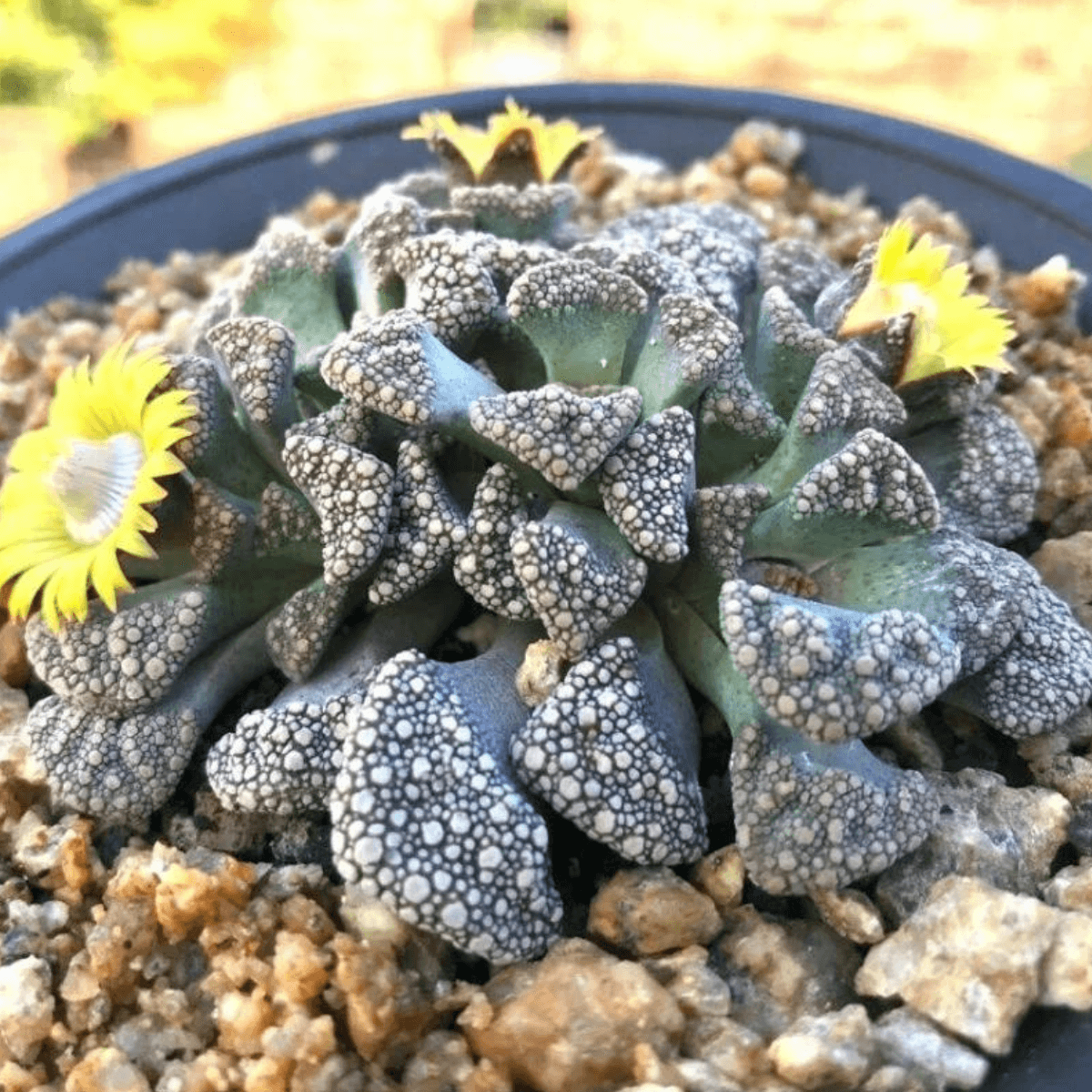
Dorstenia crispa and Dorstenia foetida belong to the mulberry family (Moraceae), not to the cacti, and come 20 seeds per pack. Both stay compact and form a swollen base with flat, shield-like flower structures. Sow on a porous succulent mix, cover very lightly and keep warm and evenly moist in bright filtered light. Seed-grown plants vary in leaf shape and markings.
Choose dragon fruit for a long-term fruiting vine in a frost-free garden, or in a large container you can move under cover. Choose a Dorstenia for a small pot plant on a bright windowsill. Seedlings of all three suffer in cold, waterlogged mix, so water carefully and ventilate any cover daily.
RHS provides a general seed framework for many cacti and succulents, but the exact packet should override it where species evidence differs.
RHS recommends a peat-free seed compost with grit or sharp sand. Cover larger seeds with grit but leave very small seed uncovered.
Use a fine mist or fine rose, cover to maintain humidity, and ventilate daily. Keep the medium moist, not saturated.
RHS gives 21°C and a bright position out of direct sun for its general seed method. Confirm whether the exact species needs a different regime.
Pot on only when seedlings are large enough to handle. Many are slow, and early adult-style drought treatment can kill small seedlings.
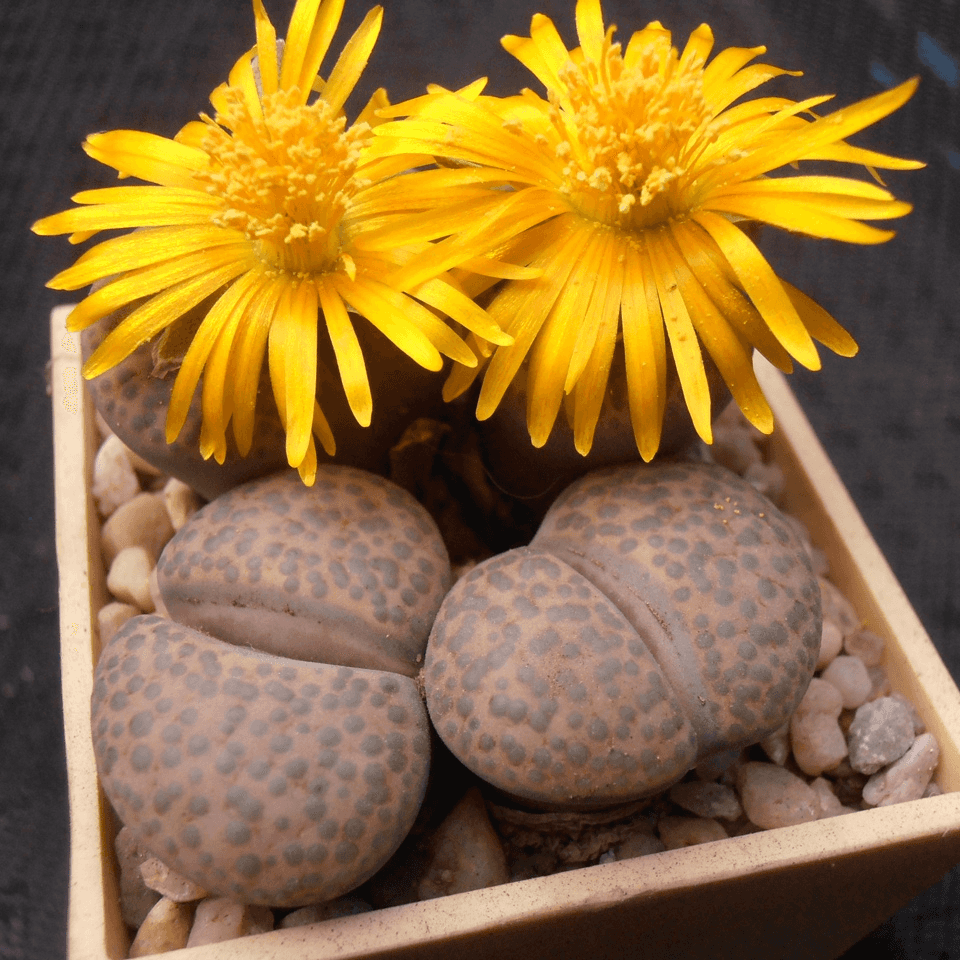
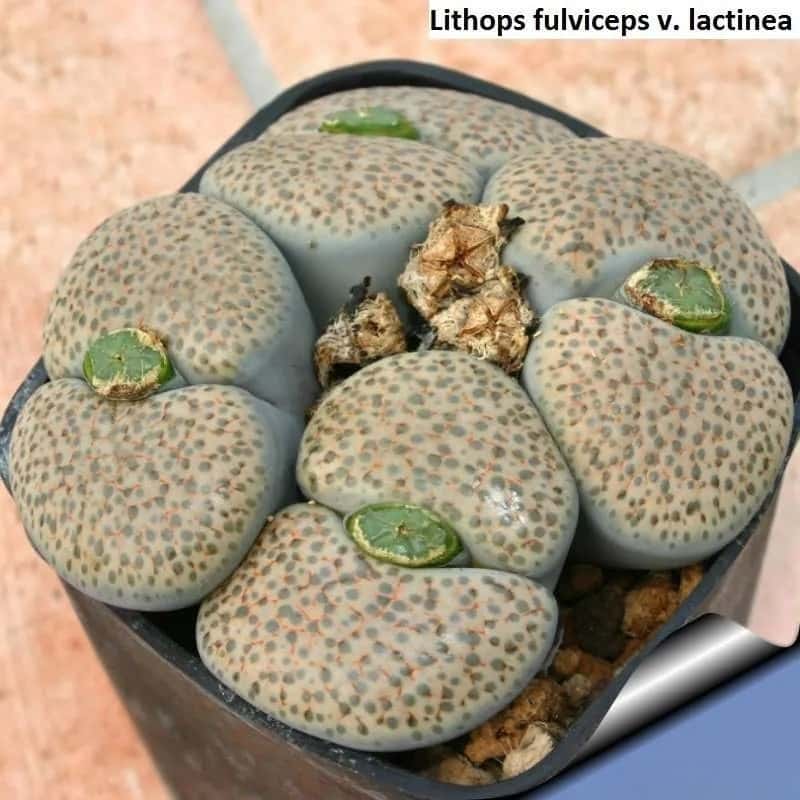
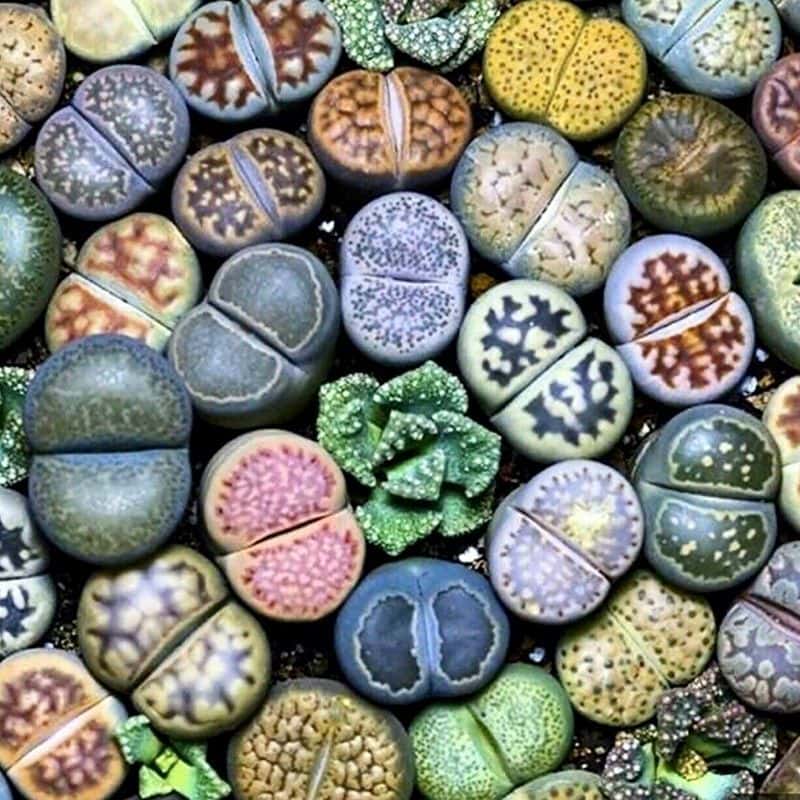
Rare-plant seed needs more than an attractive adult photograph. Verify identity, lawful provenance, current seed lot, and whether the image matches the exact species or mix.
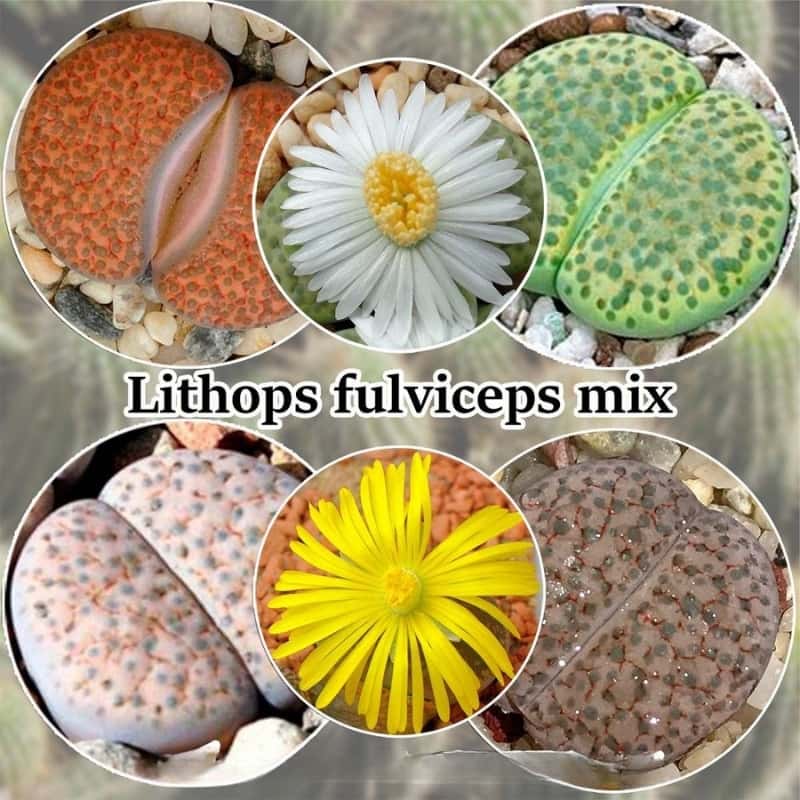
A species packet should use an accepted name; a genus mix should say that species composition and adult appearance may vary.
Ask whether seed is cultivated and legally sourced. CITES documentation and destination requirements can depend on taxon and trade context.
Look for collection or packing date, storage, packet count, and a lot-specific germination note rather than a universal guarantee.
Do not treat an unverified adult-plant image as proof of the seed packet's identity or eventual colour and form.
Browse the available seed packets above. Open each product page to compare its botanical identity, packet sizes, price, images, and species-specific growing instructions before ordering.
No. Cacti belong to Cactaceae. Other succulent groups include Aizoaceae, Euphorbia, Aloe, Gasteria, Dorstenia, and Sempervivum.
No. RHS offers a useful general framework, but rainforest cacti, desert cacti, living stones, and other succulents can differ. Follow exact-species evidence.
RHS advises leaving small cactus and succulent seed uncovered while larger seed can be covered with grit. Confirm the exact packet instructions.
Moist but not overly wet. Covering can retain humidity, but daily ventilation and clean handling help reduce rot and contamination.
No. A mix needs documented composition, and seed-grown offspring vary. An unverified collage or adult photo cannot guarantee packet contents.
The product list on this page shows the current selection. Open a product to see its available packet options and price. The wider plant guide also discusses groups that may not be available to order.