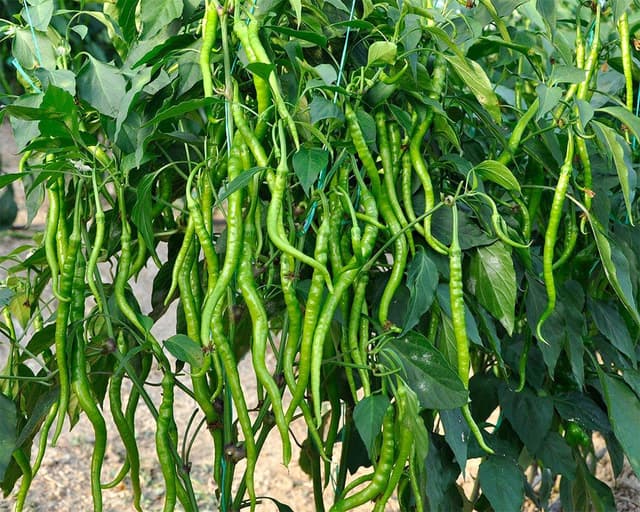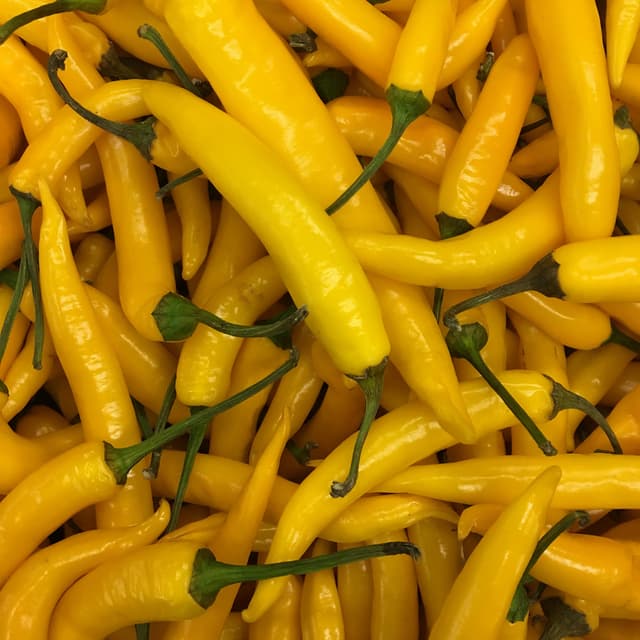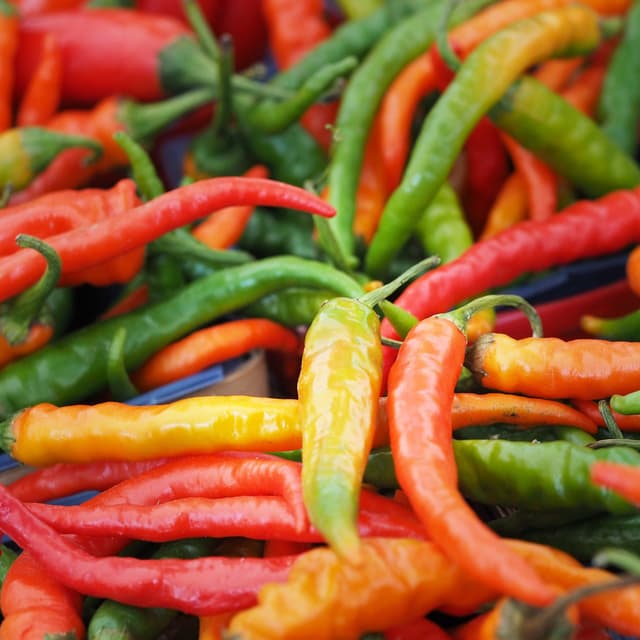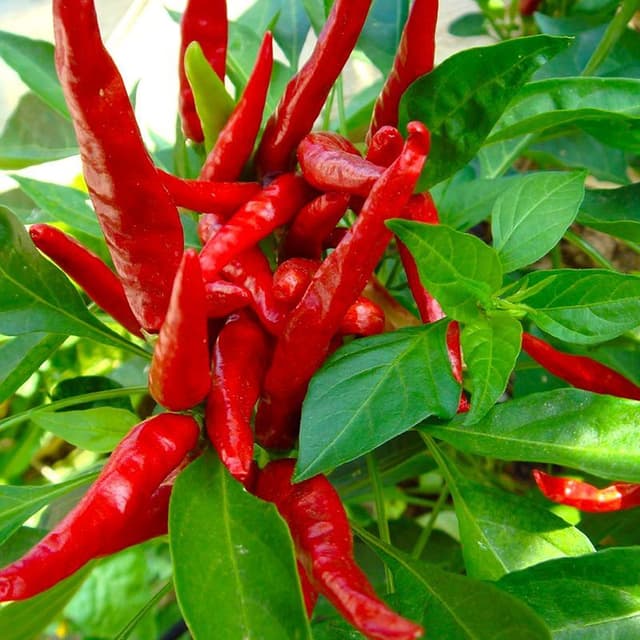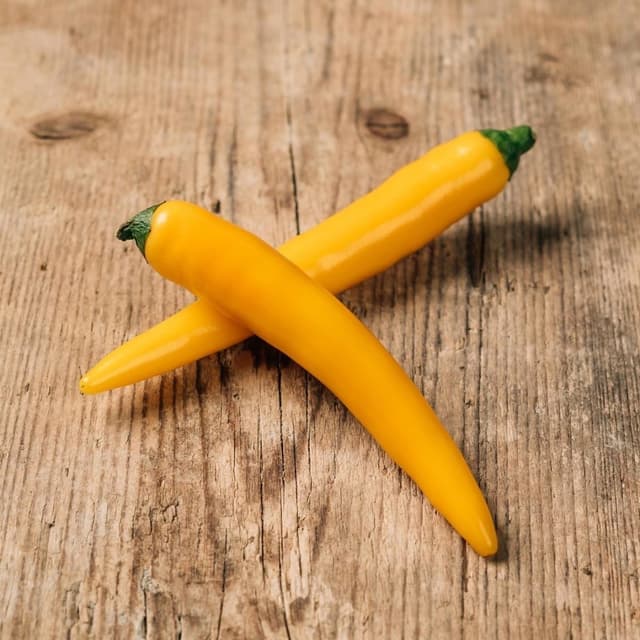
Chili pepper Surajmukhi Seeds plant

Vegetable growing guide

Chilli sowing time in India: month by month, by region

There is no single chilli (mirchi) sowing month for India. Frost-free Tamil Nadu sows three times a year, Punjab raises its nursery in late October and November and plants out in February-March, and the Uttarakhand hills sow in April-May. Below are the dates from state agricultural universities, region by region and month by month.

15-35 °C
Germination temp.

At a glance

South India
Tamil Nadu sows in January-February, June-July or September-October (TNAU).
North Indian plains
Nursery in October-December, planting out in February-March; or a rainy-season crop sown in May-July (PAU, BUAT, GBPUAT).
Hills
Uttarakhand hills sow in April-May (GBPUAT).
Seedling age
4-6 weeks, when seedlings are about 15 cm tall with 4 leaves (BUAT); TNAU transplants at 40-45 days.
Temperature range
15-35 °C (59-95 °F) with 130-150 frost-free days suits the crop (PAU).
First harvest
About 75 days after transplanting (TNAU).

Sowing months by region

Each row gives the nursery sowing months and, where the source states them, the planting-out months. Months for one region come from that state's own university advisory; use the nearest row with a similar climate if your state is not listed.

Tamil Nadu

Sow: January-February, June-July or September-October. Transplant 40-45-day-old seedlings, so roughly March, August and November (TNAU).

Kerala

Rainfed crop: transplant in May-June, before the south-west monsoon, so sow the nursery about a month earlier (April-May). Irrigated crop: plant in September-October from an August-September nursery (KAU).

Other frost-free areas

Three seasons: rainy season June-July, autumn-winter October-November, spring-summer January-February (BUAT).

Punjab

Sow the nursery from the end of October to mid-November; transplant in February-March (PAU).

Northern plains

Spring crop: sow in December, transplant in February. Rainy-season crop: sow in May-June, transplant in June-July (BUAT).

Uttarakhand plains

Sowing and transplanting in June-July (GBPUAT kharif advisory).

Uttarakhand hills

Sowing and transplanting in April-May (GBPUAT kharif advisory).

Month by month across India

The same dates, read as a calendar. Planting-out months are worked out from each university's seedling age.

  1. January-February

    Sow in Tamil Nadu and other frost-free areas for the spring-summer crop. In February, Punjab and the northern plains plant out their winter-raised seedlings.

  2. March

    Punjab finishes transplanting. Tamil Nadu's January-February sowings reach 40-45 days and go to the field.

  3. April-May

    Uttarakhand hills sow. Kerala raises nurseries for the rainfed crop. Northern plains start the rainy-season nursery in May.

  4. June-July

    Main kharif sowing: Tamil Nadu, Uttarakhand plains, other frost-free areas and the northern plains (where May-June seedlings go out in June-July). Kerala's rainfed crop should be planted before the monsoon arrives.

  5. August-September

    Tamil Nadu plants out June-July sowings and sows again from September. Kerala raises nurseries for the irrigated crop and plants from September.

  6. October-November

    Tamil Nadu and other frost-free areas sow the autumn-winter crop; Kerala finishes irrigated planting. Punjab sows its nursery from the end of October to mid-November.

  7. December

    The northern plains sow the spring-crop nursery; Punjab seedlings stay in the nursery until February.

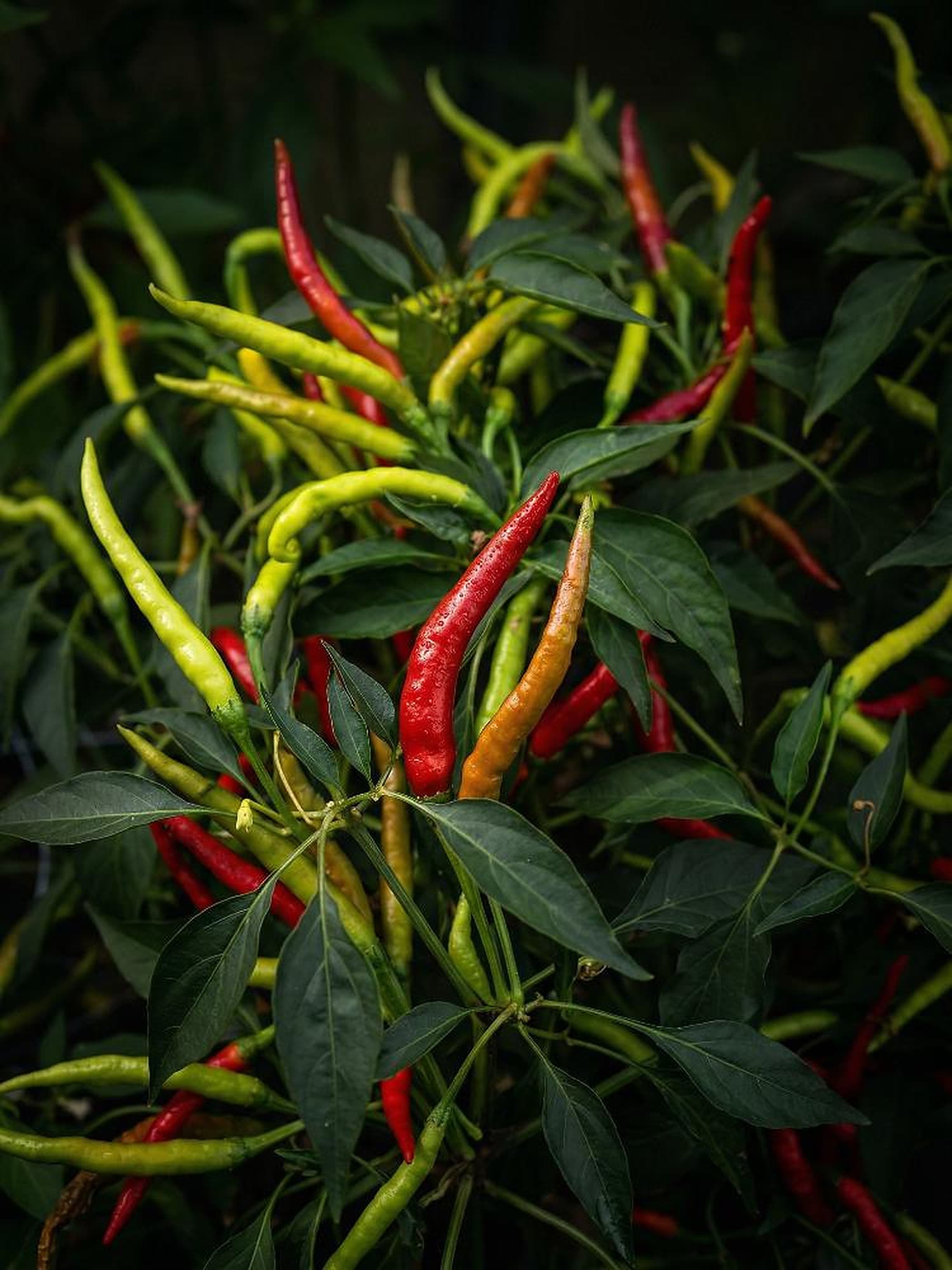
Chili pepper Surajmukhi Seeds

Why the dates differ

Three limits set the calendar: frost, heat at flowering and the monsoon. Choose your sowing month so the young plants miss all three.

Frost in the north

Chilli is highly sensitive to frost (BUAT), and PAU wants 130-150 frost-free days for a full crop. That is why Punjab keeps seedlings in the nursery through winter and plants out in February-March, and why the hills wait for April-May.
Heat at flowering

Fruit set is best between 16 and 32 °C (61-90 °F), with the most fruit at 16-21 °C (61-70 °F) (BUAT). A crop timed to flower in the hottest weeks of the year sets less fruit.

The monsoon

KAU transplants Kerala's rainfed crop in May-June, before the south-west monsoon arrives. Monsoon-season nurseries need cover from rain.

How to check your own date

Count back 4-6 weeks from the month you want to plant out, then check that the plants will flower when days are below about 32 °C (90 °F) and no frost is expected.

Raising chilli seedlings

Beds or trays

KAU sows in raised beds 90-100 cm wide filled with well-decomposed organic matter. TNAU's protected nursery uses 98-cell trays filled with sterilised cocopeat, one seed per cell, covered with a little cocopeat.

Until germination

TNAU stacks the sown trays and covers them with polythene until germination starts, watering daily with a fine rose can, then spreads them out on raised beds.

Protection

TNAU grows seedlings under 50% shade net with 40-50 mesh insect-proof netting on the sides, and covers the beds with polythene sheets in rainy months.

Ready to transplant

Seedlings are ready at about 15 cm tall with 4 leaves, in 4-6 weeks (BUAT). KAU transplants one-month-old seedlings and TNAU 40-45-day-old ones.

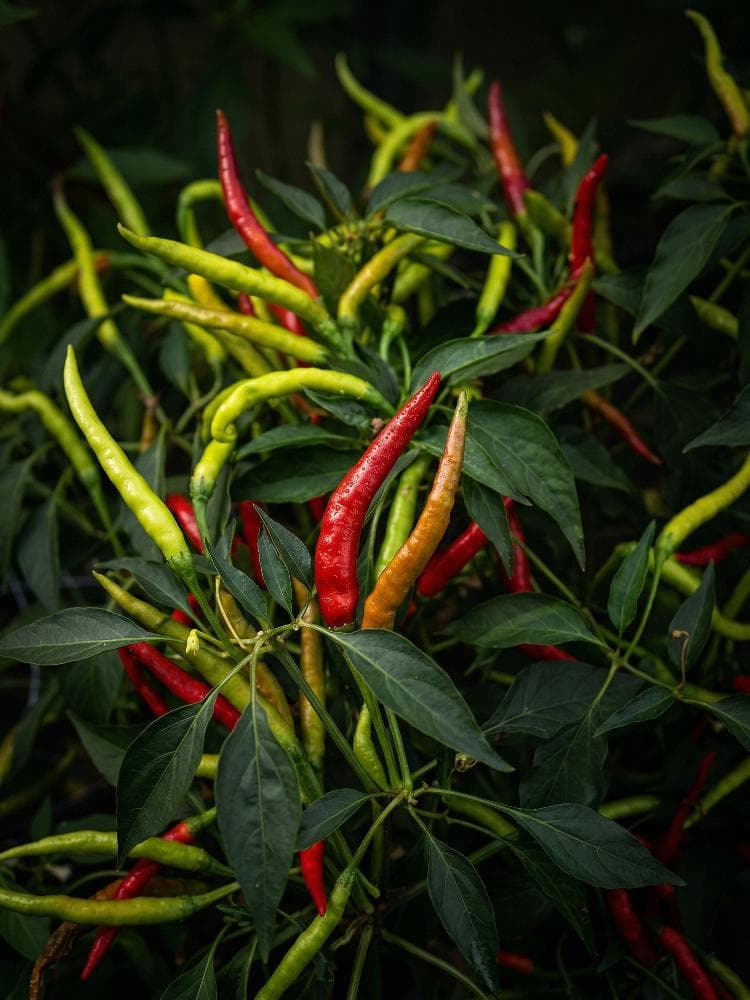
Chili pepper Surajmukhi Seeds

Transplanting and spacing

  1. Prepare the field

    TNAU recommends well-drained loam rich in organic matter, pH 6.5-7.5.

  2. Spacing

    TNAU plants varieties at 60 x 45 cm and hybrids at 75 x 60 cm. KAU uses 45 x 45 cm for less spreading varieties and 75 x 45-60 cm for spreading types such as White Kanthari.

  3. Harvest

    TNAU starts picking about 75 days after transplanting: the first two pickings are green chillies, later ones red ripe fruit.

Common problems

ProblemSeedlings collapse in the nursery
Cause
Damping-off, which TNAU guards against throughout the nursery stage.
What to do
Raised beds or trays, a sterile or well-drained medium, no standing water, and rain cover in wet months.
ProblemYoung plants killed by cold
Cause
Planting out before the last frost in the north.
What to do
Follow the PAU and BUAT dates and plant out in February-March, or in April-May in the hills.
ProblemFlowers drop in summer
Cause
Flowering outside the 16-32 °C (61-90 °F) range that BUAT gives for fruit set.
What to do
Sow so the crop flowers in milder weeks; in the plains plant the spring crop out in February-March.
ProblemPlants wilt suddenly in wet soil
Cause
Often bacterial wilt.
What to do
In Kerala, KAU recommends the bacterial-wilt-resistant varieties Ujwala and Anugraha; keep beds well drained.
ProblemMonsoon rain flattens seedlings
Cause
An open nursery in June-July.
What to do
Raise seedlings under polythene or shade net as TNAU does, and transplant before the heaviest rain.

Chilli seeds from Deodar

Pick a chilli, find your region's window above and sow the nursery 4-6 weeks before you plan to plant out.

Frequently asked questions

When should I sow chilli in Tamil Nadu?

TNAU lists three sowing windows: January-February, June-July and September-October. Seedlings go to the field at 40-45 days.

When should I sow chilli in Punjab or the north Indian plains?

PAU sows the nursery from the end of October to mid-November and transplants in February-March. BUAT (Uttar Pradesh) gives a December sowing for February planting and a May-June sowing for a June-July rainy-season crop.

When should I sow chilli in Uttarakhand?

GBPUAT advises April-May in the hills and June-July in the plains.

When should I plant chilli in Kerala?

KAU transplants the rainfed crop in May-June, before the south-west monsoon, using one-month-old seedlings. An irrigated crop can be planted in September-October.

Is capsicum (shimla mirch) sown at the same time?

Not quite. GBPUAT sows capsicum in the Uttarakhand hills from April to June. BUAT gives August and November sowings in north India, and notes that in south India it can be grown from June to February.