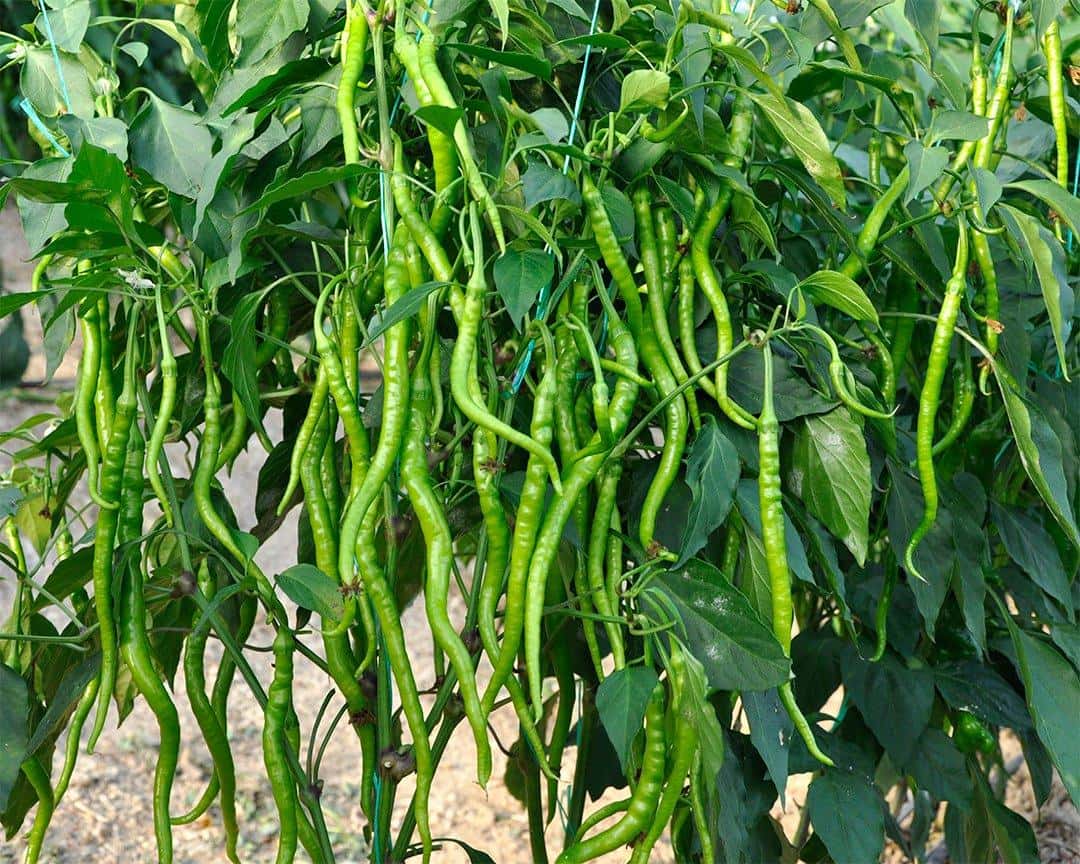


About this variety
Grow long green chilli peppers from this packet of 50 seeds. The product is identified as Capsicum annuum, a member of the nightshade family, Solanaceae. It is sold as an unnamed long green chilli type rather than Shishito or another named cultivar. No fixed Scoville rating is assigned, so use the observed fruit and your own culinary preference when deciding how much to add to food.
Product Overview: Capsicum annuum includes many cultivated pepper forms. Royal Botanic Gardens, Kew accepts the species and notes that its cultivated peppers include both chilli and sweet forms with many fruit shapes. This packet is distinguished only by its supported long green chilli description. Final fruit length, mature colour, pungency, and harvest timing can vary with genetics and growing conditions.
- Botanical name: Capsicum annuum
- Family: Solanaceae
- Product type: Unnamed long green chilli pepper
- Crop season: Warm season
- Packet quantity: 50 seeds
- Current offer: US$2.49 per packet
Starting Pepper Seeds
Indoor start: Peppers are commonly started indoors before outdoor conditions are warm enough. Illinois Extension suggests sowing pepper seed about 8 to 10 weeks before the intended outdoor planting date. Use clean seed-starting mix in containers with drainage, keep the mix evenly moist rather than saturated, and provide strong light as soon as seedlings emerge.
Warm conditions: Pepper seedlings develop slowly in cold media. Illinois Extension notes that peppers do not tolerate frost and grow poorly in cold, wet soil. Choose a warm indoor location or use controlled bottom heat when appropriate, but check the medium frequently so it does not dry out. Air movement and adequate light help produce sturdier transplants.
Potting on: Move seedlings into larger cells or small pots when roots fill their first container. Handle by the leaves rather than crushing the stem, and keep the plant at the same general depth unless local guidance says otherwise. Begin hardening plants gradually before transplanting by increasing their exposure to outdoor light and air over several days while protecting them from cold.
Transplanting and Garden Care
When to transplant: Set peppers outdoors only after frost danger has passed and both air and soil have warmed. Illinois Extension reports that plants grow slowly and may yellow or drop flowers when night temperatures remain below about 50 to 55°F (10 to 13°C). Use local forecasts and soil conditions instead of relying on a universal calendar date.
Light and soil: Select a sunny position with fertile, well-drained soil. Avoid a low area that stays waterlogged after rain. A soil test is the best basis for fertiliser decisions. For containers, use quality potting mix rather than dense garden soil and choose a pot large enough to stay reasonably stable as the plant develops.
Spacing: Illinois Extension recommends approximately 18 to 24 inches (46 to 61 cm) between pepper transplants in a row, or about 14 to 18 inches (36 to 46 cm) in all directions in a bed. Adequate space gives leaves access to light and airflow and makes it easier to inspect and harvest fruit.
Water: Supply moisture uniformly, especially when plants are flowering and carrying fruit. Water at the root zone and avoid repeated swings between very dry and saturated soil. Container peppers may need more frequent checks because their smaller soil volume dries faster. Mulch can help moderate soil moisture once the ground is warm.
Routine observation: Check leaves, stems, flowers, and fruit regularly. Remove weeds while they are small and avoid deep cultivation near the roots. If insects or disease symptoms appear, identify the problem before choosing a locally permitted cultural, physical, or labelled treatment.
Harvest and Use
Harvest fruit at the green stage when it has reached a useful size and feels well developed for the plant. Use clean snips or a knife rather than pulling hard on a branch. Because this is an unnamed chilli type, judge timing from the actual crop rather than a maturity number or colour sequence published for a different cultivar.
Long green chillies may be used fresh or cooked in sauces, curries, stir-fries, pickles, and other savoury dishes. Pungency is not quantified for this packet. Taste a very small prepared amount first, avoid touching the eyes while handling fruit, and wash hands, knives, and boards after preparation.
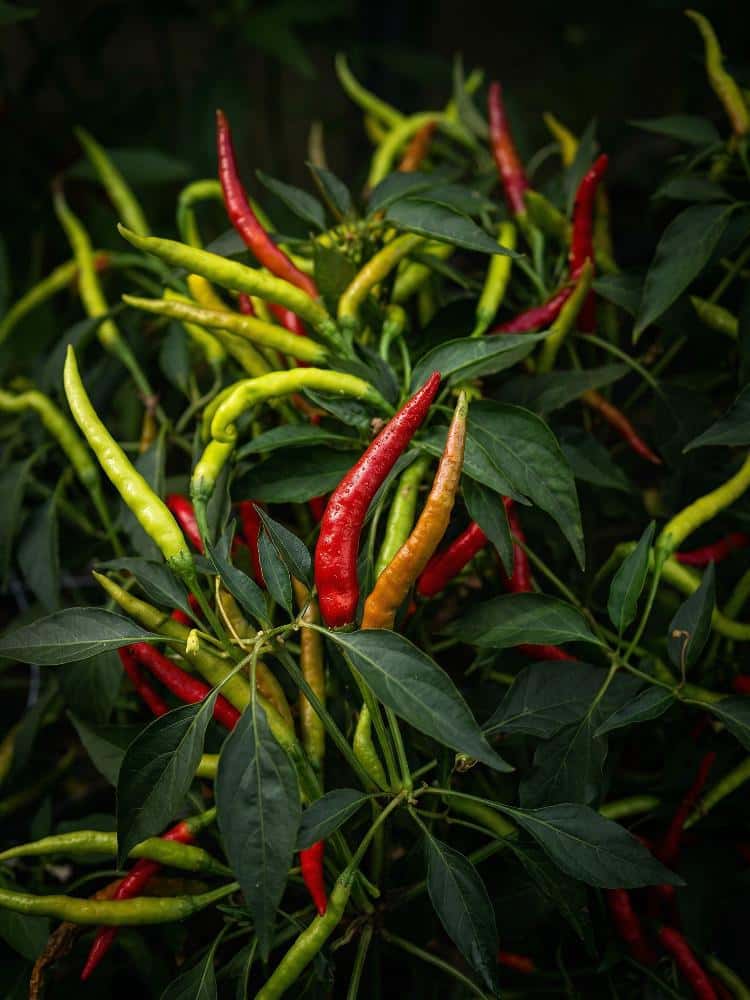
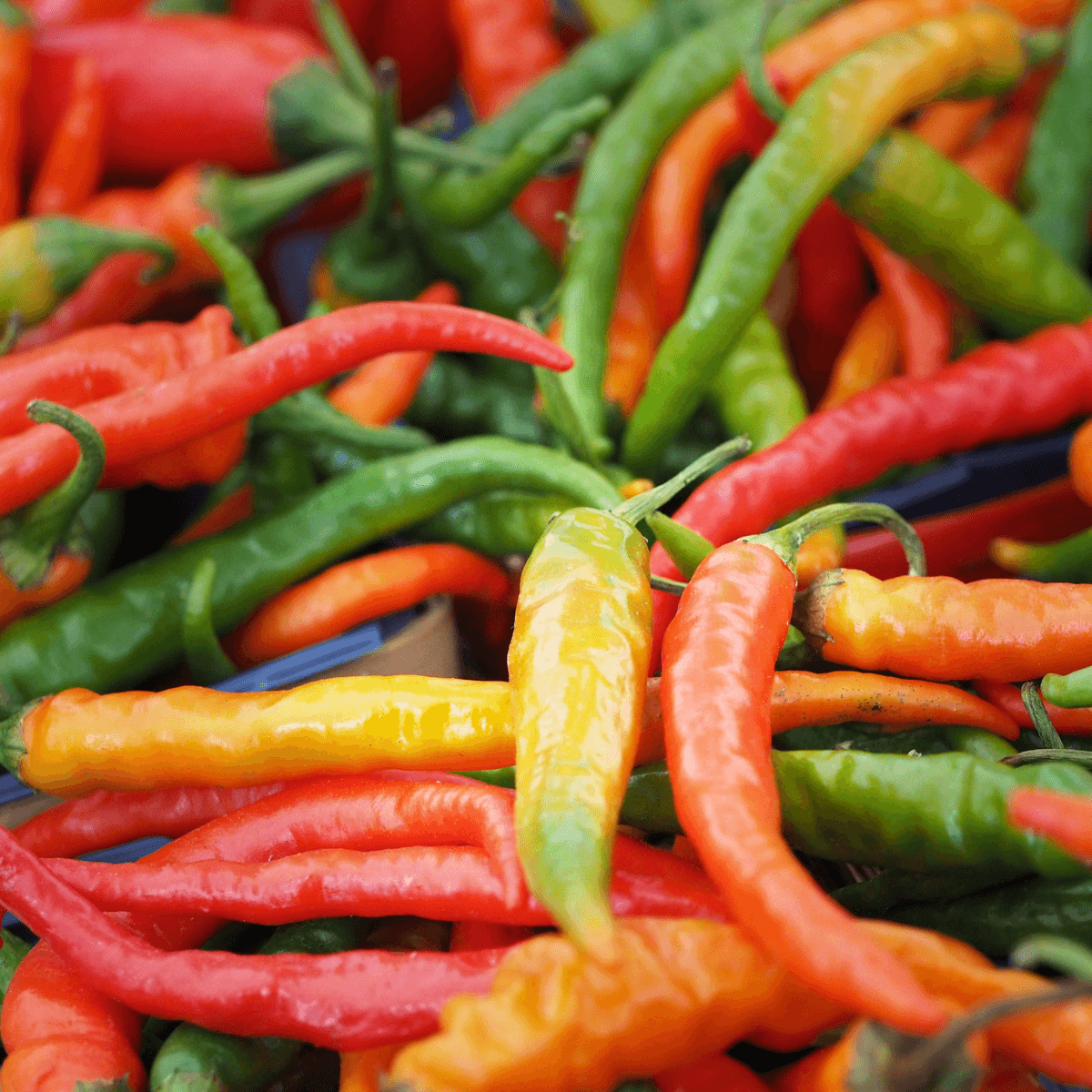
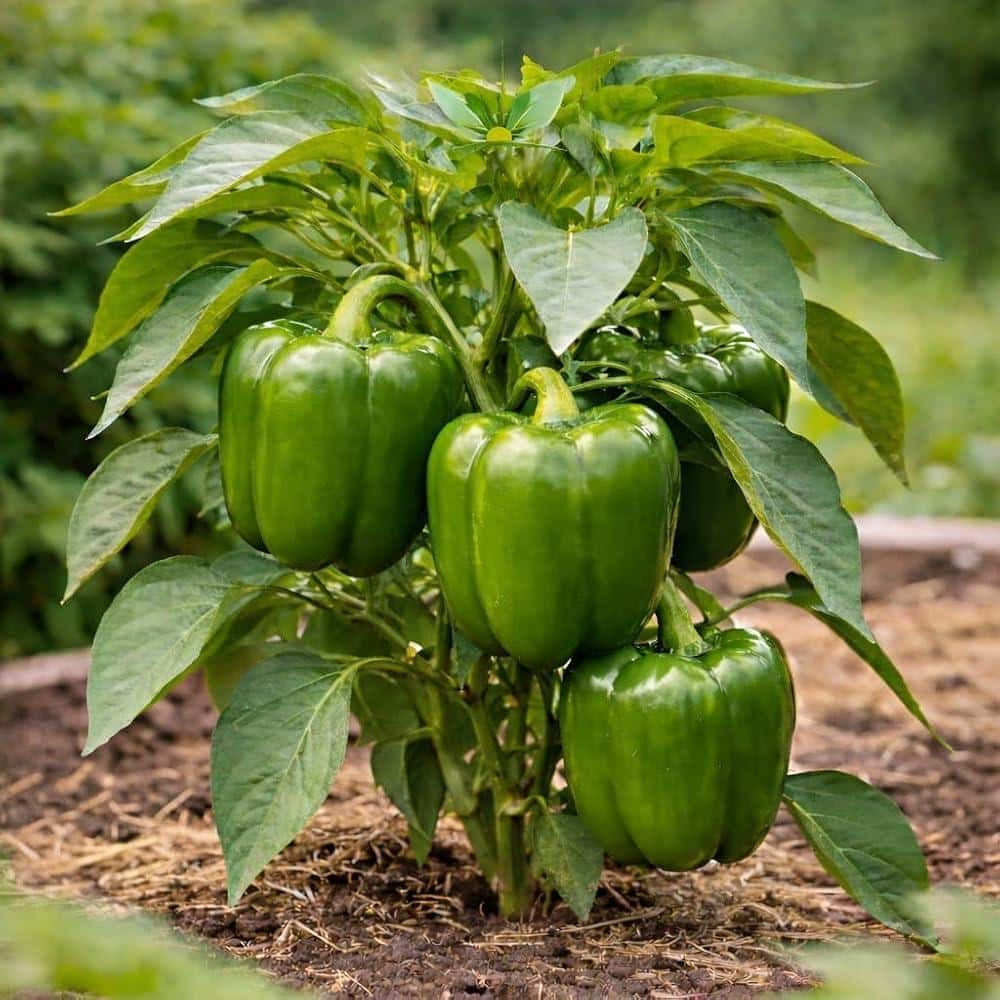
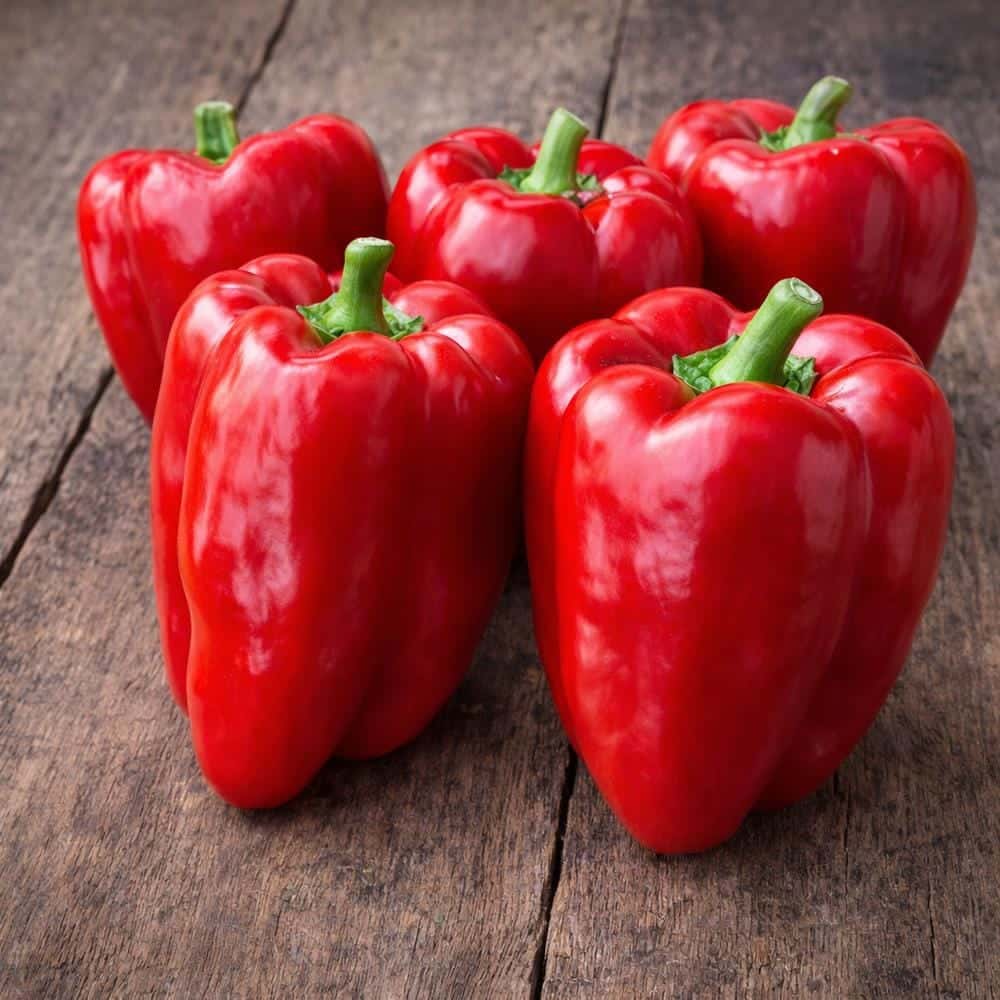
What You Receive: One packet containing 50 Long Green Chili Pepper seeds, offered at US$2.49. The licensed gallery shows representative long, slender green chillies and a green chilli growing on a plant. The photographs do not document this individual seed lot, packet contents, exact cultivar, pungency, germination, or expected harvest.
Frequently Asked Questions
When should I start the seeds?
Count back about 8 to 10 weeks from a locally suitable transplant date. Move plants outdoors only after frost danger has passed and soil and air are warm.
How far apart should pepper plants be?
Illinois Extension recommends about 18 to 24 inches (46 to 61 cm) between transplants in a row. Beds may use about 14 to 18 inches (36 to 46 cm) in all directions.
Is this Shishito pepper?
No named Shishito identity is assigned. This packet is sold as an unnamed long green chilli pepper type of Capsicum annuum.
How hot are the fruits?
No fixed heat rating is provided. Pungency varies among pepper types and can also be affected by the fruit and growing environment, so begin with a small culinary amount.