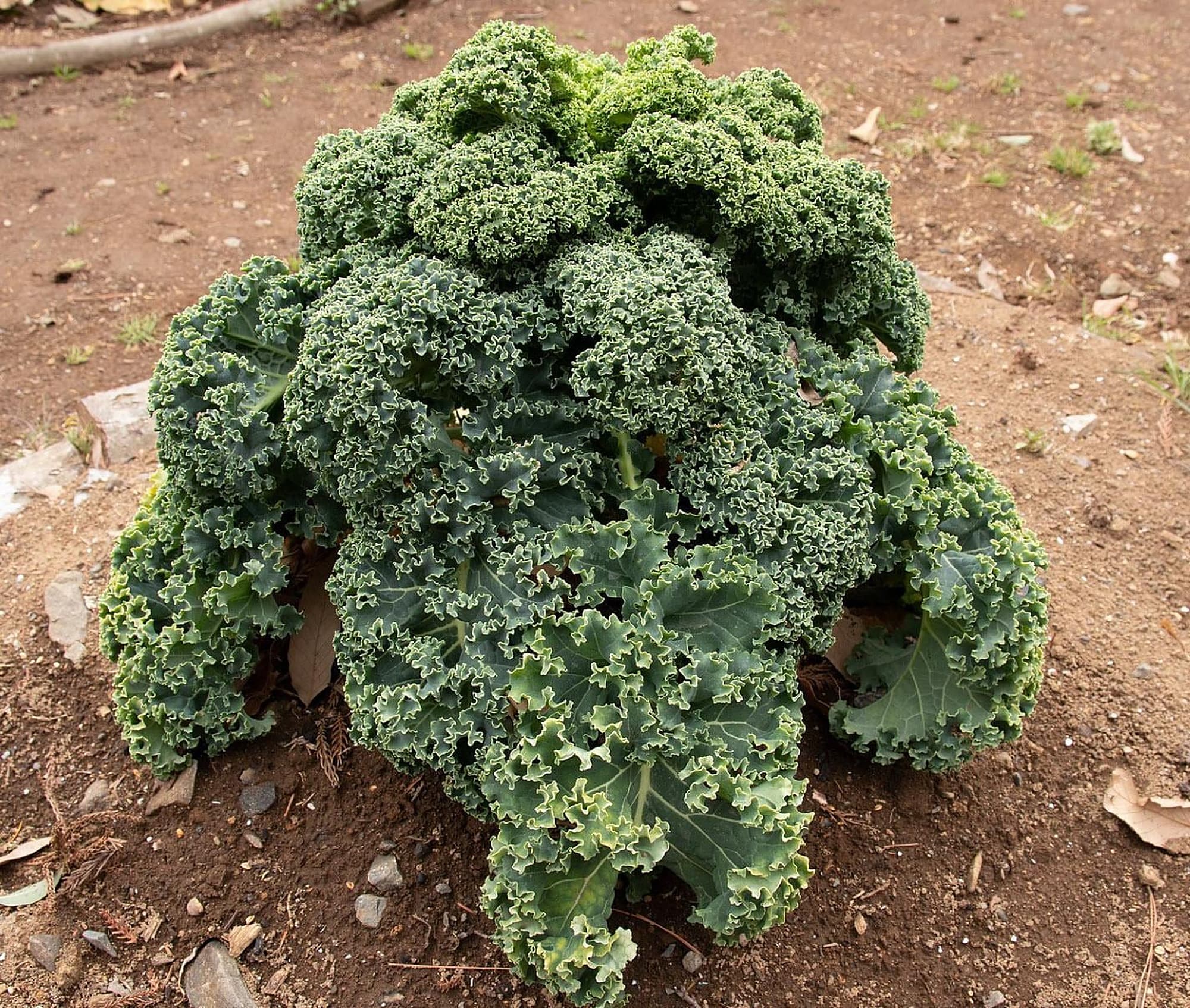
Curly Kale Seeds plant

Vegetable growing guide

How to grow kale from seedBrassica oleracea Acephala Group

Kale is a headless cabbage grown for its leaves, from frilly curly kale to dark, strap-leaved lacinato (cavolo nero). It starts easily from seed, crops for months from lower leaves and tastes sweeter after cold weather.

4-29 °C
Germination temp.
≈ 6 days
Germination
0.6-1.3 cm
Sowing depth

At a glance

Germination temperature
Soil 4-29 °C (40-85 °F); fastest near 25-30 °C (77-86 °F).
Sowing depth
0.6-1.3 cm (1/4-1/2 in).
Germination time
About 6 days at 20 °C (68 °F) and 4 days at 25 °C (77 °F).
Light
Seed is covered; grow in at least 6 hours of sun.
Pre-treatment
None needed.
Transplant or direct sow
Either; transplants are ready at 4-5 true leaves.

Seed preparation

Seed preparation

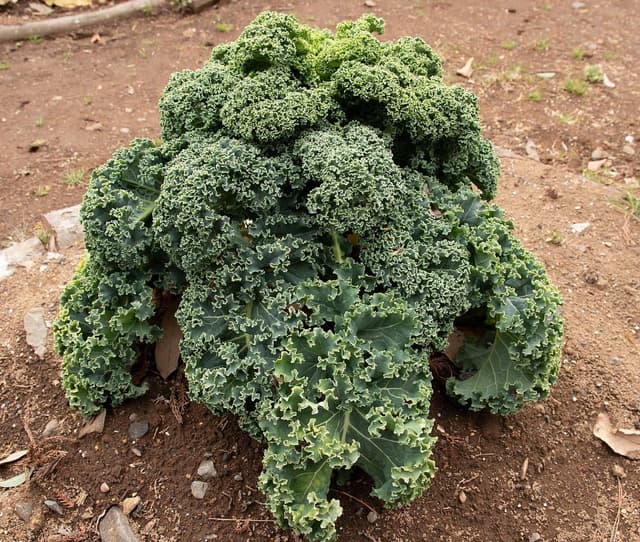
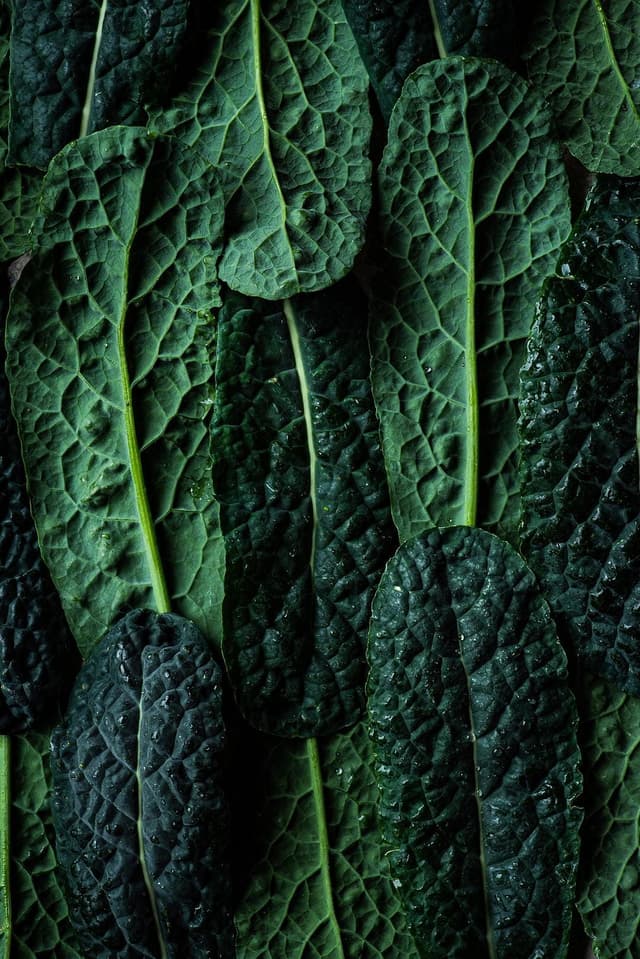
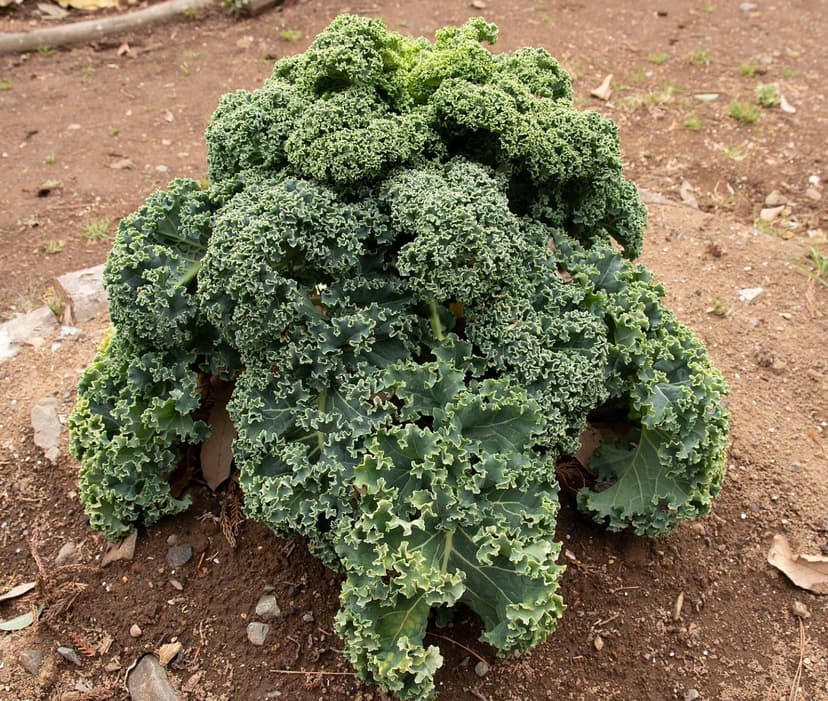
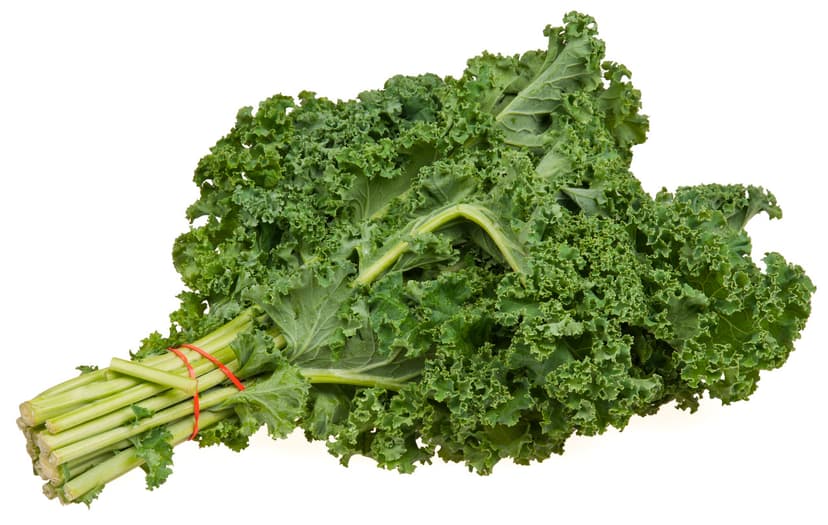
Pick the type for the season and use. Curly (Scotch) kale has frilled leaves and good cold hardiness. Lacinato, also called Tuscan, dinosaur kale or cavolo nero, has narrow, blue-green, puckered leaves and tolerates both heat and cold. Siberian and Russian kales, often sold alongside them, are a different species (Brassica napus).
Scarification

Not needed. Kale seed takes up water readily.

Stratification

Not needed. The seed has no cold requirement and germinates as soon as soil is moist and above about 4 °C (40 °F).

Soaking

Not needed. Sow dry seed into moist compost or soil.

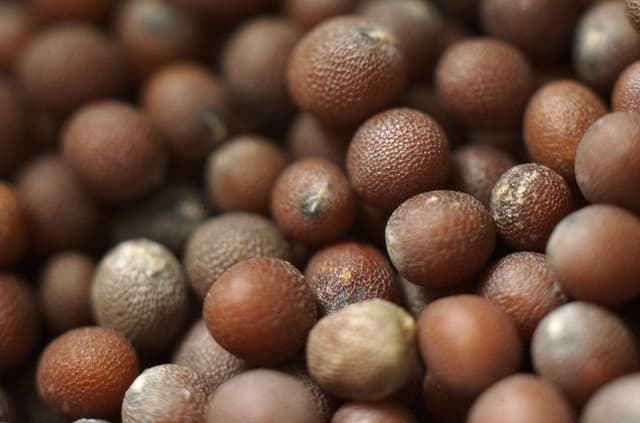
Curly Kale Seeds

Germination conditions

Germination temperature

Kale germinates in soil between 4 and 29 °C (40-85 °F). For Brassica oleracea, emergence takes about 15 days at 10 °C (50 °F), 9 days at 15 °C (59 °F), 6 days at 20 °C (68 °F) and 4 days at 25 °C (77 °F). Transplants grow well once temperatures stay above 10 °C (50 °F).

Sowing depth

0.6-1.3 cm (1/4-1/2 in). In modules, sow two seeds per cell about 1 cm deep and remove the weaker seedling.

Growing medium

Peat-free seed compost for modules; outdoors, fertile, well-drained soil with pH 6.0-7.5, enriched with well-rotted manure or compost, then raked level and firmed. Kale tolerates slightly alkaline soil.

Moisture

Keep evenly moist through germination and water well after transplanting. Steady moisture keeps leaves tender.

Light

No light needed for germination. Move seedlings into bright light as soon as they emerge to avoid stretching.

Germination time

Usually 4-9 days at 15-25 °C (59-77 °F); up to about two weeks in cold soil.

Transplanting and first growth

  1. When to transplant

    Seedlings are ready with 4-5 true leaves, about 4-5 weeks after sowing in a nursery bed or modules, or at 10-15 cm (4-6 in) tall. Harden off indoor-raised plants first.

  2. Planting

    Set each plant deeper than it grew, with the lowest leaves at soil level, firm it in and water well. Space plants 30-60 cm (12-24 in) apart depending on size, in rows 45-60 cm (18-24 in) apart.

  3. First growth stage

    Cover the bed straight away with fine insect mesh on hoops: it keeps out cabbage caterpillars and pigeons, which can strip young plants to the stalks.

Curly Kale Seeds

Common problems

ProblemHoles in leaves and green caterpillars
Cause
Caterpillars of cabbage white butterflies and other brassica moths.
What to do
Keep fine mesh over the crop from planting; check leaf undersides for eggs and remove them.
ProblemDense grey, waxy colonies curling young leaves
Cause
Mealy cabbage aphid, which can make kale inedible.
What to do
Check the growing tips weekly and rub out or spray off colonies early.
ProblemPlants wilt on warm days and roots are swollen and distorted
Cause
Clubroot, a soil-borne disease of all brassicas.
What to do
Raise plants in modules or containers of clean compost so they go out with a strong root system, and do not grow brassicas on infected ground.
ProblemLeaves strong-tasting and tough
Cause
Growing through hot weather.
What to do
Time sowings so most picking falls in cool months; lacinato copes with heat better than curly kale.
ProblemTiny white insects fly up from leaf undersides
Cause
Cabbage whitefly.
What to do
Usually not serious; remove heavily affected lower leaves.

Practical growing tips

Why kale tastes better after cold

Kale responds to cold by breaking down carbohydrates into smaller, sweet sugars such as fructose and raffinose. The dissolved sugars lower the freezing point inside the cells, protecting the leaves; the side effect is a milder, sweeter taste. Leaves are hardy to about -7 °C (20 °F), so leave autumn and winter picking until after the first cold spells.

Pick from the bottom, never the top

Take two or three of the older, lower leaves per plant at a time and leave the central growing point alone. Removing the crown or stripping most of the leaves stops a plant that could otherwise crop for months.

Baby leaf

For salad leaves, sow densely and start cutting at 10-15 cm (4-6 in) tall, 20-30 days after sowing; cut rosettes re-sprout. Mature leaves follow 50-75 days after sowing; lacinato takes about 65 days.

Seasons in India

Kale suits the hills (Himachal Pradesh, Uttarakhand, Sikkim, the North-East). ICAR-CITH in Kashmir sows nurseries in July for the main autumn-winter crop, transplanted in August and picked from October, and in mid-February to mid-March under cover for a spring crop picked May to July. Picking starts 45-60 days after transplanting. On the plains, grow it through the coolest months.

Kale seeds from Deodar

Grow curly or lacinato kale for months of leaves that sweeten as the weather turns cold.

Frequently asked questions

How do I harvest kale so it keeps growing?

Pick two or three lower leaves per plant at a time and leave the top growing point. The plant keeps making new leaves from the centre.

Does frost really make kale sweeter?

Yes. Cold makes kale build up sugars that act as antifreeze in its cells, which also improves the taste. The leaves survive frosts down to about -7 °C (20 °F).

Can I grow kale in India?

Yes, best in the hills. In Kashmir the main crop is sown in July and picked from October; on the plains grow it only in the cool winter months, because heat makes the leaves tough.