Seed preparation
TNAU treats seed in hot water at 50 °C (122 °F) for 30 minutes before sowing in protected nurseries. The temperature must be held exactly; if you cannot control it, sow untreated seed.
 Visit deodar-seeds.in
Vegetable growing guide
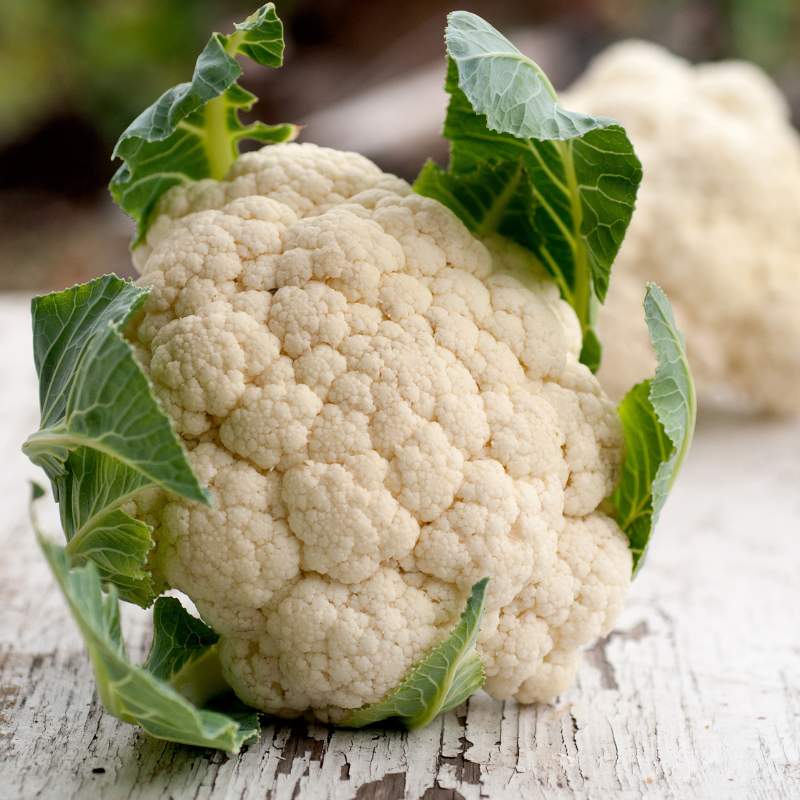
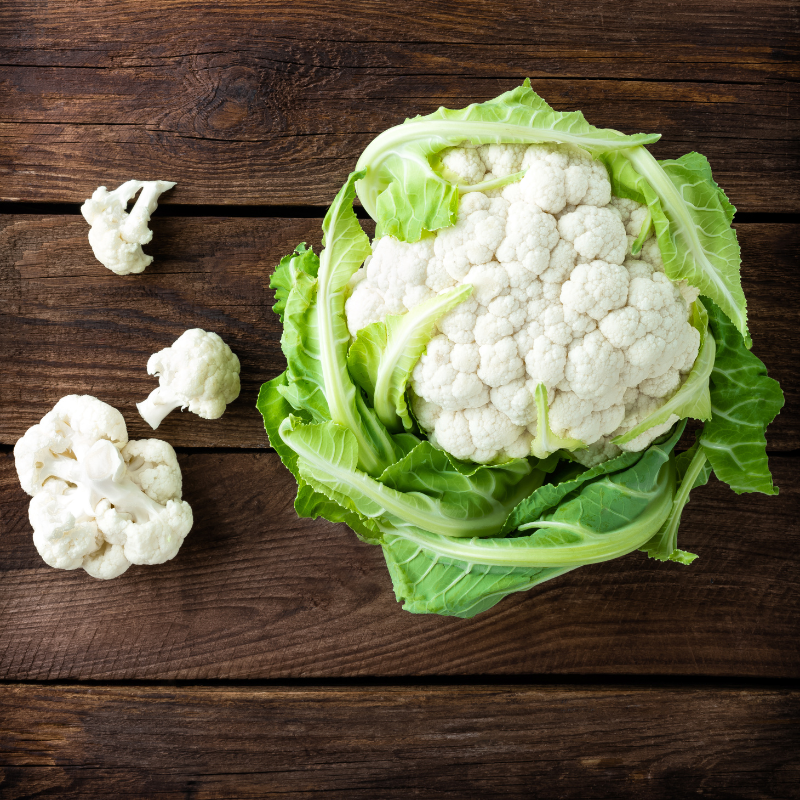
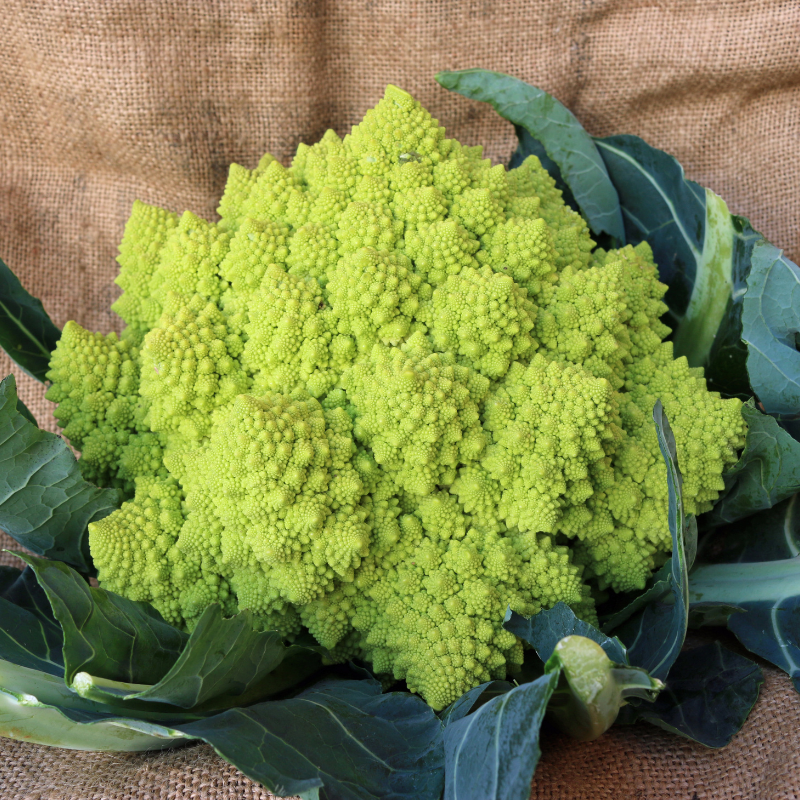
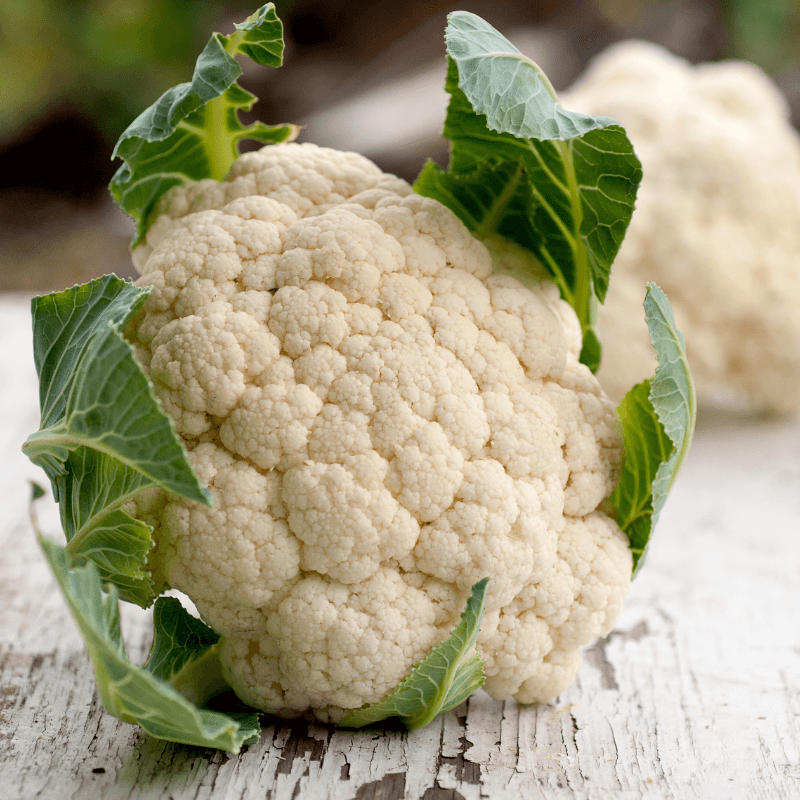
Cauliflower is grown from nursery-raised seedlings and needs the right variety for the season: early types for heat, late Snowball types and Romanesco for cool weather. Steady growth without checks gives a firm, white curd.
TNAU treats seed in hot water at 50 °C (122 °F) for 30 minutes before sowing in protected nurseries. The temperature must be held exactly; if you cannot control it, sow untreated seed.
Not needed. Brassica seed takes up water readily.
Not needed. Cauliflower germinates without cold treatment.
Not needed. Keep the nursery medium evenly moist instead.
Seed germinates from about 4 °C (40 °F) to 38 °C (100 °F), best near 27 °C (80 °F). RHS sows indoors at 12-22 °C (54-72 °F). Later, curd formation needs cooler weather: ICAR gives about 17-20 °C (63-68 °F) as most favourable, with tropical early cultivars tolerating up to 35 °C (95 °F).
About 1.5 cm (1/2-3/4 in) in nursery beds or one seed per cell in 98-cell trays, covered with cocopeat.
Sterile cocopeat or fine, fertile nursery soil. Never use soil from land infected with club root. The field needs deep loam rich in organic matter with good drainage, pH 5.5-6.6 (TNAU) or about 6.5 (RHS).
Keep the medium moist but not waterlogged. TNAU stacks sown trays under polythene for about five days until germination, then waters twice daily under 50% shade net.
No light is needed until emergence; move seedlings into good light immediately so they do not stretch.
4-6 days in warm conditions, up to about 19 days in cold soil at 10 °C (50 °F).
Transplant at about 25 days for early types and up to 45 days for late types, or at about six weeks and 10-15 cm (4-6 in) tall in temperate gardens. Harden off tray-grown seedlings first and plant into firm soil.
ICAR spacing is 45 x 30 cm for early crops and 60 x 45 cm for mid and late crops. RHS gives 45-60 cm between summer and autumn plants and 70 cm for winter types.
Fill gaps about 20 days after planting. Hoe shallowly at about 30 and 45 days: the roots are shallow and deep hoeing checks growth.
ICAR's North Indian schedule: early types sown mid-May to late June, mid-early in late July, mid-late at the end of August and late types such as Pusa Snowball from late September to mid-October. Mughlai is sold as an early Indian type; Snowball and Romanesco need the cool season or hills.
Fold or tie the outer leaves over the developing curd to shade it; strong sun turns white curds yellow.
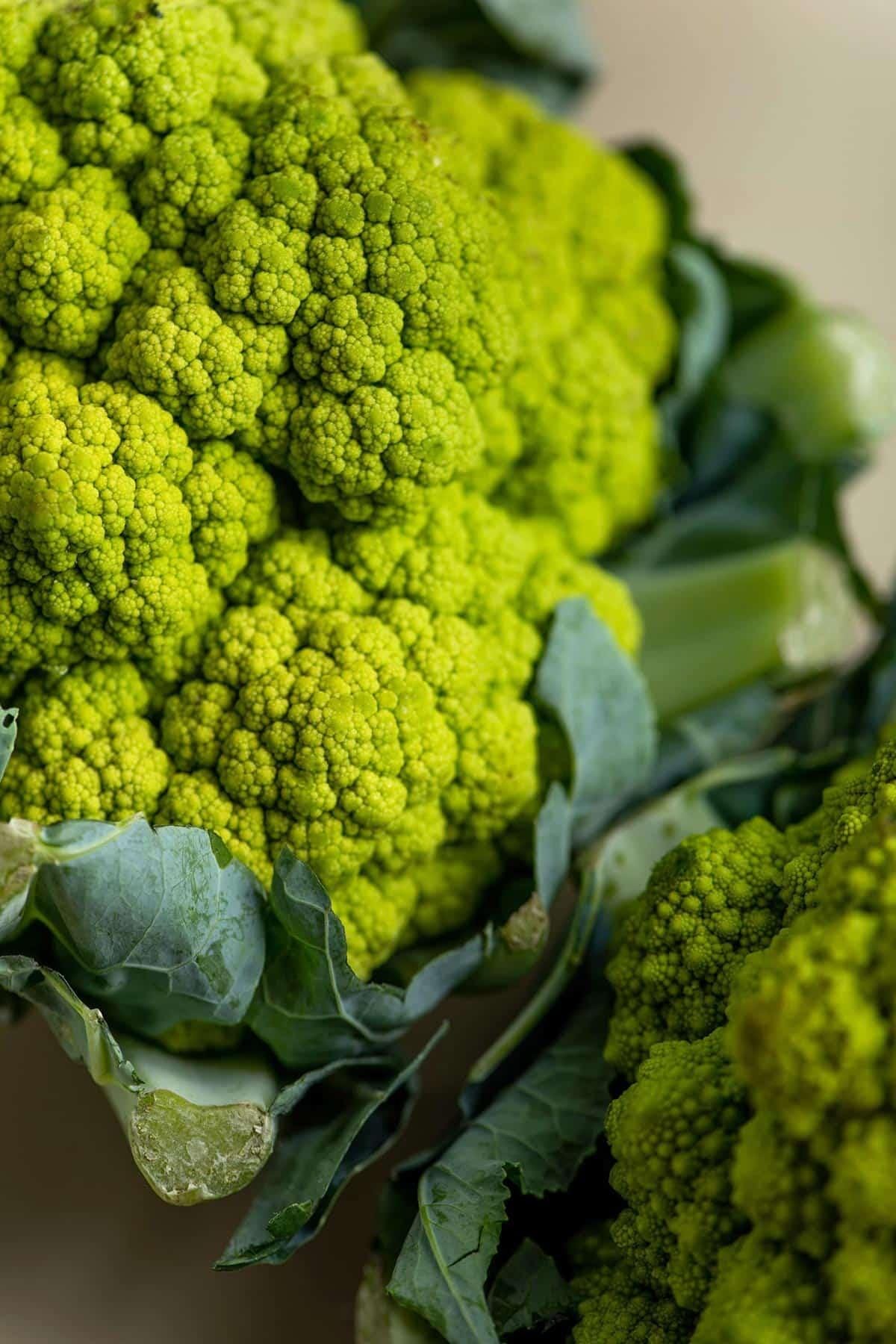
Green cauliflower and Romanesco form a firm curd and are grown and harvested like white cauliflower; Romanesco has lime-green, pointed florets. Broccoli forms a head of green flower buds: cut it before the buds open and show yellow.
Cut the stem well below the curd with a few leaves attached while it is firm. Plants of one sowing mature together, so start harvesting early.
Choose an early, mid or late cauliflower to suit your sowing season.
It depends on the variety group. Early types are sown from May to June, mid-season types from late July to August, and late Snowball types from late September to mid-October. On the Tamil Nadu plains TNAU sows from September to February.
Usually buttoning: seedlings were too old at transplanting, the plants ran short of water or nitrogen, or an early variety was planted too late. Any check in growth reduces the curd.
Yes, RHS suggests three seeds at each final spacing, thinned to one, but most growers raise seedlings in trays or a nursery bed and transplant.