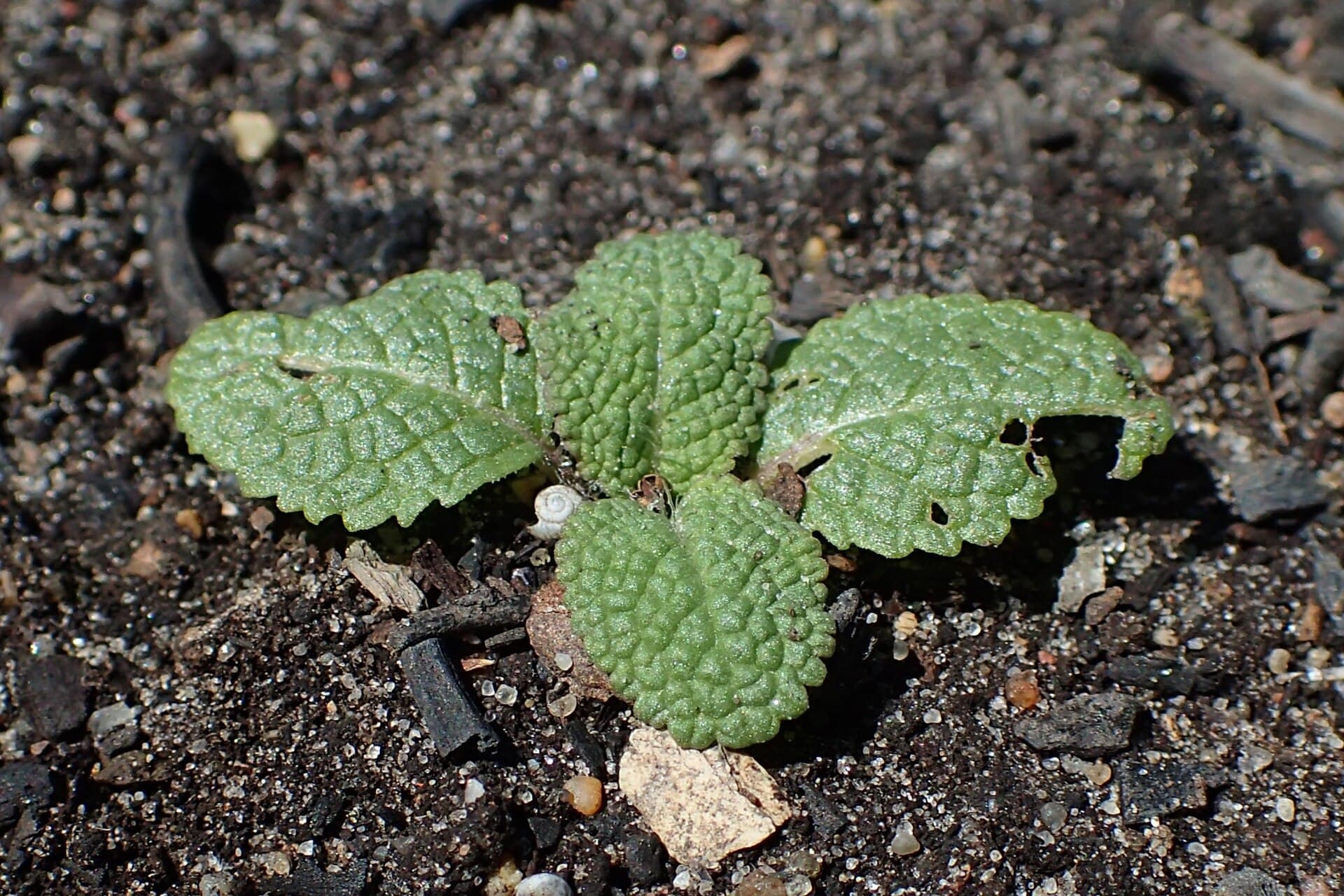
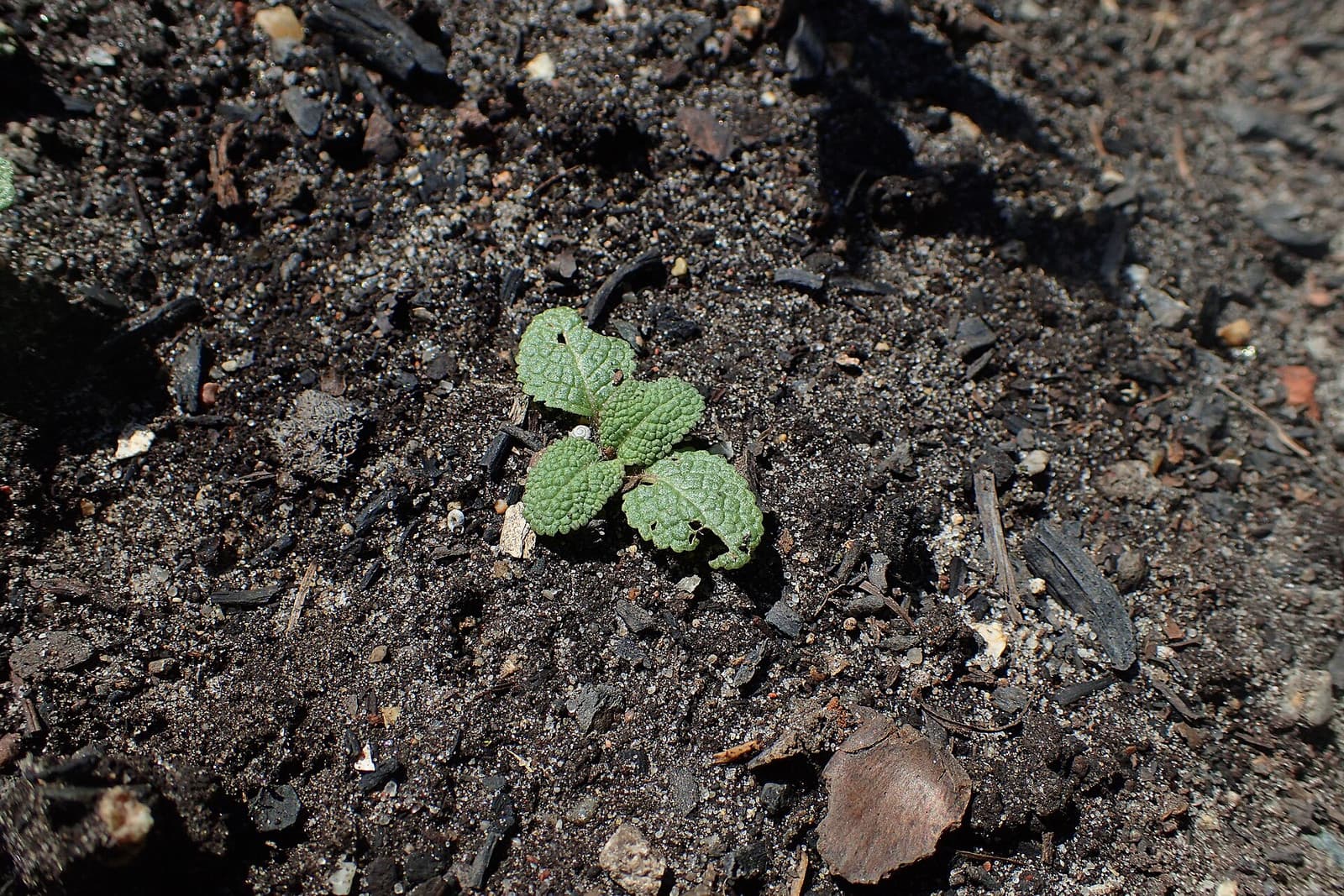
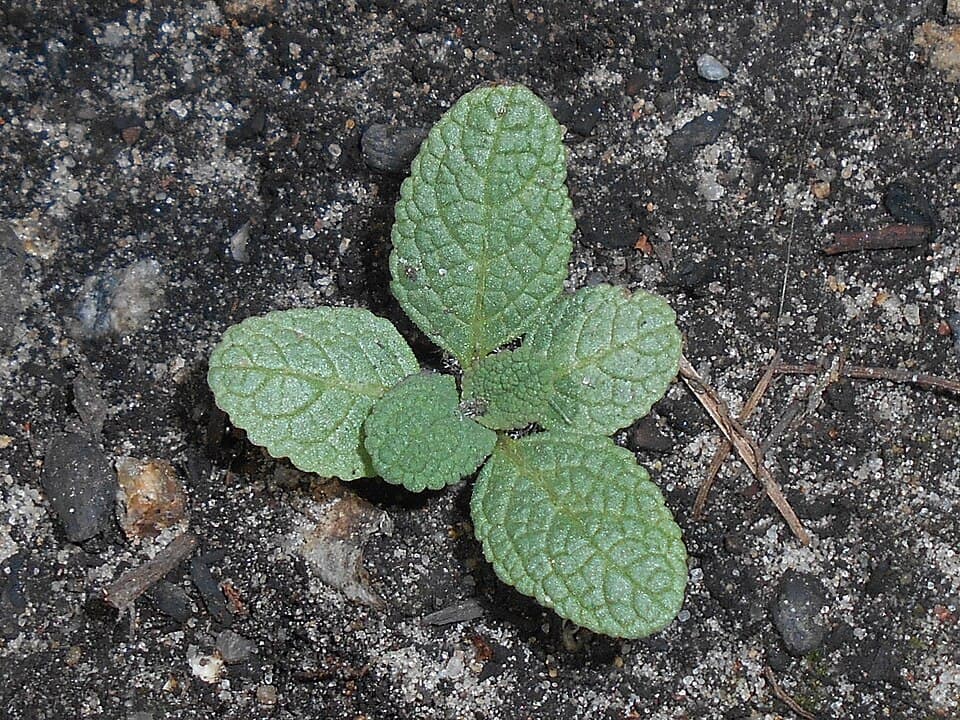


About this variety
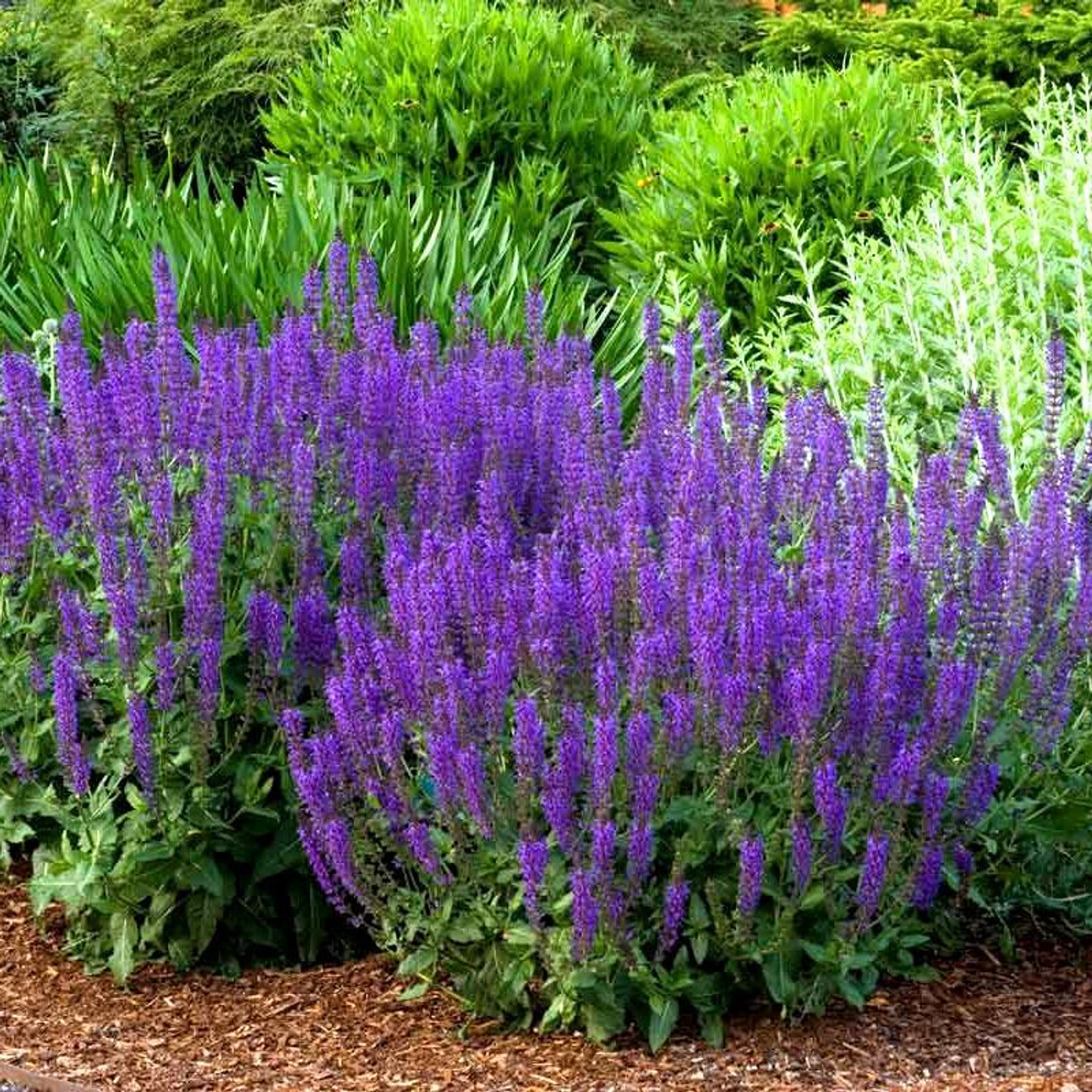
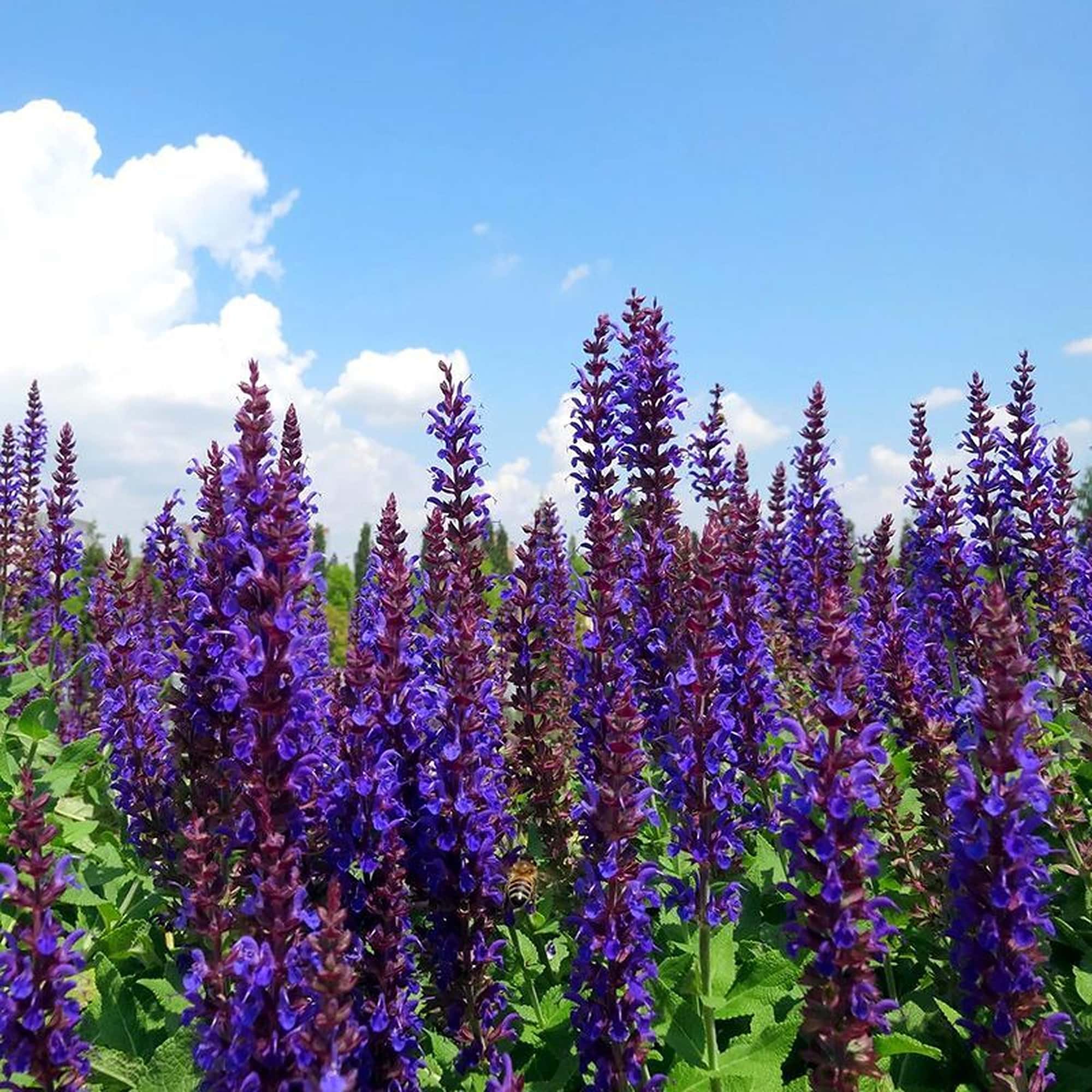
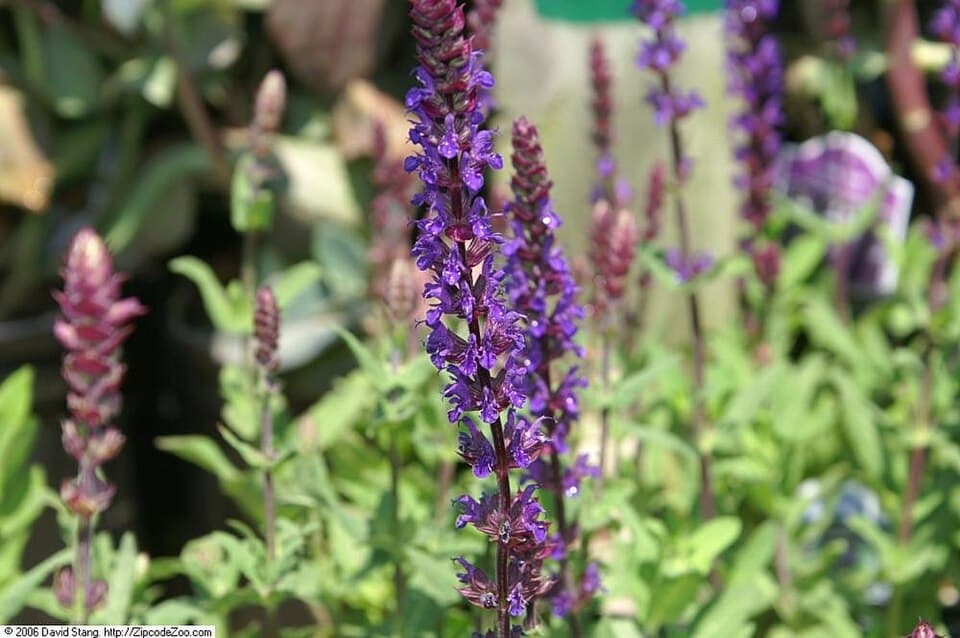
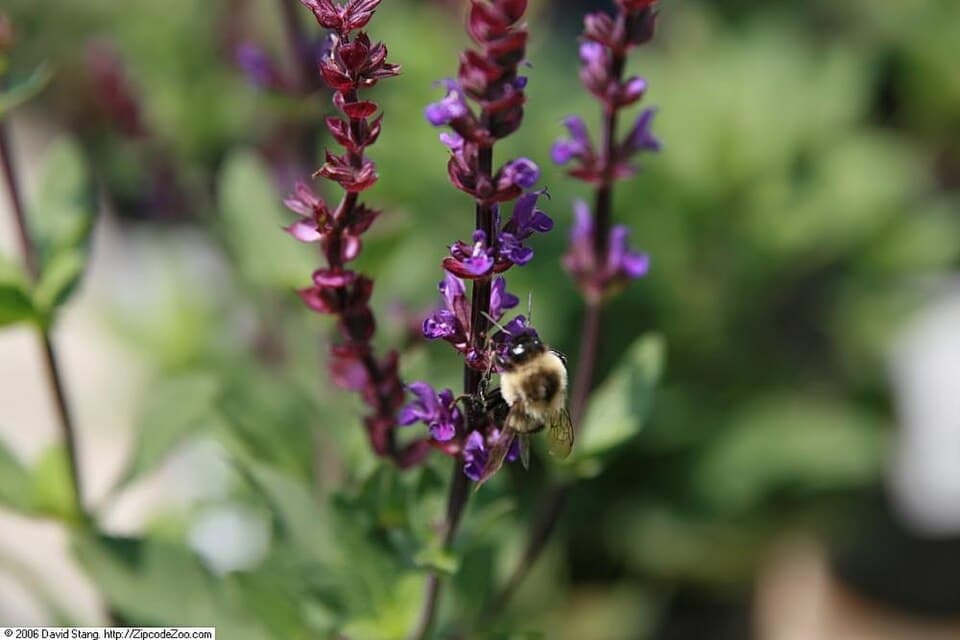
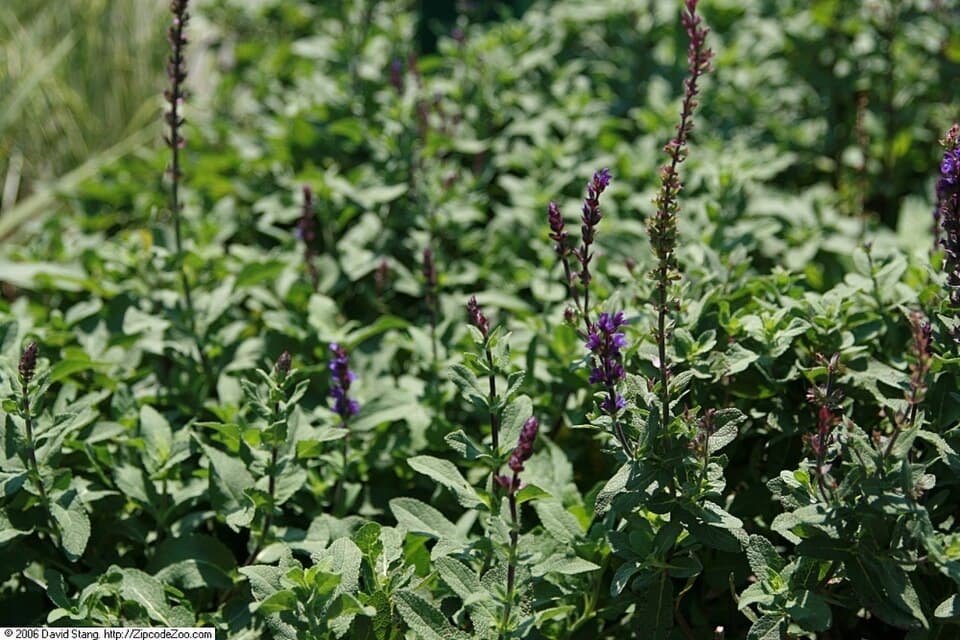
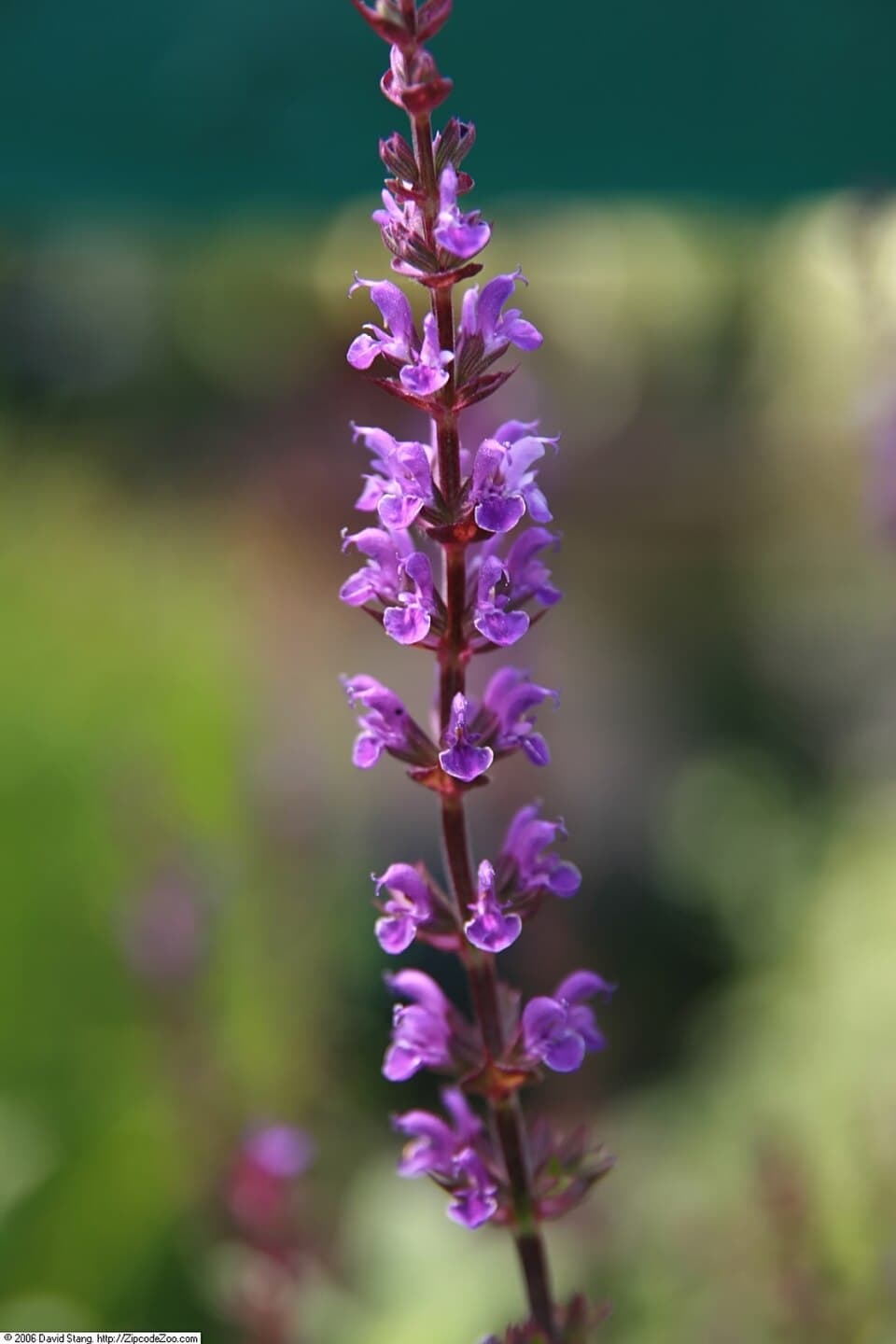
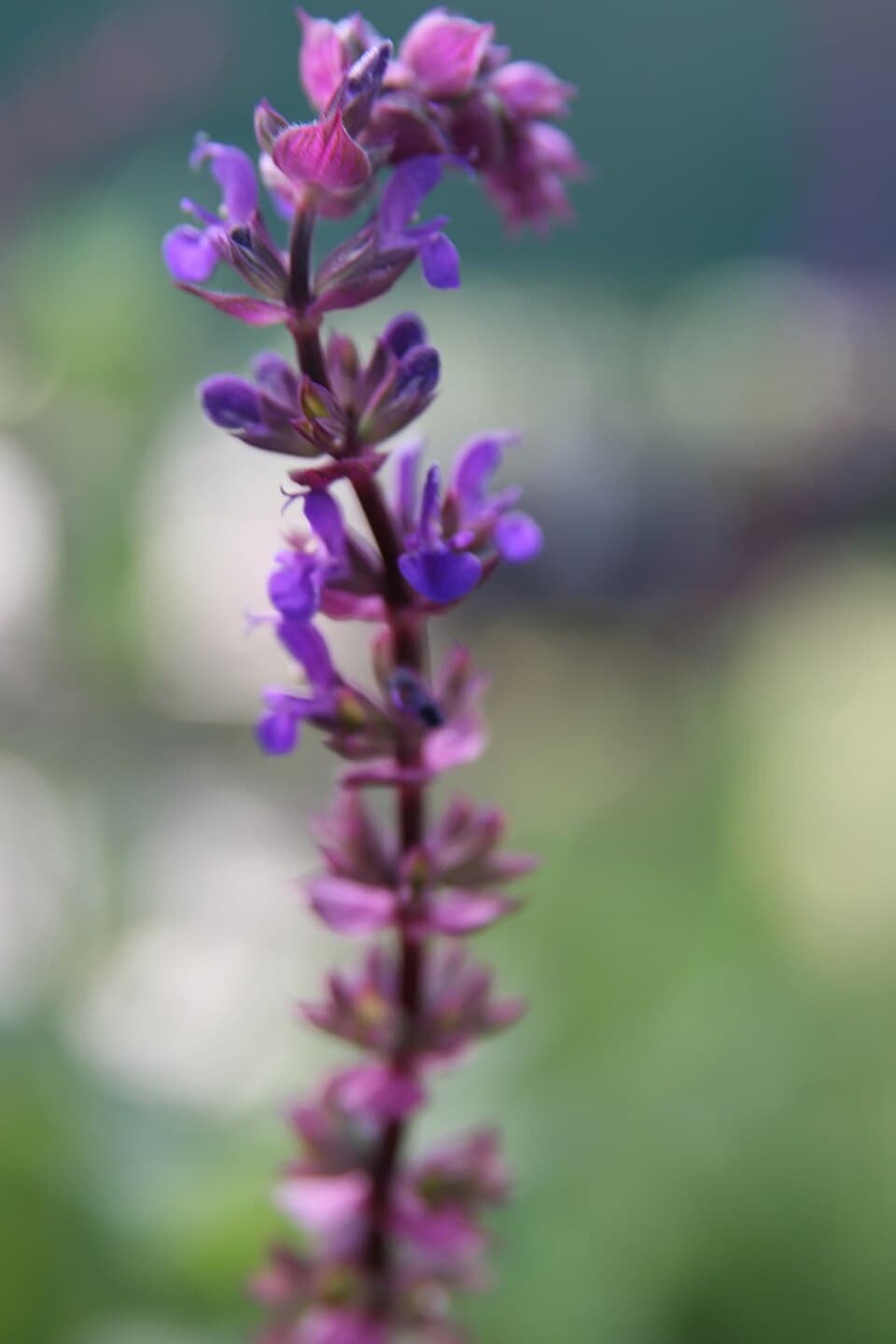
Violet Queen is a form of Salvia nemorosa, a hardy herbaceous perennial sage grown for upright spikes of small violet flowers that bees and butterflies visit. Seedlings emerge in 10–15 days at 21–27 °C, and plants started indoors 8–10 weeks before the last frost can flower in their first year.
Also known as: Woodland sage, Balkan clary, Meadow sage, Blue sage, Steppen-Salbei (German), Hain-Salbei (German), Shalfey dubravny (transliterated Cyrillic).
Size, hardiness and flowering
Plants grow about 50–60 cm tall and 45–60 cm wide, in full sun or part shade. The RHS rates the species H7, hardy below -20 °C; US hardiness is given as zones 4–8 or 3–9 depending on the source. Flowers open from June to September in flushes; cutting faded spikes back to the basal leaves encourages a second flush. The plant tolerates dry soil and is seldom browsed by deer or rabbits.
Sowing
- Indoors: 8–10 weeks before the average last frost. Outdoors: 1–2 weeks after it.
- Barely cover the seed; 21–27 °C is ideal for germination.
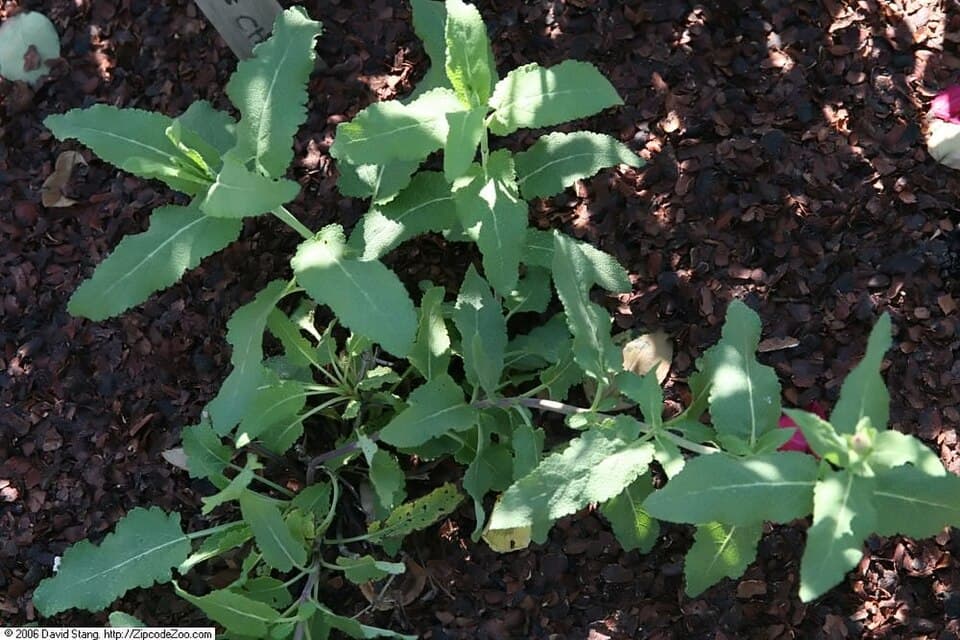
- Space plants 45–60 cm apart, thinning groups of three seeds to one plant at about 2.5 cm tall.
Care
Keep seedlings evenly moist until established; the mature plant tolerates dry soil. Violet Queen is a named selection, and we do not state how uniform seed-raised plants will be or guarantee an exact flower shade.
FAQ
Will it flower in its first year?
It can if sown indoors 8–10 weeks before the last frost. Sown outdoors after frost, expect the main display the following summer.
Is this the sage used in cooking?
No. Salvia nemorosa is a different species from culinary sage (Salvia officinalis). It is sold as a garden ornamental and we make no culinary claim.
Local names
Småblomstret salvie, lehtosalvia, Sauge des bois, Sauge des forêts, Sauge des forêts, rohtosálvia, steppesalvie, stäppsalvia, Balkan Clary, Woodland sage, Meadow sage, Blue sage, Steppen-Salbei.
Common names of Salvia nemorosa
All 26 names, languages and regions
Local names
| Denmark | |
|---|---|
| Danish | Småblomstret salvie |
| Finland | |
| Finnish | lehtosalvia |
| Swedish | lehtosalvia |
| France | |
| French | Sauge des bois, Sauge des forêts, Sauge des forêts |
| Norway | |
| Northern Sami | rohtosálvia |
| Norwegian Bokmål | steppesalvie |
| Sweden | |
| Swedish | stäppsalvia |
| United Kingdom | |
| English | Balkan Clary |
| Other places | |
| German | Steppen-Salbei, Hain-Salbei |
| English | wood sage, woodland sage |
| Dutch | Bossalie |
| Latvian | birztalas salvija, birztalu salvija |
| Estonian | metssalvei |
| Lithuanian | Šilinis šalavijas |
| Upper Sorbian | Stepowa želbija |
| Turkish | Orman adaçayı |
| Czech | šalvěj hajní |
| Chinese | 林地鼠尾草 (Líndì shǔ wěi cǎo) |
| Slovenian | podlesna kadulja |
| French | sauge des bois |
| Woodland sage, Balkan clary, Meadow sage, Blue sage, Shalfey dubravny | |