

About this variety
Grow a short-rooted garden radish. The familiar botanical name is Raphanus sativus, in the mustard family Brassicaceae. That name is treated as a synonym of the accepted Raphanus raphanistrum subsp. sativus. Deodar's lot is identified as a short radish, without assigning a named cultivar.
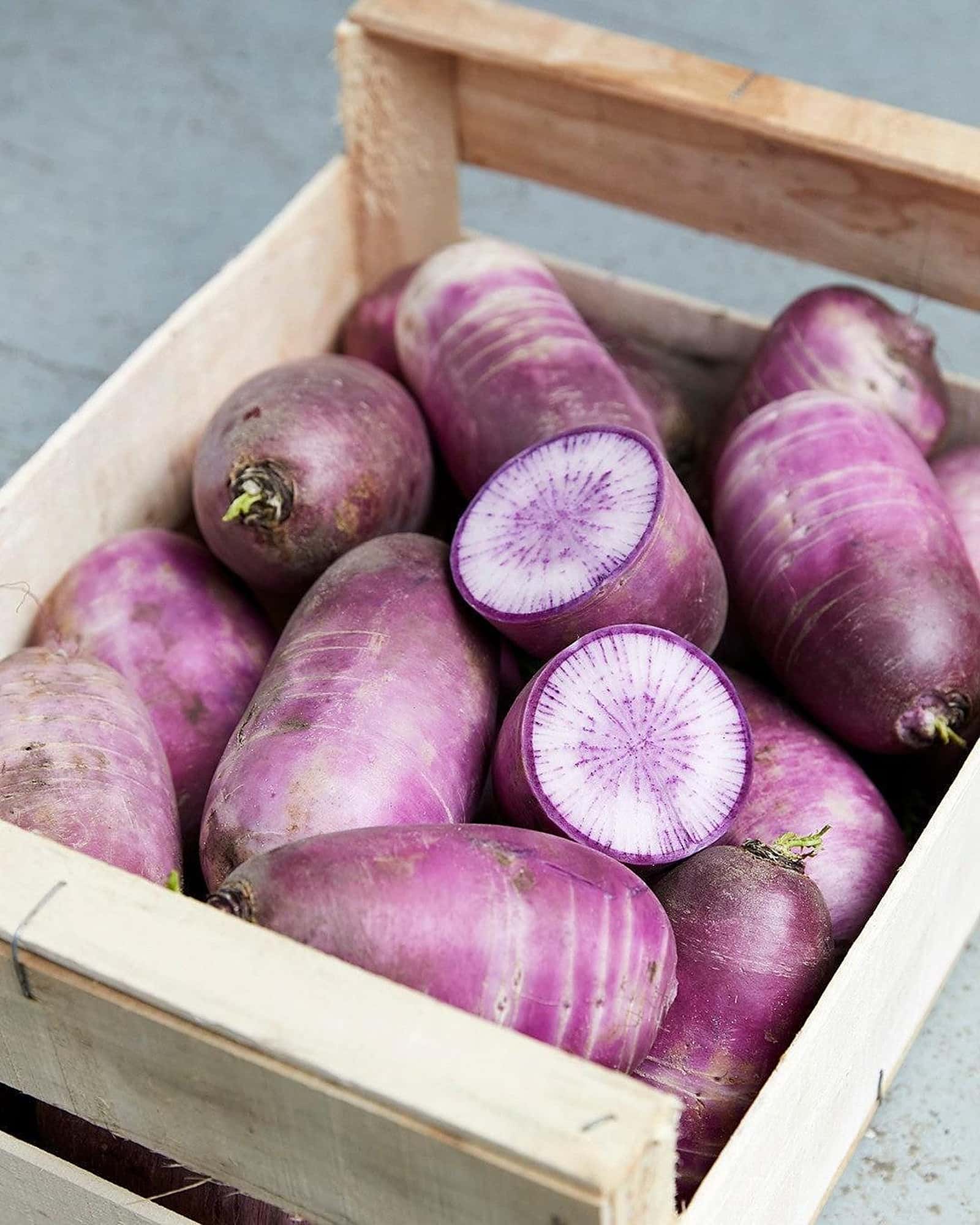
Product Overview: Cultivated radishes vary greatly in root colour, size, and shape. The cultivated radish group has been selected for fleshy edible taproots that can range from small to very large and from red or pink to white, purple, or black. This packet is the compact short-rooted market type. The page does not borrow a precise maturity date, flavour rating, or root diameter from a named cultivar because those details depend on both genetics and growing conditions.
- Botanical identity: Raphanus sativus; accepted name Raphanus raphanistrum subsp. sativus
- Family: Brassicaceae
- Crop type: Cool-season root vegetable
- Root description: Short-rooted type, cultivar not named
Growing from Seed
When to sow: Radishes are cool-season crops. Sow once soil reaches about 40°F (4°C); germination performs best around 55–75°F (13–24°C). Choose a locally suitable spring or autumn window rather than planting into the hottest part of summer. In mild climates, gardeners may have a longer cool-season window; in cold climates, use local frost and soil conditions to set the date.
How to sow: Direct-sow about 1/2 inch (1.3 cm) deep in prepared soil. Keep the surface evenly moist while seedlings emerge. Once plants are established, thin them to roughly 1–2 inches (2.5–5 cm) apart, with rows about 10–12 inches (25–30 cm) apart. Crowded seedlings compete for space and are less likely to make an even root, so thinning is an important crop step rather than wasted effort.
Light and soil: Use a sunny position with fertile, deep, well-drained soil. Break up clods and remove stones from the root zone before sowing. Heavy, compacted ground can restrict root expansion or produce uneven shapes. Base fertiliser decisions on a soil test where possible; excessive guesswork is unnecessary for a short-season crop.
Water and temperature: Water regularly enough to prevent large swings between dry and saturated soil. Moisture fluctuation can contribute to cracking and stronger, bitter roots. High temperatures can also reduce root quality and encourage flowering in many varieties. Mulch can help conserve soil moisture, but keep heavy material away from newly emerging seedlings until they are established.
Succession sowing: Small batches can be sown at intervals during suitable cool weather instead of planting the whole packet on one day. Intervals of about ten days give a steadier supply. Stop sowing when local heat is likely to arrive before the roots can develop, then resume when cooler conditions return.
Harvest: Check roots as their shoulders become visible at the soil line. Lift a sample once it reaches a useful eating size rather than relying on a maturity date from an unverified cultivar. Do not leave ready roots in warm soil for an extended period. Rinse harvested roots and handle them as fresh produce using normal kitchen hygiene.
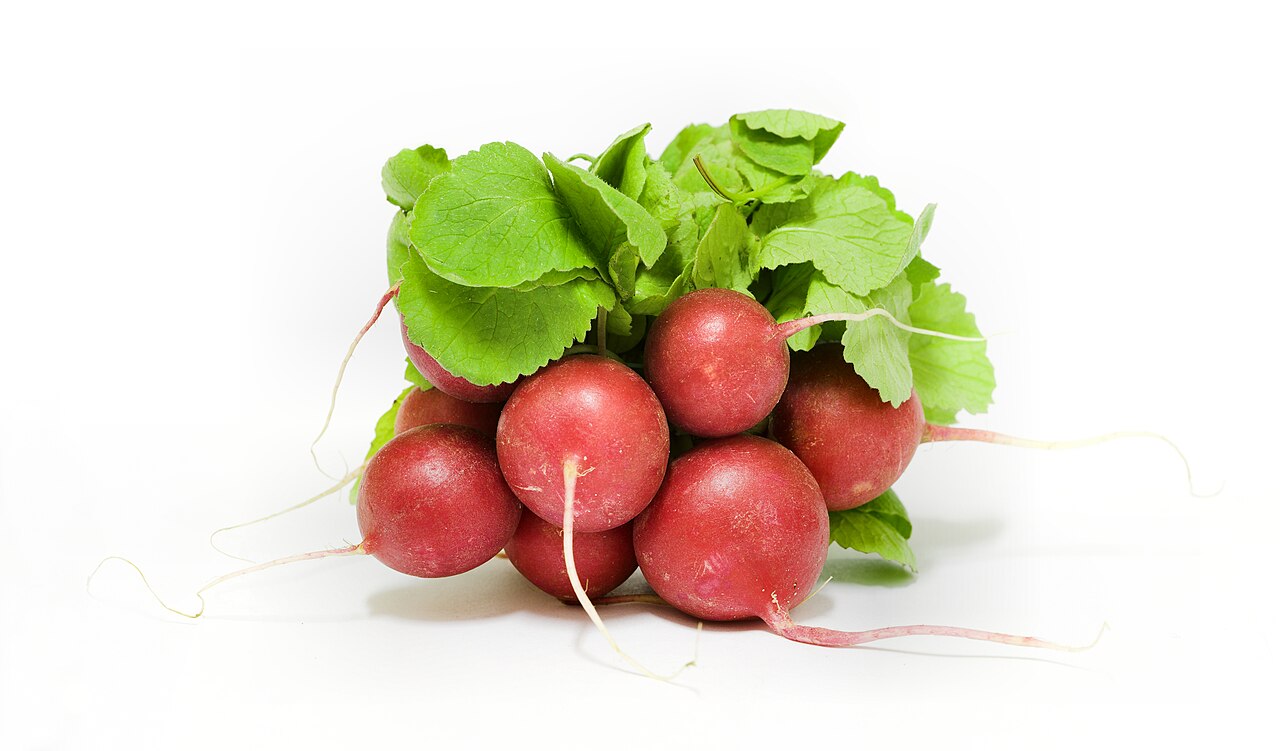
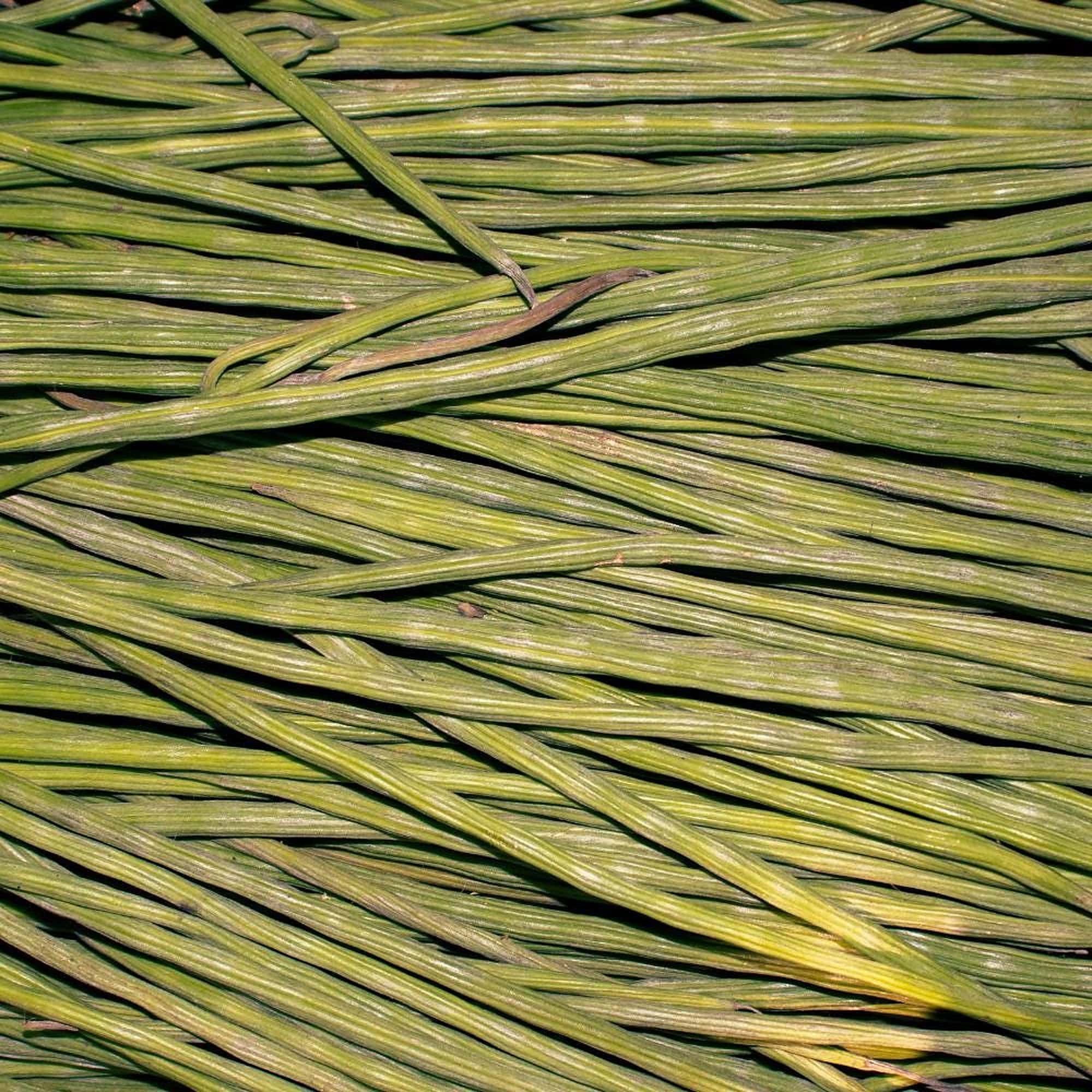
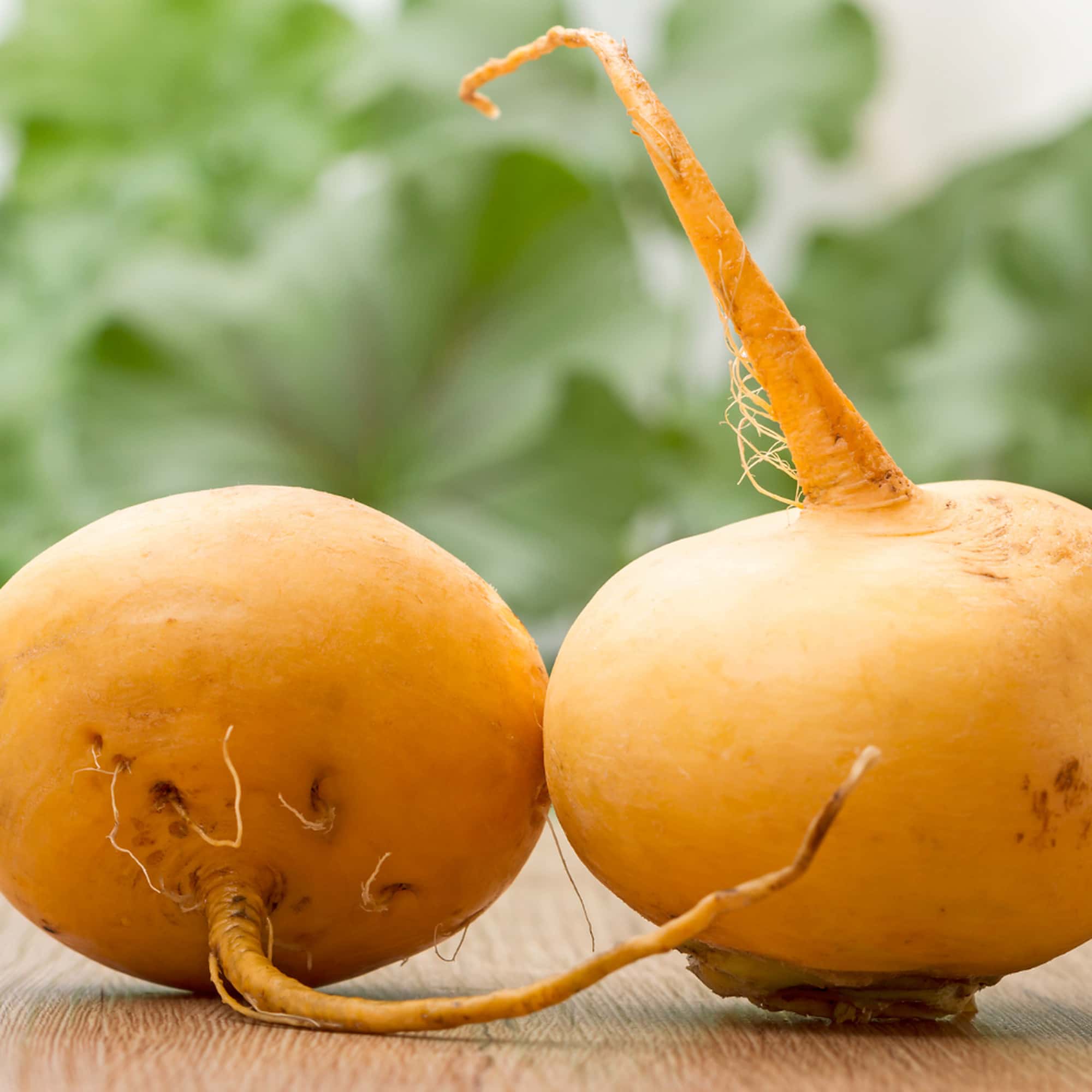
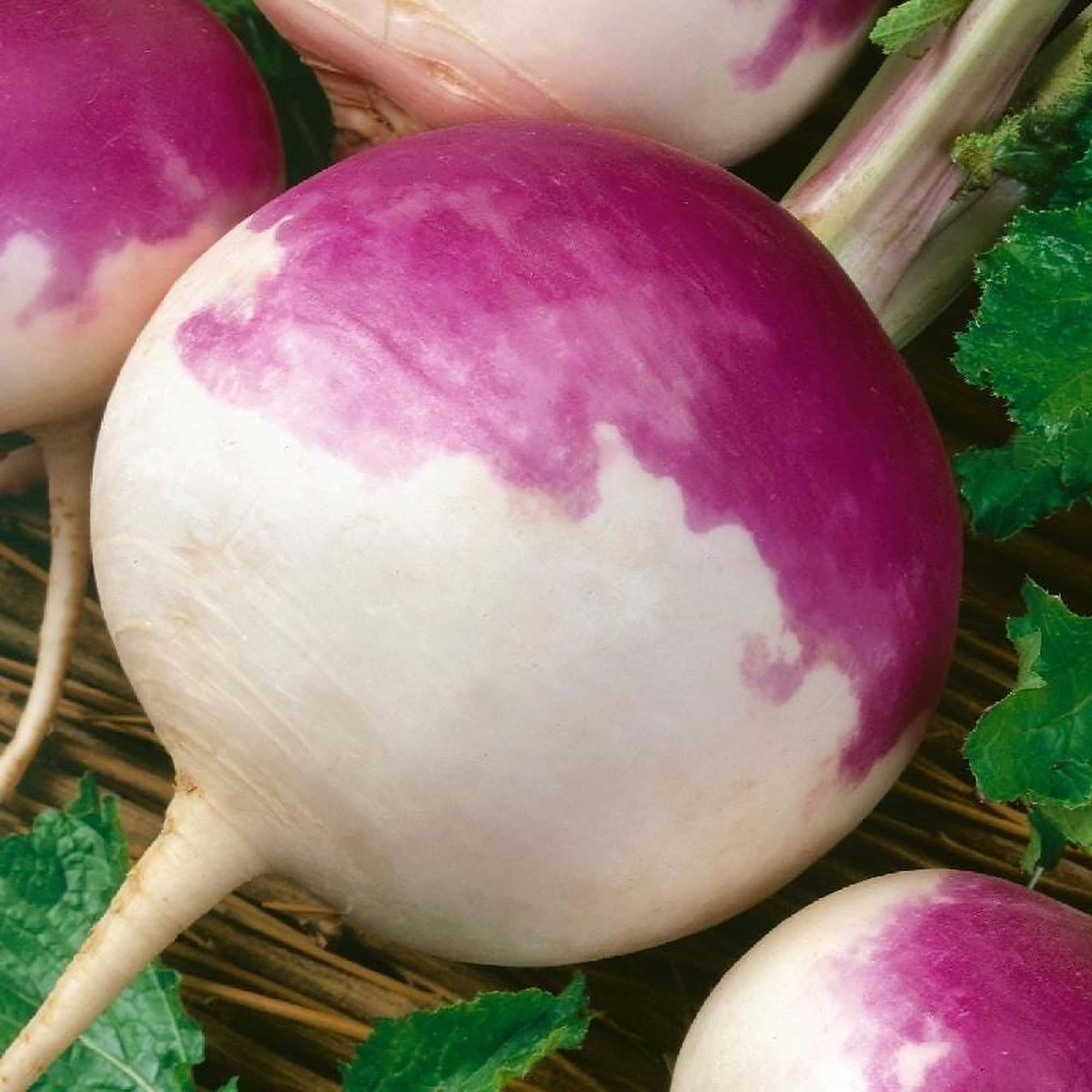
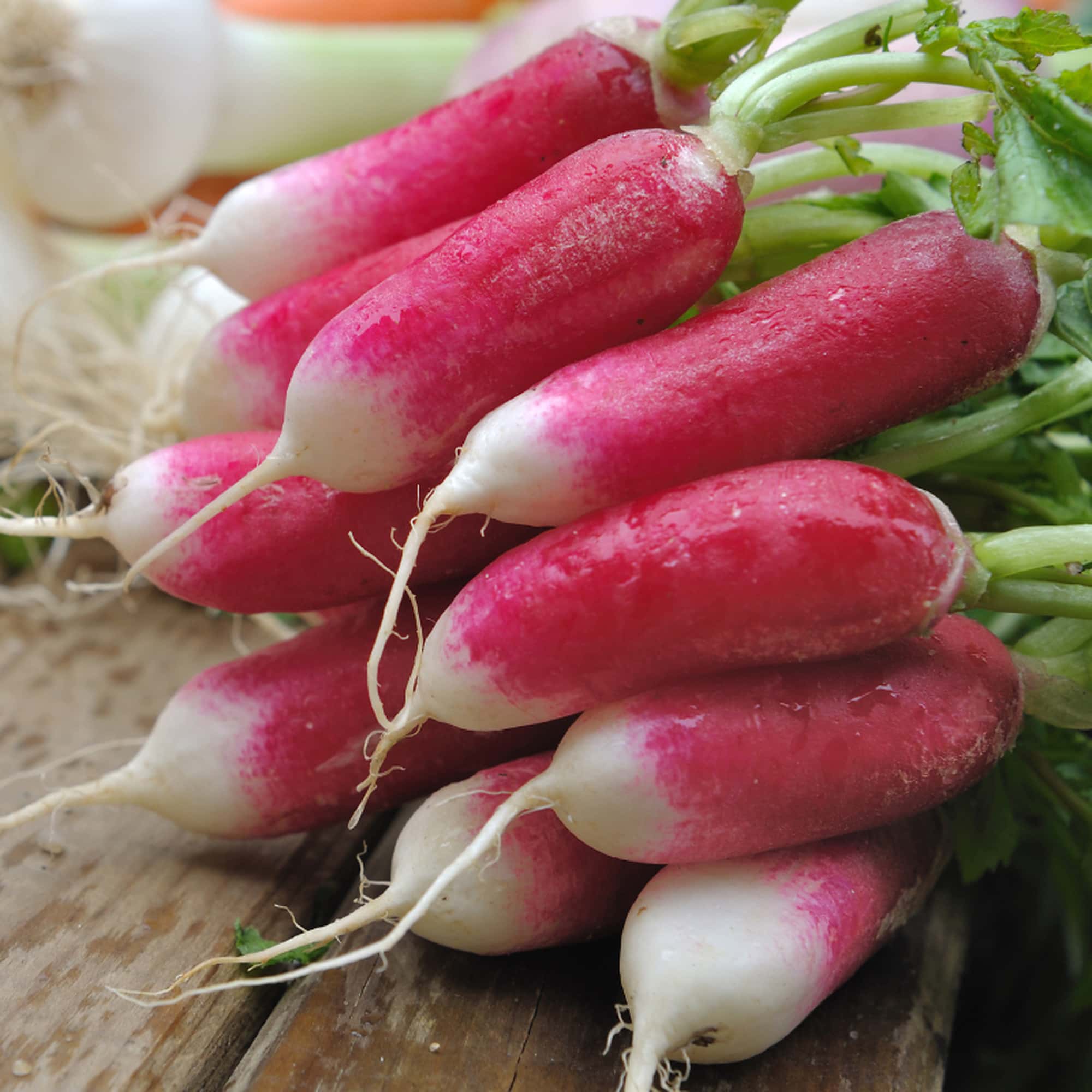
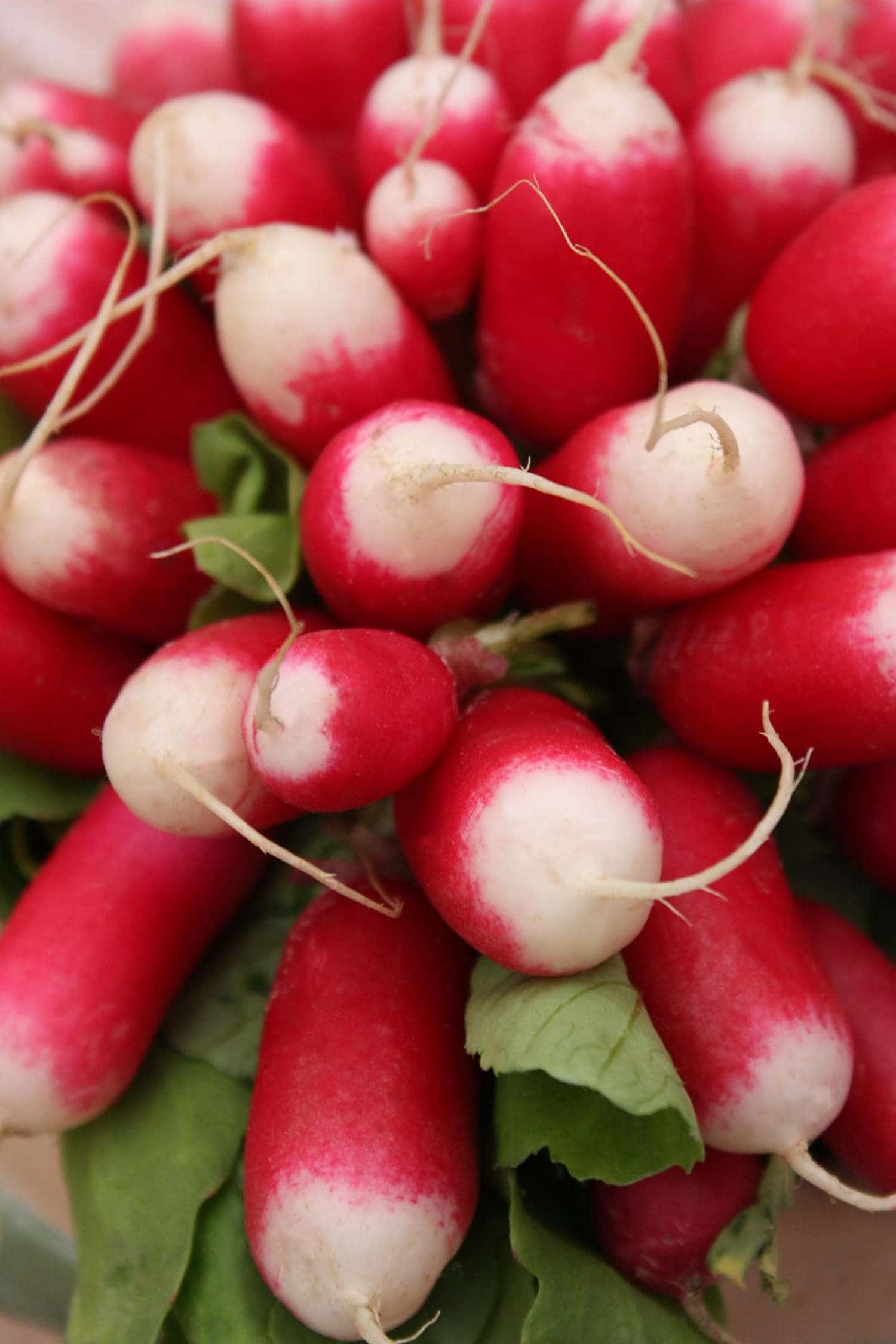
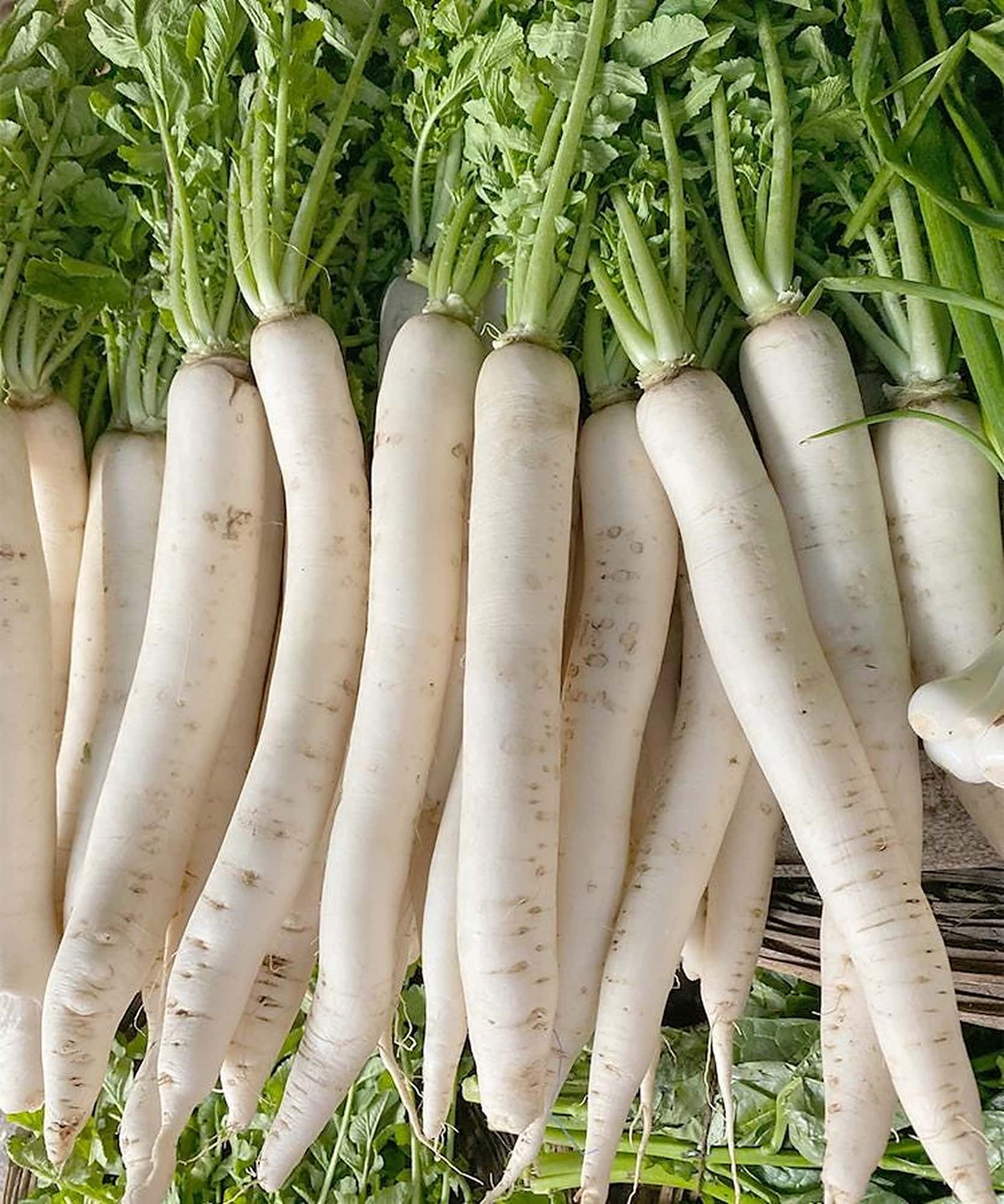
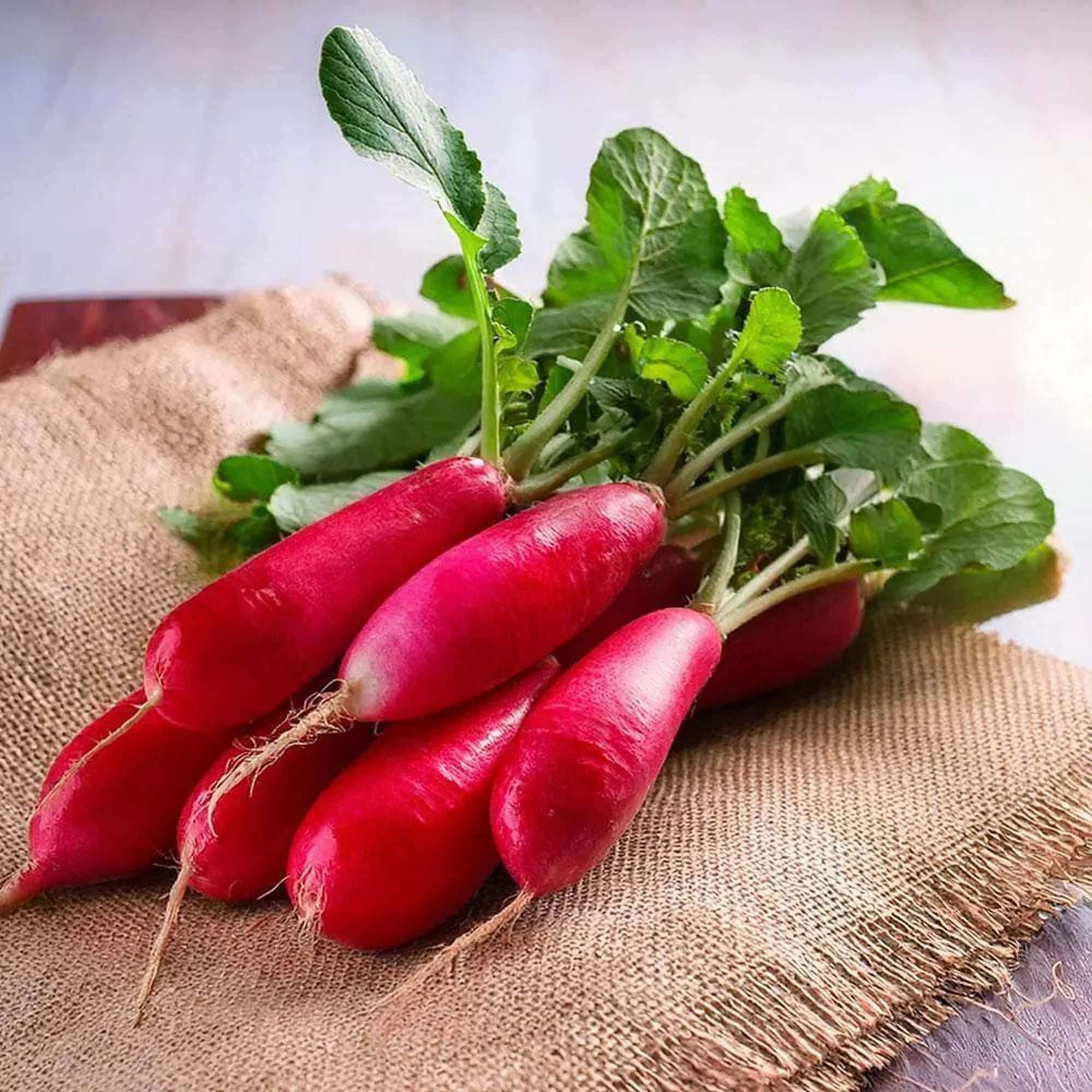
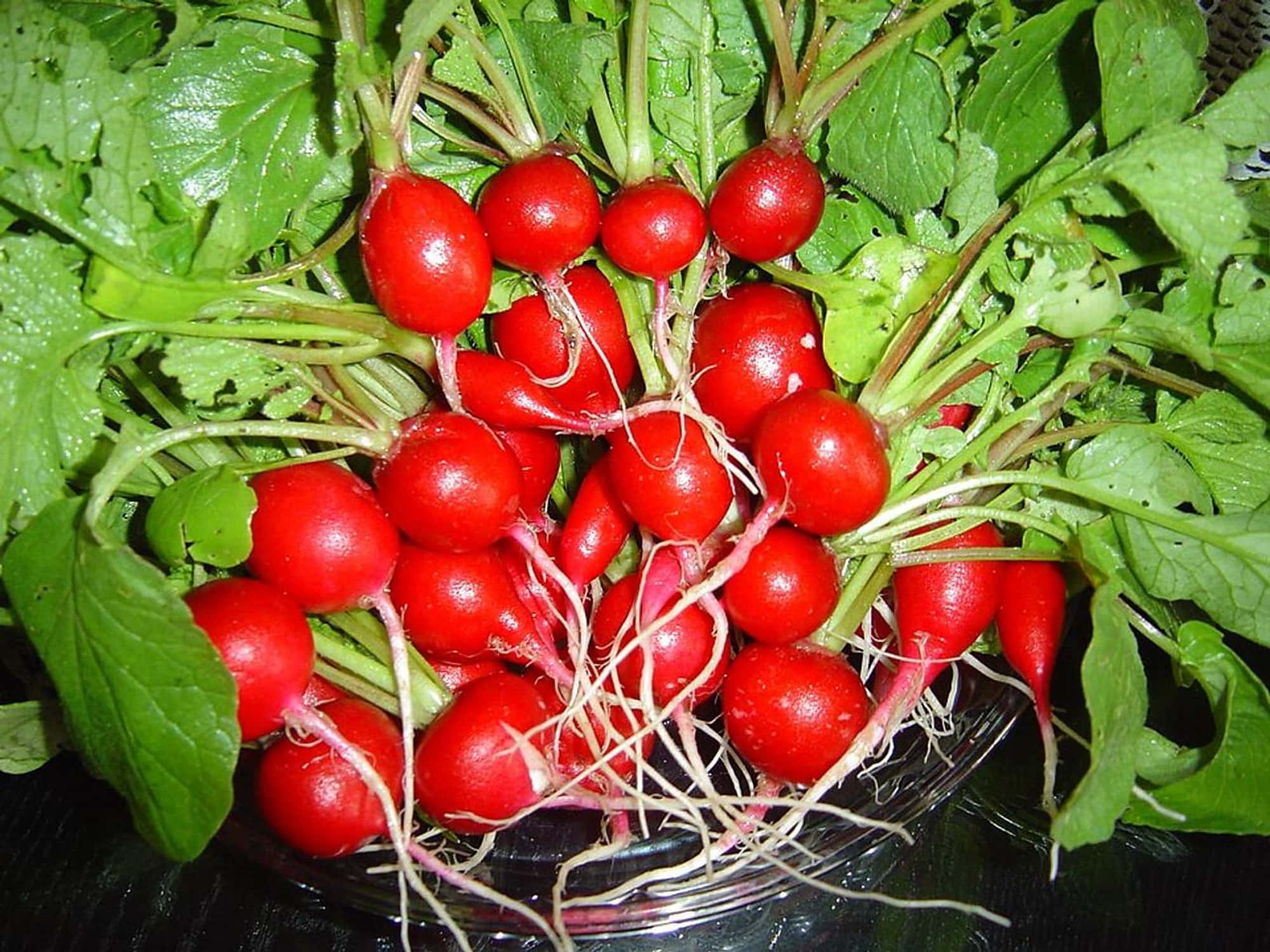
What You Receive: One labelled packet of Short Radish seeds. The licensed gallery shows representative cultivated radishes and a flowering Raphanus sativus plant; the photographs do not document this individual seed lot or prove a named cultivar.
Frequently Asked Questions
Should radish be transplanted or direct-sown?
Direct sowing is preferred. Radish is grown for its taproot, and sowing in the final position avoids transplant disturbance while making final spacing easier to control.
How deep should I sow the seed?
Sow about 1/2 inch (1.3 cm) deep. Maintain a moist, not waterlogged, surface while the seedlings emerge, then thin closely spaced plants.
Why are my radish roots cracking or tasting stronger?
Uneven moisture and hot conditions can reduce quality. Keep irrigation reasonably uniform, grow during cooler weather, and harvest once roots reach a practical size.
Local names
Radise, ruokaretikka, hagereddik, reddik, rettet, Garden Radish, Cultivated radish, Mooli, Mullangi, Mula, Rábano, Radis.
Common names of Raphanus sativus
All 41 names, languages and regions
Local names
| Denmark | |
|---|---|
| Danish | Radise |
| Finland | |
| Finnish | ruokaretikka |
| Norway | |
| Norwegian Bokmål | hagereddik |
| Norwegian | reddik |
| Northern Sami | rettet |
| Sweden | |
| Swedish | rädisa/rättika |
| United Kingdom | |
| English | Garden Radish |
| United States | |
| English | Cultivated radish |
| Other places | |
| Spanish | Rábano |
| French | Radis, Radis cultive, Radis cultivé |
| German | Radieschen, Garten-Rettich |
| Italian | Ravanello, Radice, Ramolaccio, Ravanello comune |
| Portuguese | Rabanete, nabo-chinês, rábano |
| English | radish, Wild Radish |
| Korean | 무 (mu) |
| Maltese | Fejğel, Ravanell |
| Dutch | Radijs, Tuinradijs |
| Welsh | Radys, Redeins, Redis, Redyns, Rhodri |
| Lithuanian | Valgomasis ridikas |
| Chinese | luo bo |
| Greek | rapani |
| Czech | redkev siata, ředkev setá |
| Garden radish, Mooli, Mullangi, Mula, Rediska, luo bo, radish, wild radish | |