
SALE 20%

Current flower-seed collection
Review one monkey-face orchid mix with conflicting catalog identities and the specialist conditions required for orchid seed germination.
The live listing title describes a monkey-face orchid mix, the storefront scientific field says Orchis simia, and the description says Dracula simia. Kew accepts both names, but they belong to different genera with different native ranges and growth forms. Treat the exact identity and mix composition as unresolved until the seed lot is documented.
94 seed listings with current packet options and USD prices. Page 4 of 4.


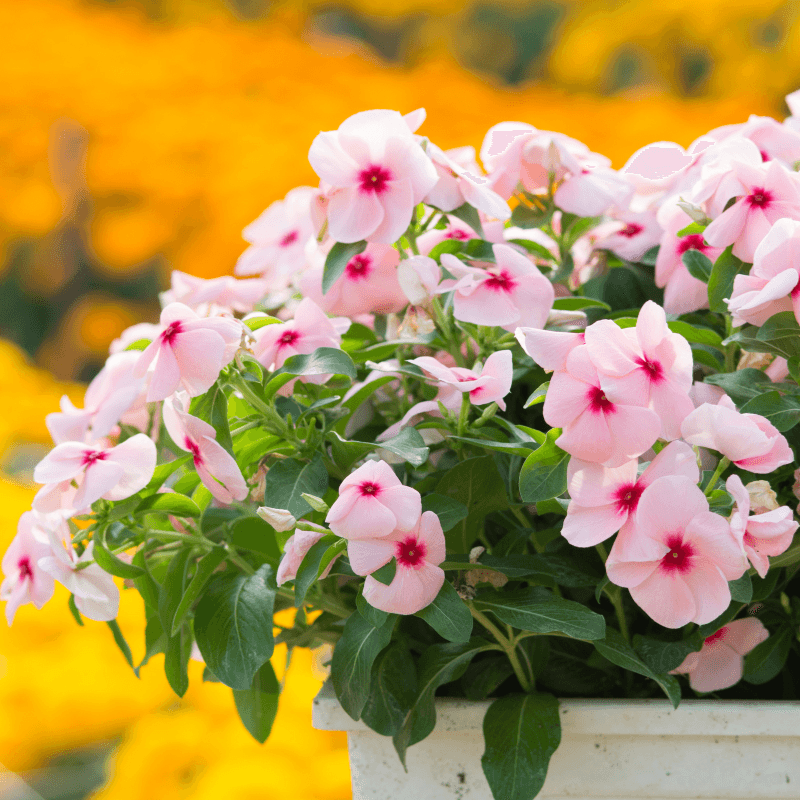
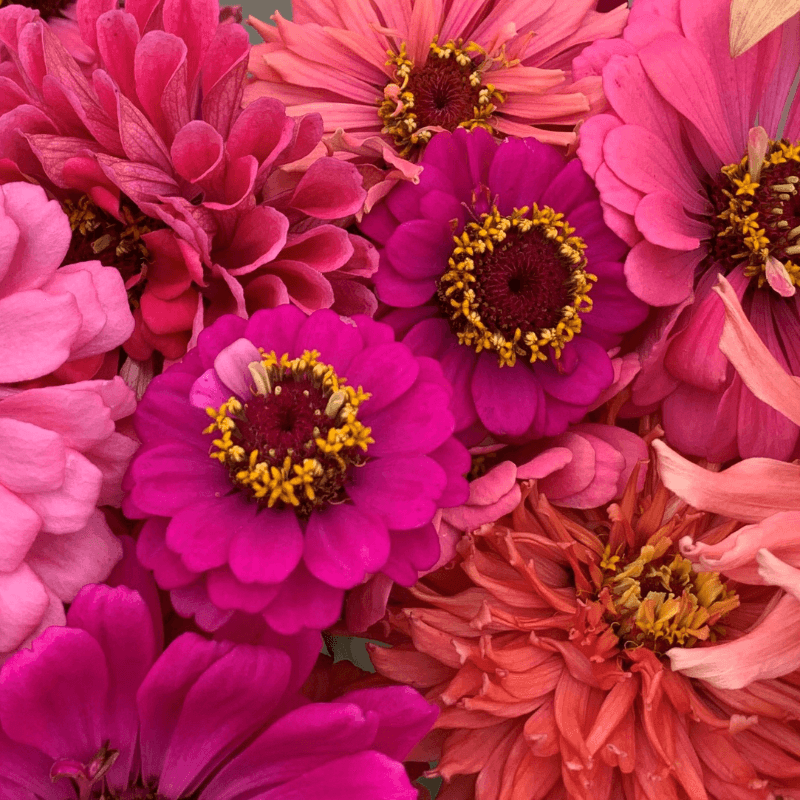
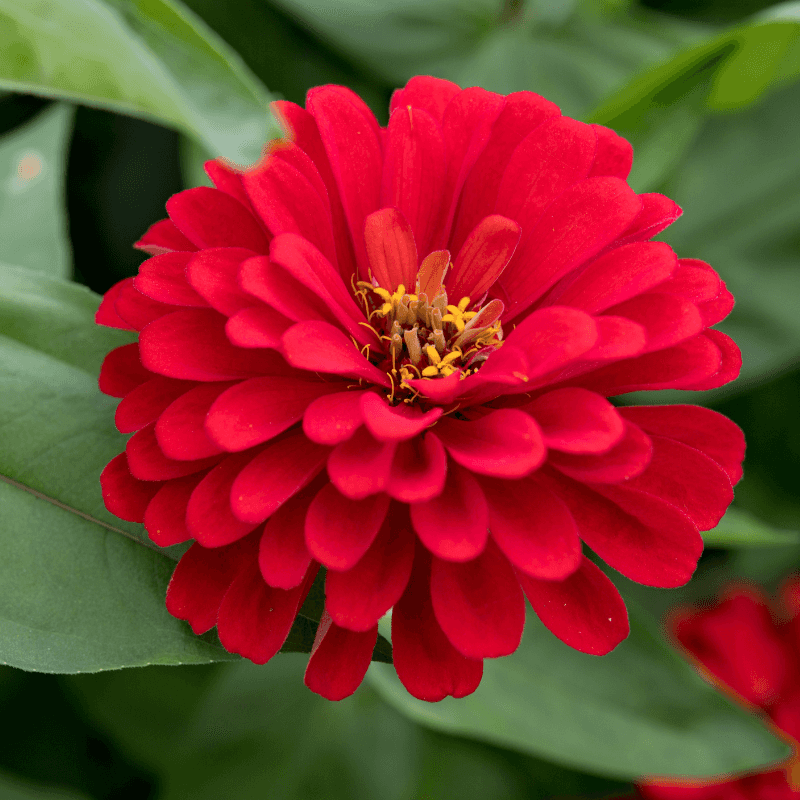
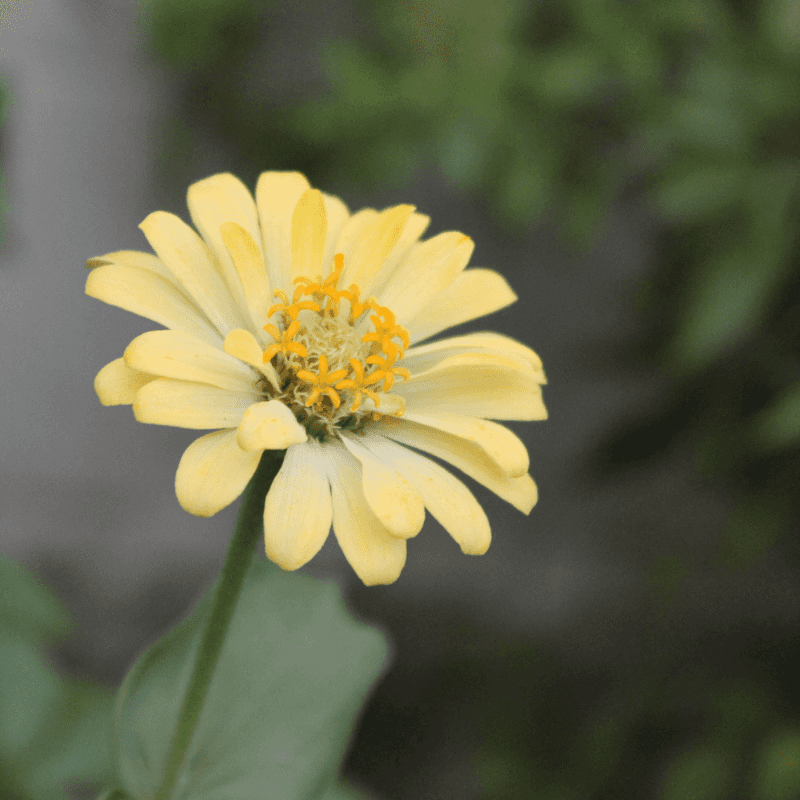
The similar common-name language does not establish a shared identity. Use a documented scientific name and seed-lot record rather than flower-face resemblance alone.
Kew lists this accepted species as a tuberous geophyte native to Europe and North Africa, growing primarily in the temperate biome; its recorded English common name is monkey orchid.
Kew lists Dracula simia as an accepted species in the genus Dracula. It is a separate taxon from Orchis simia, so the two names cannot be used interchangeably on a seed listing.
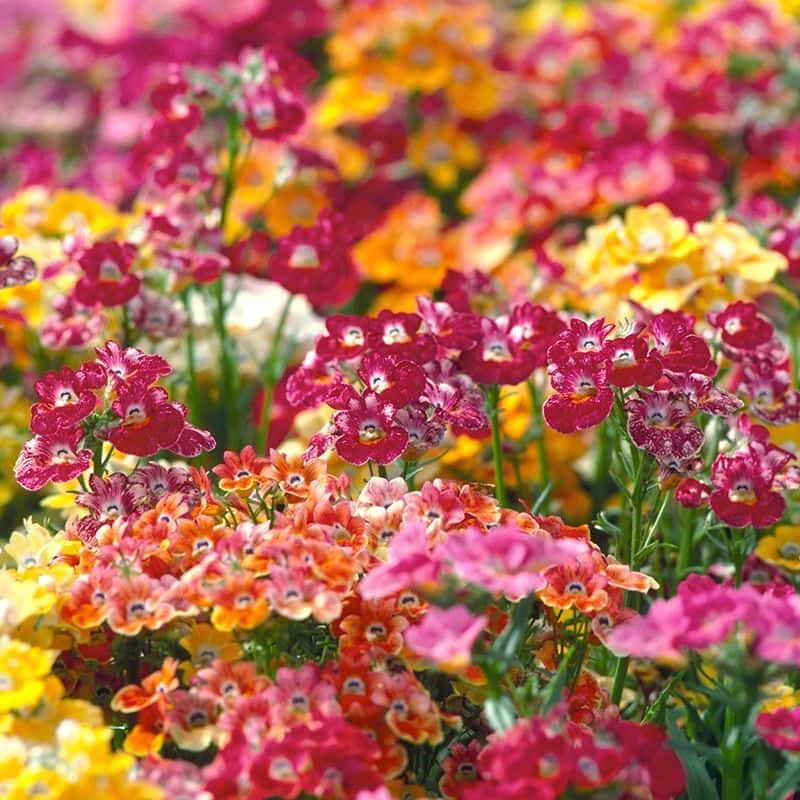
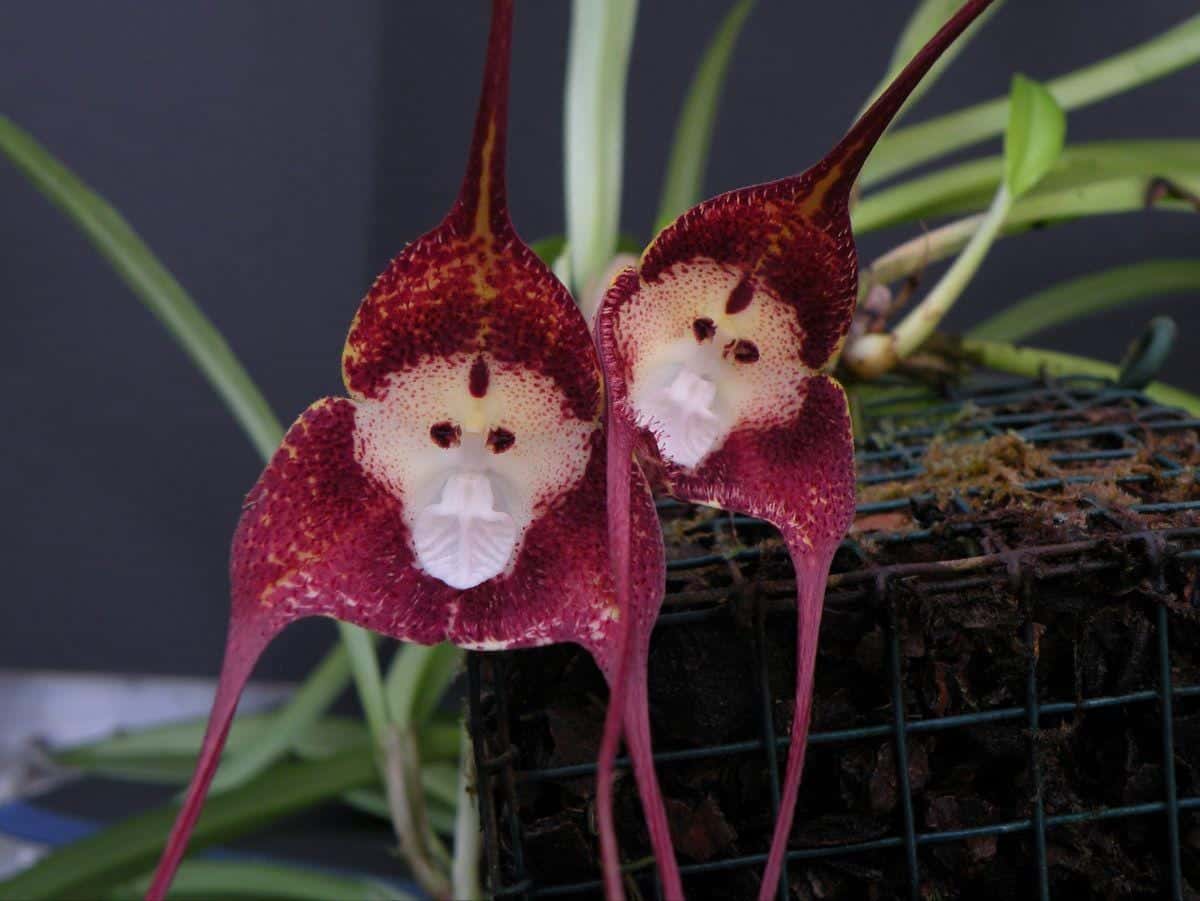
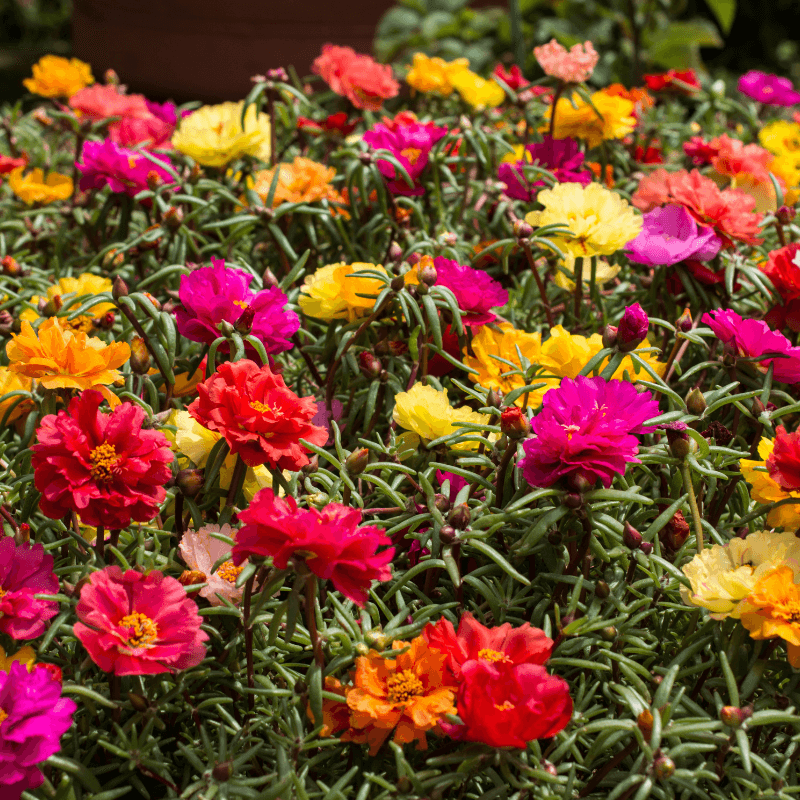
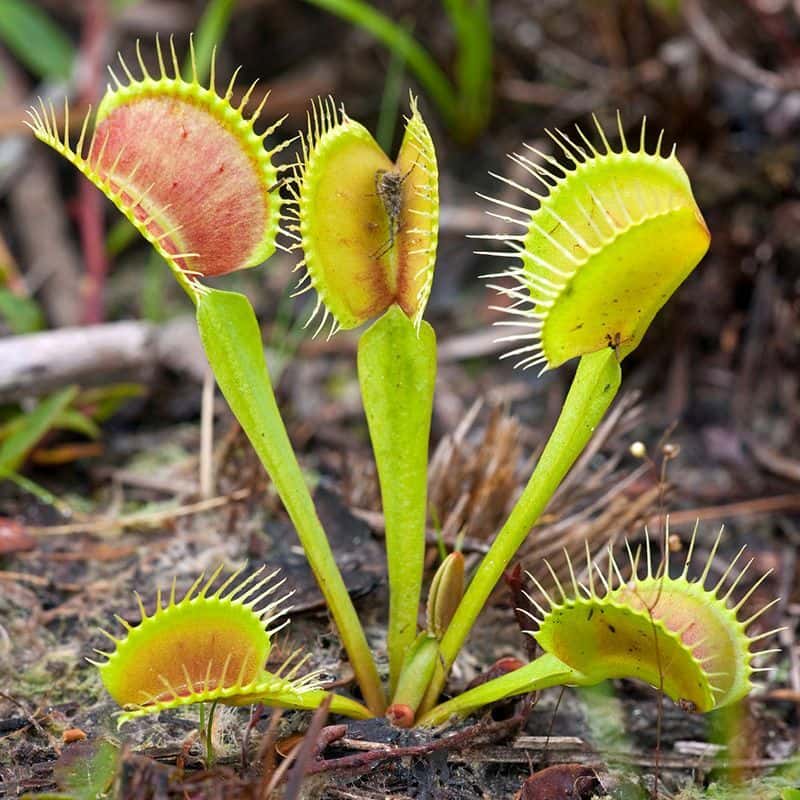
The primary catalog image is an unverified collage of several monkey-face-type orchid flowers. A collage cannot prove which species, hybrids, or seed parents are present in the packet.
The American Orchid Society notes that most orchid seeds lack endosperm and depend naturally on compatible mycorrhizal fungi. In cultivation they are commonly germinated on nutrient agar under sterile conditions.
Use a documented symbiotic method with an appropriate fungus or an asymbiotic flasking protocol with a nutrient medium. Do not substitute generic potting soil advice.
Asymbiotic sowing depends on sterile containers, medium, tools, and handling because the nutrient medium also supports unwanted fungi and bacteria.
Flasking is only the beginning. Seedlings must develop in vitro, be deflasked carefully, and acclimate to community pots before species-specific adult culture becomes relevant.
Before ordering internationally, verify whether the destination requires a permit, phytosanitary documentation, or other plant-health conditions for orchid seed.
Check the current packet quantity and price, then request exact seed-lot identity and propagation details before treating the listing as Orchis simia, Dracula simia, or a documented hybrid mix.
No. Kew accepts both names, but they are separate species in different genera. Orchis simia is a temperate tuberous geophyte; Dracula simia belongs to the genus Dracula.
The current catalog record does not establish that reliably, because it names both Orchis simia and Dracula simia. Ask for a documented seed-lot identity before ordering.
That is not a supported default for this listing. The American Orchid Society explains that most orchid seeds lack endosperm and are normally germinated with a compatible fungus or on sterile nutrient agar.
No. The current collage is unverified and does not document seed parents, crosses, or packet composition. Seed-grown orchid offspring can also vary.