Seed preparation
Where lima beans have not grown recently, inoculate the seed. Oregon State University advises that the inoculant should be fresh and applied just before planting; use one labelled for lima beans.
Legume growing guide
Lima beans need warmer soil than common beans, and their large, dry seeds are easily damaged by cold water. This guide covers soil temperature, depth, bush and climbing types, inoculation and why the beans must always be cooked.
Where lima beans have not grown recently, inoculate the seed. Oregon State University advises that the inoculant should be fresh and applied just before planting; use one labelled for lima beans.
Not needed. The seed takes up water readily.
Not needed. Lima bean is a warm-season crop and does not tolerate frost.
Do not soak. Lima seed is prone to cold-water imbibition damage, which is most likely when the seed is very dry; commercial growers even condition seed to 12-14% moisture before planting to reduce the risk. Sow dry seed into soil that is already warm and moist.
Plant after the soil exceeds 18-21 °C (65-70 °F). Oregon State gives an ideal germination range of 24-29 °C (75-85 °F) and UMass 21-29 °C (70-85 °F). Soil below 16 °C (60 °F) gives poor stands and slow early growth.
About 2.5 cm (1 in) deep in moist, heavy soils and 5 cm (2 in) in dry, sandy soils.
Well-aerated, well-drained soil with pH 6.0-6.8 is preferred.
Moist, not cold and soggy. Cold, wet soil is the main cause of failure with this crop; warmer soil also reduces fungal infection of the seed.
Not required.
Germination and emergence take 4-10 days; emergence is quicker in warmer soil.
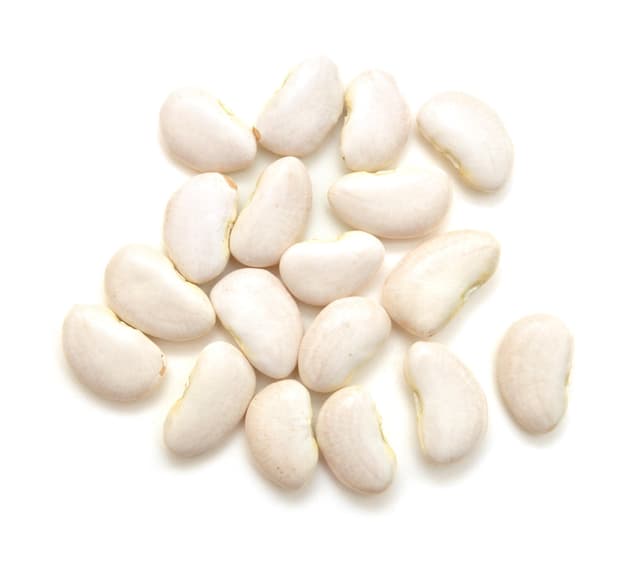
Sources differ. UMass spaces plants 5-10 cm (2-4 in) apart in rows 45-90 cm (18-36 in) apart; PROSEA gives 20-30 cm (8-12 in) within rows 60-100 cm (24-40 in) apart for bush types. Oregon State advises the wider spacing for large-seeded types; the big white lima is one of them.
Climbing (pole) limas are grown on supports in humid areas, on hills 90-200 cm (3-6.5 ft) apart. Give them a strong trellis before the vines start to run.
Lima bean grows best at 16-27 °C (61-81 °F) and does not tolerate frost. Avoid heavy nitrogen feeding, which can delay flowering.

Some lima varieties are day-neutral and flower under 9-18 hour days; others are short-day types that need days shorter than about 11-12.3 hours to start flowering. A short-day type will not start flowering until days drop below that threshold, so sowing date decides when it crops.
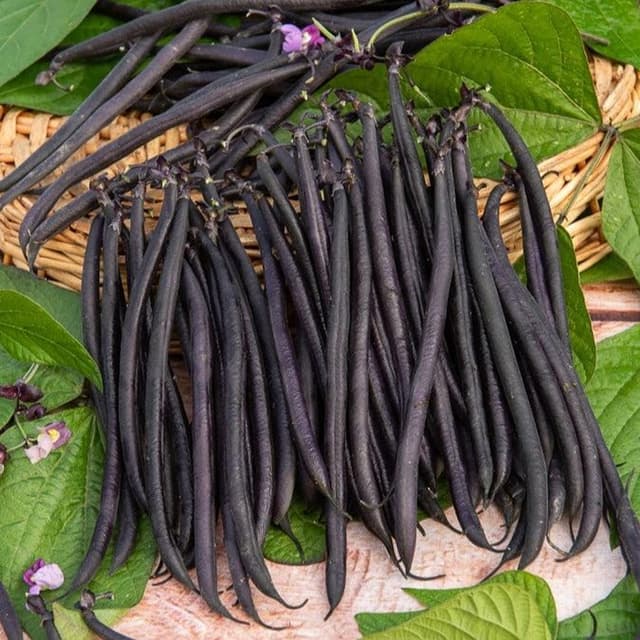
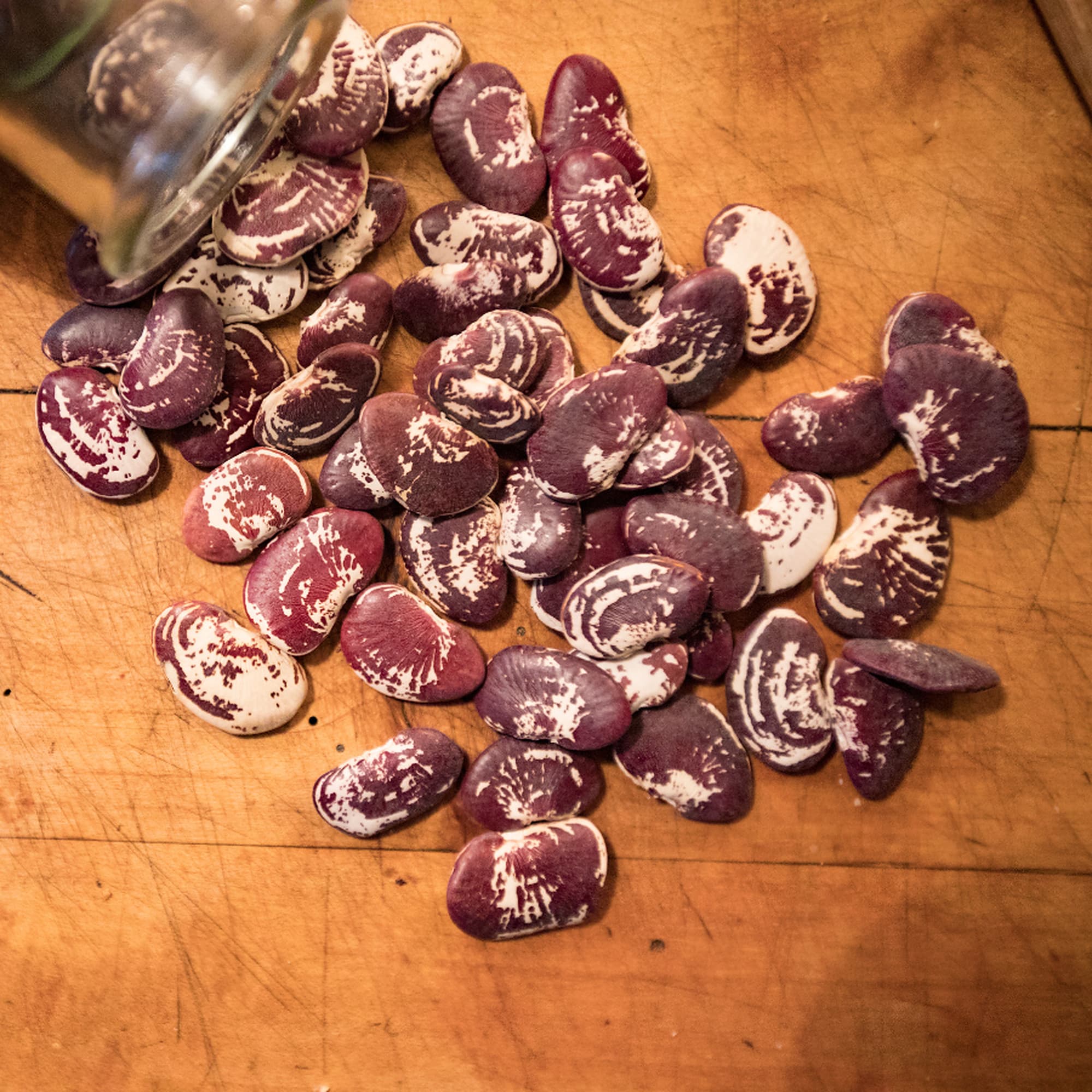
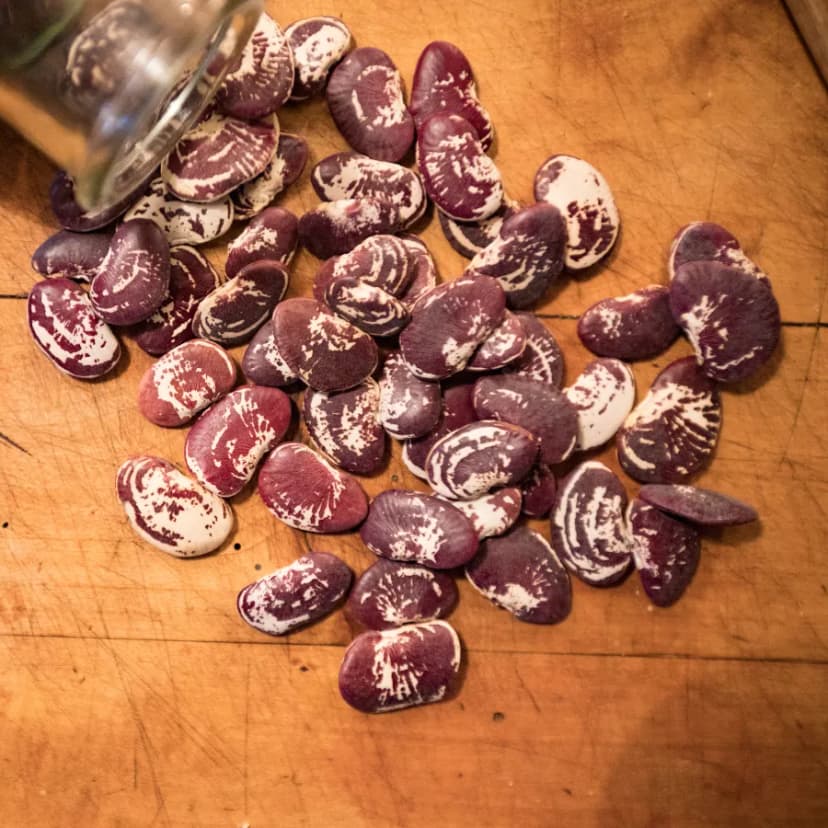
Lima beans contain linamarin, a cyanogenic glycoside that releases cyanide. Coloured 'Java'-type beans can contain high amounts. Do not eat them raw. Oregon State University Extension notes that boiling in plenty of water for more than 30 minutes is the most effective method, or soak dry beans for 24-48 hours, drain and boil in fresh water.
Pick green shell beans when the pods are plump and well filled, or leave pods on the plant to dry for seed. Climbing types are picked by hand over a long season. Varieties mature in about 80-100 days in Oregon trials.
Choose Christmas, big white or small lima beans for your warm-season garden.
Usually because the soil was too cold or wet. Lima beans need at least 18-21 °C (65-70 °F) soil, and their dry seeds are damaged by cold water in the first hours after sowing. Sow dry seed into warm, moist soil.
No. Fast, cold water uptake damages lima seed. Sow it dry.
Raw lima beans contain linamarin, which releases cyanide. Cooked properly they are a normal food: boil in plenty of water, or soak dry beans, drain and boil in fresh water. Never eat them raw.