Centella asiatica Asiatic Pennywort Seeds plant

Herb growing guide

How to grow gotu kola from seedCentella asiatica

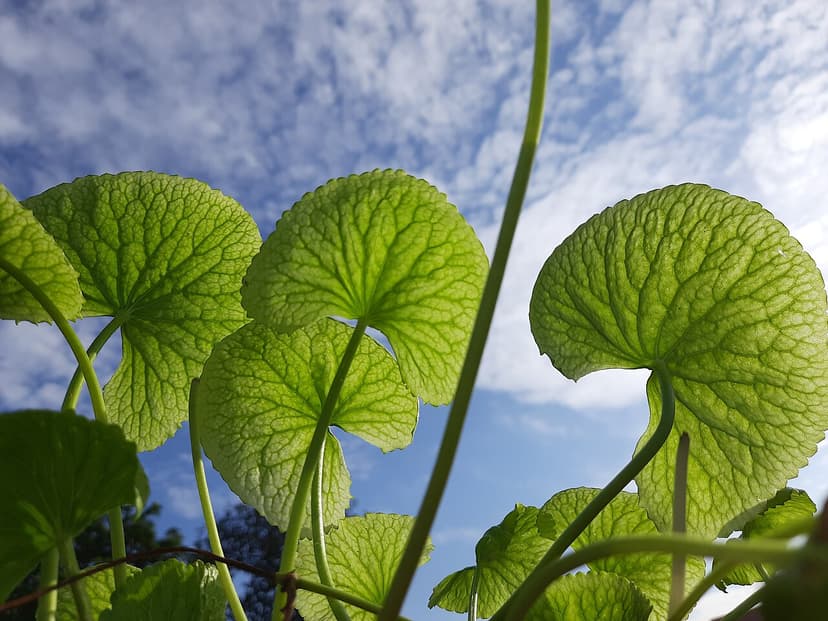
Gotu kola is a low, creeping herb of damp, warm places that spreads by rooting runners. It can be raised from seed, but germination is slow and uneven, so sow on the surface, keep it warm and moist, and expect to wait several weeks.

25-30 °C
Germination temp.

At a glance

Germination temperature
Warm: 82% germination was recorded at 25-30 °C (77-86 °F).
Sowing depth
Surface sow; the seed germinates poorly in darkness.
Germination time
Slow: untreated seed began sprouting only in the fourth week.
Light
Needs light to germinate; plants tolerate heavy shade later.
Pre-treatment
Seed needs 2-3 months of dry after-ripening; fresh seed does not germinate.
Transplant or direct sow
Sow in trays and transplant; commercial crops are planted from rooted runners.

Seed preparation

Seed preparation

Age matters. In a study from Nepal, freshly harvested seed did not germinate at all, even with treatments, while seed stored for two to three months germinated at 82% without any pre-treatment. Viability then declined in storage and was lost by about 30 months, so sow seed that is a few months old but not years old.
Scarification

Not needed. The seed's problem is a short after-ripening dormancy, not a hard coat.

Stratification

Not needed. Gotu kola is a tropical and subtropical plant; it germinates in warmth.

Soaking

Optional. A soak in warm water at about 40 °C (104 °F) brought germination forward by roughly a week compared with dry seed. Hotter water at 60 °C (140 °F) also sped it up but sharply cut the number of seeds that germinated, so do not overheat.

Centella asiatica Asiatic Pennywort Seeds

Germination conditions

Germination temperature

Keep trays warm, around 25-30 °C (77-86 °F). Normal room conditions in the study ranged about 20-30 °C (68-86 °F). In India this matches the warm months; in cooler climates use a warm windowsill or heat mat.

Sowing depth

Scatter the tiny seed on the surface of a fine, moist mix and press it in without covering. Seed kept in darkness germinated poorly.

Growing medium

A fine, moisture-retentive but free-draining seed mix. Avoid salty water or soil: high salinity strongly suppressed germination.

Moisture

Keep the surface constantly moist, for example by bottom-watering and covering the tray with clear plastic or glass. Gotu kola naturally grows in damp, marshy places.

Light

Bright, indirect light. Germination was best under white or red light and was inhibited under blue and far-red light, which is roughly what seed gets under a dense leaf canopy.

Germination time

Untreated seed started germinating in the fourth week; warm-water soaking moved this to the third week. Leave trays for at least six weeks before giving up.

Transplanting and first growth

  1. Transplanting

    Prick out seedlings when they have a few true leaves and are easy to handle, and grow them on in small pots before planting out. National Medicinal Plants Board (NMPB) field practice spaces plants 45 x 45 cm (18 x 18 in).

  2. First growth stage

    Once established, each plant sends out runners that root at the nodes and fill the gaps. From then on you can multiply your patch from rooted runners or single-node stem cuttings, which is how commercial crops are planted; NMPB lists no pre-treatment for them.

Centella asiatica Asiatic Pennywort Seeds

Common problems

ProblemNo germination at all
Cause
Seed too fresh (still dormant) or too old (viability lost by about 30 months), or covered and kept dark.
What to do
Use seed a few months old, sow on the surface in light, and wait at least six weeks.
ProblemGermination patchy and slow
Cause
This is normal for the species.
What to do
Keep the tray warm and evenly moist; a 40 °C (104 °F) warm-water soak can bring it forward by about a week.
ProblemSeedlings fail near weeds
Cause
Weeds compete strongly, and leaf leachates of weeds such as Parthenium, Ageratum and Chromolaena inhibited Centella germination.
What to do
Sow in clean seed mix and keep beds weeded.
ProblemPlants rot in the monsoon
Cause
Standing water. Gotu kola likes damp soil but not waterlogging.
What to do
Provide drainage during the rains.

Practical growing tips

Give it moisture and shade

It thrives in moist, fertile sandy loam or clayey soil, grows well in shade and even under orchard trees. Irrigate about every two weeks in dry months.

Harvest repeatedly

Leaves are ready about 90 days after planting. NMPB trials took three cuttings a year by hand, in sunny weather, at the fully grown leaf stage.

Renew the bed

Yields decline after the second year, so replant from fresh runners or new seedlings.

Keep it contained

Runners spread readily; grow it in a pot, a trough or an edged bed if you do not want it in lawns and paths.

Gotu kola seeds from Deodar

Start gotu kola from seed once, then multiply it from its own runners.

Frequently asked questions

Why are my gotu kola seeds not germinating?

It is slow: untreated seed began only in the fourth week in trials. Seed that is too fresh, too old, or covered in darkness may not germinate at all. Sow on the surface, keep warm and moist, and wait.

Is it easier to grow gotu kola from runners?

Yes. Commercial crops are planted from rooted runners or single-node cuttings, which establish without pre-treatment. Seed is a good way to start a first plant.

Can I grow gotu kola in a pot?

Yes. Use a wide pot of moist, fertile mix in partial shade, water regularly, and trim runners to keep it in bounds.