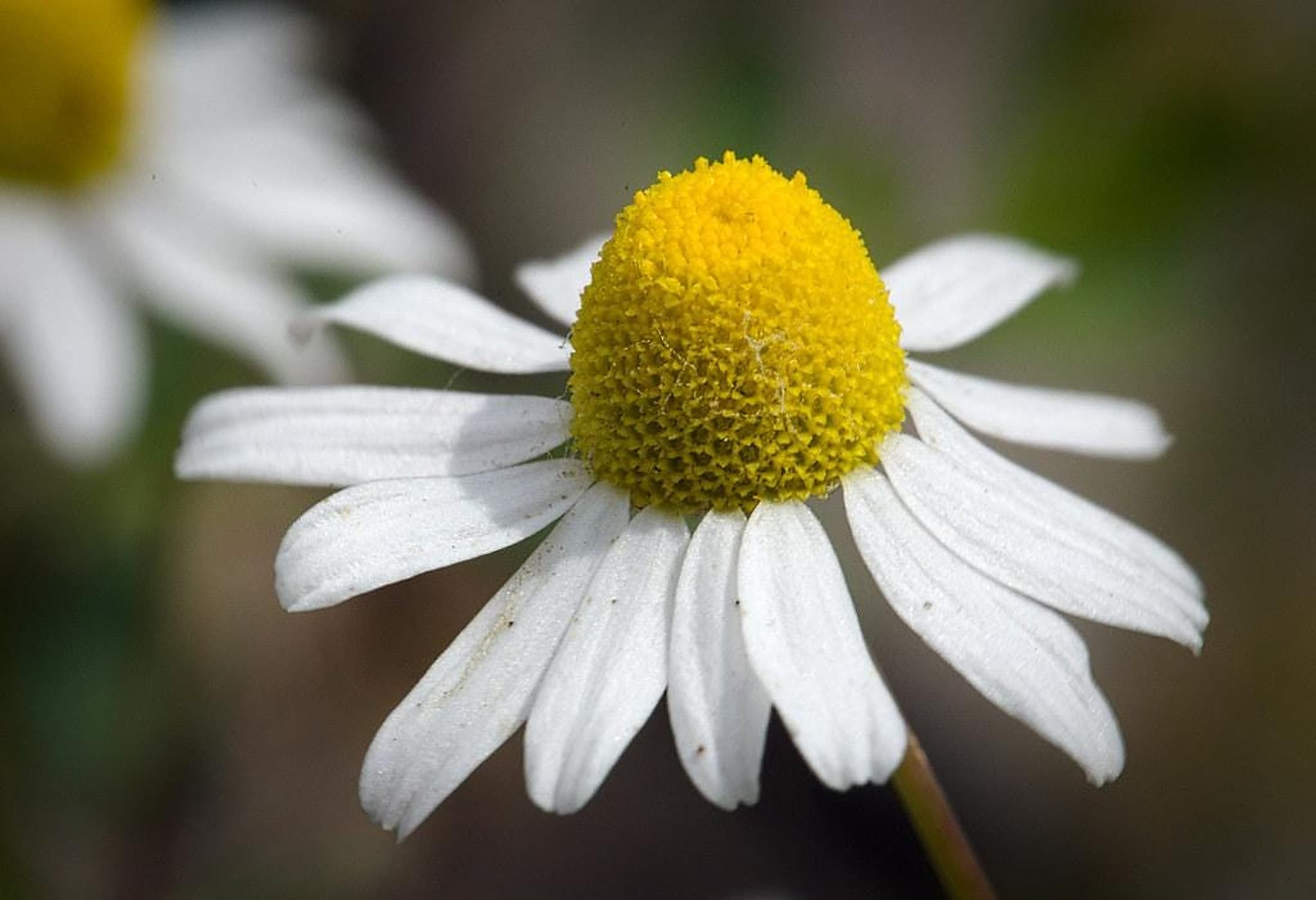
Chamomile Seeds plant

Herb growing guide

How to grow German chamomile from seedMatricaria chamomilla

German chamomile is the annual tea chamomile: a fast, easy plant with tiny seed that must be sown on the surface. It can flower in about ten weeks in a temperate summer, and in India it is grown as a winter crop for its flowers.

15-30 °C
Germination temp.
4 days
Germination

At a glance

Germination temperature
Cool: about 15 °C (59 °F) gave the best germination in tests at 15-30 °C (59-86 °F).
Sowing depth
On the surface; press in, do not cover.
Germination time
Fast: good seed can germinate within 4 days.
Light
Leave the seed uncovered; sources differ on whether light is required, but surface sowing works either way.
Pre-treatment
None needed.
Transplant or direct sow
Both work: direct sow and thin, or transplant 4-6-week-old seedlings.

Seed preparation

Seed preparation

Chamomile seed is dust-fine. Mix it with dry fine sand before sowing so it spreads thinly and you can see where it has landed. Seed quality matters: light, unfilled seed germinates very poorly, and cleaning that raised seed density about fourfold transformed germination in one study.
Scarification

Not needed.

Stratification

Not needed. Chamomile has no cold requirement.

Soaking

Not needed, and wet seed this small sticks together and is impossible to spread evenly.

Chamomile Seeds

Germination conditions

Germination temperature

Chamomile prefers cool conditions. In a laboratory study of cleaned seed tested at 15, 20, 25 and 30 °C (59-86 °F), 15 °C (59 °F) gave the best germination in both light and darkness. In the Indian plains this makes it a rabi crop: in trials at Jodhpur, Rajasthan, sowing on 25 October gave the best flower yield and oil content.

Sowing depth

Sow on the surface of damp seed compost or a fine outdoor seedbed and press the seed in with a board or your palm. Do not cover it with soil.

Growing medium

Fine, well-drained seed compost or garden soil. Plants rot in waterlogged ground, especially in cold weather.

Moisture

Keep the surface damp by misting or watering trays from below; a heavy watering can washes the seed away or buries it. A sheet of glass or clear film over trays holds moisture until germination.

Light

The RHS says the seed needs light to germinate. Laboratory studies found good germination in both light and darkness. Either way, surface sowing is right: the seed is too small to emerge from depth.

Germination time

In a study of seed on moist paper, germination was complete by the fourth day, whether or not the seed was in light. Outdoors in cool soil, expect it to be slower and less even.

Transplanting and first growth

  1. Transplanting

    Move nursery seedlings at about 4-6 weeks old, after hardening off. In the Jodhpur trial, plants spaced 40 × 10 cm (16 × 4 in) gave more flowers per plant and the highest yield; in gardens, 15 cm (6 in) between plants is common.

  2. First growth stage

    Direct-sown beds need thinning as soon as seedlings can be handled. Plants grow to about 40 cm (16 in). In temperate summers flowering can start in about ten weeks; in the Jodhpur trial, October-sown plants were first picked in March, about four and a half months after sowing.

Chamomile Seeds

Common problems

ProblemAlmost nothing comes up
Cause
Seed buried too deep, washed away, or allowed to dry out.
What to do
Resow on the surface, press in, and keep the surface damp by misting.
ProblemPoor flowering in a hot climate
Cause
Warm weather during flowering.
What to do
Sow in late October in the Indian plains so flowering falls in the cooler weeks of February-March.
ProblemPlants collapse or rot at the base
Cause
Waterlogged soil, especially in winter.
What to do
Grow on well-drained or raised beds and water less in cool, wet weather; but do not let plants dry out completely in heat.
ProblemAphids on soft shoots and flower stems
Cause
Aphids, and slugs and snails on seedlings.
What to do
Check young growth regularly, rinse off aphids, and protect seedlings from slugs.

Practical growing tips

Pick often

Pick newly opened flower heads; regular picking keeps the plant flowering. In the Jodhpur trial flowers were picked three times at 7-day intervals.

Dry flowers gently

Spread flowers in a single layer somewhere warm, dry and out of direct sun for one to two weeks, then store in an airtight jar in a cool, dark place; they keep for up to a year.

Let it self-seed

German chamomile is an annual that dies after seeding, but it self-sows. Leave a few heads to ripen if you want plants in the same place next season.

German or Roman chamomile?

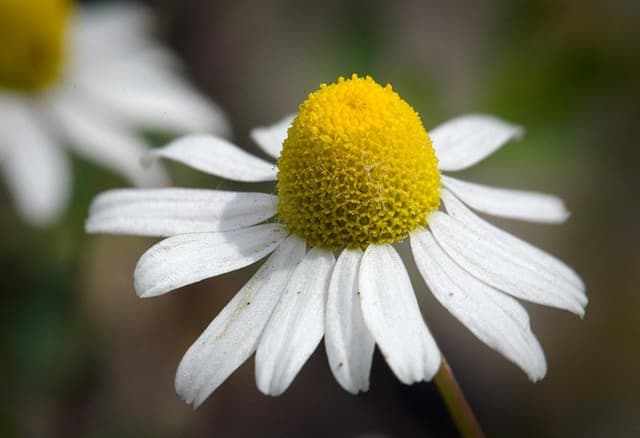
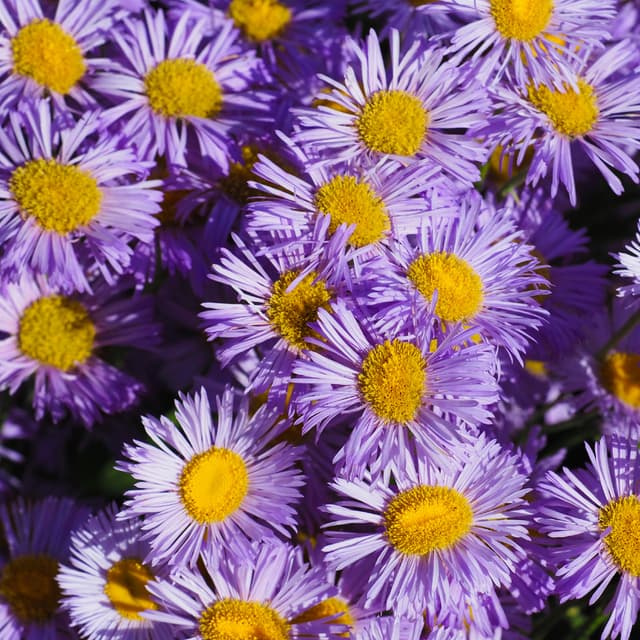
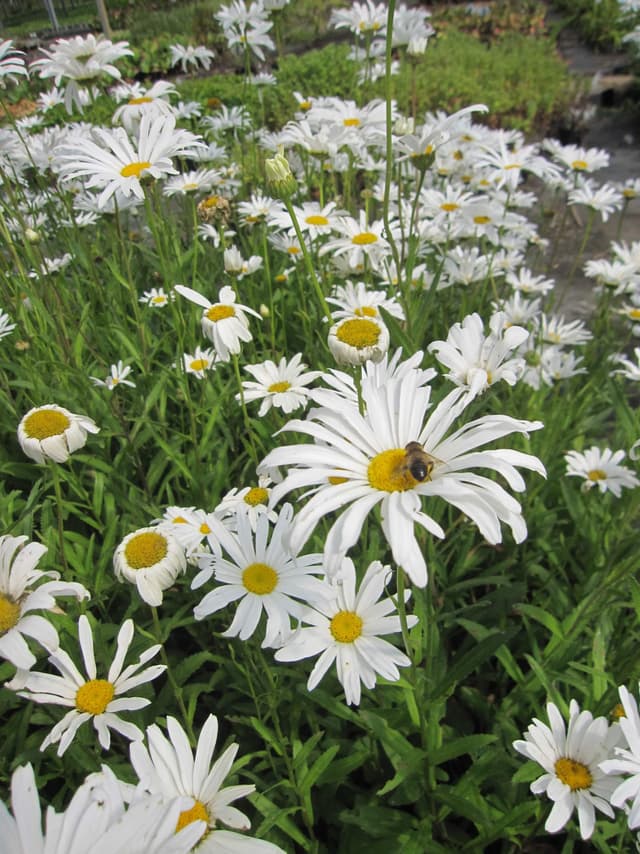
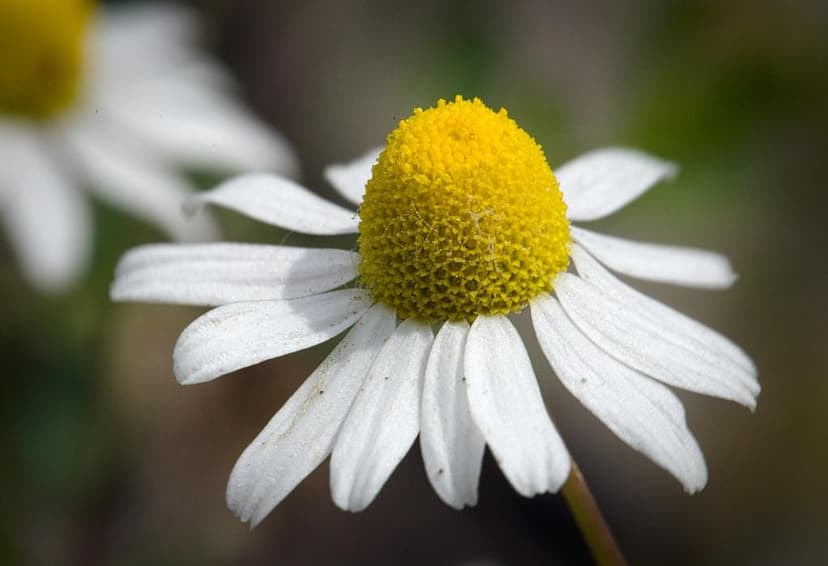
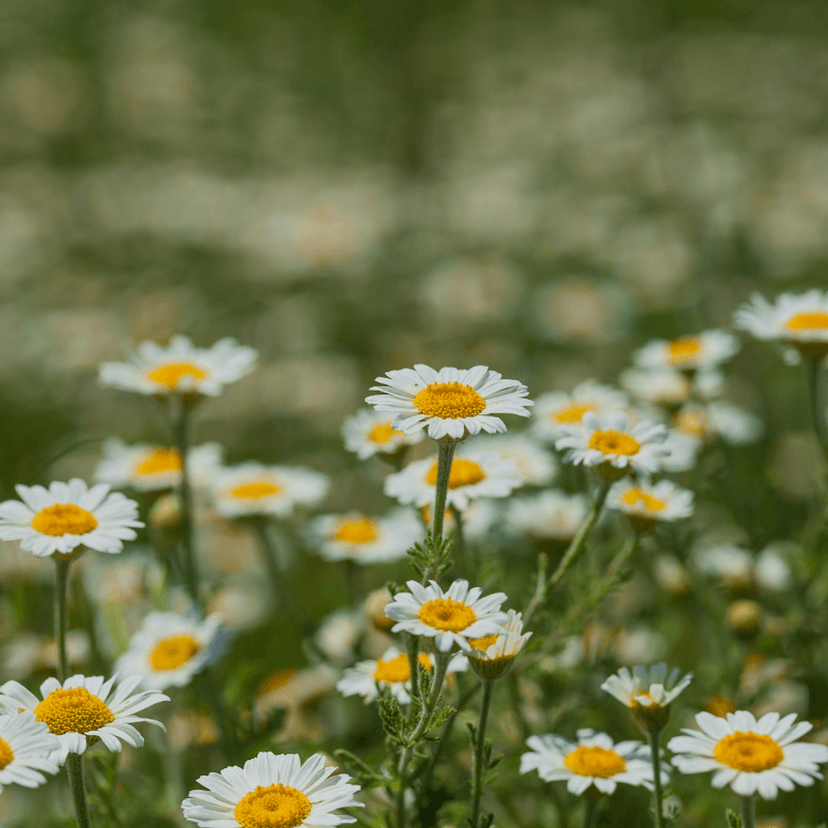
German chamomile (Matricaria chamomilla) is an upright annual grown from seed for tea flowers. Roman or common chamomile (Chamaemelum nobile) is a low perennial used for chamomile lawns. Ornamental 'chamomile daisies' sold as flowers are different plants again.

German chamomile seeds

Sow Deodar chamomile seeds for your own home-grown chamomile tea flowers.

Frequently asked questions

Should chamomile seed be covered?

No. Press it onto the surface of damp soil or compost. The seed is tiny, and the RHS advises leaving it uncovered because it needs light; even research that found germination in darkness supports shallow sowing.

When should I sow chamomile in India?

In the plains, sow in the cool season; trials in Rajasthan found late October best, with flowers picked from March. In hill areas, and in temperate climates abroad, sow in spring.

Which chamomile is used for tea?

Both German and Roman chamomile are used, but German chamomile (Matricaria chamomilla) is the annual most often grown from seed for tea.