
Seed preparation
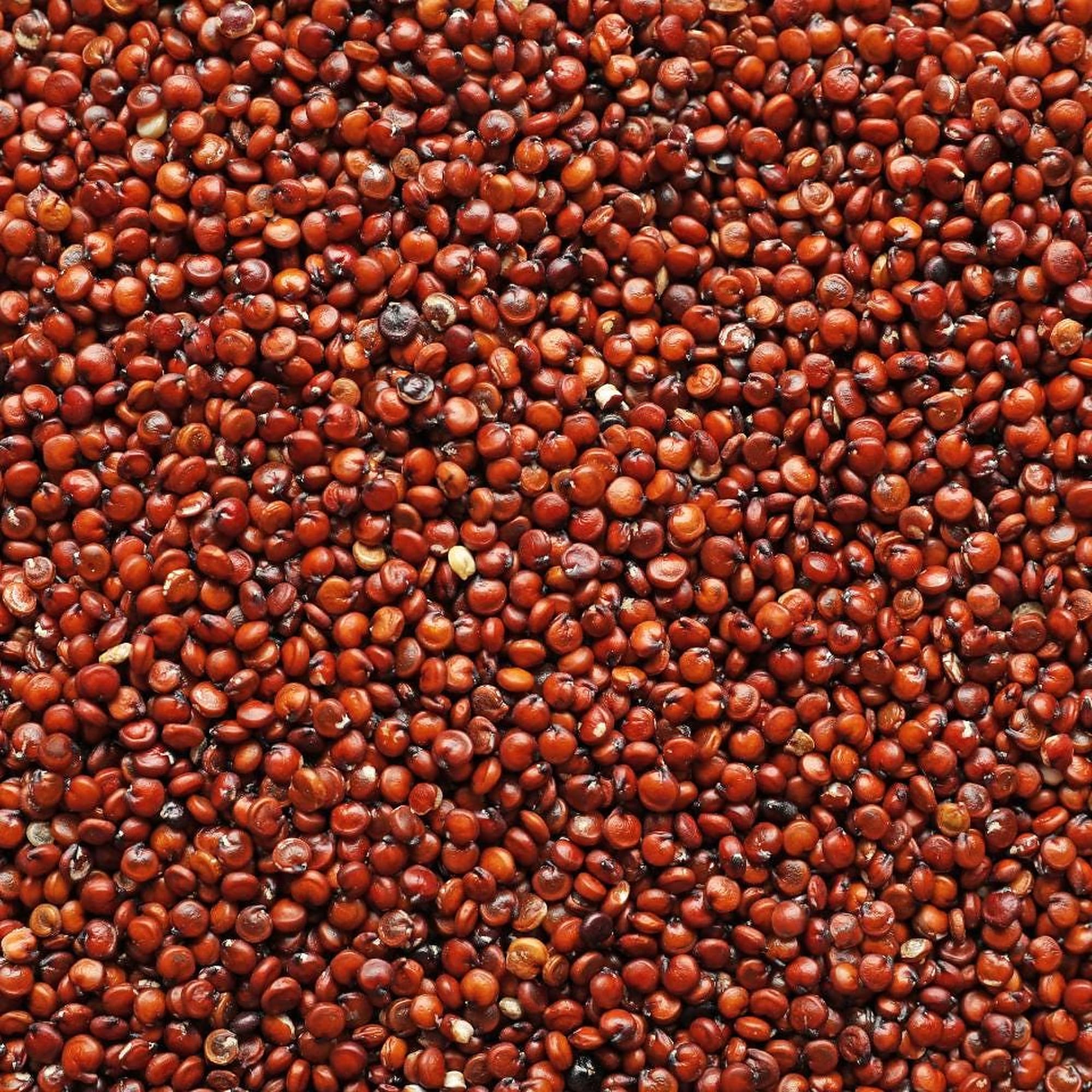
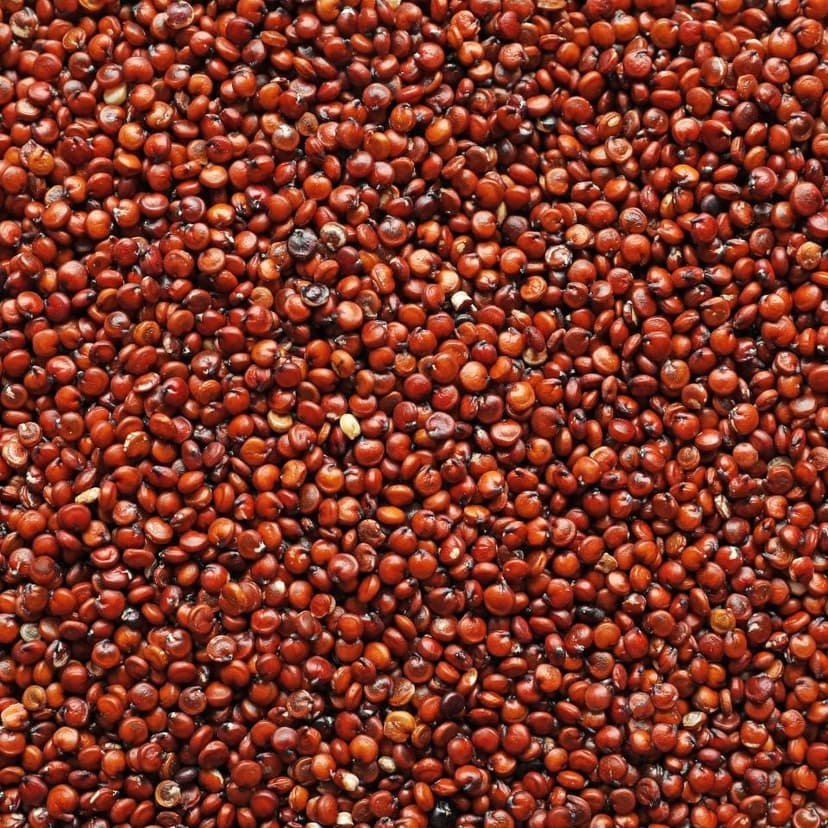
Sow the seed as supplied. The bitter saponin coat on red and white quinoa is removed only from grain meant for eating, by rinsing or light abrasion; in the field it helps deter animals and pests.
Grain growing guide
Quinoa germinates fast, even in cool soil, but its tiny seed fails if sown deep or into a crusted or waterlogged bed, and heat at flowering can leave the heads empty. In India it is grown as a rabi crop; this guide covers sowing, timing and harvest.
Sow the seed as supplied. The bitter saponin coat on red and white quinoa is removed only from grain meant for eating, by rinsing or light abrasion; in the field it helps deter animals and pests.
Not needed. Quinoa seed takes up water very quickly; ripe seed can even sprout in the head when rain falls at harvest.
Not needed. Quinoa has no cold requirement and germinates over a very wide temperature range.
Not needed. Quinoa already germinates within a week in moist soil, and wet seed is hard to sow evenly. Sow dry seed into moist soil instead.
Quinoa is unusually cold-tolerant at germination. In a study of three cultivars (Sajama, Titicaca, Santamaria) seed germinated from a base of about 1 °C (34 °F) up to a ceiling near 54 °C (129 °F), with optimum ranges of 18-36 °C (64-97 °F), 22-35 °C (72-95 °F) and 23-35 °C (73-95 °F). Cold soil does not stop germination; it only slows it.
Sources differ. US extension trials recommend 0.6 cm (1/4 in) or 0.6-1.3 cm (1/4-1/2 in) in a fine, firm seedbed, warning that deeper sowing gives poor emergence. An ICAR trial on black cotton soils in Rajasthan sowed at 2-3 cm (3/4-1 1/4 in) after a pre-sowing irrigation. Sow shallower in moist, fine soil and slightly deeper only where the surface dries fast.
A fine, level, well-drained seedbed. Avoid soils that crust after rain or irrigation, because the small seedlings cannot break a crust.
Sow into moist soil. Do not plant fields that hold standing water: waterlogged soils reduce yield, and extension trials advise delaying sowing on wet ground.
Cover the seed lightly; grow in full sun.
Usually germinates and emerges within a week under favourable conditions; slower in cold soil.
Not usual; sow directly. The ICAR Kota trial used 5-6 kg seed per hectare in lines 45 cm (18 in) apart for timely sowing, and 30 cm (12 in) for late sowing. US growers use 30-45 cm (12-18 in) rows with plants as close as 2.5 cm (1 in) in the row.
Seedlings grow slowly at first and compete poorly with weeds, so keep the rows clean for the first weeks. There are no selective herbicides labelled for quinoa, so plan for hand weeding or hoeing.
Quinoa needs little fertility. In the Kota trial two irrigations were enough: one before sowing and one at about 55 days. More water than the crop needs did not increase growth in Utah trials.
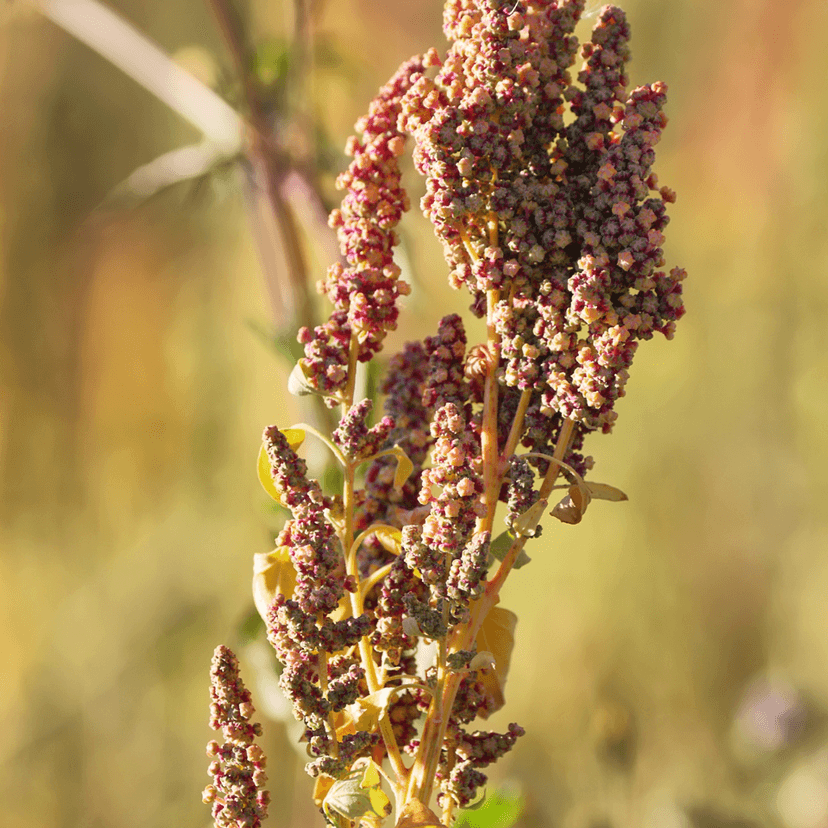
Quinoa is grown mainly as a rabi crop in India. In the Kota (Rajasthan) trial, sowing on 25 November gave the highest yield; a mid-December sowing yielded less.
The crop matured in 120-130 days at Kota; US extension trials report about 100-120 days to full maturity.
Red and white types are grown the same way. Harvest as soon as the seed is mature, before rain can sprout it in the head, and dry the grain well before storage.
Rinse or rub harvested grain to remove bitter saponins before eating; keep sowing seed dry and unwashed.
Choose red or white quinoa seeds for a cool-season sowing.
Yes, as a rabi crop. ICAR trials in Rajasthan sowed in late November and harvested after 120-130 days. Summer sowing risks heat during flowering, which can leave the heads empty.
No. Washing removes saponins from grain meant for eating. Sowing seed should stay dry until it goes into moist soil, because it absorbs water and starts germinating very quickly.
The usual causes are deep sowing, a soil crust or waterlogging. Sow shallow, about 0.6-1.3 cm (1/4-1/2 in), into a fine, moist, well-drained bed.


