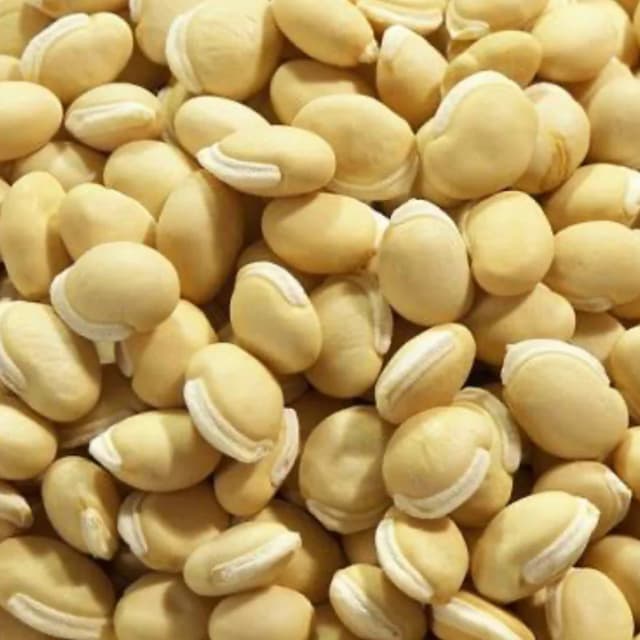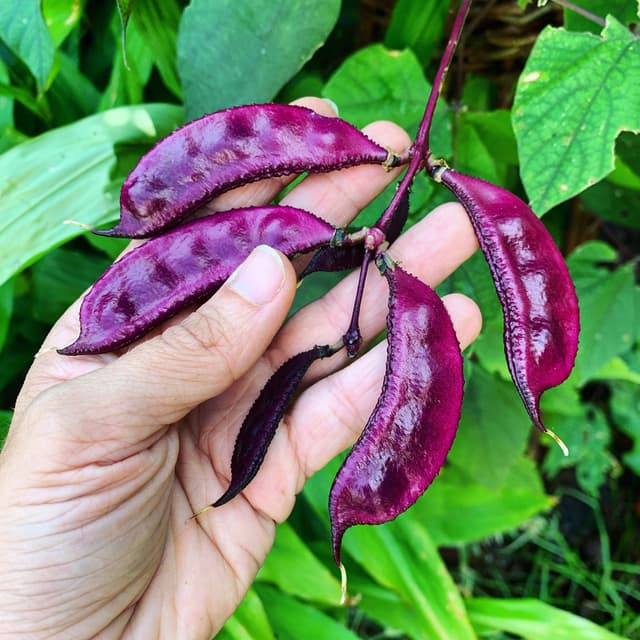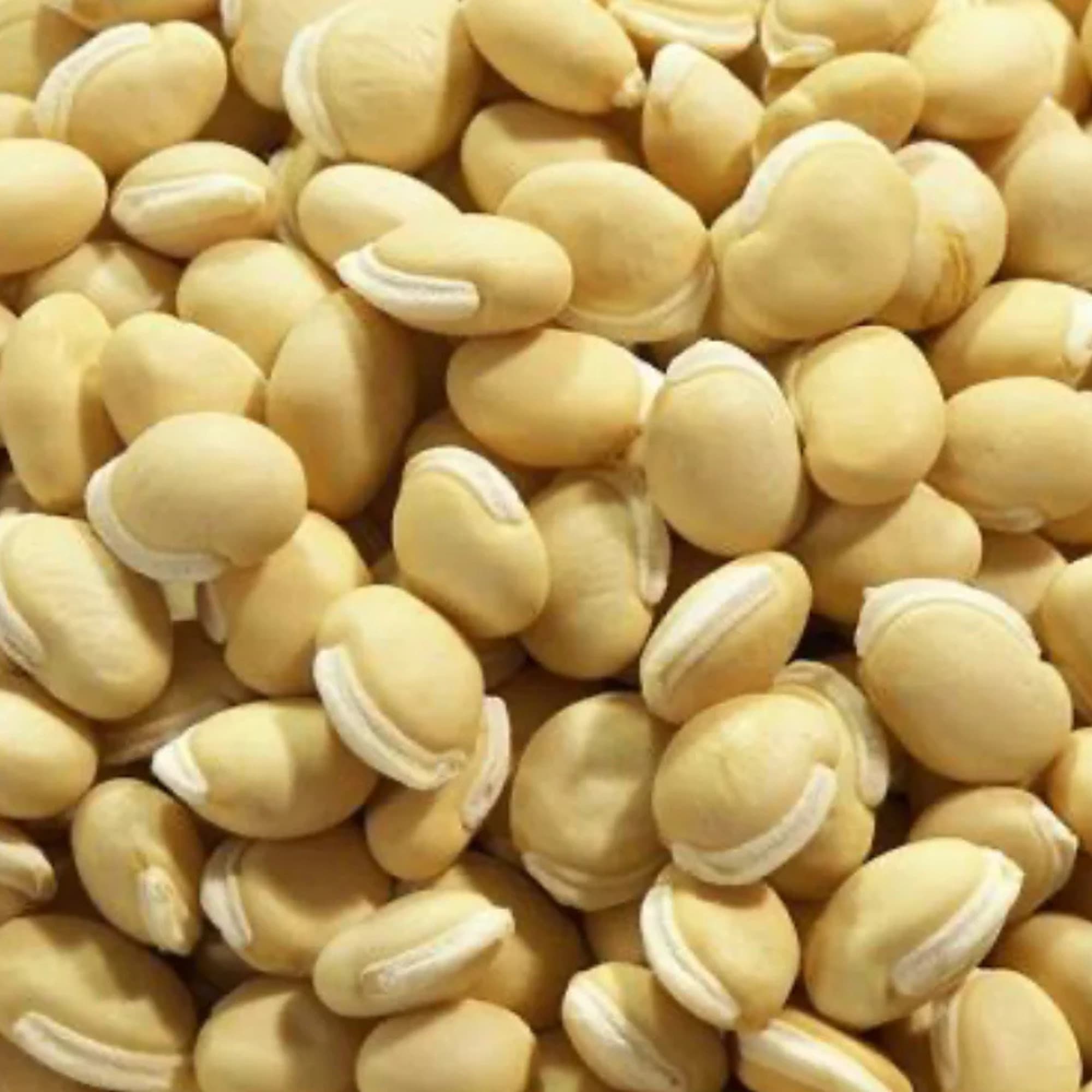
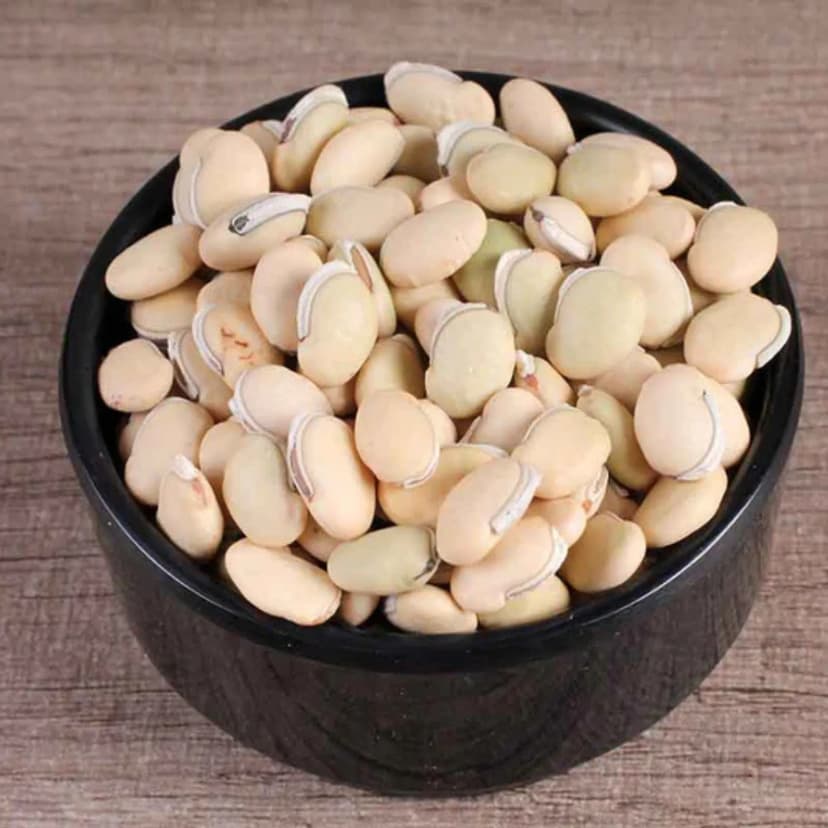
White desi vaal beans Seeds plant

Legume growing guide

How to grow lablab (vaal, hyacinth bean) from seedLablab purpureus

Lablab, known in India as vaal, val, avarai or dolichos bean, is a vigorous tropical legume grown for its pods and dry beans. The key decision is the type: climbing types need a pandal and usually crop only in the cool season, while bush types are less fussy about day length.

18-30 °C
Germination temp.
3-10 cm
Sowing depth

At a glance

Germination temperature
Germinates well across about 12-36 °C (54-97 °F) in tests; growth is best at 18-30 °C (64-86 °F).
Sowing depth
3-10 cm (1.2-4 in), deeper in light or drying soil.
Germination time
No species-specific figure in our sources; quick in warm, moist soil.
Light
Not needed for germination; day length controls flowering in many types.
Pre-treatment
Rhizobium seed treatment; no scarification needed.
Transplant or direct sow
Direct sow, in pits at the foot of a pandal for climbing types.

Seed preparation

Seed preparation

Treat the seed with Rhizobium culture: TNAU uses 600 g (three packets) per hectare, mixed with rice gruel as a sticker and dried in shade for 15-30 minutes before sowing. Inoculation matters because native soil bacteria often nodulate lablab poorly.
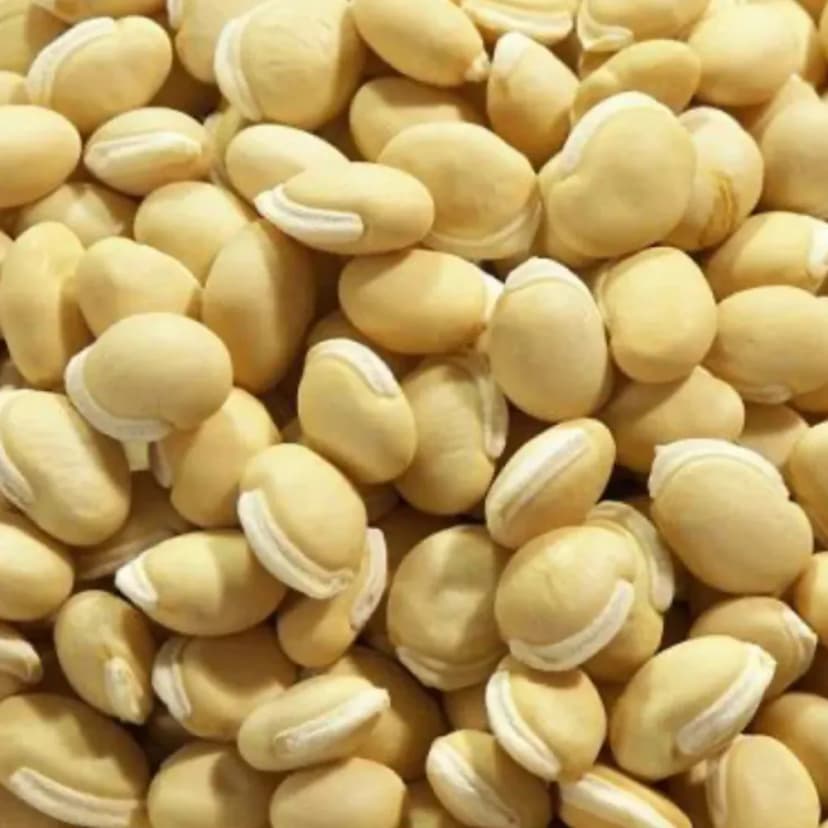
Scarification

Not needed. Lablab has a very low proportion of hard seed.

Stratification

Not needed. Lablab is a tropical crop and is damaged by frost.

Soaking

Not needed, and we found no sourced benefit for it. Sow the treated seed into moist soil and irrigate.

White desi vaal beans Seeds

Germination conditions

Germination temperature

In constant-temperature tests on tropical pasture legumes, lablab was one of the few species that germinated well at 12 °C (54 °F), and most species germinated well from 16 to 36 °C (61-97 °F). No species germinated at 8 °C (46 °F) or 44 °C (111 °F).

Sowing depth

3-10 cm (1.2-4 in). Use the shallower end in moist, heavy soil and the deeper end in sandy or drying soil.

Growing medium

Tolerates soil pH 4.5-7.5 but has low salt tolerance. For climbing types, TNAU fills pits of 30 x 30 x 30 cm (12 in cube) with farmyard manure and soil.

Moisture

TNAU irrigates immediately after sowing, again on the third day and then weekly. Established plants are drought tolerant but drop leaves in long dry spells.

Light

Not required for germination.

Germination time

We found no sourced germination time specific to lablab; expect seedlings within days in warm, moist soil and slower emergence in cool soil.

Transplanting and first growth

  1. Bush types

    TNAU sows bush types on ridges 60 cm (24 in) apart with single seeds 30 cm (12 in) apart, at about 25 kg of seed per hectare.

  2. Climbing (pandal) types

    Sow 2-3 seeds per pit with pits 2 x 3 m (6.5 x 10 ft) apart, about 5 kg of seed per hectare, and train the vines onto a pandal (overhead trellis) or strong stakes. Climbing lablab twines and needs support from the start.

  3. First growth stage

    Keep the young plants weeded and watered. For pandal types TNAU adds a nitrogen top dressing about 30 days after sowing.

White desi vaal beans Seeds

Common problems

ProblemClimbing plants grow huge but do not flower in the monsoon
Cause
Many lablab types have a short-day flowering response. Pole types of vegetable dolichos are photosensitive and fruit in the cool rabi season.
What to do
Sow pole types in July-August so they crop as days shorten, or grow a photo-insensitive bush variety in other seasons.
ProblemHoles in pods and damaged seeds
Cause
Pod borers such as Adisura atkinsoni, Helicoverpa armigera and Maruca, and bruchid beetles in storage.
What to do
Inspect pods regularly from flowering, remove infested pods and store only fully dried seed in airtight containers.
ProblemSticky leaves and curled shoots
Cause
Aphids and other sucking pests.
What to do
Check shoot tips weekly and act early before colonies spread to pods.
ProblemWhite powder on leaves
Cause
Powdery mildew.
What to do
Improve air movement on the pandal and treat early, for example with wettable sulphur as recommended by TNAU.

Practical growing tips

Match the type to the season

Bush types are photo-insensitive and are grown in both kharif and rabi; TNAU grows bush types year round. Climbing pandal types give the higher yield but are sown in July-August for a cool-season crop.

Pick pods young and often

For vegetable use, pick fully grown but still tender pods. Regular picking keeps climbing types producing over a long season.

Always cook the beans

Lablab grain contains tannins, phytate and trypsin inhibitors. Soaking and cooking reduce them, so do not eat raw beans or raw pods.

Lablab (vaal) seeds from Deodar

Sow white desi vaal beans for fresh pods and dry beans from one hardy plant.

Frequently asked questions

Why is my lablab vine not flowering?

Most climbing lablab types are photosensitive and flower when days shorten in the cool season. A vine sown in spring or early monsoon may grow leaves for months and then flower in autumn. For year-round cropping choose a photo-insensitive bush variety.

Does lablab need a trellis?

Climbing types do: they are twining vines, so give them a pandal or strong stakes. Bush types stand on their own.

Do I need to treat lablab seed with Rhizobium?

It is recommended. Native soil bacteria often nodulate lablab poorly, and TNAU treats the seed with Rhizobium culture before sowing.