
Seed preparation
Gomphrena seed sits inside a woolly, cottony covering. It tends to clump and float, so separate the seeds with your fingers and sow generously: germination of this crop can be low.
Flower growing guide
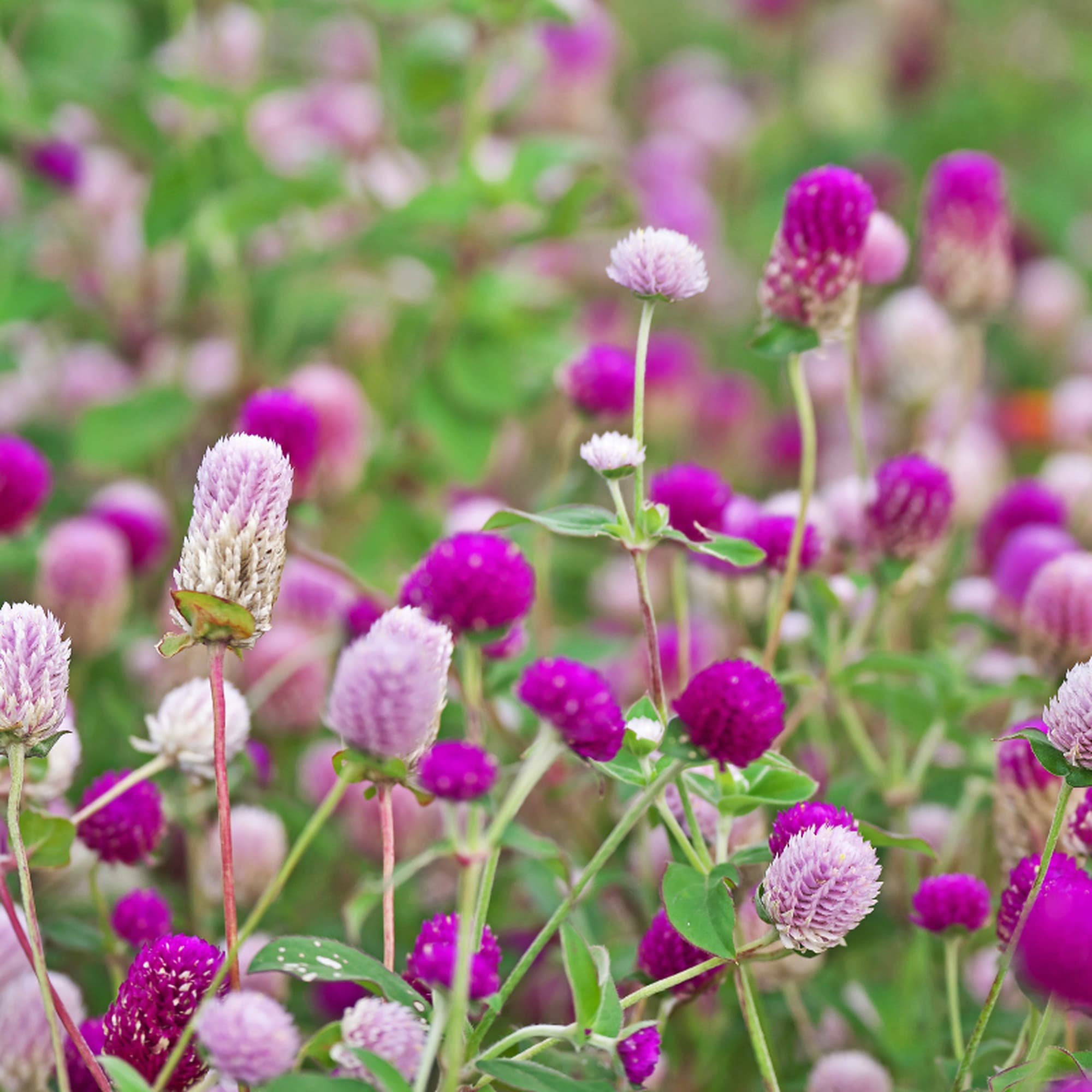
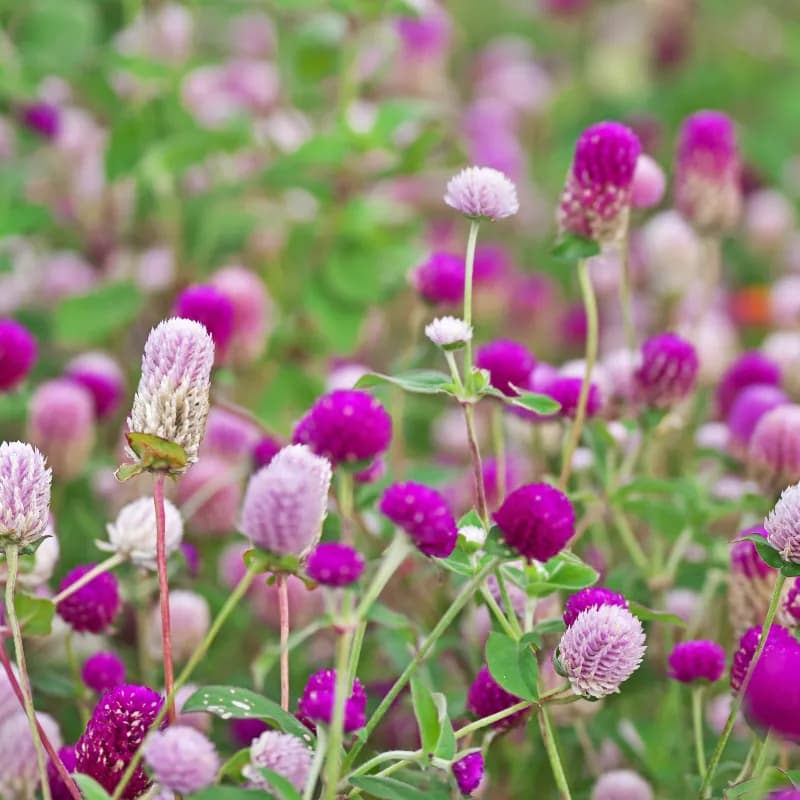
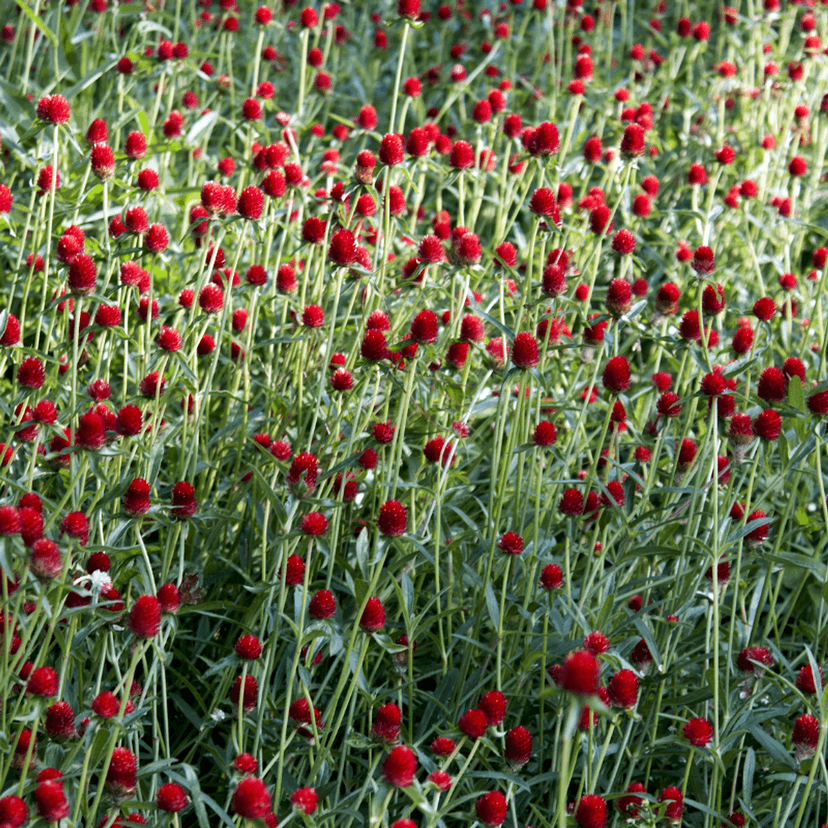
Globe amaranth is a heat-loving annual whose papery, clover-like flower heads last for months in the garden and in dried bouquets. Its woolly seed germinates best soaked, lightly covered and kept warm.
Gomphrena seed sits inside a woolly, cottony covering. It tends to clump and float, so separate the seeds with your fingers and sow generously: germination of this crop can be low.
Not needed. Soaking does the job of softening the covering.
Not needed. Globe amaranth is a tropical annual that needs warmth, not cold, to germinate.
Recommended. Soaking the seed in water overnight before sowing speeds germination, because the woolly covering otherwise slows water uptake. Sow the seed the same day, while it is still damp.
Keep the seed at about 21-24 °C (70-75 °F). Germination is slow in cool soil, so outdoors wait until the weather is warm before sowing.
Cover the seed with a thin layer of soil or vermiculite, just enough to hide it. Press it down so the woolly seed is in firm contact with moist compost.
A free-draining seed compost or a fine, well-drained seedbed. Avoid heavy, wet soil.
Keep the compost evenly moist, never waterlogged; overwatering harms both germination and root growth.
Darkness aids germination, so cover the seed rather than leaving it on the surface. Keep the cover thin, because the seedlings are small; give full light as soon as they emerge.
Seedlings usually appear in 14-21 days at 21-24 °C (70-75 °F); be patient before resowing.
Seedlings need 6-8 weeks before planting out. Harden them off and plant about 20 cm (8 in) apart for compact types and up to 30-45 cm (12-18 in) for larger ones in full sun once the weather is warm. For cut flowers on longer stems, plant closer at 15-20 cm (6-8 in).
Globe amaranth does not thrive until warm weather arrives. Once established it grows steadily and tolerates heat and dry soil. Pinch out the first flowers for a bushier plant, or leave them for a more open shape.
Globe amaranth is a summer and monsoon flower in India. The main sowing on the North Indian plains is February-March, with transplanting in March-April and flowers from May to July; further sowings until June keep it flowering through the rainy season.
Full sun, at least 6 hours a day, and well-drained soil. It prefers moist, fertile, slightly acidic soil and tolerates clay, sand and drought once established. Water only in very dry spells.
Regular cutting encourages more blooms. Mulch around plants to keep the hairy leaves clean.
Cut fully open heads, tie them in small bunches and hang them upside down in a dry, airy, shaded place. They keep their shape and colour well for arrangements and crafts.
Sow Gomphrena mixed colour for long-lasting summer flowers that are perfect for drying.
On the North Indian plains globe amaranth is a summer annual: sow in February-March, transplant in March-April and it flowers from May to July. You can keep sowing in succession until June for flowers through the monsoon.
Yes, soaking overnight is recommended. The woolly covering slows water uptake, and soaking speeds germination. Sow the seeds the same day.
Darkness aids germination, so cover the seed with a thin layer of soil or vermiculite. Do not bury it deeply.
The usual causes are dry, unsoaked seed, cool soil and overwatering. Germination of this crop can be low even in good conditions, so sow generously and keep the seed at 21-24 °C (70-75 °F).
