
Seed preparation
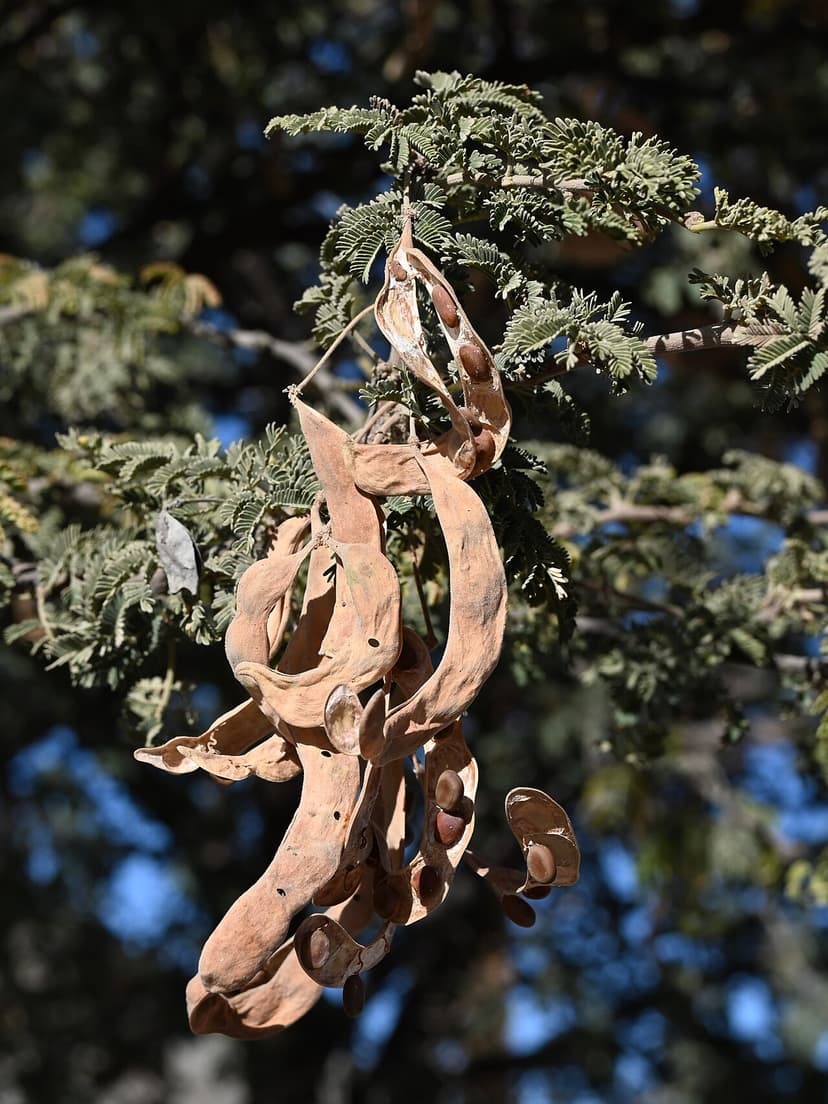
Umbrella thorn has small, very hard seeds, about 12,000-31,000 per kg, carried in coiled pods. Check for round exit holes: seed beetles (bruchids) often attack the seed and lower germination.
Tree growing guide
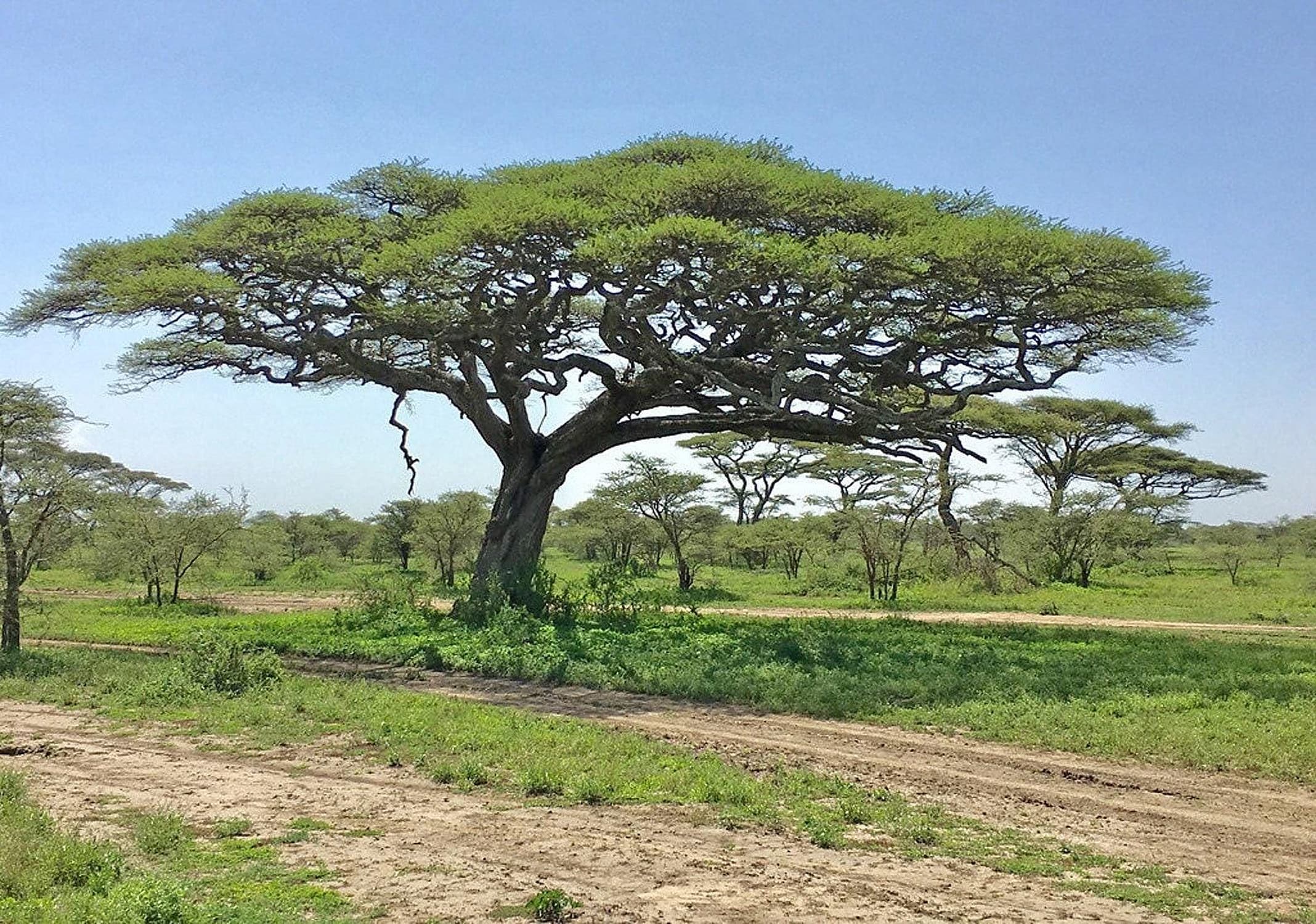
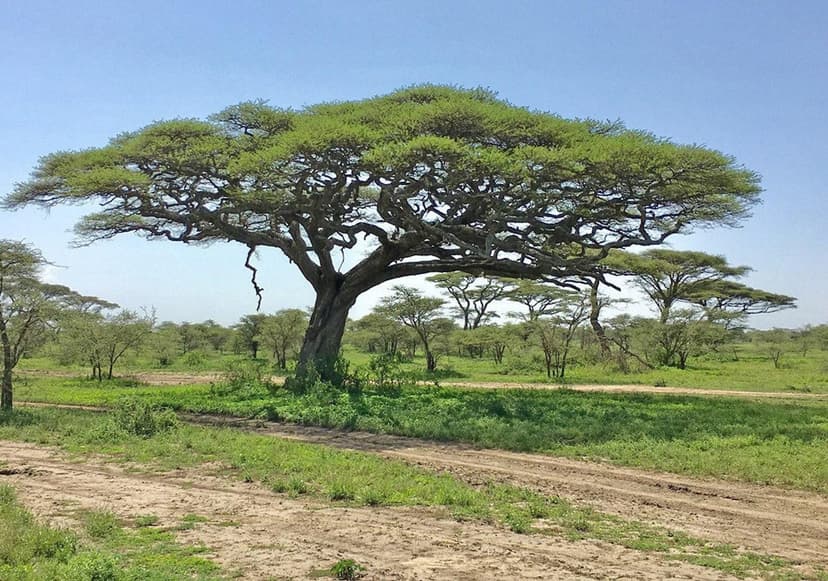
Umbrella thorn, the flat-topped acacia of African savannas, is a tough, salt- and drought-tolerant tree for hot, dry land. Its very hard seed must be nicked or soaked before it will germinate; this guide covers the methods that work and how to protect slow-growing seedlings.
Umbrella thorn has small, very hard seeds, about 12,000-31,000 per kg, carried in coiled pods. Check for round exit holes: seed beetles (bruchids) often attack the seed and lower germination.
The most reliable home method is mechanical. In a 2026 Tanzanian nursery trial, gently scratching the coat near the seed scar (hilum) with sandpaper gave about 50% germination, far ahead of the other treatments, and a South African study also found mechanically scarified seed germinated best. Nick or file a small spot on each seed, avoiding the scar itself. In laboratories, soaking in 98% sulphuric acid for 60-120 minutes raised germination from 0% to 92-97%, but concentrated acid is dangerous and is not a home method.
Not needed. Dormancy is caused by the hard, waterproof coat, not by cold.
For larger batches, SANBI and ICRAF advise pouring boiling water over the seed, letting it cool and leaving it to soak (ICRAF: for 24 hours) until the seeds swell. Results vary between seed lots: a Qatar study reported 76% germination after boiling water against 25% for untreated seed, but another got very little. Sort the seeds after soaking: sow the swollen ones and nick any that are still hard.
Warm conditions. Acid-treated seed germinated 92-97% in the dark at 25 °C (77 °F), with a mean germination time of about 5 days. In India, sow in the hot season before the monsoon.
About 1-2 cm (0.4-0.8 in) deep, as used in a nursery trial in a well-drained sand medium.
Sandy, free-draining mix. In the field the tree favours alkaline, well-drained soils, including sand dunes and shallow soils.
Keep the mix moist but not wet. Water less once seedlings are up; the species is adapted to dry soil.
Not required for germination. Give seedlings full sun from the start.
SANBI notes germination often takes place in as little as 4 days, but 10 days is more likely. ICRAF describes germination as slow, about 72% after 30 days, and quicker under ideal conditions.
Grow seedlings in deep containers to protect the taproot. ICRAF describes planting into pits about 60 cm (24 in) deep filled with weathered soil, at 5 x 5 m (16 x 16 ft) spacing, then mulching.
Seedling growth is slow; trees reached about 1.5 m (5 ft) in 2 years in ICRAF trials. Watering and fertiliser noticeably improve growth. Weed twice in the first year and once in the second, and keep goats and other browsers away.
Umbrella thorn grows with 100-1,000 mm of annual rain, tolerates temperatures up to 50 °C (122 °F), strong salinity and seasonal waterlogging, which makes it useful in India's arid and semi-arid zones.
Young trees can be slow, especially on poor soil, but grow relatively fast on dry sandy soils once established. Be patient in the first few years.
It coppices vigorously after cutting and tolerates lopping, and is planted in windbreaks; livestock and wild animals eat its pods.
The seed is orthodox and keeps for many years if dry, cool and free of insects.
Nick or soak the seed before sowing for a tough, flat-topped tree for hot, dry ground.
Almost always because the hard coat has not been broken. Untreated seed germinated poorly or not at all in trials. Nick or sand each seed, or soak in boiling water until it swells, then sow.
Sandpaper or nicking is the most reliable: it gave the best results in a Tanzanian nursery trial and a South African study. Hot water is quicker for large batches but results vary, so sow only the seeds that have swollen and nick the rest.
Yes. The African acacias with spines in pairs were moved to the genus Vachellia, so Acacia tortilis is now Vachellia tortilis.


