
About this variety
Acacia Arabica seed for nursery trials
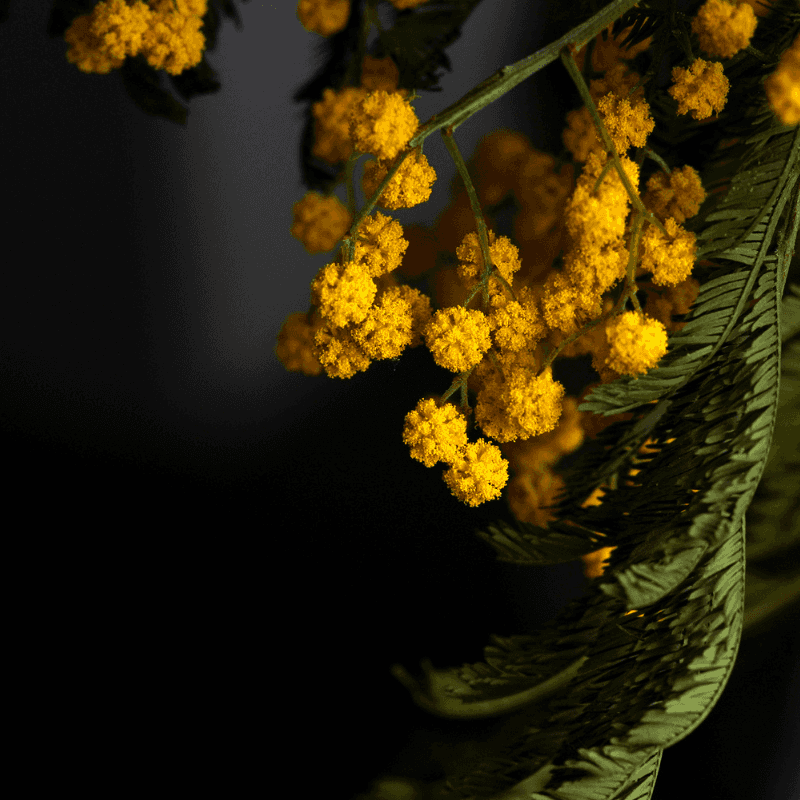
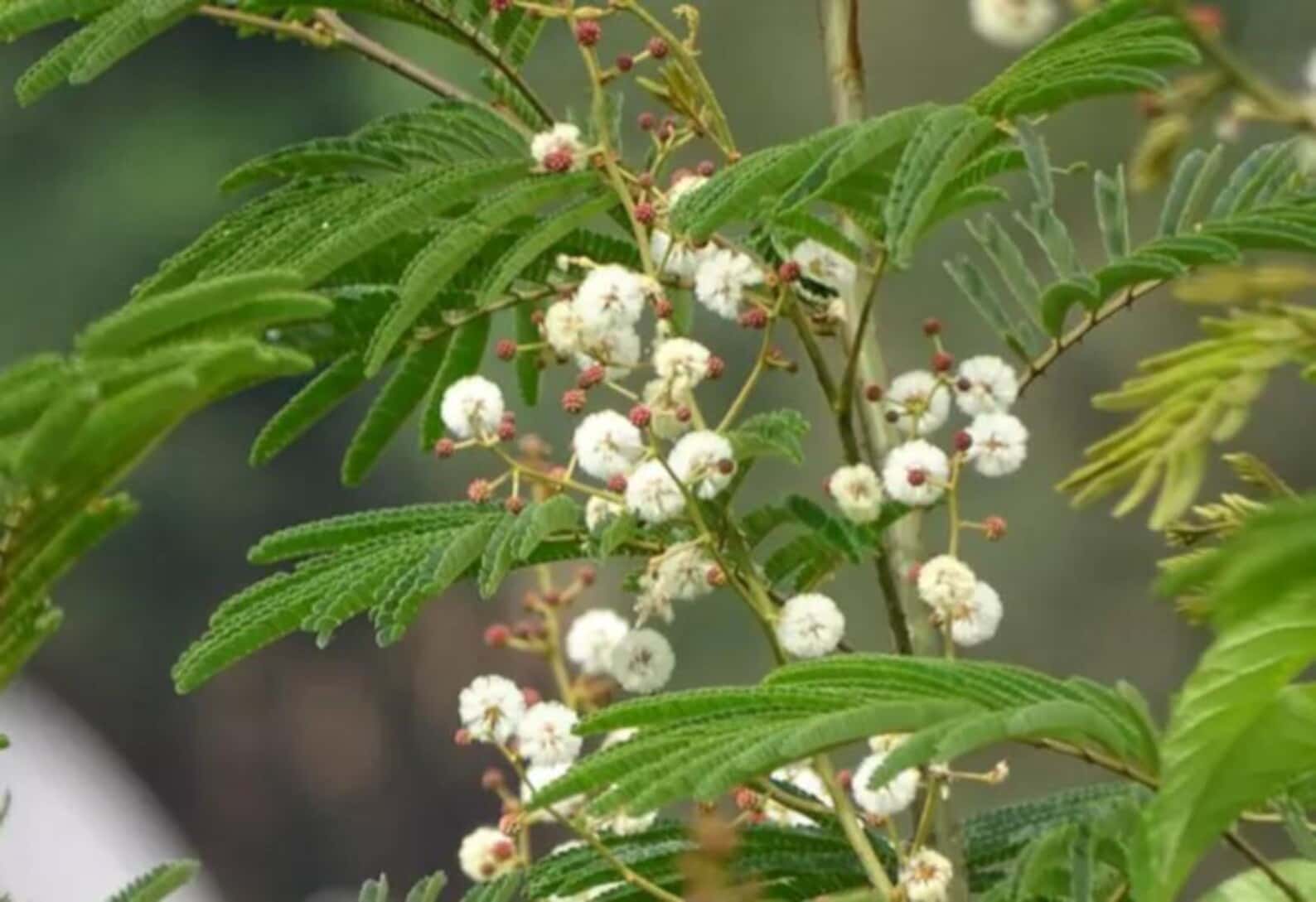
This seed is sold as Acacia Arabica. Kew places the formally published name Acacia arabica within Vachellia nilotica, but the product information does not document botanical authorship or a subspecies. The accepted species is Vachellia nilotica, while Acacia Arabica remains the commercial name. This does not establish a collection locality, subspecies provenance, age of seed or guaranteed germination response.
Inspecting the seed
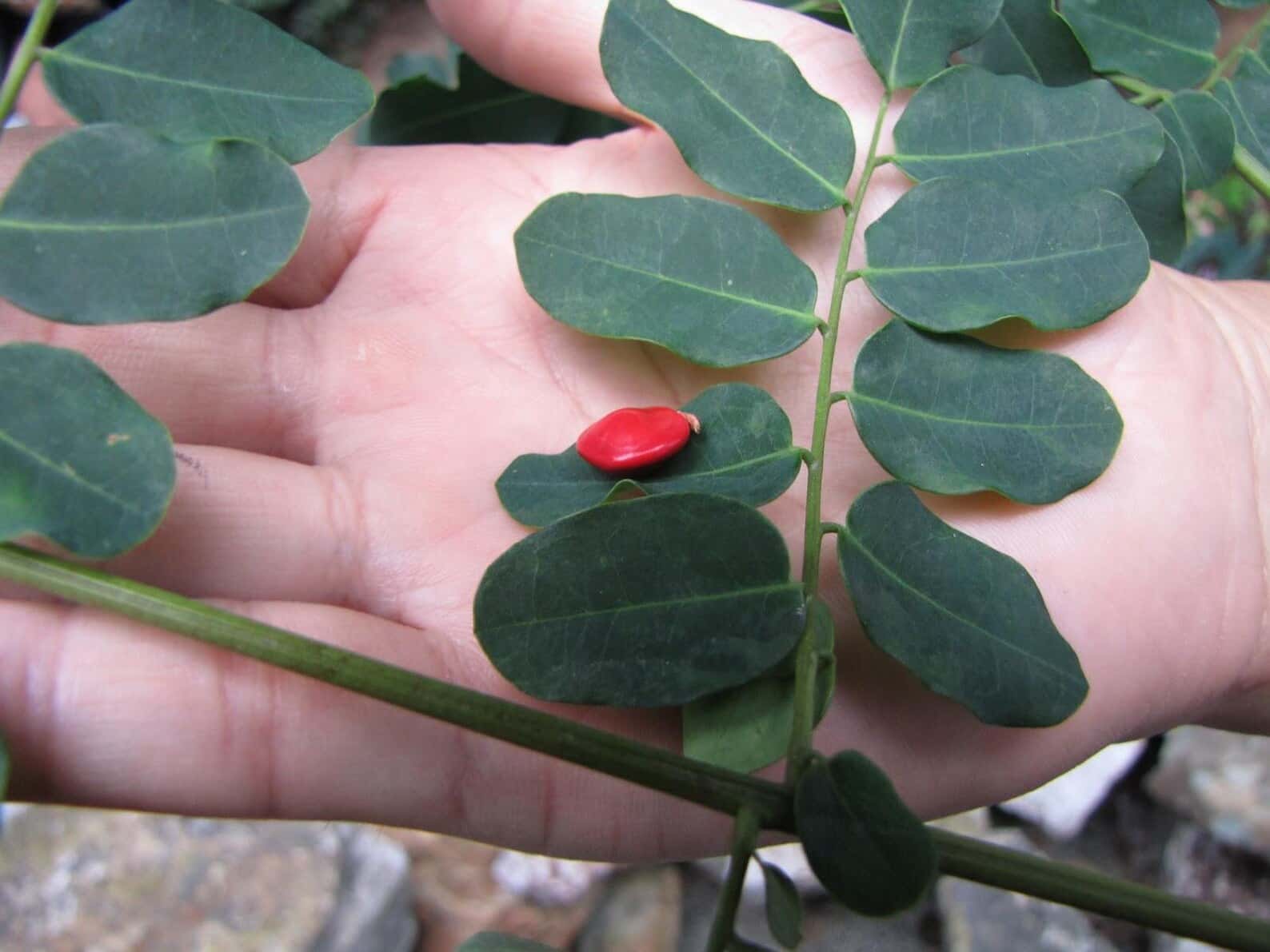
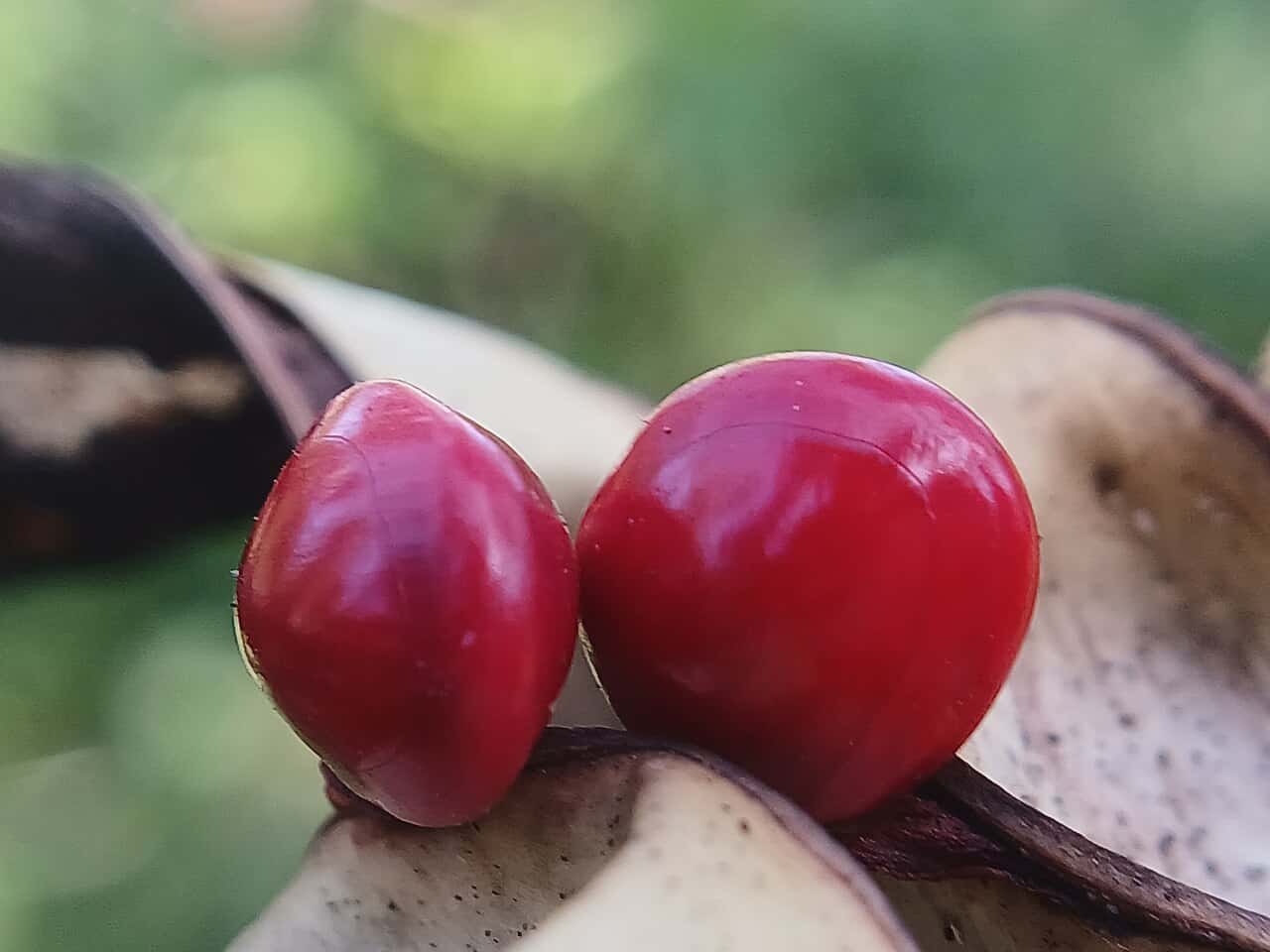
Seeds of dry-zone acacias can differ in coat permeability from lot to lot. FAO guidance notes that fresh Acacia nilotica seed with a soft coat may need no pretreatment, while hard seed may respond to scarification. For a small home batch, begin with a few untreated seeds and compare them with seeds whose coat has been lightly abraded by hand. Avoid cutting into the embryo. Strong chemical treatment is not recommended in this consumer-facing guide.
Sowing
Use clean, deep containers and a free-draining medium. Sow after any chosen pretreatment, water thoroughly once, then maintain moisture without keeping the medium saturated. Warm, bright conditions may support establishment, but local nursery practice should determine timing. Label each treatment group so its response can be compared.
Seedling care
Give seedlings bright light and airflow. Allow the surface of the medium to begin drying between careful waterings while the root system develops. Pot on before roots become tightly confined, and acclimate young plants gradually to stronger sun, wind and outdoor temperature changes.
Comparing pretreatments
Seed-coat hardness can vary within a packet. A useful small trial is to separate equal groups, label one untreated and one mechanically scarified, and otherwise keep their medium, temperature and watering the same. Record swelling and emergence rather than assuming that every unsprouted seed is non-viable. Discontinue a treatment if seed becomes soft, damaged or mouldy. Stronger hot-water or chemical treatments are not recommended for home sowing because results depend on seed-coat condition and careless handling can damage seed or injure the user.
Position and containment
Before planting outdoors, confirm that the species is appropriate and lawful in the destination region. Select a position with room for a woody plant and keep nursery plants contained until their identity and local suitability have been reviewed. Do not infer thornlessness, mature size, flowering age or landscape performance from the product name alone.
Long-term planning and storage
This is a tree-growing project and mature size must be considered before planting in the ground. Check local rules before growing a non-native woody species. Store unused seed dry, sealed and protected from heat. Germination varies with coat condition, storage and pretreatment.