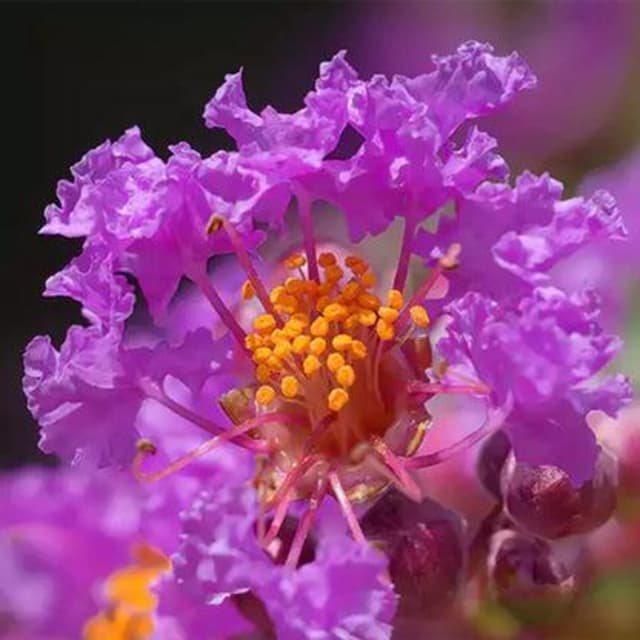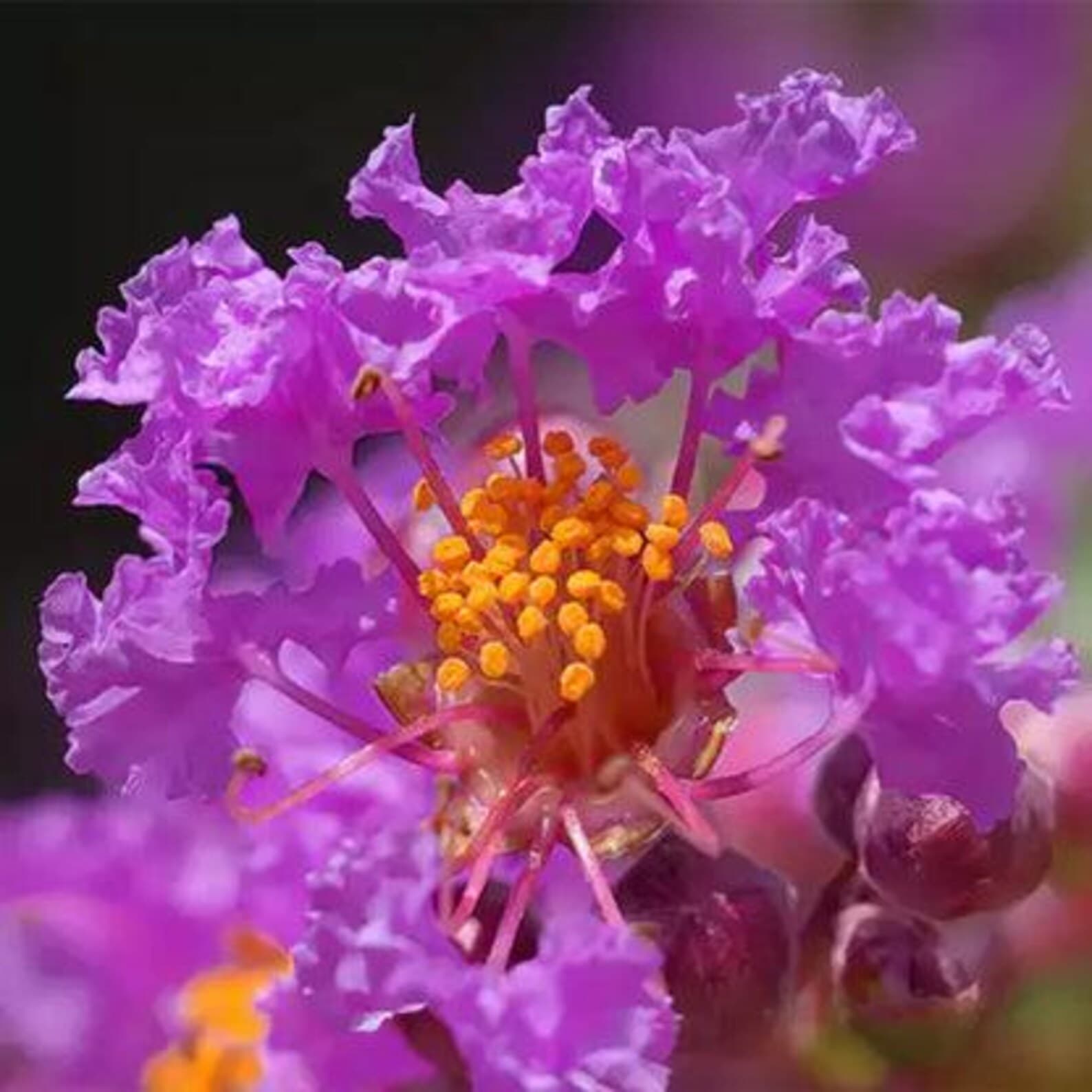
Lagerstroemia speciosa Queen's Crape Myrtle Seeds plant

Tree growing guide

How to grow queen's crape myrtle (jarul) from seedLagerstroemia speciosa

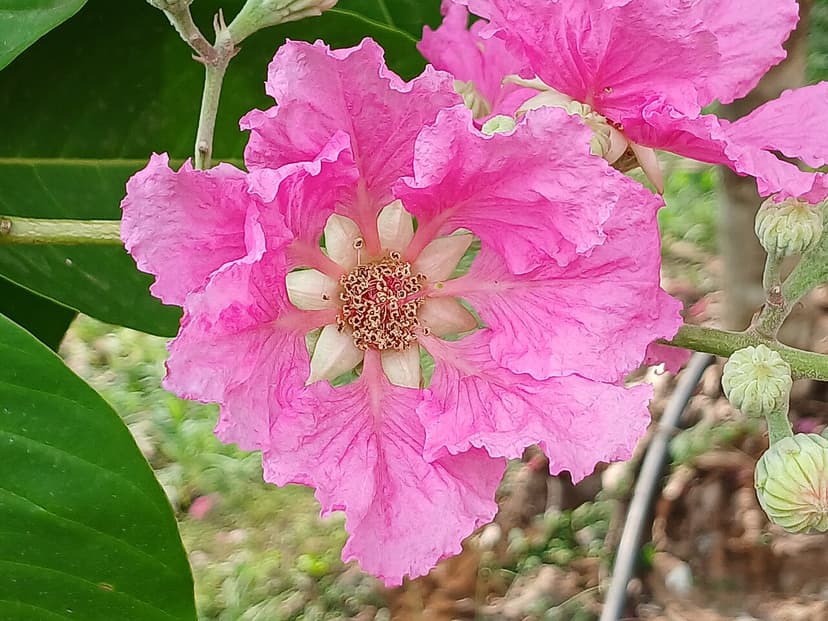
Jarul, or queen's crape myrtle, is a deciduous flowering tree of Indian and Southeast Asian river valleys with large mauve-pink flower panicles in the hot season. Its small winged seeds store well, respond to a short hot-water treatment and are best started in a shaded nursery.

≈ 25 °C
Germination temp.
15-56 days
Germination
Sow in shade
Light

At a glance

Germination temperature
Warm conditions; in a Mizoram nursery trial seed germinated at a mean soil temperature of about 25 °C (77 °F).
Sowing depth
Shallow: cover the flat, winged seed with only a thin layer of fine soil or sand.
Germination time
15-56 days; most seeds in nursery trials came up three to four weeks after sowing.
Light
Sow in shade; young trees later need full sun.
Pre-treatment
Hot water at 80 °C (176 °F) for 10 minutes improved germination in two studies.
Transplant or direct sow
Raise in a nursery, prick out into bags and plant out at the start of the rains.

Seed preparation

Seed preparation

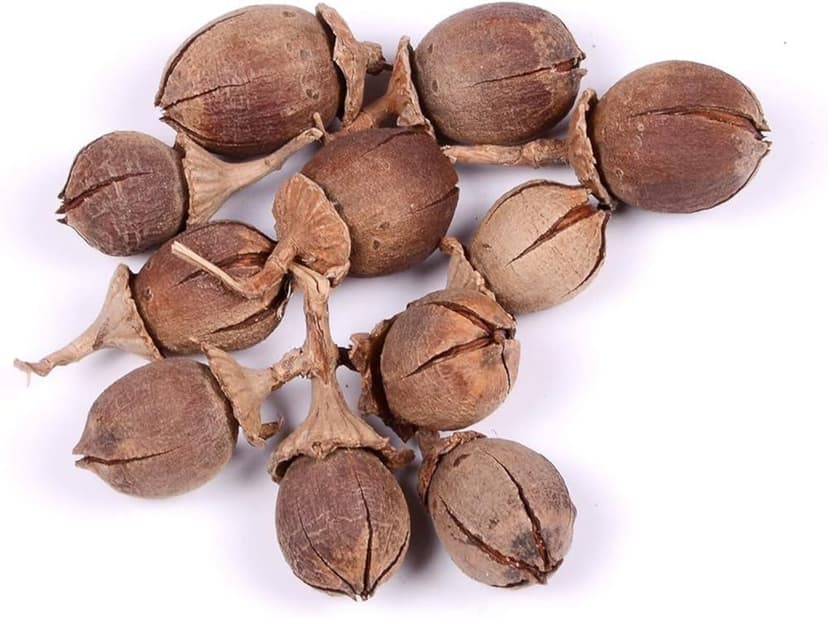
Jarul seed is orthodox: kept dry in an airtight container at room temperature it stays viable for about 2 years. There are roughly 165,000-235,000 seeds per kg. Germination actually improves during the first 3-12 months of dry storage, so last season's seed is fine to sow.
Scarification

Helpful. In a Bangladesh nursery trial, untreated seed germinated at 25%, while hot-water treatment raised it to 64% and mechanical scarification to 62%. Acid treatment scored highest in that trial but is not needed or advised for home sowing.

Stratification

Not needed. In a 2025 trial, a 24-hour cold treatment in a refrigerator lowered germination and slowed it compared with untreated seed.

Soaking

Use a hot-water soak instead of a cold one: pour water at about 80 °C (176 °F) over the seed, leave for 10 minutes, drain and sow. This gave the best germination (about 52%) in the Mizoram trial. A plain cold-water soak gave the lowest germination (20%) in the Bangladesh trial.

Lagerstroemia speciosa Queen's Crape Myrtle Seeds

Germination conditions

Germination temperature

Sow in warm weather. In the Mizoram study the seed germinated at a mean soil temperature of about 25 °C (77 °F) under day temperatures of 25-35 °C (77-95 °F). In most of India the pre-monsoon or early monsoon months suit sowing.

Sowing depth

The seeds are thin and flat with a small wing. Scatter them on the surface of a tray or bed and cover lightly with fine soil or sand, just enough to hold them in place.

Growing medium

A free-draining nursery mix of soil and sand, in trays, beds or directly in small polybags.

Moisture

Keep the surface evenly moist with a fine spray; the trial seedlings were watered daily during germination. Do not let a crust form over the seed.

Light

PROSEA and NParks Singapore both advise sowing jarul seed in shade. Move seedlings gradually into more light once they are established.

Germination time

15-56 days. Mean germination times in the 2025 nursery trial were 21-26 days, with hot-water-treated and acid-treated seed the fastest and cold-treated seed the slowest. Keep trays watered for at least eight weeks before giving up.

Transplanting and first growth

  1. Pricking out

    Prick out seedlings into individual containers once they have their first true leaves above the two-lobed seed leaves. Handle them by the leaves, not the stem.

  2. Planting out

    Grow seedlings on in polybags until they are sturdy and plant them out at the start of the monsoon. Forestry nurseries also plant stumps (5-10 cm shoot, 10-20 cm root): these gave 90-100% survival.

  3. First growth stage

    Growth is moderate. In a Mizoram greenhouse trial the best seedlings reached about 1 m (3 ft) in their first year; height growth stopped in winter and was fastest during the warm, wet season.

Lagerstroemia speciosa Queen's Crape Myrtle Seeds

Common problems

ProblemFew seedlings after a month
Cause
Jarul germinates slowly and untreated seed often gives low germination.
What to do
Use the hot-water treatment and keep trays moist for up to eight weeks.
ProblemSeed washed away or buried
Cause
The small, light seed is easily moved by heavy watering or covered too deeply.
What to do
Water with a fine rose and cover the seed with only a thin layer of sand.
ProblemSeedlings scorched in the open
Cause
Tiny seedlings dry out quickly in direct sun.
What to do
Keep the nursery shaded until after pricking out, then harden plants off gradually.
ProblemFew flowers on a pruned tree
Cause
Frequent or severe pruning reduces the number of flower panicles.
What to do
Prune only to shape young trees and avoid cutting back every year.

Practical growing tips

Sun and space

Plant in full sun. Garden trees usually reach 6-15 m (20-50 ft), and up to 30 m in forest, with a crown that is broadly conical when young and rounded later.

Water

Water young trees through their first dry season. Established trees are drought-tolerant and shed their leaves in a long dry spell, but grow lusher with regular water.

Soil

Jarul grows in well-drained soils and tolerates occasional flooding, which suits riverbank and low-lying sites; it does not grow on peat.

Patience for seed

Young trees flower within a few years, but viable seed has been reported only from trees about 15 years old.

Jarul seeds from Deodar

Raise queen's crape myrtle from seed for a flowering shade tree that suits warm, monsoon climates.

Frequently asked questions

Do jarul seeds need to be fresh?

No. The seed is orthodox and stays viable for about 2 years in an airtight container, and germination tends to improve during the first year of dry storage.

Should I soak jarul seeds overnight?

A cold overnight soak is not useful; it gave the lowest germination in a nursery trial. A short hot-water treatment (about 80 °C for 10 minutes) works better.

How long does jarul take to germinate?

Usually three to four weeks, but anywhere from about 15 to 56 days. Keep the trays moist and shaded during that time.