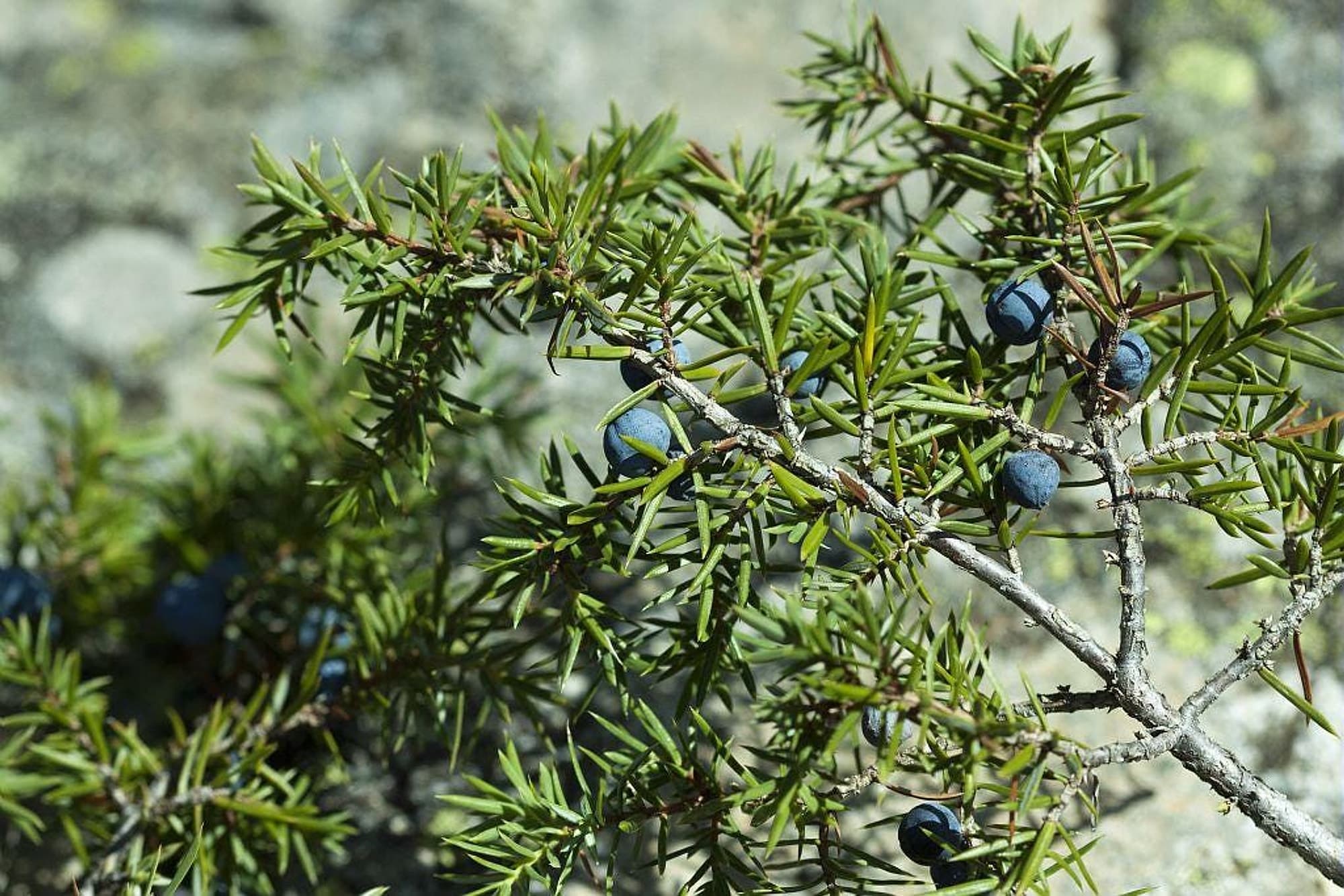
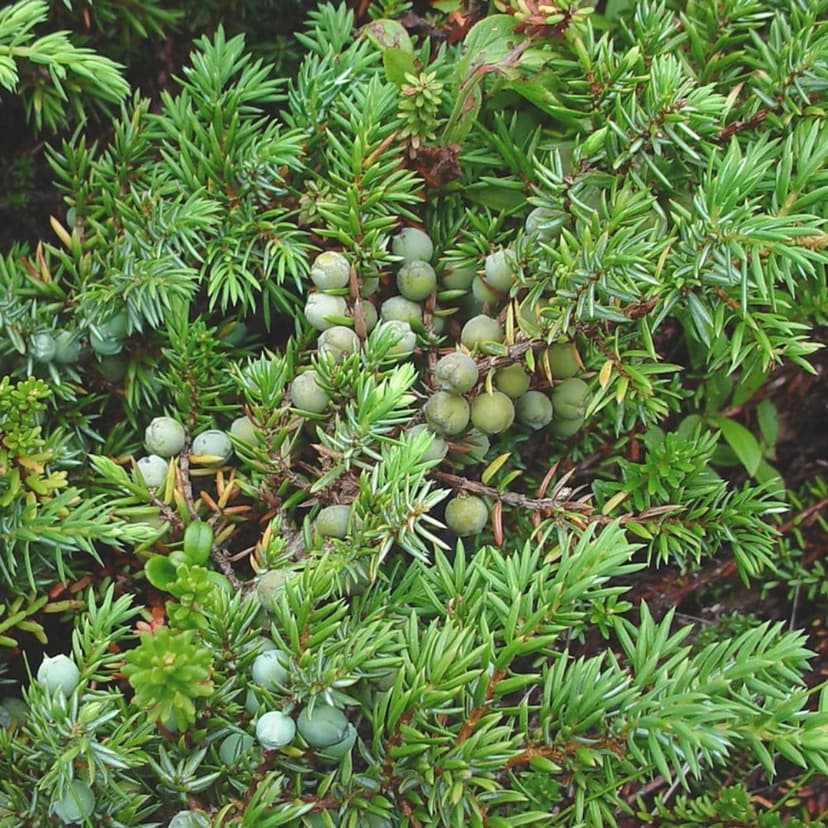
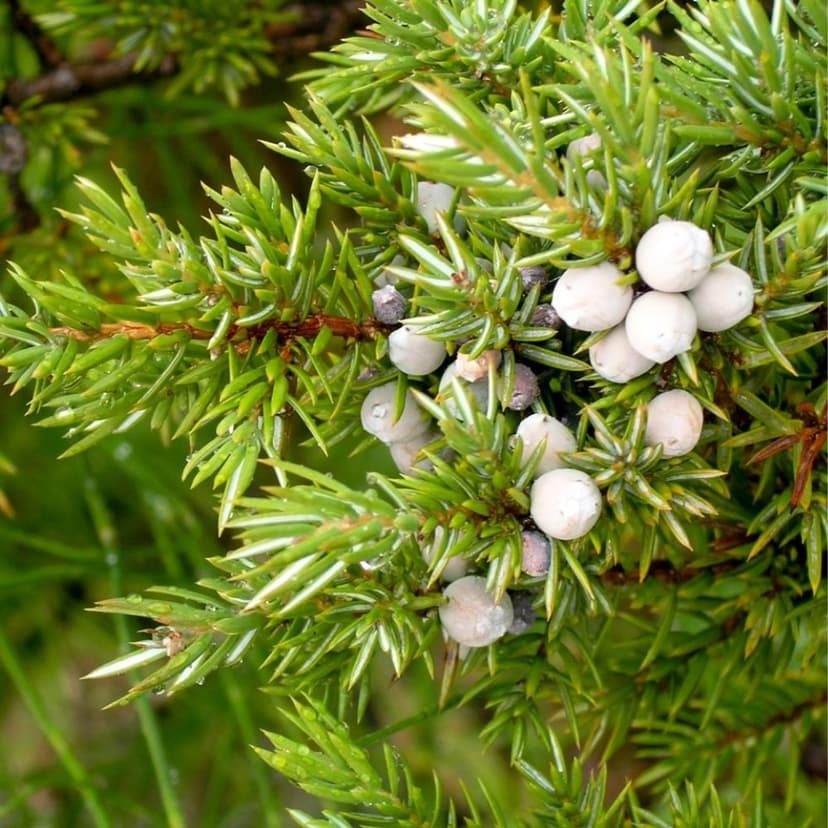
Mountain Juniper Seeds (Juniperus communis var. saxatilis) plant

Tree growing guide

How to grow mountain juniper from seedJuniperus communis

Mountain juniper is a tough, low-growing form of common juniper, but its seed is among the slowest of all conifers to germinate. This guide explains the warm-then-cold treatment it needs and why seedlings may keep appearing for two or three years.

≈ 20 °C
Germination temp.
≈ 6 mm
Sowing depth

At a glance

Germination temperature
Cool. After treatment, seed germinates at about 20 °C (68 °F) or with alternating 3-15 °C (37-59 °F).
Sowing depth
About 6 mm (1/4 in).
Germination time
Slow and uneven: usually the second spring after sowing, with stragglers in the third year.
Light
Seed is covered; seedlings like light shade in their first season.
Pre-treatment
Essential: 2-3 months warm, moist stratification, then at least 3 months cold.
Transplant or direct sow
Sow in pots or a nursery bed outdoors; transplant after 1-2 years.

Seed preparation

Seed preparation

Juniper seed has deep double dormancy: a hard, thick coat and a dormant embryo, and the pulp of the berry-like cone contains germination inhibitors. Viability also varies widely; one review cited by the University of Alberta reports 0-80%. Soak dried seed for a few hours and rub off any remaining pulp before treatment.

Scarification

Not usually done at home. Acid treatments are reported for other junipers but not for common juniper; the long warm phase below softens the coat instead.

Stratification

Two stages. First keep the seed in moist sand or peat at about 15-25 °C (59-77 °F) for 60-90 days (USDA Woody Plant Seed Manual) or 14 weeks at 15 °C (59 °F) (Polish study). Then chill at 3-5 °C (37-41 °F) for at least 90 days. In the Polish study, drying the seed for 72 hours after 4-8 weeks of the warm phase raised laboratory germination to as much as 76%.

Soaking

Only to clean the seed. Soak for a few hours to soften pulp; soaking alone does not break dormancy.

Mountain Juniper Seeds (Juniperus communis var. saxatilis)

Germination conditions

Germination temperature

Germinate treated seed cool: about 20 °C (68 °F), the ISTA test temperature, or alternating 3-15 °C (37-59 °F) as in the Polish trial. Sow stratified seed in spring before air temperatures exceed 21 °C (70 °F). In India this suits hill nurseries; in the hot plains the seed rarely succeeds.

Sowing depth

Cover with about 6 mm (1/4 in) of firmed soil or sand, as recommended in the USDA manual.

Growing medium

A gritty, free-draining mix such as seed compost with sand or fine grit. Use deep pots, because the trays may need to stay in place for two years.

Moisture

Keep evenly moist through every season. A pot that dries out in summer can push seed back into dormancy.

Light

Light is not needed for germination. Mulch outdoor beds over winter and remove the cover as soon as seedlings appear.

Germination time

Once dormancy is broken, the USDA manual lists germination over 7-75 days. In practice, fall-sown seed usually comes up in the second year, and in the Polish nursery trial some seed was still emerging in the third year.

Transplanting and first growth

  1. Sow outdoors and wait

    The simplest method is to sow fresh seed outdoors in late summer or autumn and let the seasons provide warm and cold treatment. Fresh, undried seed sown within a week of extraction can be sown untreated. Protect pots from mice and birds with mesh and do not discard them after the first year.

  2. Transplanting

    Leave seedlings in the seed pot or bed for their first season. The USDA manual transplants junipers after one or two years, lifting them early in spring and keeping the roots moist.

  3. First growth stage

    Give light shade and steady moisture for the first summer. Young plants grow slowly and form a prickly, spreading mound.

Mountain Juniper Seeds (Juniperus communis var. saxatilis)

Common problems

ProblemNothing comes up in the first year
Cause
Normal deep dormancy.
What to do
Keep the pot moist, outdoors and protected for at least one more winter; many seeds germinate in the second or third spring.
ProblemVery low germination even after two years
Cause
Empty or non-viable seed, which is common in junipers, or skipping the warm stage.
What to do
Sow plenty of seed and give both the warm and the cold phase.
ProblemSeedlings lifted out of the soil after frosts
Cause
Frost heaving.
What to do
Mulch beds and press seedlings back in after a thaw.
ProblemSeedlings brown and die back from the tips
Cause
Cedar blight (Phomopsis juniperovora), which the USDA manual calls the most serious juniper nursery disease.
What to do
Remove affected seedlings, avoid overhead watering in the evening and keep good spacing.
ProblemSeed sown in heat does not germinate
Cause
Warm weather straight after chilling can push seed back into dormancy.
What to do
As the USDA manual advises, sow stratified seed in spring before air temperatures exceed 21 °C (70 °F), and keep pots out of hot sun.

Practical growing tips

Label and keep every pot

Mark the sowing date clearly and keep pots for three seasons. Juniper rewards patience more than any special trick.

Use cuttings to save time

Cuttings of common juniper root easily but grow slowly, a useful backup when you need a particular plant.

Give it poor, sunny ground

Mountain juniper grows on exposed rocky slopes. Plant it in full sun in well-drained, even stony soil and avoid rich, wet beds.

Grow it where summers are cool

It is very cold-hardy but dislikes long hot, humid summers. In India it suits gardens in the hills rather than the plains.

Mountain juniper seeds from Deodar

Sow mountain juniper in autumn and be patient: hardy, evergreen seedlings follow over the next two springs.

Frequently asked questions

Why have my juniper seeds not germinated after a year?

This is normal. Common juniper seed has deep double dormancy and usually germinates in the second spring after sowing, sometimes the third. Keep the pot moist and outdoors.

Can I skip the warm stratification and only chill the seed?

It is not recommended. Cold treatment alone leaves most seed dormant; the warm phase of 2-3 months comes first, followed by at least 3 months of cold.

Can I grow mountain juniper in a hot climate?

It struggles in hot plains. It is a mountain and northern plant that prefers cool summers, full sun and well-drained soil.

Are the berries edible?

The blue cones of common juniper are used as a spice in small amounts. Seed for sowing should be treated as seed, not food.