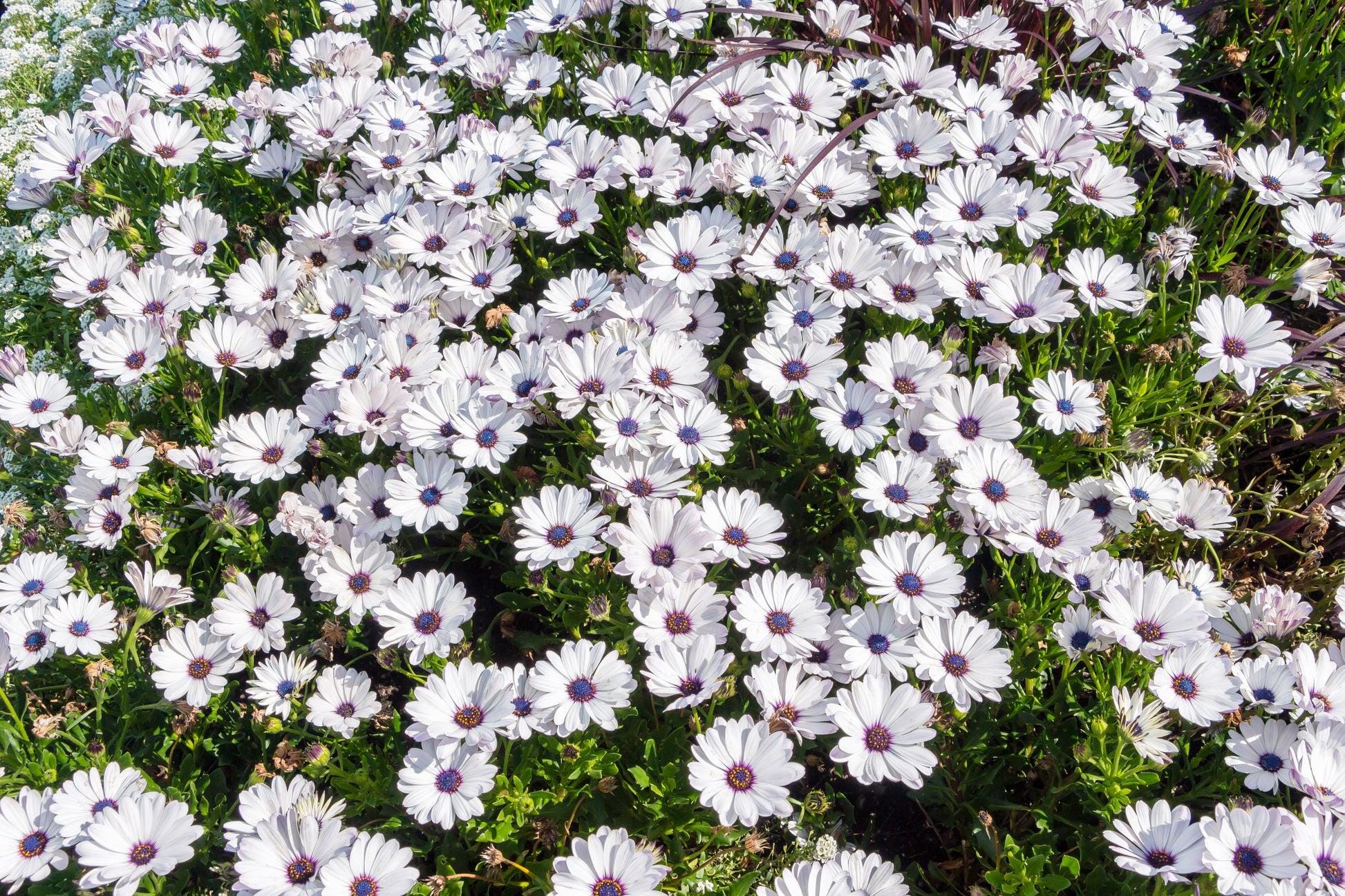
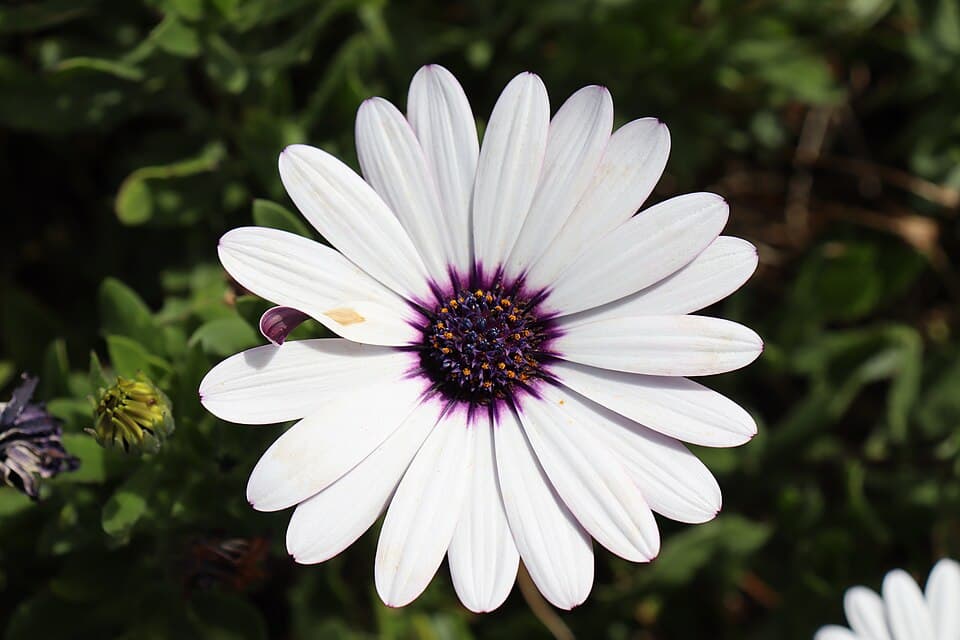
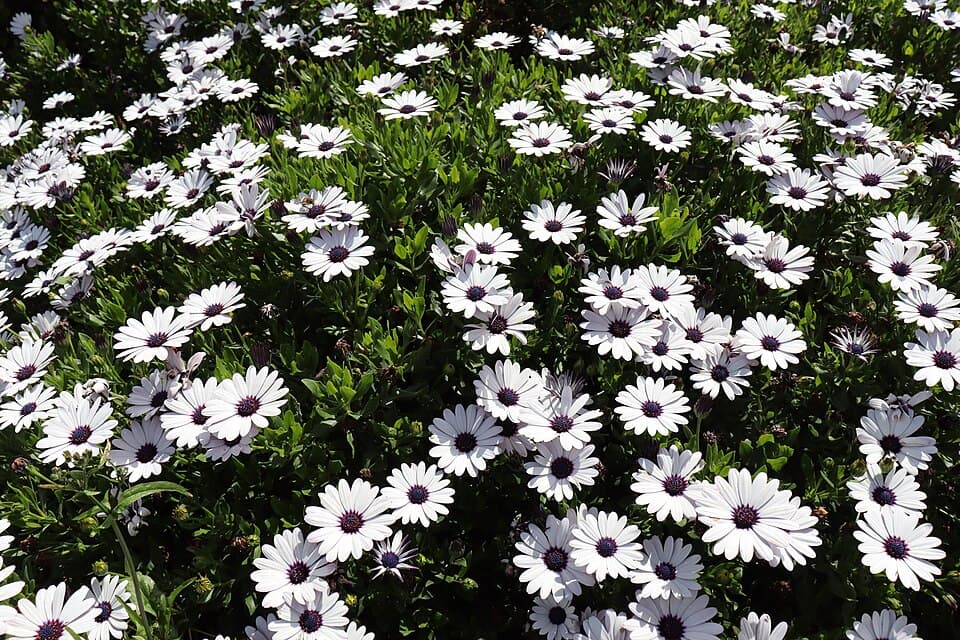
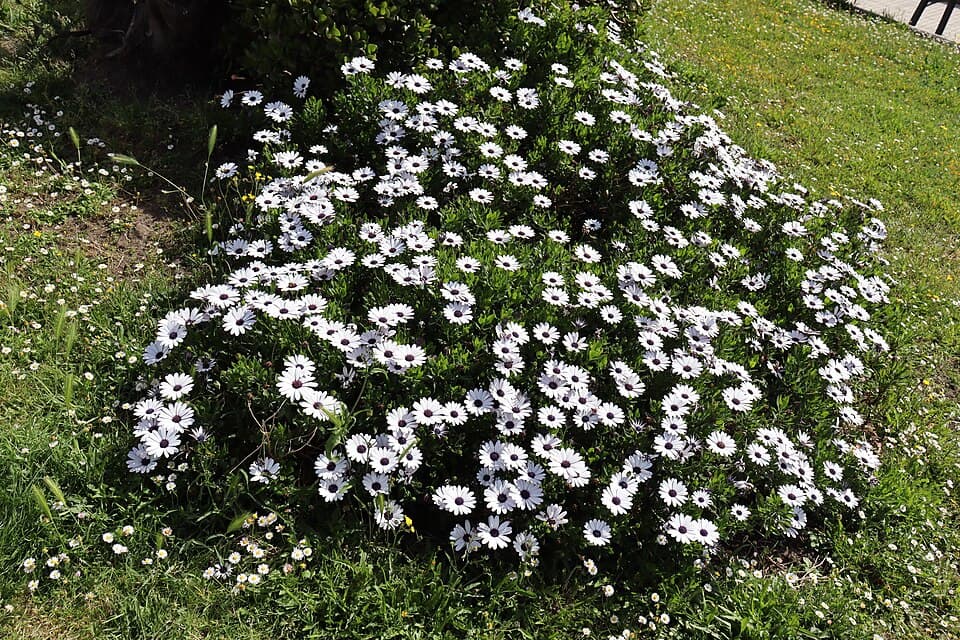


About this variety
About Dimorphotheca seeds
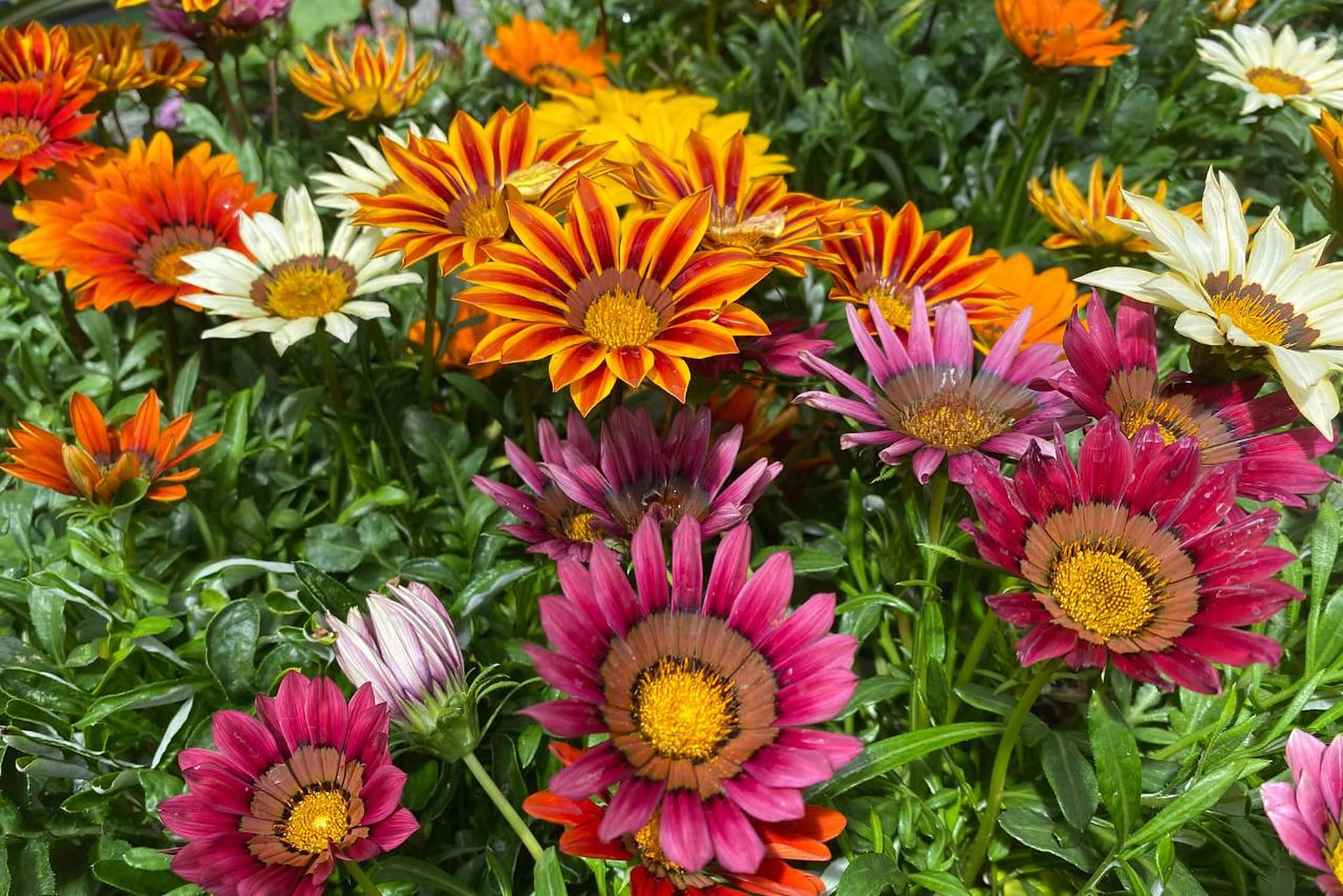
Dimorphotheca seeds are supplied in packets. Dimorphotheca is provided as the botanical reference.
Dimorphotheca is intended for ornamental or garden sowing. Local temperature, day length, rainfall and the condition of the seed-starting medium affect timing, so gardeners should align sowing with their regional calendar instead of relying on a universal date.
Before sowing
Use clean containers and a fresh, free-draining seed-starting medium. Label the tray with the variety name and sowing date before opening the packet. Check the seed size and any packet-specific note first: very small seed is normally handled more lightly than large seed, and woody seed may require a species-specific protocol. If a local extension service or botanic garden publishes guidance for this exact taxon, follow that evidence over a generic calendar.
Sowing and early care
Moisten the medium before sowing so the seed is not displaced by heavy watering. Distribute seed with enough space to observe individual seedlings, then cover only as appropriate for the seed size and taxon. Keep the medium evenly moist but not waterlogged and provide gentle air movement. After emergence, give seedlings bright, consistent light and continue careful watering. Avoid promising a fixed germination percentage or number of days because conditions and seed biology vary.
Moving into the garden
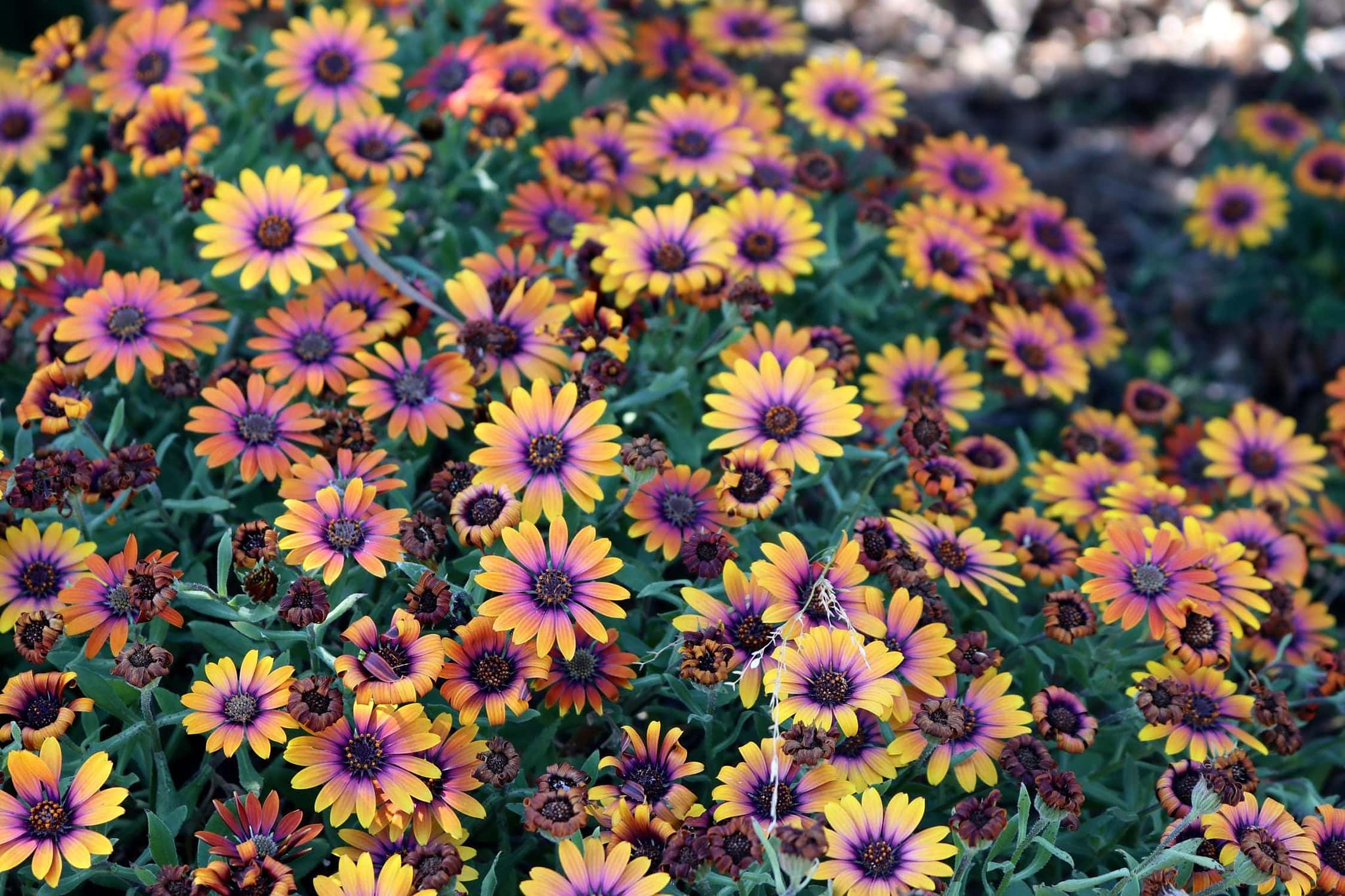
Thin or pot on once seedlings can be handled without damaging the stem or roots. Plants raised indoors should be acclimated gradually to outdoor light, wind and temperature before final planting. Choose the final position according to the confirmed taxon and local climate, and leave enough room for mature growth. Mixed-colour or hybrid lots can produce natural variation.
Packet care and storage
Keep unused seed dry, clearly labelled and protected from heat and humidity. Close the packet promptly after use and place it in a sealed container in a cool location. Storage life differs among taxa, and some seed types do not tolerate drying, so use authoritative species guidance when available.
What you receive
- Product name: Dimorphotheca
- Scientific reference: Dimorphotheca
Local names
Guldblomst, keltasääkukka, Dimorphothéca sinué, Dimorphothéca orangé, Sun-marigold, solvisare, Namaqualand Daisy, Glandular cape marigold, Cape marigold, Star of the veldt, Kapkörbchen, Souci du Cap, Dimorphotheca aurantiaca.
Common names of Dimorphotheca sinuata
All 34 names, languages and regions
Local names
| Denmark | |
|---|---|
| Danish | Guldblomst |
| Finland | |
| Finnish | keltasääkukka |
| France | |
| French | Dimorphothéca sinué, Dimorphothéca orangé, Sun-marigold |
| Sweden | |
| Swedish | solvisare |
| United Kingdom | |
| English | Namaqualand Daisy |
| United States | |
| English | Glandular cape marigold |
| Other places | |
| German | Kapkörbchen, Buschige Kapringelblume, buschiges Kapörbchen |
| French | Souci du Cap |
| Latin | Dimorphotheca aurantiaca |
| English | African beauty, African daisy, Cape marigold, Namaqualand Rain Daisy, Namqua Daisy, ox-eye daisy, sun-marigold |
| Polish | Dimorfoteka pomarańczowa, Dimorfoteka zatokowa |
| Afrikaans | Jakkalsblom, Namakwaland daisy, Namakwalandse gousblom, Namakwalandse madeliefie, jakkalsbloubossie, jakkalsbossie |
| Spanish | caléndula del Cabo |
| Slovak | dvojtvárnik vykrajovaný |
| Portuguese | margarida |
| Japanese | アフリカキンセンカ (afurika kinsenka) |
| Chinese | 齿状异果菊 (chǐzhuàng yìguǒjú), 齿状二形菊 (chǐzhuàng èrxíngjú) |
| Cape marigold, Star of the veldt, Namaqualand daisy, Glandular Cape marigold, African daisy, Buschige Kapringelblume (DE), margarida | |