
What to Sow in December and January: Temperate Gardens and India
In temperate Northern Hemisphere gardens, December and January are for a few slow crops started indoors with heat and lamp light, and for tree seed that needs winter cold. On the northern Indian plains the rabi window is closing: radish still goes in, and from late January the summer nursery begins. In the hills, snow and frost mean waiting.
On this page
- The decision rule: three checks before you sow
- Temperate gardens: slow crops to start indoors now
- Light and warmth: why midwinter seedlings stretch
- Seeds that want winter: cold stratification now
- Indian plains: what still goes in during December and January
- Late January on the plains: start the summer nursery
- Indian hills: frost, snow and when to wait
The decision rule: three checks before you sow
Sow now only if all three conditions hold; if one fails, wait or sow indoors.
Soil or compost temperature
In University of California trials, pepper seed barely germinated at 10 °C (50 °F) and took about 25 days at 15 °C (59 °F), against 8 days at 25 °C (77 °F). Onion emerged in 13 days at 10 °C (50 °F), with a minimum near 2 °C (35 °F). A soil thermometer answers better than the calendar.
Weeks to your last frost
Count back from your average last frost date: peppers need about eight weeks indoors (some guides say eight to ten), onions 14 to 15 weeks.
Hours of light
Seedlings need 12 to 16 hours of light a day. London gets 7 hours 49 minutes on the winter solstice, so a midwinter sowing there needs a lamp.
Temperate gardens: slow crops to start indoors now
Their season is too long to begin in spring.
Onions from seed
The RHS sows onion seed in a heated propagator in January, 1.3 cm (half an inch) deep in modules; seedlings appear in about two weeks. Lengthening days in late spring trigger bulbing, so more leaves by then means a bigger bulb. Match the type to latitude: short-day onions bulb at 10 to 12 hours of daylight and suit gardens below about 36° N; long-day onions need 14 to 16 hours and do best north of it. Salad onions, also on the RHS January list, are harvested green.
Chillies and sweet peppers
Seed needs about 21 °C (70 °F); a heat mat at 27–32 °C (80–90 °F) until emergence speeds it. Grow on at 16–18 °C (60–64 °F) in bright light and plant out when nights stay at 12 °C (54 °F) or above, usually late May or early June in Britain. Eight to ten weeks before that is mid to late March, so a January start makes sense only with heat and lamps for the extra weeks.
Aubergines
The RHS sows aubergines from February, in January only with a heated greenhouse or warm conservatory. Seed needs at least 21 °C (70 °F); it emerged in 5 days at 25 °C (77 °F) but 13 days at 15 °C (59 °F). Plant out in April under heated glass, early May unheated, or outdoors after the last frost.
Light and warmth: why midwinter seedlings stretch
A stretched seedling cannot be undone: once a stem has lengthened in low light, more light only stops further stretching. Keep lamps no more than 10 cm (4 in) above the seedlings, 5 cm (2 in) ideally, and raise them as plants grow. Keep room air above 16 °C (60 °F); the mix can run about 3 °C (5 °F) cooler, so bottom heat helps germination and can reduce damping off. Move seedlings out of the propagator into bright light as soon as they appear.
Seeds that want winter: cold stratification now
Many tree seeds stay dormant until they have spent months moist and cold: for most species, 0–4 °C (32–40 °F) for three to four months. Sown outdoors in autumn, seed gets this from the weather. Where winters are mild, mix seed with an equal volume of moist sand or peat in a closed container in the refrigerator at about 4 °C (40 °F), keeping it moist but not wet. Durations differ: bur oak needs 30 to 60 days, white oak none, so check your species.
Example: Himalayan walnut
Juglans regia needs about three months at 3–5 °C (37–41 °F), so a nut chilled from early December is ready around early March. Removing a small piece of shell over the root end speeds germination.
Indian plains: what still goes in during December and January
By December the main rabi window has closed for most crops on the northern plains.
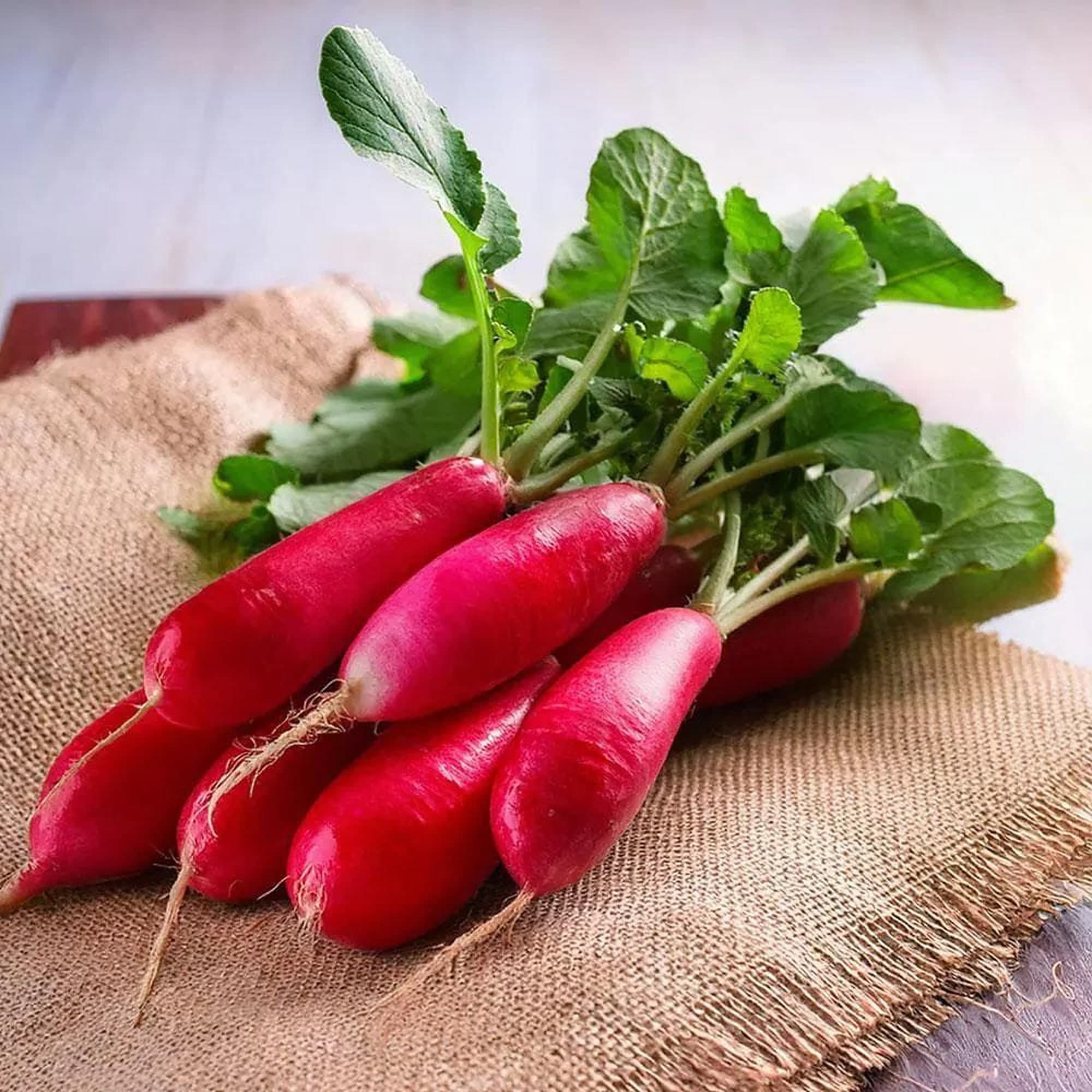
Still in season: radish
Punjab farm advisers list radish sowing from August to December, every 15 to 20 days. It emerged in 11 days at 10 °C (50 °F) and 6 days at 15 °C (59 °F), so cool soil slows it little.
Late but workable: spinach
IARI sows true spinach from October, November being best on the northern plains; it tolerates frost. Emergence slows in cold soil: 22 days at 5 °C (41 °F) against 7 at 15 °C (59 °F). At 35 °C (95 °F) it barely germinates, which keeps it a cool-season crop.
Onion: transplant, do not sow
The rabi onion nursery is sown mid-October to mid-November and transplanted mid-December to mid-January; seed sown now misses that.
Already past in Punjab
Late peas are listed for November, carrot for September–October, coriander mid-September to mid-October; pansy, snapdragon and sweet pea are sown by October. Further south calendars differ (Tamil Nadu lists coriander for June–July and October–November), so check your state university's calendar.
Late January on the plains: start the summer nursery
The next season starts under cover.
Chilli and brinjal
ICAR's agromet advisory of January 2025 told Punjab growers to sow chilli and brinjal nurseries for transplanting in February and March. Both need about 16 °C (60 °F) to germinate, so protect the bed on cold nights.
Summer marigold
The summer marigold nursery is raised under polythene in January and is ready to transplant by 25 February.
Protecting the nursery
ICAR advisories recommend a low-cost polythene cover over nurseries against poor germination in cold, and light evening irrigation of tomato, brinjal and chilli. Early cucurbits can be sown under a folding polythene structure whose cover comes off in the last week of January.
Indian hills: frost, snow and when to wait
In the high hills, wait. ICAR's contingency plan for Kullu notes that the high-hill temperate areas have snowfall in January, so nothing can be sown. Above 2,500 m spinach is sown in April–May after snowmelt; in the mid hills (850–2,500 m) from September. A Solan lettuce schedule sows in late December only under controlled conditions because of the harsh winter. Meanwhile, tree seed sown outdoors gets its stratification from the winter itself.
Conclusion
Check soil temperature, weeks to last frost and hours of light before sowing. In temperate gardens that means onions now, chillies and aubergines only with heat and lamps, and tree seed into the cold. On the northern Indian plains radish goes in, onions go out, and the summer nursery starts under polythene in late January. In the hills, let the snow melt first.
Seeds for a winter start
Browse chilli, aubergine, radish, spinach and salad onion seeds for sowing now, marigold for the summer nursery, and Himalayan walnut to stratify over winter.
Frequently asked questions
Can I sow chilli seeds in December?
Only with compost near 21 °C (70 °F) and 12 to 16 hours of light. Otherwise wait: extension timings put sowing eight to ten weeks before planting out, which in most temperate gardens is March.
Is it too late to sow peas in December in north India?
In Punjab late peas are listed for November, so December is outside the window. Radish, sown until December, is the safer choice.
Do onion seeds need heat to germinate?
No: it emerged in 13 days at 10 °C (50 °F) and 5 days at 20 °C (68 °F). Heat just speeds it, giving more leaves before days lengthen.
How long do seeds need in the fridge for cold stratification?
Most tree species need three to four months at 0–4 °C (32–40 °F); Himalayan walnut about three months at 3–5 °C (37–41 °F).