

About this variety
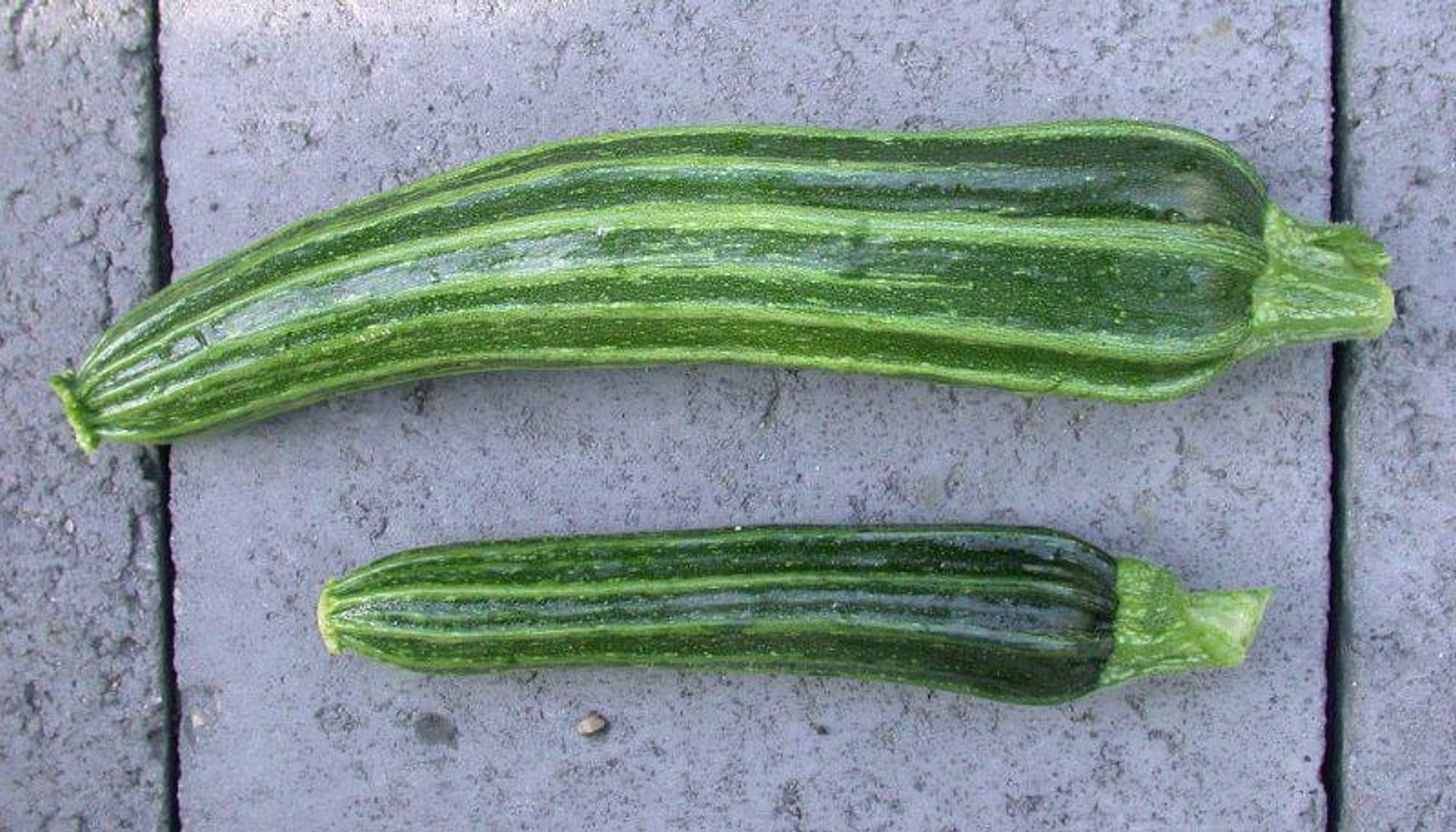
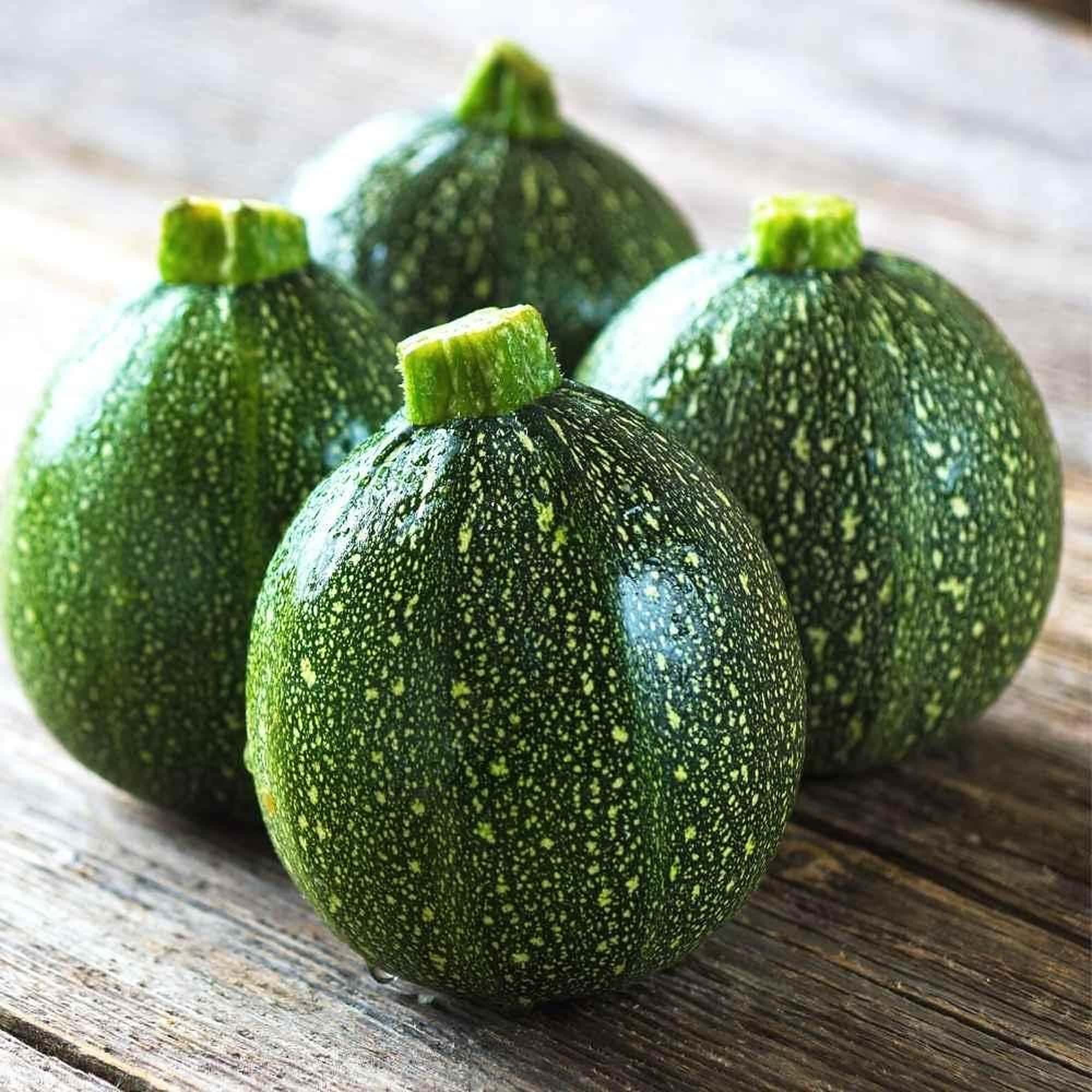
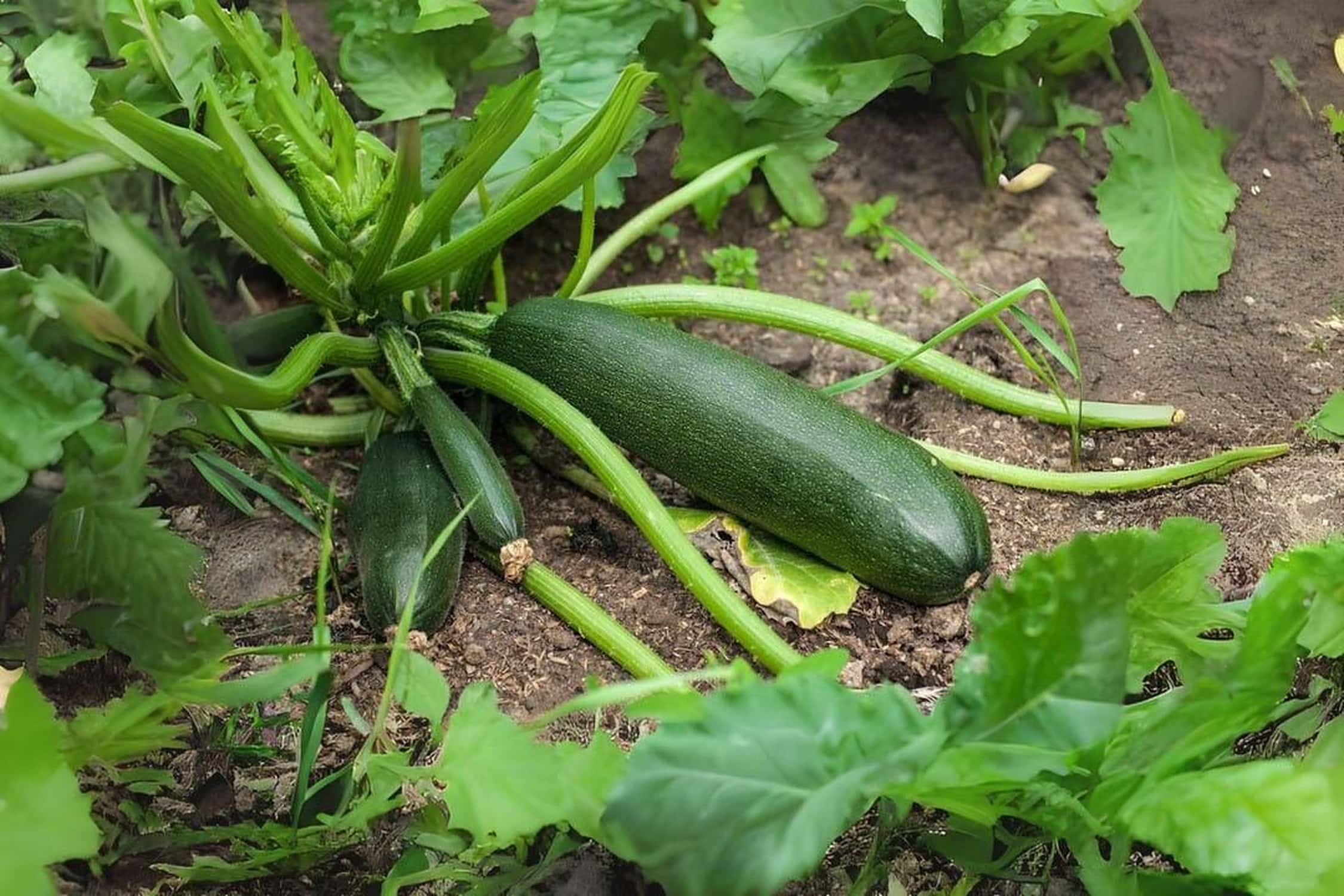
Dark green zucchini (Cucurbita pepo) is a bush-form summer squash grown for glossy dark-green fruits picked young, usually at 15–20 cm (6–8 in) long. It is a warm-season crop: sow after frost danger has passed and the soil has warmed to about 18 °C (65 °F).
Also known as: Courgette (UK, France), Baby marrow (South Africa), Summer squash, Green squash, Calabacín (Spanish), Calabacita (Spanish), Zucchina (Italian), Kabak (Turkish).
Plant habit and flowering
The plants are bush-type and do not spread like winter squash or pumpkin vines. Zucchini carries separate male and female flowers, and only the female flowers produce fruit. Fruit is usually ready 4–8 days after flowering. Incomplete pollination makes young fruits stop developing, so leave some male blossoms on the plant and avoid insecticides around open flowers.
Sowing and spacing
- Soil: warm to about 18 °C (65 °F). Optimum germination range for the species is 21–35 °C (approximate value).
- Method: sow directly, 2.5–5 cm (1–2 in) deep; direct sowing avoids root disturbance.
- Position: full sun and fertile, well-drained soil, with plants 60–75 cm (24–30 in) apart.
- Water: deeply and steadily at soil level; mulch once the soil is warm.
Harvest
Check plants often. Cut fruits while glossy and tender, commonly 15–20 cm (6–8 in) long and no more than about 5 cm (2 in) across. Leave a short stem attached, avoid scratching the skin, and pick frequently to keep the plant producing. Young fruits can be grilled, sautéed, roasted, baked, spiralised or added to soups and fritters.
About the name
Zucchini is the plural of the Italian zucchino, a diminutive of zucca (squash). The type was bred in Milan in the late 19th century. Traits above describe summer squash as a type; we do not state yield or disease resistance for this lot.
FAQ
When should I sow zucchini?
Sow once frost danger has passed and the soil is about 18 °C (65 °F) or warmer.
Why does a small fruit turn yellow and stop growing?
Incomplete pollination is a common cause. Encourage pollinators and avoid insecticides around open flowers.
How long can leftover seed be kept?
About 3–4 years in cool, dark, dry storage (approximate value for squash).
Local names
potini, po’otini, pautini, mautini, Marrow, pumpkin, courgette, summer squash, baby marrow, green squash, calabacín, calabacita, zucchina, kabak, Acorn squash.
Common names of Cucurbita pepo
All 45 names, languages and regions
Local names
| French Polynesia | |
|---|---|
| potini, po’otini, pautini, mautini | |
| United Kingdom | |
| English | Marrow |
| United States | |
| English | pumpkin |
| Other places | |
| English | Acorn squash, American Pumpkin and Summer Squashes, American pumpkin, Bitter bottle gourd, Brazilian Pumpkin, Bush squash, Courgette, Kamokamo, Kumikumi, Ribbed Pumpkin, Scallopini, Summer Squash, cocozelle, field pumpkin, jack-o-lantern pumpkin, ornamental gourd, squash, vegetable marrow, zucchini |
| Portuguese | Abobrinha |
| Spanish | Ahuyamín |
| Serbian | Bundeva |
| courgette, summer squash, baby marrow, green squash, calabacín, calabacita, zucchina, kabak, Cucuzziello, Field pumpkin, Gartenkürbis (DE), Gewöhnlicher Kürbis, Kürbis, Marrow (EN), calabaza, calam, cayixam, cus, ghia kaddu, ka, xi hu lu, xusi-te, 율호박 (yul-hobak) | |