

About this variety
Chappan kaddu is the Hindi name for summer squash (Cucurbita pepo), a tender, warm-season annual picked while the fruit is still immature, usually 4 to 8 days after flowering. Seed germinates in soil at an optimum of about 21–35 °C and goes in at least 25 mm (1 in) deep, so sow after the last frost.
Also known as: Vilayati kaddu (Hindi), Chhappan kaddu, Summer squash, Pattypan squash, Scallop squash, Custard squash, Custard marrow, Cymling, Patisson (French).
What the name covers
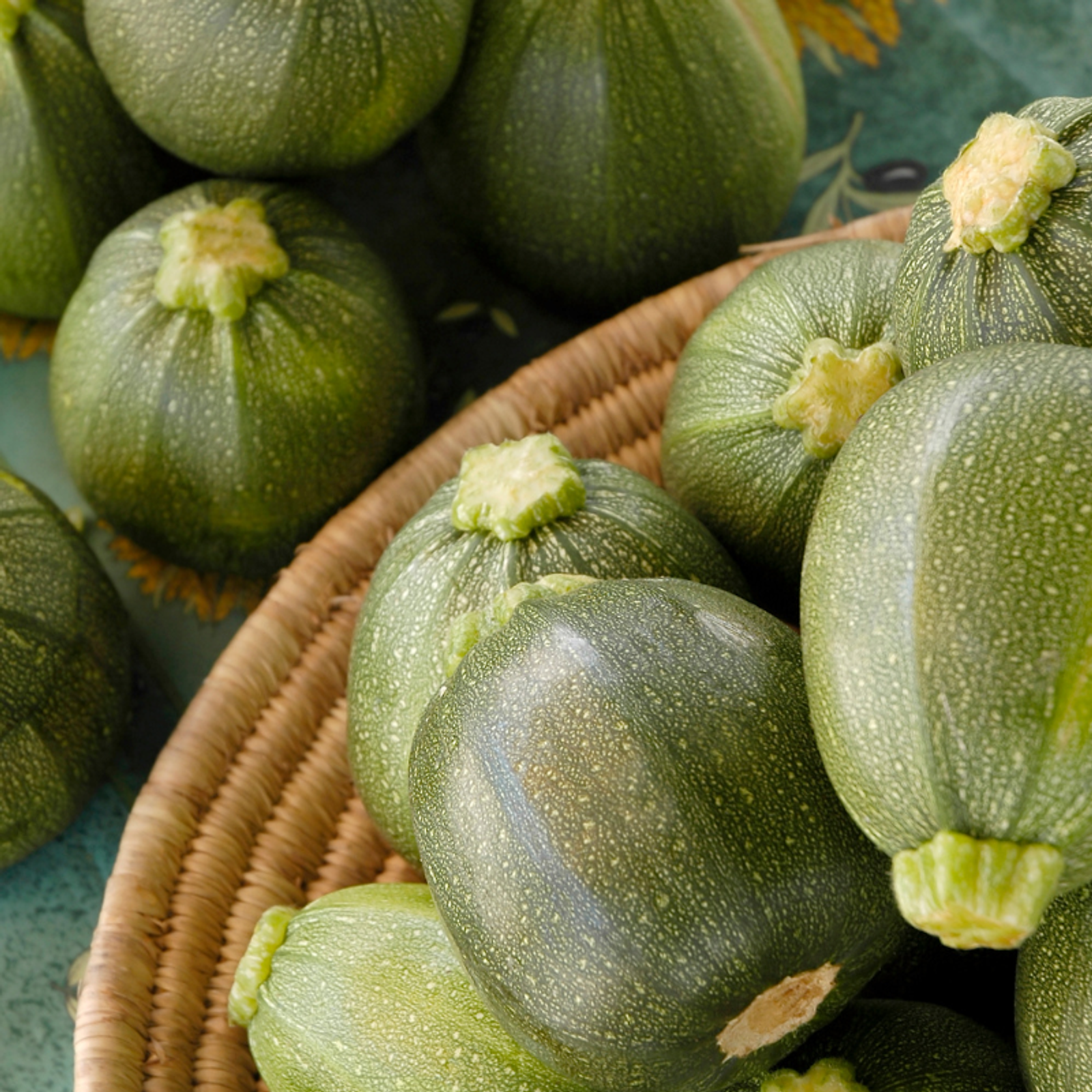
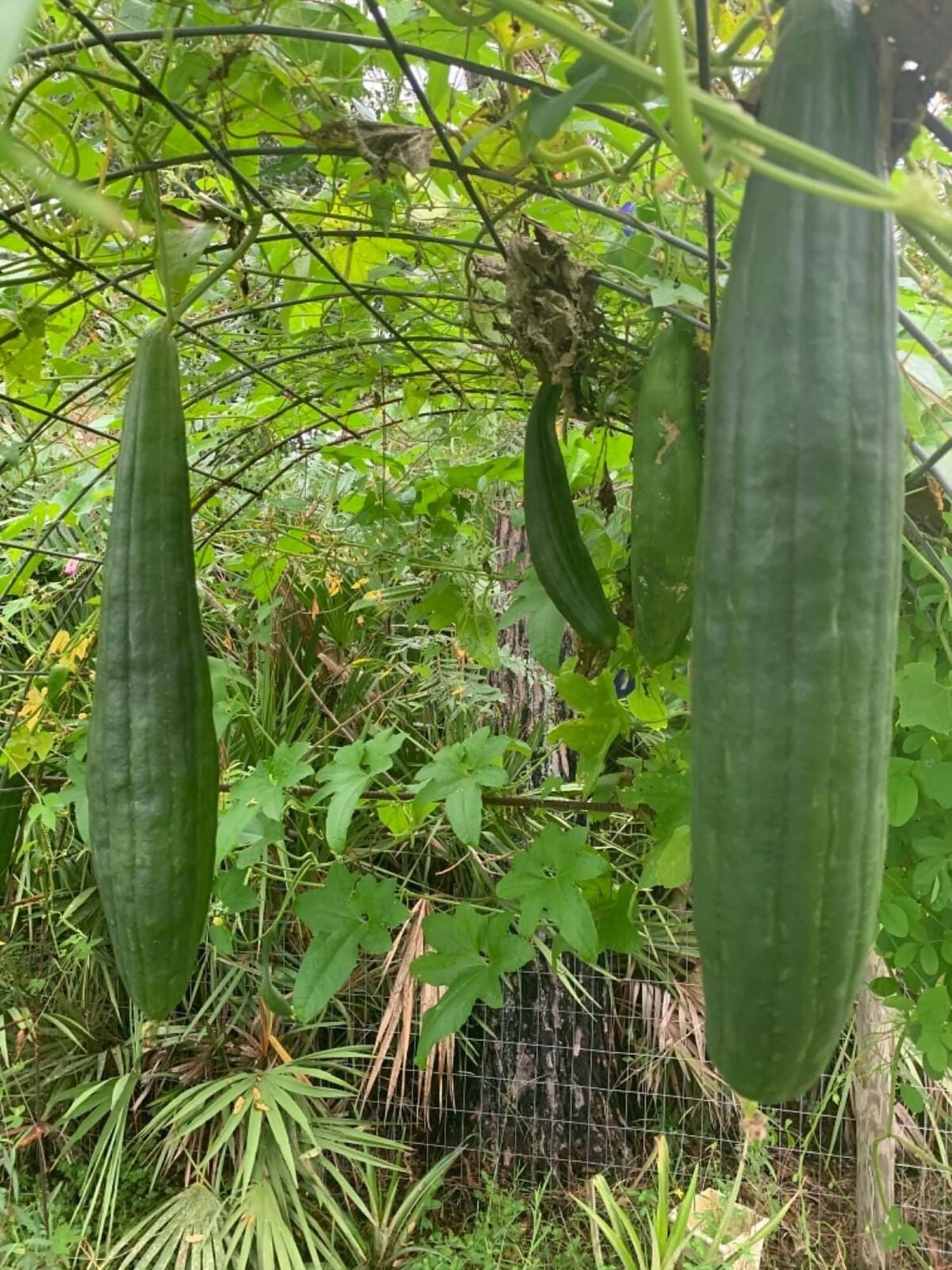
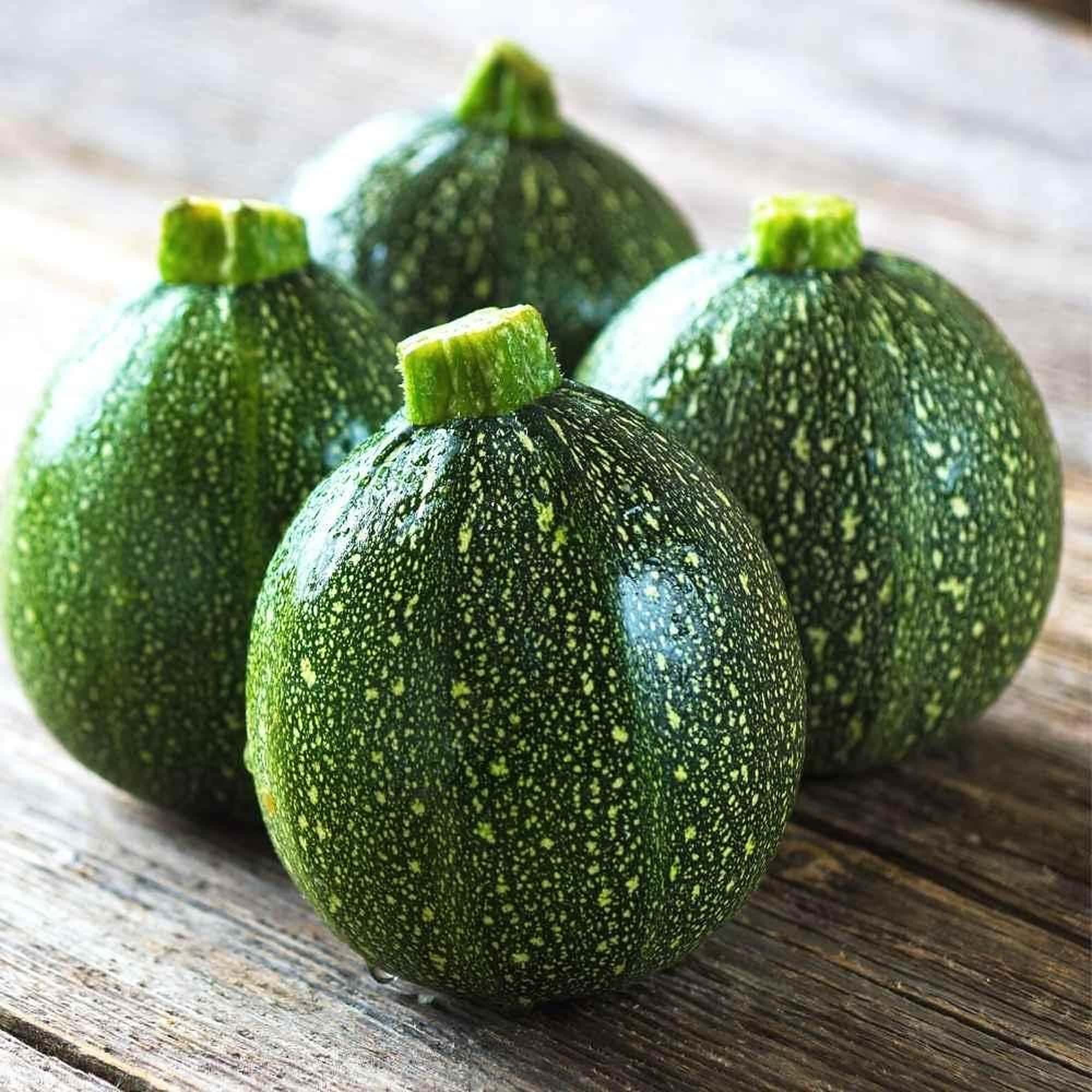
Indian horticulture literature gives chappan kaddu, or vilayati kaddu, as the Hindi name of Cucurbita pepo summer squash. It names a type rather than one fixed cultivar, and pattypan, scallop and custard shapes all appear among its synonyms, so we do not state a fruit shape or colour for this lot.
Sowing
- Soil temperature: optimum about 21–35 °C (70–95 °F), minimum about 16 °C (60 °F). These are approximate species values.
- Depth: at least 25 mm (1 in).
- Spacing: 2–3 seeds per station 60–90 cm (24–36 in) apart, thinned to one plant at 5–8 cm (2–3 in) tall; or 4–5 seeds per hill 120 cm (48 in) apart.
- Timing: after the danger of frost has passed, from early spring until midsummer. One Indian Horticulture report puts the first salad-type picking about 55 days after sowing.
Fruit set and picking
Plants carry male and female flowers, but only female flowers, recognisable by a small bulge at the base, produce fruit. Leave a few male blossoms on the vine for pollination. Check plants every 1–2 days: pick pattypan types at 3–4 in (7.5–10 cm) across, and elongated types at 6–8 in (15–20 cm) long and no more than 2 in (5 cm) thick, because oversized fruit turns seedy and tough.
What goes wrong
Squash vine borer larvae tunnel into the stem near the base, and a plant can wilt suddenly; the eggs hatch 7–10 days after they are laid, and dry spells in early summer make attacks worse. Squash bugs become more damaging in late summer, once fruit sets.
FAQ
Why does my squash flower but not fruit?
Only female flowers make fruit, and they need pollen from male blossoms on the same vine. Leave some male flowers in place rather than removing them.
How long do the seeds keep?
About 3–4 years when stored cool, dark and dry. This is an approximate species figure from Purdue and Virginia extension tables, not a germination result for this lot.
Local names
potini, po’otini, pautini, mautini, Marrow, pumpkin, Vilayati kaddu, Chhappan kaddu, Summer squash, Pattypan squash, Scallop squash, Custard squash, Custard marrow, Cymling, Patisson.
Common names of Cucurbita pepo
All 47 names, languages and regions
Local names
| French Polynesia | |
|---|---|
| potini, po’otini, pautini, mautini | |
| United Kingdom | |
| English | Marrow |
| United States | |
| English | pumpkin |
| Other places | |
| Hindi | Vilayati kaddu |
| French | Patisson |
| English | Acorn squash, American Pumpkin and Summer Squashes, American pumpkin, Bitter bottle gourd, Brazilian Pumpkin, Bush squash, Courgette, Kamokamo, Kumikumi, Ribbed Pumpkin, Scallopini, Summer Squash, cocozelle, field pumpkin, jack-o-lantern pumpkin, ornamental gourd, squash, vegetable marrow, zucchini |
| Portuguese | Abobrinha |
| Spanish | Ahuyamín |
| Serbian | Bundeva |
| Chhappan kaddu, Summer squash, Pattypan squash, Scallop squash, Custard squash, Custard marrow, Cymling, Cucuzziello, Field pumpkin, Gartenkürbis (DE), Gewöhnlicher Kürbis, Kürbis, Marrow (EN), calabaza, calam, cayixam, cus, ghia kaddu, ka, xi hu lu, xusi-te, 율호박 (yul-hobak) | |